Reviewed · 7-DAY EXPERIENCES
7-Day Great Migration Safari
A good safari plan should feel simple and punchy. This one strings together Tarangire, Serengeti, and the Ngorongoro Crater without wasting time, and it does it with included park fees, meals, and private guiding. I especially like the pace, where you get full game-drive days in Serengeti and early crater time on Day 7. You’ll also appreciate the option to add a night drive in Tarangire or a crater-rim walk in the Ngorongoro area. One thing to consider: the schedule assumes a fair amount of time in the truck, plus optional extras cost more, and tips are not included.
What makes this route interesting is the variety of habitats in a week. You start with elephant country in Tarangire, move through Rift Valley scenery around Lake Manyara, then spend multiple days in Serengeti where the action can be constant. The crater itself is the closer, tighter payoff, with an early descent that helps you beat the crowds. You’re also not dealing with a chaotic group. This is a private tour, so your sightings and timing are handled for your group.
At $3,850 per person, the value mostly comes from what’s bundled. You’re paying for seven days of guiding, park access, accommodations, and most meals, not just a couple of drives. If you’re traveling as a couple, a family, or a small group that wants a clean, well-timed loop of Northern Tanzania, this fits. If you’re traveling on a super tight budget, you’ll want to budget separately for alcohol, visas, and tips, and decide whether you want those optional add-ons.
In This Review
- Key highlights to know before you go
- Tarangire National Park, starting with elephants and a real first-day rhythm
- Lake Manyara morning walk and Rift Valley scenery without the rush
- Serengeti Pure Luxury Camp: three days of flexible wildlife time in Seronera
- Ngorongoro Conservation Area and crater-floor viewing at first light
- Great Migration expectations: how to align dates with what you want to see
- Comfort, guiding style, and small logistics that actually matter
- Price and value: what $3,850 includes, and what costs extra
- Who this 7-day Northern Tanzania safari fits best
- Should you book this Great Migration Safari?
- FAQ
- What time does the safari start?
- Are park fees included in the price?
- Is bottled water included?
- What meals are included?
- Are vegetarian meals available?
- What is included and not included for cost?
Key highlights to know before you go
- Private 7-day circuit across Tarangire, Manyara, Serengeti, and Ngorongoro Conservation Area
- Serengeti time split across 3 days, including two full exploring days plus a flexible approach
- Early crater-floor game viewing on Day 7, which is when timing matters most
- Big wildlife expertise, with the operator’s guides praised for spotting game and driving well
- Meals and park fees included, plus bottled water to keep game-viewing days easier
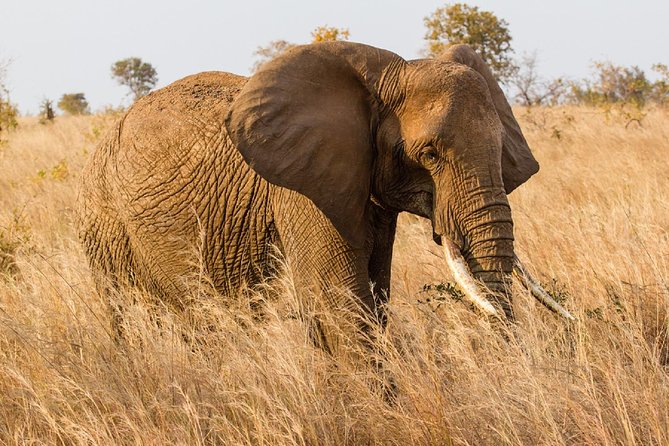
Tarangire National Park, starting with elephants and a real first-day rhythm
Day 1 is built like a safari opener: you depart early from Arusha, you get a picnic lunch packed, then you spend the afternoon on game drives around Tarangire National Park. The plan also includes dinner and overnight at Boundary Hill Lodge, so you’re not constantly moving while the light changes.
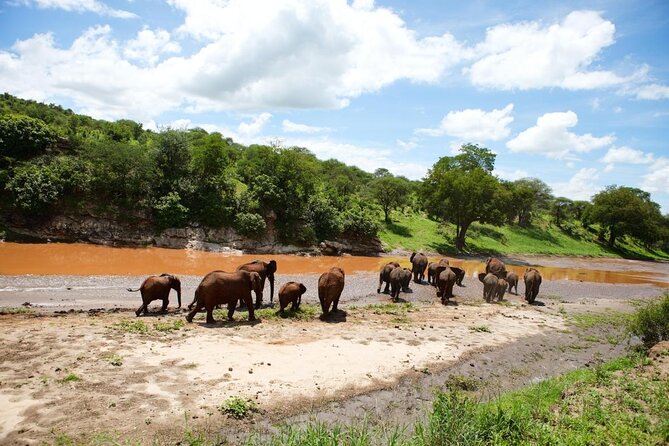
Tarangire is one of those parks that works even for first-timers. It’s known for large herds of elephants and classic savannah views, and it tends to deliver sightings without the long wait that some people fear. The practical win here is that you’re arriving with daylight and using the afternoon efficiently, rather than arriving late and losing your first prime viewing window.
Another smart detail is that the day is structured to keep you comfortable for the next leg. You have a meal plan (picnic lunch) and lodging set, which means you can focus on wildlife and not logistics. If you’d like more intensity, there’s an optional night drive for an extra fee. Night drives can be hit-or-miss depending on conditions, but when they’re available they can add variety, especially for nocturnal activity.
Downside to keep in mind: night drives and add-ons cost extra, and they extend the day. So if you’re traveling with kids, or you just don’t love late nights, it can be wise to stick with the standard afternoon game drive.
More Safaris in Arusha
- Balloon Safari & Bush Breakfast in Serengeti – Miracle Experience
★ 5.0 · 1,646 reviews - 4 Days Group Camping Safari
★ 5.0 · 1,101 reviews - 5 Days Group Camping Safari
★ 5.0 · 730 reviews
Lake Manyara morning walk and Rift Valley scenery without the rush
Day 2 shifts gears. You start with a morning walk at Lake Manyara National Park, then depart with a picnic lunch for game viewing. From there, you ascend the Great Rift Valley area and head to Rhotia Valley Lodge for dinner and overnight.
This is the kind of day that helps you break up the heavy truck-time feeling. A morning walk can change how you experience the park. Even when game viewing on foot is more limited, you’re often more aware of birds, tracks, and the landscape. Plus, Lake Manyara can be rewarding in its own right, especially for people who like birdlife and diverse habitats in a smaller-feeling park.
The Rift Valley ascent is not just scenery for Instagram. It also helps explain why Northern Tanzania feels so dramatic in motion. You’re literally traveling through geological change, and it shows up in the views from lodge areas. That matters because the lodges you’re staying at are part of the experience, not just beds for the night.
What to consider: because Day 2 has both a walk and a drive, you may feel more active early in the trip than people expect. Wear comfortable shoes, bring layers, and plan for morning coolness that can turn warm later. If your group is sensitive to walking or uneven ground, tell the operator ahead of time so they can advise what’s best for your pace.
Serengeti Pure Luxury Camp: three days of flexible wildlife time in Seronera
Days 3 to 5 are the Serengeti core, and they’re where the tour really earns its reputation for classic safari time. Day 3 starts with a transfer from Karatu to the Serengeti, including picnic lunch and game viewing en route, then arriving at Seronera for dinner and overnight at Serengeti Pure Luxury Camp.
Day 4 and Day 5 are both full exploring days in Serengeti. The schedule is flexible. You can take a picnic lunch and stay out longer on the road, or you can choose early morning and late afternoon drives with lunch handled within the camp. Either way, you’ll have dinner and overnight back at Serengeti Pure Luxury Camp.
I like this design because it respects two different safari styles. If you’re chasing maximum sightings, you can stay out longer. If you want a calmer rhythm, you can split the day into morning and evening drives and use midday time to rest. Both options matter, because midday heat and driving fatigue are real, even when the animals are still around.
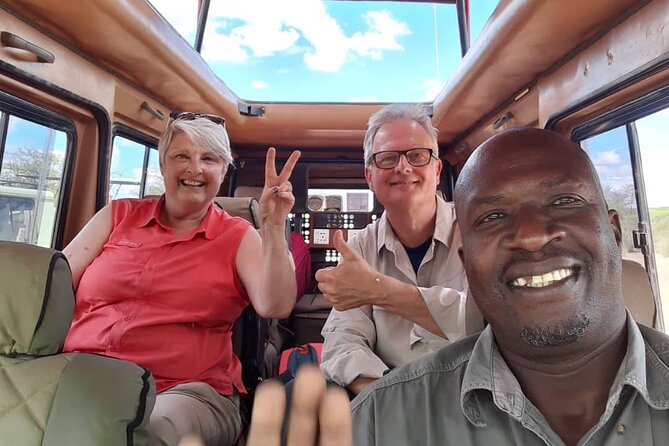
One of the most praised parts of this operator’s safaris, based on past experiences, is that their guides can spot game quickly and drive with confidence. Guides are often credited with finding animals that are easy to miss, and that skill can make a huge difference once you’re in Serengeti where everything looks similar until it suddenly isn’t.
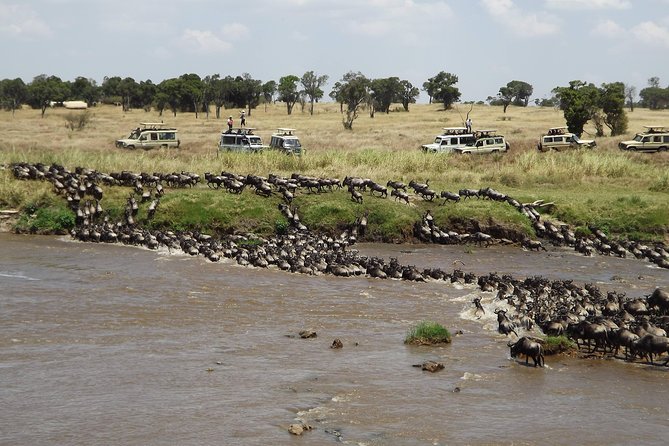
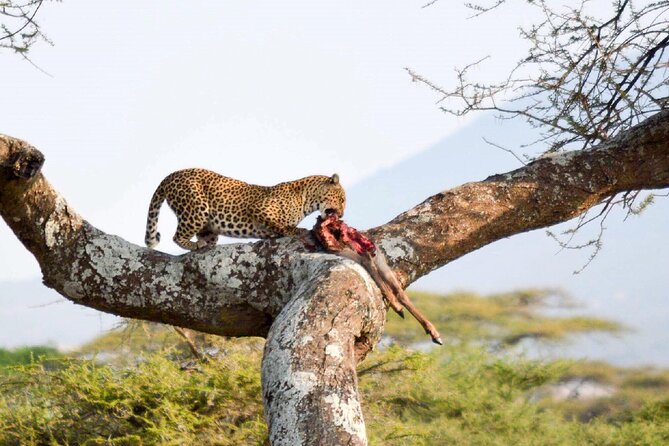
Great Migration note: this tour is framed as a Great Migration safari, so your actual sightings depend heavily on season and where the herds are at the time you travel. Some past trips highlighted wildebeest and zebra movement and crossings in migration regions, which is why timing matters. If migration is your top goal, I’d confirm your travel month with the operator before you lock it in, and ask what migration areas they expect to target when you go.
Ngorongoro Conservation Area and crater-floor viewing at first light
Day 6 moves you from Serengeti to Ngorongoro Conservation Area. You depart with picnic lunch and game viewing en route, then head to Ngorongoro Sopa Lodge for dinner and overnight.
Day 7 is the payoff day. You start early with a descent onto the crater floor for game viewing, with picnic lunch included, then you depart back to Arusha in the late afternoon.
This is a route that gets the timing right. Crater game viewing is one of those situations where early matters. Cooler conditions and thinner crowds can improve your odds of better animal activity and easier viewing. The crater itself is famous for high density wildlife, meaning you can see a lot in a smaller area compared with open savannah, even when the exact species mix varies.
The optional extra on Day 6 is a Crater Rim walk with an NCCA guide for an added fee. If you like views and want a break from truck time, it can be a great add-on. Just remember it also means more walking and more time outdoors, so pack for sun and wind and don’t plan it if your group is already tired.
Potential drawback: you’re stacking a long crater day plus a return drive to Arusha late in the afternoon. That’s normal for a 7-day safari loop, but it can feel rushed if you want a long final evening in Arusha. Plan for an easy dinner when you get back.
More safaris from Arusha:
- 3 Days Serengeti & Ngorongoro Group Camping Safari
★ 5.0 · 574 reviews - 7-Day Premium Luxury Tanzania Safari All-Inclusive
★ 5.0 · 426 reviews - 3-Day Classic Serengeti Safari
★ 5.0 · 263 reviews - 8 Days Great Wildebeest Calving Migration Safari from Arusha
★ 5.0 · 254 reviews
Great Migration expectations: how to align dates with what you want to see
The big question with any Great Migration-focused safari is simple: will you be there when the herds are where the story happens? This tour is designed to cover key Northern Tanzania zones that are often connected to migration movement, but the exact action you’ll see changes with the month.
Here’s the practical way to think about it. If you travel at the right time, you can get scenes people dream about, including big herds and dramatic movement. Past experiences tied to this operator have mentioned wildebeest and zebra crossings in migration regions, which is why they advertise Great Migration as the theme. If your dates miss peak movement, you can still see plenty of wildlife in Serengeti and the crater, but the migration highlight may be more subtle.
Before booking, do two things:
- Ask the operator what migration area they plan to target during your month.
- Tell them your priority: crossings, big herd sightings, predators hunting, or birdlife.
That way, you’re not just buying the itinerary. You’re buying the probability of seeing your exact version of the Great Migration.
Comfort, guiding style, and small logistics that actually matter
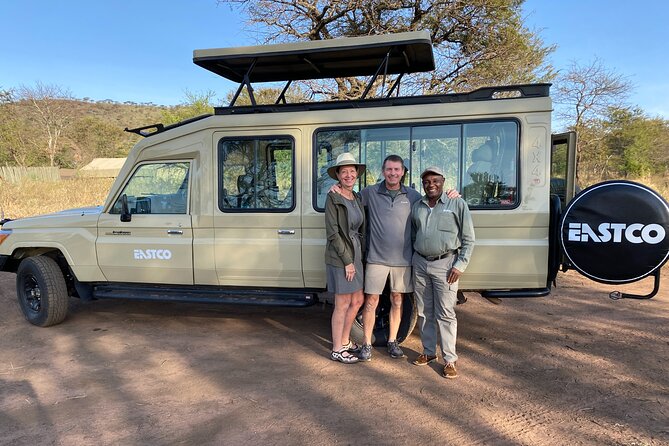
This is a private tour, meaning only your group participates. That matters for two reasons. First, it reduces waiting around, because your guide is running your day, not a shared schedule across multiple vehicles. Second, it makes it easier to manage a group’s preferences, like whether you want longer drives in the morning or more rest between outings.
Pickup is offered from Arusha, and the tour is set for an 8:00 am start time. You’ll also have bottled water included, which is one of those details that sounds small until you’re deep in a game drive day and your water plan is already solved.
The tour runs in all weather conditions, so dress appropriately. In real safari terms, that means lightweight layers for warmth, something for rain or wind, and clothing that’s comfortable for repeated time in and out of the vehicle.
Two optional adds to plan around:
- Tarangire night drive for $30 per person (kids $20)
- Crater rim walk for $30 per person (kids $20)
If you’re traveling with children, children must be accompanied by an adult, and the child rate applies only when sharing with two paying adults. That’s worth knowing early so you can price your group correctly.
Price and value: what $3,850 includes, and what costs extra
At $3,850 per person for about 7 days, you’re not buying a bare-bones safari. You’re buying a package with real inclusions.
Included items are extensive:
- All taxes, fees, and handling charges
- National park fees
- Bottled water
- Private tour
- Accommodation as stated
- 6 breakfasts, 6 lunches, and 7 dinners
- Mobile ticket
That’s important for value because park fees alone can add up fast in Northern Tanzania, and meals reduce daily decision fatigue. It’s also helpful for kids and anyone who hates hunting for food at the wrong times.
What’s not included:
- Alcoholic drinks (available to purchase)
- Food and drinks unless specified
- Tips
- Visas
So, the “true” total depends on your tipping approach and visa needs, plus whether you add the night drive or crater rim walk. If you like a hands-off trip where most of the day-to-day is handled, this package pricing starts to look reasonable.
Who this 7-day Northern Tanzania safari fits best
This safari is a strong fit if you want:
- A classic Northern Tanzania loop with Tarangire, Serengeti, and Ngorongoro as anchors
- More than one Serengeti day, which increases your chances of good predator and herd sightings
- A private setup where your guide can focus on your group’s rhythm
- A food and lodging plan that removes a lot of stress
It’s also well suited for photographers or people who want repeat viewing time. Two full days in Serengeti, plus flexible driving and lunch options, gives you multiple chances to catch the light and behavior you want.
Families can do well too, since the route is structured and the optional activities give you choices. Still, remember that the days involve early mornings and plenty of time on the road. If your kids hate long vehicle days, you’ll want to pack snacks, games, and patience.
Should you book this Great Migration Safari?
Book it if your priority is a well-paced Northern Tanzania highlights circuit with park fees and meals handled, plus enough Serengeti time to give your wildlife odds a boost. The best reason to book is the design: Tarangire starts strong, Serengeti gives you multiple full days, and the crater is scheduled for early-floor viewing when it’s most effective.
Skip it or adjust your expectations if you’re hoping for a guaranteed migration spectacle at exact crossing moments, because Great Migration viewing depends on timing and where the herds are that month. If migration is your number one goal, ask the operator what they expect to target in your travel dates and be flexible on what the highlight looks like.
If you want a safari that feels organized, scenic, and focused on wildlife time rather than administrative headaches, this one is worth serious consideration.
FAQ
What time does the safari start?
The start time is 8:00 am, with pickup offered in Arusha.
Are park fees included in the price?
Yes. National park fees are included, along with all taxes, fees, and handling charges.
Is bottled water included?
Yes. Bottled water is included.
What meals are included?
The package includes 6 breakfasts, 6 lunches, and 7 dinners.
Are vegetarian meals available?
Yes. A vegetarian option is available, and you should advise the provider at booking.
What is included and not included for cost?
Included costs cover park fees, accommodations, and meals, plus bottled water. Not included are visas, tips, alcoholic drinks, and any food or drinks unless specified.
Just posted around Arusha
- 8 Days Serengeti Migration safari★ 5.0 · 11 reviews
- tarangire & ngorongoro 2 days tour★ 5.0 · 14 reviews
- serengeti, ngorongoro & tarangire 4 days private tour★ 5.0 · 18 reviews
- tarangire, ngorongoro & lake manyara park 3 days private tour★ 5.0 · 11 reviews
- serengeti & ngorongoro 3 days private tour★ 5.0 · 15 reviews
- climb the KILIMANJARO via Lemosho route★ 5.0 · 4 reviews
- Mt. Kilimanjaro: Shira plateau to Cathedral point 3872m Day hike★ 5.0 · 7 reviews
- Kilimanjaro Waterfalls Hike & Moshi Hot Springs Day Trip Tour★ 5.0 · 4 reviews
7-Day Experiences, compared.
7-Day Premium Luxury Tanzania Safari All-Inclusive
Read our review →
Group Safari 7 Days in Tanzania’s Main Parks
Read our review →
Climbing Kilimanjaro through 7 days Machame Route
Read our review →
7-Day Machame Kilimanjaro Summit Tour from Arusha
Read our review →