Reviewed · 6-DAY EXPERIENCES
Unforgettable 6 Days Tanzania Private Big-5 Mid-range Safari
Six days, four parks, one wildlife overload. I like that this is a true private safari with an experienced guide, letting you move through Tarangire, Serengeti, Ngorongoro Crater, and Lake Manyara in a way that feels customized. I also love the clear Big Five focus, especially the long crater game drive. One thing to consider: the days are built around early starts and long drives, so you will spend a lot of time in the vehicle.
From the first morning pick up in Arusha (7:30 am start) you are mostly in motion, with camp or lodge stays and meals planned around game viewing. Value is strong on paper too, since park fees, all fees and taxes, and most meals are included, and the itinerary hits multiple ecosystems in just six days.
In This Review
- Key Highlights Worth Your Attention
- Arusha to Tarangire: elephants, baobabs, and a smart first day
- Manyara to Serengeti: Rift Valley drives plus an optional Olduvai Gorge stop
- Central Serengeti at sunrise: Sogore River Circuit and kopjes lion country
- Serengeti to Ngorongoro: migration timing and a rim-night reset
- Ngorongoro Crater for 7 hours: dense Big Five country from the inside
- Lake Manyara full day: baboons, birds, and the tree-climbing-lion chance
- Price and value: what you are actually paying for
- What the private guide adds to your wildlife odds
- Comfort level: mid-range stays and the reality of crater days
- Who should book this safari, and who might want a different plan
- Should you book this 6-day private Big Five safari?
- FAQ
- Where does the safari start and end?
- What time does the tour start?
- Is this a private safari?
- Which parks are included?
- What kind of lodging should I expect?
- Are meals included?
- Are park fees included?
- What is not included in the price?
- Is pickup offered?
- What if the safari is canceled due to poor weather?
Key Highlights Worth Your Attention
- Private group only: you are not sharing the safari vehicle with strangers.
- Tarangire first: elephants and baobabs from day one set a high bar.
- Serengeti circuits: morning predator hunting style game drives plus kopjes lion country.
- Ngorongoro for 7 hours: a full, slow crater session with packed lunch.
- Lake Manyara variety: bird-heavy lake shores and the chance of tree-climbing lions.
- Meal planning included: breakfast, lunch, and dinner counts are baked into the schedule.
Arusha to Tarangire: elephants, baobabs, and a smart first day
You start in Arusha, the main safari hub in northern Tanzania, with a 7:30 am start and pickup offered. From there, you head toward Tarangire on a scenic drive along the Arusha-Dodoma highway. The day includes an easy, practical option to stop at a supermarket for last-minute personal shopping, which matters because once you are fully in safari rhythm, you tend to run on the schedule.
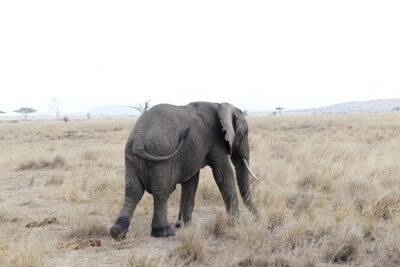
Tarangire is a great first park because it gives you instantly recognizable Tanzania scenery and wildlife. The park is known for big elephant numbers, and it also has the famous baobab trees that you see again and again in photos for a reason. The itinerary notes herds sometimes exceeding 300 animals, which tells you this is not a “maybe” park. After the drive, you get a picnic lunch and then check into your camp or lodge in the Manyara (Mto wa Mbu) or Karatu area, ideally arriving before sunset.
Two small notes I’d keep in mind. First, Tarangire’s strongest viewing can be spread throughout the day, so arriving before sunset helps you get oriented quickly. Second, this is the first day, so expect your body to adjust to game-drive timing and bumpy roads.
More Safaris in Arusha
- Balloon Safari & Bush Breakfast in Serengeti – Miracle Experience
★ 5.0 · 1,646 reviews - 4 Days Group Camping Safari
★ 5.0 · 1,101 reviews - 5 Days Group Camping Safari
★ 5.0 · 730 reviews
Manyara to Serengeti: Rift Valley drives plus an optional Olduvai Gorge stop
Day two is all about moving from Manyara (Mto wa Mbu) or Karatu into Serengeti National Park. After breakfast, you leave early and drive across the Great Rift Valley floor. Then you work your way over the escarpment and through the Ngorongoro Conservation Area, so your day includes big-view scenery as the terrain shifts under you.
This day also gives you a meaningful optional cultural stop: Olduvai Gorge Museum, often called the Cradle of Mankind. If you choose it, you can explore fossil evidence tied to early human history. It’s a welcome change of pace because Serengeti can be so wildlife intense that it helps to anchor your attention with one clear non-safari site.
Once you reach Serengeti in the afternoon, you shift back into wildlife mode with a game drive until evening. Then you check in for dinner and your overnight stay at a camp or lodge.
The trade-off here is time. You are driving from one major ecosystem to the next, so you will not have a slow, relaxed start in Serengeti on day two. The upside is you are getting positioned for full-day viewing soon.
Central Serengeti at sunrise: Sogore River Circuit and kopjes lion country
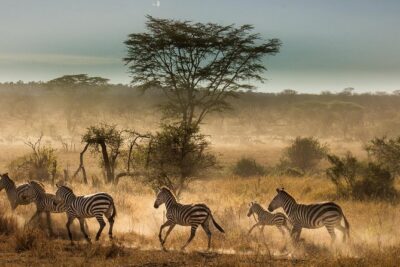
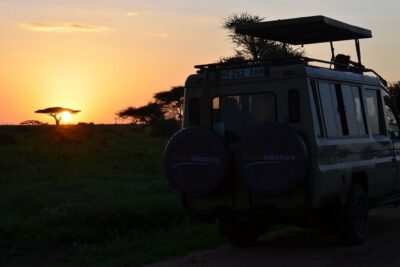
Day three starts early after breakfast, and it is built as a full game-drive day in central Serengeti. The itinerary specifically sets you up for sunrise over the savannah, with predators beginning their hunt. That matters, because predator action is often tied to light and temperature, and starting early gives you a real shot at that energy.
You spend time on the Sogore River Circuit, and you are looking for the core Serengeti cast: lions, gazelles, cheetahs, and more. The day also includes a visit to the Visitor Centre for wildlife displays, plus a picnic lunch. That combination is smart. It breaks up the day and helps you make sense of what you are seeing out on the plains.
In the afternoon, the plan shifts to the Kopjes Circuit, which is all about granite outcrops. Those kopjes matter because they create shade and also attract animals to areas with resources, which can improve your odds of seeing lions and other predators. After the game drives, you return to the lodge for overnight.
A practical consideration: day three is intense, both in time and in expectations. You will want your binocular strategy to be simple: focus on the movements first, then zoom in with whatever tool you prefer. This is also one of those days where a patient guide really helps, because the best sightings can take time to develop.
Serengeti to Ngorongoro: migration timing and a rim-night reset
Day four keeps you in Serengeti with morning and afternoon game drives, plus a lunch break at the lodge. Serengeti is described as “endless plains,” and that name fits the way wildlife spreads out across huge distances. This day is built for spotting carnivores like leopard, lion, hyena, and cheetah, and it also ties into the famous wildebeest movement.
The itinerary notes the annual wildebeest migration from the Kenyan Mara and highlights May or early June as a time when you might see migration northwards. If your travel dates land around then, you should treat this day as a potentially special viewing window. If they do not, you can still expect lots of large animals because the park is noted for over 3 million large mammals.
After lunch and more viewing, you head toward Ngorongoro Crater. You have dinner and overnight at a camp or lodge at the rim of the crater. This is a key logistics step. Staying near the rim helps you get an easier start into the crater early the next morning without losing time to long transfers.
If you get motion-averse, day four is also a reminder that the safari is a sequence of high-impact drives. The upside is that each drive moves you toward a different wildlife “style,” and Ngorongoro is its own world.
More safaris from Arusha:
- 3 Days Serengeti & Ngorongoro Group Camping Safari
★ 5.0 · 574 reviews - 7-Day Premium Luxury Tanzania Safari All-Inclusive
★ 5.0 · 426 reviews - 3-Day Classic Serengeti Safari
★ 5.0 · 263 reviews - 8 Days Great Wildebeest Calving Migration Safari from Arusha
★ 5.0 · 254 reviews
Ngorongoro Crater for 7 hours: dense Big Five country from the inside
Day five is the centerpiece for many people because it is your Ngorongoro day. After breakfast, you descend into the crater for an extensive 7-hour game drive with a packed lunch. That duration matters because Ngorongoro sightings often come in bursts. With a long time inside, you are not forced to rush past interesting areas before the animals decide to appear.
The itinerary explains why Ngorongoro is so wildlife-dense. The crater formed after a massive volcanic eruption millions of years ago, and now the crater walls act like natural barriers. That means animals concentrate there, and the plan notes about 30,000 animals in the crater area. You are also told to expect the Big Five, including the endangered black rhino.
This is one of those days where your guide’s driving choices really count. Since you are moving within a constrained space, the ability to read signs and select the next viewpoint can make the difference between “we saw animals” and “we saw real action.”
After the crater drive and lunch, you head back out toward Manyara or Karatu for overnight.
The possible drawback is stamina. A crater day is long, and you will be focused for hours. If you are prone to getting tired from travel, this is the day where you will want to mentally pace yourself and stay calm when the best sightings take a while.
Lake Manyara full day: baboons, birds, and the tree-climbing-lion chance
Day six shifts from the big, heavy crater day to Lake Manyara National Park, where you get a full day of game drives. The itinerary calls it smaller than the other parks, but still rewarding and diverse, which fits the experience style here. Instead of only one “major draw,” Manyara is about variety and constant movement.
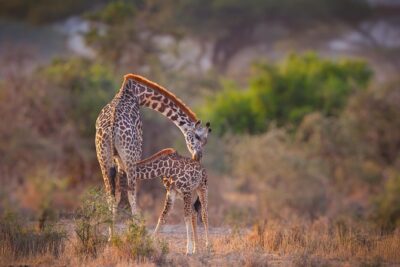
Lake Manyara is described as an unspoiled paradise of ground water forest fed by underground springs. Wildlife includes elephants, hippos, giraffes, buffaloes, antelopes, and large baboon troops. If you love birds, this is a good day because the lake shore teems with birdlife, and you are likely to spend time scanning along the water edge.
One reason people travel for Manyara is the possibility of the tree-climbing lions. The itinerary says people flock from all over the world to see these iconic predators lounging in trees. You might spot them while you are busy looking for birds, which tells you how the day will feel: you will be switching attention often.
After your game drives, the experience ends back at the meeting point in Arusha. That means you should expect another day of travel, even though the day’s structure is safari-focused.
Price and value: what you are actually paying for
The price is $5,271.00 per person, and the value comes from how much is included. You get an experienced professional tour guide, hotel accommodation during the safari, and a meal schedule that includes breakfast (five), lunch (six), and dinner (five). You also get all fees and taxes, and the itinerary lists admission tickets as free for each day, which strongly suggests park entry costs are handled.
For a private safari, you are often paying for your own vehicle and attention. Here, that privacy is explicitly part of the deal: only your group participates. That means less negotiating with a larger group and more control over how long you stay with a sighting.
The main cost caveats are the exclusions. Tipping the guide, medical insurance, visa, and flight costs are not included. Accommodation before and after the safari is also not included. If you need those pieces, your total trip budget will rise. Still, compared to safaris where you pay park fees, guide costs, and some meals separately, this one is structured to feel more “single-package.”
What the private guide adds to your wildlife odds
Because this is private, your guide can respond in real time. The itinerary repeatedly uses circuit-style game drive days, like Sogore River and Kopjes in Serengeti, and then the long crater drive in Ngorongoro. Those plans give you structure, and the private aspect gives you flexibility within that structure.
In the feedback I was given about related adventures run by the operator, guides such as Amini and Mr Norka were praised for safety and careful attention. The names matter because it suggests more than generic service. You are not just buying a vehicle ride. You are buying into a team approach where safety, timing, and calm driving are part of the product.
Even with a strong itinerary, wildlife does not move on a timetable. A good guide helps you keep chasing the right area rather than drifting when action is off to the side.
Comfort level: mid-range stays and the reality of crater days
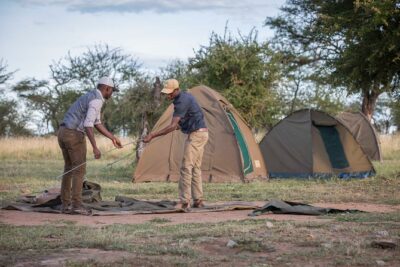
This experience is positioned as mid-range, with camp or lodge accommodation during safari. In practice, that usually means you are trading off the newest luxury lodges for a solid comfort level and good access to game-drive routing.
The itinerary places you in the Manyara (Mto wa Mbu) or Karatu area after Tarangire, then in the Serengeti area during the Serengeti nights, then on the Ngorongoro rim after the drive toward the crater. Those location choices reduce backtracking and shorten the time you spend just getting from one park to the next.
The comfort reality is that you are moving through very different environments, and the crater day is the heaviest in terms of time spent focused outdoors. If you are the type who likes lots of long breaks, this safari may feel demanding. But if you like your days structured around wildlife, it is built that way on purpose.
Who should book this safari, and who might want a different plan
I think this safari fits best if you want a classic northern Tanzania sweep with a clear Big Five emphasis, without sacrificing comfort. It is also a strong choice for couples and friends who want to travel together without sharing vehicle time with strangers.
You might rethink this plan if you are sensitive to long drives and early starts. This itinerary is not a slow wander. It is active, day after day, with driving built in before and after most game drives.
If your priority is maximum variety, this plan hits it: Tarangire for elephants and baobabs, Serengeti for predator-focused circuits and migration timing, Ngorongoro for the concentrated crater ecosystem, and Lake Manyara for birds and the tree-climbing-lion possibility.
Should you book this 6-day private Big Five safari?
Book it if you want a private safari that hits multiple major parks in six days, with park fees, guides, and a planned meal schedule included. The itinerary structure is also a good fit if you like the idea of long viewing blocks, like the 7-hour Ngorongoro crater game drive.
Hold off if you know you will struggle with the rhythm of early mornings, long driving days, and extended time in the vehicle. This is a safari first, comfort second, and it stays that way throughout.
If you do book, I’d go in with two expectations: you will get real time in the most famous areas, and your sightings will depend on timing and animal movement, not only the route. With a private guide and the itinerary’s pacing, you are positioned well for a memorable Big Five style trip.
FAQ
Where does the safari start and end?
It starts in Arusha, Tanzania, and it ends back at the meeting point.
What time does the tour start?
Start time is 7:30 am.
Is this a private safari?
Yes. Only your group will participate.
Which parks are included?
Tarangire National Park, Serengeti National Park, Ngorongoro Conservation Area (Ngorongoro Crater), and Lake Manyara National Park.
What kind of lodging should I expect?
The itinerary uses camp or lodge accommodation during the safari, including stays in Manyara (Mto wa Mbu) or Karatu and a lodge or camp on the rim of the Ngorongoro Crater.
Are meals included?
Yes. Breakfast is included for 5 days, lunch is included for 6 days, and dinner is included for 5 days.
Are park fees included?
All fees and taxes are included, and the itinerary lists admission tickets as free.
What is not included in the price?
Tipping the guide, medical insurance, visa, local and international flight cost, and hotel accommodation before and after the safari.
Is pickup offered?
Yes, pickup is offered.
What if the safari is canceled due to poor weather?
This experience is non-refundable and cannot be changed for any reason, but if it’s canceled due to poor weather, you’ll be offered a different date or a full refund.
Just posted around Arusha
- 8 Days Serengeti Migration safari★ 5.0 · 11 reviews
- tarangire & ngorongoro 2 days tour★ 5.0 · 14 reviews
- tarangire, ngorongoro & lake manyara park 3 days private tour★ 5.0 · 11 reviews
- serengeti, ngorongoro & tarangire 4 days private tour★ 5.0 · 18 reviews
- serengeti & ngorongoro 3 days private tour★ 5.0 · 15 reviews
- climb the KILIMANJARO via Lemosho route★ 5.0 · 4 reviews
- Mt. Kilimanjaro: Shira plateau to Cathedral point 3872m Day hike★ 5.0 · 7 reviews
- Kilimanjaro Waterfalls Hike & Moshi Hot Springs Day Trip Tour★ 5.0 · 4 reviews
6-Day Experiences, compared.
Private 6-Day Tarangire Manyara Crater and Serengeti with Mid-Range Lodges
Read our review →