
Reviewed · HIKING & TREKKING
Book Day Hike at Rau Forest Reserve, Near Moshi Town in Tanzania
Monkeys and springs are the headline. The Rau Forest Reserve near Moshi is an underground-water forest, known for catchment springs, wildlife, and the chance to spot black and white colobus monkeys in their real home.
I also like that you can turn the walk into hands-on conservation, choosing either to help in the tree nurseries for 30-45 minutes or to plant trees. And with guides like Peter from Twende Africa Tours, you get clear explanations about the trees, plants, and animals as you go.
One consideration: you need moderate physical fitness, and this experience depends on good weather, so the timing and conditions matter.
In This Review
- Key things to know before you go
- Entering Rau Forest Reserve from Ghala Road, near Moshi
- Why the forest feels special: springs, catchment, and animal habitat
- Traditional healer tree bark and the local beliefs you might hear
- The conservation choice: tree nurseries or planting trees
- Extending to rice farms: irrigation over 3,000 hectares
- Wildlife and plant spotting with guide Peter
- Price and logistics: value, timing, and the stuff you actually need
- What to pack for a 3.5 hour forest and rice-farm day
- Who should book this Rau hike, and who might skip it
- Should you book the Rau Forest Reserve hike with rice fields?
- FAQ
- How long is the Rau Forest Reserve hike?
- What does the tour cost, and what’s included?
- Is pickup available, and where do we meet?
- What ticket type is used?
- What animals and forest features are the focus?
- Is there an option to help with conservation?
Key things to know before you go
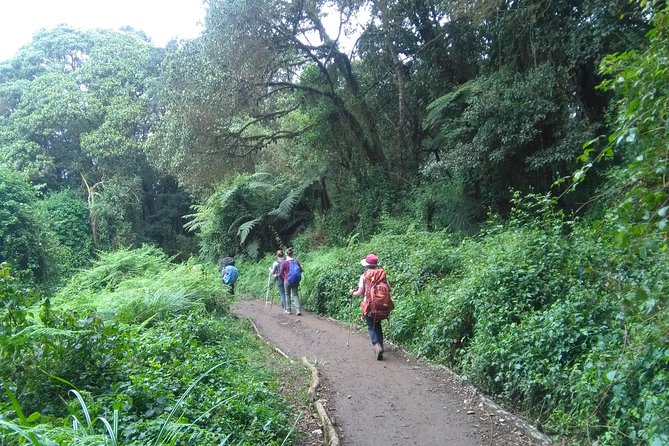
- Underground-water forest: Rau’s catchment role is part of why the forest stays alive and productive.
- Monkey chances: the reserve is known for black and white colobus and blue monkeys.
- Local tree knowledge: you’ll learn how community healers use the tree bark for medicinal and ritual purposes.
- Choose your conservation time: either nursery work (30-45 minutes) or planting trees, if you want.
- Rice-farm extension option: from the forest edge, you can head toward irrigation rice fields covering 3,000+ hectares.
Entering Rau Forest Reserve from Ghala Road, near Moshi
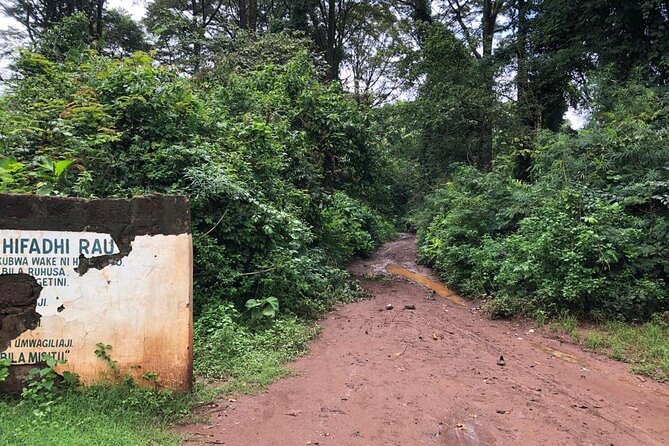
This hike is a great “get out of town” day. You start at Ghala Road and you’ll meet your guide there, with pickup offered. The tour is private, so it’s just your group, which usually means you can move at a human pace instead of sprinting to the next photo stop.
Rau Forest Reserve sits in the Moshi lowlands, and that matters. Lowland forests are often where you feel the most active mix of wildlife and plant life, not just a scenic walk. Rau is also famous for being an underground water forest and for its catchment values, which basically means the forest helps feed springs and keeps water cycling in the area.
Expect a guided stroll through forest paths where your guide points out what you might miss on your own. If you like learning what you’re seeing, this is the right style of tour: not just “walk and look,” but “walk and understand.”
More Hiking Trips in Moshi
- Private Kilimanjaro Hike 7 Day Lemosho Route
★ 5.0 · 60 reviews - Best Kilimanjaro hiking day trip tour with Kilinge Adventures
★ 4.5 · 54 reviews - #1. Best Kilimanjaro Day hike Tour-Machame Route-ISMANI
★ 4.2 · 47 reviews
Why the forest feels special: springs, catchment, and animal habitat
Rau is not just pretty trees. It plays a practical role in water supply. The reserve hosts natural springs and important tree species, which supports wildlife too. That’s why the forest walk feels more meaningful than a standard nature trail. You’re stepping into an ecosystem with a job to do.
The wildlife focus is real. The reserve is known for two monkey types: black and white colobus and blue monkeys. These are the kinds of animals you’re not guaranteed to see in every forest anywhere, so Rau’s reputation matters. When you do spot monkeys, you’ll get to connect the dots: why this kind of forest structure supports them, and what to look for when you hear movement overhead.
If you’re hoping for photo moments, keep your expectations friendly. Monkeys can be high in the canopy, and forest light can be tricky. Your best move is to slow down when your guide calls attention to calls, tracks, or leaf movement. The tour runs about 3 hours 30 minutes total, so you’re not rushing every minute, but you will want to stay alert.
Traditional healer tree bark and the local beliefs you might hear
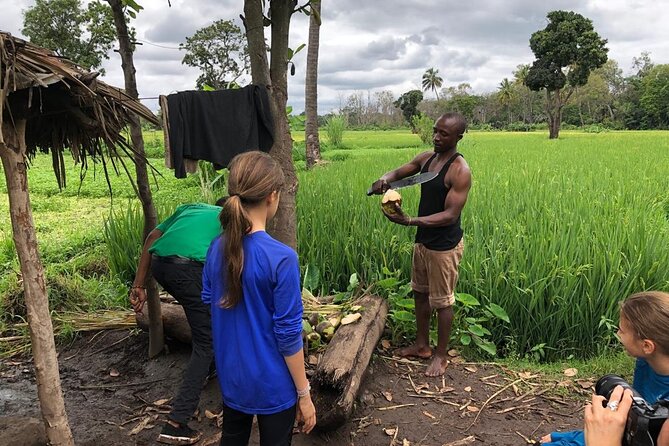
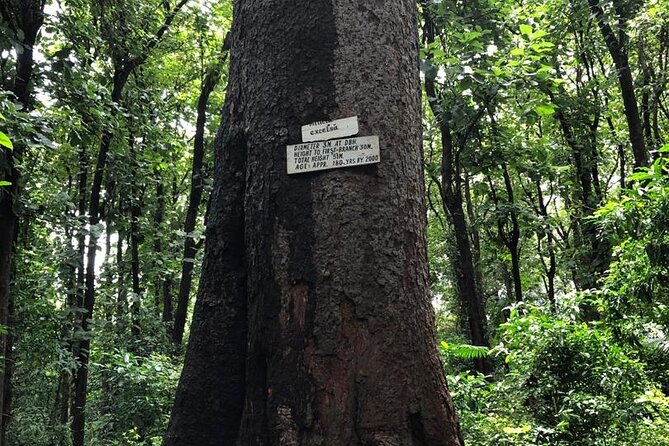
One of the most interesting parts is the human connection to the forest. Your walk includes time around a tree that’s used by traditional healers from nearby communities for rituals and medicinal purposes, using the bark of the tree. In other words, this forest isn’t only “nature,” it’s part of living culture.
Some people also believe the tree can be used to chase away evil spirits. You may hear the story explained in the context of local belief systems, and it can add a deeper layer to what you’re seeing. It also helps you understand why conservation matters to communities who rely on the forest, not just to scientists.
Keep an open mind, and treat this section respectfully. You do not need to agree with every belief to appreciate that it shaped how people relate to Rau over generations.
The conservation choice: tree nurseries or planting trees
Here’s a rare and genuinely useful twist: the forest walk can include an optional conservation initiative. If you’re interested, you can either:
- spend 30-45 minutes helping in tree nurseries by watering and managing young seedlings, or
- take part in planting trees to support forest conservation
This is valuable for two reasons. First, it turns your day from passive viewing into active support. Second, it helps you see conservation as ongoing work, not a one-time event.
If you choose nursery time, you’ll likely be doing hands-on tasks that match the needs of seedlings, like watering and simple management. That can be surprisingly calming, and it’s often a great contrast to the quick pace of walking paths.
If you choose planting, you’ll get closer to the physical reality of rebuilding forest cover. Either way, you’ll probably gain a clearer picture of what “helping the forest” actually means on the ground.
This section is also one reason to bring the right attitude. You’re not doing a dramatic survival mission. It’s practical, guided, and focused on helping the reserve long-term.
A few more Moshi trips to compare
- Best Kilimanjaro Adventure 7 days Machame route Trekking
★ 5.0 · 42 reviews - Kilimanjaro 7 Day Private Trekking Experience
★ 5.0 · 40 reviews - 8 Days Kilimanjaro Hike via Lemosho Route
★ 5.0 · 39 reviews - 6 Days Machame Route Kilimanjaro Climbing Trekking Tour
★ 5.0 · 34 reviews
Extending to rice farms: irrigation over 3,000 hectares
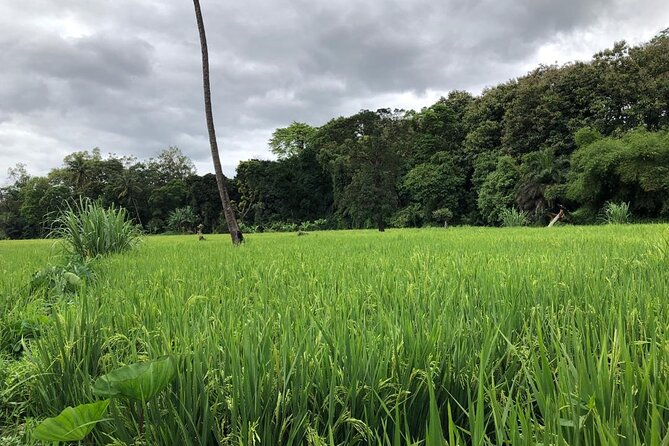
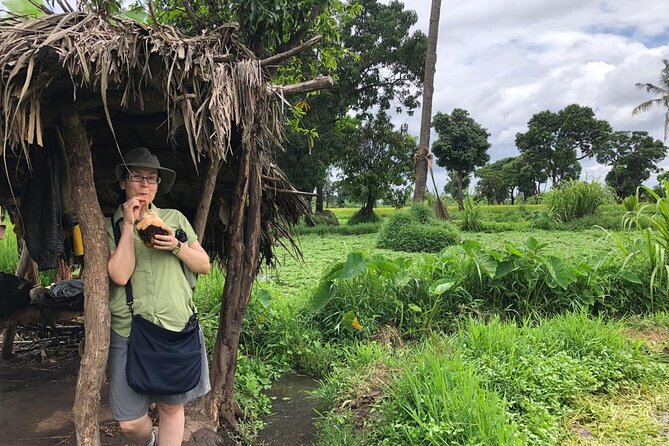
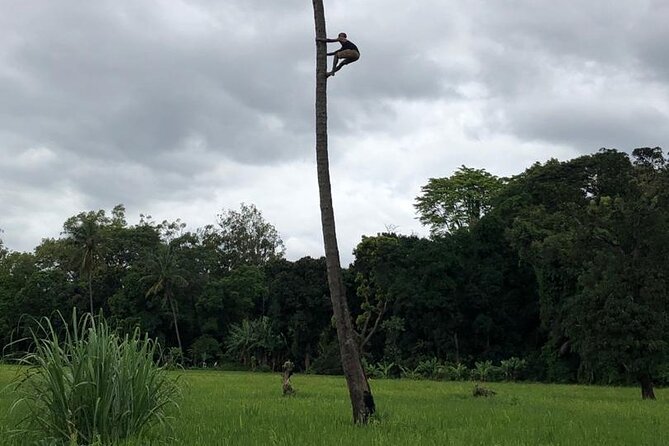
From the forest edge on the southern side, your hike can be extended to rice farms where local farmers run an irrigation farming system. The area covered is big, with irrigation farming conducted over more than 3,000 hectares of rice plots.
This matters because it connects forest and food in a way you can feel. Your guide can help you see how water management supports agriculture, and how the forest’s catchment role ties into that bigger picture.
In the rice-farm area, you’re likely to walk between fields. It’s a nice change of scenery after the forest canopy. You’ll probably notice how the irrigation system shapes daily life and how farmers manage plots. If you’re the type who likes to travel with your eyes open, this is where you’ll get the “how people live here” payoff.
It’s also a good reality check: conservation is not separate from daily needs like farming. In areas like Rau and its surrounding communities, the water cycle affects both wildlife habitat and the ability to grow food.
Wildlife and plant spotting with guide Peter
Your guide can make or break a half-day hike like this. The experience is built around interpretation, so you’ll want someone who can point out the small stuff and explain what it means.
Guides such as Peter are described as funny and very engaged with wildlife. That kind of energy matters because forest wildlife spotting is often a patience game. If your guide is lively and observant, you stay curious even when you don’t immediately see monkeys.
You can also expect explanations about different trees and plants as you move through the reserve. Rau is known for valuable tree species, and the tour is designed so you’re not just walking through generic greenery. The forest walk includes enough stopping and pointing to make the biology feel practical.
One small strategy: don’t treat the hike like a race to the far end. When Peter or your guide pauses to show something, that’s usually your moment. Forest wildlife and plant details don’t wait for your schedule.
Price and logistics: value, timing, and the stuff you actually need
The price is $39.47 per person for this private day hike experience. That’s not just for a guide’s time. It also includes all fees and taxes, which you would otherwise have to figure out and pay separately elsewhere. The only extra listed is a tip for your guide, so you can budget that in advance if you like to tip.
A pickup is offered, and the tour uses a mobile ticket, which makes last-day logistics easier. It’s also listed as near public transportation, but pickup is still the smoother option if you’re staying around Moshi town.
Timing wise, confirmation comes within 48 hours of booking, subject to availability. Booking about a week ahead is smart since it’s typically booked around 6 days in advance. If you’re traveling around the rainy season, it’s especially wise to lock in your date early, because weather can affect conditions.
Finally, this is a moderate physical activity. The route isn’t described as extreme, but you should be comfortable walking on forest paths for several hours, with some uneven ground.
What to pack for a 3.5 hour forest and rice-farm day
Since the tour is roughly 3 hours 30 minutes, you don’t need a giant day pack. But Rau is a forest reserve, then you may move into rice fields, so plan for damp ground and changing surfaces.
Bring:
- Sturdy shoes with grip for mixed terrain
- Light layers, because temperatures can shift as you move between forest shade and open areas
- Water
- Insect protection (forests and farms tend to have bugs)
- A small towel or wipe-down supplies if it’s humid or muddy
If you’re planning the conservation option, dress for practical work. Even if you’re just watering seedlings, you’ll likely want sleeves and clothes you don’t mind getting a bit dirty.
Also, be ready for the moment when the guide stops talking and focuses on spotting. That’s when your posture and patience matter.
Who should book this Rau hike, and who might skip it
You’ll love this tour if you:
- want a nature walk near Moshi that’s tied to real local context
- care about wildlife and want a guide who explains what you’re seeing
- like the idea of optional conservation work, even if it’s only 30-45 minutes
- enjoy adding a second setting, like rice farms, rather than doing only forest
You might want to skip or rethink if you:
- want a purely relaxing stroll with zero walking and zero learning
- dislike guided activities that include interpretation of local practices
- are not comfortable with moderate walking, or if you can’t be flexible with weather-related changes
Should you book the Rau Forest Reserve hike with rice fields?
I think this is a strong choice for a Moshi-area day because it blends three things that usually don’t fit into the same short outing: forest ecology, wildlife spotting, and human-scale conservation plus farming. The best part is that it’s not all theory. You can literally choose to work in tree nurseries or help plant trees, then see how irrigation shapes rice farming nearby.
If you’re on the fence, here’s my practical way to decide. Book it if you’re the kind of traveler who likes to learn while you walk. Skip it if you only want sightseeing without any hands-on component and you dislike uneven ground.
FAQ
How long is the Rau Forest Reserve hike?
The duration is about 3 hours 30 minutes.
What does the tour cost, and what’s included?
The price is $39.47 per person. Included are a professional guide and all fees and taxes. Tips for your guide are not included.
Is pickup available, and where do we meet?
Pickup is offered. The meeting point is Ghala Road, Tanzania, and the activity ends back at the meeting point.
What ticket type is used?
You’ll receive a mobile ticket.
What animals and forest features are the focus?
The reserve is known for underground water and catchment values, natural springs, and it hosts black and white colobus monkeys and blue monkeys. The hike also includes learning about trees, plants, and a tree used by traditional healers.
Is there an option to help with conservation?
Yes. If you’re interested, you can join the conservation initiative, either spending 30-45 minutes in tree nurseries watering and managing seedlings or planting trees.
Just posted around Moshi
- machame route★ 5.0 · 16 reviews
- Kilimanjaro Climbing Umbwe Route★ 5.0 · 3 reviews
- Wildlife Extravaganza: Manyara, Tarangire & Ngorongoro in 3 Days★ 5.0 · 3 reviews
- Mt Kilimanjaro 6 days Marangu route hike★ 5.0 · 3 reviews
- 3 Days Private E-Bike Tour in West Kilimanjaro★ 5.0 · 3 reviews
- West Kilimanjaro cycling Adventures★ 4.5 · 8 reviews
- Kilimanjaro Climb • Marangu Route ~ 9 Day★ 5.0 · 4 reviews
- Private Cycle to Kilimanjaro Bike Park Safari★ 5.0 · 6 reviews
Hiking & Trekking, compared.
8-Day Small-group Lemosho Kilimanjaro Summit Trekking
Read our review →
Private Full Day Hiking Experience to Marangu Route
Read our review →
From Arusha/Moshi: Kilimanjaro Hike Marangu Route Day Trip
Read our review →
4 days Best experience Kilimanjaro Hike, Serengeti &Ngorongoro
Read our review →
Best Kilimanjaro hiking day trip tour with Kilinge Adventures
Read our review →Browse the lists this tour appears in