
Reviewed · HISTORICAL TOURS
Bagamoyo Full-Day Tour: Historic Slave Trade Route & Kaole Ruins
Walk Bagamoyo’s slave-trade route with real context. I love the Old Fort stop for seeing how one site shifted hands across Arab, German, and British eras, and I love the Holy Ghost Mission complex and museum because the story is told in place. The drawback is that this is a serious subject day, so if you want a purely relaxing outing, plan for heavy themes and a long 8 to 10 hour schedule.
This is a private, full-day experience organized by Envoyage Tanzania, with pickup from Dar es Salaam around 8:30 am, air-conditioned transport, and a included lunch that can accommodate dietary restrictions. You also get unlimited bottled water and snacks, which matters in a town-day where you will be on your feet and moving between sites.
One more plus: the guide experience can make or break a history tour, and one standout guide named Mr Erick earned praise for being smart, funny, and very strong in English.
In This Review
- Key highlights you should care about
- Bagamoyo’s Old Fort: where the slave trade route becomes real
- Old Boma and the locked iron safe you cannot ignore
- Kaole Ruins: trading-town roots, two mosques, and tombs tied to diwanis
- Holy Ghost Mission complex: Father Horner, coral stone, and Livingstone Tower
- Old Fathers’ House: pre-colonial mission style with a real building timeline
- The Catholic Mission Museum: when the history is shown, not explained away
- Holy Ghost Church and Holy Grotto: the 1876 build and Pope Leo XIII connection
- Old Market and the baobab chain legend: export routes and the small stories people remember
- Bagamoyo Fish Market and Dhow Harbour: a practical finish with Indian Ocean views
- Price and what you actually get for $255 in 8 to 10 hours
- Should you book the Bagamoyo slave trade route and Kaole ruins tour?
- FAQ
- How long is the Bagamoyo full-day tour?
- What time does the tour start?
- Where does the tour begin?
- Is pickup offered?
- Is this a private tour or a group tour?
- What is the price per person?
- What is included in the tour price?
- What is not included?
- Are any admission tickets included?
- What is the cancellation policy?
Key highlights you should care about
- Old Fort’s layered ownership, from an 1860s Arab trader fortress to German garrison, British prison, and post-independence police use
- Kaole Ruins with two historic mosques, including a 13th-century mosque linked to the Sultan of Kilwa, plus tombs tied to local diwanis
- Holy Ghost Mission landmarks tied to specific names and dates, including Father Antoine Horner and the Livingstone Tower
- The Catholic Mission Museum’s emotionally direct exhibits, including chains and whips, plus religious and trade-related artifacts
- Old Market’s slave market sites, including the shade-tree holding area and the customs house role in export bounties
- A practical, full-day package, with private transportation, air-conditioning, bottled water, and lunch included
Bagamoyo’s Old Fort: where the slave trade route becomes real
Your day starts in Bagamoyo, a coastal town recognized as a UNESCO Heritage site, and the first big anchor is the Old Fort. Built in the 1860s by Arab trader Abdallah Suleiman Marhabi, it later became a center for the slave trade, then served as a German garrison in 1896. By 1919, it was used as a British prison. After independence in 1974, it became a police station, and today it is preserved as a heritage site.
What I like here is that you are not just reading dates. You are standing in the physical place where each era left a mark. It helps you understand how trade networks moved people, goods, and power along the coast, including ivory, gum, and spices. Even if you know the headline version of history, the Old Fort shows you the machinery of it.
Practical note: this stop is listed with free admission. That helps keep the day’s costs predictable, and it also means you can spend time looking without worrying that you are burning a paid ticket every few minutes.
A few more Dar es Salaam trips to compare
- Dar es Salaam History and Architectural Tours
★ 5.0 · 36 reviews - Bagamoyo Historical Tour – Everyday
★ 5.0 · 13 reviews - Bagamoyo Historical Tour – Everyday
★ 4.4 · 8 reviews
Old Boma and the locked iron safe you cannot ignore
Next you’ll head to the Old Boma, a German-built administrative building inside Bagamoyo’s Old Town conservation area. It was constructed in 1895 and served as the administrative headquarters for German East Africa until 1919, when the British took over after Germany’s end of rule following the Versailles Treaty. It then operated as the District Commissioner’s office until its decommission in 1997 due to structural issues.
The detail I find fascinating is the old iron safe left by the Germans, which remains locked and is said to hold secrets from its past. You cannot access it, and you will not get a neat explanation for every rumor. But it gives you a tangible reminder that documents and systems mattered, not just events.
This stop runs about 30 minutes, with admission included. It is short, but it adds an administrative layer to the day, which balances the more dramatic elements you see elsewhere.
Kaole Ruins: trading-town roots, two mosques, and tombs tied to diwanis
Kaole Ruins is about 3 miles (4.8 km) east of the Indian Ocean, and it is one of the reasons this day trip feels more complete than a quick stop-and-snap itinerary. Kaole is a national historic site that began as a trading town in the 8th century.
The Zaramo people named it Kaole, meaning Go and See. That name fits the experience. You are asked to look at architecture and layout closely, even if your time is limited.
Here’s what makes Kaole especially compelling:
- Two historic mosques. One is linked to the 13th century and is associated with the Sultan of Kilwa, potentially the oldest in Tanzania and East Africa.
- A 15th-century mosque surrounded by around 30 tombs, including those of local rulers called diwanis.
There is also a small on-site museum with artifacts, including evidence of ancient trade with China. That part matters because it expands the story beyond the coast as a single-direction corridor. Kaole hints at long-distance connections.
Kaole is listed for about 1 hour, with admission included. The only consideration I’d flag is that this is not a place where you can rush. If you skip it mentally, you’ll miss the architectural time layers.
Holy Ghost Mission complex: Father Horner, coral stone, and Livingstone Tower
After Kaole, the day shifts from coastal trade sites to a religious complex that carries its own history of negotiation and survival. The Holy Ghost Mission Bagamoyo is located about 2 km north of the old town.
Father Antoine Horner of the Holy Ghost Fathers arrived in 1868 to establish the mission. The land needed for it was gifted by Muslims under the leadership of Sultan Majid in 1868. From there, the timeline becomes clear: the first church, Holy Ghost Church, was built in 1872. That makes it not only the first church in the area, but also described as the mainland of East Africa.
One name you should know here is David Livingstone. In 1874, he was interred for the night at the mission. The Livingstone Tower, part of the original church, is named in his honor.
Then you get the scale change. The New Holy Ghost Church is larger than the original, built between 1910 and 1914 using coral stone blocks. It connects back to people and land again, because Sewa Haji, a wealthy Muslim trader and philanthropist, gifted the mission with 49,000 acres in 1892.
Timing-wise, the mission complex stops are short in the itinerary, but they pack a lot in: expect around 20 minutes for the mission complex stop itself, plus more time for the grotto and church elements later in the route. Many sections show as free admission, which is helpful when you are trying to keep the day’s overall cost steady.
Same base in Dar es Salaam, a completely different day:
- Dar es Salaam: City Tour
★ 4.7 · 159 reviews - Dar es Salaam City Center: Walking Tour
★ 4.8 · 102 reviews - Dar es Salaam City Tour – Everyday
★ 5.0 · 64 reviews - MIKUMI NATIONAL PARK – 3 Days
★ 4.5 · 63 reviews
Old Fathers’ House: pre-colonial mission style with a real building timeline
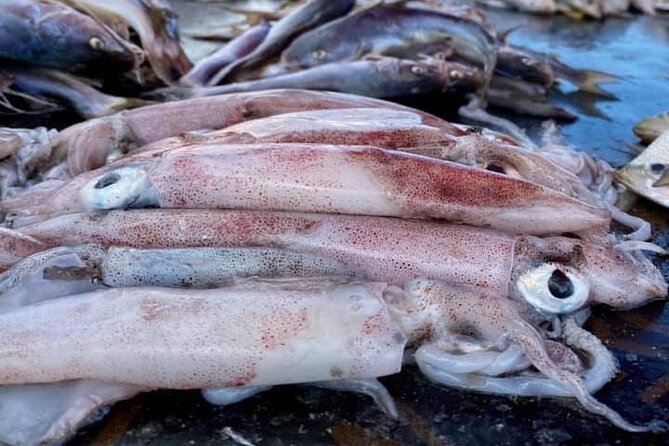
One of the more “slow down and look” stops is the Old Fathers’ House. It was constructed in 1873 as a three-story building in a pre-colonial mission style, meant as a residence for the Holy Ghost Fathers.
What makes it worth your attention is the construction timeline: it was completed in phases, starting with the ground floor in 1873, then the first floor in 1877, and the second floor in 1903. There is also a broad balcony that adds charm and gives the building a sense of presence beyond just its historical function.
This stop is listed at about 20 minutes, and admission is free. Even if you are not a building-nerd, this is a nice break from the heavier sites because you are looking at architecture and workmanship, not just events.
The Catholic Mission Museum: when the history is shown, not explained away
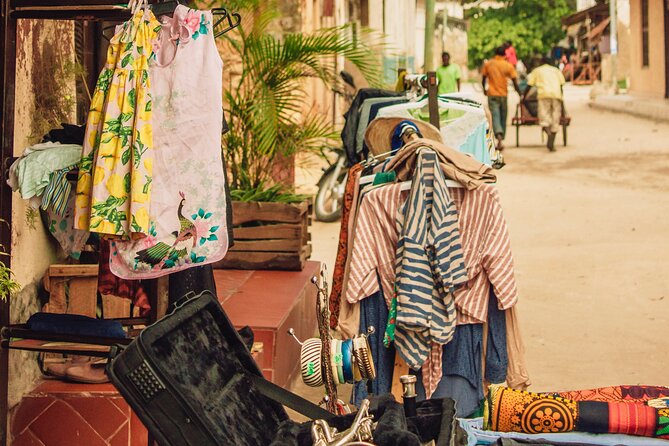
The emotional center of the day for many people is the Bagamoyo Museum at the Catholic Mission Museum. It was established in 1876 as The Sisters’ House, and it sits in the heart of historic Bagamoyo, once a hub in the East African slave trade.
The museum is described with hard-hitting exhibits: images of enslaved individuals, chains and whips, and rare religious artifacts. You also see Indian and Arab architectural pieces, plus local wooden artwork. In other words, it does not only focus on one angle. It mixes religion, trade, and resistance, and it includes rooms once used by missionaries.
This stop is listed for about 20 minutes with admission included. That can feel short, given how heavy the subject is. If you’re the kind of person who reads every label, you might want to move more carefully and accept that you will not see every room the same depth as a two-hour museum visit.
I also appreciate that the day does not pretend the topic is simple. It gives you a way to face it in a controlled, guided format, rather than trying to piece it together later.
Holy Ghost Church and Holy Grotto: the 1876 build and Pope Leo XIII connection
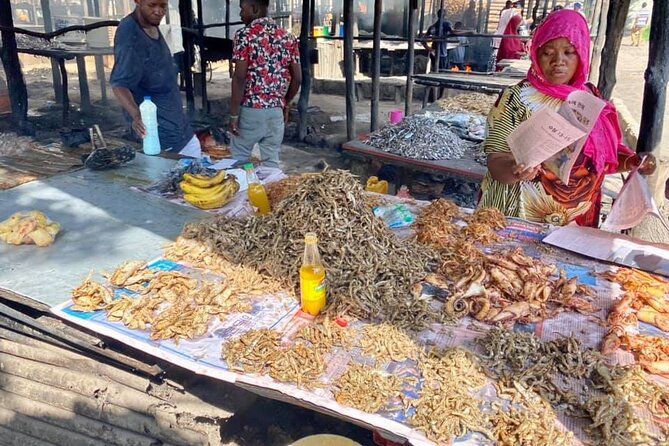
Back at the mission area, you’ll spend time with Holy Ghost Church and then the Holy Grotto, which is near the new Pilgrimage Chapel.
The church element connects again to land, faith, and community support. Sewa Haji’s gift of 49,000 acres in 1892 helped power the mission’s growth, and the New Holy Ghost Church was built later with coral stone between 1910 and 1914.
Then comes the Holy Grotto, one of the most specific sites on the whole route. It was built by the emancipated slaves who lived in the mission. Construction began in 1876, and it opened and was consecrated in 1879 by Pope Leo XIII. The data also notes that several thousand Catholics visit every year to make pilgrimages.
If you are worried that the day will feel purely historical and academic, this is where it becomes lived faith. It reminds you that people built meaning and community after loss and forced movement.
This segment is listed for about 30 minutes, and admission is listed as free.
Old Market and the baobab chain legend: export routes and the small stories people remember
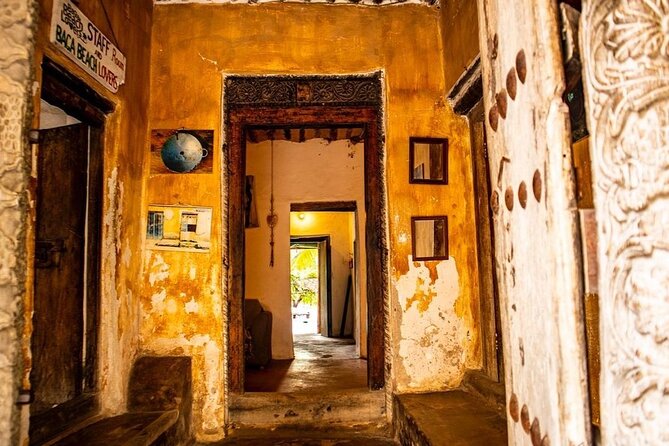
As the day moves toward the coastal side, you’ll stop at the Old Market, which is now a small art gallery. Historically, it was known as the Bagamoyo slave market. Slaves were brought here and kept under the shade of trees before being transported to Zanzibar.
There is also a story about an underground tunnel leading to the beach, used at high tide to move people to the larger slave market. The information you are given is that, despite attempts, the exact tunnel location has never been found.
Nearby is the customs house, which played a key role in the trade. The concept is straightforward: a bounty was paid for every slave exported from the port. That turns the history into a system. It helps you see how forced movement could be measured and incentivized.
Right after that, you’ll get a different kind of memory at the Historical Baobab tree in the churchyard. A legend says French nurse Madam Chevalier tied her donkey to the tree with an iron chain and forgot to remove it. Over centuries, the tree grew to about 7 meters (23 ft) in diameter. The chain remained, and in 2012 an additional 34 chain rings were added to preserve the tree’s legacy.
It sounds small compared to forts and ruins, but that’s exactly why it works. When you’re tired from heavy history, these human scale stories keep the day from becoming only grim.
Old Market is listed for about 20 minutes, free admission. The baobab stop is about 20 minutes, also free.
Bagamoyo Fish Market and Dhow Harbour: a practical finish with Indian Ocean views
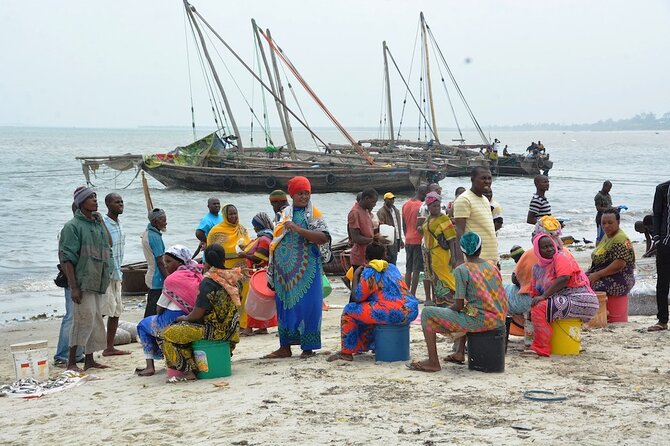
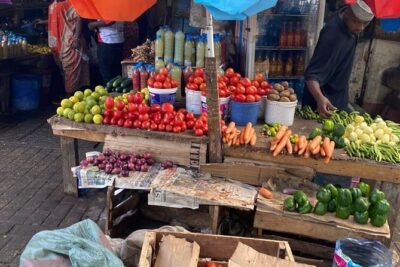
The last part of the day shifts from the past to present-day Bagamoyo life. You’ll stop at the Bagamoyo Fish Market near the beach, where fishermen sell their daily catches.
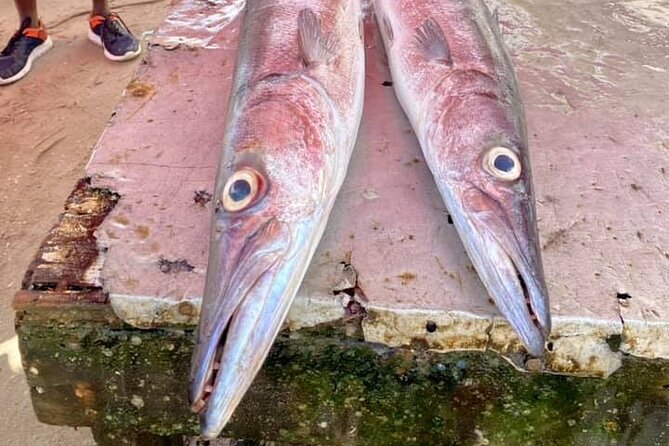
This market is busiest in the morning. You can buy fish whole or in portions, and getting them cleaned and prepared on site is part of how it works. The market offerings listed include fish, crab, lobster, prawns, and octopus. There’s also mention of an old auction hall with historical significance from German colonial times.
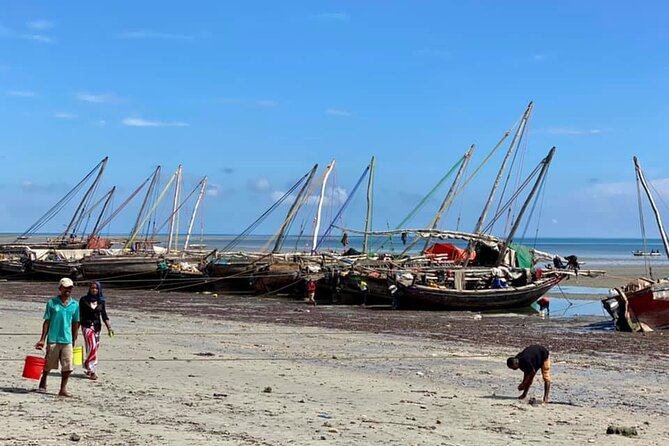
Then you’ll head to the Dhow Harbour, which was a historic trading port used for ivory and slave trades in the 19th century. Today it is used by fishing boats and tourist excursions. The harbor area is also described as a good spot for sunrise and sunset views over the Indian Ocean.
This is a nice way to land the day. You are still in the story, but you’re finishing with ordinary work, food, and light over the water.
This segment is listed at about 25 minutes and is free.
Price and what you actually get for $255 in 8 to 10 hours
At $255 per person, this tour sits in the mid-to-higher range for day trips. The key question is whether it saves you time and headaches. In this case, I think it does.
You get:
- Private transportation in an air-conditioned vehicle
- Pickup from Dar es Salaam around 8:30 am
- Lunch, with dietary restrictions taken into account
- Unlimited bottled water plus snacks
- Alcoholic beverages available for 18+
- All fees and taxes included
The itinerary also shows several stops with admission ticket included, while others are free. Even without calculating every ticket line-by-line, the package reduces the usual “how much will entrances cost today” uncertainty.
The day is 8 to 10 hours long, and the itinerary notes that the missing time is travel between attractions. That matters because Dar to Bagamoyo takes real time, and this tour is structured as a full loop rather than a “one site and go” day.
One consideration: this day is information-dense. If you try to treat it like a casual shopping day, you’ll feel rushed. If you’re happy to slow down and listen, it pays off.
Should you book the Bagamoyo slave trade route and Kaole ruins tour?
I’d book it if you want Bagamoyo in one day with real context, not just postcard stops. This works best for people who can handle a serious storyline and still want the day organized and guided, including the mix of Islam and Christianity at places like Kaole Ruins and the Holy Ghost Mission.
It may not be the right fit if you only want beaches and light sightseeing. The route focuses heavily on sites tied to the slave trade and colonial administration. Also, expect a long day, so energy management matters.
A practical final note: one guide named Mr Erick received strong praise for knowledge, humor, ethics, and great English. When the guide is good, these sites become easier to understand fast. If you’re booking last-minute, it can also help to know the operator handled a short-notice situation for a group when other operators cancelled, which suggests some operational flexibility.
FAQ
How long is the Bagamoyo full-day tour?
It runs about 8 to 10 hours.
What time does the tour start?
The start time is 8:30 am.
Where does the tour begin?
It starts in Dar es Salaam, Tanzania.
Is pickup offered?
Yes, pickup is offered.
Is this a private tour or a group tour?
It is a private tour, only your group will participate.
What is the price per person?
The price is $255.00 per person.
What is included in the tour price?
Private transportation, an air-conditioned vehicle, lunch (with dietary restrictions taken into account), unlimited bottled water, snacks, alcoholic beverages for those 18 and above, and all fees and taxes are included.
What is not included?
Breakfast, dinner, and tips or gratuities are not included.
Are any admission tickets included?
Yes. Some stops list admission as free, and others list admission ticket as included.
What is the cancellation policy?
Free cancellation is available. You can cancel up to 24 hours in advance for a full refund. If you cancel less than 24 hours before the start time, the amount is not refunded.
Just posted around Dar es Salaam
- 2 Day Wildlife Experience and Masai Culture Mikumi Park★ 5.0 · 5 reviews
- Explore Dar es Salaam: Full-Day Private City Tour★ 5.0 · 18 reviews
- 3 Days Explore Selous Game Reserve + Boat safari + bushman walking★ 5.0 · 5 reviews
- Sunrise Beach Walk with Picnic Breakfast Activity★ 5.0 · 3 reviews
- 3 Days Safari to Nyerere National Park (Selous Game Reserve)★ 5.0 · 8 reviews
- Saadani National Park Day Tour★ 5.0 · 3 reviews
- Mikumi Np Mid Range Tour 3 Days★ 5.0 · 3 reviews
- Mikumi national park full day tour from Dar es sallam★ 5.0 · 9 reviews
Historical Tours, compared.
Stone Town Historical Cultural Walking Guided Tour
Read our review →
Arusha Guided Walking City Tour, Culture, Lifestyle & History
Read our review →
Stone Town’s Hidden History: Private Guided Walking Tour
Read our review →
Browse the lists this tour appears in