Reviewed · 6-DAY EXPERIENCES
6 Days Mid-Range Tanzania Safari
Safari magic starts fast in Arusha. This 6-day mid-range trip strings together Tarangire elephants and baobabs, the Serengeti plains, and Ngorongoro’s dramatic crater wildlife, with private transportation and meals built into the rhythm of the days. You also get a normal-day cultural moment with a market visit around Mto wa Mbu, not just park gates and game drives.
Two things I really like: you’re not stuck on shared chaos, since this is a private tour with private transport. And the pace gives you real time in the parks, including a full Serengeti day plus an additional game drive day, so you are not gambling that one outing will do all the work. The service tone also comes through, with guides and staff mentioned like Charles, Jesca, Emma, Sway, and Abuu for being friendly, attentive, and especially good with kids.
One drawback to think about: the game-drive days are long. You’ll be out for hours each day, including a big Serengeti day and the crater day, so bring patience, water, and a comfy attitude for a lot of time in the vehicle.
In This Review
- Key highlights worth knowing
- Getting to Arusha and finding your safari rhythm quickly
- Tarangire National Park: baobabs, elephants, and the Rift Valley edge
- Serengeti National Park: two safari days for migration country
- Ngorongoro Conservation Area: crater geology plus Maasai coexisting with wildlife
- Mto wa Mbu market tour and the endgame: fly on to Zanzibar or home
- Price and value of a $2,740 mid-range safari
- What’s included on the ground, and why it makes the trip smoother
- Who should book this 6-day Tanzania safari
- Final call: should you book this safari?
- FAQ
- Is pickup included, and where do we meet?
- Does the tour include park fees and meals?
- Are flights included in the $2,740 price?
- Is WiFi available during the trip?
- Do I need travel insurance or should I tip?
- What is the cancellation window?
Key highlights worth knowing
- Private 4×4 time so your guide can focus on your sightings and your questions.
- Tarangire’s baobabs and elephants give the park a totally different feel than Serengeti.
- Serengeti, with two chances to find migration drama and predators moving through the grass.
- Ngorongoro Crater close-up wildlife potential, including big five sightings depending on season.
- Mto wa Mbu market stop for a grounded look at daily life beyond the parks.
- Service that stays responsive, with staff like Charles and Jesca noted for quick, kind communication.
Getting to Arusha and finding your safari rhythm quickly
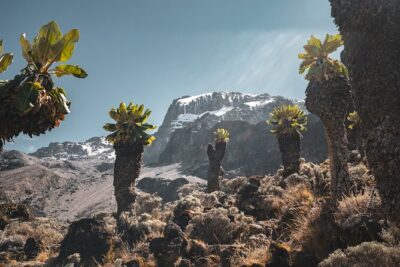
Most Tanzania safaris start with excitement, but they also start with fatigue. This one begins in Arusha after you land at Kilimanjaro International Airport, where you get a meet-and-greet and then a transfer to your hotel. You also get a town tour and Mount Kilimanjaro views, which is a smart way to get oriented before the first long game drive.
In plain terms, that first day helps you settle into the trip. You’re not immediately rushed from the airport into the wild. And having a driver arranged for the transfer matters more than it sounds, because it reduces the mental load when you’re arriving in a new country.
If you’re doing this as a couple, the Arusha intro day is a nice buffer. If you’re traveling with kids, it also creates a gentler first step, and guides from this operator have been praised for being kids-friendly. The tour is set for a moderate fitness level, and that first day is usually the easiest way to ease into the longer days that follow.
More Safaris in Arusha
- Balloon Safari & Bush Breakfast in Serengeti – Miracle Experience
★ 5.0 · 1,646 reviews - 4 Days Group Camping Safari
★ 5.0 · 1,101 reviews - 5 Days Group Camping Safari
★ 5.0 · 730 reviews
Tarangire National Park: baobabs, elephants, and the Rift Valley edge
Tarangire is one of those parks that feels like a signature chapter in the Tanzania story. You head out after breakfast with packed lunch boxes, then enjoy a full-day game drive in Tarangire National Park. It sits to the north of Tanzania near the steep western wall of the Rift Valley, and it is part of a world biosphere reserve.
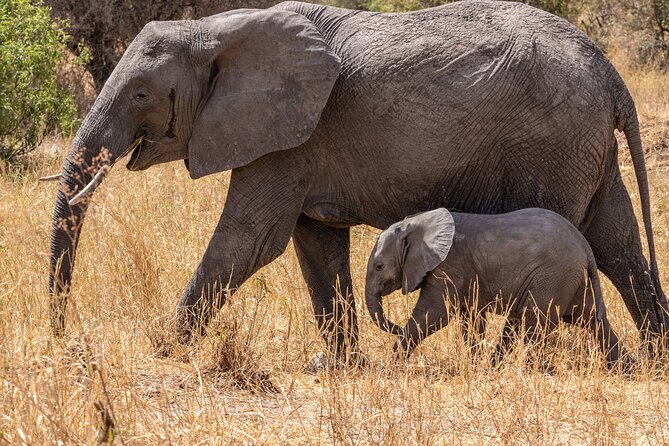
What makes Tarangire stand out is its character. Baobab trees are the headline, and they create that instantly recognizable scene of elephant-sized animals framed by ancient giants. The park is also known for elephants, and you’re in a good position for other wildlife too, including lions, leopards, cheetahs, giraffes, hippos, buffalo, and plenty of birds.
The practical upside of a day like this is that it trains you to watch better. You start reading the habitat, not just the animals. Baobabs also act like “landmarks” for your brain, which helps when you’re scanning from the vehicle for movement.
The only consideration is that Tarangire is a full-day outing, so you’ll want to keep your routine simple. Bring your sun protection and stay hydrated during the drive. Also, it’s a great park for sightings, but nature is nature, so you still have to go with the day’s schedule and what animals decide to show themselves.
Serengeti National Park: two safari days for migration country
Then you move from Tarangire’s personality to Serengeti’s scale. After breakfast, you’ll transfer from Karatu to Serengeti National Park via the Ngorongoro Conservation Area, with a game drive en route and then an afternoon drive on the Serengeti plains.
You get two Serengeti-focused blocks, which is a real value. Day one puts you into the ecosystem and helps you get your bearings in the wide grass plains where migration drama happens. The name Serengeti comes from the Maasai word Siringeti, meaning endless plains, which is exactly how it can feel once you’re out there.
Day three gives you the full-day option. You can return to your lodge/camp for a hot lunch or keep the adventure going with packed lunch boxes and stay out for the full day. That choice is practical. If you want maximum sightings, you’ll likely go with packed lunch and stay on the move. If you want to reset, hot lunch back at camp helps you recharge before the next drive session.
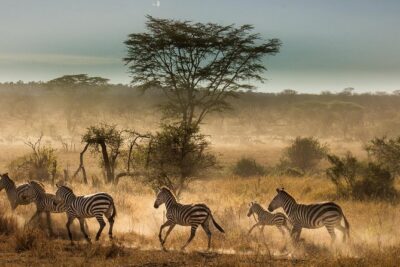
Serengeti is also where people start talking about the Big Five, and the important detail is that the chances depend on conditions and season. Still, the park is famous for having a big concentration of wildebeest and zebras during migration, plus plenty of carnivores. Your guide’s job, in this kind of place, is to read the terrain and time your vehicle movement so you’re not just passing by wildlife.
If you’re traveling with kids, this part of the trip can be a hit, because guides on this safari style have been praised for being attentive and making sure families have what they need during long days. Just plan for a lot of time outdoors and keep expectations flexible.
Ngorongoro Conservation Area: crater geology plus Maasai coexisting with wildlife
Ngorongoro Conservation Area is where the safari gets dramatic in a different way. You head there with picnic lunch boxes for a crater tour. Ngorongoro is described as a multiple land-use area where Maasai people who are pastoralists share the same ecosystem with wildlife. So you’re not just looking at animals in isolation, you’re seeing a living landscape shaped by people and animals together.
The crater itself is the big draw. Ngorongoro Crater is described as the largest unbroken and unflooded caldera in the world. In plain language, it’s a huge bowl-shaped area formed after a volcano exploded and collapsed. That geometry matters for animals, because it can concentrate wildlife in a way that feels almost unreal from ground level.
Wildlife viewing is known to be very close in the crater. The tour notes that you can view many animals very near, including the big five, but it depends on season. That seasonal note is important. If your trip timing lines up with good viewing conditions, you can get those classic crater moments. If not, you still get dense wildlife and a strong chance of great sightings.
Also, the area includes the Ndutu part of the broader Serengeti ecosystem, which is best time for calving of wildebeests and zebras from December to April. If you’re traveling in those months, you’re aiming for a peak period. If not, don’t worry, you’re still in one of Tanzania’s most reliable wildlife settings.
The tradeoff is that crater day is a longer, more physically tiring day. You’ll spend significant hours in the vehicle and walking limited distances. It’s not a hiking tour, but it is a stamina day. If you can handle long drives and some time in sun and wind, you’ll do great.
More safaris from Arusha:
- 3 Days Serengeti & Ngorongoro Group Camping Safari
★ 5.0 · 574 reviews - 7-Day Premium Luxury Tanzania Safari All-Inclusive
★ 5.0 · 426 reviews - 3-Day Classic Serengeti Safari
★ 5.0 · 263 reviews - 8 Days Great Wildebeest Calving Migration Safari from Arusha
★ 5.0 · 254 reviews
Mto wa Mbu market tour and the endgame: fly on to Zanzibar or home
On the last day, you shift gears away from park gates. After breakfast, you drive to Mto wa Mbu for a local market tour. This is your chance to meet people in daily routines and feel the market atmosphere, not just see wildlife.
Then you drive back to Arusha for a hot lunch and you either fly to Zanzibar or fly home. That finish is useful because it keeps your logistics simple. You end with a real meal, then you transition without an extra complicated day hanging around.
If you’re pairing safari with Zanzibar, this kind of ending works well. You get a strong wildlife finale and then a chance to move into beach time without dragging your schedule. If you’re flying home, you also avoid losing the last daylight to an extra long transfer.
One practical thought: markets can be lively and dusty, depending on the day. If you like photos, bring a way to protect your phone or camera lens, and keep cash for small purchases. The tour doesn’t mention shopping stops as a requirement, but market tours tend to work best if you treat it like a casual cultural visit.
Price and value of a $2,740 mid-range safari
At $2,740 per person for about 6 days, this safari sits in the mid-range sweet spot, mainly because a lot of costs are wrapped into the price. You’re paying for private transportation, all fees and taxes, and meals, including five breakfasts and five lunches, plus four dinners. You’re also getting WiFi on board and a mobile ticket.
That package matters. Park fees and internal costs can be a big chunk of what people underestimate when planning a safari. When those are already included, you can budget more calmly and focus on the experience rather than chasing receipts.
Private transportation also changes the value. In a place like Serengeti, your guide’s ability to respond to what you’re seeing is a huge deal. With a private setup, your day can be built around your interests and the sightings of the moment, instead of being forced to follow someone else’s schedule.
What’s not included is also clear, and you should plan around it. Flights, visa fees, and travel insurance are not part of the price. Tipping the driver and guide is not included either. That last part is important for expectations. If you plan a budget for tips from the start, there are no awkward surprises at the end.
One more value point: the tour is described as private, so the group stays together. Couples and families often like that, because you’re not balancing different energy levels or interests in the vehicle. And guides on this kind of safari approach have been praised for attentiveness, including mention of kids-friendliness.
What’s included on the ground, and why it makes the trip smoother
Here’s what the included items mean in real life, not just on paper.
You’ll have private transportation for transfers between parks and for the driving days themselves. That reduces waiting time and keeps the day’s flow under control. You also get all fees and taxes, which is a big relief for safari planning.
Meals are built in with breakfast each travel day and lunch boxes on drive days. That matters because it keeps you from having to stop for food at random times. Packed lunch also fits the reality of game drives, where your best chance for sightings might not line up with a restaurant schedule.
The tour also includes dinner four times, which suggests you’re not eating every meal on the road. That is part of the mid-range comfort level, where you get time to eat properly and rest.
Finally, the operator provides mobile tickets and WiFi on board. WiFi is not a reason to book, but it does help with the little stuff like emailing, messaging, or uploading photos when you get a signal break.
Who should book this 6-day Tanzania safari
This safari style fits best if you want a strong “greatest hits” route with enough repetition to increase your odds of great sightings. Two Serengeti days plus Tarangire and a crater day is a smart structure, especially if you’re seeing Tanzania for the first time.
It’s also a good match for:
- Couples who want private vehicle time and fewer compromises
- Families with kids who need a guide and team that stay attentive during long days
- First-time Africa visitors who want the trip organized from arrival to departure, without juggling transfers
It might not fit if:
- You want a lighter day every day. This trip includes long game-drive hours.
- You expect walking-based sightseeing or short “easy” days. This is about time in the parks from the vehicle and at viewing points.
- You want flights included. Flights are not covered, so you’ll handle those separately.
And one more practical note: you should have moderate physical fitness. That doesn’t mean athletic, it means you’re comfortable with long drives and spending hours outdoors.
Final call: should you book this safari?
If you want a well-paced, organized Tanzania safari with private transport, meals included, and real time in Tarangire, Serengeti, and Ngorongoro, this is a strong option. The standout advantage is repetition where it counts, especially in Serengeti, plus the big finishing moment at the crater.
Before you book, check your timing and expectations. Ngorongoro viewing and big five chances depend on season. And because the drive days run long, pack for comfort and plan to slow down mentally.
If you’re happy with a mid-range comfort level and you want a trip that is built around sightings and guidance rather than constant hotel hopping, you’ll likely love how this comes together.
FAQ
Is pickup included, and where do we meet?
Pickup is offered, and the meeting point is the Arusha Clock Tower roundabout in Arusha. The activity ends back at the meeting point.
Does the tour include park fees and meals?
Yes. The price includes all fees and taxes. It also includes breakfast (5), lunch (5), and dinner (4).
Are flights included in the $2,740 price?
No. All flights are not included. You either fly to Zanzibar or fly back home at the end of the tour.
Is WiFi available during the trip?
Yes, WiFi is included on board.
Do I need travel insurance or should I tip?
Travel insurance is not included. Tipping for the driver and guide is also not included.
What is the cancellation window?
You can cancel up to 24 hours in advance for a full refund. If you cancel less than 24 hours before the experience start time, the amount paid is not refunded.
If you want, tell me your travel month and who is going (adults, kids, first time or not), and I’ll suggest what to emphasize on this route for the best odds in that season.
Just posted around Arusha
- 8 Days Serengeti Migration safari★ 5.0 · 11 reviews
- tarangire & ngorongoro 2 days tour★ 5.0 · 14 reviews
- serengeti, ngorongoro & tarangire 4 days private tour★ 5.0 · 18 reviews
- tarangire, ngorongoro & lake manyara park 3 days private tour★ 5.0 · 11 reviews
- serengeti & ngorongoro 3 days private tour★ 5.0 · 15 reviews
- climb the KILIMANJARO via Lemosho route★ 5.0 · 4 reviews
- Mt. Kilimanjaro: Shira plateau to Cathedral point 3872m Day hike★ 5.0 · 7 reviews
- Kilimanjaro Waterfalls Hike & Moshi Hot Springs Day Trip Tour★ 5.0 · 4 reviews
6-Day Experiences, compared.
Private 6-Day Tarangire Manyara Crater and Serengeti with Mid-Range Lodges
Read our review →