
Reviewed · SERENGETI SAFARIS
5 Days Private Tarangire, Serengeti, Ngorongoro, Manyara Safaris
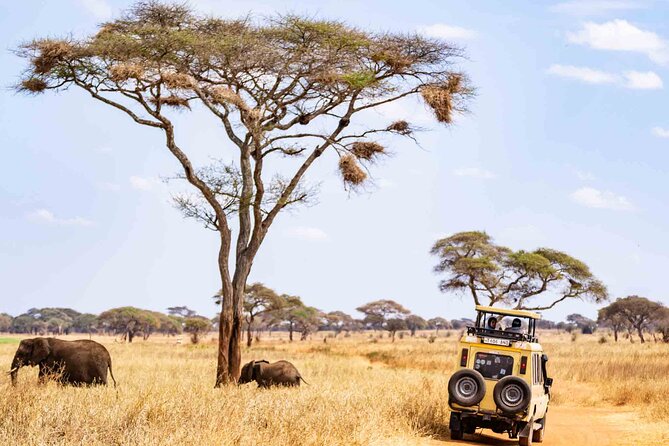
Five days, three big parks, one wow-factor. This private northern circuit safari is built for classic Tanzania highlights, from Tarangire’s elephant crowds to Serengeti dawns and the Ngorongoro Crater’s close-up drama. I especially like the private guiding (you are not sharing a vehicle with strangers) and the way the schedule gives you early starts for better sightings. One thing to consider is the pace: you’ll do long drives and very early mornings, so build in patience.
The route starts around Kilimanjaro and runs straight into wildlife country, with game drives plus real time in the parks, not just scenic road stops. You also get practical perks like all fees and taxes included and multiple meals lined up, so you are not doing constant budget math. If you prefer a slow, resort-style vacation with minimal driving, this might feel like a sprint.
In This Review
- The Top Highlights That Make This Safari Worth It
- Tarangire National Park After Arusha: Elephants, Baobabs, and a Packed First Day
- Serengeti’s Seronera Area: Where the River Brings Animals Closer
- Day 3 Dawn Drives in Serengeti: Lions, Night Creatures, and a Full Day Plan
- Olduvai Gorge Stop on the Way to Ngorongoro: A Human-Evolution Break
- Ngorongoro Crater Descent and Lake Magadi: When Predators and Grazers Share the Same Stage
- What $3,500 Buys You Here: Value, Not Just a Price Tag
- Season Choice: Serengeti Migration Timing and What You Should Expect
- Transportation, Timing, and Why Dawn Matters More Than You Think
- Guides and Team: Herman, Joshua, Elias, John, and Chef Ibrahim
- Packing Tips for a Safari That Moves: What to Bring for Cooler Mornings
- Who This Safari Fits Best (and Who Should Consider Alternatives)
- Should You Book This 5-Day Tarangire, Serengeti, Ngorongoro Safari?
- FAQ
- What parks are included in this 5-day private safari?
- How long is the safari?
- What time does the safari start and where does it begin?
- Is this a private tour?
- What’s included in the price?
- Are park admission tickets included?
- Are tips included?
- What lodging should I expect?
- How does cancellation work?
The Top Highlights That Make This Safari Worth It
- Private vehicle and guide team: you can get attention tuned to your group, with guides named Herman, Joshua, Elias, and John showing up in past trips.
- Tarangire elephants and baobabs: big trees, big herds, and a park that feels different from Serengeti.
- Serengeti’s Seronera area: the plan focuses on a water-rich zone, so animals have reason to stay close.
- Dawn drives for predator timing: the itinerary specifically calls out lions and other activity early in the day.
- Ngorongoro crater descent: you go down over 600 meters and spend real time where predators and grazers overlap.
- Olduvai Gorge stop: you get a brief, meaningful human-evolution landmark break on the way to Ngorongoro.
Tarangire National Park After Arusha: Elephants, Baobabs, and a Packed First Day
Day 1 sets the tone. You start from the Arusha area after breakfast, with a quick stop back in Arusha Town for last-minute purchases. Then you head to Tarangire National Park, about 140 km away, and you get a game drive with a picnic lunch inside the park.
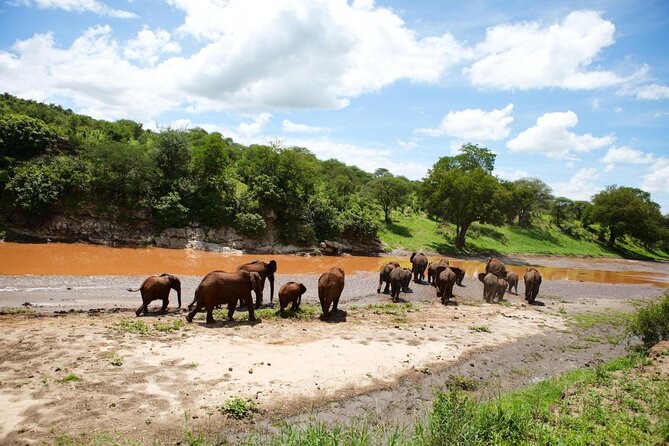
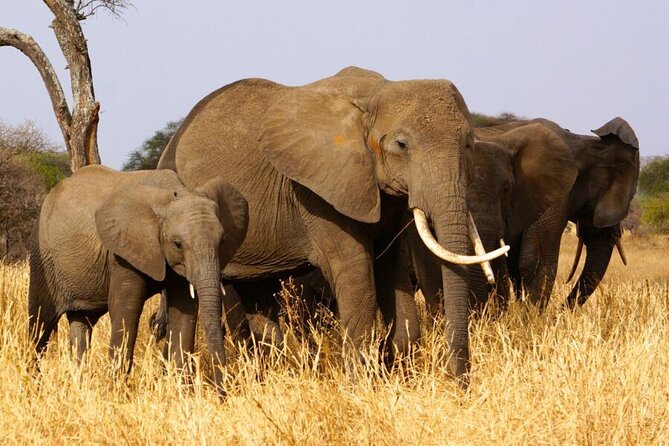
Tarangire is famous for its huge elephant population and the dramatic baobab trees. In plain terms, it’s a different look and feel from Serengeti: more open skies, more towering trees, and elephants that can be surprisingly close when you hit the right spots. The tour also frames Tarangire as part of a broader migratory cycle, mentioning up to 3000 elephants, 25,000 wildebeest, and 30,000 zebras in that annual rhythm.
Logistics-wise, day 1 includes about 2 to 3 hours of non-game viewing time. That means you are not spending the whole day in the car, but you are still doing a meaningful transfer. If you get motion sick, take precautions early, not “later.”
For the night, you stay at a Ngorongoro farm house. That sounds simple, and for a safari, simple is often good: you conserve energy for the crater and the long crater-and-plains days ahead.
More Lake Manyara safaris:
Serengeti’s Seronera Area: Where the River Brings Animals Closer
On day 2, you move from Tarangire to Serengeti National Park, covering about 145 km. The drive passes through Karatu farmlands and the Ngorongoro Conservation Area, then you descend into the wide-open Serengeti plains.
The plan targets the central Serengeti zone around Seronera, specifically because of the Seronera River. That’s not a random choice. In a place this big, water creates focus. When water is consistent, animals are more likely to cluster, and your guide has a better shot at finding action without guessing.
You arrive in time for lunch and then continue the day with game viewing. Day 2 includes 3 to 4 hours of non-game viewing time, mostly tied to driving and park entry flow. It is a solid setup day, not the day where you need to be mentally perfect at dawn, because your early-morning work is saved for day 3.
One thing I like about the schedule here is that it does not treat Serengeti as a single event. You start in a high-probability area, then you build from there.
Day 3 Dawn Drives in Serengeti: Lions, Night Creatures, and a Full Day Plan
Day 3 is the “go time.” You leave early for a game drive with an expectation of animals returning from nighttime activity, followed by lions waking up in the dawn. After that, you spend the rest of the day on game drives across Serengeti.
The itinerary spells out what you might see depending on season and Great Migration movements: wildebeest, lions, elephants, giraffes, zebras, monkeys, baboons, hippos, rhinos, antelopes, and lots of birds. That list is broad, but the logic is the key. Serengeti is about zones and timing, not one magic road.
If you are the type who wants the “best odds” day, this is usually it in a safari schedule. Dawn often means cooler temperatures, higher activity, and less haze. It can also mean your guide is working faster, scanning constantly and repositioning when the herd or predator signals something.
This day is long in the best way. Day 3 includes about 2 hours of non-game viewing time, then most of the daylight becomes game drive time. It is not for people who want constant sitting, but it is great for people who want wildlife time in exchange for the cost of the trip.
You end the night at Serengeti Kati Kati Tented Camp or similar. Tented camp stays are usually a practical safari choice: you get back to a comfortable base without losing the outdoors vibe.
Olduvai Gorge Stop on the Way to Ngorongoro: A Human-Evolution Break
Day 4 shifts gears. You start with another early morning game drive in Serengeti, then head toward the Ngorongoro Conservation Area. The plan includes a stop at Olduvai Gorge, a major landmark for human evolution.
This stop highlights the work of Drs. Lois and Mary Leakey, including discoveries tied to names like Nutcracker Man and Handy Man. Even if you are not a museum person, it’s a worthwhile reset. It breaks up the wildlife-only flow and reminds you that East Africa shaped both nature and human history in powerful ways.
After Olduvai Gorge, you transfer to Ngorongoro Rhino Lodge for dinner and overnight, or similar.
Day 4 notes 2 to 4 hours of non-game viewing time. That extra time is partly the travel day and partly the Olduvai Gorge stop itself. If you have kids or anyone in your group who gets bored easily, this is one of the better “productive stops” to include. It gives your brain a new kind of wow.
More Tarangire safaris:
- 4 Days Tanzania Private Safari | Serengeti , Ngorongoro & Tarangire Safari
★ 5.0 · 16 reviews - Amazing 4 Days Safari 3 Nights: Tarangire, Ngorongoro, Serengeti
★ 5.0 · 6 reviews - The World’s Best 1 Day Tarangire Budget Group Safari From Arusha
★ 5.0 · 3 reviews - 5-Day Highlights mid-Range Crater, Serengeti, Tarangire
★ 5.0 · 296 reviews
Ngorongoro Crater Descent and Lake Magadi: When Predators and Grazers Share the Same Stage
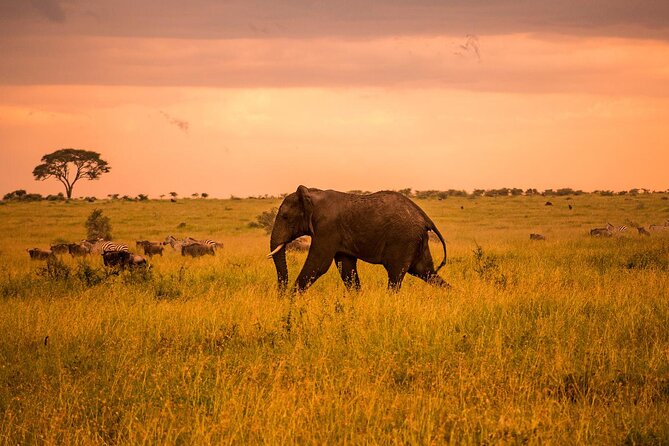
Day 5 is the signature moment: the Ngorongoro crater itself. After an early breakfast, you descend over 600 meters into the crater to view wildlife.
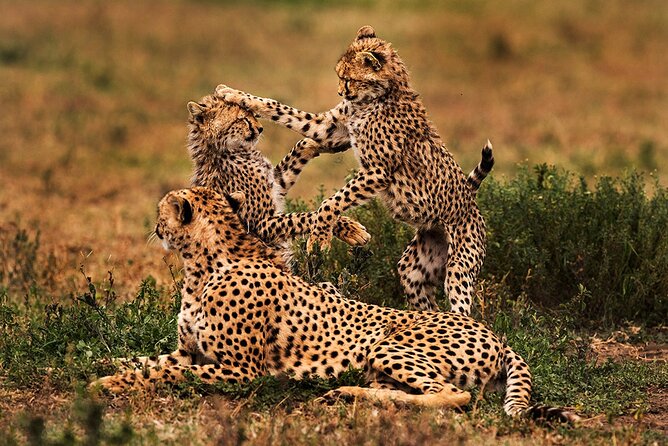
The crater’s year-round water and fodder are a big deal. When resources exist year-round, animals do not have to roam as far to survive, which is why the crater can feel dense. The itinerary lists animals you might see: herds of wildebeest and zebra, buffalo, eland, warthog, hippo, and giant African elephants. Predators are also a focus, including lions, hyenas, jackals, cheetahs, and a leopard that sometimes takes a trained eye to spot.
Then you add a specific water stop: Lake Magadi, described as a large but shallow alkaline lake in the southwestern corner. That matters because it gives you an extra area to scan beyond the main crater circuit, which can improve your chances of finding something interesting even when the action shifts.
Day 5 includes 3 to 4 hours of non-game viewing time, mainly travel within the day and crater positioning logistics. The crater itself is where you will feel the payoff, because the geometry of a crater creates a natural amphitheater for wildlife.
You finish this safari loop with a classic northern circuit arc: start with Tarangire elephants, build to Serengeti plains action, then end in the crater’s high-density wildlife theater.
What $3,500 Buys You Here: Value, Not Just a Price Tag

At $3,500 per person, you are paying for more than a checklist of parks. This price reflects the reality of Tanzania safaris: driving distances, park operations, guiding time, and lodging all add up fast. The upside in this plan is that you get private transportation and the tour includes all fees and taxes, so you are not hit with surprise line items once you arrive.
Meals are also handled, with five lunches, four dinners, and four breakfasts included in the tour package details you were given. For a safari, that matters because meals are not just food, they are recovery fuel. You cannot out-hike bad planning on a wildlife schedule.
Where you might adjust your expectations is comfort style. The accommodations include a farm house in one night and tented or lodge options in others, including Serengeti Kati Kati Tented Camp and Ngorongoro Rhino Lodge or similar. That is a normal safari range, but it’s not the same thing as a city hotel.
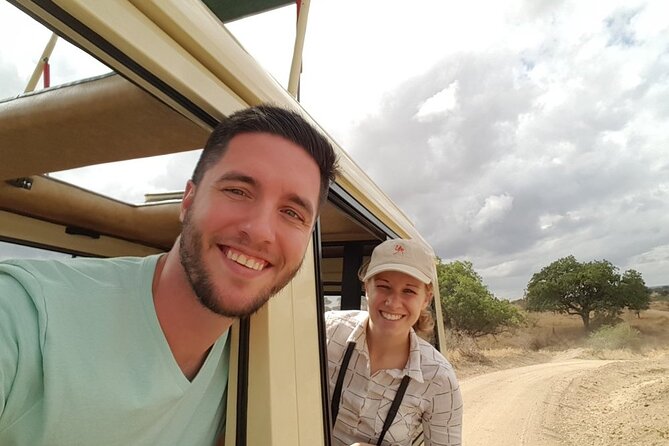
On a value level, I like that the tour is explicitly private. That often means better communication, less waiting around, and more flexibility when the guide finds something good. Past experiences tied to this operator also highlight a strong human element, with team members like Herman and guides such as Joshua and Elias being praised for careful attention and reliable timing.
Season Choice: Serengeti Migration Timing and What You Should Expect
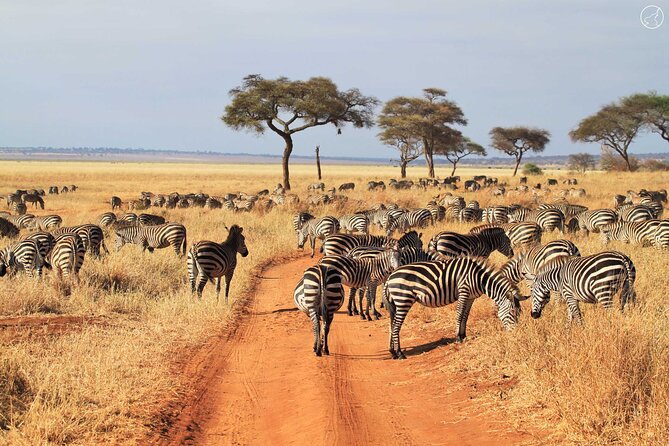
If you travel from December to April, the plan specifically calls out the annual wildebeest migration in Serengeti as a must. That seasonal window matters, because migration changes where herds are moving, which then affects what you see and where you spend time.
That said, even without migration timing, Serengeti is still Serengeti. The itinerary is designed around a water-focused zone in Seronera and then multiple game drive blocks, including a dawn-heavy day. In other words, you are not betting everything on one herd movement.
If you want the migration experience, aim for those months and keep your expectations flexible. Big migration moments are dramatic, but your sightings can still vary day to day based on where the animals are that week.
Transportation, Timing, and Why Dawn Matters More Than You Think
This safari starts early. The start time is 6:00 am from Kilimanjaro International Airport. That tells you the day structure early on is built around daylight driving and dawn game drives. If you tend to sleep in on vacation, plan to recalibrate fast.
The itinerary also gives “non-game viewing time” estimates for each day. Day 1 lists about 2 to 3 hours, day 2 about 3 to 4 hours, day 3 about 2 hours, day 4 about 2 to 4 hours, and day 5 about 3 to 4 hours. Put simply, you are trading some road time for longer wildlife time. You should do this safari because you want wildlife time, not because you want scenery photos from the passenger seat.
Dawn game drives, especially on day 3, are called out as a key opportunity. Lions waking at first light is the kind of classic safari moment people dream about. It also tends to be when predators are easier to spot, because animals are more active and the light is better.
Guides and Team: Herman, Joshua, Elias, John, and Chef Ibrahim
One of the strongest signals from the experiences tied to this operator is that you get a named team, not a mystery van driver.
You may work with Herman, and guides and drivers mentioned include Joshua, Elias, and John. Many guests also mention communication and responsiveness, including being adaptable to what the group wants, and keeping things on track. In safari terms, “on track” means you are not waiting in circles, you are repositioning with intent.
Food support also gets a shout out. Chef Ibrahim is specifically mentioned along with a helper. That matters because on safaris, your hunger and your energy can make or break the day. When meals are handled well, you can stay focused on the game drive and not think about logistics every few hours.
Packing Tips for a Safari That Moves: What to Bring for Cooler Mornings
I always recommend packing like you expect change. Safaris shift between early cold and warmer afternoons, and you will be out in a vehicle for long stretches.
Bring:
- A warm layer for morning drives
- Sunscreen and sunglasses for open plains
- Binoculars if you have them, they help in wide visibility
- A camera strap you can trust, you will be shooting a lot
- A small daypack for water and quick items
Also, plan your posture. Long days in a safari vehicle mean you should be comfortable in how you sit and move. Your goal is to stay loose so you can scan quickly when the guide calls out movement.
Who This Safari Fits Best (and Who Should Consider Alternatives)
This safari fits best if you:
- Want a classic northern circuit arc without rushing every park equally
- Like early mornings and full game drive days
- Prefer a private setup over sharing a vehicle
- Are okay with tented camp or lodge-style lodging rather than full resort amenities
It may be less ideal if you:
- Want minimal driving time
- Hate very early starts
- Prefer a slow itinerary where meals and hotel time dominate the day
For families too, the pace can work well because the plan repeats successful structures: morning drive, midday rest or lunch, then more driving. That rhythm helps everyone adjust.
Should You Book This 5-Day Tarangire, Serengeti, Ngorongoro Safari?
If you want the big-ticket wildlife experiences with a plan that actually targets the best chances, I think this is a strong pick. The value math is helped by private transportation, included fees and taxes, and multiple included meals. The itinerary also gives you three distinct wildlife settings instead of trying to squeeze everything into one park.
Before you book, do two quick checks:
- Confirm whether your version includes Lake Manyara. The route you were given is described as a northern circuit safari where Manyara can fit, but the detailed day-by-day focus here is on Tarangire, Serengeti, and Ngorongoro.
- Ask your operator about your expected lodge or camp category. The plan lists specific stays in some nights and “or similar” for others, so you’ll want clarity.
If you nail those two, you’re set up for a memorable circuit, with dawn wildlife, elephant-heavy Tarangire, and the crater finale that is hard to beat.
FAQ
What parks are included in this 5-day private safari?
Tarangire National Park, Serengeti National Park, and the Ngorongoro Conservation Area (including Ngorongoro Crater). The provided overview also mentions Lake Manyara as part of the northern circuit.
How long is the safari?
It is listed as 5 days (approx.).
What time does the safari start and where does it begin?
It starts at 6:00 am from Kilimanjaro International Airport (Kilimanjaro Airport Rd, Tanzania).
Is this a private tour?
Yes. It is a private tour/activity, and only your group participates.
What’s included in the price?
Private transportation, game driving, all fees and taxes, and meals are included (5 lunches, 4 dinners, and 4 breakfasts).
Are park admission tickets included?
The itinerary notes admission ticket free, and all fees and taxes are included.
Are tips included?
No. Tips are not included.
What lodging should I expect?
Overnight stays include a Ngorongoro farm house, Serengeti Kati Kati Tented Camp or similar, and Ngorongoro Rhino Lodge or similar.
How does cancellation work?
You can cancel for a full refund if you cancel at least 24 hours in advance of the experience’s start time.
More Ngorongoro Crater Trips
- 3 Days Serengeti & Ngorongoro Group Camping Safari
★ 5.0 · 574 reviews - Safari Serengeti And Ngorongoro
★ 5.0 · 288 reviews - 5 Days Camping Tarangire, Serengeti & Ngorongoro crater & Visiting Maasai
★ 5.0 · 229 reviews - 4 Days Join Group tour Tarangire Serengeti and Ngorongoro crater
★ 5.0 · 219 reviews
More Serengeti Safaris
- 4 Days Tanzania Luxury Safari Serengeti and Ngorongoro Crater
★ 5.0 · 9 reviews - 5 days Serengeti Wildebeest Migration Safari
★ 5.0 · 3 reviews - Serengeti Balloon Safari and authentic bush breakfast
★ 5.0 · 2,480 reviews - Balloon Safari & Bush Breakfast in Serengeti – Miracle Experience
★ 5.0 · 1,646 reviews
Just posted around Kilimanjaro
- 5 days Serengeti Wildebeest Migration Safari★ 5.0 · 3 reviews
- Mount Kilimanjaro 6 days – Machame route★ 4.0 · 5 reviews
- Lemosho Route★ 5.0 · 21 reviews
- 6 Days Machame Route Kilimanjaro Trekking★ 5.0 · 13 reviews
- Mount Kilimanjaro 7 Days – Machame Route★ 5.0 · 5 reviews
- Amazing 4 Days Safari 3 Nights: Tarangire, Ngorongoro, Serengeti★ 5.0 · 6 reviews
- 9 Days – Best of Tanzania Safari★ 5.0 · 4 reviews
- Tanzania Safari and Kilimanjaro Climb Multi-Day Experience★ 5.0 · 3 reviews
Serengeti Safaris, compared.
Serengeti Balloon Safari and authentic bush breakfast
Read our review →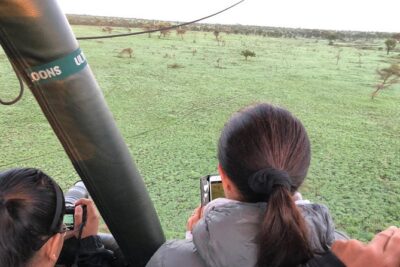
Balloon Safari & Bush Breakfast in Serengeti – Miracle Experience
Read our review →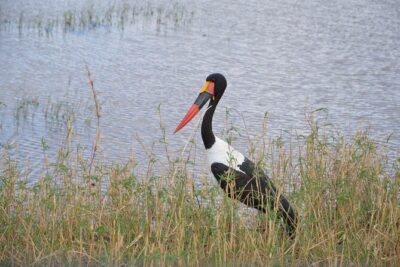
3 Days Serengeti & Ngorongoro Group Camping Safari
Read our review →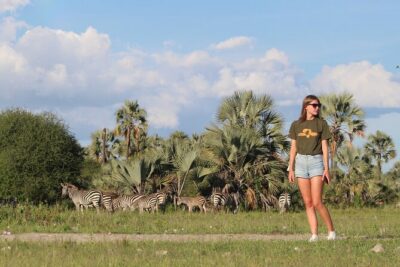
5-Day Highlights mid-Range Crater, Serengeti, Tarangire
Read our review →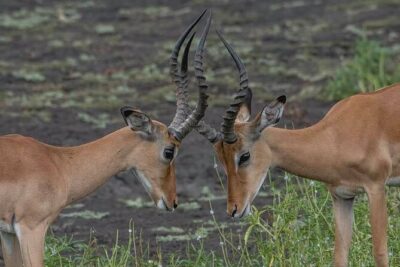
Private 6-Day Tarangire Manyara Crater and Serengeti with Mid-Range Lodges
Read our review →
5 Days Camping Tarangire, Serengeti & Ngorongoro crater & Visiting Maasai
Read our review →Browse the lists this tour appears in