
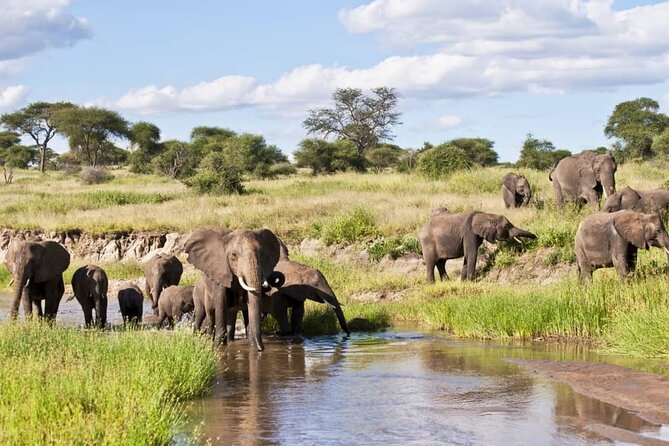
Reviewed · SERENGETI SAFARIS
4 Days Lake Manyara National Park, Ngorongoro Crater , Serengeti National Park.
Some safaris feel rushed. This one moves fast, but it makes sense. You pack Lake Manyara, Serengeti, and the Ngorongoro Crater into a tight northern-circuit loop that is built around prime wildlife hours. I especially like that park fees and meals are included, so you spend less time budgeting mid-trip. Another big plus is the late-afternoon timing, when animals often loosen up and you get better light for sightings. One thing to consider: accommodations shift between lodge and camp options, so confirm what you are actually getting before you go.
You start early, with pickup from Kilimanjaro International Airport and a manager briefing the first evening. That early rhythm can be tiring, but it also means you spend more time in the parks and less time waiting on the road. Also, this is sold as a join-in style safari, and a review dispute I saw centered on lodge versus camping choices in a shared-group setup, so it’s smart to lock in your lodging details in writing.
In This Review
- Key Points That Make This Safari Worth Your Time
- Starting At Kilimanjaro, Then Straight Into Wildlife Hours
- Lake Manyara National Park: Monkeys, Elephants, and Rift Valley Views
- Serengeti: Olduvai Gorge on the Way In, Evening Game Drives After
- Serengeti Morning, Crater Rim Dinner: How Timing Works
- Ngorongoro Crater Day: Black Rhino Odds and Flamingo Color
- Lodging and Meal Plan: What Full Board Means For Your Energy
- Price and Value: Is $3,096.91 Reasonable for This Route?
- Group Format, Lodges, and a Smart Way to Avoid Mix-Ups
- Who This Safari Fits Best
- Should You Book This Tanzania Safari?
- FAQ
- Where does this tour start and when?
- How long is the safari?
- Which national parks and areas are included?
- Are park fees, meals, and transportation included?
- What is not included in the price?
- Do the guides offer languages besides English?
- What happens if weather affects the safari?
Key Points That Make This Safari Worth Your Time
- Late afternoon game drives in Lake Manyara and Serengeti, when wildlife activity often feels more predictable
- Olduvai Gorge stop on the way to Serengeti, adding an archaeology angle to the wildlife focus
- Ngorongoro Crater as a black rhino and lion stronghold, plus flamingos and lots of water birds
- Full board at your stops, with breakfasts, lunches, and dinners built into the cost
- Multilingual support with guides fluent in Chinese, Arabic, Spanish, and French
- A shared-group format that makes it extra important to confirm lodge versus camp arrangements
Starting At Kilimanjaro, Then Straight Into Wildlife Hours
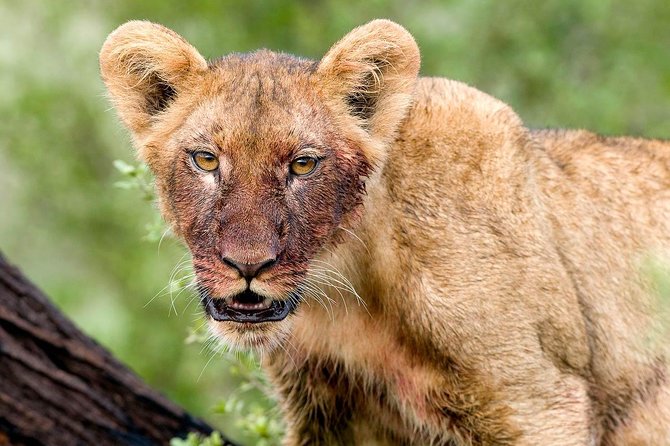
Your day begins at Kilimanjaro International Airport, with a start time listed as 6:00 am. If you are coming from Moshi or another pickup spot, you are still routed into the same plan, with a transfer to your first hotel and then a briefing in the evening with managers. That first briefing matters more than people think. In a safari like this, the schedule is the product, and a quick run-through helps you know when to be ready for vehicles and meal times.
I like that the trip is structured around wildlife viewing windows rather than long sightseeing blocks. This matters on the northern circuit because road time is real, and the best animal chances often cluster in mornings and late afternoons. You’ll spend time driving between ecosystems, but the timing keeps it from feeling like dead travel.
One practical note: the trip is advertised as about 5 days, even though the title calls it 4 days. Plan on roughly five days from the airport start to the departure back, and you’ll avoid that annoying last-day scramble.
More National Park Trips in Moshi
- 7 Day Safari in Tanzania National Parks
★ 5.0 · 5 reviews - Private 4-Days Northern Circuit National Parks in Tanzania
★ 4.5 · 26 reviews - Private Day Trip to Tarangire National Park
★ 5.0 · 12 reviews
Lake Manyara National Park: Monkeys, Elephants, and Rift Valley Views
Lake Manyara is the “warm-up” day, but it’s not a small act. You drive from Moshi to Lake Manyara National Park, about four hours, then stop for a picnic lunch before a late-afternoon game drive. The late-day timing is a smart choice here. The park’s animals tend to show better when the sun is lower and animals are more willing to move.
Approaching the park from the east gives you a classic Rift Valley payoff. You get the Rift Valley escarpment looming over the horizon, with the lake below. Then you step into the park’s mixed feel: tall trees in the groundwater forest, monkeys that hop through branches, and elephants that you may spot standing in shade on the escarpment.
This is the day where you should be ready for “small drama” sightings. Not everything will be a headline animal every minute, but Manyara often rewards attention. You’re looking for zebras, impalas, monkeys, giraffes, buffalo, and hippos, plus the higher-chance moments that come with experience-based guiding. In a half day, you usually want your guide calling out tracks, feeding behavior, and where animals tend to pause.
You end the day at Fanaka Lodge with full board. That’s a practical win on a schedule this full. Meals are handled, and you can focus on rest, not hunting for food options after a long day out.
Serengeti: Olduvai Gorge on the Way In, Evening Game Drives After
On the next travel day, you head to Serengeti National Park via the Ngorongoro Conservation Area, with driving time listed around 2 to 4 hours. This is one of those segments where you can feel the route shift from lake-country to big-safari plains.
There’s also a stop that adds texture to the trip: Olduvai Gorge. It’s described as an archaeological site in the eastern Serengeti plains where early human fossils were first discovered. Even if you’re not a hardcore prehistory person, it’s a strong reminder that this region is important on more than one level. You’re looking at a place shaped by geology and time, not just wildlife.
Then the best part comes: a game drive from afternoon into late evening. Serengeti is huge, and your viewing opportunities improve when you are out when animals are most active. Later hours can also mean gentler light and a more relaxed pace in the vehicle, compared with strict midday heat.
You’ll then do a late evening drive to your overnight base: Serengeti Seronera Wildlife Camp is listed, with an optional upgrade to lodge accommodations, still with full board. That camp versus lodge detail is worth your attention. If you care about privacy, showers, or a more “hotel-like” feel, make sure your upgrade is actually confirmed. If you’re fine with a more classic safari camp vibe, the wildlife camp option can feel more authentic and atmospheric.
Serengeti Morning, Crater Rim Dinner: How Timing Works
After breakfast, you get half-day game viewing in Serengeti. This is where you should shift your focus from “seeing something” to “seeing the right something.” A half day can still be excellent, but your success depends on where your driver places you and how the day’s animal movement lines up.
The tour description emphasizes Serengeti as a world heritage site with earth’s largest concentration of plain game still roaming free. That’s the right mindset. When Serengeti is working, it can feel like the plains are alive all at once. But even when you do not get the perfect one-shot view, you should still leave with a strong sense of the ecosystem’s scale.
In the late afternoon, you drive back to Sopa Lodge on the Ngorongoro crater rim for rest, dinner, and overnight. Staying on the rim is a smart transition move. It gets you ready for crater day without starting the morning with a long climb and traffic again. It also gives you a different viewpoint at sunset, because the crater rim is its own world compared with the park floors.
More Lake Manyara safaris:
- 5 Days Private Tarangire, Serengeti, Ngorongoro, Manyara Safaris
★ 5.0 · 17 reviews - 6 Days 5 Nights lodge safari Tarangire, Manyara, Serengeti & Ngorongoro Crater
★ 4.5 · 10 reviews - Private 6-Day Tarangire Manyara Crater and Serengeti with Mid-Range Lodges
★ 5.0 · 238 reviews - 3 Days Tarangire, Ngorongoro & Lake Manyara Group Camping Safari
★ 5.0 · 102 reviews
Ngorongoro Crater Day: Black Rhino Odds and Flamingo Color
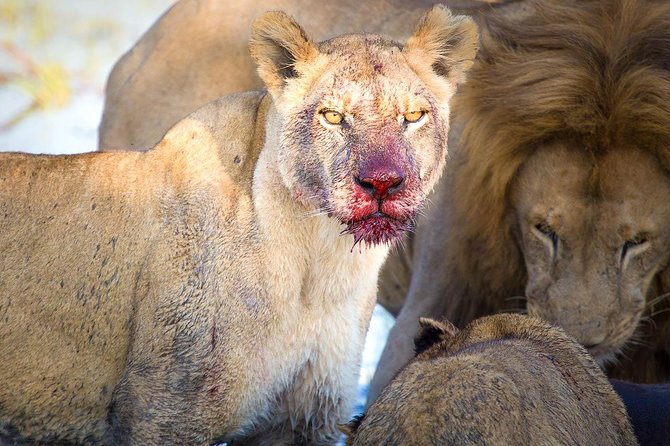
This is the day most people remember. You drive into Ngorongoro Conservation Area for game drives at Ngorongoro Crater after breakfast. The description calls Ngorongoro the best place in Tanzania to see black rhino. It also highlights lion prides, including the magnificent black-manned males. And then it lists the extras that make the crater feel busy and alive, not empty.
Expect flamingoes and a variety of water birds. Even if your main target is a rhino, flamingos give you a steady burst of color, especially when water conditions and viewing points line up. You may also see leopard, cheetah, hyena, and antelope species, plus smaller mammals.
One realistic note for your expectations: crater days often feel like a giant checklist. It’s tempting to get locked onto one animal. But your guide’s job is to place you where sightings are likely, and the crater rewards a flexible mind. If you stay focused on one species only, you can miss the moment a different animal turns up right where you’re sitting.
In the late afternoon, you drive back to Kilimanjaro airport for departure or alternatively Moshi in your hotel. That ending is practical, but it also means you should keep your departure plans flexible if you can.
Lodging and Meal Plan: What Full Board Means For Your Energy
Food and sleep are not side details on a safari like this. They are the fuel.
Your inclusion list covers breakfast (4), lunch (5), dinner, plus transportation and park fees. That’s a strong setup because you won’t be constantly negotiating meal stops while you’re tired and focused on wildlife.
Your overnights are described as:
- Fanaka Lodge on the Lake Manyara night
- Serengeti Seronera Wildlife Camp with an optional lodge upgrade
- Sopa Lodge on the Ngorongoro crater rim
That mix gives you two different safari styles: lodge comfort on the rim and at Manyara, then a more camp-style stay in Serengeti unless you upgrade. If you want the smoother comfort level throughout, push for the lodge option on the Serengeti overnight. If you like the classic safari feel, camp can be a great match, especially since the drive is already doing so much work in the schedule.
Also note how meals are built around viewing time. Picnic lunch on the Manyara day means you get moving again without wasting time searching. On crater day, you go from breakfast into the park, then back out late afternoon.
Price and Value: Is $3,096.91 Reasonable for This Route?
At $3,096.91 per person, this is not a budget safari. But value is not only about raw cost. It’s about what the price quietly covers for you.
Here’s what you are paying for, based on what’s included:
- Park fees
- Transportation across multiple parks and conservation areas
- Meals across the days, with lunch and breakfast counts spelled out
- The core structure: guided game drives, plus time on the road between key wildlife zones
What you do not pay for in the package:
- International flights and visas
- Tips
That structure matters for budgeting. Safari costs can balloon if you’re constantly adding entry fees and scrambling for meals outside the plan. Here, park fees are included, and meals are handled in the daily rhythm. That’s where you get real value, because your energy stays pointed at wildlife instead of logistics.
One more price reality: because this route hits three major areas in a compact run, you’re buying efficiency. If you want more downtime, fewer drives, or more hotel-style comfort, you’d typically pay more or add days. With this one, you’re trading a bit of slow travel for concentrated wildlife time.
Group Format, Lodges, and a Smart Way to Avoid Mix-Ups
The tour company describes safaris as tailored to different budgets, and they note guides fluent in Chinese, Arabic, Spanish, and French. That matters if you want clear explanations during spotting time, not just basic “look there” calls.
There’s also a clue in a negative review response that’s worth taking seriously. The dispute centered on a joiner-group setup and a mismatch in lodging choice, specifically lodge versus camping, even when an upgrade had been made. That doesn’t automatically mean your trip will have problems. It does mean you should act like a careful shopper.
Before you pay the final balance, confirm in writing:
- Which exact lodging type you are booked into for Serengeti: Seronera Wildlife Camp versus the optional lodge upgrade
- That the booking ties to your name and dates, not a general group expectation
- Whether your group’s vehicle count affects how often you move between sightings
A good safari experience can be undone by one avoidable mismatch. With this route, it’s especially important because you are changing parks every day or two, and there’s limited room for surprises.
Who This Safari Fits Best
This safari is a strong match for you if:
- You want the classic northern circuit highlights in one run: Lake Manyara, Serengeti, and Ngorongoro Crater
- You prefer a structured schedule with meals and park fees handled
- You like wildlife timing, late-afternoon viewing, and the big-name crater target
- You want multilingual guidance, especially if English is not your first language
It may be less ideal if:
- You want a slower pace or lots of free time to wander on your own
- You strongly dislike the idea of switching between camp and lodge styles
- You are sensitive to early mornings and late returns after game drives
Also, this experience is described as requiring good weather. That doesn’t mean your trip will fail in rough weather, but it does mean the operator plans around conditions.
Should You Book This Tanzania Safari?
If your priority is seeing Tanzania’s headline wildlife zones efficiently, this is a solid choice. The included park fees, guided drives, and full-board meal plan make it easier to travel without constant extra charges. The routing also makes sense: Lake Manyara for the forest and escarpment story, Serengeti for large-plains viewing with Olduvai Gorge as a bonus stop, then Ngorongoro Crater for rhinos, lions, and flamingos.
I’d book it if you confirm lodging details, especially the Serengeti camp versus lodge option. If you cannot get clear answers, push for written confirmation before you commit. With that one smart step, you give yourself the best shot at a smooth, exciting trip rather than a stressful one.
FAQ
Where does this tour start and when?
It starts at Kilimanjaro International Airport, with a start time listed as 6:00 am.
How long is the safari?
The duration is listed as 5 days approximately.
Which national parks and areas are included?
You visit Lake Manyara National Park, Serengeti National Park, and Ngorongoro Conservation Area with game drives at Ngorongoro Crater.
Are park fees, meals, and transportation included?
Yes. Park fees and transportation are included, and meals are included as well: breakfast (4), lunch (5), and dinner.
What is not included in the price?
International flights and visas are not included, and tips are also not included.
Do the guides offer languages besides English?
The guides are described as fluent in languages of your choice, including Chinese, Arabic, Spanish, and French.
What happens if weather affects the safari?
This experience requires good weather. If it is canceled due to poor weather, you will be offered a different date or a full refund.
More Ngorongoro Crater Trips
- 3 Days Serengeti & Ngorongoro Group Camping Safari
★ 5.0 · 574 reviews - Safari Serengeti And Ngorongoro
★ 5.0 · 288 reviews - 5 Days Camping Tarangire, Serengeti & Ngorongoro crater & Visiting Maasai
★ 5.0 · 229 reviews - 4 Days Join Group tour Tarangire Serengeti and Ngorongoro crater
★ 5.0 · 219 reviews
More Serengeti Safaris
- 4 Days Tanzania Private Safari | Serengeti , Ngorongoro & Tarangire Safari
★ 5.0 · 16 reviews - 4 Days Tanzania Luxury Safari Serengeti and Ngorongoro Crater
★ 5.0 · 9 reviews - Amazing 4 Days Safari 3 Nights: Tarangire, Ngorongoro, Serengeti
★ 5.0 · 6 reviews - 5 days Serengeti Wildebeest Migration Safari
★ 5.0 · 3 reviews
Just posted around Kilimanjaro
- 5 days Serengeti Wildebeest Migration Safari★ 5.0 · 3 reviews
- Mount Kilimanjaro 6 days – Machame route★ 4.0 · 5 reviews
- Lemosho Route★ 5.0 · 21 reviews
- 6 Days Machame Route Kilimanjaro Trekking★ 5.0 · 13 reviews
- Mount Kilimanjaro 7 Days – Machame Route★ 5.0 · 5 reviews
- 9 Days – Best of Tanzania Safari★ 5.0 · 4 reviews
- Tanzania Safari and Kilimanjaro Climb Multi-Day Experience★ 5.0 · 3 reviews
- Amazing 4 Days Safari 3 Nights: Tarangire, Ngorongoro, Serengeti★ 5.0 · 6 reviews
Serengeti Safaris, compared.
Serengeti Balloon Safari and authentic bush breakfast
Read our review →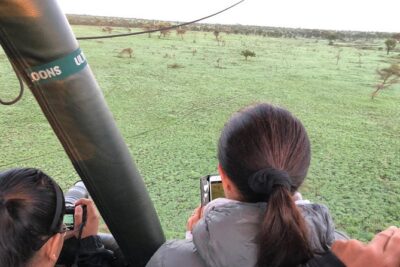
Balloon Safari & Bush Breakfast in Serengeti – Miracle Experience
Read our review →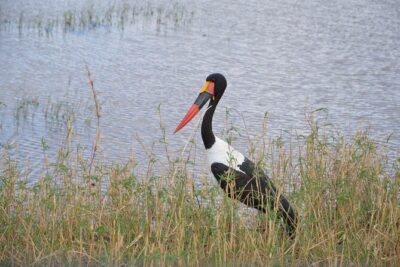
3 Days Serengeti & Ngorongoro Group Camping Safari
Read our review →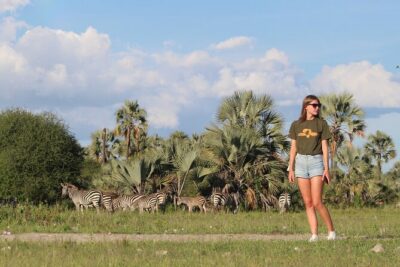
5-Day Highlights mid-Range Crater, Serengeti, Tarangire
Read our review →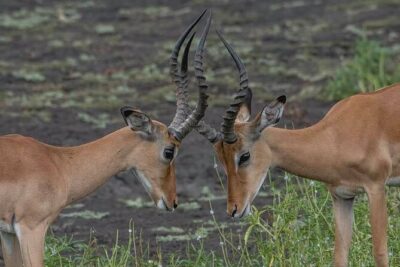
Private 6-Day Tarangire Manyara Crater and Serengeti with Mid-Range Lodges
Read our review →
5 Days Camping Tarangire, Serengeti & Ngorongoro crater & Visiting Maasai
Read our review →Browse the lists this tour appears in