
Reviewed · SERENGETI SAFARIS
Serengeti Wildebeest Migration.
Wild wildebeest and real river drama. This Moshi-based safari gives you focused time in the migration zones, especially around the Mara River, with a private 4×4 that keeps you comfortable for long drives and early starts.
I really like the way the route mixes classic safari variety with migration odds. You start in Tarangire for elephants and baobabs, then you move into Serengeti areas tied to lion viewing and, when timing lines up, the most intense crossing opportunities.
One thing to consider: migration river crossings run on nature’s clock, not yours. Even when conditions are right, you might feel the pace is a bit tight at times, and there is the practical reality that you cannot guarantee a specific crossing moment.
In This Review
- Key things I’d circle before you book
- The Serengeti wildebeest migration, in plain terms
- Moshi or Arusha pickup, and why the start time matters
- Tarangire National Park: elephants, baobabs, and an easy first rhythm
- Serengeti Seronera: lions, kopjes, and steady wildlife action
- Mara River crossing day: your best shot at the heart-stopping moment
- Serengeti northward terrain: from plains to broken country
- Southward return through Seronera: lions again, but with different grass
- Ngorongoro rim to crater floor: the morning descent is the point
- Price and logistics: what $4,185 buys you, and what it does not
- Who should book this Serengeti migration itinerary
- Should you book Bujo Tours for Serengeti migration?
- FAQ
- What time does the safari start?
- Where are you picked up from?
- How long is the safari?
- What vehicle and insurance are included?
- Which areas and parks are visited?
- What is not included in the price?
- Can I cancel for a full refund?
Key things I’d circle before you book
- Private jeep comfort: refrigerator, portable charging stations, and a pop-up roof for better viewing.
- Migration-focused timing: the plan points to crossing chances around mid-June to September in the Mara River region.
- Serengeti variety across regions: Seronera for big cats and kopjes, then northward terrain changes near Kogatende and the Mara area.
- Ngorongoro crater morning: an early descent around 6:30 AM for the crater-floor game drive.
- Safety net included: AMREF Flying Doctors insurance is listed as part of the package.
- Stress-free service in the feedback: guide Fredy is specifically named in the notes for handling details smoothly.
The Serengeti wildebeest migration, in plain terms
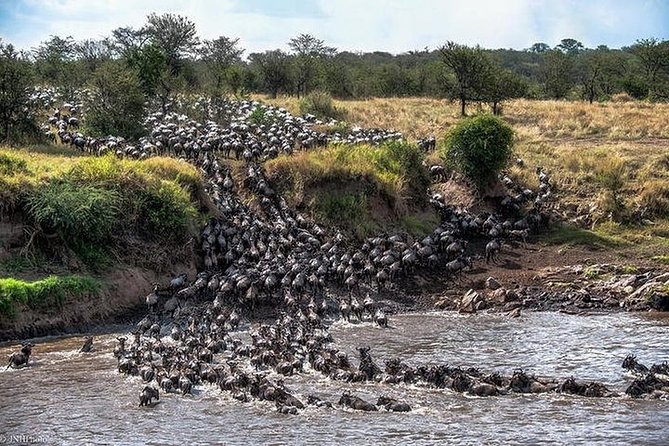
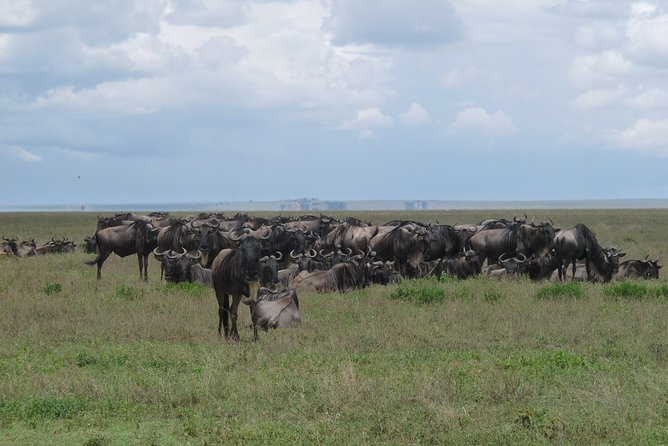
The big reason this trip exists is the Great Wildebeest Migration, the one that has you watching more than just animals. You are watching movement, pressure, and survival. Over two million wildebeest, zebra, and gazelles shift through the Serengeti and the broader ecosystem, chasing greener grass and safer calving ground.
Timing matters. The plan you are buying points to the best crossing chances around July and August when the herds move from the Serengeti side toward the Masai Mara ecosystem in Kenya. It also points to another key window around September and October as the movement direction changes again. If you are flexible with dates, you are also buying flexibility with your odds.
And yes, there is a darker thrill: the itinerary specifically calls out crocodile encounters around the dramatic river sections. That does not mean you will see one every day, but it does mean your safari is built around being in the right place when water and wildlife collide.
More Serengeti safaris:
- Safari Serengeti And Ngorongoro
★ 5.0 · 288 reviews - 5 Days Camping Tarangire, Serengeti & Ngorongoro crater & Visiting Maasai
★ 5.0 · 58 reviews - 4 Days Group Joining Camping Safari to Tarangire Serengeti Ngorongoro Crater
★ 5.0 · 50 reviews
Moshi or Arusha pickup, and why the start time matters
Your day begins early. The schedule lists an 8:00 AM start, with pickup from your hotel in Moshi or Arusha. On safari, an early start is not a detail. It changes what you actually see. You get more morning light for scanning the grasslands, and you avoid losing prime viewing hours to traffic or delays.
The ride to your first park is also part of the experience. The plan notes a drive of about 150 km from Arusha to Tarangire, around 3 hours. That is a normal Tanzania safari day structure, but it still means you should be ready for real driving time, not just short hops between view points.
Since this is a private tour (only your group participates), you are not stuck waiting on strangers to get ready. In the feedback, people liked how smoothly details were handled by guide Fredy. That matters, because it can prevent small annoyances from turning into big ones on a once-a-year kind of trip.
Tarangire National Park: elephants, baobabs, and an easy first rhythm
Day one is a gentler entry into the safari world, but it is not a small day. You drive into Tarangire National Park and enjoy a game drive that runs through late afternoon, with a picnic lunch stop during the day.
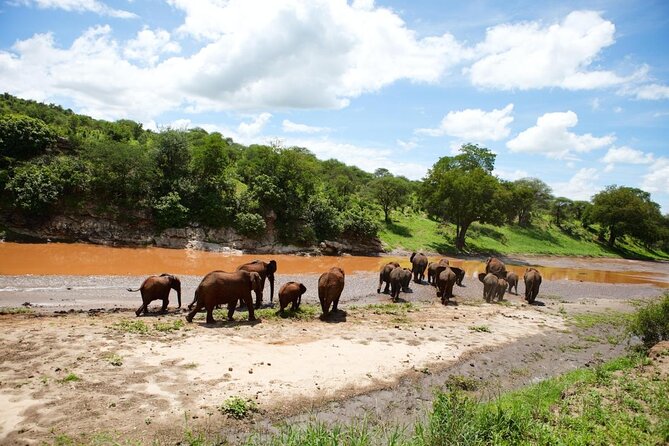
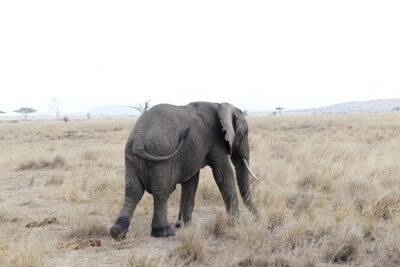
Here is what makes Tarangire a smart warm-up park. The plan highlights that Tarangire has one of the highest concentrations of elephants. That is huge for your early-game viewing confidence, because elephants are easier to spot than the more cryptic species. You also get the iconic baobabs, the towering trees that make everything else look small. It helps you quickly learn what safari scale feels like.
A practical note: Tarangire is named for the Tarangire River that flows through it, and the park is described as having diverse landscape zones. That variety tends to keep your eyes busy, which helps on day one when your attention is still learning how to watch.
Dinner is at your camp or lodge afterward, and the schedule sets you up for a decent night’s sleep for the big migration focus that follows.
What to watch for here
- Elephant family interactions, since they are called out as a standout
- The way the baobabs frame the animals, especially for photos
- How your guide scouts, because the first day teaches you the pace you’ll keep for the whole week
Serengeti Seronera: lions, kopjes, and steady wildlife action
After Tarangire, the safari shifts to Serengeti National Park, starting with the centrally located Seronera area. The plan describes Serengeti as famous for lions and leopards, and it points out that Seronera is one of the richer wildlife habitats.
Why Seronera works for you: the itinerary notes a water source, the Seronera River, which attracts wildlife and helps keep the game viewing consistent. If you are worried about big cats and you have limited days, this is the right approach. You are not only chasing migration chaos, you are also placing time where resident predators stay active.
The schedule also calls out the kopjes, large granite boulders rising out of the grass. Those piles of rock are not just scenery. For wildlife, they create shade, shelter, and vantage points. For you, they also make it easier to spot movement because animals have structure to gather around.
You will do game drives in the Serengeti in multiple segments. Some are shorter blocks that focus on a target region, and others include a longer drive style with picnic lunch. In a private jeep, that structure helps your guide adjust the plan as they read the sightings.
Possible drawback in Serengeti
Shorter drives can feel like you are constantly moving. A later note in the feedback even flags that the trip can feel a bit rushed at times. If you love long, slow wildlife time, build your expectations around frequent game-drive blocks rather than full days doing one thing.
A few more Moshi trips to compare
- Kilimanjaro climb by Lemosho Route (7-day)
★ 5.0 · 651 reviews - Kilimanjaro climb, Machame Route (7-day)
★ 5.0 · 262 reviews - Kilimanjaro Climbing Lemosho Route 8 Days.
★ 5.0 · 186 reviews - Climbing Kilimanjaro – Machame Route
★ 5.0 · 170 reviews
Mara River crossing day: your best shot at the heart-stopping moment
The itinerary sets aside a dedicated day for crossing conditions in the Mara River region. It specifically notes that between mid-June and September, migration can be found there, with the most dramatic crossings described as taking place in that stretch of time.
The Mara River crossing is portrayed in very direct terms: the river can be fierce and deep, rain fed, and it can take a heavy toll on the migrating wildebeest. That is why the day is built for the possibility of intense scenes, including crocodiles and the grim realism of survival.
Here is the big value for you. A migration safari is not just about seeing wildebeest. It is about seeing why they move. Crossing days show how the herd becomes a moving system, and you see how predators wait for confusion and fatigue.
Even if you do not catch a crossing in a single perfect moment, you still benefit from being there. You often see related behavior like herding, strong movement waves, and animals pausing and starting again as the terrain forces decisions.
How to get the most out of the crossing day
- Be mentally ready for uncertainty. The itinerary itself frames this as luck-dependent for crocodiles and for seeing the river drama.
- Use your time for scanning, not only filming. In these moments, sight lines and animal spacing change fast.
Serengeti northward terrain: from plains to broken country
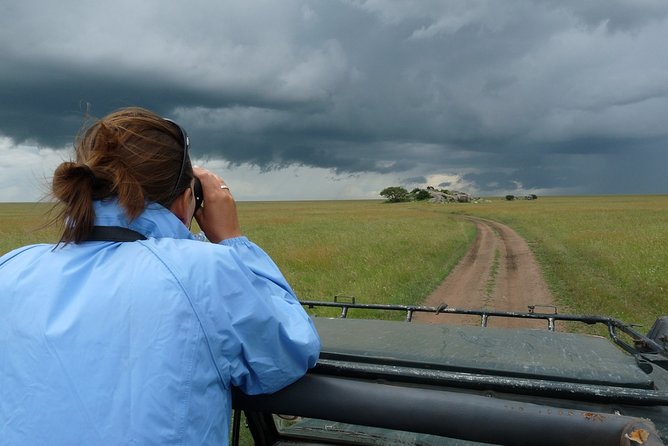
One day shifts your Serengeti focus north. The plan starts at 8:00 AM and describes travel toward the Kogatende region, with terrain changing from open grassland to a more hilly, broken setup as you move north.
This matters because it changes what you can find. In the itinerary description, northward game includes zebras, topi, gazelles, buffalo, and also predators like leopards and lions. So you are not only chasing migration traffic. You are also building predator odds across different ground types.
The schedule allows for a picnic lunch during the day long drive. Depending on timing of arrival near the Mara River, it also says you may spend a few hours by the Mara River. That is the kind of flexible structure you want in migration travel. You stay near the right area and let the day’s sightings shape the exact viewing time.
Then you end with dinner and rest in your accommodation, which keeps the rotation realistic. Long drives can drain you, and this schedule spreads the effort.
Southward return through Seronera: lions again, but with different grass
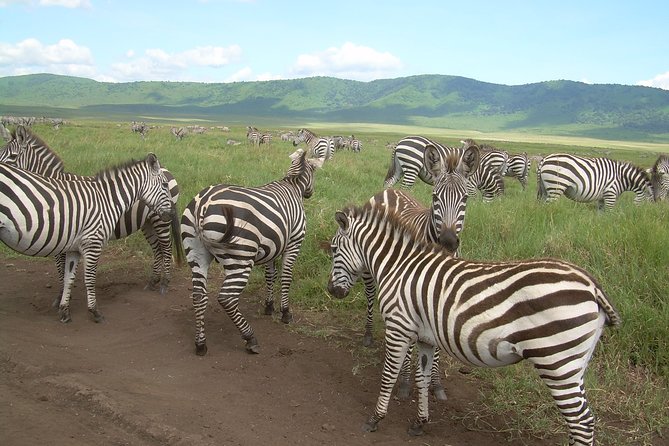
Another Serengeti day heads south toward the central area. The plan describes a drive back into Seronera terrain, and it notes a mix of hill country, the Lobo area, woodlands, and then a return to the more classic Seronera wildlife setting.
That is a useful rhythm for you. You get different scenery blocks, but your goal remains steady: lions and leopard viewing in Seronera, plus more general wildlife action around water sources like the Seronera River.
The itinerary again calls out lion prides and the granite kopjes. You might feel a bit of repetition, but in practice it works because predator activity can vary day to day. Also, when your migration focus is not a guaranteed crossing, your backup plan has to be strong. This schedule’s backup plan is predator-rich Seronera.
You will also have a picnic lunch during the full-day drive, so you are not burning time hunting for meals.
Ngorongoro rim to crater floor: the morning descent is the point
After Serengeti, the itinerary moves to the Ngorongoro Conservation Area. The structure here is clear, and it is why this part is so popular: you go to the crater rim, then you descend early the next morning.
On day six, you start around 9:00 AM and head out for a short game drive in the Serengeti before branching toward the Ngorongoro crater rim. The schedule notes a 75 km drive taking about 2.5 hours, with mild game action en route.
The crater rim is introduced as a major geological feature and a wilderness mecca. Then day seven is where you do the big payoff. You start early, with an early descend at around 6:30 AM into the crater floor, followed by a 5-hour game drive.
The crater floor area is described as about 260 square kilometers, with depth over 2000 feet. That tells you the viewing style will feel different. You are in an enclosed world where animals come to you, and your job is to pick the right scan points across open ground, valleys, and water areas.
The itinerary lists many crater stars: elephants, buffalo, black rhino, hippos, hyenas, cheetahs, and lions. It also includes a picnic lunch at the beautiful hippo pool, then a steep climb back out to the top exit.
That hippo pool stop is more than a snack break. It anchors the day around a reliable water feature and gives you time to slow down and watch behavior.
Price and logistics: what $4,185 buys you, and what it does not
At $4,185 per person, this is not an impulse safari. You are paying for a private setup, multiple park regions, and a vehicle designed for long days.
Here’s what is clearly included in the package:
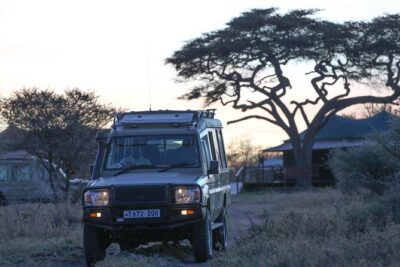
- Private Jeep 4×4 with a refrigerator, portable charging stations, and a pop-up roof
- Mineral water on all days
- AMREF Flying Doctors insurance during the safari for emergency evacuations
- Meals listed as 6 breakfasts, 7 lunches, and 6 dinners
- All mentioned activities
- Mobile ticket
- Pickup is offered from hotels in Moshi or Arusha
Not included items matter because they affect how you budget:
- International flights
- Alcoholic and soft drinks
- Tips for the safari guide
- Personal expenses like souvenirs, travel insurance, visa fees
- Visa fees listed as $100 for Americans and $50 for non-Americans
Now, the value question: this price starts to make sense if you care about comfort and time efficiency. The private jeep features matter when you are spending many hours seated in a vehicle, especially with camera gear and charging needs. Refrigerated water storage is also a real convenience in hot conditions.
Also, the included AMREF insurance is a big comfort factor. You are not just buying wildlife drives, you are buying risk reduction for medical emergencies.
On the other hand, you should know the natural parts are still natural. Migration sightings are luck-dependent, and that is baked into the crossing-day framing. So you are paying for smart positioning and expert movement, not for a guaranteed river crossing.
Who should book this Serengeti migration itinerary
This safari fits best if you want three things at once:
- Migration-focused Serengeti time, especially around mid-year Mara River crossing opportunities
- Serengeti predator odds through the Seronera approach with lions and leopards
- A strong capstone in Ngorongoro, with the early crater-floor drive and the hippo pool lunch
It also fits well if you dislike dealing with daily chaos. The feedback highlights how guide Fredy kept the trip stress free and helped manage the details from start to finish. One note also mentions a personal chef, which aligns with the idea that meals are handled for you, not something you scramble to figure out.
You may want to think twice if you strongly prefer slow travel. The itinerary includes multiple 4-hour drive blocks and long park days, and one feedback note flags it as a bit rushed at times. That does not mean it is bad. It means your expectations should match a packed wildlife schedule.
Should you book Bujo Tours for Serengeti migration?
I would recommend booking if your top goal is to maximize your chances during the right season, while still getting classic safari variety in Tarangire and crater wildlife in Ngorongoro.
Book it if you:
- Want a private safari setup with a well-equipped jeep
- Care about timing windows for the Mara River crossing period
- Value a structured plan with meals handled and insurance included
Skip it or reassess if you:
- Need a totally unhurried vacation pace
- Are traveling in a month outside the plan’s migration crossing window and you mainly want a specific river-crossing moment
- Have not planned for the add-ons, especially visa fees, tips, and drinks
If you do your date planning right and you can handle a busy schedule, this is a practical way to chase one of Africa’s most dramatic wildlife events, then finish with a crater day that hits hard.
FAQ
What time does the safari start?
The start time is listed as 8:00 am.
Where are you picked up from?
Pickup is offered from your hotel in Moshi or Arusha.
How long is the safari?
It is listed as 7 days approximately, and it is also described as an 8 Day lodge safari in the overview.
What vehicle and insurance are included?
You get a private Jeep 4×4 with a refrigerator, portable charging stations, and a pop-up roof. Flying Doctors insurance (AMREF) is included for emergency evacuations during the safari.
Which areas and parks are visited?
The schedule includes Tarangire National Park, Serengeti National Park, and Ngorongoro Conservation Area, including the crater rim and a crater floor game drive.
What is not included in the price?
Not included items are international flights, alcohol and soft drinks, tips for the safari guide, personal expenses, and visa fees.
Can I cancel for a full refund?
Yes. You can cancel up to 24 hours in advance for a full refund. If you cancel less than 24 hours before the experience’s start time, the amount paid will not be refunded.
Just posted around Moshi
- machame route★ 5.0 · 16 reviews
- Kilimanjaro Climbing Umbwe Route★ 5.0 · 3 reviews
- Wildlife Extravaganza: Manyara, Tarangire & Ngorongoro in 3 Days★ 5.0 · 3 reviews
- Mt Kilimanjaro 6 days Marangu route hike★ 5.0 · 3 reviews
- 3 Days Private E-Bike Tour in West Kilimanjaro★ 5.0 · 3 reviews
- West Kilimanjaro cycling Adventures★ 4.5 · 8 reviews
- Kilimanjaro Climb • Marangu Route ~ 9 Day★ 5.0 · 4 reviews
- Private Cycle to Kilimanjaro Bike Park Safari★ 5.0 · 6 reviews
Serengeti Safaris, compared.
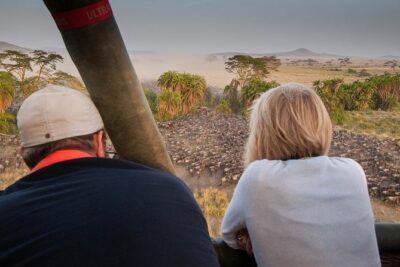
Serengeti Balloon Safari and authentic bush breakfast
Read our review →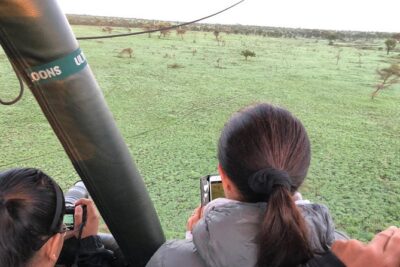
Balloon Safari & Bush Breakfast in Serengeti – Miracle Experience
Read our review →
3 Days Serengeti & Ngorongoro Group Camping Safari
Read our review →
5-Day Highlights mid-Range Crater, Serengeti, Tarangire
Read our review →
Private 6-Day Tarangire Manyara Crater and Serengeti with Mid-Range Lodges
Read our review →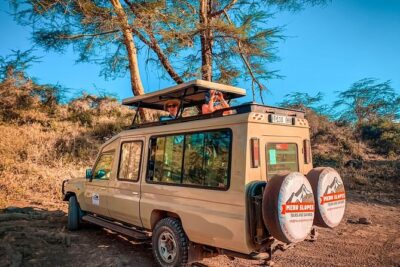
5 Days Camping Tarangire, Serengeti & Ngorongoro crater & Visiting Maasai
Read our review →Browse the lists this tour appears in