
Reviewed · TARANGIRE SAFARIS
Full Day Private Safari – Tarangire National Park
Elephants and baobabs, minus the hassle. This private full-day safari in Tarangire National Park runs with simple, straight-forward logistics from Moshi, including hotel pickup and drop-off plus time in an open-roof 4×4 for big-animal sightings.
I like that you set the pace. You are not squeezed into a rigid cattle-truck schedule, and the driver can shift focus as sightings appear. That flexibility is a real value in Tarangire, where the action depends on where the animals are that morning.
The other big win is the guide-style effort to find wildlife. In one account, driver-guide Nick coordinated with other drivers to move toward animals, and he would adjust the plan if zebra numbers were low. One drawback to consider is the price, at $350 per person, which makes this best when you value private time and want comfort over saving money.
In This Review
- Key Safari Wins in Tarangire
- How Tarangire From Moshi Works (And Why Private Is Worth It)
- Your Morning Drive: Early Start, Strong Chances
- Stop 1, Tarangire National Park: What You’re Likely to See
- Look Around Like a Pro (Without Overthinking It)
- The Leopard and Predator Angle: What to Expect, What to Keep Realistic
- Lunch in the Park: A Small Detail That Changes the Whole Day
- Duration Reality Check: 4 to 8 Hours Means You Can Plan But Not Micromanage
- Price and Value: What $350 Gets You (And How to Think About It)
- Who This Private Tarangire Safari Fits Best
- A Few Practical Tips Before You Go
- Should You Book This Full Day Private Safari?
- FAQ
- What park is this safari visiting?
- Where is pickup and drop-off offered?
- How long is the safari?
- Is this a private tour?
- What’s included with the tour?
- Is park admission included?
- Do I need to budget for tips?
- Can I cancel for free?
Key Safari Wins in Tarangire
- Pickup and drop-off from Moshi city center so you can start early without a hassle
- Private transportation in a 4×4 with open-roof viewing for clearer animal spotting
- Included lunch and bottled water to keep your day from dragging
- A year-round water supply that supports strong wildlife viewing, especially around water areas
- Responsive guiding helped by active coordination for better odds of the animals you came for
How Tarangire From Moshi Works (And Why Private Is Worth It)
Tarangire National Park is known for drawing wildlife by the simple power of water. The park keeps a year-round water supply, which means the animals do not all vanish when the morning heat rises. Add in savannahs and those iconic ancient baobab trees, plus giant termite mounds that look like they were built by a patient giant, and you get a safari day that feels natural, not staged.
Going private matters because it changes the feel of the day. You are not waiting on a larger vehicle to catch up, and you are not stuck watching the same short loop no matter what you are seeing. Instead, your driver can spend more time where the sightings are good, and less time where they are not.
This tour also keeps the day practical. You get pickup and drop-off from the Moshi city center, plus private transportation, lunch, and bottled water. The big picture: you can focus on spotting animals and taking photos, not on managing transport.
More National Park Trips in Moshi
- Private 4-Days Northern Circuit National Parks in Tanzania
★ 4.5 · 26 reviews - Private Day Trip to Tarangire National Park
★ 5.0 · 12 reviews - 6 Days Safari : Manyara, Ngorongoro, Serengeti & Tarangire National Park
★ 5.0 · 7 reviews
Your Morning Drive: Early Start, Strong Chances
The plan is to leave Moshi early in the morning after breakfast, then drive straight to Tarangire. That timing is more than tradition. Wildlife viewing often improves when you are out before the hottest part of the day, and when animals are still moving and feeding with less disturbance.
Once you arrive, your time in the park happens from inside a 4×4 with an open roof, which is a big help for your camera and for scanning. When you sit higher, you catch animals at different heights, like giraffes and birds perched in trees. It also makes it easier to follow quick movement when an animal suddenly appears in the brush.
Tarangire also has serious bird life, with over 550 species of birds, including the world’s largest, the Maasai ostrich. That matters even if you are mainly chasing the big mammals, because birdwatching often becomes part of the same wildlife moment. You look up, you spot something moving, and the day stays interesting even when the larger animals pause.
Stop 1, Tarangire National Park: What You’re Likely to See
You start and spend your main time at Tarangire National Park. This is a year-round water-holding park, so animal concentrations can be more consistent than you might expect from drier regions.
Here is the best part: Tarangire gives you variety. You are not just looking for one species. You can spot giraffes, zebras, impala, warthogs, baboons, buffalo, and mongoose, plus chances at predators. The park is also a place where you might encounter a cheetah, depending on conditions.
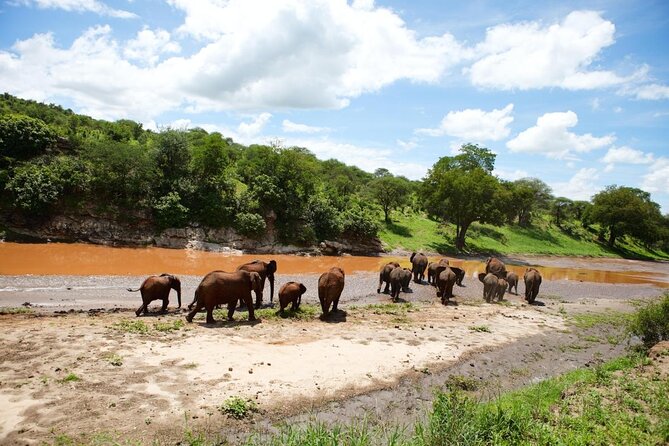
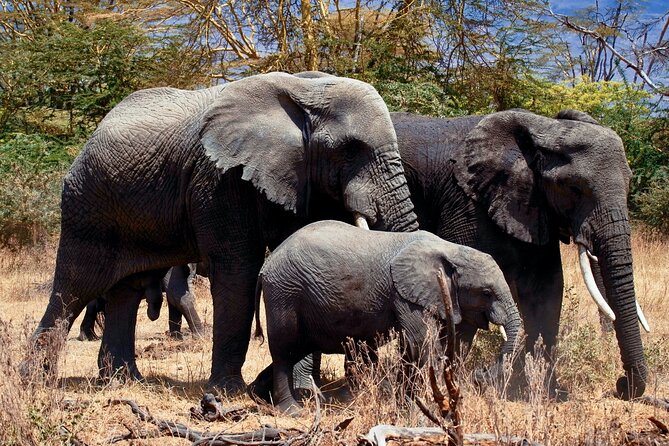
And elephants are a headline act. If you want to see Africa’s largest land mammals in a setting built around baobabs, water, and open savannah, Tarangire is one of the parks that makes sense.
Look Around Like a Pro (Without Overthinking It)
For better spotting, you want to scan in two directions.
1) At animal height: This is where you catch zebras, impala, warthogs, and herds moving across open areas.
2) Up in the trees: Tree-level matters in Tarangire, because you can sometimes spot the famous climbing leopards of the region from the right viewpoint.
The open-roof 4×4 supports both styles of looking. When everyone stays alert and the vehicle stops where the sightlines are best, you get more chances at those brief, tell-tale moments.
More Safaris in Moshi
- Safari Serengeti And Ngorongoro
★ 5.0 · 288 reviews - Big Five Safari In Tanzania
★ 5.0 · 99 reviews - Unforgettable Tanzania Safari And Zanzibar Beach
★ 5.0 · 97 reviews - 8-Day Essence of Tanzania Safari – Luxury
★ 5.0 · 72 reviews
The Leopard and Predator Angle: What to Expect, What to Keep Realistic
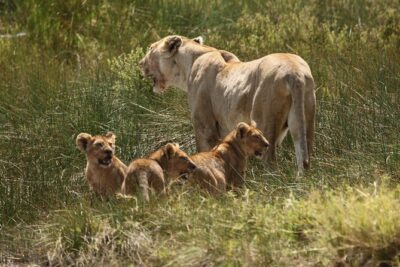
Predators are always a “maybe,” but Tarangire is known for making it possible to see them, including climbing leopards. Your best move is to treat this like smart wildlife viewing, not a guaranteed checklist.
The reason private guiding can help is simple. If your driver keeps an eye on where other vehicles have sightings, you can arrive at areas when animals are still visible. In one account, Nick coordinated with a network of other drivers to guide his group toward where animals were located. That kind of real-time adjustment can improve your odds, even though nothing in wildlife viewing is ever 100 percent.
So I would set expectations like this: plan to see plenty of wildlife for a full safari day, and be pleasantly surprised if predators appear.
Lunch in the Park: A Small Detail That Changes the Whole Day
You get an included lunch plus bottled water. That sounds basic, but it matters because a safari day is long enough that hunger can wreck your patience and your attention. When food and water are built in, you keep your energy steady and your camera-ready moments more relaxed.
The best value here is timing flexibility. You are not stuck hunting for a meal halfway through the drive back, and you do not have to worry about drinks when you are out in the park.
If you care about comfort, take advantage of this built-in break. Use it to recharge, review your photos, and reset your eyes for the afternoon wildlife sweep.
Duration Reality Check: 4 to 8 Hours Means You Can Plan But Not Micromanage
The tour lists a duration of about 4 to 8 hours. That wide range is normal for safari-style days because wildlife sightings control the pace. If you are seeing elephants, then stopping for longer can be worth it. If zebra movement is quiet, you might move on faster.
This is exactly why private touring can feel better. You are not forced to follow a one-size-fits-all itinerary. Your driver can lean into the day as it unfolds.
For planning around this, I recommend treating it as a half-day to full-day outing. Keep your evening plans flexible, especially if you are traveling with jet lag or you are trying to fit in other activities around Moshi.
Price and Value: What $350 Gets You (And How to Think About It)
At $350 per person, this is not a budget safari. So the question is value: what are you buying?
You are paying for a package of practical benefits:
- Private transportation
- Hotel pickup and drop-off
- Lunch and bottled water
- All fees and taxes
- Admission is free (as listed)
If you split the cost among a small group, the price can feel more reasonable fast, because you get the private 4×4 experience without sharing it with random people. Also, when you are already spending time and effort traveling to Tanzania, reducing friction in the safari logistics is a real quality-of-life upgrade.
So I see this as best value when you want:
- easier scheduling from Moshi,
- comfortable transport in a dedicated vehicle,
- and the chance to spend more time where wildlife is actually happening.
If you are trying to squeeze the lowest possible price out of a safari, you might look at shared options. But if you want a day that feels smoother and more responsive, this private format is the point.
Who This Private Tarangire Safari Fits Best
This safari fits best if you:
- want private time rather than sharing the ride and stops with strangers,
- enjoy looking for variety, not just one animal,
- value open-roof 4×4 viewing for better sightlines,
- and would rather have a driver who can adjust as sightings change.
It is also a good choice if you are short on energy. The Moshi city center pickup and drop-off reduce stress, and you are not managing the day while tracking animals.
If you are someone who only cares about a single target species and you want maximum cost efficiency, you might consider other formats. But for most people, Tarangire is about variety, and private makes that variety easier to enjoy.
A Few Practical Tips Before You Go
You will be in the park for several hours, riding in an open-roof vehicle. So plan for a day where your body will do some scanning and your camera will do a lot of work.
- Bring a camera strap that can handle quick movement when you spot an animal.
- Wear comfortable clothes for warm savannah conditions and cooler morning air.
- Keep your phone ready for bird and wildlife shots, because Tarangire’s bird diversity can surprise you.
And mentally, I would go in prepared to change focus quickly. Wildlife spotting works best when you stay flexible, not when you insist on one exact outcome.
Should You Book This Full Day Private Safari?
Book it if you want a smooth, private Tarangire day with Moshi pickup and drop-off, included lunch, and time in an open-roof 4×4 built for real viewing. The private format is the core value, and the ability to respond to wildlife movement, like the coordinated approach described by driver-guide Nick, is exactly what improves your chances of meaningful sightings.
Skip it or consider alternatives if your top priority is the lowest price. At $350 per person, you are paying for comfort, dedicated time, and reduced friction, not just for a drive into the park.
FAQ
What park is this safari visiting?
This full-day private safari is in Tarangire National Park.
Where is pickup and drop-off offered?
Pickup and drop-off are offered from Moshi city center.
How long is the safari?
It runs for about 4 to 8 hours.
Is this a private tour?
Yes. It is a private tour/activity, and only your group participates.
What’s included with the tour?
The tour includes private transportation, lunch, bottled water, and all fees and taxes.
Is park admission included?
Admission is listed as free.
Do I need to budget for tips?
Gratuities or tips for the driver/guide are not included.
Can I cancel for free?
Yes. You can cancel up to 24 hours in advance for a full refund.
More Safaris from Moshi
- Great Migration Safari In Tanzania
★ 5.0 · 71 reviews - 6 Days 5 Night Safari
★ 5.0 · 57 reviews - 4-day Tanzania Safari
★ 5.0 · 53 reviews - 7-Day Magical Tanzania Safari -Premium High End Package
★ 5.0 · 53 reviews
More Tarangire Safaris in Moshi
- 5 Days Camping Tarangire, Serengeti & Ngorongoro crater & Visiting Maasai
★ 5.0 · 58 reviews - 4 Days Group Joining Camping Safari to Tarangire Serengeti Ngorongoro Crater
★ 5.0 · 50 reviews - 3-Day Ngorongoro Crater Manyara and Tarangire Safari from Arusha
★ 5.0 · 49 reviews - 4 Day Private Tour Throughout Tarangire, Serengeti and Ngorongoro
★ 5.0 · 42 reviews
Just posted around Moshi
- machame route★ 5.0 · 16 reviews
- Kilimanjaro Climbing Umbwe Route★ 5.0 · 3 reviews
- Wildlife Extravaganza: Manyara, Tarangire & Ngorongoro in 3 Days★ 5.0 · 3 reviews
- Mt Kilimanjaro 6 days Marangu route hike★ 5.0 · 3 reviews
- 3 Days Private E-Bike Tour in West Kilimanjaro★ 5.0 · 3 reviews
- West Kilimanjaro cycling Adventures★ 4.5 · 8 reviews
- Kilimanjaro Climb • Marangu Route ~ 9 Day★ 5.0 · 4 reviews
- Private Cycle to Kilimanjaro Bike Park Safari★ 5.0 · 6 reviews
Tarangire Safaris, compared.
5-Day Highlights mid-Range Crater, Serengeti, Tarangire
Read our review →
Private 6-Day Tarangire Manyara Crater and Serengeti with Mid-Range Lodges
Read our review →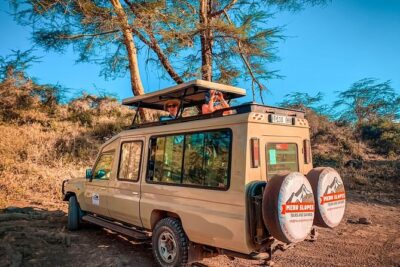
5 Days Camping Tarangire, Serengeti & Ngorongoro crater & Visiting Maasai
Read our review →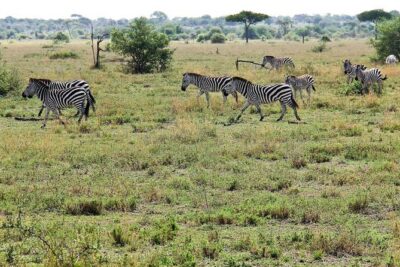
4 Days Join Group tour Tarangire Serengeti and Ngorongoro crater
Read our review →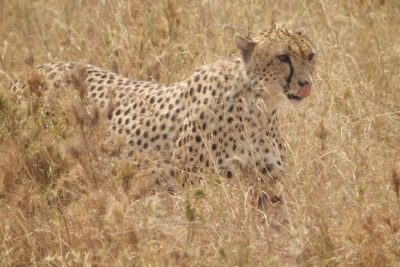
4-Day Safari from Arusha: Tarangire, Serengeti and Ngorongoro
Read our review →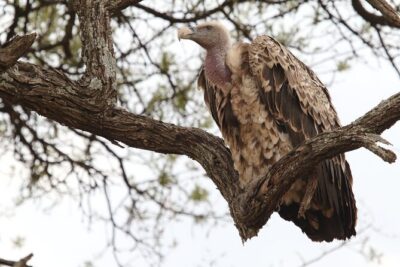
2 Days Tarangire and Ngorongoro Group Camping Safari
Read our review →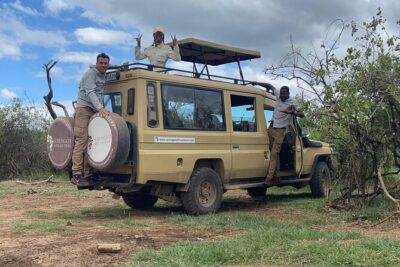
3 Days Tarangire, Ngorongoro & Lake Manyara Group Camping Safari
Read our review →Browse the lists this tour appears in