
Reviewed · TARANGIRE SAFARIS
Day trip to tarangire national park
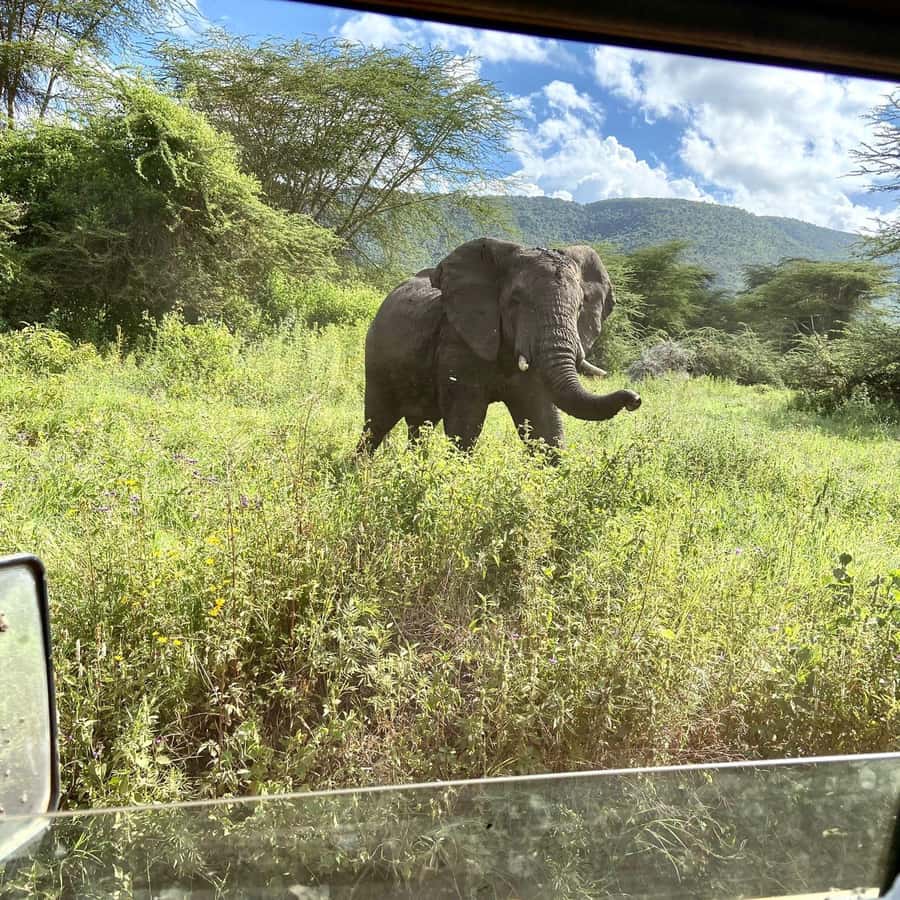
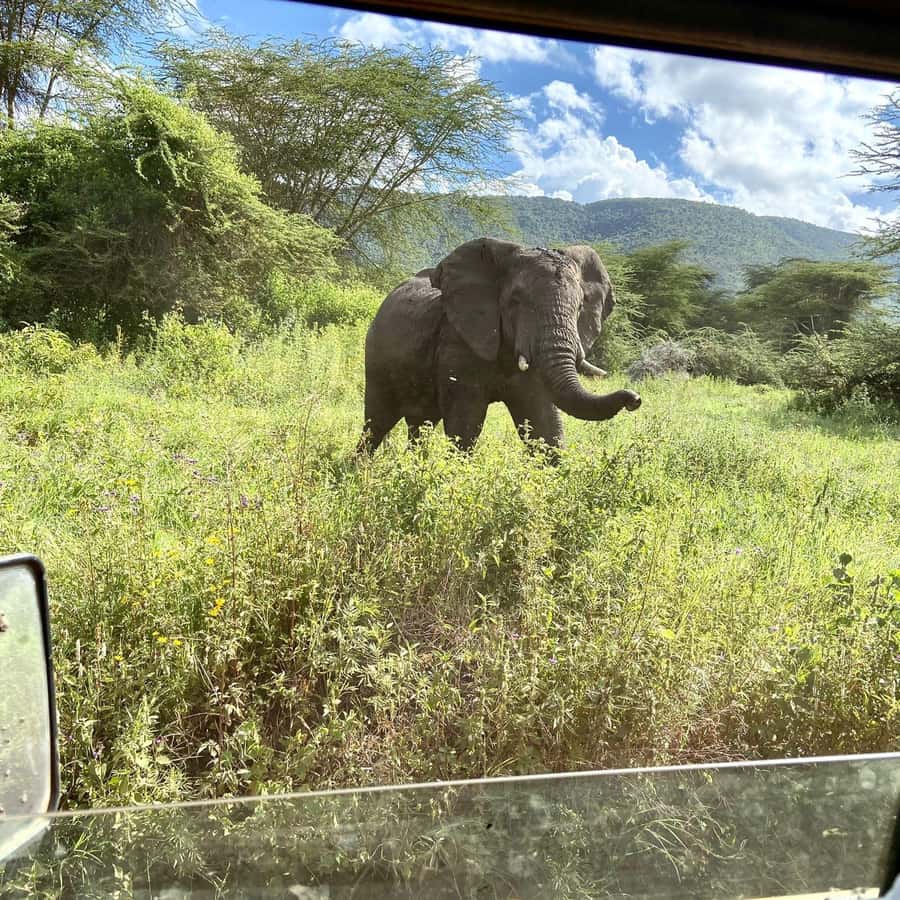
Elephants rule the road to Tarangire. This tight 1-day safari from Arusha is built for big wildlife moments without the luxury of slow travel. I like how Tarangire’s elephant density makes the payoff feel real, even when your time is short.
The second thing I like is the human side: you get a professional multilingual guide, and that can make the difference between spotting animals and understanding their rhythms. In particular, I’ve heard how guides like Brayson take time for pictures and help you read animal behavior on the spot. Add in a solid picnic lunch and plenty of water, and the day stays comfortable.
One possible drawback: it’s a full day with a 2 to 3 hour drive each way, so you’ll be packing a lot into limited daylight. If you want a slower safari with more time at each viewing area, you might feel slightly rushed.
In This Review
- Key things that make this 1-day Tarangire trip work
- Tarangire in One Day: What You Really Get
- From Arusha Pickup to Tarangire: The Drive Is Part of the Safari
- Elephant Density and the Tarangire River: Why This Park Delivers
- Big Game Viewing: Lions, Buffalo, Giraffes, and the Rest
- Dry Season Versus Other Months: Birding and Animal Patterns
- Lunch Picnic and How to Pace a Long Day
- Before Sunset Back to Arusha: Timing and Photo Realism
- Price and Logistics: Is $345 Good Value?
- Who Should Book This 1-Day Tarangire Safari
- Should You Book This Tarangire Day Trip?
- FAQ
- What is the duration of this Tarangire National Park safari?
- Where do you get picked up, and how long is the drive?
- What languages are available for the guide?
- What is included in the price?
- What is not included?
- Is this safari wheelchair accessible, and what is the cancellation policy?
Key things that make this 1-day Tarangire trip work
- Elephants year-round: Tarangire is famous for frequent sightings, not just seasonal luck.
- Herds can be huge: groups may reach around 300 animals, depending on conditions.
- Tarangire River matters: the river holds water year-round, especially important in dry months.
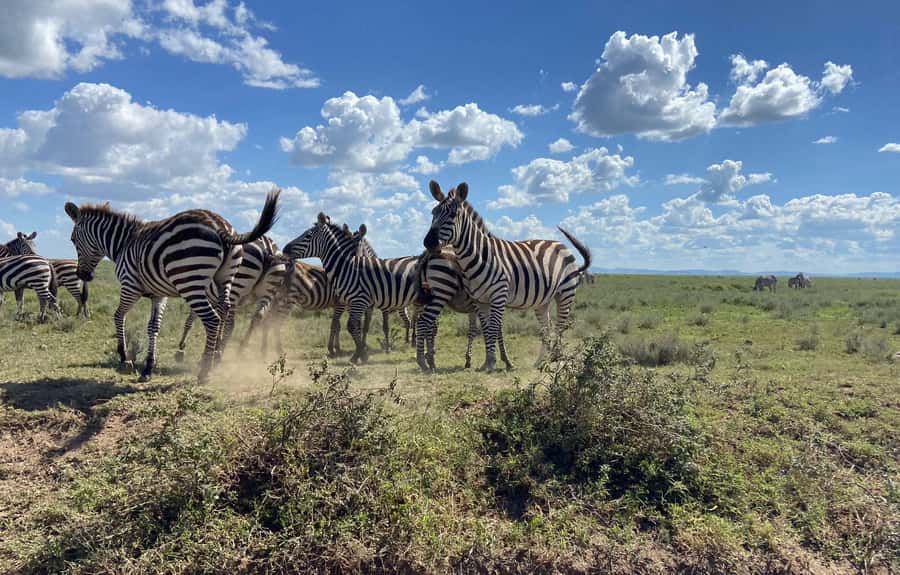
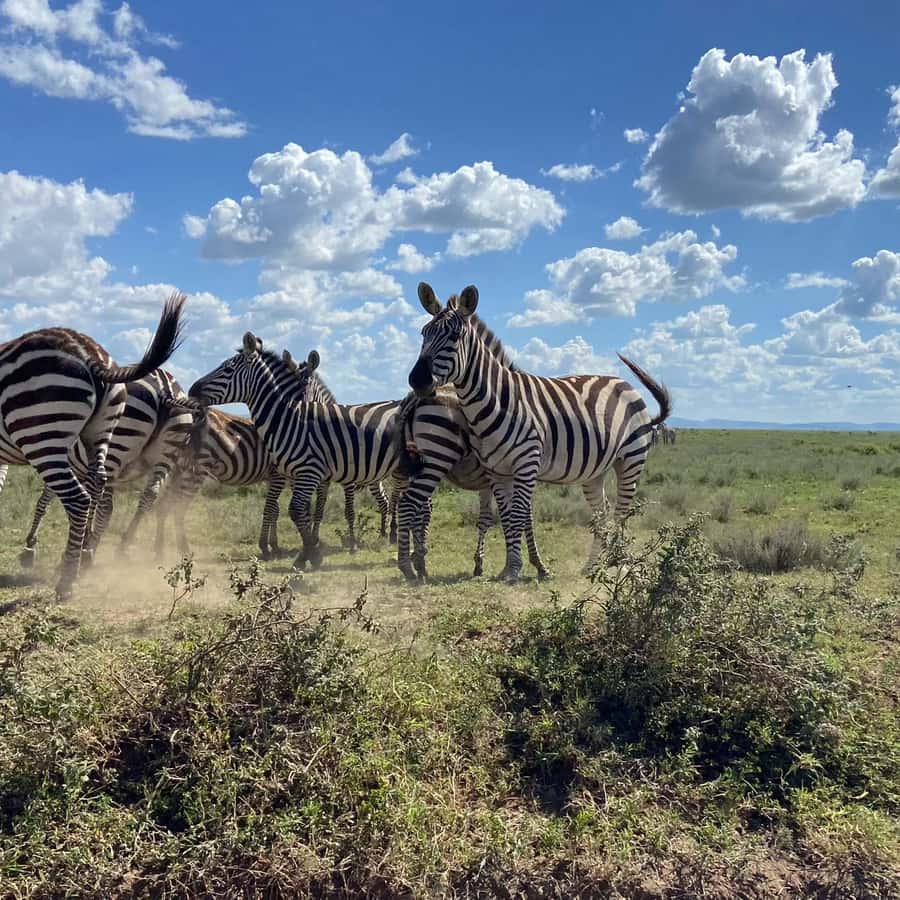
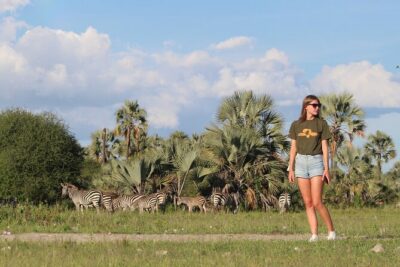
- Big-game mix: you have a real chance at lions, buffalo, giraffes, wildebeest, and zebra.
- Birding gets serious: over 550 species are possible, including the Masai ostrich (world’s largest bird).
- Binoculars in the car: at least one pair is included, which helps when animals are far off.
Tarangire in One Day: What You Really Get
Tarangire National Park is the kind of place where you can spend days and still feel like you barely scratched the surface. The trick here is that you’re compressing the best parts of the park into one day, then flying back to Arusha before sunset. That setup is ideal if you’re doing a Northern Circuit itinerary, or you simply don’t have time for a multi-day safari.
What you’re buying is simple: high-probability wildlife viewing paired with logistics that are already handled. Park entrance fees are covered, you have meals planned, and you’re not trying to figure out timing or pick-up details on your own. On the wildlife side, Tarangire is a standout because it combines elephant sightings with a broader cast of animals, and the park’s water source (the Tarangire River) supports wildlife activity across the year.
If you’re an “I want to see animals, not just drive around” person, this tour fits. If you’re the type who needs long, quiet stops and lots of flexibility, you may find a one-day format a bit intense.
More National Park Trips in Arusha
- 7 Days Tanganyika Wilderness Safari
★ 5.0 · 159 reviews - Arusha National Park Private Safari
★ 5.0 · 59 reviews - 4 Day Ngorongoro Crater Tarangire and Serengeti National Park
★ 5.0 · 44 reviews
From Arusha Pickup to Tarangire: The Drive Is Part of the Safari
You start with pickup from your hotel in Arusha. Then it’s a 2 to 3 hour drive to the park. That might sound like filler time, but it’s also when you get oriented. In this region, the park’s story is tightly connected to hunting history, including the kind of big-game hunting that existed before national parks were created. After parks were established in 1970, the land that had served hunting purposes shifted again, and today cameras have replaced elephant guns.
Practically, the drive matters because it determines how your day flows inside the park. You’ll want to be ready for a long day from start to finish, especially for comfort and photo readiness. I also recommend thinking ahead about what you wear and how you carry things, because you’ll likely be stepping in and out of the vehicle for viewing.
Language support is a genuine plus here. You can have your guide in English, German, French, Spanish, or Italian, which makes it easier to understand where animals are likely to be and what you’re looking at once you arrive.
Elephant Density and the Tarangire River: Why This Park Delivers
If elephants are your priority, Tarangire is one of the most direct ways to chase them. The park is described as having the highest density of elephants in North Tanzania, and you can see them all year. Herd sizes can be impressive, sometimes reaching around 300 animals, depending on conditions and where the herds are concentrated.
The big reason this works is water. The Tarangire River runs year-round, and during the dry season (July through October), animals from surrounding areas come to the river to drink. That means sightings aren’t just random. You’re more likely to find animals clustered around a key resource, which is exactly what you want on a day trip.
This is also why your time inside the park can feel more efficient. Instead of hunting for wildlife with no clear target, your guide can focus on where activity tends to concentrate. It doesn’t guarantee every sighting, but it improves your odds.
One more practical point: if you’re the kind of visitor who wants your binoculars doing real work, you’re set. Binoculars are included (at least one pair in the vehicle), which helps when animals are at distance or partially obscured by vegetation.
Big Game Viewing: Lions, Buffalo, Giraffes, and the Rest
Tarangire doesn’t just do elephants. In the right season, you can also run into a whole mix of Northern Circuit staples. During the dry months, the park becomes a better stage for animals moving toward water and open sightlines.
What you can reasonably expect includes lions, giraffes, buffalo, wildebeests, and zebras. You may also see a variety of antelopes and gazelles. And if you get lucky, you might even spot a python.
I’ll be honest about what this means for your expectations. One-day safaris are all about probabilities, not guarantees. But Tarangire’s setup is friendly to short trips, because it gives you both predictable elephant activity and the chance for predators and other herbivores to show up in the same general areas.
A good guide helps you interpret what you’re seeing. That’s where the best days tend to separate from the merely good ones. I’ve heard about guides taking time to help guests observe behavior, which is what turns a quick glance into an actual wildlife moment. When you can tell whether animals are moving to water, feeding, or reacting to something nearby, your viewing time suddenly feels much more valuable.
More Tarangire safaris:
- 5-Day Highlights mid-Range Crater, Serengeti, Tarangire
★ 5.0 · 296 reviews - Private 6-Day Tarangire Manyara Crater and Serengeti with Mid-Range Lodges
★ 5.0 · 238 reviews - 5 Days Camping Tarangire, Serengeti & Ngorongoro crater & Visiting Maasai
★ 5.0 · 229 reviews - 4 Days Join Group tour Tarangire Serengeti and Ngorongoro crater
★ 5.0 · 219 reviews
Dry Season Versus Other Months: Birding and Animal Patterns
Dry season changes the whole vibe of Tarangire. Between July and October, the lack of widespread water elsewhere pushes animals toward the river corridor. That increases the chance of multi-species sightings in a short window.
Birding is a major bonus during these months. The park is described as having over 550 bird species, and you may see the Masai ostrich, noted as the world’s largest bird. Even if you’re not a hardcore birder, this matters because birds add motion and sound throughout the day, and it gives you more to watch when larger mammals are resting or moving off.
If you’re visiting outside the dry season, you can still see elephants year-round, but the day might feel slightly different in terms of where animals concentrate. The “water brings everyone together” pattern may be less extreme, so your guide’s navigation and timing matter even more.
Either way, the park is built for wildlife viewing. It’s not just elephants in an empty scene. You get a full ecosystem feel, with enough activity to keep your eyes busy from morning until late afternoon.
Lunch Picnic and How to Pace a Long Day
Around lunchtime, you stop at a suitable picnic place. This is where the tour earns points for practicality. You’re not trying to hunt for food options mid-drive, and meals are included as part of the safari plan. You also get drinking water throughout the day.
A packed day can make lunch feel like an afterthought. Here, people have commented on the quality and portion of the meal, describing a lunch that’s filling rather than just a token sandwich. That matters because a comfortable meal keeps you focused when you’re back in the vehicle scanning for animals again.
Pacing is the hidden value in one-day safaris. You’ll have a morning that’s likely heavy on elephants and big-viewing opportunities, then an afternoon dedicated to more wildlife watching. When lunch is good and the break is well-timed, it helps you maintain energy and patience, which you’ll need. Wildlife days can reward the calm observer more than the frantic one.
Before Sunset Back to Arusha: Timing and Photo Realism
Before sunset, you’ll be taken back to your hotel in Arusha. This matters for two reasons.
First, it’s a natural rhythm for wildlife viewing. Late-day light can help with photos and spotting animals at the edges of the scene. Second, the schedule ensures you return the same day, which is exactly why this option is attractive for time-constrained itineraries.
For photos, I recommend planning for quick changes. You might see moments that are short: an elephant herd shifting position, a predator checking the surroundings, or a bird landing where you can finally zoom in. That’s why binoculars and a camera ready stance help. The guide can also guide your attention, telling you what to watch and when it’s worth moving your lens.
If you’re someone who wants to linger in one place all day, this format might feel too structured. If you’re okay with moving with the action and using the day efficiently, the sunset cutoff is a feature, not a bug.
Price and Logistics: Is $345 Good Value?
At $345 per person for a 1-day safari, the price is not small, but it’s also not just paying for a drive and a ticket. What you get is what you’d normally pay for separately: entrance fees per person, a professional guide, all taxes, drinking water, and meals including a picnic, plus binoculars in the vehicle.
That added-in value is what makes the price make sense. Many short safaris in this part of Tanzania become expensive once you start layering on park fees, guide costs, and transport. Here, those major items are bundled, so you can better judge whether the day fits your budget.
You also benefit from specific convenience options: airport pickup is included for Arusha Airport on the same day as the safari, and pickup from your Arusha hotel is part of the plan. If your schedule is tight, those details reduce the number of moving parts you have to manage.
What’s not included is also clear. You’ll handle lunch and dinner in your hotel, and you’ll cover personal costs like souvenirs, travel insurance, and visa fees. If you’re arriving on a different day than the safari, airport pickup may not apply.
My practical take: this is good value if you want Tarangire wildlife without extending into a multi-day safari. It’s less compelling if you already have flexibility and you’re willing to spend more time in the bush for potentially more sightings.
Who Should Book This 1-Day Tarangire Safari
I think this trip suits you if:
- you’re based in Arusha and want a single-day wildlife break
- elephants are high on your wish list
- you like having a guide who helps you spot animals and understand what you’re seeing
- you want a clear plan with meals, water, and park fees included
It might not be ideal if:
- you dislike long drives and tight schedules
- you want to spend hours in one location for slow, deep observation
- you’re traveling with expectations for a wide variety of animal species as if it were a longer safari
Wheelchair accessibility is listed, so if that matters for your group, this is worth noting. Still, ask your operator about how the vehicle and park paths are handled for your specific needs.
Should You Book This Tarangire Day Trip?
If you have one day and you want elephants plus a realistic chance of other big game, I’d book it. The logic is strong: elephants are available year-round, the Tarangire River supports wildlife movement, and the day is structured to put you where activity tends to concentrate. The guide component is the other big reason to feel confident, especially if you get someone attentive like Brayson, who takes time and helps you make sense of animal behavior.
The main reason not to book is simple: one day means tradeoffs. You’ll see a lot, but you won’t have the freedom to chase every single moment for hours. If that sounds fine, this is a smart, efficient way to experience Tarangire without turning your Northern Circuit into a scheduling headache.
FAQ
What is the duration of this Tarangire National Park safari?
It is listed as a 1-day safari.
Where do you get picked up, and how long is the drive?
You are collected from your hotel in Arusha, and after a 2-3 hour drive you arrive at Tarangire National Park. Before sunset you return to your Arusha hotel.
What languages are available for the guide?
The live tour guide languages are listed as English, German, French, Spanish, and Italian.
What is included in the price?
Entrance fees per person, a professional multilingual driver/guide, all taxes and VAT, all meals as specified in the itinerary, drinking water, a picnic, binoculars (at least 1 in the car), and Arusha Airport pick up for the same day are included.
What is not included?
Lunch and dinner at your hotel (only meals as specified in the safari are included), international flights, personal items like souvenirs and travel insurance, visa fees, souvenir photos available to purchase, and government imposed increases in taxes or park fees.
Is this safari wheelchair accessible, and what is the cancellation policy?
Wheelchair accessibility is listed. Free cancellation is available up to 24 hours in advance for a full refund.
More National Parks in Arusha
- 6 days 5 nights safari Ngorongoro, Serengeti and Tarangire National Parks
★ 5.0 · 39 reviews - 3 Days Safari to Serengeti National Park & Ngorongoro Crater in Tanzania
★ 5.0 · 34 reviews - Arusha National Park Full-Day Safari
★ 4.8 · 25 reviews - 3days Serengeti National park and Ngorongoro Crater Tanzania Safari
★ 5.0 · 21 reviews
Just posted around Arusha
- 8 Days Serengeti Migration safari★ 5.0 · 11 reviews
- tarangire & ngorongoro 2 days tour★ 5.0 · 14 reviews
- serengeti, ngorongoro & tarangire 4 days private tour★ 5.0 · 18 reviews
- tarangire, ngorongoro & lake manyara park 3 days private tour★ 5.0 · 11 reviews
- serengeti & ngorongoro 3 days private tour★ 5.0 · 15 reviews
- climb the KILIMANJARO via Lemosho route★ 5.0 · 4 reviews
- Mt. Kilimanjaro: Shira plateau to Cathedral point 3872m Day hike★ 5.0 · 7 reviews
- 2 Days Tanzania Midrange Group Join Safari★ 5.0 · 7 reviews
Tarangire Safaris, compared.
5-Day Highlights mid-Range Crater, Serengeti, Tarangire
Read our review →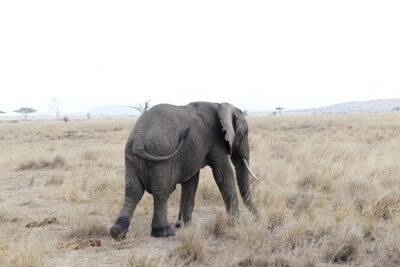
Private 6-Day Tarangire Manyara Crater and Serengeti with Mid-Range Lodges
Read our review →
5 Days Camping Tarangire, Serengeti & Ngorongoro crater & Visiting Maasai
Read our review →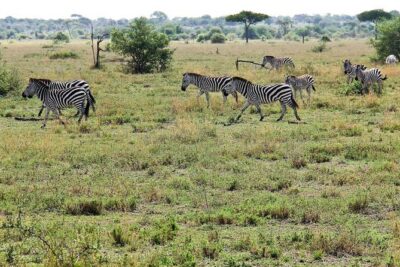
4 Days Join Group tour Tarangire Serengeti and Ngorongoro crater
Read our review →
4-Day Safari from Arusha: Tarangire, Serengeti and Ngorongoro
Read our review →
2 Days Tarangire and Ngorongoro Group Camping Safari
Read our review →
3 Days Tarangire, Ngorongoro & Lake Manyara Group Camping Safari
Read our review →Browse the lists this tour appears in