
Reviewed · SERENGETI SAFARIS
3 Days Safari to Serengeti National Park & Ngorongoro Crater in Tanzania
Serengeti in three days is fast and real. You get private safari time with a custom 4×4, plus guided stops that go beyond just spotting animals, like Olduvai Gorge and the crater’s springs and soda lake. I like that the pace is structured but not rushed, with big-game focused drives in both the Serengeti and Ngorongoro.
The best part for me is the way the tour mixes wildlife and context, including the chance to learn about elephant life stages and human evolution at the museum near Olduvai Gorge. One drawback to consider is that it starts early every day, and it is a camping safari, so it is not a fit if you want a hotel-style trip with late starts.
In This Review
- Key things you should know before you go
- Day 1: Arusha pick-up and a Serengeti drive built for sightings
- Day 2: A second Serengeti morning, plus Olduvai Gorge and human evolution
- Day 3: Ngorongoro Crater descent, Big Five potential, and Ngoitoktok springs
- Private 4×4 safari vehicles and small-group pacing
- Camping equipment and meals that keep the trip feeling solid
- Price and value: is $1,200 per person a fair deal?
- Who this safari fits well, and who might want a different style
- Should you book this Serengeti and Ngorongoro safari?
- FAQ
- How long is the safari?
- Where does it start and end?
- What is included in the price?
- Do I get a private safari vehicle?
- Is there pickup from hotels in Arusha?
- Will we visit a museum?
- What happens on the Ngorongoro day?
Key things you should know before you go
- Private, custom 4×4 with fuel included: you get a dedicated vehicle and driver for the full safari experience.
- Two Serengeti days: early morning game drives give you the best shot at active big cats and fresh animal movement.
- Olduvai Gorge museum stop: you connect the safari to human evolution rather than treating it like just a wildlife show.
- Ngorongoro crater descent for soda lake views: expect a big change in terrain, birds, and the spring picnic break at Ngoitoktok.
- Small group size: the tour caps at 7 travelers, which helps keep the days flexible.
Day 1: Arusha pick-up and a Serengeti drive built for sightings
This safari starts in Arusha, with breakfast around 06:00 and pick-up from your hotel at 07:00. Then you head out toward the Great Serengeti National Park, with your picnic lunch packed for the day. That early rhythm matters. In safari country, mornings tend to be when animals move more and sightings feel less crowded in the moment.
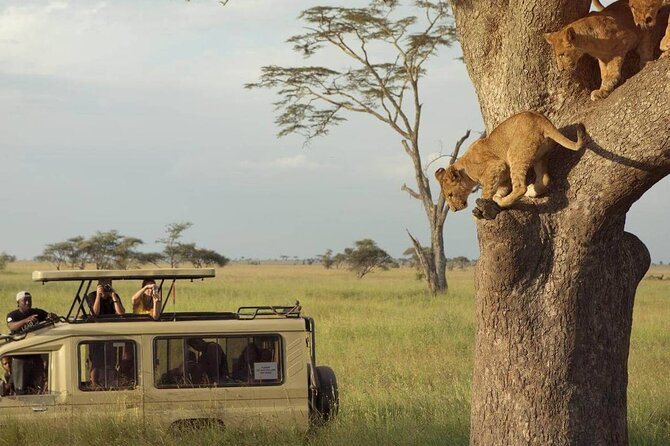
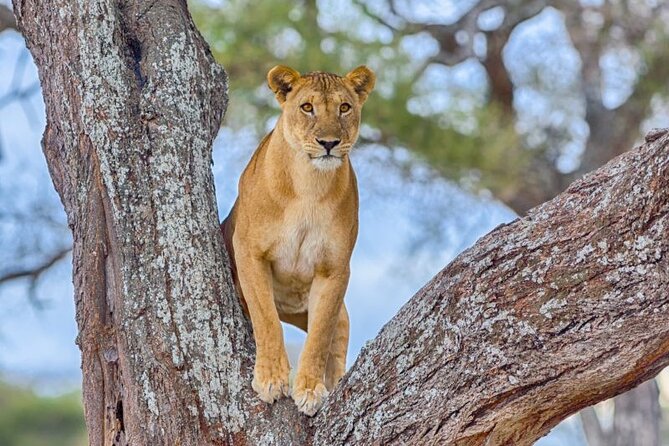
Once you’re in the Serengeti, you’re not working from a checklist you can tick off later. You’re in the ecosystem where big predators, zebras, wildebeest, and elephants all share the same space. Lions are the headline act people come for, but it’s the mix that makes the day work. You may spot leopard, cheetah, buffalo, eland, wild dog, gazelles, and even crocodiles, depending on where the driver takes you and what the animals are doing that day.
You’ll also notice how the tour is designed to keep you comfortable in the field. You’re not bouncing between multiple vehicles or losing time to constant transfers. The included private safari vehicle is a big deal on Day 1, because time in the car is time you could be watching eyes track movement in the grass.
What to expect today
You’ll likely spend most of the day on the road and in the park, with the picnic lunch keeping things smooth. The drive time is substantial, so plan for a day that feels like a real safari day, not a quick half-day excursion.
More National Park Trips in Arusha
- 7 Days Tanganyika Wilderness Safari
★ 5.0 · 159 reviews - Arusha National Park Private Safari
★ 5.0 · 59 reviews - 4 Day Ngorongoro Crater Tarangire and Serengeti National Park
★ 5.0 · 44 reviews
Day 2: A second Serengeti morning, plus Olduvai Gorge and human evolution
Day 2 starts again around 06:00, with early game drives scheduled around 09:00. Then you return for breakfast at camp. This second Serengeti day is the tour’s strongest practical choice. If Day 1 gives you the thrill of your first big-cat sightings, Day 2 improves your odds and sharpens your focus.
Here’s how it tends to play out in the real Serengeti. Early light and active animal behavior can line up predators and prey closer than you expect. You may see wildebeest and zebras near lions and other big cats like leopards and cheetahs. Even when the action feels slow, the driver’s ability to position the vehicle well can turn “just driving” into “watching a live drama.”
Then the tour adds a pivot that many safaris skip. On the way, you pass by Olduvai Gorge, where the Leakey family pioneered archaeological excavations. A small museum documents discoveries tied to early human evolution. This is a great “wait, why is this place so important” moment. You’re still in the same broad region as the wildlife, but now your brain also gets a deeper track.
Elephant learning moment
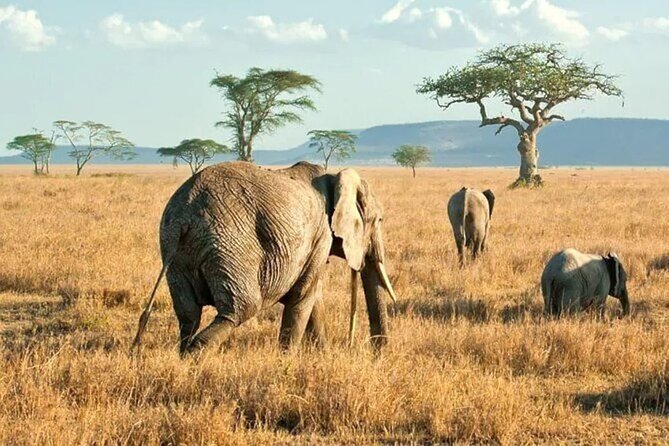
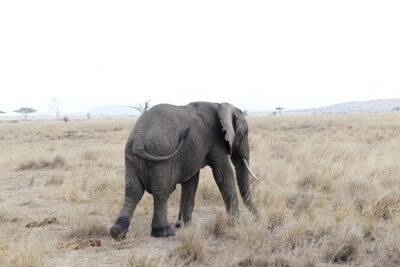
You’ll also get guidance on elephant behavior, including the idea of their clearly defined life stages. It’s not just a fact, it changes how you watch elephants in the field. When you’re looking for age and behavior cues, you notice more than size and trunk swings.
How Day 2 ends
After the museum and lunch, you drive on to the Ngorongoro area, with game viewing along the way. That sets you up for the crater experience on Day 3, when the terrain and animal patterns shift again.
Day 3: Ngorongoro Crater descent, Big Five potential, and Ngoitoktok springs
Ngorongoro Crater is where this tour earns its reputation. You wake early, have breakfast, then leave around 07:00 for the drive to the crater. The timing is deliberate: getting down and set for crater-floor game drives is the whole point.
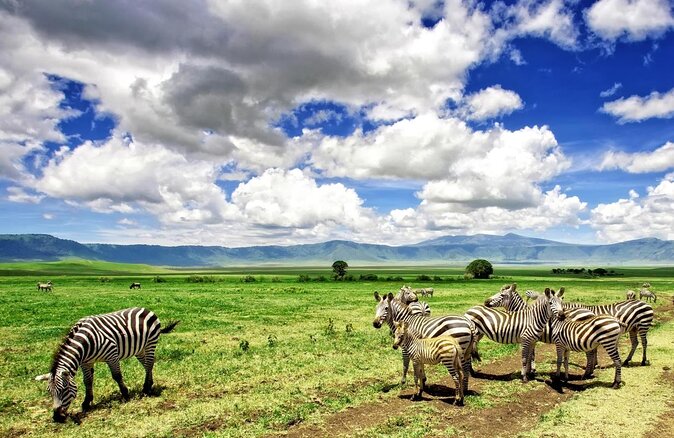
You descend into a caldera that’s massive in scale: about 19.2 km in diameter, 610 m deep, with roughly 304 sq. km on the crater floor. That geometry matters because it changes the entire feel of the day. Wildlife gathers in ways that can feel almost concentrated compared with the open plains.
The tour focuses on the Big Five here, including rhino, lion, leopard, buffalo, and elephant. The highlight specifically mentions the rare Black Rhinoceros, so if you’re coming for rhino odds, this is the day. Real life note: crater sightings can never be guaranteed, but you are in the right place and doing the right style of game drive for your chances.
Birds also show up in a different way than in the Serengeti plains. You have a chance of seeing flamingos on the Soda Lake, plus geese, storks, vultures, and others depending on conditions.
Lunch with a spring break at Ngoitoktok
You stop for lunch at the Ngoitoktok spring picnic site. This is one of those breaks that makes the whole crater day feel more human. You stretch your legs, get fed, and then go back out onto the crater floor while the wildlife energy stays high.
Ngorongoro is sometimes called Africa’s Eden and the 8th Natural Wonder of the World, and that nickname makes sense once you’re down inside the crater walls. The mix of animals, birds, and the surreal crater setting can feel like the best kind of contrast: you came for savanna roaming, then you got a world inside a volcanic bowl.
Private 4×4 safari vehicles and small-group pacing
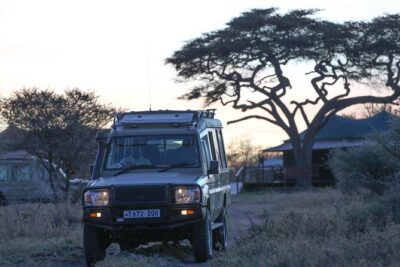
This is a private safari with a custom-built 4×4, and fuel is included. For you, that means your driver can keep a consistent rhythm without waiting for other groups or coordinating constant handoffs.
It also helps that the group is capped at 7 travelers. A smaller group usually means less chaos in the vehicle and less time lost to logistics. You’re more likely to settle into a flow where everyone can focus on the horizon and react quickly when the driver spots something.
How your guide changes the day
The tour leans on an English speaking guide and driver who know the terrain. In the feedback, names like Frankie, Albert, Ismael, Bryson, Joel, and Jordan come up repeatedly, and people consistently highlight the same theme: the driver pushes for strong sightings while also explaining what you’re looking at.
I treat this as a real value factor. A safari is part luck, part timing, and part interpretation. A good guide helps you see more of what’s already there.
More Safaris in Arusha
- Balloon Safari & Bush Breakfast in Serengeti – Miracle Experience
★ 5.0 · 1,646 reviews - 4 Days Group Camping Safari
★ 5.0 · 1,101 reviews - 5 Days Group Camping Safari
★ 5.0 · 730 reviews - 3 Days Serengeti & Ngorongoro Group Camping Safari
★ 5.0 · 574 reviews
Camping equipment and meals that keep the trip feeling solid
This is not a “rough it” safari with you guessing how things will work. The tour includes camping equipment: tents, sleeping mats, and camping furniture. So you can show up expecting the basics of a comfortable camp setup to be handled.
Food is also baked into the plan. You have:
- Breakfast included
- Lunch (2)
- Dinner (2)
You spend two nights camping as part of a three-day trip, so meals aren’t just an add-on. They keep the energy stable across early mornings and long drives. Multiple guides and chefs get credited for doing this well. Names like John and Mtumishi show up as standout chefs, with people praising meals that keep everyone well fed throughout the day.
If you’re choosing between an expensive safari and a cheaper one, food matters more than you think. On safari, hunger turns into crankiness fast, and nothing kills a good sighting like a bad mood.
Price and value: is $1,200 per person a fair deal?
At $1,200 per person for three days, this safari sits in the mid to upper range for budget-friendly Tanzanian safaris, but the value is in what’s included.
From your side, you’re getting:
- Private custom 4×4 safari vehicle with fuel
- National park fees included
- English speaking guide
- Camping equipment
- Meals: breakfast, lunch twice, dinner twice
- Pickup in Arusha and return to the meeting point
If you price those components separately, the total often climbs quickly, especially vehicle time and park fees. Here, it’s bundled into one package, which helps you control the budget.
One thing to watch is what’s not included. International flights, Tanzania visa, tips, travel insurance, and personal expenses are not covered. That is standard, but you should budget for it so the total cost matches what you think you’re paying.
Also note that admission tickets are listed as free for at least parts of the day schedule, while park fees are still listed as included. In plain terms, you should expect the core park access costs are handled, but you should still clarify any edge cases when you book.
Who this safari fits well, and who might want a different style
This 3-day Serengeti and Ngorongoro combination is a strong choice if:
- you want two days in Serengeti rather than squeezing it into one
- you want crater scenery and the chance for rhino and Big Five-style game drives
- you like the idea of mixing wildlife with a stop at the Olduvai Gorge museum
- you prefer a private vehicle and a small group size
It may not be ideal if:
- you hate early mornings, since the schedule starts around 06:00 most days
- camping is a dealbreaker for you, since tents and mats are part of the provided setup
- you want a strictly hotel-based comfort level, since the trip is designed around a field camp rhythm
For families, it can work well. In the feedback you can see excitement centered on kids seeing lions and zebras early on, and the way guides answer questions helps make wildlife feel understandable, not random.
Should you book this Serengeti and Ngorongoro safari?
Yes, if you want a tight, focused route that hits the Serengeti twice and finishes with the crater, while keeping the logistics under control with a private vehicle, included park fees, and meals handled. The $1,200 price looks more reasonable when you factor in the vehicle, guide, camping gear, and national park access already included.
Book it sooner rather than later if you’re set on seeing Ngorongoro specifically, since that day is the heart of the trip and the one tied to rhino odds and soda lake birdlife.
If you’re the type who needs everything to feel like a luxury hotel stay, and you cannot handle early starts or a camping setup, then look for a different format. But if you’re ready for a real safari rhythm, this one is a solid match.
FAQ
How long is the safari?
The tour runs for about three days, with activity blocks of roughly 9 hours on Day 1, about 8 hours on Day 2, and about 6 hours on Day 3.
Where does it start and end?
It starts in Arusha, Tanzania, and it ends back at the meeting point.
What is included in the price?
The package includes breakfast, lunch (2), dinner (2), camping equipment (tents, sleeping mats, and camping furniture), national park fees, a private 4×4 safari vehicle with fuel, and an English speaking guide.
Do I get a private safari vehicle?
Yes. You have a private and customised safari vehicle for optimal views, with a knowledgeable driver/guide and fuel included.
Is there pickup from hotels in Arusha?
Pickup is offered from your hotel in Arusha (with pick-up scheduled at around 07:00 on Day 1).
Will we visit a museum?
Yes. On the way via Olduvai Gorge, you will visit a small museum that documents archaeological discoveries related to human evolution.
What happens on the Ngorongoro day?
You drive to Ngorongoro Crater, descend into the crater floor for game drives, and stop for lunch at the Ngoitoktok spring picnic site. Birds like flamingos may be seen on the soda lake, and the tour notes the possibility of Big Five wildlife.
More Ngorongoro Crater Trips
- 4 Days Join Group tour Tarangire Serengeti and Ngorongoro crater
★ 5.0 · 219 reviews - 4-Day Safari from Arusha: Tarangire, Serengeti and Ngorongoro
★ 5.0 · 173 reviews - 2 Days Tarangire and Ngorongoro Group Camping Safari
★ 5.0 · 146 reviews - 4 Days Tarangire Serengeti Ngorongoro Crater
★ 5.0 · 117 reviews
More Serengeti Safaris
- 5-Day Highlights mid-Range Crater, Serengeti, Tarangire
★ 5.0 · 296 reviews - 3-Day Classic Serengeti Safari
★ 5.0 · 263 reviews - Private 6-Day Tarangire Manyara Crater and Serengeti with Mid-Range Lodges
★ 5.0 · 238 reviews - 5 Days Camping Tarangire, Serengeti & Ngorongoro crater & Visiting Maasai
★ 5.0 · 229 reviews
Just posted around Arusha
- 8 Days Serengeti Migration safari★ 5.0 · 11 reviews
- tarangire & ngorongoro 2 days tour★ 5.0 · 14 reviews
- serengeti, ngorongoro & tarangire 4 days private tour★ 5.0 · 18 reviews
- tarangire, ngorongoro & lake manyara park 3 days private tour★ 5.0 · 11 reviews
- Mt. Kilimanjaro: Shira plateau to Cathedral point 3872m Day hike★ 5.0 · 7 reviews
- serengeti & ngorongoro 3 days private tour★ 5.0 · 15 reviews
- climb the KILIMANJARO via Lemosho route★ 5.0 · 4 reviews
- Kilimanjaro Waterfalls Hike & Moshi Hot Springs Day Trip Tour★ 5.0 · 4 reviews
Serengeti Safaris, compared.
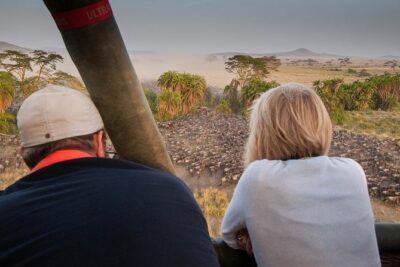
Serengeti Balloon Safari and authentic bush breakfast
Read our review →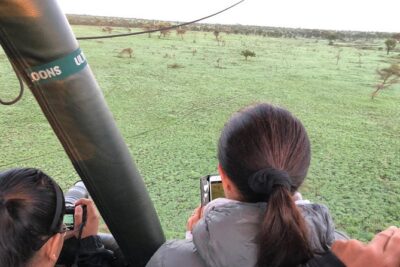
Balloon Safari & Bush Breakfast in Serengeti – Miracle Experience
Read our review →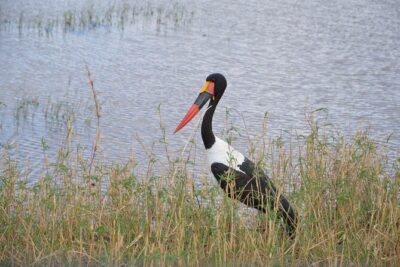
3 Days Serengeti & Ngorongoro Group Camping Safari
Read our review →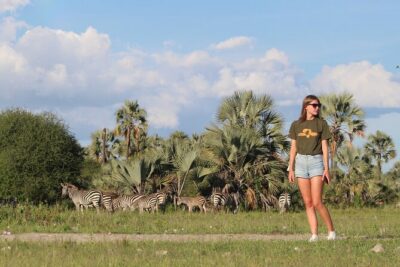
5-Day Highlights mid-Range Crater, Serengeti, Tarangire
Read our review →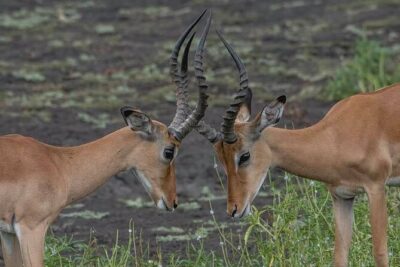
Private 6-Day Tarangire Manyara Crater and Serengeti with Mid-Range Lodges
Read our review →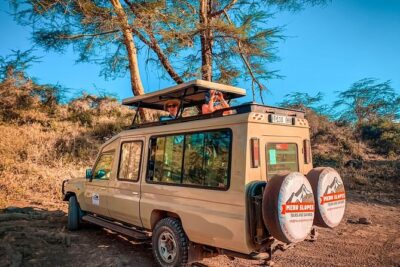
5 Days Camping Tarangire, Serengeti & Ngorongoro crater & Visiting Maasai
Read our review →Browse the lists this tour appears in