
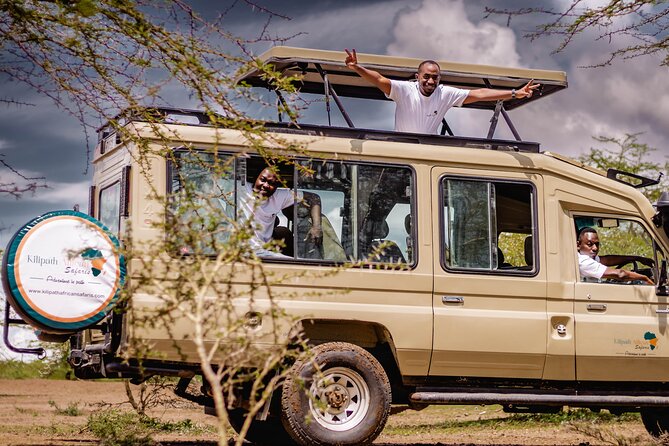
Reviewed · SERENGETI SAFARIS
4 Day Ngorongoro Crater Tarangire and Serengeti National Park
Four days, three big safari parks. This tight route through Tarangire, Serengeti, and the Ngorongoro Conservation Area is built for people who want maximum wildlife in minimum time, starting with an Arusha pickup at 7:30am.
I love the small group size (up to 6) and the fact that included meals keep your days simple, with breakfast, lunch, and dinner handled while you focus on the sightings.
The only real consideration is that this is a campsite safari, so you should expect basics outdoors and pack for early starts and cool mornings.
In This Review
- Key highlights to look for on this 4-day Northern Circuit
- How this short safari fits big-country reality
- Day 1 in Tarangire: elephants first, with tree-top predator checks
- Day 2 to Serengeti: Manyara, Rift Valley views, and the option to meet Maasai communities
- Day 3 in Serengeti: 6am coffee, sunrise viewing, and the mid-day reset
- Day 4 at Ngorongoro Crater: descending 650 meters for permanent-water wildlife
- Campsites and food: the real comfort scorecard
- Price and value: where $899 really goes
- What to watch for: pacing, weather, and luck factors
- Who should book this safari, and who should choose differently
- Should you book Kilipath African Safaris for this 4-day circuit?
- FAQ
- How much does the 4-day safari cost per person?
- Where does the safari start and what time does it begin?
- How many people are in the group?
- Are meals included?
- Do I need to arrange a visa and tips separately?
- What if weather causes cancellation, or I cancel close to the start date?
Key highlights to look for on this 4-day Northern Circuit
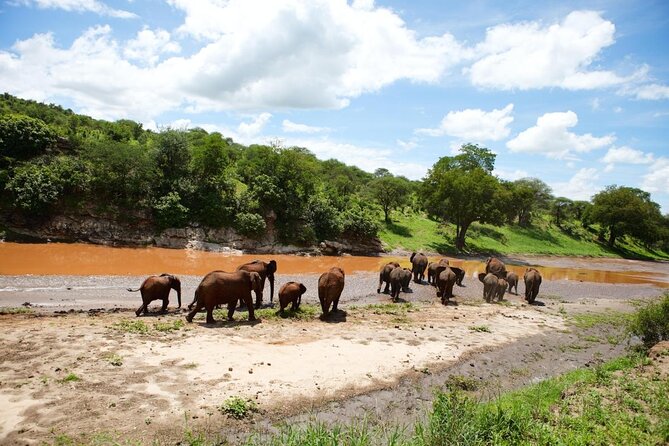
- Tarangire elephant herds early in the trip, with the chance to see big numbers, plus predators in the trees
- Serengeti drives timed for wildlife rhythm, including a morning coffee start around sunrise
- Rift Valley escarpment route via Manyara, with an optional Maasai village stop
- Ngorongoro crater descent down about 650 meters for a half-day game drive on the crater floor
- Guides who spot far and explain well, from names like John, Bulldozer, and Hatibu, plus strong problem-solving when things get messy on the road
- Cooking that gets real praise, including mentions of chefs like Mathew, and good, filling camp food
How this short safari fits big-country reality

A 4-day safari in Tanzania can feel like a sprint, but this itinerary is paced with purpose. You start in Arusha, then work your way through three of the most famous northern safari zones: Tarangire, Serengeti, and the Ngorongoro Crater area. It’s the classic “hit the highlights” plan, but it still leaves room for the kind of slow, patient looking you need in savanna habitats.
What I like most for your peace of mind is that the schedule is built around the best parts of wildlife viewing. Early morning and late-afternoon are where the animals tend to be active, and the days are structured to get you out for game drives at those times. You’re not just driving all day with brief stops.
One bonus for your comfort is that this is a small group setup (max 6 people). That matters more than people expect. Smaller groups usually mean less time waiting around, and more time with your guide when you have questions like where animals usually feed or why the landscape looks the way it does at different times of day.
More National Park Trips in Arusha
- 7 Days Tanganyika Wilderness Safari
★ 5.0 · 159 reviews - Arusha National Park Private Safari
★ 5.0 · 59 reviews - 6 days 5 nights safari Ngorongoro, Serengeti and Tarangire National Parks
★ 5.0 · 39 reviews
Day 1 in Tarangire: elephants first, with tree-top predator checks
Tarangire is a smart opener. The park has a distinct look, and it tends to deliver dramatic elephant moments early in the trip. After breakfast, you get hotel pickup in Arusha and a direct drive into the park. You also get a picnic lunch, so you’re not breaking the day into annoying meal hunts.
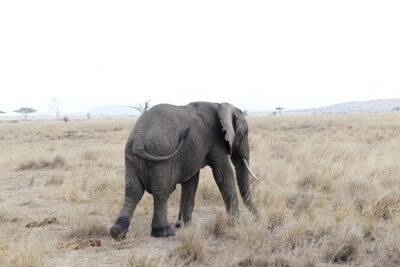
Once you’re on the Tarangire game drive, the itinerary sets expectations clearly. You can look for elephants in herds, commonly 10 to 20, and sometimes even up to 30. That’s not a guarantee, but it is a real target for the day. Tarangire can also be a good place to watch animals move between feeding and watering areas.
Your guide will likely keep scanning both low ground and the edges. One detail that stood out in the tour plan is the suggestion to watch the tree tops. That’s because you may catch a glimpse of a leopard when conditions and luck line up. Even when predators stay out of reach, you still have plenty of “supporting cast” to track: buffalo, impala, zebras, warthogs, and giraffes are on the radar.
The day doesn’t just stop at lunch and a quick drive. You can explore until late evening before heading to Tarangire Campsite for dinner and an overnight stay. That matters because it gives you more time to see how animal activity changes through the day, and it gives your eyes a chance to adjust to the park’s pace.
Practical note for you: if you’re sensitive to early heat, bring a cap and water, because Tarangire can feel warm during mid-day drives. Also, keep your camera ready for elephants, since the best moments often happen when the herd compresses toward a shared path or watering point.
Day 2 to Serengeti: Manyara, Rift Valley views, and the option to meet Maasai communities

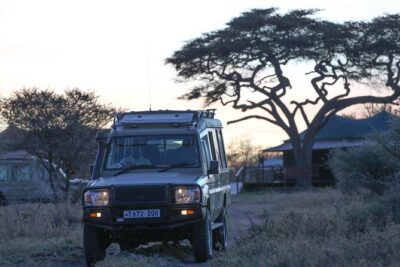
Day 2 starts with early breakfast and a real change of scenery. You pack your camping equipment into the safari jeep and head toward Serengeti National Park. The route isn’t just a straight line, either. You’ll travel via Manyara and through the rift valley escarpment before reaching the park.
For many people, the biggest value of this drive segment is that it breaks up the safari grind. You’re not only staring at wildlife all day. You’re also seeing the dramatic changes in terrain that make the region work ecologically. Even if you’re not a geology nerd, those escarpment views help you understand why animals and people have always focused on certain corridors.
The tour also includes an optional stop: a Masai village visit. If this is something you want, it’s a meaningful add-on because it connects the wildlife trip to living culture in the region. If you prefer keeping the day strictly about wildlife viewing, you can treat this as flexible.
When you arrive at Serengeti in the evening, you don’t just go straight to bed. You get a game drive before staying at Seronera Campsite for dinner and overnight. This is one of the key reasons the trip feels full without feeling chaotic. Your first Serengeti evening drive can help you get your bearings, then Day 3 gets the sunrise advantage.
One caution for you: evening drives can be slower. Wildlife might not be as active as in the early morning, and distances can be bigger. Don’t be alarmed if the first Serengeti day feels like learning the terrain more than collecting action shots.
Day 3 in Serengeti: 6am coffee, sunrise viewing, and the mid-day reset

Day 3 is the classic Serengeti morning. You rise early at 6 am and start with a hot cup of coffee, then head out for a morning game drive in the heart of the park. The plan specifically calls out sunrise, and that’s where Serengeti tends to feel most alive. This is when you’re more likely to see animals moving, feeding, or crossing open ground.
The itinerary also makes one very practical point: it can be chilly in the morning, so bring warm clothing. This is one of those “small detail, big payoff” things. If you show up in light layers, you’ll feel it during the early hours and you’ll lose patience while you wait for the light to change.
You’ll continue driving until mid-day, then return to camp for a full breakfast and lunch. In the schedule, lunch and breakfast overlap as a brunch style reset, which helps you recharge without forcing you to choose between “eat” or “keep driving.”
After you eat, the day pivots toward the Ngorongoro area. You continue the drive toward the Ngorongoro Conservation Area, including a game drive stop en route. Then you reach Ngorongoro Simba Campsite for dinner and your overnight stay.
This is where the guide quality becomes especially noticeable. In the feedback, you’ll see names tied to strong spotting skills and confident driving through long stretches. For example, guides such as Bulldozer are praised for spotting animals and birds from far away, and Hatibu is mentioned for finding animals along hidden paths and explaining what you’re seeing. That kind of “search skill” is what turns a long drive day into a real safari day, not just transportation.
More Tarangire safaris:
- 5-Day Highlights mid-Range Crater, Serengeti, Tarangire
★ 5.0 · 296 reviews - Private 6-Day Tarangire Manyara Crater and Serengeti with Mid-Range Lodges
★ 5.0 · 238 reviews - 5 Days Camping Tarangire, Serengeti & Ngorongoro crater & Visiting Maasai
★ 5.0 · 229 reviews - 4 Days Join Group tour Tarangire Serengeti and Ngorongoro crater
★ 5.0 · 219 reviews
Day 4 at Ngorongoro Crater: descending 650 meters for permanent-water wildlife
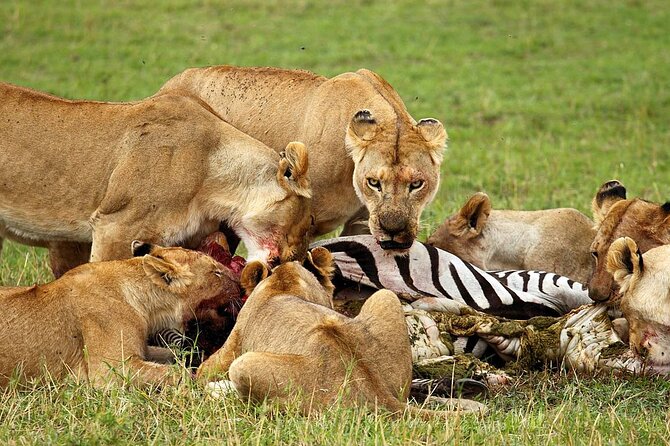
Ngorongoro Crater is the big punctuation mark of this trip. After breakfast, you pack a picnic lunch and drive to the descending gate. From there, you go down to the crater floor, about 650 meters deep, for a half-day game tour.
What makes Ngorongoro special in the tour plan is the focus on year-round water. Even though the crater is dramatic and enclosed, it supports many permanent resident animals because water is available through the year. That gives the crater a different feel than open savanna areas, where animal movement often depends more on current conditions.
You’ll spend the morning on the crater floor, then return to the rim and back toward camp after lunch. If you’re chasing a Big Five moment, Ngorongoro is where the itinerary gives you the most direct shot: it notes that you may spot a rhinoceros, but it’s still luck-based. The good news is that even without a rhino sighting, the crater is often full of other animals, and the habitat can make sightings feel close and concentrated.
Practical note for you: the descent and rim temperatures can change what you feel in your body. If you’re packing for one thing, pack for a temperature shift. Layers beat one heavy jacket.
Finally, after you ascend and collect camping gear, you head back to Arusha or directly to the airport, depending on your end plan.
Campsites and food: the real comfort scorecard
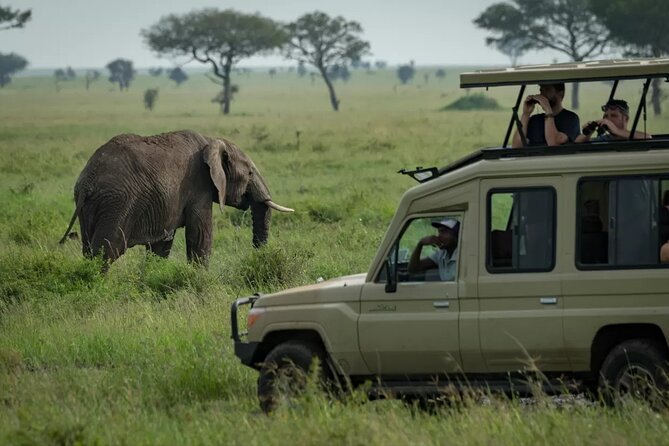
This safari is built on campsites, not lodges. That doesn’t make it “worse,” but it does change what you should expect. The itinerary names three campsites you’ll sleep at: Tarangire Campsite, Seronera Campsite, and Ngorongoro Simba Campsite. Reviews also confirm this camping style, with praise for the overall setup and some critical notes about one campsite’s bathroom conditions.
So here’s my balanced guidance for you:
- Plan for outdoors living. Bring a headlamp or small flashlight, expect dust, and keep your electronics protected.
- Pack for early mornings. The Serengeti 6am start is real, and chilly air can be sharper than you expect when you’re waiting in the jeep.
- Use the meal advantage. This trip includes all meals, which is a big value. It also matters because it keeps you out of the “skip food to save time” trap that can drain energy during safari.
Food gets specific praise in the feedback. The chef Mathew is called out for delicious cooking, and multiple reviews mention good food and smooth overall service. That’s not a guarantee for every group, but it aligns with the idea that you’re not just camping, you’re being fed properly so you can enjoy long drives and long viewing hours.
Price and value: where $899 really goes
At $899 per person, this is aimed at people who want the northern parks without the typical long-expensive luxury format. The value question isn’t just the sticker price. It’s what you’re buying with your money.
Here’s what stands out as “value drivers”:
- Three major safari areas in a short 4-day window, starting in Arusha and ending back at the meeting point
- All meals included, which is a real budget saver in Tanzania where meals outside the package can add up quickly
- Park admission status listed in the schedule: day 1 and day 2 show admission tickets as free, and day 3 and day 4 show admission tickets as included
- Guided game drives with a small-group cap (max 6 people), which tends to improve the experience compared with big bus-style crowds
- Transport and pickup offered, with a start time of 7:30am
If you’re comparing options, I’d focus on the difference between “cheap transport” and “paid-for wildlife time.” In this plan, the day is structured around drives, not just moving from place to place. That’s why it can feel like a full safari despite the short duration.
Also note something you can’t see on paper: guide quality changes how many animals you actually find. Multiple reviews praise guides for spotting from far away and for strong driving. Names like David, John, Godfrey, Bulldozer, Dickson, Hatibu, and Godlisten show up with consistent themes: good animal-spotting and helpful explanations. You may not get the exact same guide, but that feedback pattern is a good sign that the guiding standard is a priority.
What to watch for: pacing, weather, and luck factors
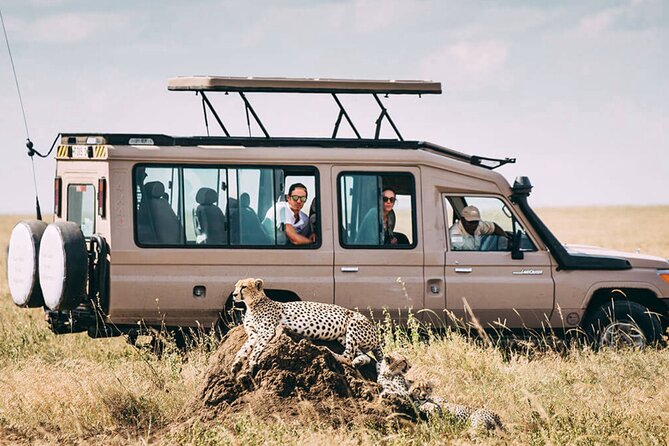
Let’s be honest. A safari has two variables you cannot control: weather and animal movement. The itinerary also hints at this by focusing on morning cold and by implying that certain sightings, like rhino, are possible but not promised.
Here are the main things you should plan around:
- Early starts mean packing matters. Warm layers are specifically relevant for the 6am Serengeti drive.
- Long driving days require patience. Day 2 and the transition to Ngorongoro involve travel time. You’ll get game driving along the way, but it’s still a road trip through big distances.
- Big sightings depend on luck. The tour is designed to maximize your odds. It can still be a “miss” for certain animals on a given day.
- Camp facilities can vary. Reviews mention that one night in Serengeti had very bad bathrooms at the campsite, even while other aspects were praised. So be mentally ready for basic conditions.
On the bright side, reviews repeatedly highlight problem-solving when situations happen in the bush. The team approach is praised as sharp at solving problems, and multiple reviews mention smooth operations. That matters most when you’re tired and you just want the plan to keep moving.
Who should book this safari, and who should choose differently
This is a strong fit for you if:
- You have limited time in Tanzania and want Tarangire + Serengeti + Ngorongoro in 4 days
- You’re comfortable with camping and want to save money without skipping the big parks
- You like group safari structure, but still want small-group attention
- You care about guide spotting skills and explanations, and you want that chance at Big Five style moments, especially around Ngorongoro
This might not be the best match if:
- You need consistently high comfort at campsites, especially bathrooms
- You strongly dislike cold mornings and long road days
- You expect guaranteed rhino or any single animal. The itinerary supports those chances, but luck still plays a role.
One more practical point: the tour is often booked about 33 days in advance on average, so if your dates are fixed, don’t wait until the last minute.
Should you book Kilipath African Safaris for this 4-day circuit?
I’d say yes, if your goal is a smart, time-efficient northern safari with the classic big three parks. The strongest reasons to book are straightforward: meals included, small group size, and a route that hits wildlife viewing at the right times, including a true 6am Serengeti sunrise-style drive and the Ngorongoro crater descent for a half-day game tour.
I’d also feel good about the overall operation based on repeated praise for professionalism and problem-solving. Guides and staff names come up again and again with themes of spotting animals and communicating clearly. You may not control what wildlife shows up, but you can control whether your guide can find it and whether the day stays on track.
My final advice: if you book, pack for camping realities and cold mornings, and keep expectations flexible for rhino at Ngorongoro. When you do that, this becomes exactly what short safaris should be, a compressed wildlife experience that still feels like a real adventure.
FAQ
How much does the 4-day safari cost per person?
The price is $899.00 per person.
Where does the safari start and what time does it begin?
It starts in Arusha, Tanzania, with pickup offered, and the start time is 7:30 am. The tour ends back at the meeting point.
How many people are in the group?
The tour has a maximum of 6 people.
Are meals included?
Yes. The tour includes all meals, with breakfast (3), lunch (4), and dinner (3), plus all taxes.
Do I need to arrange a visa and tips separately?
Yes. Visas and tips are not included.
What if weather causes cancellation, or I cancel close to the start date?
You can cancel for a full refund up to 24 hours before the experience start time. If it’s canceled due to poor weather, you’ll be offered a different date or a full refund.
More Ngorongoro Crater Trips
- 4-Day Safari from Arusha: Tarangire, Serengeti and Ngorongoro
★ 5.0 · 173 reviews - 2 Days Tarangire and Ngorongoro Group Camping Safari
★ 5.0 · 146 reviews - 4 Days Tarangire Serengeti Ngorongoro Crater
★ 5.0 · 117 reviews - 3 Days Tarangire, Ngorongoro & Lake Manyara Group Camping Safari
★ 5.0 · 102 reviews
More Serengeti Safaris
- Balloon Safari & Bush Breakfast in Serengeti – Miracle Experience
★ 5.0 · 1,646 reviews - 3 Days Serengeti & Ngorongoro Group Camping Safari
★ 5.0 · 574 reviews - 3-Day Classic Serengeti Safari
★ 5.0 · 263 reviews - 10-Day Serengeti Wildebeest Migration Safari from Arusha
★ 5.0 · 218 reviews
Just posted around Arusha
- 8 Days Serengeti Migration safari★ 5.0 · 11 reviews
- tarangire & ngorongoro 2 days tour★ 5.0 · 14 reviews
- serengeti, ngorongoro & tarangire 4 days private tour★ 5.0 · 18 reviews
- tarangire, ngorongoro & lake manyara park 3 days private tour★ 5.0 · 11 reviews
- serengeti & ngorongoro 3 days private tour★ 5.0 · 15 reviews
- climb the KILIMANJARO via Lemosho route★ 5.0 · 4 reviews
- Mt. Kilimanjaro: Shira plateau to Cathedral point 3872m Day hike★ 5.0 · 7 reviews
- 2 Days Tanzania Midrange Group Join Safari★ 5.0 · 7 reviews
Serengeti Safaris, compared.
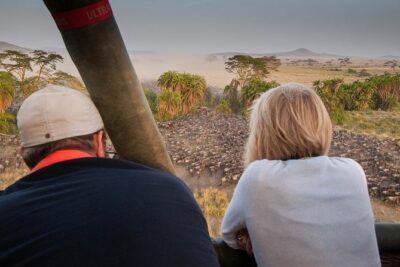
Serengeti Balloon Safari and authentic bush breakfast
Read our review →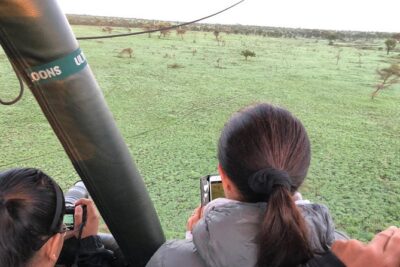
Balloon Safari & Bush Breakfast in Serengeti – Miracle Experience
Read our review →
3 Days Serengeti & Ngorongoro Group Camping Safari
Read our review →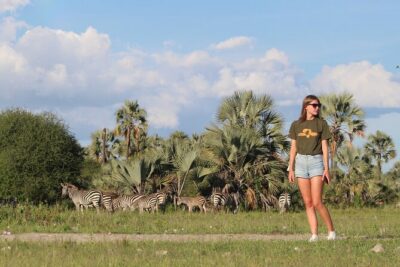
5-Day Highlights mid-Range Crater, Serengeti, Tarangire
Read our review →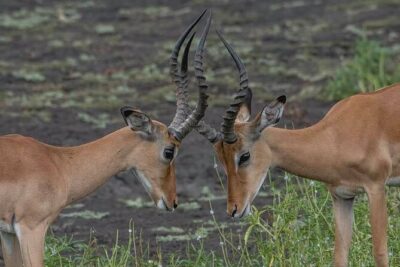
Private 6-Day Tarangire Manyara Crater and Serengeti with Mid-Range Lodges
Read our review →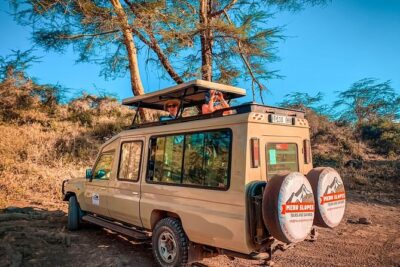
5 Days Camping Tarangire, Serengeti & Ngorongoro crater & Visiting Maasai
Read our review →Browse the lists this tour appears in