
Reviewed · TARANGIRE SAFARIS
Arusha: Tarangire National Park Full-Day Wildlife Safari
Tarangire turns one day into an all-day story. This full-day safari out of Arusha is built around elephants, huge baobabs, and the kind of wildlife density that keeps you scanning even during breaks. I love that you’re not just rushed through the park, you get a guided plan and you can stop when you want. I also love the food and the easy, professional feel, especially with guides like Peeta, who helped spot a wide mix of animals. One drawback to consider: with pick-up and a long drive, it’s a full-day commitment, and the price is steep compared to shared options.
In return, you’re getting a private 4×4 custom-built vehicle, a full 5-hour guided safari, and all meals (breakfast, lunch, and dinner) plus drinking water. If you time it right, Tarangire’s dry-season action can be fantastic for big cats, big herds, and even birding that goes way beyond the usual.
In This Review
- Key highlights you’ll actually feel
- Tarangire from Arusha: the drive you should plan for
- Baobab country: the “wow” trees that shape your whole day
- Elephants at the center of it all, especially at the Tarangire River
- Lions, pythons, giraffes, and the dry-season birding bonus
- The guided safari rhythm: 5 hours that don’t feel rushed
- Your day plan: pickup, park time, lunch break, then more wildlife
- Private 4×4 comfort, included meals, and what to expect on board
- Price and value: is $350 per person fair?
- Who should book this Tarangire full-day safari
- Should you book this one-day Tarangire safari?
- FAQ
- What is the starting point for the safari?
- How long is the safari experience?
- How long do you spend inside Tarangire National Park?
- What vehicle do you use?
- Are meals included?
- Is the guide English-speaking?
- Are park entrance fees included?
- Does the trip include bird watching?
- What should I bring?
- Is this tour refundable if plans change?
Key highlights you’ll actually feel
- Elephants year-round with herd numbers that can reach around 300
- Baobab scenery that’s scenic and useful for spotting wildlife
- Tree-climbing lions and rock pythons as real target sightings
- Tarangire River as the dry-season magnet for animals
- English-speaking guide support, including smart animal-spotting effort
- All meals included, so your day stays smooth and unhurried
Tarangire from Arusha: the drive you should plan for
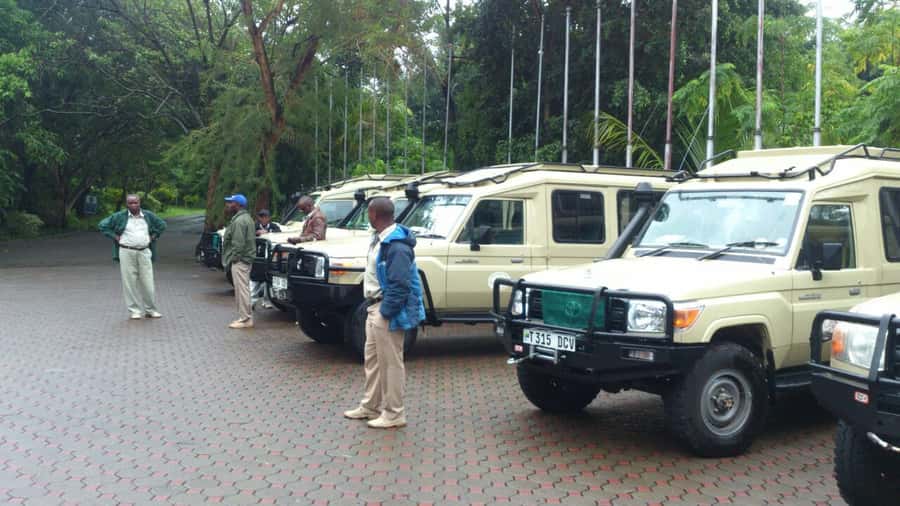
This safari starts with hotel pickup in Arusha. From there, you’ll spend a few hours driving to Tarangire National Park in a private 4×4. The road time is part of the experience, but it is also the main reason this feels like a full-day excursion rather than a quick drop-in.
The good news is that you’re traveling in a vehicle built for safari conditions, not a cramped transfer. That matters when you later spend hours watching animals in open savannah light, where everyone’s attention is needed and comfort helps.
You’ll typically return to your hotel before sunset, so you’re not stuck in the dark with a long drive home. That timing also helps you keep the day feeling complete, from pickup to final wildlife viewing.
More National Park Trips in Arusha
- 7 Days Tanganyika Wilderness Safari
★ 5.0 · 159 reviews - Arusha National Park Private Safari
★ 5.0 · 59 reviews - 4 Day Ngorongoro Crater Tarangire and Serengeti National Park
★ 5.0 · 44 reviews
Baobab country: the “wow” trees that shape your whole day
Tarangire is famous for baobabs, and you’ll understand why fast. These trees are not just pretty photo stops. Baobabs change the way wildlife moves through an area, and they give animals cover and feeding opportunities. When you’re scanning from the road, baobabs act like natural landmarks that help your guide and you track where animals like to gather.
This park is noted for a high number of scenic baobab trees, which turns the drive and the safari drives into something you can enjoy even when animals are briefly quiet. It’s a helpful mindset: in Tarangire, the scenery is part of the spotting process, not background filler.
And because baobabs are tall and distinctive, they make sense for bird watchers and photographers too. Even if you’re not chasing one specific species, it’s easier to stay oriented when the terrain gives you clear reference points.
Elephants at the center of it all, especially at the Tarangire River
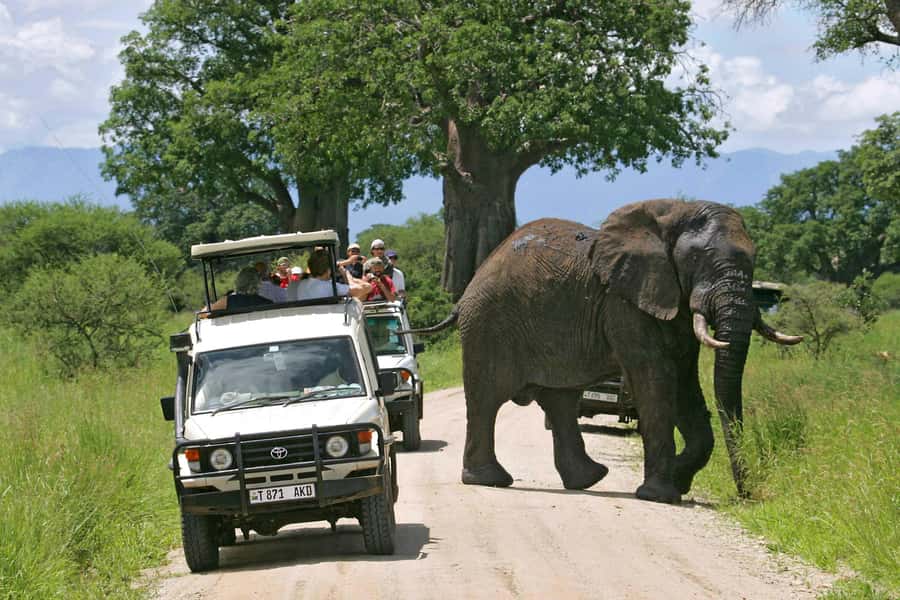
If elephants are your top priority, Tarangire is a strong choice. The park has the highest density of elephants in North Tanzania, and you can see them throughout the year. Your best chance for larger viewing moments often comes from where water concentrates activity, and Tarangire River is the key.
The river has water all year round. During the dry season, from July to October, animals from the surrounding areas come to drink, which concentrates wildlife into a smaller viewing area. That’s when you can witness an unforgettable natural rhythm, with herds moving in and out of sight and staying close enough for repeat looks.
Elephant herds can reach an impressive number, around 300 animals. That’s not just a number to admire. It changes how the whole safari feels. You tend to see different groups, different behaviors, and more chances for the herd to shift position while you’re still watching.
Practical tip: don’t rush past elephant moments. In Tarangire, elephant activity often draws in other species, and if you keep scanning you’ll usually find more going on than you first noticed.
Lions, pythons, giraffes, and the dry-season birding bonus
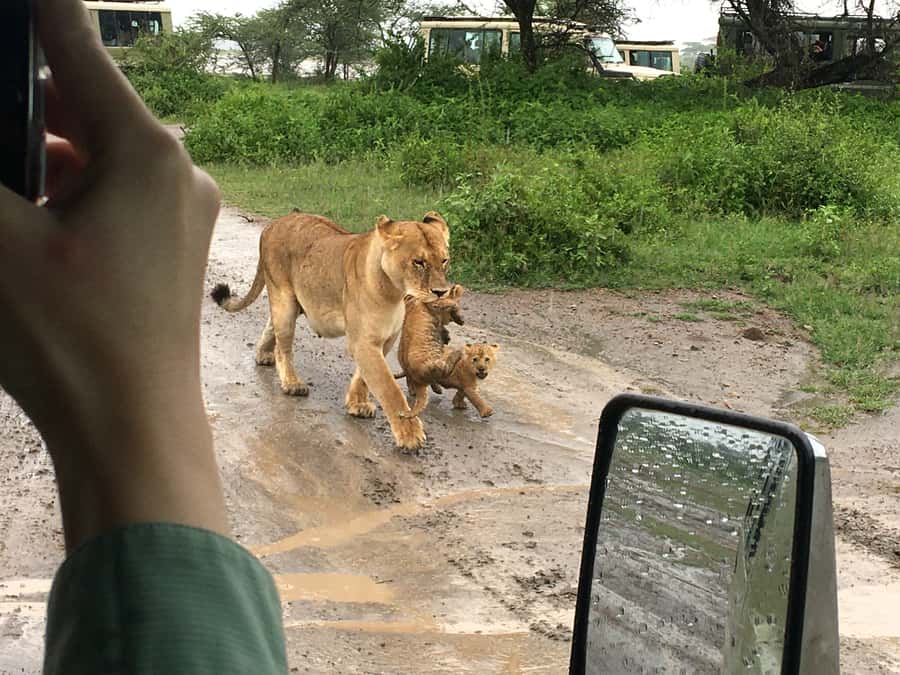
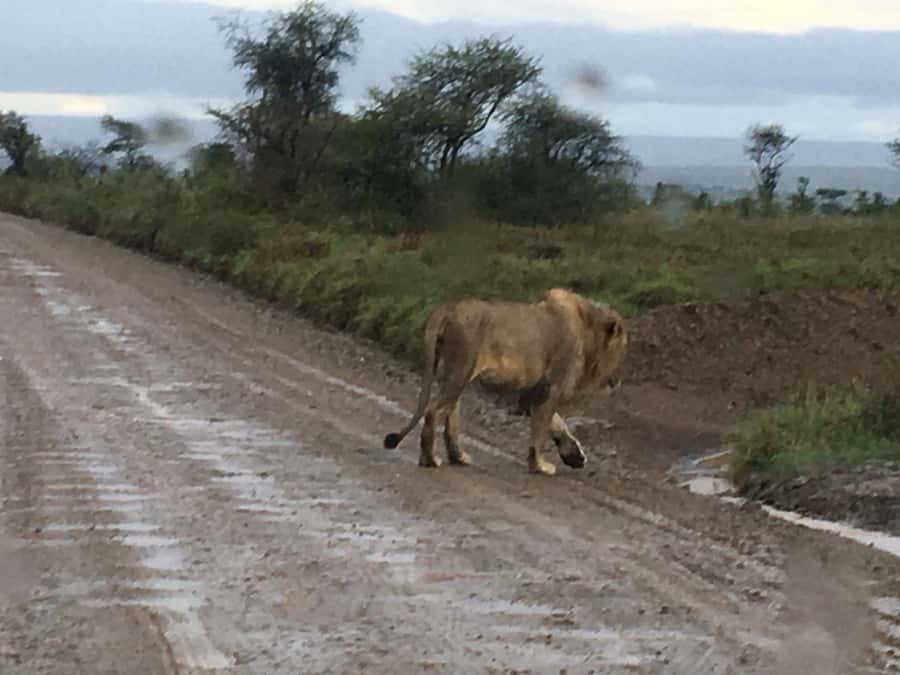
Tarangire is known for specific “local specialities,” and two of the big ones are tree-climbing lions and rock pythons. It’s smart to treat those as target possibilities rather than guarantees. Still, it helps to know what the park is famous for, because it guides your attention and your expectations.
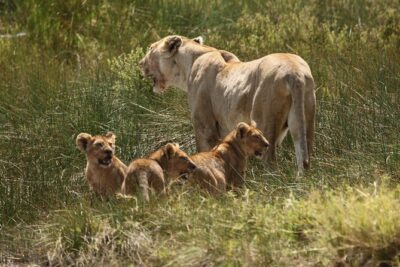
During the dry season, you’re also in the prime window for seeing more of the classic savannah lineup: lions, giraffes, buffaloes, wildebeests, zebras, and a range of antelopes and gazelles. With a bit of luck, you can add python sightings to the mix as well. That’s the kind of variety that makes a one-day safari feel like more than one day.
Birding here is a real add-on, not an afterthought. The park is described as having over 550 bird species, and that includes the Masai ostrich, which is noted as the world’s largest bird. If you’re the kind of traveler who loves hearing something before you see it, this is a good day to slow down and let your guide point out calls and movement rather than only scanning for the obvious.
And if it rains or heat is intense on the day you go, remember this: animals often adjust their habits, so you’ll likely spend some time waiting for the best angles. A good guide makes that waiting feel productive by moving you to where activity makes sense.
More Safaris in Arusha
- Balloon Safari & Bush Breakfast in Serengeti – Miracle Experience
★ 5.0 · 1,646 reviews - 4 Days Group Camping Safari
★ 5.0 · 1,101 reviews - 5 Days Group Camping Safari
★ 5.0 · 730 reviews - 3 Days Serengeti & Ngorongoro Group Camping Safari
★ 5.0 · 574 reviews
The guided safari rhythm: 5 hours that don’t feel rushed
Inside the park, you get a 5-hour guided tour. That time block is long enough for real searching and repositioning, but not so long that you lose focus. Your guide helps you read the terrain, track where animals have been, and decide what to see next based on what’s currently active.
This is where having a professional English-speaking guide pays off. In practice, it means clearer spotting explanations, better animal tracking decisions, and a smoother plan when the animals don’t appear where you hope they will. Even with the best planning, wildlife moves. The best safari days come when the guide reacts fast and keeps you engaged.
From firsthand impressions of guides like Peeta, what stands out is the ability to locate animals where they usually show up and the willingness to adapt. There’s also a clear benefit to being able to stop when you want, not just when the schedule says so. That flexibility lets you spend longer watching a behavior you find interesting, like an elephant herd changing direction or a predator keeping still.
If you’re traveling with someone who gets impatient during waiting, a private setup helps. You’re not stuck following a rigid group timetable, which makes your own pacing easier to control.
Your day plan: pickup, park time, lunch break, then more wildlife
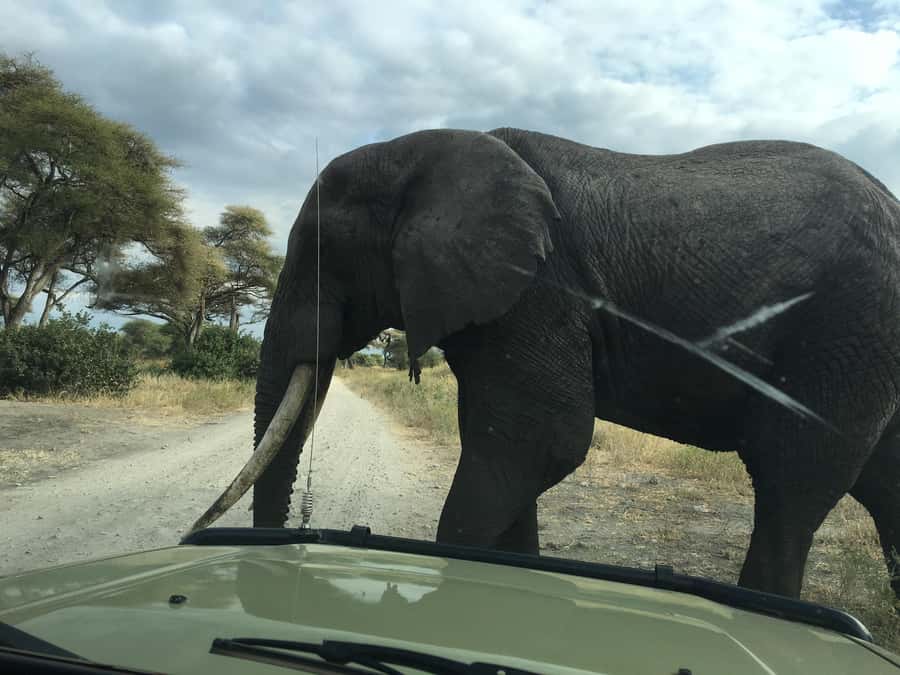
Here’s how the flow typically works. You’re picked up in Arusha, then you drive out to Tarangire and arrive for the guided wildlife portion. Around lunchtime, you’ll stop at a suitable picnic place for food and a break from constant scanning.
That lunch stop matters more than you might think. Your eyes work harder than you expect on safari days, and after a few hours you’ll want a reset. Because meals are included, there’s no scramble for cash, no detours to find food, and no worry about where you’ll sit or how you’ll get back on schedule.
After lunch, you head back out for more wildlife watching, which is often when you’ll catch new animals or see different angles of the same animals. Predators and herds don’t always behave in predictable daily cycles. That’s why a second viewing block is a smart structure for a one-day itinerary.
Before sunset, you’ll be taken back to your hotel in Arusha or Moshi. That timing helps you avoid late dark driving and also gives you a natural end to the day when the light starts changing fast.
Private 4×4 comfort, included meals, and what to expect on board
This safari uses a private 4×4 custom-built vehicle. That’s a big practical point. Safari vehicles are designed so everyone can see, and the ride is built for uneven ground. When you spend hours spotting, being able to reposition for better sightlines reduces frustration.
You also get drinking water, plus all meals during the safari: breakfast, lunch, and dinner. That’s a value driver. Food costs and logistics can quietly inflate the price of a day trip, especially when you’re far from town. With meals handled, your attention stays on wildlife and the guide’s instructions.
If you care about accessibility, this tour is listed as wheelchair accessible. As always, you’ll want to confirm practical details with the operator for how the vehicle and park paths work on your exact day, but it is a stated feature of the experience.
Price and value: is $350 per person fair?
At $350 per person for a one-day safari, this is not a budget outing. But it is also not just a vehicle rental. You’re paying for a private safari setup with a custom-built 4×4, a professional English-speaking guide, park entrance fees, and meals (breakfast, lunch, and dinner) plus drinking water.
For value, ask yourself what you would otherwise have to piece together:
- If you book a shared safari, you might lower the cost but lose flexibility and often trade away the private feel.
- If you book DIY, you’d still need entrance fees, a safari-ready vehicle, and a plan for guides, meals, and timing.
The private structure is part of what you’re buying here, plus the fact that you get a full guided block inside the park. For wildlife-focused travelers, that mix tends to feel worth it.
If you’re going as a couple or small group and you want control over your pace, this price can look more reasonable. If you’re solo and only interested in a quick taste of the park, you might prefer a cheaper shared format.
Who should book this Tarangire full-day safari
I’d recommend this safari if you match a few of these profiles:
- You want elephants and baobabs as central themes, not just a stop on a longer route.
- You appreciate a guide who actively works to find animals and keeps the day moving without rushing.
- You want meals handled, so your day stays simple from pickup to return.
- You’re interested in bird watching, especially with the possibility of rare or standout species like the Masai ostrich.
It’s also a good fit if you travel with someone who gets worn down by long days and appreciates a clear lunch rhythm, included food, and the promise of being back before sunset.
Consider alternatives if you’re determined to keep costs low, or if you’re only interested in one or two species. Tarangire shines when you settle in for the full experience: elephants, predators, river activity, and the dry-season extras.
Should you book this one-day Tarangire safari?
Yes, if your priority is a well-paced, private, wildlife-first day with the big Tarangire signatures: elephants, baobab scenery, and a real chance at special sightings like tree-climbing lions and rock pythons. The included meals and the guided structure do a lot of work behind the scenes, and that makes the day feel easier than typical “just transport me there” safari tours.
I’d book it especially if you value comfort and flexibility and you want an English-speaking guide to help you make the most of your time in the park. If you’re traveling in the dry season window from July to October, you’ll be in the period described as best for water-driven wildlife concentration and standout birding.
If you want, tell me your travel month and whether you’re more focused on elephants, big cats, or birds, and I’ll help you decide if Tarangire is the right choice for your specific day in northern Tanzania.
FAQ
What is the starting point for the safari?
Pickup happens from your hotel in Arusha.
How long is the safari experience?
It runs for 1 day.
How long do you spend inside Tarangire National Park?
The guided tour inside the park is listed as 5 hours.
What vehicle do you use?
You travel in a private 4×4 custom-built vehicle.
Are meals included?
Yes. Meals during the safari are included, with breakfast, lunch, and dinner, plus drinking water.
Is the guide English-speaking?
Yes, the live tour guide is listed as English.
Are park entrance fees included?
Yes, entrance fees to national parks are included.
Does the trip include bird watching?
Yes, bird watching is included.
What should I bring?
You should bring a passport or ID card.
Is this tour refundable if plans change?
Free cancellation is offered up to 24 hours in advance for a full refund.
More Safaris from Arusha
- 7-Day Premium Luxury Tanzania Safari All-Inclusive
★ 5.0 · 426 reviews - 3-Day Classic Serengeti Safari
★ 5.0 · 263 reviews - 8 Days Great Wildebeest Calving Migration Safari from Arusha
★ 5.0 · 254 reviews - Group Safari 7 Days in Tanzania’s Main Parks
★ 5.0 · 240 reviews
More Tarangire Safaris in Arusha
- 5-Day Highlights mid-Range Crater, Serengeti, Tarangire
★ 5.0 · 296 reviews - Private 6-Day Tarangire Manyara Crater and Serengeti with Mid-Range Lodges
★ 5.0 · 238 reviews - 5 Days Camping Tarangire, Serengeti & Ngorongoro crater & Visiting Maasai
★ 5.0 · 229 reviews - 4 Days Join Group tour Tarangire Serengeti and Ngorongoro crater
★ 5.0 · 219 reviews
Just posted around Arusha
- 8 Days Serengeti Migration safari★ 5.0 · 11 reviews
- tarangire & ngorongoro 2 days tour★ 5.0 · 14 reviews
- serengeti, ngorongoro & tarangire 4 days private tour★ 5.0 · 18 reviews
- tarangire, ngorongoro & lake manyara park 3 days private tour★ 5.0 · 11 reviews
- serengeti & ngorongoro 3 days private tour★ 5.0 · 15 reviews
- climb the KILIMANJARO via Lemosho route★ 5.0 · 4 reviews
- Mt. Kilimanjaro: Shira plateau to Cathedral point 3872m Day hike★ 5.0 · 7 reviews
- Kilimanjaro Waterfalls Hike & Moshi Hot Springs Day Trip Tour★ 5.0 · 4 reviews
Tarangire Safaris, compared.
5-Day Highlights mid-Range Crater, Serengeti, Tarangire
Read our review →
Private 6-Day Tarangire Manyara Crater and Serengeti with Mid-Range Lodges
Read our review →
5 Days Camping Tarangire, Serengeti & Ngorongoro crater & Visiting Maasai
Read our review →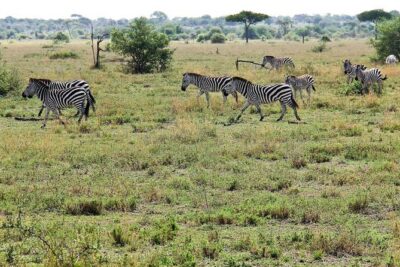
4 Days Join Group tour Tarangire Serengeti and Ngorongoro crater
Read our review →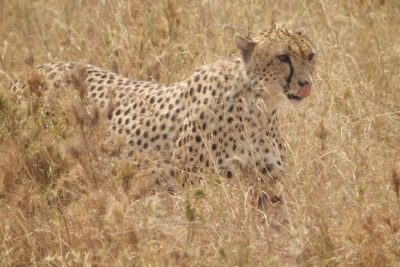
4-Day Safari from Arusha: Tarangire, Serengeti and Ngorongoro
Read our review →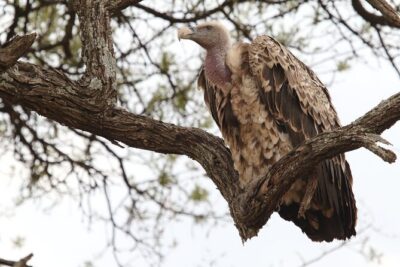
2 Days Tarangire and Ngorongoro Group Camping Safari
Read our review →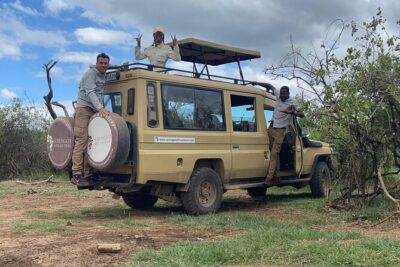
3 Days Tarangire, Ngorongoro & Lake Manyara Group Camping Safari
Read our review →Browse the lists this tour appears in