
Reviewed · SERENGETI SAFARIS
8 Days Safari (Lake Manyara /Tarangire/Serengeti/Ngorongoro)
Eight days, four parks, one big wildlife story. This safari route is interesting because it moves you through Tanzania’s most famous habitats, from forest monkeys to wide open Serengeti plains, with Serengeti migration chasing as the headline. You also get a pop-up roof 4×4 jeep, which matters a lot when animals appear suddenly and you want a clean view from every angle.
My favorite part is the way the days are paced for wildlife, not just driving. You’ll spend long enough inside each park to see different scenes, plus you’ll get sunrise and sunset game drives that make the light and animal behavior feel different. One consideration, though, is that mornings start early and you will have camping-style nights inside the parks, so pack for cooler temperatures and a slower, more basic routine.
In This Review
- Key Highlights Worth Your Focus
- A Route Built Around Tanzania’s “Big Scenes”
- Entering Arusha National Park’s Forest and Ngurdoto Crater
- Tarangire Elephant Country, Baobabs, and the Tarangire River
- Serengeti Days 3 to 5, from Sunset Light to Mara River Drama
- Sunrise Drives and the Shift to Ngorongoro Crater
- Ngorongoro Crater Floor: Big Five Chances and Flamingo Spectacle
- Mto wa Mbu Village Walk and Lake Manyara Tree-Climbing Lions
- Price and Value: What You’re Actually Buying
- Camping-Style Nights Inside Parks, and How to Handle Them
- Guides, Organization, and the Little Things That Improve the Day
- Best Months for the Migration, Based on the Route’s Timing Targets
- Who Should Book This 8-Day Safari, and Who Might Prefer Something Else
- Should You Book This 8-Day Safari Route?
- FAQ
- What time does the safari start each day?
- Is airport pickup and transfer included?
- Which parks are visited on this 8-day safari?
- Are meals and drinks included?
- Do I need to arrange my own visa?
- Is the tour private or shared?
- Are there cultural visits included?
- When is the best time to see wildebeest migration crossings?
- What if weather is poor?
- What if I cancel last minute?
Key Highlights Worth Your Focus
- Serengeti migration timing for Mara River crossings (especially around July to October, depending on the year)
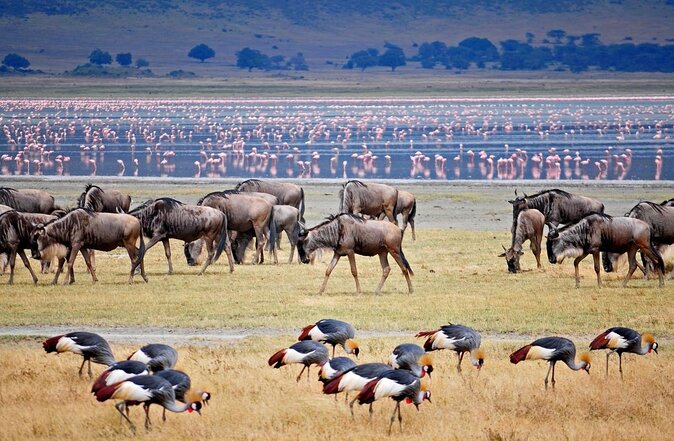
- Ngorongoro Crater big game concentrate, including the chance at black rhino and the iconic crater birds
- Tarangire elephant country, with baobabs, pythons, and river-driven animal visits
- Lake Manyara tree-climbing lions, plus flamingos and a hot spring stop
- Village time in Mto wa Mbu, including a walk through banana plantations and local food sampling
- English-speaking guiding and long game-drive blocks, helped by a pop-up roof vehicle for spotting
A Route Built Around Tanzania’s “Big Scenes”
This is a classic northern Tanzania sweep, but it is built around the moments people actually come for. You start with Arusha National Park’s forest and crater views, move to Tarangire’s dry-season style wildlife, then devote multiple days to Serengeti to increase your odds of catching the migration in motion. From there you hit Ngorongoro Crater for the best kind of wildlife “density,” then finish with Lake Manyara for tree-climbing lions, flamingos, and culture at a Maasai boma.
If you care about seeing animals in different settings, this works. You are not stuck in one landscape. One day you are in forest for primates and birds, another you are in river country, then you are in sweeping plains, and finally you are looking down into a crater bowl.
The other practical win is structure. Each park day is built around a full game drive, with meals planned so you are not wasting your limited daylight. You also get unlimited drinking water, which is a small detail that saves you from constant bottle hunting.
More Safaris in Arusha
- Balloon Safari & Bush Breakfast in Serengeti – Miracle Experience
★ 5.0 · 1,646 reviews - 4 Days Group Camping Safari
★ 5.0 · 1,101 reviews - 5 Days Group Camping Safari
★ 5.0 · 730 reviews
Entering Arusha National Park’s Forest and Ngurdoto Crater
Your first safari day is Arusha National Park, and it’s a nice starter if you want variety without jumping straight into the big plains.
You head out after breakfast around 8:00 am from Arusha, and the drive from town is fairly short. Inside the park, you get a shift in feel fast. The entrance drops you into montane forest with blue monkeys and colorful birds like turacos and trogons. If you are hoping for that “northern safari twist,” Arusha is one of the best places on this circuit to spot the black-and-white colobus monkey.
The star moment is Ngurdoto Crater. The cliffs form a steep bowl, and inside you can find herds of buffalo and warthog moving through marshy areas. This is a good day for slowing down. You’ll likely have fewer “miles of chase” pressure than you will later in Serengeti, which gives you time to learn the rhythm of game drives with a calm warm-up.
What to expect: shaded forest walking sections around viewpoints are possible as you go looking, and you’ll still be mostly in a vehicle for spotting.
My tip: bring insect repellent and something light for humidity, but also a layer for early morning and cooler crater air.
Tarangire Elephant Country, Baobabs, and the Tarangire River
Tarangire is the park day that often delivers the classic dry-season safari photos: elephants, baobabs, and animals gathering around water.
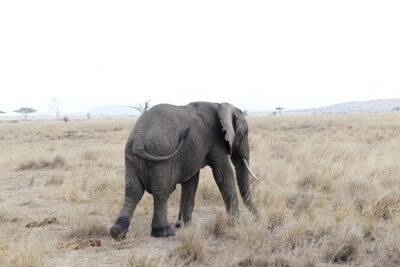
After pickup around 8:00 am, you drive roughly three hours to Tarangire. The park is known for the Tarangire River being the magnet, so a lot of action happens near water sources. The itinerary highlights elephants as a major attraction, but it also points to other good “finds,” including lions, leopards, and pythons that can be seen around climbing trees.
Baobabs are not just scenic. They create wildlife “navigation points” so your guide can place you where animals are likely to be. In other words, Tarangire tends to reward a slower, patient game-drive style, and your pop-up roof vehicle helps you see animals high in branches, too.
Potential drawback: Tarangire can be incredible, but you still need patience. Don’t expect every sighting to pop up instantly, and don’t feel rushed when the best action is near a specific water area.
Serengeti Days 3 to 5, from Sunset Light to Mara River Drama
Serengeti is the heart of this route, and you spend several days there, which is what you want for migration travel. You arrive in the afternoon, then get an evening game drive in central Serengeti. That first sunset drive matters because it helps you read the land and understand where animals tend to gather in your specific week.
On the way into Serengeti, you get en-route game viewing, plus views of the Rift Valley and even glimpses of the Ngorongoro crater from a distance. It’s a helpful preview, especially if you like the “systems” side of wildlife. You start to see how the crater and plains connect in the overall geography.
Then the later Serengeti days focus on movement and location. The route emphasizes key flashpoints around the Mara River and also mentions Ndutu Plains as another migration area to watch. It also gives useful timing guidance:
- Between July to October, game viewing is at its best, and river crossings happen frequently.
- The itinerary notes that Kogatende crossings start in July as the mega herd settles into the area.
- It also states that migration timing varies year to year, but the Mara River zone is where drama often gathers.
This is also where your guide really changes your outcome. The “migration” sounds like a single event, but it is really herds shifting, crossing, moving, and re-crossing. Your best chance is spending enough time in the right zones, and the itinerary is set up for that.
What I like for you: multiple full days in Serengeti means you can catch different behaviors, not just one crossing moment.
What to watch: sometimes herds are close but not crossing at the exact instant you arrive. A good guide keeps you positioned as the day unfolds.
More Lake Manyara safaris:
- Private 6-Day Tarangire Manyara Crater and Serengeti with Mid-Range Lodges
★ 5.0 · 238 reviews - 3 Days Tarangire, Ngorongoro & Lake Manyara Group Camping Safari
★ 5.0 · 102 reviews - 3 Days Private Safari – manyara, Ngorongoro & Tarangire
★ 5.0 · 94 reviews - 05 Days Tarangire, Serengeti, Ngorongoro and Lake Manyara
★ 5.0 · 54 reviews
Sunrise Drives and the Shift to Ngorongoro Crater
On day 6, the itinerary starts even earlier, with sunrise in Serengeti. You have a morning game drive that runs until about 11:30 am, then you return for a hot lunch and pack up. After that, you move toward Ngorongoro, with dinner and overnight at Simba campsite.
This structure is practical for two reasons:
- You maximize cool, active animal hours in Serengeti while they are out feeding.
- You reduce the pressure of arriving late at the crater area.
Even if you are not a “morning person,” sunrise drives in Serengeti often feel like a different game than midday. You get calmer light, more readable movement, and sometimes your guide can position you for sightings that don’t happen later.
Consideration: you’ll have early wake-up routines again at Ngorongoro. Plan your energy like you would for a hiking trip, not a lazy beach day.
Ngorongoro Crater Floor: Big Five Chances and Flamingo Spectacle
Ngorongoro is where the safari stops being “wide” and becomes “focused.” You wake around 5:30 am, descend to the crater floor, and you’re in the bowl for a long block of game viewing, about 6 to 7 hours.
The itinerary highlights big game including the Big Five, and it specifically mentions black rhino being available inside the crater. You also get bird action, and the crater is known here for high concentrations of flamingos, which adds a splash of color to an otherwise rocky landscape.
Lunch is inside the crater while you watch the scene around you. That detail matters because it keeps your day from feeling like constant “move, drive, repeat.” Instead, you get time sitting with the wildlife, which often improves your spotting. Animals can be far, but if you’re patient and looking at behavior, not just bodies in the distance, you’ll catch more.
After the crater experience, you ascend, then pass through the campsite area for packing. Later you drive back toward Jambo lodge for dinner and overnight.
What to expect: crater days can be physically tiring, because you are descending and then spending hours in a seated vehicle while scanning terrain. Bring comfortable shoes for any short walks and keep water and sun protection handy.
Mto wa Mbu Village Walk and Lake Manyara Tree-Climbing Lions
Day 7 adds a cultural piece that works well after the crater. Instead of only wildlife, you go on a walking tour in Mto wa Mbu village. The itinerary includes seeing banana plantations and experiencing how local people live, and it also mentions you can taste local food.
This is one of those stops that can make the whole safari feel more human and less like a checklist. You are still in a real place where people live and farm, and it helps you understand what wildlife travel means to nearby communities.
Then day 8 takes you to Lake Manyara National Park for a full day game drive. Lake Manyara is famous here for tree-climbing lions, and the itinerary also highlights flamingos attracted by algae in the lake. That algae link is worth knowing because it connects a bird event to an ecosystem process, not just luck.
You’ll also visit a hot spring, then stop at a Maasai boma to learn about culture and traditions. After that, you drive back to Arusha for dinner and overnight.
Practical note: tree-climbing lions are not guaranteed. Your guide still needs time to find them, so stay patient and follow positioning instructions.
Price and Value: What You’re Actually Buying
The details you shared list the price as $0.00 per person, so treat that as a placeholder. Before you commit, confirm the real total with your operator.
That said, you can still judge value by what is included. This safari bundle covers:
- All fees and taxes
- Transfers between the international airport and Arusha
- Two nights of accommodation in Arusha town (the night before and the night after your tour)
- An extended 4×4 luxury safari jeep with a pop-up roof
- A professional safari guide who speaks English
- Unlimited drinking water
- Breakfast, lunch, and dinners for most days (breakfast 8, lunch 8, dinner 9 as listed)
What is not included:
- Tanzania visa
- Personal expenses like laundry, telephone, and beverages
- Tips and gratuities for your guide and cook
That inclusion list is where value usually shows up. You are not paying extra line items for park access and core logistics, and you are getting a vehicle setup designed for spotting. If you hate uncertainty, this kind of package structure is comforting.
My advice for value-checking: ask what category of campsites or lodges you will use, what your included drinks policy is, and how tipping is handled in practice (since tips are not included). This prevents surprises later.
Camping-Style Nights Inside Parks, and How to Handle Them
This itinerary is described as joining group camping safaris, but it is also listed as private for your group. Either way, you should plan for camping-style nights at:
- Seronera campsite in Serengeti
- Simba campsite during the Ngorongoro segment
Camping-style does not automatically mean uncomfortable, but it does mean your day ends later in the real world. You’ll likely be tired from early starts and long viewing sessions, so the best move is to pack smart.
What I suggest you bring:
- A warm layer for early mornings and cooler evenings
- A hat and sunscreen for long hours scanning open landscapes
- A small daypack for camera gear and water
- Comfortable shoes for any short walking, including the village stop
And keep your expectations realistic. Your “hotel time” is not the point here. Your point is the wildlife windows, and camping nights are the tradeoff for being in the right locations.
Guides, Organization, and the Little Things That Improve the Day
One consistent theme you can see in the names connected with this safari route is strong organization and real people behind the scenes. You’ll often hear about smooth contact before departure, plus friendly, responsive help. Pickup and guiding names like Edson, Germán, Nuru, Samwel, Benson, Jacob, Douglas, Nelson, and Iddy come up often, which suggests this operator builds its service around getting you moving fast and staying on schedule.
Cooking also seems to matter here. Names like Dula and Eric show up with praise for meals that are described as home-made. That matters more than you might think, because when you’re waking early and eating simple food repeatedly, quality and consistency can keep everyone happy.
If you want to maximize your experience, do two simple things:
- Ask your operator who will be your guide and cook, so you know the team behind the driving and meals.
- Be clear about your priorities for migration, lions, or crater wildlife, so your guide can adjust focus.
Best Months for the Migration, Based on the Route’s Timing Targets
This itinerary is clearly designed with migration timing in mind. It gives these seasonal cues:
- July to October: game viewing is at its best, with river crossings pretty much in play most days.
- June to September: best chance range for the migration crossing moments.
- January to March: calving season is highlighted.
If you want the highest chance of the classic crossing drama, aim for July to October and keep flexibility, because herds do not follow a calendar. Even within those windows, your guide still makes decisions based on where the animals are that day.
My practical takeaway: pick your travel month for the migration “zone,” not for one single guaranteed moment. This route spends enough time in Serengeti that you are not putting all your hopes on one day.
Who Should Book This 8-Day Safari, and Who Might Prefer Something Else
You should book this if:
- You want a bucket list route that hits Tarangire, Serengeti, Ngorongoro, and Lake Manyara in one trip.
- You want multiple chances at the migration instead of one quick stop.
- You like long game drives with sunrise and sunset light.
- You are okay with camping-style nights inside parks.
You might prefer a different style if:
- You dislike very early starts. This itinerary schedules early wake-ups for multiple days.
- You want a fully hotel-based experience every night.
- You expect tree-climbing lions or crater black rhino to be guaranteed. Safari sightings are always situational.
Should You Book This 8-Day Safari Route?
If your goal is maximum Tanzania wildlife coverage with a strong focus on Serengeti migration and a full Ngorongoro crater day, I think this is a solid choice. The best part for your planning is the structure: you get enough time in Serengeti to chase movement, and you get a long crater floor experience that doesn’t feel rushed.
Just confirm the real price and double-check what your accommodation is like for the two campsite nights. If you pack for early mornings and cool temperatures, and you go in with patience for animal timing, you’ll get the kind of safari that feels like you saw wildlife behaving in real ecosystems, not staged moments.
FAQ
What time does the safari start each day?
The start time is listed as 7:30 am.
Is airport pickup and transfer included?
Yes. Transfers between the international airport and Arusha are included in both directions.
Which parks are visited on this 8-day safari?
The route includes Arusha National Park, Tarangire National Park, Serengeti National Park, Ngorongoro Crater, and Lake Manyara National Park.
Are meals and drinks included?
Yes. The tour includes breakfast (8), lunch (8), and dinner (9), plus unlimited drinking water.
Do I need to arrange my own visa?
Yes. Tanzania visa is not included.
Is the tour private or shared?
It is listed as private, meaning only your group participates.
Are there cultural visits included?
Yes. You visit a Maasai boma on the Lake Manyara day, and you also do a walking tour in Mto wa Mbu village after the Ngorongoro Crater day.
When is the best time to see wildebeest migration crossings?
The itinerary highlights July to October as excellent for game viewing, and it notes that river crossings at Kogatende start in July. It also mentions the best chance in the June to September range.
What if weather is poor?
This experience requires good weather. If it is canceled due to poor weather, you will be offered a different date or a full refund.
What if I cancel last minute?
Free cancellation is available if you cancel at least 24 hours before the experience start time. If you cancel less than 24 hours before, the amount paid will not be refunded.
More Serengeti Safaris
- 3 Days Serengeti & Ngorongoro Group Camping Safari
★ 5.0 · 574 reviews - 3-Day Classic Serengeti Safari
★ 5.0 · 263 reviews - 10-Day Serengeti Wildebeest Migration Safari from Arusha
★ 5.0 · 218 reviews - 8 Day Spectacular Migration Serengeti mid -Range Tanzania Safari
★ 5.0 · 161 reviews
More Tarangire Safaris in Arusha
- 5-Day Highlights mid-Range Crater, Serengeti, Tarangire
★ 5.0 · 296 reviews - 5 Days Camping Tarangire, Serengeti & Ngorongoro crater & Visiting Maasai
★ 5.0 · 229 reviews - 4 Days Join Group tour Tarangire Serengeti and Ngorongoro crater
★ 5.0 · 219 reviews - 4-Day Safari from Arusha: Tarangire, Serengeti and Ngorongoro
★ 5.0 · 173 reviews
Just posted around Arusha
- 8 Days Serengeti Migration safari★ 5.0 · 11 reviews
- tarangire & ngorongoro 2 days tour★ 5.0 · 14 reviews
- serengeti, ngorongoro & tarangire 4 days private tour★ 5.0 · 18 reviews
- tarangire, ngorongoro & lake manyara park 3 days private tour★ 5.0 · 11 reviews
- Mt. Kilimanjaro: Shira plateau to Cathedral point 3872m Day hike★ 5.0 · 7 reviews
- serengeti & ngorongoro 3 days private tour★ 5.0 · 15 reviews
- climb the KILIMANJARO via Lemosho route★ 5.0 · 4 reviews
- Kilimanjaro Waterfalls Hike & Moshi Hot Springs Day Trip Tour★ 5.0 · 4 reviews
Serengeti Safaris, compared.
Serengeti Balloon Safari and authentic bush breakfast
Read our review →
Balloon Safari & Bush Breakfast in Serengeti – Miracle Experience
Read our review →
3 Days Serengeti & Ngorongoro Group Camping Safari
Read our review →
5-Day Highlights mid-Range Crater, Serengeti, Tarangire
Read our review →
Private 6-Day Tarangire Manyara Crater and Serengeti with Mid-Range Lodges
Read our review →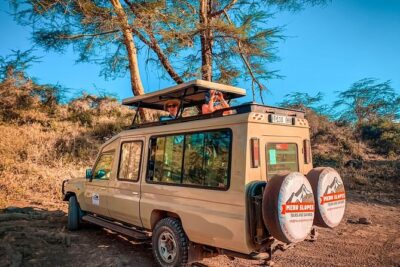
5 Days Camping Tarangire, Serengeti & Ngorongoro crater & Visiting Maasai
Read our review →Browse the lists this tour appears in