Reviewed · KILIMANJARO CLIMBS
6 days Machame route climbing Mt.Kilimanjaro
Cold air, big views, and real teamwork. This 6-day Machame Route trek on Kilimanjaro takes you from montane forest to moorland, then into semi-desert and alpine terrain, camping along the way with meals and altitude support handled for you. You also get a proper Kilimanjaro finish, with certificates and time to celebrate the people behind your climb.
I especially like the way Kilisa keeps the trip moving, from pickup and transfers around Moshi to getting you onto the mountain with the camping setup ready. I also like the operator support at both ends, with clear booking help from Naick and a team that makes the whole process feel structured, not chaotic.
One drawback to factor in is the seriousness of the schedule, including a summit push that starts in the middle of the night and exposed camps that can drop well below freezing, so you need strong fitness and cold-weather grit.
In This Review
- Key highlights on the Machame Route with Kilisa Tours and Safaris
- Machame Route basics: what makes this 6-day climb feel doable
- Price and logistics that actually matter at $2,290 per person
- Day 1, Machame Village to the rain forest camping night
- Day 2, into moorland and up to Shira Plateau at 3,840m
- Day 3, Lava Tower at about 4,630m and the acclimatization payoff
- Day 4, Great Barranco Wall and the move toward Barafu
- Day 5, the summit night from about 23:30 to Uhuru Peak and down to Mweka
- Day 6, Mweka Gate, certificates, showers in Moshi, and a staff celebration
- What’s included on the mountain, and what you should budget for
- Safety and altitude support: what the route design and included gear mean
- Who this Machame trek is perfect for, and who should think twice
- Should you book this Kilisa Tours Machame Route trek?
- FAQ
- Where is the meeting point and what time does the trek start?
- Do you include airport transfers and Moshi accommodations?
- What meals and water are included during the trek?
- What altitude do you reach, and how do certificates work?
- Does this trek include oxygen and medical support?
- How many people are in the group, and what if weather is poor?
Key highlights on the Machame Route with Kilisa Tours and Safaris
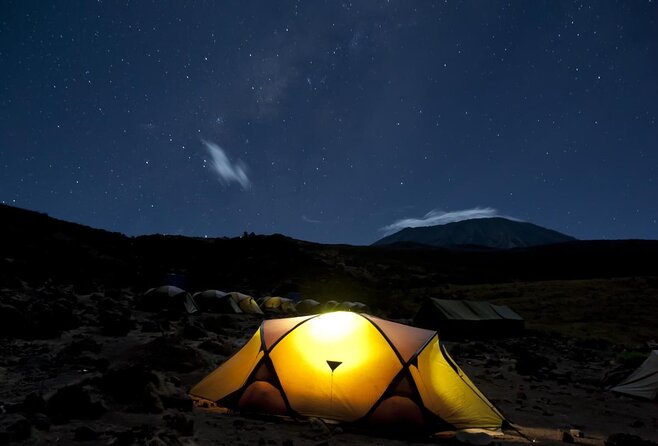
- Machine-like logistics for a messy mountain, including 4-season tents, double sleeping mats, and hot meals each day
- Acclimatization built into the route, including the Lava Tower to Barranco “down step” that helps your body adjust
- Oxygen and monitoring included, with portable oxygen tanks and an ox meter, plus an emergency first-aid kit
- Real water planning, including the note that Barafu has no water and Karranga Valley is the last stop
- Stella Point sunrise and completion certificates, with green for Stella Point and gold for Uhuru Peak
Machame Route basics: what makes this 6-day climb feel doable
The Machame Route has a reputation for being tough, but it also has one big advantage: it gives you enough time to acclimatize while still moving at a solid pace. Over six days you’ll walk through multiple climate zones, which also means you’ll feel the mountain change beneath your feet. One day you’re in forest air. Another day you’re in high, rocky terrain where the sky looks sharper and colder.
For me, the biggest value here is that the itinerary is built around altitude logic, not just adding more hiking days. You climb, you reach a higher point, then you deliberately go down to help your body catch up. That rhythm matters a lot on Kilimanjaro, especially around the Lava Tower and Barranco segment.
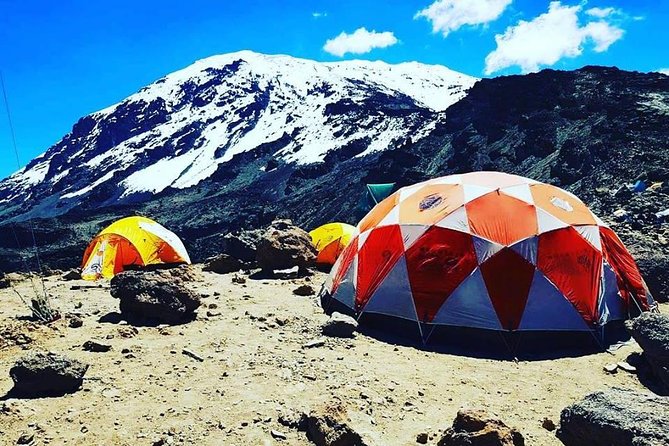
Also, this is a camping trek. That means you get to sleep near the altitude you’re earning, instead of spending the night in lower comfort. You trade convenience for immersion, and the operator makes that trade easier with 4-season mountain tents and double layered mats.
More Kilimanjaro climbs:
- Kilimanjaro climb by Lemosho Route (7-day)
★ 5.0 · 651 reviews - Kilimanjaro climb, Machame Route (7-day)
★ 5.0 · 262 reviews - Kilimanjaro Climbing Lemosho Route 8 Days.
★ 5.0 · 186 reviews
Price and logistics that actually matter at $2,290 per person
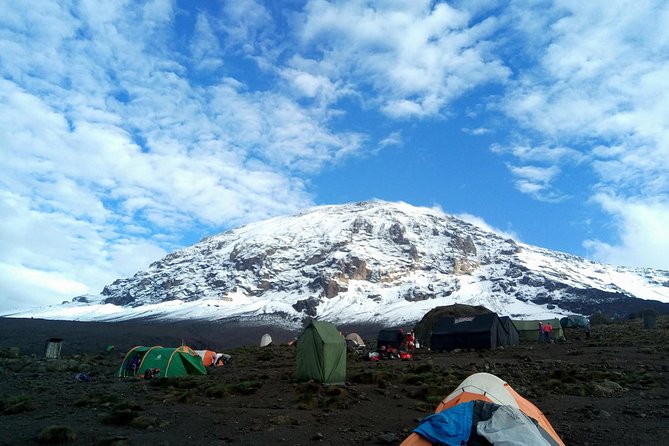
At $2,290 per person, you’re not just paying for a guide and a route map. You’re paying for a full package of mountain-specific costs and support.
What’s included that tends to reduce headaches:
- Private transport to and from Kilimanjaro International Airport to Moshi accommodations
- 2 nights in Moshi before and after the climb
- Transportation to and from the Kilimanjaro gate
- Park entry fees, camping fees, and team Kilimanjaro Rescue fees
- VAT on tour fees and services
- Camping gear basics, including 4-season tents and double layered sleeping mats
- Hot water for washing, plus enough treated and filtered drinking water
- 3 hot meals a day on the mountain (with lunches and dinners covering the trek days listed)
- Portable oxygen tanks and an ox meter, plus an emergency first-aid kit
Not included items to plan for:
- Travel insurance
- Flights
- Tips for guides, porters, and chefs
My take on value: when you see oxygen, rescue fees, gate and camping fees, plus tent and mat setup all included, it means you are less likely to get surprised by add-on costs right when you’re already spending energy on the climb. The trade-off is that you still need to handle flights and insurance yourself, and you should budget for tips since the staff celebrates with you at the end.
Day 1, Machame Village to the rain forest camping night
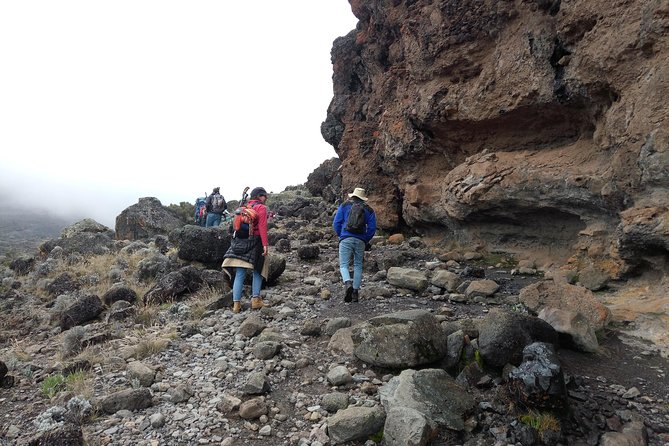
Your day begins with an early start, then a drive to Machame Village. In the village you can buy mineral water and get a packed lunch. From there, road conditions can decide the start of your hike, and you might face a muddy 3 km walk to Machame gate that takes around an hour.
Once you register at the gate office, the ascent starts almost immediately into montane forest. This is where Kilimanjaro can remind you it is not a theme park. Rain is a real possibility here, and that means the trail can become soggy, muddy, and slippery.
What I like about day 1:
- You’re in forest habitat, which tends to feel more forgiving than high scree
- It’s a strong warm-up to get your legs working before the bigger altitude days
- The halfway lunch stop helps keep energy steady when the pace is climbing and uneven
The main consideration is simple: pack for wet feet and take your time. Slips waste energy fast, and you want to arrive at camp feeling like day 1 was preparation, not punishment. Hiking time is about 7 hours over roughly 18 km, so it’s not a casual stroll either.
Day 2, into moorland and up to Shira Plateau at 3,840m
Day 2 starts early at Machame camp. After breakfast you climb for about an hour through the forest, then the route eases for around 2 hours across moorland. That gentler gradient is helpful. It lets your breathing settle before the sharper work begins on higher, more exposed ground.
Then you move onto a rocky ridge and climb toward the Shira plateau, finishing at a campsite around 3,840m. This is the point where views start to sharpen, including the Western Breach to the east with glaciers visible when the weather allows.
A detail I really value: porters boil drinking and washing water before dinner. That means washing and hydration are handled through the camp routine, not left to guesswork.
Reality check for day 2 camp:
- The Shira campsite is exposed
- Night temperatures can drop well below freezing
So even if the hiking feels steadier than day 1, the cold will still hit your plans for sleep, food appetite, and mood. Bring extra attention to staying warm at camp, because the mountain doesn’t care if you’re tired.
Same base in Tanzania, a completely different day:
- Serengeti Balloon Safari and authentic bush breakfast
★ 5.0 · 2,480 reviews - Balloon Safari & Bush Breakfast in Serengeti – Miracle Experience
★ 5.0 · 1,646 reviews - From Zanzibar: Mikumi Safari Day Trip with Flights and Meal
★ 4.7 · 1,470 reviews - Zanzibar: Quad Bike Adventure departing from Kendwa or Nungwi
★ 4.9 · 1,233 reviews
Day 3, Lava Tower at about 4,630m and the acclimatization payoff
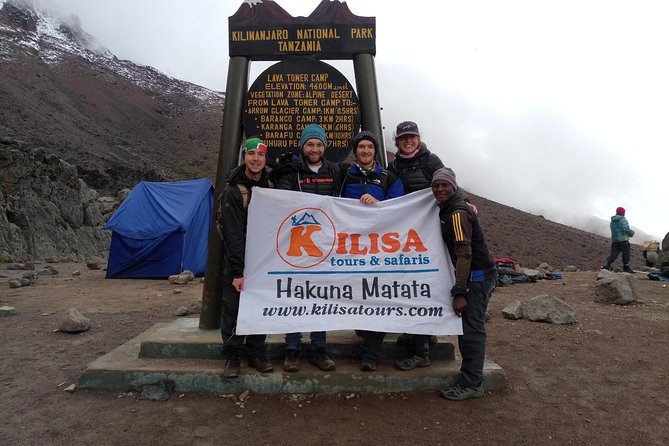
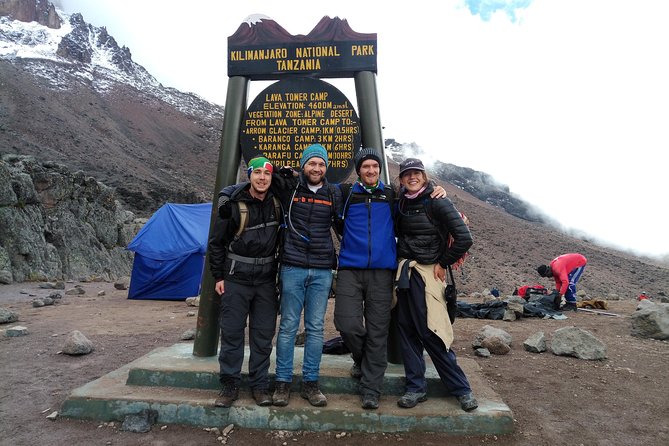
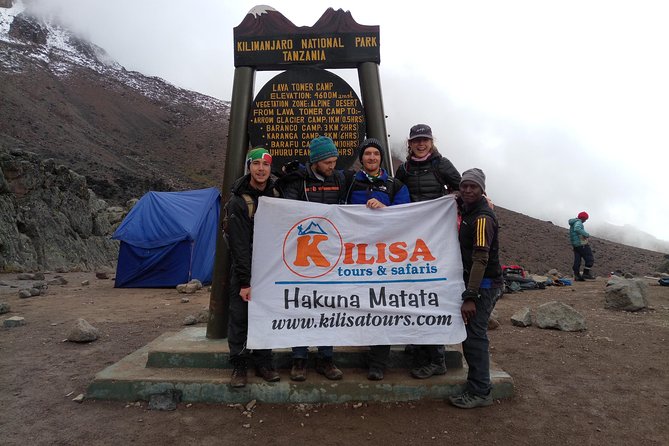
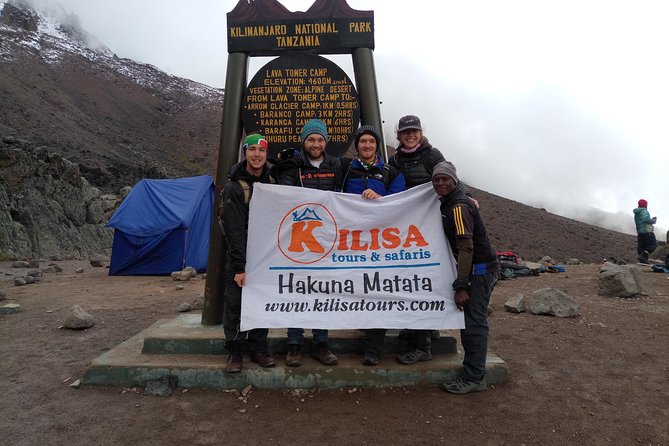
Day 3 is widely described as the toughest so far, and the structure supports that. The route turns east into rocky semi-desert terrain around Lava Tower. You reach altitude around 4,630m after about 5 hours of walking.
This is also where altitude symptoms can show up for the first time: breathlessness, irritability, headaches, and the general feeling that your body is negotiating with the plan. The important part is what happens next.
After lunch you descend almost 680m to reach the Barranco camping area. Even though you’re “going down,” this is not a retreat. It is the acclimatization benefit in action, and the day is designed so you can recover your breathing before the next big segment.
Why you’ll feel it:
- Descending reduces stress on the body
- The lower camp helps you sleep and regain strength
- You arrive at a key next day with better control over pace
You still get real effort today. The terrain is rocky, and once you’re above the treeline the walk can feel relentless. But the payoff is that you’ll start to understand why the route “steps” rather than just “climbs.”
Day 4, Great Barranco Wall and the move toward Barafu
Day 4 begins with a night at the Great Barranco Wall, which is a sight that can look intimidating up close. The good news is that it usually turns out easier than your brain tells you at first. You climb up the wall, and topping just below the Heim Glacier gives you a view of Kilimanjaro that feels dramatic because it’s so close to the harsh zone of the mountain.
Then the route moves down through the Karanga Valley, joining the Mweka route, which is the preferred route down later. That matters because you want your descent to feel familiar, not like a surprise detour on tired legs.
You then turn left up a ridge and reach Barafu Hut after about an hour or so. Here’s one of the most practical details on the whole trek: the last water stop is in the Karanga Valley, and there is no water at Barafu camp.
What to do with that info:
- Drink early and steadily before you get to Barafu
- Don’t “save” everything for later in the day, because later might mean none
Hiking time is about 7 hours over roughly 13 km. You’ll likely feel the day in your legs, but it also sets you up for the summit attempt that starts the next evening.
Day 5, the summit night from about 23:30 to Uhuru Peak and down to Mweka
This is the day that most people remember. You rise around 23:30, then have tea and biscuits before you shuffle into the dark. The route heads north-westerly through heavy scree toward Stella Point on the crater rim.
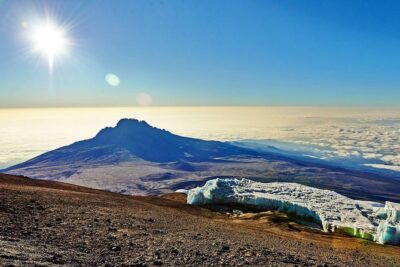
This part, the walk to Stella Point, is often described as the most challenging, both mentally and physically. Plan on a long slog, and the time you spend in that stretch matters. When you reach Stella Point at about 5,685m, you stop briefly and, if weather is friendly, you’ll get one of the best sunrises you’re likely to see.
Then comes the snow-covered push, typically about 2 hours on the way to Uhuru Peak at 5,895m. When you reach the top, you are done with the hardest breathing work. Now you shift into careful movement, because your body is tired and the mountain is still slippery.
Your day continues with the long descent, about 7 to 8 hours to Mweka, with the distances adding up fast: roughly 7 km ascent and about 23 km descent.
One more point that connects to your confidence: oxygen and monitoring are part of the included package. That doesn’t mean the mountain becomes easy, but it does mean your team is equipped to respond if altitude stress escalates. And that response, guided by the plan and your condition, is what matters most at this point.
Day 6, Mweka Gate, certificates, showers in Moshi, and a staff celebration
Day 6 feels lighter, but it’s still a real finish day. After breakfast there’s a celebration with dancing and singing. This is also when you present your tips to the guide, assistant guides, chef(s), and porters. It’s a good moment to connect names and faces to the work that made your climb possible.
Then you descend for about 3 hours back to Mweka Gate, followed by an additional 1 hour into Mweka village for about 3 km. You’ll have a hot lunch served, then you drive back to Moshi for long overdue showers and more celebrations.
The National Park requires hikers to sign their names to receive completion certificates. There’s a clear system:
- Green certificates for reaching Stella Point (about 5,685m)
- Gold certificates for reaching Uhuru Peak (about 5,895m)
That color distinction is more than paperwork. It gives you a tangible marker of how the mountain day went for your body, not just for the group.
If you’ve been worried about whether your effort counts, this part usually calms that down.
What’s included on the mountain, and what you should budget for
Here’s the honest breakdown: the included items cover the core needs that make a Kilimanjaro trek work.
Included, and why it matters:
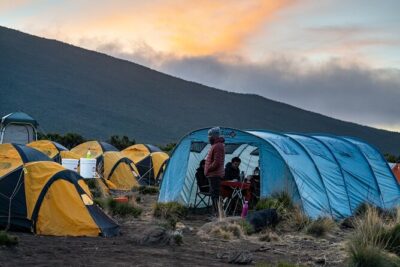
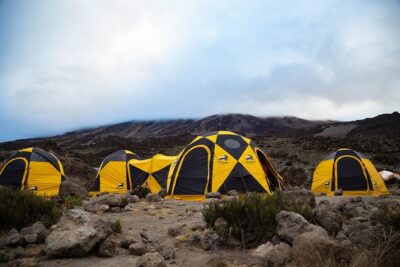
- Tents and mats: 4-season tents and double layered sleeping mats help you handle freezing nights
- Meals: 3 hot meals daily while on the mountain, which keeps energy consistent when appetite can drop
- Water: treated and filtered drinking water throughout the trek, plus boiling water for washing routines
- Hot water for washing: you might not feel glamorous, but you’ll feel more human
- Oxygen and monitoring: portable oxygen tanks and an ox meter
- Emergency support: emergency first-aid kit and team Kilimanjaro Rescue fees
- Guides, cook, and porters: friendly and professional team structure for a smoother experience
Not included:
- Travel insurance
- Flights
- Tips
I’d treat tips as part of your real trip cost. The itinerary specifically builds in a moment to present them, so it’s not an afterthought. If you skip insurance, you’re taking a gamble. And Kilimanjaro is not a place to go underinsured.
Safety and altitude support: what the route design and included gear mean
Kilisa’s messaging emphasizes safety and comfort, and the itinerary backs that up with real mountain mechanics. One of the best examples is the day 3 design. You reach Lava Tower around 4,630m and then descend almost 680m to the Barranco area. That descent is a deliberate acclimatization move, not just a way to feel better.
Another safety element is what’s included:
- Oxygen tanks and an ox meter
- Emergency first-aid kit
- Rescue fees included in the budget
None of that turns the mountain into an easy hike. You still need to respect altitude. If you feel symptoms like breathlessness, headaches, or irritability, you should take it seriously and follow your guide’s pacing and guidance. The route gives your body chances to adjust, but it still expects you to do your part.
Also, the group is capped at a maximum of 15 travelers. That’s not massive. It helps keep your trekking experience more managed, and it can make it easier for guides and staff to respond if someone needs extra attention.
Who this Machame trek is perfect for, and who should think twice
This is a good fit if you:
- Have strong physical fitness
- Want a classic Kilimanjaro route with day-by-day acclimatization structure
- Are comfortable with camping and cold nights
- Prefer a local operator that handles the mountain details and keeps communication smooth
This is not ideal if you:
- Struggle with cold, sleepless nights, and very early starts
- Want a mostly gentle hike. The summit day and long descent are physically demanding
- Are not prepared for rocky terrain and possible rain in the forest zone
The trek includes a summit attempt with Stella Point sunrise and a long descent to Mweka. Even if you’re nervous, the structure gives you support and the team includes oxygen and emergency readiness. But you still need mental stamina and realistic expectations.
Should you book this Kilisa Tours Machame Route trek?
I’d book it if you want a well-run camping Kilimanjaro experience where the important extras are actually included, not sold as add-ons. The combination of camping gear, hot meals, treated water, hot washing water, plus oxygen and monitoring support gives you a stronger safety net than many bare-bones packages.
I’d hesitate if you know you’re sensitive to freezing nights or if long summit day hours, heavy scree, and a big descent would break your confidence. The mountain is big, and the plan is serious.
If you’re physically ready and want an authentic, locally run climb that feels organized from the moment you connect with the team, this Machame Route package is a strong choice. You’ll earn your summit day, and you’ll also remember the teamwork that got you there.
FAQ
Where is the meeting point and what time does the trek start?
The meeting point is Kilimanjaro Airport Road, Kilimanjaro Airport Rd, Tanzania, and the start time is 8:30 am.
Do you include airport transfers and Moshi accommodations?
Yes. Private transport is included to and from Kilimanjaro International Airport to your accommodations in Moshi, plus 2 nights of accommodation in Moshi.
What meals and water are included during the trek?
Three hot meals daily are included while on the mountain. The tour also includes enough treated and filtered drinking water throughout the trek, plus hot water for washing.
What altitude do you reach, and how do certificates work?
You can reach Uhuru Peak at about 5,895m. Completion certificates are given after the trek, with green certificates for reaching Stella Point (about 5,685m) and gold certificates for reaching Uhuru Peak.
Does this trek include oxygen and medical support?
Yes. Portable oxygen tanks and an ox meter are included, along with an emergency first-aid kit.
How many people are in the group, and what if weather is poor?
The group maximum is 15 travelers. The experience requires good weather, and if it’s canceled due to poor weather you will be offered a different date or a full refund.
Just posted around Tanzania
- Stonetown Private Half-day Walking Tour★ 5.0 · 21 reviews
- Full Day Safari to Mikumi National Park from Zanzibar with Lunch★ 4.5 · 3 reviews
- Dolphin Watching Tour & Josani Forest Sea Trip – Zanzibar★ 4.5 · 3 reviews
- Come and taste the Zanzibar feelings★ 5.0 · 12 reviews
- Cooking Class Tour★ 5.0 · 9 reviews
- Cultural Walking Tour through Stonetown, a UNESCO World Heritage Site★ 4.5 · 14 reviews
- Private Catamaran – Stone Town Islands & Sandbanks (5 hrs)★ 5.0 · 10 reviews
- Cave Tour & Rock Restaurant Visit★ 3.5 · 5 reviews
Kilimanjaro Climbs, compared.
8-Day Small-group Lemosho Kilimanjaro Summit Trekking
Read our review →
5 Days Best of Tanzania Luxury Safari Northern Circuit
Read our review →
Climbing Kilimanjaro through 7 days Machame Route
Read our review →