
Reviewed · SERENGETI SAFARIS
5 days Safari to Tarangire, Ngorongoro, Serengeti and Lake Manyara
Four parks, nonstop wildlife time. This 5-day safari circuit links Moshi with Tarangire, Serengeti, Ngorongoro and Lake Manyara, using a private guide and pop-up 4×4 so the focus stays on spotting animals, not logistics. If you’re budget-minded but still want a real Big Five-style trip, this route is built for exactly that kind of day-by-day action.
What I like most is the way the schedule is designed around prime wildlife hours. I love the sunrise game viewing slot in western Serengeti, because animal activity is often best early, and you get that first-light feeling without waiting all day. I also like the frequent picnic lunches packed for you on safari, which keeps drives from eating your best viewing time.
One consideration is the camping setup and what you bring. The trip includes camping gear (shared tenting for two people), but it also notes that a sleeping bag for rent is $15, so you’ll want to plan for that comfort piece. If you’re sensitive to cold or don’t love basic tent life, it’s worth factoring in how you’ll handle nights and early starts.
In This Review
- Key highlights worth your attention
- Moshi to the Safari Loop: What You’re Really Paying For
- Tarangire National Park: River Elephants and the Home-of-Elephants Feeling
- Serengeti National Park: Endless Plains and the Best Hour of the Day
- Ngorongoro Crater Rim to the Floor: A Full-Day Game Tour Built for Big Chances
- Lake Manyara After the Crater: Birds, Green Views, and Tree-Climbing Lions
- Camps, Tents, and Meals: How This Safari Keeps the Trip Moving
- Private Guide Energy: Getting More Animal Time, Not Just More Driving
- When the Great Migration Window Matters
- Price and Value Check: Is $3,300 Reasonable for This Circuit?
- Should you book this 5-day Moshi Safari circuit?
- FAQ
- Where does this safari start and end?
- What time does the safari start on the first day?
- Which parks and areas are included?
- What kind of vehicle and guide are included?
- Are park fees and crater fees included?
- What meals are included during the safari?
- Is mineral water included?
- What kind of accommodation is provided?
- Do I need to bring a sleeping bag?
- Are tips included?
- Is free cancellation available?
Key highlights worth your attention
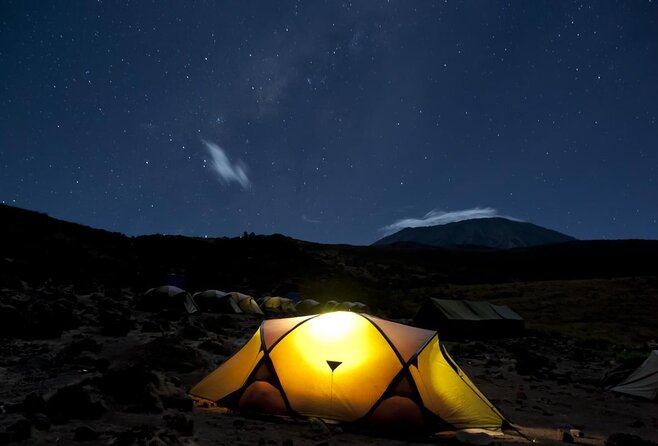
- Private pop-up-roof safari jeep for easier spotting and better viewing angles when animals get close
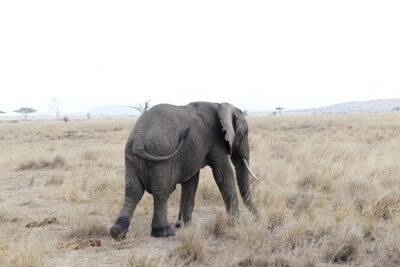
- Tarangire River game time where elephants often gather in larger groups
- Serengeti sunrise viewing that starts the day while animals are most active
- Ngorongoro full-day crater tour with a planned on-crater lunch stop and big-cat chances
- Lake Manyara bird life plus tree-climbing lions (and hippos) for variety beyond the Big Five
- Sleeping bag not included (rent is listed as $15), so pack or budget for it
Moshi to the Safari Loop: What You’re Really Paying For
This trip is priced at $3,300 per person for about 5 days, and the value is less about luxury and more about getting you into the right places with the right rhythm. You’re not just visiting parks, you’re moving through a whole circuit: Tarangire, Serengeti, Ngorongoro Crater, and Lake Manyara. That means fewer long “travel-only” days and more hours where your main job is to look for animals.
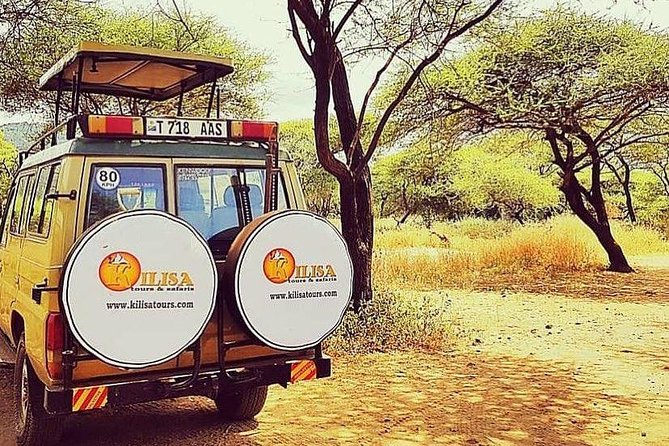
You also get a private 4×4 safari jeep with a pop-up roof and a private safari guide. That combination matters. Pop-up roof means you’re not stuck craning around and losing sight lines. And with a private guide, you can react faster when game appears, rather than being locked into someone else’s pace.
The package includes park fees and crater fees, plus three meals per day is the promise, with the meal totals listed as 5 breakfasts, 5 lunches, and 4 dinners. So you should expect consistent food during the safari portion, with at least one day where dinner count differs from breakfast and lunch counts. Mineral water is included, and the vehicles have an ice chest with mineral water.
One practical detail to keep in mind: the trip also includes 2 nights of accommodation before and after safari, and your day 5 ends back in Moshi for an overnight. So you’re paying for a full experience flow, not just a day in the vehicle.
More Safaris in Moshi
- Safari Serengeti And Ngorongoro
★ 5.0 · 288 reviews - Big Five Safari In Tanzania
★ 5.0 · 99 reviews - Unforgettable Tanzania Safari And Zanzibar Beach
★ 5.0 · 97 reviews
Tarangire National Park: River Elephants and the Home-of-Elephants Feeling
Day 1 is a full day in Tarangire after breakfast in Moshi, with a picnic lunch box provided. Tarangire is often treated as the “elephant park,” and the itinerary leans into that. The key idea is the Tarangire River, which flows year-round in this plan, and that steady water source tends to pull animals together.
This is where I’d expect the trip to feel most “classic safari.” You’re out for long game-viewing stretches, and the plan specifically calls out elephants gathering in larger groups near the river. It also includes a solid list of what you might see: lions, leopards, giraffes, and even mentions of tree-climbing pythons. Whether you see every item is never guaranteed, but having a park identity like elephants at a river gives your day structure, not just random driving.
The tradeoff is time. A full day in Tarangire means you’ll be in the vehicle most of the day. That’s not a problem if you like scanning bush, studying tracks, and waiting for animals to commit to a direction. If you get bored easily or need frequent breaks, the “all-day game viewing” format can feel like a marathon.
That first night’s plan is dinner and overnight at Fanaka/Avenneture camp. In safari terms, that usually means you’re set up to wake early the next day without adding extra travel time.
Serengeti National Park: Endless Plains and the Best Hour of the Day
Day 2 shifts you to Serengeti in the early morning, leaving around 6:00am after breakfast and then using picnic lunch boxes. The route includes game viewing en route, starting from the Ngorongoro Crater Gate area (listed as Olduare) and then continuing into Serengeti.
Once in Serengeti, the plan focuses on what makes it famous: endless plains, predator action, and the Great Wildebeest Migration from July to October. If you’re traveling in those months, this itinerary is particularly well aligned with what you came for. If you’re outside the migration window, you still have predators, herds, and constant movement across the grasslands.
The itinerary also includes details that help you visualize your day:
- Crocodiles can be found in the Grumeti River, plus hippos
- You can see giraffes, antelopes, and gazelles
- Predators include lions, hyenas, cheetahs, and leopards
Then you’ll spend the night in Seronera/Kati kati Campsite, which helps keep you close to where the action is rather than constantly relocating.
Day 3 is another big hitter. It starts with a cup of coffee and sunrise game viewing in western Serengeti, then you head back to camp for hot lunch before continuing game viewing en route to Ngorongoro via Oloduvai Gorge. Sunrise viewing is a time investment, but it’s also the best return on effort, because you’re more likely to catch animals moving when temperatures are cooler and visibility is often crisp.
Dinner and overnight are planned on the crater rim at Simba Camp, setting up your next day’s crater descent.
Ngorongoro Crater Rim to the Floor: A Full-Day Game Tour Built for Big Chances
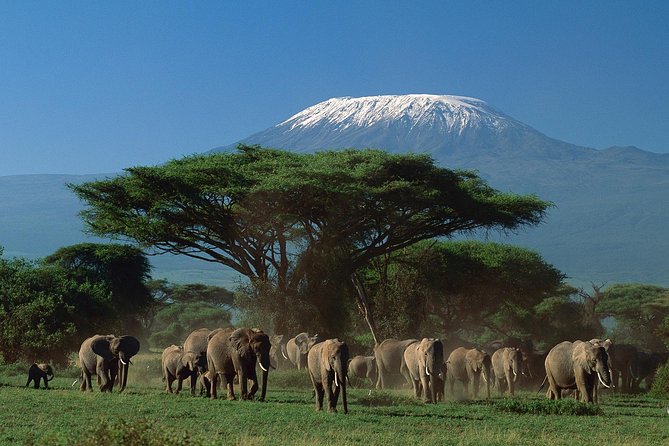
Ngorongoro is the centerpiece day, and the schedule is clear about it. Day 4 starts with an early breakfast around 6:00am, then you descend into the crater with picnic lunch boxes. The crater tour is planned for about 6 hours on the crater floor, with lunch taken at the picnic site on the floor. In the afternoon, you ascend the crater, then enjoy dinner and overnight again at Fanaka/Anennature camp.
The plan highlights why this day is special: the crater is described as the world’s largest caldera, and it’s where lions, cheetahs, elephants, and rhinos can be found within short distances. The itinerary also says there’s a high possibility of spotting the Big Five in one day: lion, rhino, elephant, buffalo, and leopard.
That “within short distances” idea is the main practical advantage of Ngorongoro. In many safari areas, you can spend hours driving between sightings. Here, the whole experience is built around the chance that once you find one cluster, the next one may be close enough to keep your adrenaline up.
The main consideration is pace and stamina. A full crater day means long viewing blocks and a lot of time outdoors. Also, the crater’s weather can feel different from Moshi and from the plains, so layering is smart even if you think it will be hot.
More Lake Manyara safaris:
- 3-Day Ngorongoro Crater Manyara and Tarangire Safari from Arusha
★ 5.0 · 49 reviews - 7 Days Safari. Serengeti, Tarangire, Lake Manyara & Ngorongoro Crater.
★ 5.0 · 34 reviews - Safari in Tanzania 5 days: Manyara, Ngorongoro, Serengeti
★ 5.0 · 29 reviews - 5-Day Lake Manyara, Serengeti, Ngorongoro Crater and Tarangire
★ 5.0 · 28 reviews
Lake Manyara After the Crater: Birds, Green Views, and Tree-Climbing Lions
Day 5 finishes the circuit with a drive from where you’re staying back to Lake Manyara National Park. You then get full-day game viewing there after breakfast, again with the itinerary aiming for maximum animal time rather than extra stops.
Lake Manyara is highlighted for three things:
- Green scenery
- Varied bird life
- Tree-climbing lions, plus hippos
That combination is why I like closing the safari here. It changes the look and sound of your safari compared to Serengeti plains and Ngorongoro’s crater drama. Even if you’ve seen the “main cast” elsewhere, tree-climbing lions and strong birdlife create a different kind of safari checklist.
By evening, the plan has you return to Moshi for an overnight stay. That’s a nice final touch because it gives you somewhere comfortable to decompress instead of immediately jumping into travel.
Camps, Tents, and Meals: How This Safari Keeps the Trip Moving
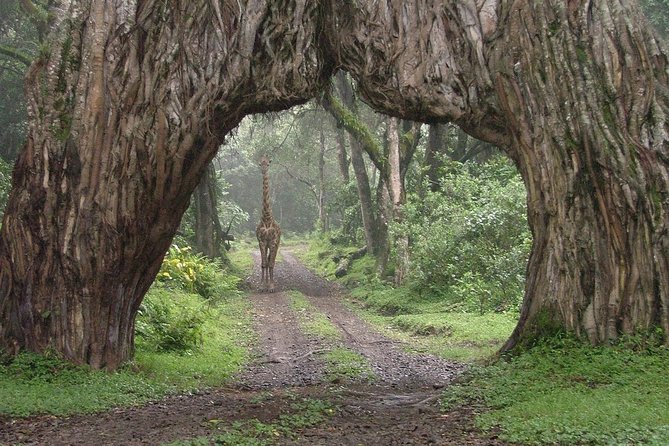
This trip is built around a budget-smart style of comfort. You get camping gear and the plan indicates two people per tent. That does two things for you: it helps keep costs lower, and it brings you closer to the safari rhythm since you’re not paying for a chain of high-end lodges.
Meals are set up to support long game drives. You should expect breakfast, packed lunch, and dinner as part of the plan, with totals listed as 5 breakfasts, 5 lunches, and 4 dinners. Mineral water is included and carried on the vehicle in an ice chest.
What you need to manage is personal comfort. The trip says a sleeping bag rental is available for $15, which is an important clue about expected gear level at camp. If you don’t already own a sleeping bag you’re comfortable with, either rent it or bring your own. Your night quality affects your morning viewing quality, and morning viewing is a big deal on this itinerary.
Private Guide Energy: Getting More Animal Time, Not Just More Driving
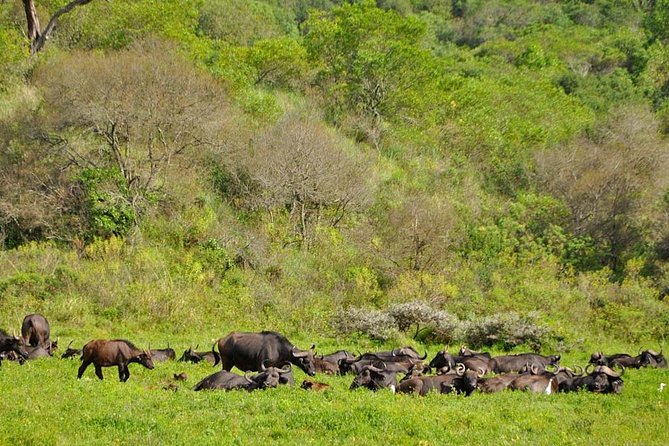
In the feedback I’ve seen from people who used Kilisa Tours & Safaris, guide quality came up clearly. One name was highlighted again and again: Chris. The message was consistent: he’s knowledgeable and personable, and he knows how to get the jeep in front of animals.
You’re paying for a private guide, so your experience depends heavily on how well your guide reads the terrain and communicates what you’re seeing. When you get a guide who can match animal behavior to the right viewing spots, you feel it fast. The safari stops being a slow search and becomes a series of short, intense moments: look here, watch how it moves, wait for it to change direction.
With a small maximum group size of 15 travelers and private vehicle time included, you’re also likely to get a more focused feel than a large group safari, even if the broader tour holds multiple people on the same schedule.
When the Great Migration Window Matters
The plan specifically calls out the Great Wildebeest Migration from July to October. If your dates land inside that window, you’re aiming at a time when wildebeest movement is a major event across the Serengeti system.
If you’re traveling outside those months, don’t panic. The itinerary still names predators, the Grumeti River, hippos, crocodiles, giraffes, and varied herds. But I’d approach your expectations differently. In migration months, you’re often watching a large-scale story unfold. Outside the window, you’re more likely to focus on smaller, moment-to-moment wildlife encounters and predator action.
Either way, the sunrise game viewing and the full-day Serengeti time give you more chances to find what the park is offering that day.
Price and Value Check: Is $3,300 Reasonable for This Circuit?
At $3,300 per person, this isn’t a “throwaway” safari. What helps justify the cost is that the package includes a lot of the items that usually add up fast:
- private pop-up 4×4 safari jeep
- private safari guide
- park fees and crater fees
- meals and mineral water
- camping gear
- meet and greets at the airport or bus station
- government taxes, VAT, and service charges tied to accommodation and included meals
For you, the key value question is simple: do you want a focused route that hits multiple headline areas in a short time? If yes, this circuit is designed for that. It covers Tarangire’s elephant-rich river areas, Serengeti’s plains and predator mix, Ngorongoro’s crater-floor concentration, and Lake Manyara’s birds and tree-climbing lions.
The price also signals a tradeoff. This isn’t built like a high-end lodge safari with lots of downtime. The trip is structured around early starts, long drives, and real game-viewing time. If that style matches your travel personality, the value is strong. If you want pool-time comfort and slow pacing, the “camp and crater days” may feel like too much.
Should you book this 5-day Moshi Safari circuit?
I think you should book this safari if you want a well-paced route that hits Tarangire, Serengeti, Ngorongoro, and Lake Manyara with the animal time maximized. You’ll likely enjoy it most if you’re comfortable with early mornings, tented camping nights, and the idea that you’re paying for access and guiding, not fancy add-ons.
You might skip or adjust if:
- you hate tent camping or know you’ll need a quality sleeping bag
- you want lots of free time and do not enjoy long days in a vehicle
- you need very strict meal timing each day, since dinner count is listed as 4 while breakfast and lunch totals are higher
If you book, I’d make one smart move: when you confirm your guide, ask specifically about Chris if that’s the guide you want, since he was singled out for doing exactly what you want on safari, getting you in front of animals and keeping the experience practical and fun.
FAQ
Where does this safari start and end?
It starts in Moshi, Tanzania, and it ends back at the meeting point in Moshi.
What time does the safari start on the first day?
The start time is listed as 8:30 am.
Which parks and areas are included?
You’ll visit Tarangire National Park, Serengeti National Park, Ngorongoro Crater, and Lake Manyara National Park.
What kind of vehicle and guide are included?
The tour includes a private 4×4 safari jeep with a pop-up roof and a private safari guide.
Are park fees and crater fees included?
Yes, park fees and crater fees are included.
What meals are included during the safari?
The plan includes 3 meals per day, and the listed totals are 5 breakfasts, 5 lunches, and 4 dinners. Mineral water is included.
Is mineral water included?
Yes. Mineral water is included, and the safari vehicles have an ice chest with mineral water.
What kind of accommodation is provided?
The itinerary uses camp and campsite nights, and it includes camping gear with two people per tent.
Do I need to bring a sleeping bag?
A sleeping bag for rent is listed as $15. The trip includes camping gear, so you may need a sleeping bag depending on what you bring.
Are tips included?
No. Tips for the guide and driver are not included.
Is free cancellation available?
Yes, free cancellation is available up to 24 hours in advance of the experience start time for a full refund.
More Serengeti Safaris
- Tanzania Safari – The Great Migration in the North of the Serengeti and Lake Natron
★ 5.0 · 25 reviews - 4 Day Mid-range Serengeti Safari
★ 5.0 · 22 reviews - 4 Days, 3 Nights Group budget Safari, Lake Manyara, Serengeti, Ngorongoro
★ 5.0 · 18 reviews - 5 Days Private Tarangire, Serengeti, Ngorongoro, Manyara Safaris
★ 5.0 · 17 reviews
More Tarangire Safaris in Moshi
- 5 Days Camping Tarangire, Serengeti & Ngorongoro crater & Visiting Maasai
★ 5.0 · 58 reviews - 4 Days Group Joining Camping Safari to Tarangire Serengeti Ngorongoro Crater
★ 5.0 · 50 reviews - 4 Day Private Tour Throughout Tarangire, Serengeti and Ngorongoro
★ 5.0 · 42 reviews - 6 Days: Classic Camping( Tarangire, Manyara, Serengeti And Ngorongoro).
★ 5.0 · 26 reviews
Just posted around Moshi
- machame route★ 5.0 · 16 reviews
- Kilimanjaro Climbing Umbwe Route★ 5.0 · 3 reviews
- Wildlife Extravaganza: Manyara, Tarangire & Ngorongoro in 3 Days★ 5.0 · 3 reviews
- Mt Kilimanjaro 6 days Marangu route hike★ 5.0 · 3 reviews
- 3 Days Private E-Bike Tour in West Kilimanjaro★ 5.0 · 3 reviews
- West Kilimanjaro cycling Adventures★ 4.5 · 8 reviews
- Kilimanjaro Climb • Marangu Route ~ 9 Day★ 5.0 · 4 reviews
- Private Cycle to Kilimanjaro Bike Park Safari★ 5.0 · 6 reviews
Serengeti Safaris, compared.
Serengeti Balloon Safari and authentic bush breakfast
Read our review →
Balloon Safari & Bush Breakfast in Serengeti – Miracle Experience
Read our review →
3 Days Serengeti & Ngorongoro Group Camping Safari
Read our review →
5-Day Highlights mid-Range Crater, Serengeti, Tarangire
Read our review →
Private 6-Day Tarangire Manyara Crater and Serengeti with Mid-Range Lodges
Read our review →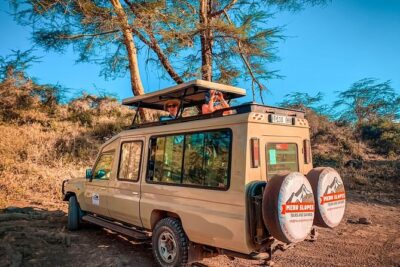
5 Days Camping Tarangire, Serengeti & Ngorongoro crater & Visiting Maasai
Read our review →Browse the lists this tour appears in