
Reviewed · SERENGETI SAFARIS
Tanzania Safari – The Great Migration in the North of the Serengeti and Lake Natron
Migration season turns the Serengeti into theater. This north-focused trip from Moshi is built around the Great Migration timing (July to October), with game drives in prime Serengeti areas and a stop at alkaline Lake Natron for flamingo nesting season. You also get the crater-hunting feel of Ngorongoro and a very different kind of wildlife day in Tarangire.
I especially like the way the itinerary sets you up for real sightings. Mara region’s open grasslands make it easier to spot animals, and your days are structured so you can chase the herds without wasting whole trips on long dead hours. I also love the added “off-road” feel of walking around Oldoinyo Lengai and the Lake Natron shoreline, instead of making every moment a vehicle-only safari.
One thing to keep in mind: Great Migration success depends on where the herds are that week. Even during the July to October window, you’ll want a flexible mindset, because conditions and herd movement drive where the best crossings happen, and Lake Natron’s rugged terrain is not for anyone who wants everything smooth and easy.
In This Review
- 5 key things that make this safari worth your attention
- Great Migration Timing, Why It Changes Everything
- Price and Logistics: What $4,974 Buys You in Real Terms
- Day 1 Lake Manyara: Baboons, Birds, and Rift Valley Microclimates
- Day 2 Ngorongoro Crater: A Volcanic Bowl With Big-Animal Density
- Days 3 to 4 Serengeti National Park and the Mara Region Push
- Day 5 Lake Natron: Flamingos, Alkaline Water, and a Sacred Volcano
- Day 6 Lake Natron to Tarangire: Footpaths and a Different Kind of Safari
- Day 7 Tarangire Park of Giants: Baobabs, Elephants, and River Time
- Day 8 Back to Arusha: Wrap-Up With Lunch and Flight Transfer
- Who Should Book This Safari, and Who Might Want a Different Fit
- Should You Book This Great Migration North Safari?
- FAQ
- How long is the safari?
- Where does the trip start and end?
- Which parks and areas are included?
- What’s included in the cost?
- Is AMREF insurance included?
- Are walking activities part of the tour?
- What should I wear for the Lake Natron hike to the waterfall?
- What months are best for seeing the Great Migration in the north?
- What is not included?
- How much do I need to cancel before the start date for a full refund?
5 key things that make this safari worth your attention
- Targeted Great Migration timing (July to October), with time in the Serengeti’s north.
- Ngorongoro Crater as a wildlife bowl, formed by an ancient volcano collapse and packed with large animals.
- Mara region open habitats, where fewer tall trees can mean better visibility for spotting.
- Lake Natron flamingo season logic, with the lake’s strong alkalinity and cyanobacteria fueling mass nesting.
- Two meaningful walking moments, including a hike to a waterfall on Engare Sero with possible swimming.
Great Migration Timing, Why It Changes Everything
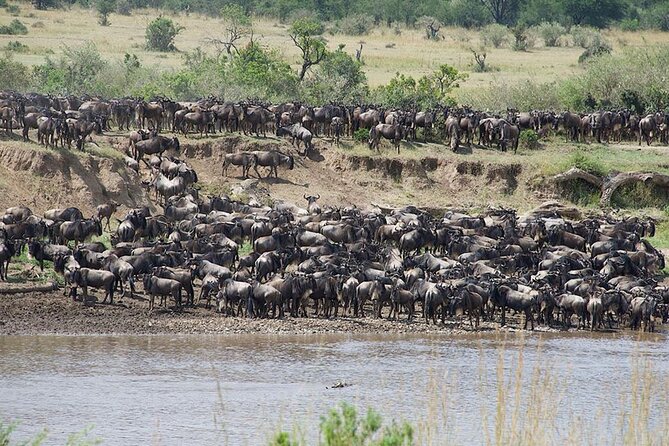
If you care about seeing the Great Migration, timing is everything. The big herds of wildebeest and zebras move across the Serengeti ecosystem in search of pasture and water, and between July and October they gather in the north. That’s the core idea of this trip, and it’s what makes it more than a checklist safari.
What I like about this approach is the balance between pursuit and sanity. You’re not only spending the days inside one single park. You’re also using the surrounding ecosystems as supporting characters: Serengeti for the herds, Ngorongoro for concentrated crater wildlife, and Lake Natron for something totally different that happens during the same broad seasonal cycle.
Now for the realistic part. Even with the right months, herd position shifts. So instead of promising a single exact “crossing moment,” the smarter win is building in enough time in the right areas that you have multiple chances. That is what you’re paying for, and it’s also where a good guide really matters.
More Safaris in Moshi
- Safari Serengeti And Ngorongoro
★ 5.0 · 288 reviews - Big Five Safari In Tanzania
★ 5.0 · 99 reviews - Unforgettable Tanzania Safari And Zanzibar Beach
★ 5.0 · 97 reviews
Price and Logistics: What $4,974 Buys You in Real Terms
At $4,974 per person, the price is not small. But you’re also getting a lot of what usually causes headaches on safari: private 4×4 transportation, full board meals, transfers, park fees, and taxes. Water is included on board, and you also get AMREF insurance included, which adds real peace of mind when you’re far from medical facilities.
The practical value here is simple. When park fees, most taxes, and transport are already handled, you spend more energy on wildlife and less time on paperwork and budgeting. And because this is listed as a private tour, your group is the only group in the activity. That typically means fewer waiting games and more flexibility in how your day runs.
What you should double-check before you pay attention to the dollars is what’s not included. International and local flights, entry visa, drinks at lodges, and personal extras are not included. Also, the listing notes mance. So if you want a smooth, predictable budget, plan for those items separately.
Day 1 Lake Manyara: Baboons, Birds, and Rift Valley Microclimates
Your safari starts with Lake Manyara National Park, driving out from Arusha in the morning for a photo safari day. This park is small compared to the big names, but it packs a lot into 330 square kilometers. The Rift Valley escarpment creates varied conditions, including dense forests fed by springs, savannah areas, and marshy edges near the lake.
This is a great first day because it’s busy and visual. You can expect a mix of animals and a heavy bird focus, including large colonies of baboons and vervet monkeys. Elephants and giraffes are listed too, plus the park is known for about 380 bird species.
A tip for your brain on day one: don’t plan to “save your energy” for the migration days later. Lake Manyara is where you should get your safari rhythm. Learn how your guide positions the car, watch how animal activity looks at different times of day, and get comfortable with the idea that Kenya-style long drives are not the only way safaris feel exciting.
Day 2 Ngorongoro Crater: A Volcanic Bowl With Big-Animal Density
Ngorongoro Crater is the kind of place that makes you slow down without trying. It’s what remains of an ancient volcanic cone, where the top collapsed about 2.5 million years ago. The result is a caldera with a savannah floor and raised edges, and the listing describes a “pan” with a diameter between 16 and 20 kilometers.
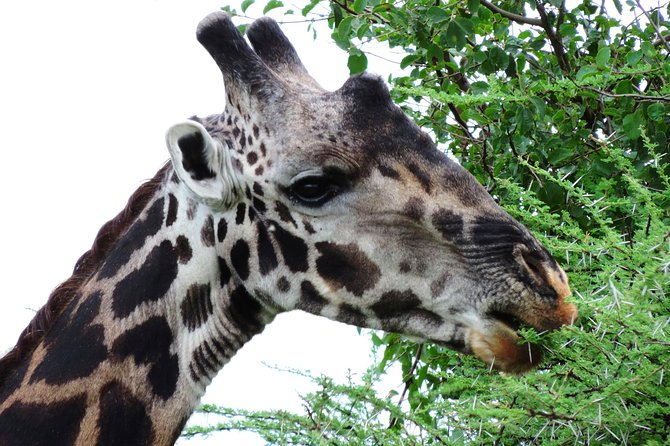
Why it matters for you: the crater traps life. More than 25,000 large animals live inside that ecosystem, and the tour is built around photo safaris here. Typical species of the region are present, with one notable exception noted in the description: giraffes don’t find nourishment here. So if giraffes are your personal obsession, manage expectations before you arrive.
The other crater lesson is visibility. When you’re in a bowl, animal movement and positioning can look dramatic. It’s also a place where a good driver matters, because getting a clean angle often means timing your vehicle position carefully.
More Serengeti safaris:
- 5 Days Camping Tarangire, Serengeti & Ngorongoro crater & Visiting Maasai
★ 5.0 · 58 reviews - 4 Days Group Joining Camping Safari to Tarangire Serengeti Ngorongoro Crater
★ 5.0 · 50 reviews - 4 Day Private Tour Throughout Tarangire, Serengeti and Ngorongoro
★ 5.0 · 42 reviews - 7 Days Safari. Serengeti, Tarangire, Lake Manyara & Ngorongoro Crater.
★ 5.0 · 34 reviews
Days 3 to 4 Serengeti National Park and the Mara Region Push
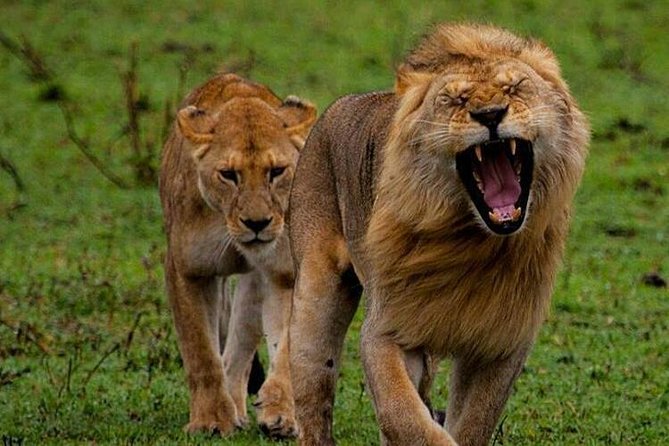
These are the money days. Serengeti National Park is described as a true heavyweight ecosystem, with huge numbers of wildebeest, zebras, Thompson’s gazelles, and big cats. The listing also puts lions at over 2,700, leopards at around 1,000, and cheetahs around 500, plus elephants and other plains species.
But what makes this tour feel “Migration-focused” is the Mara region time. The Mara region is where the Great Migration between July and October is expected to affect the northern Serengeti. The listing also explains a key visibility factor: volcanic rock in much of Serengeti limits tall tree growth, leaving open grasslands. In plain terms, more open ground often means fewer visual blocks between you and the herd.
What you’ll do in practice is simple. You’re on drives that aim to catch animals when and where the ecosystem is working. You’ll be looking for movement patterns: where the grazers are feeding, where predators are hanging around, and where the whole system funnels toward water.
And this is where guide skill turns into outcomes. In the feedback I read, guides such as Naftal and Beni were praised for strong organization and helping guests make the most of the day. I take that as a signal that you’re not just paying for a car, you’re paying for someone who understands how to interpret the landscape in real time.
Day 5 Lake Natron: Flamingos, Alkaline Water, and a Sacred Volcano
Day five shifts gears. In the morning, you take a last game drive in the north-eastern part of the Serengeti before leaving the park and reaching Lake Natron along an impervious track with “magnificent views.”
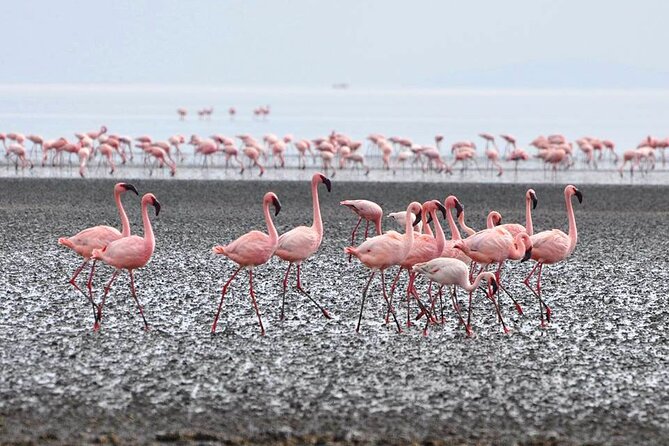
Lake Natron itself is a strongly alkaline lake in a Rift Valley depression, surrounded by rugged lava desert. The headline attraction here is not the usual savannah drama. It’s flamingos. The listing says Lake Natron is a usual nesting area for millions of pink flamingos, especially in the dry season from June to October, when cyanobacteria in the lake waters become a major food source.
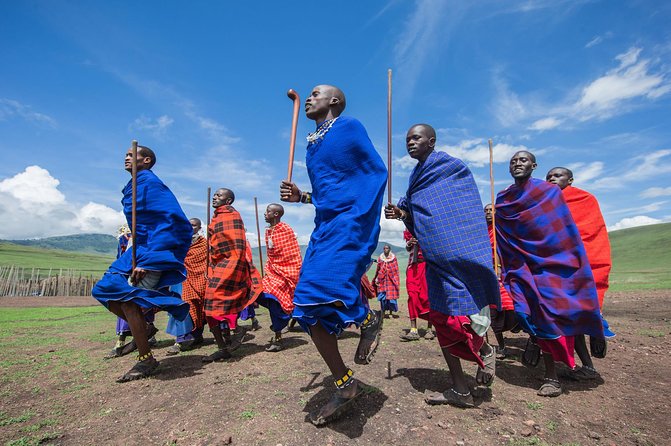
Then the day adds the cultural and geological punch of Oldoinyo Lengai. This volcano is sacred to the Maasai people, described as the home of God Leng’ai. It’s also called out as the only volcano in the world to emit natro-carbonatitic lava. That’s a standout detail, and it matters because it makes the stop more than a scenic rest break.
In the afternoon, you get an excursion on foot along the Engare Sero stream to a waterfall. The listing says it’s not a difficult trek, but you walk at times with your feet in water that can reach knee height. So yes, plan to pack sensibly: bring a bathing suit and non-slip shoes. This is the part of the trip where you’ll remember Tanzania as more than just wildlife spotting.
Day 6 Lake Natron to Tarangire: Footpaths and a Different Kind of Safari
The morning on day six is another Lake Natron day, this time focused on a walk to the shores through rugged, almost lunar terrain. You follow a scenic track through a valley flanked by volcanic peaks created from Rift Valley earthquakes, then the route connects toward Mto wa Mbu before proceeding to Tarangire.
In other words, this is not a quick stop where you look and leave. It’s an active transition day. You’re experiencing the Rift Valley feel firsthand, then moving toward a park with a completely different signature: Tarangire.
In the afternoon, you switch to a photo safari in Tarangire National Park. Tarangire is described as a different environment from the other northern parks. Even without seeing it yet, that’s a clue: you’re heading to the “giants” park, where the big visual structures are baobabs and the big draw is the Tarangire River system.
A small practical note: because day six includes both walking and driving, you’ll want to pace your packing. Keep your “grab-and-go” items accessible, so you’re not digging for sunscreen or water when you’re already dusty from walking.
Day 7 Tarangire Park of Giants: Baobabs, Elephants, and River Time
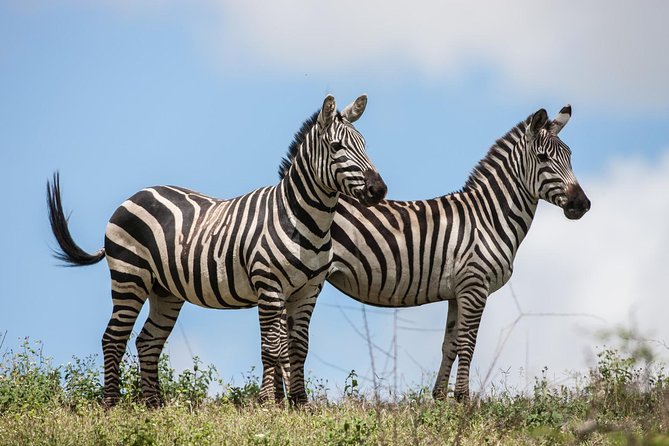
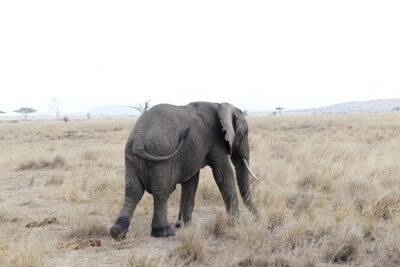
Tarangire earns its nickname in the listing, calling it the park of the giants. Expect colossal baobabs and large herds of elephants, plus lions, leopards, antelopes, gazelles, wildebeest, zebras, and buffalo. Bird life is also emphasized, with about 500 species and a claim that it has the highest concentration in Tanzania.
The big reason Tarangire works on safari is water. The hub is the Tarangire River, and during the dry season it becomes, along with the Silale Marsh, one of the only available sources of water. That attracts animals and helps concentrate sightings.
This is where I like the itinerary choice. After spending time chasing the Great Migration theme in Serengeti, Tarangire gives you a “dry season survival” version of wildlife. If the migration action is slower on a given day, Tarangire can still deliver because the river corridor funnels life into view.
Also, day seven being a longer 8-hour drive gives you room for longer sighting moments. You’re not constantly getting rushed out for the next stop, which helps when animals choose to move only when they feel like it.
Day 8 Back to Arusha: Wrap-Up With Lunch and Flight Transfer
On the last day, you return to Arusha for lunch and transfer to the airport, Kilimanjaro Airport or Arusha Airport. It’s a clean finish: you’re not trying to squeeze in one last big remote stop when your energy is running on safari battery.
What I like about this structure is that it reduces end-of-trip stress. You get fed, you get transferred, and you can plan around your departure without guessing how long “one more drive” will take.
If your flight is late, ask your team how timing is handled. The itinerary gives an outline, but actual travel time can vary with road conditions.
Who Should Book This Safari, and Who Might Want a Different Fit
This safari makes the most sense if you’re traveling in July to October and you care about the Great Migration being the central story. It also fits well if you want variety: crater wildlife, open-visibility grasslands in the Serengeti north, flamingo nesting at Lake Natron, and the baobab-and-river vibe of Tarangire.
You might consider a different fit if you want a fully vehicle-only trip. There are walking days around Lake Natron and the Engare Sero waterfall hike, with water that can reach knee height. If you’re not comfortable with that type of footwear and terrain, you’ll spend more time worrying than watching.
On guides, the feedback I read is strong. Names that come up include Rocco (planning and direction), plus guides such as John, Naftal, and Beni who were praised for organization and attention to detail. That track record is a big reason I see value in booking through this kind of operator for a migration-focused trip.
Should You Book This Great Migration North Safari?
If your goal is Great Migration in the north, this is a logical way to spend your time. You’re in the right seasonal window, you get multiple Serengeti-focused days, and you avoid the trap of rushing between random parks with no real time for animal rhythm.
The decision hinge is your expectations. Great Migration is not a guaranteed “one exact crossing” show. It’s an ecosystem event, and the herds move. If you can stay flexible and trust that the itinerary is built to maximize your chances, you should feel confident.
If you want a safari where meals, transport, park fees, and insurance are handled, and you also want the off-road moments at Lake Natron and Oldoinyo Lengai, this one looks like a strong match.
FAQ
How long is the safari?
It’s listed as 8 days approximately.
Where does the trip start and end?
The location is Moshi, Tanzania, and the last day returns to Arusha for lunch and an airport transfer to Kilimanjaro Airport or Arusha Airport.
Which parks and areas are included?
The route includes Lake Manyara, Ngorongoro Crater, Serengeti National Park (including the Mara Region), Lake Natron and Oldoinyo Lengai, and Tarangire National Park.
What’s included in the cost?
Included items list private transportation, safari circuit in 4×4, full board, transfers, park fees, water on board, AMREF insurance, and all fees and taxes, plus breakfasts, lunches, and dinners.
Is AMREF insurance included?
Yes, AMREF insurance is included.
Are walking activities part of the tour?
Yes. There are foot excursions connected to Oldoinyo Lengai along the Engare Sero stream to a waterfall, and a morning walk to the Lake Natron shoreline through rugged terrain.
What should I wear for the Lake Natron hike to the waterfall?
The description advises a bathing suit and non-slip shoes because you may walk with your feet in water that can reach knee height.
What months are best for seeing the Great Migration in the north?
The Great Migration described here is between July and October, affecting the northern Serengeti.
What is not included?
Not included items are international and local flights, entry visa, drinks, lodge expenses, personal extras, and mance.
How much do I need to cancel before the start date for a full refund?
You can cancel up to 6 days in advance for a full refund, meaning you must cancel at least 6 full days before the experience’s start time.
More Safaris from Moshi
- 8-Day Essence of Tanzania Safari – Luxury
★ 5.0 · 72 reviews - Great Migration Safari In Tanzania
★ 5.0 · 71 reviews - 6 Days 5 Night Safari
★ 5.0 · 57 reviews - 7-Day Magical Tanzania Safari -Premium High End Package
★ 5.0 · 53 reviews
Just posted around Moshi
- machame route★ 5.0 · 16 reviews
- Kilimanjaro Climbing Umbwe Route★ 5.0 · 3 reviews
- Wildlife Extravaganza: Manyara, Tarangire & Ngorongoro in 3 Days★ 5.0 · 3 reviews
- Mt Kilimanjaro 6 days Marangu route hike★ 5.0 · 3 reviews
- 3 Days Private E-Bike Tour in West Kilimanjaro★ 5.0 · 3 reviews
- West Kilimanjaro cycling Adventures★ 4.5 · 8 reviews
- Kilimanjaro Climb • Marangu Route ~ 9 Day★ 5.0 · 4 reviews
- Private Cycle to Kilimanjaro Bike Park Safari★ 5.0 · 6 reviews
Serengeti Safaris, compared.
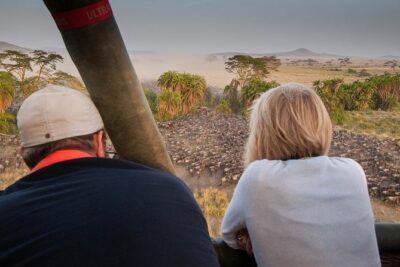
Serengeti Balloon Safari and authentic bush breakfast
Read our review →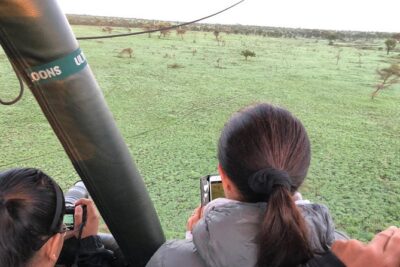
Balloon Safari & Bush Breakfast in Serengeti – Miracle Experience
Read our review →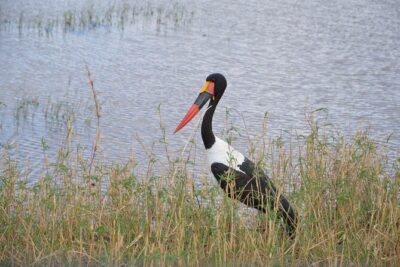
3 Days Serengeti & Ngorongoro Group Camping Safari
Read our review →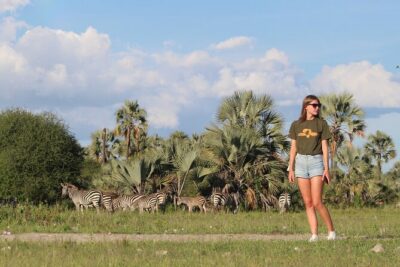
5-Day Highlights mid-Range Crater, Serengeti, Tarangire
Read our review →
Private 6-Day Tarangire Manyara Crater and Serengeti with Mid-Range Lodges
Read our review →
5 Days Camping Tarangire, Serengeti & Ngorongoro crater & Visiting Maasai
Read our review →Browse the lists this tour appears in