
Reviewed · SERENGETI SAFARIS
7 Days Safari. Serengeti, Tarangire, Lake Manyara & Ngorongoro Crater.
Wild mornings start early in Tanzania. This 7 day safari loop packs in Tarangire elephants and giraffes, big Serengeti game drives, and the famous Ngorongoro descent for a shot at rare wildlife. I particularly like the hands-on guiding, with operators and rangers such as Michael and Hillary praised for spotting and explaining what you are seeing. I also like the pacing, you get multiple Serengeti days instead of one rushed drive. The one drawback to plan for is the cold, windy feel at Ngorongoro’s high altitude, especially on the crater day.
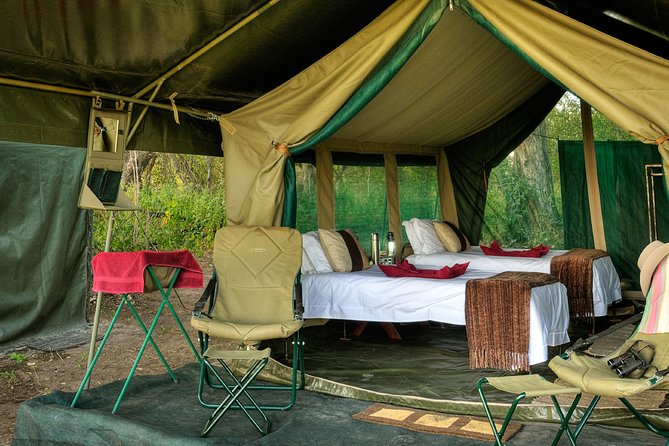
The rest of the trip is built around real drives, not just checklists. You will move from park to park with hotel pickup and an on-board vehicle setup that includes WiFi, plus a clear meal plan most days. There is also a “you are there” feel, since you sleep in camps and lodges near the action, with the crater itself only visited during the day.
If you are aiming for classic Tanzania safari scenery and want a smooth, well-run experience out of Moshi, this is a strong choice. Just know you will be outdoors a lot, and early mornings are part of the deal. When the guides you get are as patient and detail-focused as people describe, those long drive days feel worth it.
In This Review
- Key highlights at a glance
- Why this 7-day Tanzania loop works so well
- Day 1 Tarangire National Park, elephants and baobabs along the river
- Days 2 and 3 Serengeti game drives, with more than one shot at the action
- Day 4 Central Serengeti mornings, when predators are on the move
- Day 5 Ngorongoro Conservation Area, setting up the crater without going in
- Day 6 Ngorongoro crater floor at sunrise, 600m down and what to pack
- Day 7 Lake Manyara, tree-climbing lions and birdlife back toward Moshi
- Getting the most out of the long drives, early starts, and vehicle comfort
- Price and value: $1,850 per person, what you are really buying
- Wildlife expectations: Big Five odds and the variety across parks
- Who should book this safari, and who should think twice
- Should you book this 7-day safari from Moshi?
- FAQ
- What is the duration of this safari?
- Which areas and parks does the tour include?
- Where does the tour start?
- Are meals included?
- Are park admission tickets included?
- What is not included in the price?
- Is this a private tour?
- Is WiFi available during the trip?
- What should I expect regarding weather?
- Can I get a full refund if I cancel?
Key highlights at a glance
- Tarangire River wildlife: elephants and giraffes drawn to the waterline area
- Serengeti time to hunt for predators: full-day options with multiple drives
- Ngorongoro crater day: a 600m descent to the floor and the chance at rare sightings
- Central Serengeti mornings: a focus on early action when predators are moving
- Lake Manyara variety: tree-climbing lions and strong birdlife near the soda-alkaline lake
Why this 7-day Tanzania loop works so well
This safari makes a practical argument: you cannot see everything in one park, so you spread your odds across habitats. Tarangire gives you the classic river corridor feel with lots of elephants, while Serengeti is where you slow down and let predator and prey dramas unfold over repeated drives. Then Ngorongoro adds a totally different world, a high-walled crater bowl that concentrates animals.
Another thing I like is that the trip does not pretend the crater day is just another stop. The schedule builds the day around an early descent and a full crater-floor game drive, while overnight stays are outside the crater rim. That matters, because it keeps the crater experience focused on daytime wildlife while you still sleep somewhere comfortable for the night.
Finally, you are not stuck guessing about logistics. Hotel pickup is part of the plan, and meals are included across the week, so you can spend your energy watching wildlife instead of tracking down food stops. Add in a private setup where it is only your group, and the trip feels like it is built for your pace.
More Safaris in Moshi
- Safari Serengeti And Ngorongoro
★ 5.0 · 288 reviews - Big Five Safari In Tanzania
★ 5.0 · 99 reviews - Unforgettable Tanzania Safari And Zanzibar Beach
★ 5.0 · 97 reviews
Day 1 Tarangire National Park, elephants and baobabs along the river
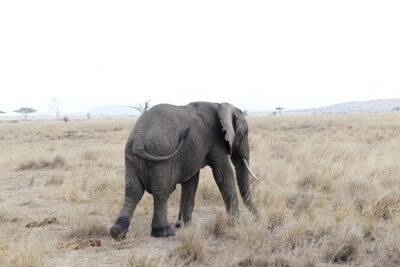
Tarangire kicks things off with a great safari “welcome.” The park is known for elephants and giraffes, and a big reason is simple: many animals gather around the Tarangire River that winds through the park. You also get a scenic change of texture from the more famous grassland systems, with plenty of baobab trees shaping the views.
Timing here is part of the magic. You start in the morning, around 6:00 am from your hotel, then drive about 3 to 4 hours into the park. Once you arrive, you get roughly 3 hours for your first game drive, with lunch and dinner included.
The lunch format is also useful. You pause for a box lunch inside the park, so you stay in wildlife country instead of bouncing out to hunt for a meal. That is a small detail, but it helps you keep your momentum, and it usually means fewer “dead” gaps where nothing is happening.
What to consider: the first day is not just a warm-up stroll. You are combining a long drive, an early start, and a real game drive. If you tend to feel travel-cranky, bring a neck pillow or something similar so you do not start day one already tired.
Days 2 and 3 Serengeti game drives, with more than one shot at the action
Serengeti is where the safari reputation becomes real. You drive about 3 to 4 hours into the Serengeti area, passing through the Ngorongoro Conservation Area highlands on the way in. Then you get game driving until evening, with breakfast, lunch, and dinner handled, plus an overnight in the Serengeti area at a campsite or lodge or tented camp.
The biggest advantage of this trip is that Serengeti is not a single-day checkbox. You get a full day of Serengeti time on day 3, with a full-day game drive and a lunch box on the move. Since the park is huge, that extra day helps you move farther from camp and gives your guide more flexibility to search for wildlife where the day is acting up.
This is also one of those “watching payoff” situations. Predators do not follow your itinerary, they follow their timing. By spreading the Serengeti experience over multiple days, you reduce the chance that one quiet morning ruins your whole trip.
One more practical point: expect to be in the vehicle for long stretches. The day 2 and 3 driving blocks are built into the schedule, so pack for comfort, not just for sun.
Day 4 Central Serengeti mornings, when predators are on the move
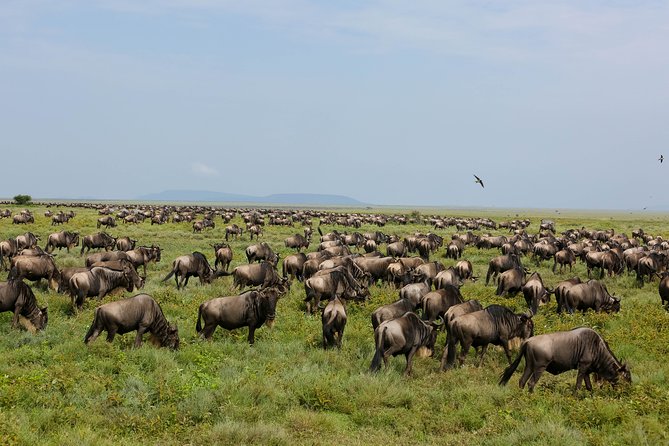
Day 4 leans into the idea that early drives can change your odds. You start with a morning game drive built around the hunt rhythm, with the chance to glimpse lions and other predators during their active period.
You also get a long day again, around 10 hours in the Serengeti, so you are not limited to a quick loop around the nearest roads. This full-day approach is one reason the tour works well for people who want to feel like they truly did Serengeti, not just saw it from the windshield.
A small but important detail is the way meals are arranged. You have breakfast, lunch, and dinner, and the day can include brunch and dinner based on the timing of drives. That flexibility helps you avoid getting stuck hungry during long field stretches.
What to consider: because you are driving during prime wildlife hours, you will feel the schedule. If you hate waking up early, this part will require some mental prep, but it is also where safari sightings tend to come from.
More Lake Manyara safaris:
- 3-Day Ngorongoro Crater Manyara and Tarangire Safari from Arusha
★ 5.0 · 49 reviews - Safari in Tanzania 5 days: Manyara, Ngorongoro, Serengeti
★ 5.0 · 29 reviews - 5-Day Lake Manyara, Serengeti, Ngorongoro Crater and Tarangire
★ 5.0 · 28 reviews - 6 Days: Classic Camping( Tarangire, Manyara, Serengeti And Ngorongoro).
★ 5.0 · 26 reviews
Day 5 Ngorongoro Conservation Area, setting up the crater without going in
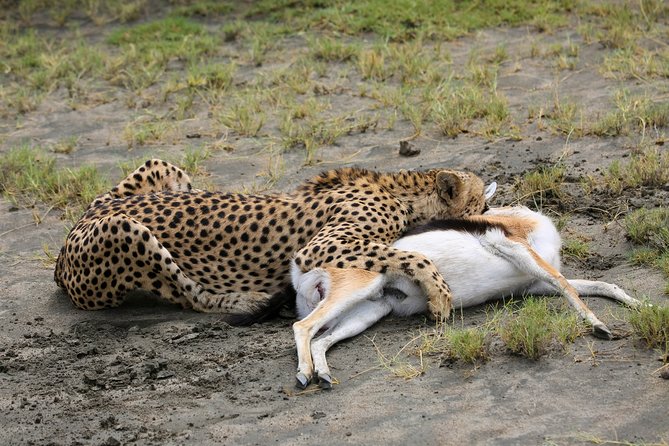
On day 5 you shift from Serengeti into the Ngorongoro Conservation Area. The crater itself is not the morning focus yet. Instead, you continue game driving with about 4 hours in the conservation area, then you move toward the rim region.
This staged approach matters. The crater is a closed visual system with a distinct ecosystem, but you still want context. Seeing wildlife in the broader conservation area first helps you appreciate what changes once you descend.
There is also a “big picture” reason this day is valuable. Ngorongoro is described as one of the seven natural wonders of Africa, and that reputation comes from the sheer scale of the caldera. By the time you reach day 6, you are not just ticking a box, you are ready for what the crater bowl does to animal behavior.
What to plan for: this region sits at altitude. The info notes a cold location with altitude around 7,500 ft (2286m), and that mornings can feel windy. Even if you think you are packed for a warm safari, add a warm layer.
Day 6 Ngorongoro crater floor at sunrise, 600m down and what to pack
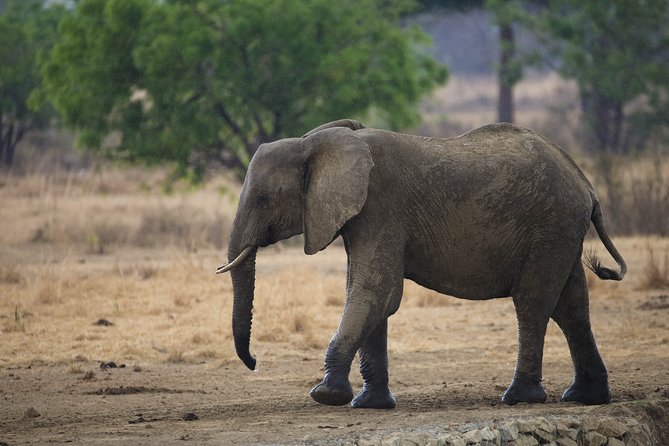
This is the centerpiece day. You rise early, then descend about 600m down the crater walls to the floor, where animals concentrate in a unique natural enclosure. Ngorongoro is also listed as a UNESCO World Heritage Site, and the crater-floor wildlife is the whole point of the experience.
On day 6, you get roughly 6 hours for the crater game drive, with breakfast and lunch and dinner included. The description also notes that you might be lucky enough to witness an endangered rhino. That is not a guarantee, but it explains why so many safari hunters treat this day as their high-stakes moment.
Sleeping is part of the design. Overnight is not permitted inside the crater, so you stay outside, at a listed spot: Heaven nature Campsite. Expect that the “rim area” can be colder than you want if you are arriving from warmer lowlands. The tour info is very clear about what helps: a knit cap and light gloves can feel welcome.
My practical advice: dress in layers you can handle in a vehicle. Your body will shift from warm sun to cooler shade while you watch from a vehicle. If you have to take your jacket off and put it back on five times, you will start skipping comfort, and comfort affects attention.
Day 7 Lake Manyara, tree-climbing lions and birdlife back toward Moshi
The final park brings a different flavor: Lake Manyara National Park in the Great Rift Valley. You get about 4 to 5 hours in the park, then a drive back to Moshi or the airport area, about 4 hours.
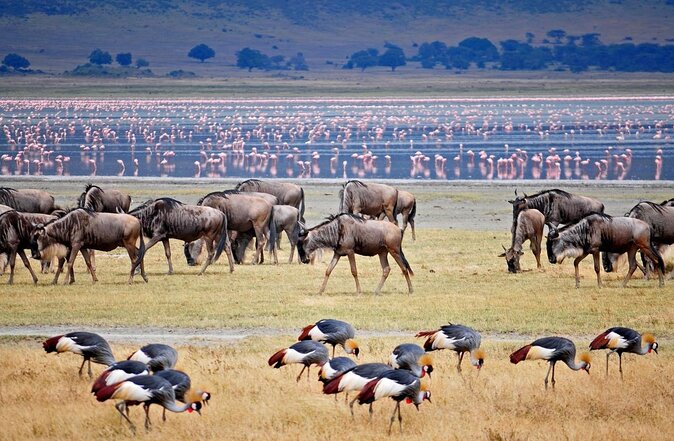
Lake Manyara is famous for tree-climbing lions, which is a wildlife detail you will not forget if you spot one. The park is also noted for its soda-ash lake and strong birdlife. The information calls out flamingos and says the shores attract more than 400 species of birds.
This day is a nice finish because it slows you down a bit. You are not just chasing big mammals. Even if you miss the iconic lions, you still have a good chance at wildlife variety, especially birds around the lake.
What to consider: this is still a safari day. After days of long drives and long game drives, you will probably appreciate steady, comfortable pacing. Keep your camera charged and your water handy, because birds can keep you scanning for a while.
Getting the most out of the long drives, early starts, and vehicle comfort
This tour is clearly built around motion. Park driving blocks include 3 to 4 hours on multiple days, plus longer on the way back from Lake Manyara. That is not automatically bad. In fact, on safari it often means you are using daylight hours efficiently instead of waiting around in one place.
The included transport is an air-conditioned vehicle, and the plan lists on-board WiFi. You should treat WiFi as a bonus, not something to depend on, but the point is the vehicle is set up for comfort, which matters when you are repeating early morning departures.
Because you are in the parks for extended blocks, think about what you actually need in the vehicle:
- a warm layer for early mornings and higher-altitude days
- sun protection for the long Serengeti and Tarangire hours
- something for dry skin or chapped lips, since you will be in wind and sun at different times
Also, remember this is a private tour/activity. That means you are not sharing vehicles with strangers who want a different pace. It usually makes it easier to ask questions and stay focused on your specific sightings.
Price and value: $1,850 per person, what you are really buying
At $1,850 per person, this safari is not a budget impulse trip. You are paying for distance, park access, and a full week of guiding and logistics. The value shows up in what is covered: park fees and other fees are included, transport is included with pickup, and meals are included across the trip.
Meal coverage is a big deal on safari weeks. Food stops can eat time and energy. Here, breakfast is included multiple days, lunch is included through the schedule, and dinners are included, which makes the day run smoother.
Also, note that park admission is treated as included in the tour’s fee structure. That means you are not constantly doing extra payments at gates. For first-time safari visitors, that removes a lot of stress.
What is not included is also clearly defined: entry visa and flights. So budget for that separately, and plan your arrival and departure timing around the safari start in Moshi or Kilimanjaro Airport.
If you want to maximize value, you should focus on the experience itself: multiple Serengeti days, a crater descent day with a full crater-floor drive, and a final Lake Manyara wildlife mix. This price buys you time in the right places, not just movement between them.
Wildlife expectations: Big Five odds and the variety across parks
No safari can promise the exact animals on exact days, but you can plan around habitats. Tarangire is your elephant and giraffe day, where animals concentrate around water. Serengeti is your main stage for predator action, with early morning hunts and repeated drives across several days.
Ngorongoro is the wild card in the best way. The crater floor often concentrates animals, and the tour description specifically mentions the possibility of an endangered rhino. Even if that rhino moment does not happen for you, you still get a unique “crater world” setting that feels different from the open parks.
Lake Manyara adds a twist. If you luck into tree-climbing lions, that is a memorable story. If not, birds and lake-edge wildlife give you something to watch beyond the big mammals.
Based on the guiding praise you can find in the guide names associated with this operator, the real advantage is interpretation. Guides like Michael, Steve, Shirima, and Hillary are described as able to identify animals and provide explanations, plus being patient with different group needs. That matters because spotting is only half the job. Understanding what you are looking at turns sightings into real learning.
Who should book this safari, and who should think twice
This tour fits best if you want a classic Tanzanian safari arc in one week and you are okay with early starts. If you are traveling as a couple, a family, or a mixed-age group, the guiding style described in the names connected to this operator suggests patience and clear communication.
It may not be your best match if you hate cold mornings. Ngorongoro’s rim and crater setup can be windy and cold at altitude, and the tour info even recommends a knit cap and light gloves.
It also may not be ideal if you want a purely relaxed vacation with minimal driving. This week is built on long park-to-park transitions, which is normal for Tanzania, but it helps to know what you are signing up for.
Should you book this 7-day safari from Moshi?
Yes, I would book it if you want real safari time in Serengeti plus a full Ngorongoro crater day, with park fees and meals handled. The itinerary makes sense for wildlife variety, and the repeated Serengeti days are exactly what you want when you are chasing predator action.
Before you say yes, do one quick reality check: pack for altitude mornings and for being in the vehicle for long blocks. If you are prepared for cold, wind, and early starts, this tour gives you a strong shot at the iconic Tanzania moments without feeling rushed.
If you want, tell me your travel month and your group size and ages, and I can suggest what to pack and how to pick the best flights around the Moshi or Kilimanjaro Airport start.
FAQ
What is the duration of this safari?
It is listed as 7 days, approximately.
Which areas and parks does the tour include?
You visit Tarangire National Park, Serengeti National Park, Ngorongoro Conservation Area, Ngorongoro Crater, and Lake Manyara National Park.
Where does the tour start?
The start point is Kilimanjaro Airport (with a listed start time of 8:00 am). The trip also includes hotel pickup.
Are meals included?
Yes. Breakfast is included 6 times, and lunch is included 7 times. Dinner is included 6 times, with specific day meals described throughout the week.
Are park admission tickets included?
The tour notes admission as included or free in the fee structure, and the included fees list includes admission.
What is not included in the price?
Entry visa and flights are not included.
Is this a private tour?
Yes. It is listed as private, with only your group participating.
Is WiFi available during the trip?
Yes. The included transport lists on-board WiFi.
What should I expect regarding weather?
The experience requires good weather. If it is canceled due to poor weather, you are offered a different date or a full refund.
Can I get a full refund if I cancel?
You can cancel up to 24 hours in advance of the experience for a full refund. If you cancel less than 24 hours before the start time, the amount paid is not refunded.
More Serengeti Safaris
- Tanzania Safari – The Great Migration in the North of the Serengeti and Lake Natron
★ 5.0 · 25 reviews - 4 Day Mid-range Serengeti Safari
★ 5.0 · 22 reviews - 4 Days, 3 Nights Group budget Safari, Lake Manyara, Serengeti, Ngorongoro
★ 5.0 · 18 reviews - 4 Days Tanzania Private Safari | Serengeti , Ngorongoro & Tarangire Safari
★ 5.0 · 16 reviews
More Tarangire Safaris in Moshi
- 5 Days Camping Tarangire, Serengeti & Ngorongoro crater & Visiting Maasai
★ 5.0 · 58 reviews - 4 Days Group Joining Camping Safari to Tarangire Serengeti Ngorongoro Crater
★ 5.0 · 50 reviews - 4 Day Private Tour Throughout Tarangire, Serengeti and Ngorongoro
★ 5.0 · 42 reviews - 5 Days Private Tarangire, Serengeti, Ngorongoro, Manyara Safaris
★ 5.0 · 17 reviews
Just posted around Moshi
- machame route★ 5.0 · 16 reviews
- Kilimanjaro Climbing Umbwe Route★ 5.0 · 3 reviews
- Wildlife Extravaganza: Manyara, Tarangire & Ngorongoro in 3 Days★ 5.0 · 3 reviews
- Mt Kilimanjaro 6 days Marangu route hike★ 5.0 · 3 reviews
- 3 Days Private E-Bike Tour in West Kilimanjaro★ 5.0 · 3 reviews
- West Kilimanjaro cycling Adventures★ 4.5 · 8 reviews
- Kilimanjaro Climb • Marangu Route ~ 9 Day★ 5.0 · 4 reviews
- Private Cycle to Kilimanjaro Bike Park Safari★ 5.0 · 6 reviews
Serengeti Safaris, compared.
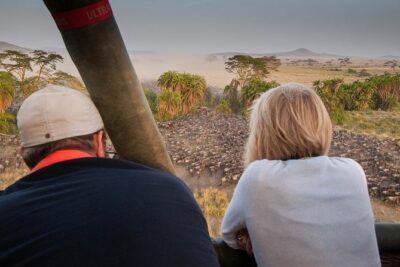
Serengeti Balloon Safari and authentic bush breakfast
Read our review →
Balloon Safari & Bush Breakfast in Serengeti – Miracle Experience
Read our review →
3 Days Serengeti & Ngorongoro Group Camping Safari
Read our review →
5-Day Highlights mid-Range Crater, Serengeti, Tarangire
Read our review →
Private 6-Day Tarangire Manyara Crater and Serengeti with Mid-Range Lodges
Read our review →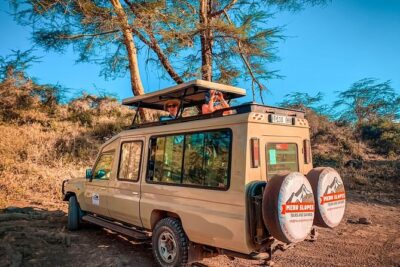
5 Days Camping Tarangire, Serengeti & Ngorongoro crater & Visiting Maasai
Read our review →Browse the lists this tour appears in