
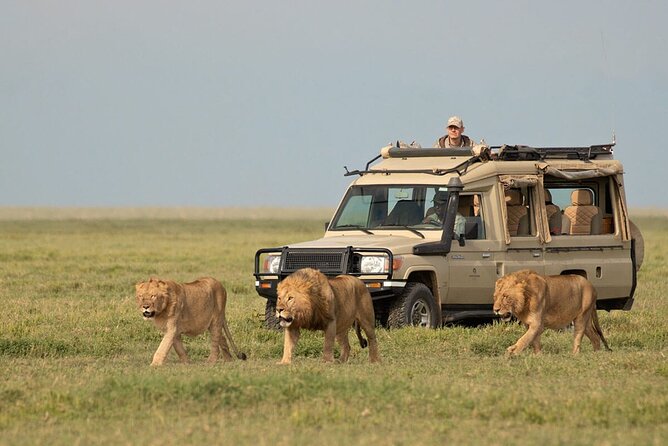
Reviewed · SERENGETI SAFARIS
3 Days Safari Ngorongoro Crater and Serengeti National Park
Three days, two icons of Tanzania. This Serengeti and Ngorongoro Crater combo is the kind of trip that makes the Big Five feel like a real goal, not a brochure promise. You get game drives across prime areas of the Serengeti, then shift to the Ngorongoro Conservation Area for a crater experience that can dramatically change how you see East African wildlife.
I especially liked how the schedule gives you real time in the savanna, including spots tied to predator spotting and classic scenery like kopjes. I also appreciate the practical camping setup, because it keeps you close to the action without wasting your daylight on extra hotel moves. One consideration: this is a join group safari with a small group size, and the wildlife odds can still be uneven, especially for animals like cheetahs or giraffes, which are rarely seen in the crater.
In This Review
- Quick takeaways before you book
- Serengeti National Park game drives, starting with the plains
- Hippo habitat visit, a calmer stop with big payoff
- Day two Serengeti focus, kopjes, rhinos, and predator spotting points
- Ngorongoro Conservation Area, crater views with Big Five odds
- What to expect when the crater goes quiet
- Camping nights and meals that keep you fueled
- Guides, communication, and why this trip feels low-stress
- Price and value: what $810 really covers in 3 days
- Wildlife expectations for Serengeti, and why timing affects sightings
- Who this safari fits best
- Should you book this 3-day Serengeti and Ngorongoro camping safari?
- FAQ
- How long is the safari and where is it based?
- What time does pickup start?
- Will I get a ticket on my phone?
- What meals are included?
- Which parks and main stops are included?
- How many people are in the group?
- What extra costs should I plan for, and can I cancel?
Quick takeaways before you book
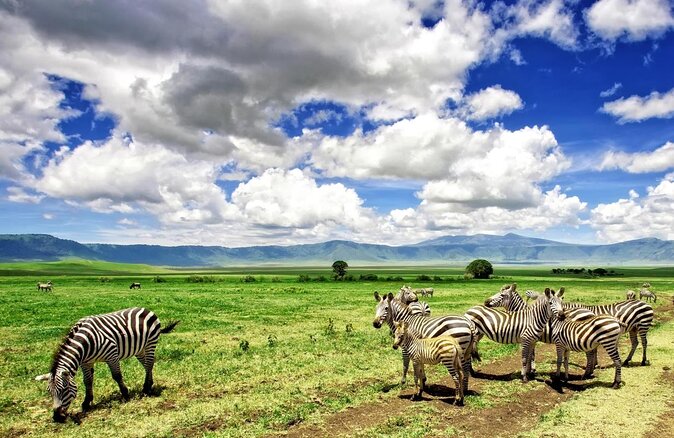
- Small join group (max 6 travelers) keeps the drive and spotting experience feeling personal.
- Two solid game-drive blocks in Serengeti plus a hippo habitat stop help you fill the days without rushing.
- Ngorongoro Conservation Area in one day gives you a serious shot at the Big Five, year-round.
- Camping nights with included meals means you can focus on animals instead of food planning.
- Guides and organizers who reply fast via WhatsApp and phone can save you stress, especially with questions before pickup.
Serengeti National Park game drives, starting with the plains

Your first real day is built around getting into the southern part of the Serengeti and using the long drive time to set the tone. After breakfast, pickup happens from your accommodation, then you roll for hours toward the park, entering through the Ngorongoro gate. Once you’re in, you’re not limited to one small loop. You spend time covering the Southern, Central, and Seronera Valley regions, which matters because wildlife uses different zones throughout the day.
I like the way this itinerary treats the Serengeti as a system, not a single view. The Maasai name for the area is tied to endless plains, and you’ll feel that scale as you scan grassland for grazers, then watch for the predators that follow them. If you’re hoping for variety, this is a good setup, with species listed such as wildebeest, zebra, Coke’s hartebeest, waterbuck, Grant’s and Thomson gazelles, impala, and more.
It also helps that the drive time is substantial enough that you actually have a few chances to get on the right track. A short drive can leave you stuck in traffic or empty grass. Here, you have time to reposition when the big action moves.
More National Park Trips in Arusha
- 7 Days Tanganyika Wilderness Safari
★ 5.0 · 159 reviews - Arusha National Park Private Safari
★ 5.0 · 59 reviews - 4 Day Ngorongoro Crater Tarangire and Serengeti National Park
★ 5.0 · 44 reviews
Hippo habitat visit, a calmer stop with big payoff
On the first day, the plan includes a visit to a hippo habitat. This is a smart break from pure game drive time, because it shifts your attention from quick spotting to watching behavior and learning what makes a habitat work for thick-skinned grazers and grazers-with-attitude.
Hippos are one of those animals you can miss if you only chase movement in the open savanna. A dedicated stop improves your odds of seeing them up close in a way that feels more intentional than just hoping they’re near the road. If you’re traveling with kids, it also tends to be one of the most memorable stops because it’s easy to recognize even from a distance.
Practical tip: plan to pay attention to timing. When you’re in a habitat area, you’ll do better staying alert and ready than bouncing around trying to “optimize” your photos.
Day two Serengeti focus, kopjes, rhinos, and predator spotting points
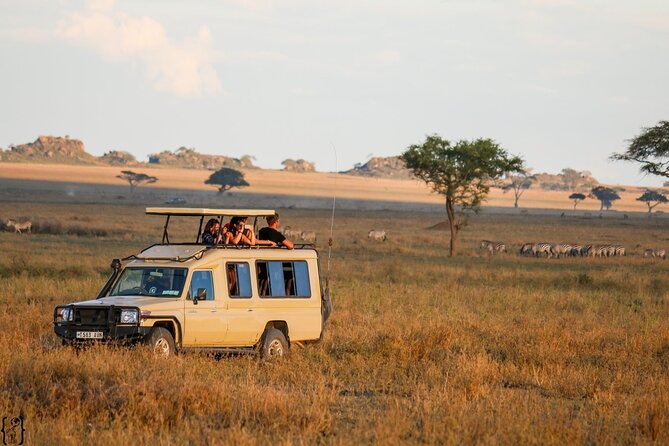
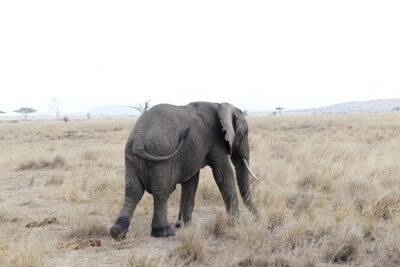
The second Serengeti day brings in more detail about terrain, which is where the safari gets interesting fast. You’ll hear about elephants and matriarchal herds in some regions, plus the way terrain features like Moru Kopjes rise out of the savanna. Those kopjes matter because they create natural lookouts. Predators can scan from higher ground, while prey uses the surrounding open space to feed and move.
You also get plant and scenery clues that help you read the park. Candelabra trees show up here, and there can be short-lived flowers you might only notice if you’re paying attention. And yes, you’re also aiming for rarer sightings, including black rhinos, which are listed as part of the area’s possibilities even if they are not guaranteed.
Another standout detail is the mention of “gong rock” and central-region scenery, plus Maasai cave paintings tied to elephants, shields, and abstract patterns. Even if you don’t linger long, these references give you a way to connect what you’re seeing now to the people who have known these places for a very long time.
Ngorongoro Conservation Area, crater views with Big Five odds
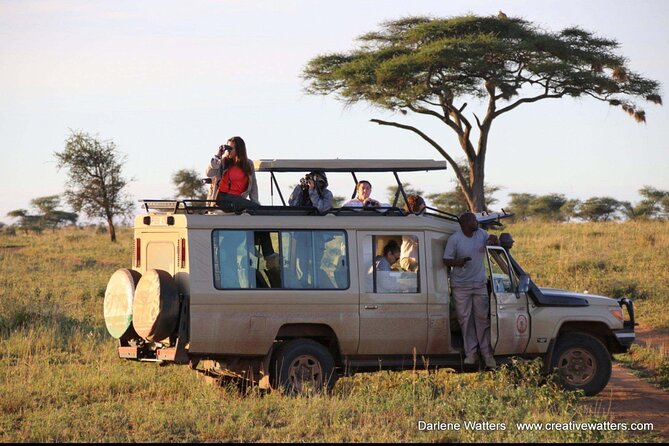
On the third day, you shift from Serengeti to the Ngorongoro Conservation Area for the crater experience. Ngorongoro is the one Tanzanian park where you can get a year-round chance to see the Big Five, and the idea here is that the crater’s natural bowl concentrates wildlife. In plain terms, you have a better shot at seeing multiple iconic species in a tighter window than you might on endless open plains.
The crater area is also tied to Maasai culture through Bomas, which are circular homesteads. That matters because it adds context beyond safari photos. You see how people live in the same broader landscape where wildlife moves, and it helps explain why Maasai communities are closely linked to this part of Tanzania.
The early human evolution angle is another reason Ngorongoro is compelling. The park is associated with the early work of Mary and Louis Leakey, and that connection gives you a different kind of wonder. It’s not just about animals. You’re standing in a place that has scientific importance too.
Wildlife listed for the crater day includes wildebeest, gazelle, golden jackals, bat-eared foxes, hippopotamus, East African wild dogs, African leopards, buffalo, and eland, among others. That’s a broad menu, and it’s why people plan a whole day around Ngorongoro.
More Safaris in Arusha
- Balloon Safari & Bush Breakfast in Serengeti – Miracle Experience
★ 5.0 · 1,646 reviews - 4 Days Group Camping Safari
★ 5.0 · 1,101 reviews - 5 Days Group Camping Safari
★ 5.0 · 730 reviews - 3 Days Serengeti & Ngorongoro Group Camping Safari
★ 5.0 · 574 reviews
What to expect when the crater goes quiet
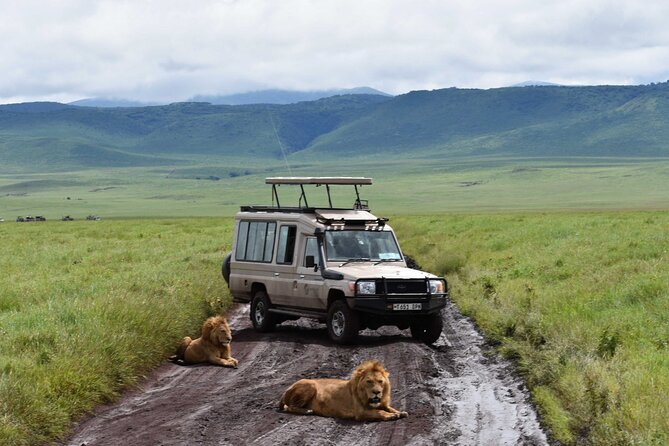
Here’s the honest part: even with great crater odds, not every species is common in Ngorongoro. Giraffes, oribi, topi, spotted hyenas, cheetahs, impalas, and some other animals are listed as rarely seen in the park. If you dream of a specific animal, you need to be realistic and let your priorities be flexible.
I’d also set your expectations about timing and viewing style. A crater day usually feels dense and intense because you’re scanning for movement from a fixed viewpoint area. That can be thrilling, but it’s different from a long Serengeti drive where you can cover more ground.
If you’re the type who gets frustrated by “maybe” sightings, you may want to reframe your goal. Aim for crater scenery, big moments like buffalo or leopard chances, and the overall concentration of life.
Camping nights and meals that keep you fueled
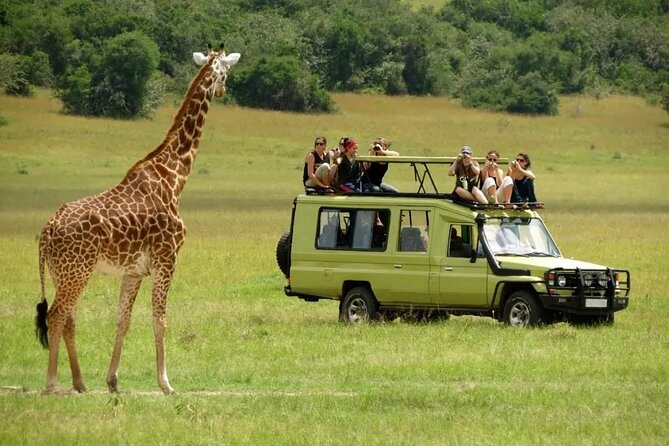
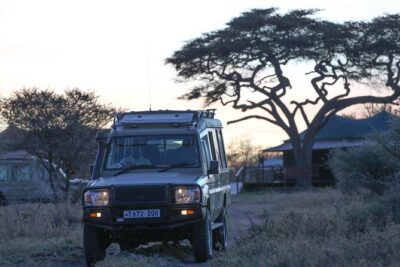
This safari is built as a camping expedition, with the overnight in the park setting you up for early starts and less back-and-forth. The included meals are clear: two breakfasts, three lunches, and two dinners. That’s a lot of food covered for a short trip, and it also means your day planning is simpler. You’re not hunting for meals during long drives or trying to piece together snacks at the last minute.
From the experiences shared, the food tends to be a highlight. One recurring theme is that the cook delivers solid meals and that the overall camp routine feels organized. That matters because on a safari, a tired group can turn even a great day into a grumpy day. When meals are taken care of, people stay focused on spotting.
What I recommend for tent camping: bring a small comfort kit. Keep your essentials easy to reach at night, and use layers you can manage during long day drives. Even when the camp setup is smooth, you’ll still be sleeping outdoors, so pack like you’re camping, not like you’re checking into a city hotel.
Guides, communication, and why this trip feels low-stress
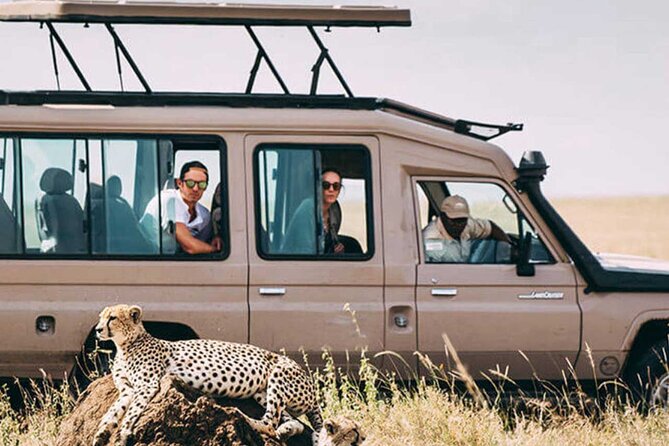
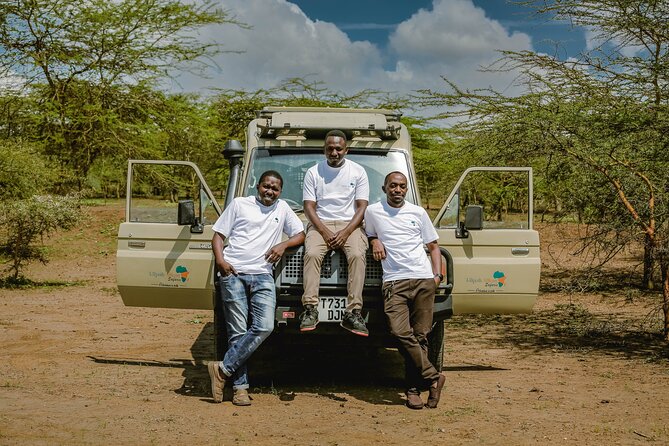
A safari lives or dies by the people behind the steering wheel and the planning chat. This operator’s style shows up in consistent praise for communication and responsiveness. You can expect quick replies via WhatsApp and phone when questions come up before pickup.
Guide names that stood out include Felix, Heaven Light, Lucky, Bulldozer, Christian, Mike, and Simon. Across those different names, the common threads are friendliness, attentiveness, and strong driving skills that help keep the group safe and on the move. When you have a guide who can read animals’ behavior and explain what you’re seeing, your game drive stops being just a moving photo session.
If you want the trip to feel smooth, ask your key questions early and then confirm practical details like pickup point and what you’re carrying. Fast communication is a real advantage on a multi-day safari because small misunderstandings can waste precious daylight.
Price and value: what $810 really covers in 3 days
At $810 per person, this is not the cheapest way to do Northern Tanzania, but it also isn’t inflated for what’s included. The biggest value drivers here are the meals, the park time, and the fact that the experience includes pickup and admission tickets marked free in the itinerary details.
You’re looking at three days with multiple long game drive blocks, plus a dedicated hippo habitat stop and a crater day. You also have two nights of camping tied into the meal plan, which means your lodging logistics are handled.
What’s not included is also clear: visas and tips for the driver and safari cook. Since tips are a normal part of safari etiquette, you should budget for them ahead of time so you’re not scrambling at the end. If you’re the kind of traveler who prefers paying a single clean price, this is pretty close, with only a few extras outside the package.
Wildlife expectations for Serengeti, and why timing affects sightings
The Serengeti is a place where animals can be everywhere, or nowhere, depending on grass height and water availability. One experience highlighted that in October, Serengeti can be more dry, with lots of dry grass that can make spotting harder. That’s a useful note for you if you’re traveling in similar dry-season months.
In practice, dry grass doesn’t erase wildlife. It changes how you spot it. You might need to trust the guide’s positioning and stay patient through the scanning. If you’re expecting a constant parade of close-up sightings, set a more flexible goal: you want great sightings when they happen, and you want your guide to find the right zones to maximize your chances.
Also remember that Ngorongoro and Serengeti complement each other. Serengeti gives you broad savanna action, while Ngorongoro compresses wildlife into a crater setting. That combo helps you avoid the “one park only” feeling where you can miss your personal wish list.
Who this safari fits best
This tour is ideal if you want a classic Northern Tanzania route without losing time to extra transfers. It works well for first-time Tanzania visitors because the structure is simple: Serengeti days for game drives and a hippo habitat stop, then Ngorongoro for the crater day.
It also suits small-group travelers who like a more controlled experience. With a maximum of 6 travelers, you’re more likely to get a comfortable rhythm in the vehicle and fewer group-management issues.
And if you care about staying outdoors, tent camping is part of the deal. Reviews connected to this trip style mention sleeping in tents during both nights, so you should be comfortable with that format.
Should you book this 3-day Serengeti and Ngorongoro camping safari?
I’d book it if you want the highlights of Northern Tanzania in a short window and you’re excited by the idea of seeing wildlife in two very different settings: open plains and a crater bowl. The small group size, the included meals, and the strong emphasis on organized communication are practical wins that make a big difference over three days.
I’d think twice if your must-see list includes animals that are specifically described as rarely seen in the Ngorongoro crater, like cheetahs or giraffes. If you can accept that wildlife sightings are luck plus timing, you’ll likely enjoy the best of what this route can offer.
If you want a safari that feels well run, with time for real game driving and a crater day that can deliver huge moments, this is a solid choice.
FAQ
How long is the safari and where is it based?
The safari runs for about 3 days and operates from Arusha, Tanzania.
What time does pickup start?
The experience start time is listed as 3:00 pm. On the first day, breakfast is at 7:00 am and pickup is scheduled for 8:00 am for the drive into Serengeti.
Will I get a ticket on my phone?
Yes. The tour includes a mobile ticket, and you should receive confirmation at the time of booking.
What meals are included?
The package includes 2 breakfasts, 3 lunches, and 2 dinners.
Which parks and main stops are included?
You’ll visit Serengeti National Park for game drives and a hippo habitat stop, then you’ll visit the Ngorongoro Conservation Area for the crater experience.
How many people are in the group?
The maximum group size is 6 travelers.
What extra costs should I plan for, and can I cancel?
Visas and tips for the driver and safari cook are not included. Free cancellation is available up to 24 hours in advance for a full refund.
More Ngorongoro Crater Trips
- 4 Days Join Group tour Tarangire Serengeti and Ngorongoro crater
★ 5.0 · 219 reviews - 4-Day Safari from Arusha: Tarangire, Serengeti and Ngorongoro
★ 5.0 · 173 reviews - 2 Days Tarangire and Ngorongoro Group Camping Safari
★ 5.0 · 146 reviews - 4 Days Tarangire Serengeti Ngorongoro Crater
★ 5.0 · 117 reviews
More Serengeti Safaris
- 5-Day Highlights mid-Range Crater, Serengeti, Tarangire
★ 5.0 · 296 reviews - 3-Day Classic Serengeti Safari
★ 5.0 · 263 reviews - Private 6-Day Tarangire Manyara Crater and Serengeti with Mid-Range Lodges
★ 5.0 · 238 reviews - 5 Days Camping Tarangire, Serengeti & Ngorongoro crater & Visiting Maasai
★ 5.0 · 229 reviews
Just posted around Arusha
- 8 Days Serengeti Migration safari★ 5.0 · 11 reviews
- tarangire & ngorongoro 2 days tour★ 5.0 · 14 reviews
- serengeti, ngorongoro & tarangire 4 days private tour★ 5.0 · 18 reviews
- tarangire, ngorongoro & lake manyara park 3 days private tour★ 5.0 · 11 reviews
- Mt. Kilimanjaro: Shira plateau to Cathedral point 3872m Day hike★ 5.0 · 7 reviews
- serengeti & ngorongoro 3 days private tour★ 5.0 · 15 reviews
- climb the KILIMANJARO via Lemosho route★ 5.0 · 4 reviews
- Kilimanjaro Waterfalls Hike & Moshi Hot Springs Day Trip Tour★ 5.0 · 4 reviews
Serengeti Safaris, compared.
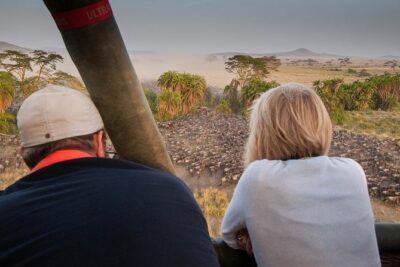
Serengeti Balloon Safari and authentic bush breakfast
Read our review →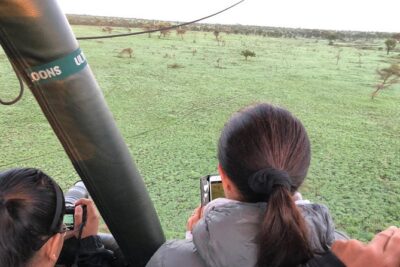
Balloon Safari & Bush Breakfast in Serengeti – Miracle Experience
Read our review →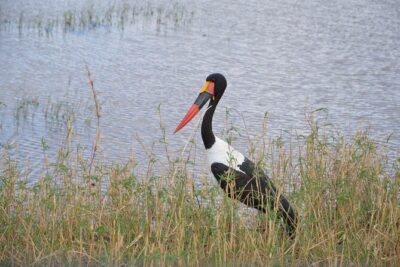
3 Days Serengeti & Ngorongoro Group Camping Safari
Read our review →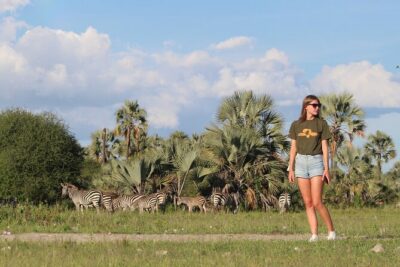
5-Day Highlights mid-Range Crater, Serengeti, Tarangire
Read our review →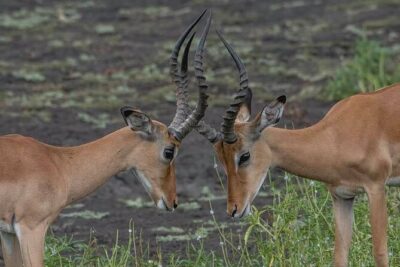
Private 6-Day Tarangire Manyara Crater and Serengeti with Mid-Range Lodges
Read our review →
5 Days Camping Tarangire, Serengeti & Ngorongoro crater & Visiting Maasai
Read our review →Browse the lists this tour appears in