
Reviewed · SERENGETI SAFARIS
Tanzania 4 Days 3 Nights Budget camping safari to Serengeti and Ngorongoro
Camping safari is a smart way to do Tanzania. This 4 days, 3 nights trip is built around Serengeti and Ngorongoro Crater wildlife time, with pickup from Arusha and included meals at campsites. I love the pop-up 4×4 Jeep viewing for animal spotting, and I also love that you get an experienced driver-guide to help you track what matters. The main consideration is comfort, because the Serengeti public camping can be very basic, with limited amenities like no light or hot water in some nights.
If your idea of a great safari is lots of sightings, not a fluffy hotel, this one fits. You’ll start early, move between parks, and spend the key wildlife hours chasing lions, leopards, elephants, zebra, and the chance of rhino in Ngorongoro. Just be ready for long drives and a schedule that follows animals, not the other way around.
In This Review
- Key Points You Should Know Before You Go
- Price and Logistics: What 740 USD Actually Covers
- Starting in Arusha: 8:00 am Pickup and the First Safari Drive
- Serengeti National Park Day 1: Seronera Camp and Migration Country
- Day 2 in Serengeti: How Migration Drives the Route
- Ngorongoro Crater: The Caldera Day That Concentrates Wildlife
- Crater Floor Morning, Soda Lake Birds, and Ngoitoktok Spring Lunch
- Camping Comfort: What It Feels Like and How to Prepare
- Your Guide and Animal Spotting: Why Expertise Matters
- Who This Safari Is Best For
- Should You Book This Tanzania 4 Days 3 Nights Budget Safari?
Key Points You Should Know Before You Go
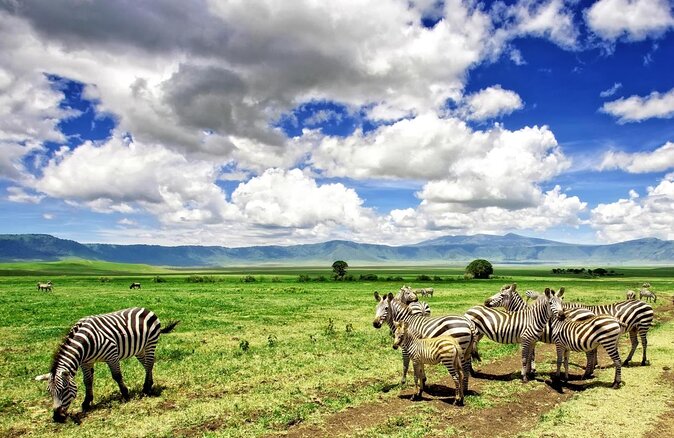
- 4×4 pop-up roof viewing makes it easier to see animals without craning your neck all day.
- Meals and camping are included, so you can budget without lodge prices.
- Migration-focused Serengeti driving means your routes depend on where the herds are that day.
- Ngorongoro Crater is a full-day caldera with lion, hyena, wildebeest, zebra, and the possibility of black rhino.
- Conservation fees are extra (210 USD total), paid in cash the morning of the tour.
- Campsites can be basic, so bring your own comfort helpers like a headlamp.
Price and Logistics: What 740 USD Actually Covers
This safari is priced at $740 per person, and the big reason it feels like a value is that it keeps the “expensive” part of safari travel out of the budget equation. You’re not paying for private lodge rooms. Instead, you sleep at campsites and you’re fed on the ground, while the safari money goes toward getting you into the parks and out on game drives.
Here’s what you should expect cost-wise:
- Included: 3 night camping accommodation, pickup and drop-off in Arusha, an English speaking driver/guide, 4×4 safari Land Rover with a pop-up roof, bottled water, and meals (breakfast, lunch, dinner).
- Not included: 210 USD total conservation fees for Serengeti and Ngorongoro, paid in cash the morning of the tour.
- Optional: tips, an extra paid Olduvai Gorge museum stop, and the option to request a French/Spanish/German guide for 25 USD per day.
So the “gotcha” here is not the sticker price. It’s the reality that park-related fees often sit outside the base package price. Plan for the 210 USD, and you’ll keep the budget plan intact.
Also note the timing: you start at 8:00 am with pickup in Arusha, and the itinerary is structured around full wildlife days, not sightseeing padding. That’s good, because you’re paying for time in and around the parks.
More Safaris in Arusha
- Balloon Safari & Bush Breakfast in Serengeti – Miracle Experience
★ 5.0 · 1,646 reviews - 4 Days Group Camping Safari
★ 5.0 · 1,101 reviews - 5 Days Group Camping Safari
★ 5.0 · 730 reviews
Starting in Arusha: 8:00 am Pickup and the First Safari Drive
Your day begins with Arusha pickup around 8:00 am and a drive toward Serengeti National Park. The schedule has you arriving around 3:00 pm, and you’ll do wildlife time on the way to your camp at Seronera.
That first drive matters more than it sounds. Even if you’re arriving later than ideal, Serengeti is huge, and animals can be active at many hours. Plus, you’re not just “getting there.” You’re already learning how your guide reads signs, tracks activity, and positions the Jeep for sightings.
You’ll have a picnic lunch along the transfer. Bottled water is included, which I appreciate because safari days move fast and you do not want to waste time hunting for water.
Serengeti National Park Day 1: Seronera Camp and Migration Country
Serengeti is the famous endless plains (that name comes from Maasai language), and the scale is part of the experience. The park is listed at 14,763 sq km, so you’re never doing “short hops.” You’re driving, scanning, stopping when there’s something worth your time.
On day 1, you’ll land at Serengeti Seronera Camp Site for dinner and overnight. The itinerary also notes that you can request an upgrade to mid range or luxury accommodation if you want more comfort, while still keeping the core safari format.
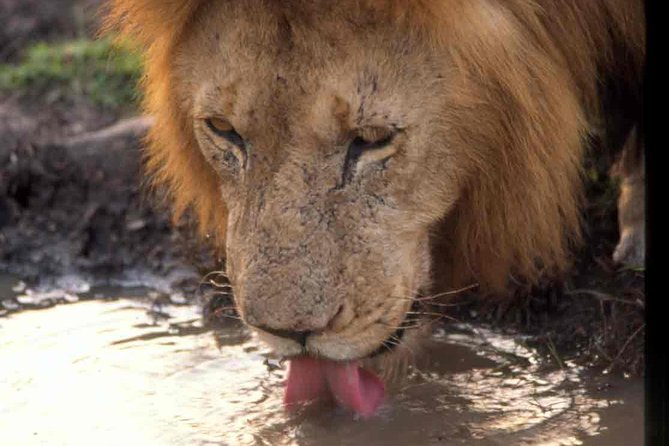
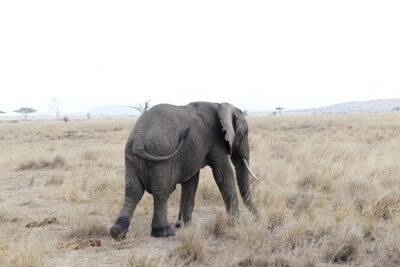
Wildlife expectations on day 1 are broad on purpose. The goal is to get you acclimated to the rhythm: scan, listen, watch behavior, and then let your guide do the heavy lifting. The tour description includes a long list of species that can show up in the area, including lions, leopards, elephants, zebra, wildebeest, cheetah, buffalo, and wild dog, plus lots of birdlife.
One practical note: if you’re hoping for one “perfect” sighting on day 1, you might feel frustrated. Serengeti is all about timing and animal movement. Think of day 1 as your warm-up and orientation, and plan to let day 2 do the heavier lifting.
Day 2 in Serengeti: How Migration Drives the Route
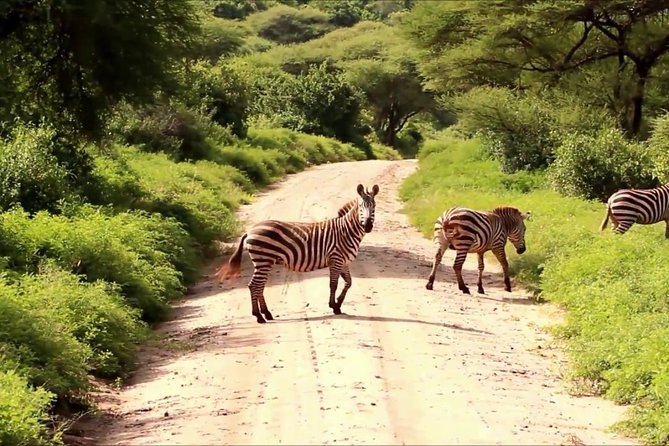
Day 2 is where the safari really leans into what Serengeti is known for. After breakfast, you get morning and afternoon game drives, and your itinerary is not fixed to one loop. Because this is a migration safari, your driving depends on where the herds are at that time.
That’s not a “problem.” It’s the point. Serengeti is enormous and the herds move. A good guide’s value is finding where the animals are, and keeping you in position when the action starts.
You’ll also spend time in areas where predators and prey overlap. The central plains are described as home to carnivores like lion, leopard, hyena, and cheetah, which is a reminder that this is not only about watching grazing. You’re looking for the moments when the food chain activates.
The tour also includes a stop at the Serengeti Hippo Pool. Even in drier periods, there can be water here, fed by the Serenera River, and it’s noted as being most easily accessed via the Ikoma entrance. This is the kind of stop I like because it adds variety. One hour by a concentrated water site can feel very different from open-plain scanning.
Birders will like this day too. The itinerary lists lots of bird species, including eagles, storks, vultures, ibis, herons, and pelicans. Even if birds aren’t your priority, it’s a good sign of how active the ecosystem is beyond the Big Cats.
More camping safaris from Arusha:
- 3 Days Serengeti & Ngorongoro Group Camping Safari
★ 5.0 · 574 reviews - 2 Days Tarangire and Ngorongoro Group Camping Safari
★ 5.0 · 146 reviews - 6 Days Tanzania Budget Camping Safari
★ 5.0 · 145 reviews - 3 Days Tarangire, Ngorongoro & Lake Manyara Group Camping Safari
★ 5.0 · 102 reviews
Ngorongoro Crater: The Caldera Day That Concentrates Wildlife
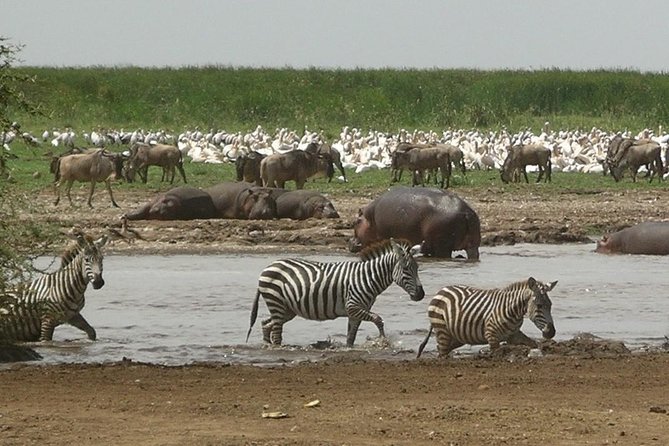
On day 3, you shift from Serengeti to Ngorongoro Crater Rim. The schedule starts early, with a wake-up at 6:00 am and early driving time, then you return for breakfast and check out. From there, you drive with lunch and game viewing en route to the crater rim.
Ngorongoro is described as the largest unbroken caldera in the world, with an area of 260 kilometers and a depth of 610 meters. The key idea is protection. The crater creates a protected habitat where thousands of mammals and birds live in one contained system.
You spend the day on the crater floor. That’s where you get the “wow” feeling. The tour highlights lion, hyena, wildebeest, zebra, and black rhinoceros, plus many small antelopes and more.
Two practical considerations for this day:
- Expect a full schedule and lots of motion. You’re changing parks and doing a full crater wildlife block.
- Weather and light can shift quickly as you descend and ascend. If your phone battery is precious, bring a power bank because long crater days chew power.
There’s also an optional Olduvai Gorge museum visit at an extra fee. If you’re the kind of person who likes context for why these places matter beyond wildlife, this can be a good add-on. If you’d rather maximize wildlife hours inside the crater, skip it and keep your energy focused on the animals.
Crater Floor Morning, Soda Lake Birds, and Ngoitoktok Spring Lunch
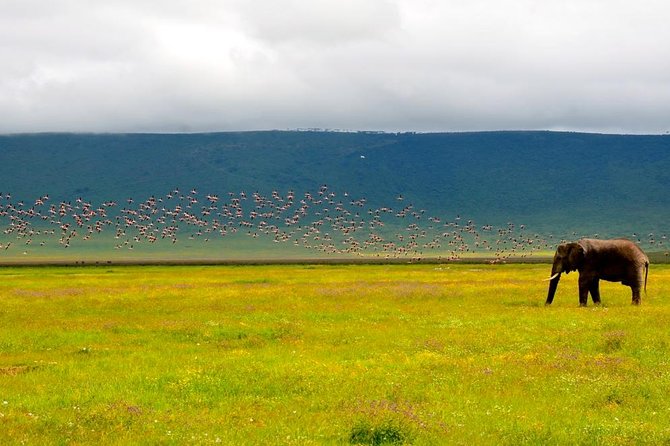
Day 4 is about getting you back into the crater for another strong wildlife block. You wake up, have breakfast, then at 7:30 am you drive to Ngorongoro Crater and descend for game drives.
Again, this is big-five country in the crater ecosystem. The tour description notes that the Big Five including rhino, lion, leopard, buffalo, and elephant can all live in this caldera. It also lists zebra, hippo, wildebeest, hyena, and others.
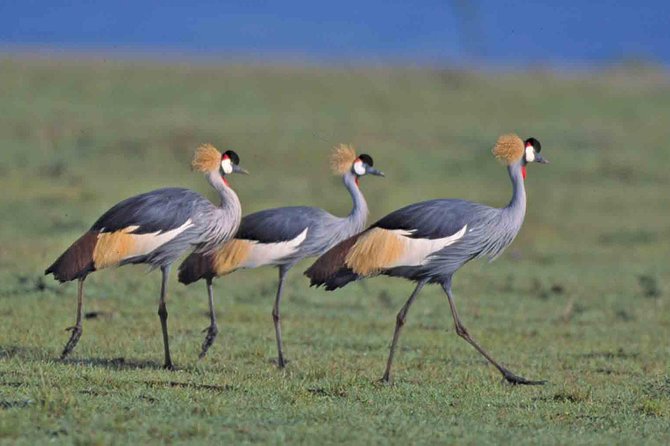
Bird highlights are included too. The itinerary specifically mentions flamingos on the Soda lake, plus geese, storks, vultures, and more. Even if you’re not a dedicated bird person, flamingos are the kind of sight that makes the drive feel like more than just “waiting for the next cat.”
Lunch is a set-piece moment: a break at Ngoitoktok spring picnic sites. If you want one practical reason to take day 4 seriously, it’s this. Having a designated lunch spot helps you avoid the common safari problem of feeling stuck without a real break.
After lunch, you continue game viewing while ascending, and then you’re dropped back in Arusha at a hotel or residence.
Camping Comfort: What It Feels Like and How to Prepare
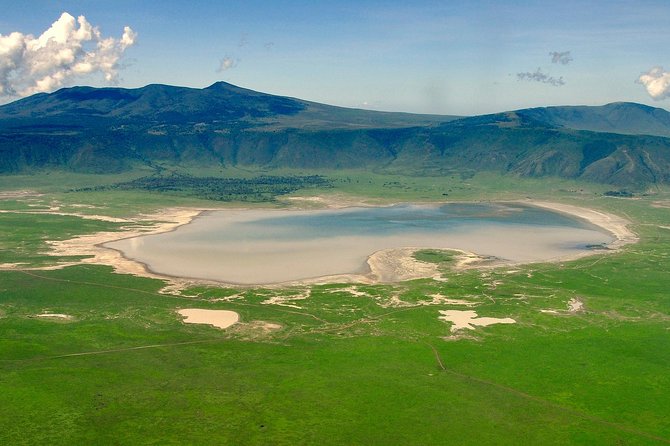
This is a camping safari, and that means you’re trading lodge comforts for access and value. The inclusion of 3 night camping accommodation is what keeps the price down. The downside is that campsites may not match the comforts you’re used to.
One of the most important pieces of real-world advice: plan for basic facilities at campsites. If you hate cold nights, limited water, or having to pack light, this tour can feel tougher than you expected.
Here’s what I recommend you pack with camping reality in mind:
- A headlamp or small flashlight for night use (especially important if there’s limited lighting).
- Light layers for evening. It can feel cool when you’re sleeping outside.
- A reusable water bottle plus any small comfort items you rely on.
- Toiletries that work without a guaranteed warm shower setup.
If you want to soften this tradeoff, you can request an upgrade option (mid range or luxury mentioned for the first night). That can be a smart strategy if you’re mainly camping for budget but still want at least one night with better amenities.
Your Guide and Animal Spotting: Why Expertise Matters
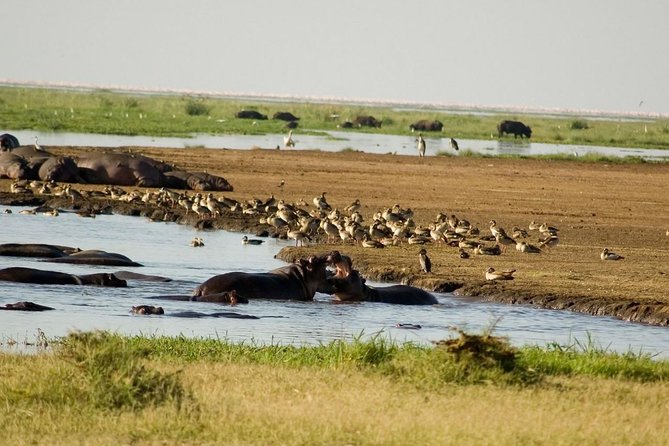
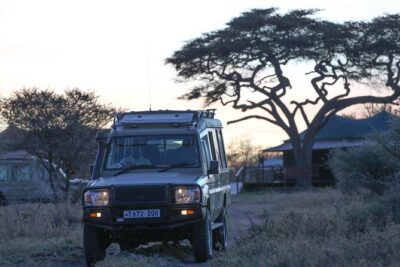
Safari success is not only about where you go. It’s about how quickly your Jeep turns “where are the animals” into “there they are.” This tour includes an English speaking driver/guide and uses a Safari Landrover 4×4 Jeep with a pop up roof to help with visibility.
From the experience style described, the guide’s job is to:
- track migration movement so you spend drives in the right zones
- position the Jeep for sightings
- explain what you’re seeing as part of the ecosystem, not just wildlife bingo
You’ll also be operating in a system where the schedule can shift based on animal movement. That’s why it’s helpful if your guide is calm, practical, and used to finding the action without wasting time.
If you get a guide like Thomas, the format suggests strong animal-finding skills, including the ability to locate even harder targets. If you get another guide, focus on the same behavior: quick scanning, patient repositioning, and clear communication.
Who This Safari Is Best For
This tour is a strong match if:
- you want the Serengeti plus Ngorongoro combo without spending lodge-level prices
- you’re comfortable with camping and early mornings
- you care about wildlife sightings more than room comfort
- you like an ecosystem-focused guide who explains what’s happening on the ground
It may be less ideal if:
- you need consistent hot showers and lots of comfort infrastructure
- you struggle with basic camping conditions
- you want a perfectly predictable route every day regardless of animal movement
Should You Book This Tanzania 4 Days 3 Nights Budget Safari?
I’d book it if your priority is classic Northern Tanzania wildlife time at a reasonable price, and you’re willing to handle camping-level comforts. The structure is solid: two nights anchored in Serengeti for migration-style driving and a full crater experience on Ngorongoro floor game drives, with a planned lunch break at Ngoitoktok spring.
Before you click confirm, do two quick checks:
- Budget for the 210 USD conservation fees and plan to pay cash in the morning.
- Pack for camping reality, especially night lighting and uneven comfort.
If you want Serengeti and Ngorongoro in one trip, and you’re aiming for good value, this is a practical way to do it without turning your vacation into a hotel bill.
More Ngorongoro Crater Trips
- 4 Days Join Group tour Tarangire Serengeti and Ngorongoro crater
★ 5.0 · 219 reviews - 4-Day Safari from Arusha: Tarangire, Serengeti and Ngorongoro
★ 5.0 · 173 reviews - 4 Days Tarangire Serengeti Ngorongoro Crater
★ 5.0 · 117 reviews - 3 Days Private Safari – manyara, Ngorongoro & Tarangire
★ 5.0 · 94 reviews
More Serengeti Safaris
- 5-Day Highlights mid-Range Crater, Serengeti, Tarangire
★ 5.0 · 296 reviews - 3-Day Classic Serengeti Safari
★ 5.0 · 263 reviews - Private 6-Day Tarangire Manyara Crater and Serengeti with Mid-Range Lodges
★ 5.0 · 238 reviews - 5 Days Camping Tarangire, Serengeti & Ngorongoro crater & Visiting Maasai
★ 5.0 · 229 reviews
Just posted around Arusha
- 8 Days Serengeti Migration safari★ 5.0 · 11 reviews
- tarangire & ngorongoro 2 days tour★ 5.0 · 14 reviews
- serengeti, ngorongoro & tarangire 4 days private tour★ 5.0 · 18 reviews
- tarangire, ngorongoro & lake manyara park 3 days private tour★ 5.0 · 11 reviews
- serengeti & ngorongoro 3 days private tour★ 5.0 · 15 reviews
- climb the KILIMANJARO via Lemosho route★ 5.0 · 4 reviews
- Mt. Kilimanjaro: Shira plateau to Cathedral point 3872m Day hike★ 5.0 · 7 reviews
- 2 Days Tanzania Midrange Group Join Safari★ 5.0 · 7 reviews
Serengeti Safaris, compared.
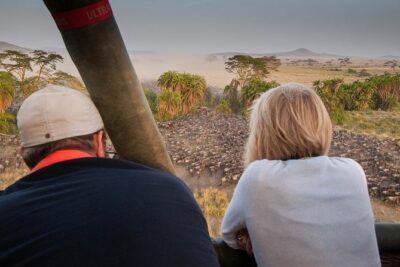
Serengeti Balloon Safari and authentic bush breakfast
Read our review →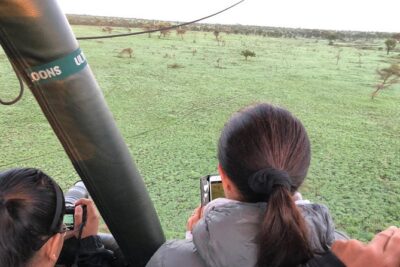
Balloon Safari & Bush Breakfast in Serengeti – Miracle Experience
Read our review →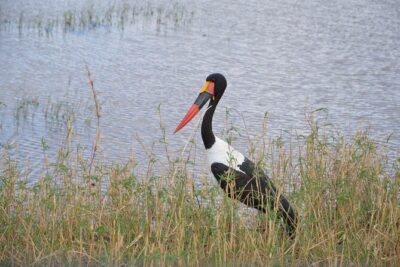
3 Days Serengeti & Ngorongoro Group Camping Safari
Read our review →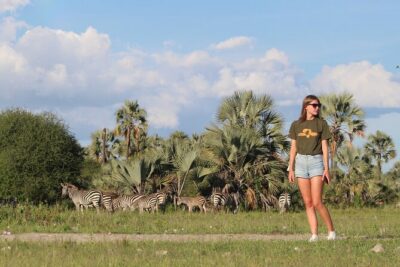
5-Day Highlights mid-Range Crater, Serengeti, Tarangire
Read our review →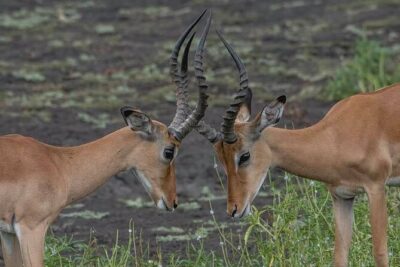
Private 6-Day Tarangire Manyara Crater and Serengeti with Mid-Range Lodges
Read our review →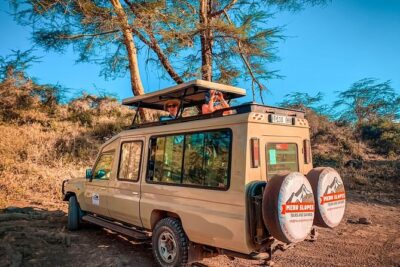
5 Days Camping Tarangire, Serengeti & Ngorongoro crater & Visiting Maasai
Read our review →Browse the lists this tour appears in