
Reviewed · SERENGETI SAFARIS
Serengeti & Ngorongoro fly in safari
Three days in Tanzania can feel tight, but this one works. You’ll fly into Serengeti early, spend real time on safari in Seronera, and then hit Ngorongoro Crater for one of Africa’s most reliable wildlife stages.
I especially like how the trip is built around time, not just boxes checked. You get a long Day 1 game drive that includes a Serengeti sunset, and you also get meals plus camping equipment, so you are not stuck doing logistics in the middle of the bush. One thing to consider is that the plan depends on good weather for the flights and crater timing, so plan for some schedule sensitivity.
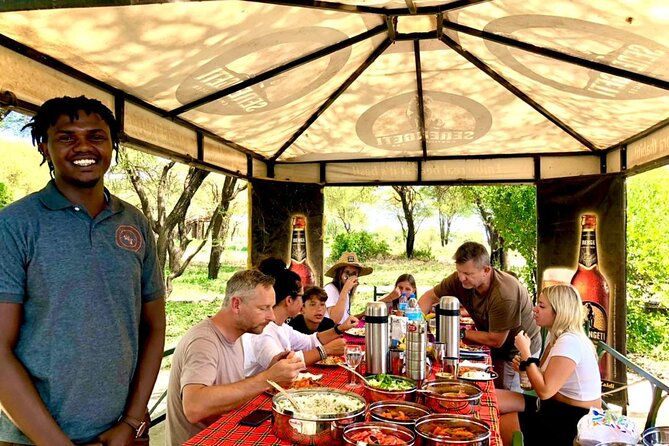
A strong point here, based on past guests’ experiences, is the human side of the operation. Tour guide Issac is described as friendly and really good at keeping things running smoothly, and chef Mr. Ali gets praise for food that keeps you energized on long drive days.
In This Review
- Key highlights you will care about
- Why the fly-in format changes everything for Serengeti
- Day 1 in Serengeti: flight into Seronera and a sunset drive
- Day 2 in Serengeti and the move toward Ngorongoro
- Day 3 in Ngorongoro Crater: the black rhino search
- Meals and the included camping equipment, what it really means for you
- Guides, group size, and how to get more wildlife time
- Optional Maasai Village stop: cultural context without breaking the safari
- Price and value: what $2,750.77 buys you in practice
- Good fit: who should book this safari
- Should you book the Serengeti and Ngorongoro fly-in safari?
- FAQ
- Where is pickup available for this safari?
- Do you fly into Serengeti or drive the whole way?
- What meals are included during the trip?
- Is camping gear included?
- Is the Maasai Village visit included?
- Is tipping included in the price?
- FAQ
- What if the safari is affected by poor weather?
- Is this a private tour?
Key highlights you will care about
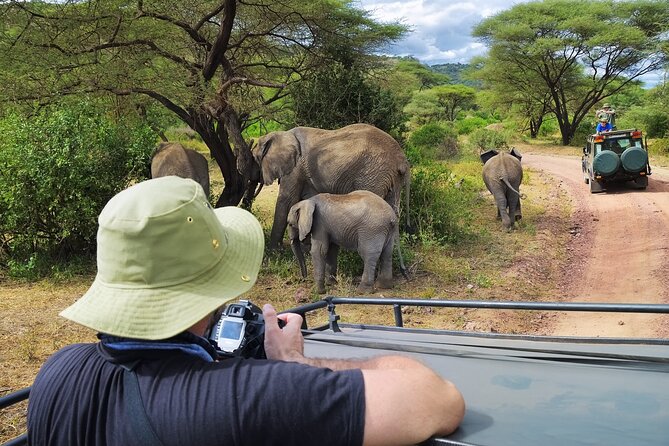
- Fly-in timing to maximize game drive hours in Serengeti instead of losing a full day to road travel
- Seronera location for a good chance at predators and big cat action, especially around dusk
- Ngorongoro Crater descent for black rhinos with a smart expectation check on spotting difficulty
- Meals and camping equipment included, so you show up and safari
- A private setup for your group, which usually means more flexibility than big cattle-call tours
- Optional Maasai Village visit, if you want a quick culture stop without breaking the safari rhythm
Why the fly-in format changes everything for Serengeti
Most “3 day safaris” fail because they waste daylight on getting to the parks. This one avoids that by routing you through an airport transfer and a scheduled flight to Serengeti. That means you’re on the ground in time for a meaningful first game drive, not a half day of logistics.
For you, the payoff is simple: more hours watching wildlife behave naturally. Serengeti is a place where timing matters, and dawn and dusk are often when animals look most active. If you care about seeing predators instead of only grazing herds, arriving early and driving late helps.
The trip also strings together two giants of Tanzania safari: Serengeti National Park and Ngorongoro Conservation Area. You are not just bouncing between viewpoints, you’re staying inside two different ecosystems that make wildlife viewing feel varied instead of repetitive.
One more practical note: pickup is offered from Arusha, Zanzibar, or Dar es Salaam, which is convenient if you are chaining this with beach time or an arrival to Tanzania. You’ll also get a mobile ticket, which helps reduce paper juggling when your days are already packed.
More Safaris in Arusha
- Balloon Safari & Bush Breakfast in Serengeti – Miracle Experience
★ 5.0 · 1,646 reviews - 4 Days Group Camping Safari
★ 5.0 · 1,101 reviews - 5 Days Group Camping Safari
★ 5.0 · 730 reviews
Day 1 in Serengeti: flight into Seronera and a sunset drive
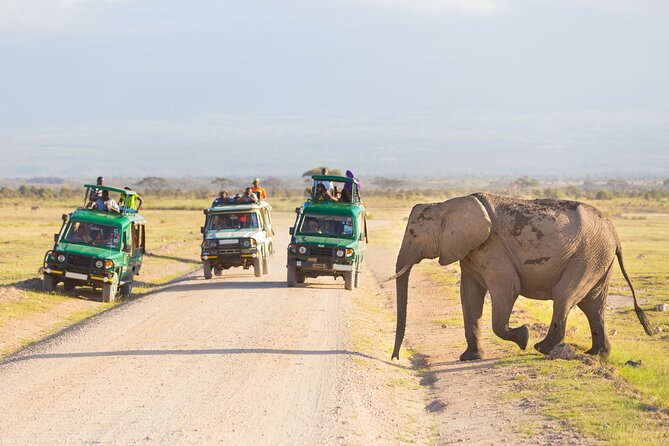
Day 1 starts with morning pickup and transfer to the airport, then you fly into Serengeti and arrive in the morning. From there, the focus is immediate wildlife time, with a game drive in Seronera, which is in the center of Serengeti.
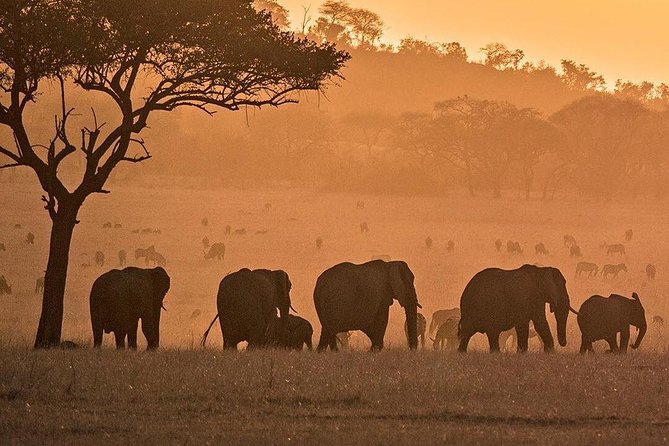
What I like about this first day is the shape of it. You are not treated to one short drive, you are in the vehicle long enough to catch different light and different animal behavior. Late evening is where the day turns special, because the landscape starts to glow and you get a real sunset safari rhythm.
Serengeti drives are all about patience, but you are also trying to be in the right place at the right moment. This route explicitly aims for dusk, when predators may be hunting and when you might spot animals closer to open sight lines.
Where the day ends depends on the accommodation setup in your plan. The schedule calls out the transfer to Serengeti Safari Lodge after the long drive. At the same time, the tour includes camping equipment for overnights, so expect that the overall package may include camping elements during the multi-night stay, not just lodge beds. Either way, the important part for you is that you are not expected to bring your own safari sleeping system.
If you want the best chance at close predator moments, there’s no guaranteed method, but dusk drives do stack the odds. The itinerary even notes the possibility of seeing predators hunting or on a kill. That is the kind of thing that can happen when the day stretches into evening and you stay out long enough.
Day 2 in Serengeti and the move toward Ngorongoro
Day 2 begins with early breakfast and an early game drive, then continues through the morning when animals tend to be active and visible. The plan keeps you driving until afternoon, then transitions you toward camp for lunch and additional game drive time while exiting Serengeti.
This is one of those days where you should manage expectations about the pace. You will likely feel like you are always doing something, because early drives and afternoon drives overlap with travel movement. Still, that is a good tradeoff if your priority is seeing more animals across more hours.
When you think about it, Serengeti and Ngorongoro are not interchangeable. Serengeti is about wide movement and grazing patterns, while Ngorongoro’s crater creates a bowl-like habitat that can concentrate wildlife. By shifting toward Ngorongoro after a strong morning drive, you avoid the common mistake of arriving too late at the crater and losing your best viewing window.
The plan includes a stay at Ngorongoro Serena Lodge as you head out toward the crater area. Again, with camping equipment listed as included, you should treat this as a blended “sleep and safari” package where some nights can feel more rustic than standard lodge-only tours.
Day 3 in Ngorongoro Crater: the black rhino search
Day 3 is where the itinerary turns into a classic Ngorongoro day. You start early with breakfast, then descend the crater for game viewing with a specific focus on black rhinos.
Black rhinos are tough, and the plan is honest about that. Even in a great system like Ngorongoro, they are harder to spot than many other animals. The upside is that Ngorongoro’s crater setting tends to make wildlife easier to notice from your vantage because it’s a floor crater, meaning you’re looking into a contained space rather than trying to track movement across open plains.
After the rhino-focused morning, you have lunch, then you do more game driving before you ascend from the crater. The day ends with packing and the trip back toward Arusha town.
This crater day is not just about ticking a species list. It’s about how Ngorongoro compresses the safari experience into one dramatic setting. You go from being in a crater bowl to feeling the openness fade as you climb out. That change in terrain and viewing conditions is a big part of why this stop is so memorable.
If your travel style is photography and animal watching with a bit of intensity, Day 3 is the one you should stay fully ready for. Wear comfortable layers for cooler crater mornings, and keep your attention on spotting behavior, not just scanning for movement. Black rhinos can appear small and still, and the difference between seeing them and missing them can be a matter of a few minutes.
More Serengeti safaris:
- 3 Days Serengeti & Ngorongoro Group Camping Safari
★ 5.0 · 574 reviews - 5-Day Highlights mid-Range Crater, Serengeti, Tarangire
★ 5.0 · 296 reviews - 3-Day Classic Serengeti Safari
★ 5.0 · 263 reviews - Private 6-Day Tarangire Manyara Crater and Serengeti with Mid-Range Lodges
★ 5.0 · 238 reviews
Meals and the included camping equipment, what it really means for you
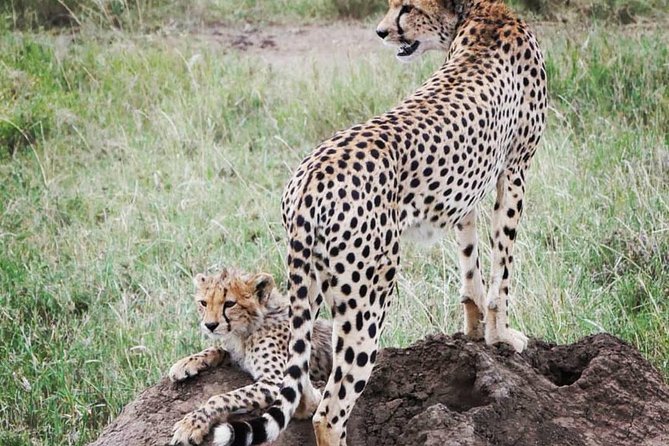
The tour lists a very clear set of meal inclusions: Breakfast (2), Lunch (3), and Dinner (2). That matters because safari days are long. When meals are handled, you spend less mental energy on finding food and more time watching animals and taking in the day.
Dinner and lunch are included across multiple days, which usually means you’re less likely to hit that fatigue wall where you get cranky or rushed. It also helps because timing in safari often follows the animals, not restaurant hours.
Then there’s camping equipment. On a classic safari, you might be asked to bring a bunch of gear, or at least expect you will have to rent it. Here, camping equipment is included, which makes the whole thing feel more like a guided experience rather than an adventure you need to gear up for.
One caution: the schedule names lodges, too, like Serengeti Safari Lodge and Ngorongoro Serena Lodge. So you might experience a mix of lodge stays and more camp-style nights depending on the exact arrangement. Either way, because the gear is included, you should not show up thinking you need your own tent, bedding setup, or basic camping tools.
Also, the tour specifies restroom on board is not included. That is a small detail, but it becomes a real one during long drive and transfer segments. I’d plan your water intake thoughtfully and use stop moments wisely.
Guides, group size, and how to get more wildlife time
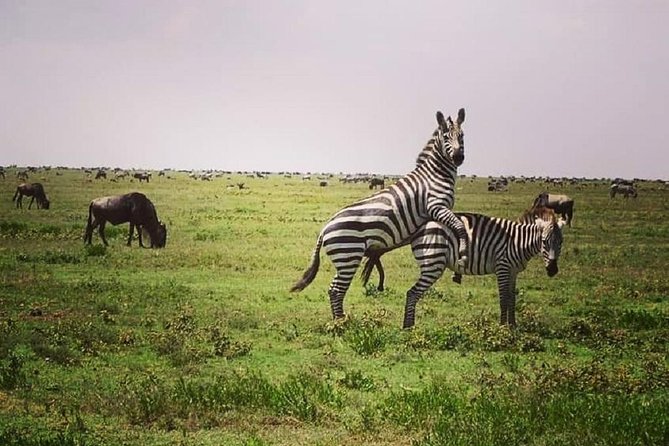
This is a private tour/activity, which means it is set up for your group rather than being a shared safari with strangers packed into the same vehicle. In practice, that can lead to a calmer experience. It can also help your guide maintain a consistent pace, because there’s less coordinating between unrelated schedules.
The itinerary is built around long driving blocks, which is only fun if your guide runs a tight ship. Past guests highlight Issac as a friendly, fun guide who keeps the experience moving while still helping you learn what you are seeing. Chef Mr. Ali is mentioned as well, and for safari days, that combination matters. You spend hours in the vehicle, and good food at the right times can make those hours feel far easier.
Here are a few ways you can make the most of the guide time, without turning it into homework:
- Ask quick questions at each stop, especially what to look for next (tracks, feeding behavior, predator signals).
- Pay attention to timing shifts. Dusk is different from midday, and crater mornings are different from afternoon drives.
- Don’t obsess over one species too hard. If you miss black rhino on the first try, focus on the rest of the crater wildlife while you still have the full day.
The best wildlife moments often happen when you are relaxed and watching the ecosystem, not only hunting the checklist.
Optional Maasai Village stop: cultural context without breaking the safari
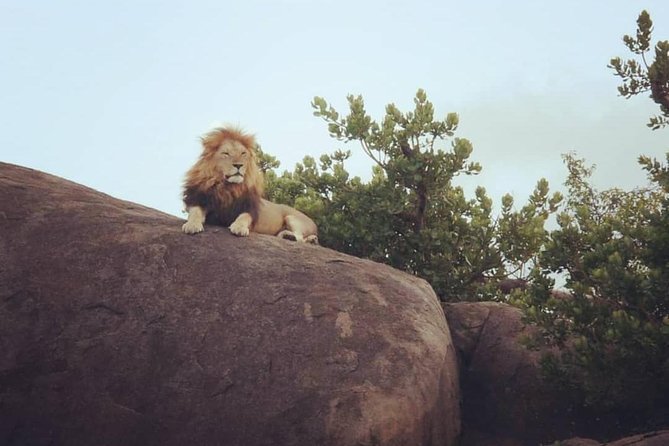
There’s an optional Maasai Village visit listed as a feature. If you add it, think of it as a short context stop, not a full-day cultural immersion.
Why this can be worth it: it gives you a human lens that runs alongside the wildlife drama. You get to see how a community relates to the land and what daily life looks like in a region that many people only experience through gates and guided drives.
The tradeoff is time. Every extra stop can chip away at game drive hours, and this itinerary is clearly designed around long safari windows and crater viewing. If you choose to go, keep it short, be respectful, and focus on questions that help you understand day-to-day life rather than only taking photos.
Price and value: what $2,750.77 buys you in practice
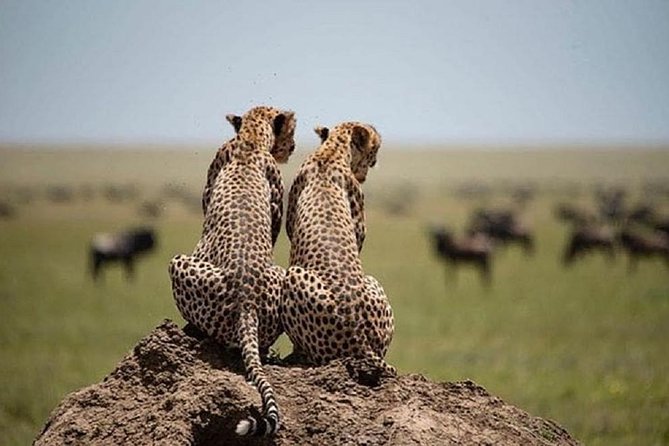
At about $2,750.77 per person, this isn’t a “cheap safari,” but it does target value in the places that usually drive costs up.
Here’s how the price becomes more reasonable than it looks:
- Flights into Serengeti reduce wasted travel time, which often costs big chunks of a typical safari itinerary.
- Most meals are included (multiple breakfasts, lunches, dinners), which is one of the biggest hidden costs on safari.
- Camping equipment is included, so you are not paying extra for core gear.
- All fees and taxes are listed as included, plus admission is handled across the days (Day 1 is noted as free, Day 2 and Day 3 as included).
So you are paying for logistics, not just driving around and hoping. In a place like Tanzania, logistics can easily be the difference between a smooth safari and a stressful one.
That said, this price is best for travelers who want a guided, structured experience that moves efficiently between Serengeti and Ngorongoro. If you prefer totally free-form travel, you might find cheaper ways to sleep and drive on your own. But then you would also take on more of the planning burden and likely lose some of the timed safari advantages this trip is built around.
Good fit: who should book this safari
This trip fits you best if:
- You want a 3 day Serengeti and Ngorongoro combo without spending days transferring by road
- You care about dusk and early morning wildlife viewing
- You like the idea of having meals and key gear handled
- You prefer a private setup for a calmer experience
It might be less ideal if:
- You are easily stressed by travel days and schedule shifts, since the trip requires good weather and relies on flight timing
- You want lots of downtime. The structure is safari-heavy.
Should you book the Serengeti and Ngorongoro fly-in safari?
I’d book this if your goal is maximum wildlife time in a tight window. The fly-in approach, the emphasis on early and late game drives, and the focus on Ngorongoro’s crater viewing all work together well for a first-time or repeat visitor who wants a smart, efficient safari.
If you hate the idea of weather dependence, or if you need a super flexible itinerary with lots of buffer time, then consider carefully. Safari is never 100 percent predictable, and this one explicitly requires good conditions.
Still, the big picture looks strong: you get two iconic areas, you get long drive windows, and you get a package that includes meals and camping equipment so you can stay focused on the main event, wildlife.
FAQ
Where is pickup available for this safari?
Pickup is offered from Arusha, Zanzibar, or Dar es Salaam.
Do you fly into Serengeti or drive the whole way?
You are transferred to the airport for a scheduled flight to Serengeti, and you arrive in the morning.
What meals are included during the trip?
Breakfast is included for 2 days, lunch is included for 3 days, and dinner is included for 2 days.
Is camping gear included?
Yes, camping equipment is included for the overnights.
Is the Maasai Village visit included?
The Maasai Village stop is optional.
Is tipping included in the price?
Tipping is not included.
FAQ
What if the safari is affected by poor weather?
The experience requires good weather, and if it is canceled due to poor weather you will be offered a different date or a full refund.
Is this a private tour?
Yes, this is a private tour/activity, so only your group participates.
More Safaris from Arusha
- 7-Day Premium Luxury Tanzania Safari All-Inclusive
★ 5.0 · 426 reviews - 8 Days Great Wildebeest Calving Migration Safari from Arusha
★ 5.0 · 254 reviews - Group Safari 7 Days in Tanzania’s Main Parks
★ 5.0 · 240 reviews - 10-Day Serengeti Wildebeest Migration Safari from Arusha
★ 5.0 · 218 reviews
More Ngorongoro Crater Trips
- 5 Days Camping Tarangire, Serengeti & Ngorongoro crater & Visiting Maasai
★ 5.0 · 229 reviews - 4 Days Join Group tour Tarangire Serengeti and Ngorongoro crater
★ 5.0 · 219 reviews - 4-Day Safari from Arusha: Tarangire, Serengeti and Ngorongoro
★ 5.0 · 173 reviews - 2 Days Tarangire and Ngorongoro Group Camping Safari
★ 5.0 · 146 reviews
Just posted around Arusha
- 8 Days Serengeti Migration safari★ 5.0 · 11 reviews
- tarangire & ngorongoro 2 days tour★ 5.0 · 14 reviews
- serengeti, ngorongoro & tarangire 4 days private tour★ 5.0 · 18 reviews
- tarangire, ngorongoro & lake manyara park 3 days private tour★ 5.0 · 11 reviews
- Mt. Kilimanjaro: Shira plateau to Cathedral point 3872m Day hike★ 5.0 · 7 reviews
- serengeti & ngorongoro 3 days private tour★ 5.0 · 15 reviews
- climb the KILIMANJARO via Lemosho route★ 5.0 · 4 reviews
- Kilimanjaro Waterfalls Hike & Moshi Hot Springs Day Trip Tour★ 5.0 · 4 reviews
Serengeti Safaris, compared.
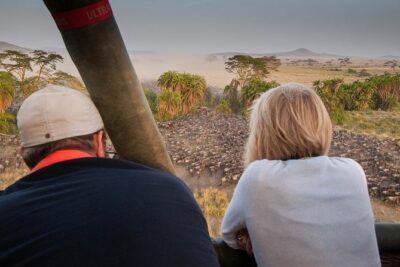
Serengeti Balloon Safari and authentic bush breakfast
Read our review →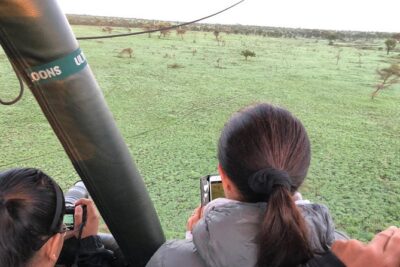
Balloon Safari & Bush Breakfast in Serengeti – Miracle Experience
Read our review →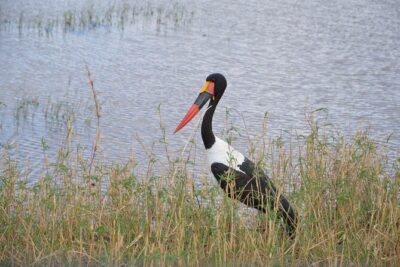
3 Days Serengeti & Ngorongoro Group Camping Safari
Read our review →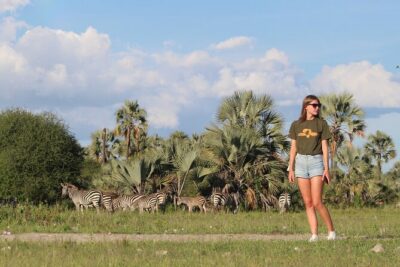
5-Day Highlights mid-Range Crater, Serengeti, Tarangire
Read our review →
Private 6-Day Tarangire Manyara Crater and Serengeti with Mid-Range Lodges
Read our review →
5 Days Camping Tarangire, Serengeti & Ngorongoro crater & Visiting Maasai
Read our review →Browse the lists this tour appears in