
Reviewed · WILDLIFE
Private 4 Days Wildlife Safari at Tanzania
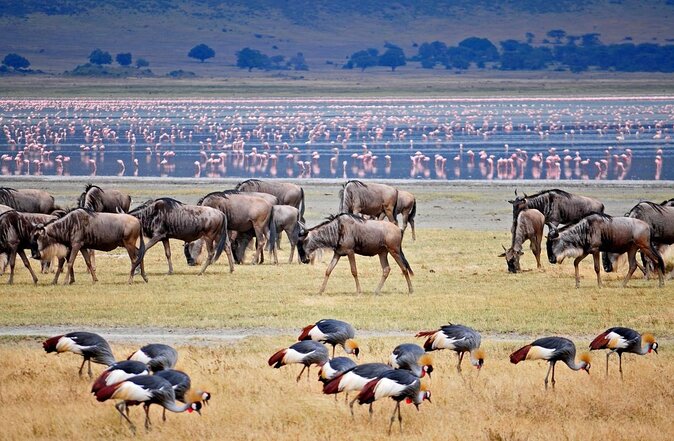
Tanzania in four days feels like a fast sprint. You get Serengeti game drives plus time at Ngorongoro Crater rim camps, with a guide team that makes the long drives feel purposeful. I especially liked the tight routing that links three big areas, and the strong focus on spotting animals for great photo opportunities. One watch-out: this is camping on public campsites, so you should be OK with basic facilities and an early start style of days.
The best part is how the timing works. You spend one day settling in, one morning hitting Serengeti before it gets busy, then you go to Ngorongoro when the crater light is at its best. In the Seoul cousins’ story, the organization by Godson and game drives with guide Benny turned the plan into something smooth and memorable, not just a checklist.
If you want a luxury lodge bubble, this is not that. But if you want real wildlife time, private transportation, and meals handled for you, this budget camping safari is a solid value at $1,600 per person.
In This Review
- Key highlights worth planning around
- Four Days That Connect Lake Manyara, Serengeti, and Ngorongoro
- Day 1 Lake Manyara: Rift Valley scenery and tree-climbing lions
- Day 2 Serengeti Afternoon via Ngorongoro: setting up tomorrow
- Day 3 Sunrise Serengeti and the Rim of Ngorongoro
- Day 4 Inside Ngorongoro Crater, then back to Arusha
- Price, private comfort, and what budget camping really means
- Should You Book This Private Tanzania Wildlife Safari?
- FAQ
- What parks does this 4-day safari include?
- How long is the safari and where does it start and end?
- Is this tour private?
- What meals and drinks are included?
- Do I need to pay separately for park fees and taxes?
- Is the safari available all year?
Key highlights worth planning around
- Private 4 days, your group only: You avoid the shuffle of joining strangers.
- Lake Manyara’s unusual wildlife focus: The area is known for tree-climbing lions.
- Serengeti with morning and afternoon rhythm: You get drives at different times for different chances at sightings.
- Ngorongoro Crater game-viewing from the rim: Staying on the rim helps you do the crater drive efficiently.
- Meals and bottled water included: Less hassle means more time on the road and in the parks.
Four Days That Connect Lake Manyara, Serengeti, and Ngorongoro
This safari is built around three Northern Circuit stars, tied together with smart pacing. You start in Arusha, then move through Lake Manyara, Serengeti, and finally Ngorongoro Crater, with driving each day and game drives as the main event. It is a classic route, but the value here is that it stays realistic for a short trip, instead of rushing so hard you barely get time in the parks.
You also get the practical stuff that makes a difference in Tanzania. The tour includes breakfast, lunch, dinner, plus bottled water, and it covers all fees and taxes. Those add up quickly when you try to DIY parks and meals. With pickup offered and private transportation, your day-to-day logistics are less stressful.
Your guide matters a lot on safari, and the reviews point to that clearly. Godson organized, and guide Benny is singled out for photo-friendly game drive guidance. That combination, planning plus on-the-ground skills, is often what separates a decent safari from a memorable one.
The parks are huge, and wildlife viewing is never guaranteed. What you can plan for is time in the right places, with drives spread across early morning and later light. This itinerary gives you that rhythm.
More Safaris in Arusha
- Balloon Safari & Bush Breakfast in Serengeti – Miracle Experience
★ 5.0 · 1,646 reviews - 4 Days Group Camping Safari
★ 5.0 · 1,101 reviews - 5 Days Group Camping Safari
★ 5.0 · 730 reviews
Day 1 Lake Manyara: Rift Valley scenery and tree-climbing lions
Lake Manyara is one of those parks that feels different the moment you arrive. It sits near the Great Rift Valley’s western escarpment, and the setting is dramatic, with a soda-lake system that shapes the habitat and the wildlife patterns. The park is also famous for tree-climbing lions, which is not a common marketing claim you hear everywhere.
Your day is built for a full game drive after leaving Arusha. The drive into Manyara sets the tone, because you are moving from city energy into wide open country. Then you spend time in the park, looking for wildlife as the terrain and vegetation shift around you.
One real advantage of including Manyara on Day 1 is that you start collecting safari momentum right away. Instead of saving all your wildlife time for Serengeti, you get an earlier win. That helps if you are coming in from flights or jet lag too, because the day still feels active even if you need to ease into the sleep rhythm.
After the drive, you head out to a public campsite for dinner and overnight. That is a key consideration. Public camping usually means simpler facilities and less privacy. You may hear others at night, and you should plan for basic comfort rather than resort-style bedding and quiet.
Day 2 Serengeti Afternoon via Ngorongoro: setting up tomorrow
Day 2 is about transition and timing. You drive via Ngorongoro on the way toward Serengeti, with the goal of reaching Serengeti in the afternoon. Then you continue with game driving through the day, before dinner and overnight in central Serengeti at another public campsite.
That afternoon start in Serengeti is not a compromise. It is a useful strategy. Wildlife behavior and visibility shift by time of day, and late-day light can make spotting easier in certain areas. You also get to acclimate to Serengeti’s scale. It can feel overwhelming if you jump in only at sunrise. An afternoon window gives you a chance to understand where you are, how animals move, and what to look for.
What you get from driving via Ngorongoro en route is perspective. Ngorongoro sits within a massive highland system, and the crater area is known for dense wildlife concentrations. Even if you are not yet going into the crater, you are moving through the landscape that supports that reputation.
Also, Serengeti is described here as a massive wilderness of about 14,500 square kilometers. That size matters for your expectations. This is not a park where you do one short loop and call it done. The best experience comes when you accept that you are riding through space to find animals, not teleporting from sight to sight.
That makes the private transport piece important. You do not waste time coordinating with other groups, and your driver can adjust as your guide directs based on conditions.
Day 3 Sunrise Serengeti and the Rim of Ngorongoro
Day 3 is the big day for wildlife people. You start with an early morning game drive in Serengeti, then you return for brunch at camp. After that, you travel to the Ngorongoro Simba public campsite for your night on the crater rim.
Early morning drives work for a simple reason: wildlife activity often increases when temperatures are lower and animals are moving through feeding and watering rhythms. You also usually get better photographic conditions, with softer light and fewer distractions. If photography matters to you, this part is where you are most likely to feel you are getting a real edge over a late start.
After breakfast and morning driving, the schedule gives you a recovery moment. Brunch at camp means you are not just jumping from vehicle to vehicle. Then you head to the rim for the next phase. Staying near the rim is more than convenience. It helps you manage time and energy, because it positions you for the next day’s crater entry early.
The rim-to-crater shift is one of the most dramatic parts of Ngorongoro. The crater is described as having one of the highest concentrations of game in Africa, inside a self-contained world where animals gather. You are not just driving somewhere scenic, you are entering a natural enclosure where movement and viewing feel more focused.
Again, you will sleep in a public campsite, this time at the Ngorongoro Simba area. Plan for practical basics, and use the schedule to your advantage by going to bed with an early morning in mind.
More safaris from Arusha:
- 3 Days Serengeti & Ngorongoro Group Camping Safari
★ 5.0 · 574 reviews - 7-Day Premium Luxury Tanzania Safari All-Inclusive
★ 5.0 · 426 reviews - 3-Day Classic Serengeti Safari
★ 5.0 · 263 reviews - 8 Days Great Wildebeest Calving Migration Safari from Arusha
★ 5.0 · 254 reviews
Day 4 Inside Ngorongoro Crater, then back to Arusha
On Day 4, the plan is straightforward and worthwhile: early breakfast, then drive into the Ngorongoro Crater for the game drive. Afterward, you return to Arusha.
This is where Ngorongoro earns its reputation. The crater is famous for its wildlife density, which translates into a better chance that you will see animals without needing constant luck. You are also in a setting that feels compact compared to the wider plains around it. That can make your viewing more efficient, because you are not always searching across endless distance.
The most important practical factor is timing. A crater drive is not something you want to do when the sun is high and visibility is harsh. The itinerary puts you in place early, which can help you get better viewing conditions and keep the day from turning into one long session of waiting.
After the crater drive, you head back to Arusha. This is a long day in the sense that you are both viewing and driving. If you are the kind of person who gets restless in vehicles, bring snacks and keep your energy up with water. The tour includes bottled water, which helps, but you should still plan for your personal needs.
What you take away from this final day is often the feeling that the safari peaked in the most memorable place, and then you end cleanly with a return to the start city.
Price, private comfort, and what budget camping really means
At $1,600 per person for about four days, this safari is not the cheapest way to do Tanzania. But it also is not an outlandish luxury price either. The value comes from what is included: private transportation, meals (breakfast, lunch, dinner), bottled water, and all fees and taxes.
Those items are where self-planning usually gets messy and expensive. If you try to DIY a short safari, you often end up paying separately for park entry, guide service, and food, then you still face the coordination challenge of moving between parks. This package simplifies that, especially because it is private, and it says only your group participates.
The other value is the camping style. This is a suggested “budget camping safari” with public campsites. That does not mean you get a bare-bones experience with no structure. It means you trade some comfort for more wildlife time and a route that fits four days. If you are traveling with a partner or a small group and you are comfortable sleeping in shared camping setups, this is a smart way to spend your money.
On the flip side, it is not for everyone. The tour asks for moderate physical fitness, and the days involve driving and early wake-ups. Public campsites can also mean less quiet at night and more basic facilities than lodge life. If that would annoy you, consider a different comfort level.
If you want, you can also customize it, which can help if you care more about more time in one park or want to adjust the order based on your priorities.
Should You Book This Private Tanzania Wildlife Safari?
I think you should book this if you want a short, high-ROI safari route and you like the idea of camping while keeping the logistics handled. The itinerary hits the three places that safari lovers talk about: Manyara for the unusual lion story, Serengeti for real wilderness scale, and Ngorongoro for game density in a crater setting. And based on the reviews, the human side matters a lot, with Godson’s organization and guide Benny’s game drive leadership making the drives more rewarding.
You might consider passing or upgrading if you need lodge-level comfort, you cannot handle early mornings, or public campsites would feel like a deal-breaker. This is also a private tour, so if you are traveling solo and trying to lower costs, you will want to check whether the total still fits your budget.
My practical test for you: if you can picture yourself doing morning drives for animal viewing and sleeping in a public campsite without needing fancy comforts, this is a great match. It is value-focused, park-focused, and built to give you meaningful time in Tanzania’s northern wildlife.
FAQ
What parks does this 4-day safari include?
It includes Lake Manyara National Park, Serengeti National Park, and Ngorongoro Crater (with a stay on the crater rim).
How long is the safari and where does it start and end?
The safari is approximately 4 days. It starts in Arusha and ends back in Arusha.
Is this tour private?
Yes. It is a private tour, and only your group participates.
What meals and drinks are included?
Breakfast, lunch, and dinner are included, along with bottled water.
Do I need to pay separately for park fees and taxes?
No. All fees and taxes are included.
Is the safari available all year?
Yes, it can be done all year long on daily departures.
More Wildlife in Arusha
- Tanzania Wildlife Encounters – 6 Days
★ 5.0 · 277 reviews - 6 Day Tanzania Wildlife Mid range Safari
★ 5.0 · 54 reviews - 5 Days 4 Nights Tarangire, Serengeti , Ngorongoro & Manyara Wildlife Safari
★ 5.0 · 40 reviews - 4 Days Wildlife Safari and Cultural Experience in Tanzania
★ 5.0 · 23 reviews
Just posted around Arusha
- 8 Days Serengeti Migration safari★ 5.0 · 11 reviews
- tarangire & ngorongoro 2 days tour★ 5.0 · 14 reviews
- serengeti, ngorongoro & tarangire 4 days private tour★ 5.0 · 18 reviews
- tarangire, ngorongoro & lake manyara park 3 days private tour★ 5.0 · 11 reviews
- serengeti & ngorongoro 3 days private tour★ 5.0 · 15 reviews
- climb the KILIMANJARO via Lemosho route★ 5.0 · 4 reviews
- Mt. Kilimanjaro: Shira plateau to Cathedral point 3872m Day hike★ 5.0 · 7 reviews
- 2 Days Tanzania Midrange Group Join Safari★ 5.0 · 7 reviews
Wildlife, compared.
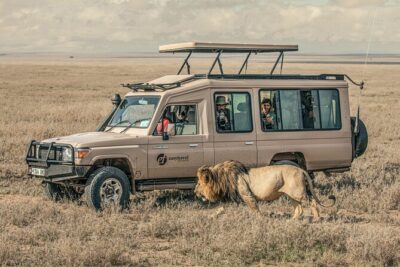
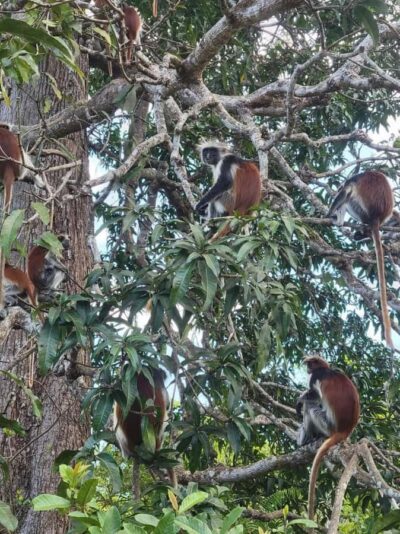

5 Days 4 Nights Tarangire, Serengeti , Ngorongoro & Manyara Wildlife Safari
Read our review →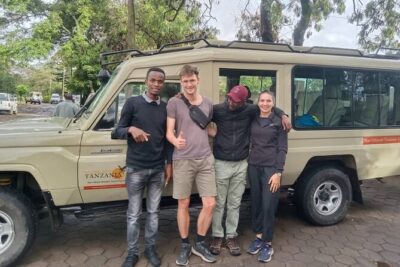
4 Days Wildlife Safari and Cultural Experience in Tanzania
Read our review →
SAFARI WILDLIFE 3 DAYS 2 NIGHT FROM ZANZIBAR TO MIKUMI
Read our review →
8 Days 7 Nights Tanzania Wildlife & Culture Lodge Safari
Read our review →Browse the lists this tour appears in