
Reviewed · WILDLIFE
6 Day Tanzania Wildlife Mid range Safari
Wild Africa in six days is a gift. This mid-range safari strings together Tarangire National Park elephants, Ngorongoro Crater predators, and two full days in Serengeti, with 4×4 drives and lodge or tented-camp overnights.
I love the value structure here: professional English-speaking guiding, mineral water, all national park fees, and breakfast, lunch, and dinner each day. I also like the small-group setup, max 6 travelers, which helps guides stay flexible, with names like David, Godfrey, Kelvin, and Aboh showing up again and again in guest feedback. The main drawback to consider is the pace, you are moving between parks daily and you have early starts plus long game-drive days.
In This Review
- Key safari details that matter
- A 6-day Tanzania safari route that hits the big wildlife beats
- Day 1: Tarangire National Park game drive with picnic lunch
- Day 2: Lake Manyara’s habitats, baboons, and Eileen’s Tree Lodge night
- Days 3 and 4: Serengeti with Seronera River time and migration focus
- Days 5 and 6: Ngorongoro Crater, Olduvai Gorge, and Lake Magadi
- Lodges, tented camps, and meals that keep you fueled for long drives
- 4×4 safari transport, small group size, and how the schedule feels
- How much guide quality matters on wildlife days
- Price and real value: what $2,500 per person covers
- Who this safari suits best, and who should adjust expectations
- Should you book this 6-day wildlife safari?
- FAQ
- How long is the Tanzania wildlife safari?
- What locations and parks are included?
- Is pickup included?
- What kind of vehicle is used for the safari?
- Are meals included?
- Are national park fees included?
- What is not included in the tour price?
- How large is the group?
- Do I get a ticket on my phone?
- What is the cancellation policy?
Key safari details that matter
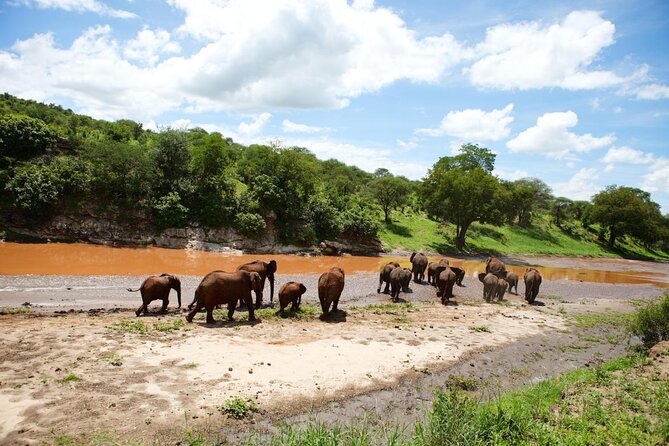
- Tarangire’s elephant and baobab focus with a migratory cycle described as centered there, including very large numbers of elephants, wildebeest, and zebras.
- Lake Manyara’s variety in one stop, from acacia woodlands and hot springs to swamps and heavy bird life, plus baboons and tree-climbing lions.
- Serengeti time in the Seronera area where the Seronera River pulls wildlife in for both afternoons and a full day drive.
- Ngorongoro’s crater descent over 600 meters and the chance to see everything from hippos and eland to predators like lions, hyenas, and the elusive leopard.
- Olduvai Gorge connection for human-evolution history, linked to discoveries by Lois and Mary Leakey.
- Guide and communication strength, with multiple guides named in feedback and WhatsApp support highlighted by Linah.
A 6-day Tanzania safari route that hits the big wildlife beats
This itinerary works because it covers Tanzania’s classic wildlife zones in a logical order. You start with Tarangire’s elephant-and-baobab scenery, shift to Lake Manyara for habitat variety and baboons, then spend real time in Serengeti before finishing in Ngorongoro for crater wildlife viewing and predator odds.
It’s also a practical “mid-range” format. You are not doing a minimalist camping-only trip, and you are not paying for ultra-luxury lodges either. Instead, you get guided days in a 4×4 safari vehicle, set meal plans, and overnight stays at safari lodges or tented camps.
You’ll want to be honest about your energy level. A tour like this is animal-first, not long breakfast-and-late-morning-coffee-first. Expect a schedule built around game drives, with a lot of on-the-road time between parks.
More Safaris in Arusha
- Balloon Safari & Bush Breakfast in Serengeti – Miracle Experience
★ 5.0 · 1,646 reviews - 4 Days Group Camping Safari
★ 5.0 · 1,101 reviews - 5 Days Group Camping Safari
★ 5.0 · 730 reviews
Day 1: Tarangire National Park game drive with picnic lunch
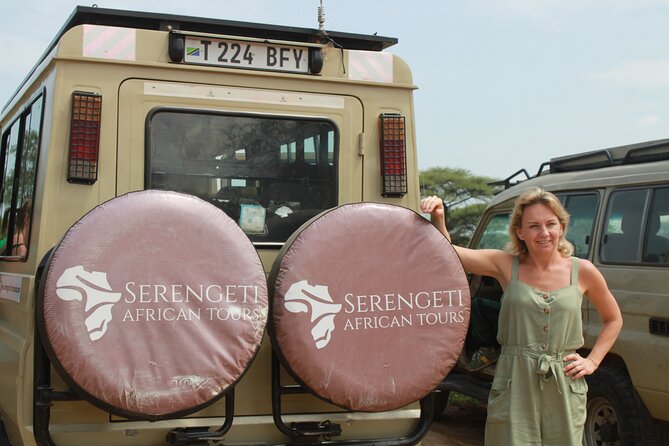
Tarangire National Park is where your safari day begins, after breakfast and a quick stop in Arusha Town for any last-minute purchases. Then you head out on safari, with your first real wildlife time happening as a game drive in the park, plus a picnic lunch.
Tarangire is specifically described as famous for huge elephant populations and baobab trees. It’s also presented as the center of an annual migratory cycle, including up to 3000 elephants and very large numbers of wildebeest and zebras. That matters because your day is not random sightseeing. It is aimed at a place the itinerary expects to deliver frequent wildlife sightings.
Overnight is at Farm of dream Lodge. If you’re someone who likes your first night to feel like a true “safari base” rather than a city hotel, this start is a good tone-setter.
Practical note: bring sunscreen and a hat for the picnic and game-drive portions, since the schedule builds in daytime driving and open-air viewing.
Day 2: Lake Manyara’s habitats, baboons, and Eileen’s Tree Lodge night
Day 2 moves to Lake Manyara National Park, which is framed as a spot with multiple habitats packed into one area. You get views plus a mix of acacia woodlands, water forests, baobab-strewn cliffs, algae-streaked hot springs, swamps, and the lake itself.
That habitat variety is the point. It’s why Lake Manyara is presented as supporting a large range of animals and incredible bird life. The itinerary also singles out baboons, stating Lake Manyara has the largest concentration of baboons anywhere. It adds a wildlife detail that many people love on this route: lions here are known for tree climbing.
You overnight at Eileen’s Tree Lodge, which fits the theme of the day. It’s not just a bed for the night. It’s part of the Lake Manyara experience.
What to keep in mind: Lake Manyara can be a very “wildlife-and-nature” day, but it’s not the biggest park in the country. If you’re chasing one specific animal, you’ll still be in good hands with a guide, but the goal is variety and chance, not a guaranteed hit list.
Days 3 and 4: Serengeti with Seronera River time and migration focus
By Day 3, you’re heading toward Serengeti National Park through the Karatu region and the Ngorongoro Conservation Area. The itinerary describes the transition as leaving the highlands behind and descending into the wide-open Serengeti plains, with the key wildlife area called Seronera.
The Seronera area matters in this plan because the itinerary connects it to the Seronera River. The idea is simple: water draws wildlife, so you spend time where the park concentrates activity.
You arrive in time for lunch, then enjoy an afternoon game drive in Serengeti. That structure is a smart way to start Serengeti because you’re not forcing an immediate first-afternoon sprint after a long travel day.
Day 4 is the big Serengeti day: a full day game drive, including following the wildebeest migration. This is the part of the safari that tends to define the trip for many people. You’re giving the Serengeti proper time instead of treating it as a quick stop.
You sleep at Domel Wilderness Camp on both Day 3 and Day 4, so you get two consecutive nights with the same safari base. That helps you settle in and makes the day-to-day rhythm easier.
How to approach Serengeti mentally: the best sightings often come when you slow down and keep your eyes moving, not when you chase. Your guide is responsible for positioning and reading the animals, but your job is to stay attentive and enjoy the long looking.
More safaris from Arusha:
- 3 Days Serengeti & Ngorongoro Group Camping Safari
★ 5.0 · 574 reviews - 7-Day Premium Luxury Tanzania Safari All-Inclusive
★ 5.0 · 426 reviews - 3-Day Classic Serengeti Safari
★ 5.0 · 263 reviews - 8 Days Great Wildebeest Calving Migration Safari from Arusha
★ 5.0 · 254 reviews
Days 5 and 6: Ngorongoro Crater, Olduvai Gorge, and Lake Magadi
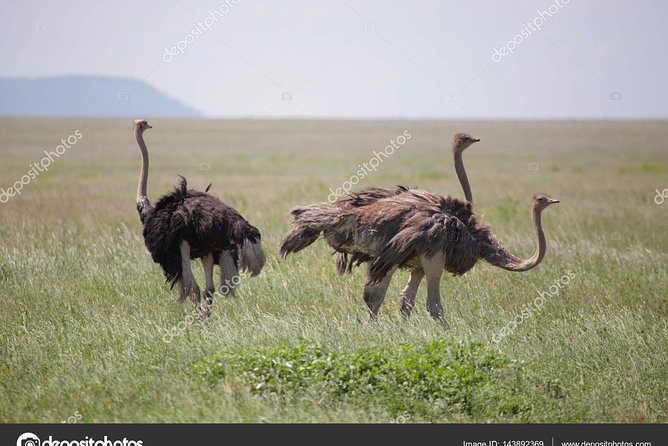
Ngorongoro is where the safari becomes a crater story. Day 5 starts early with a game drive, then you depart for the Ngorongoro Conservation Area and stop at Olduvai Gorge.
Olduvai Gorge is included for human-evolution history, with a specific mention of Drs. Lois and Mary Leakey discovering skulls of Nutcracker Man and Handy Man. If you like mixing wildlife with a little learning that sticks, this stop gives your safari more texture than just animal viewing.
Later, you transfer to Ngorongoro Wildlife Lodge for dinner and overnight.
Day 6 is crater viewing in full. After early breakfast, you descend more than 600 meters into the crater to view wildlife. The itinerary highlights why Ngorongoro can support so many animals: a year-round water supply and fodder.
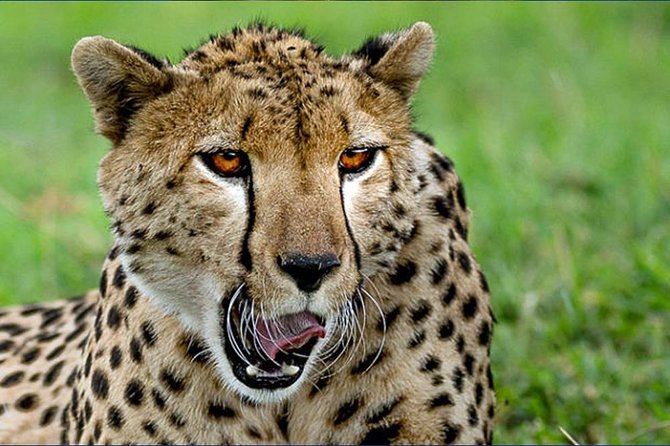
The animals listed include wildebeest, zebra, buffalo, eland, warthog, hippo, and giant African elephants. Predators are also a major focus, with lions, hyenas, jackals, cheetahs, and the ever-elusive leopard. That leopard wording is doing real work here. It sets expectations that some sightings may take patience and a sharp eye.
The day also includes Lake Magadi, described as a large but shallow alkaline lake in the southwestern corner. So even within a single crater day, you’re not only chasing animals. You’re also working with scenery and a specific water feature.
If you dislike early starts, Ngorongoro is where you’ll feel it most. The reward is that crater wildlife can be concentrated and you’re set up for maximum viewing time once you’re down inside.
Lodges, tented camps, and meals that keep you fueled for long drives
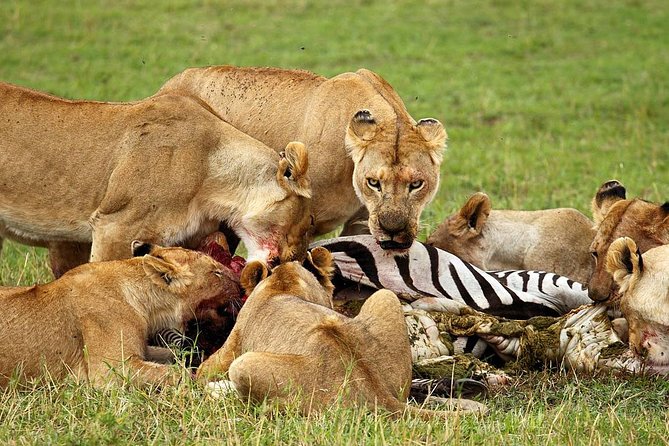
This package includes overnight stays in safari lodges or tented camps, with specific properties named across the route: Farm of dream Lodge, Eileen’s Tree Lodge, Domel Wilderness Camp, and Ngorongoro Wildlife Lodge.
Food is handled in a way that matters on a safari. You get breakfast, lunch, and dinner each day. You also get mineral water. That removes a big guesswork problem, because game-drive days are not the kind of days where you want to hunt for food.
There’s also a nice practical angle from guest feedback: some people highlight that vegetarian and vegan options were available. That doesn’t mean every meal will automatically match your exact diet, but it does tell me the team is used to catering beyond strict omnivore meals. If you have dietary needs, it’s still worth telling the operator ahead of time.
What you should pack for comfort: a light jacket or layer for early mornings, a day bag for water and snacks even though water is included, and a hat that can survive sun and wind. Most discomfort on safari comes from weather and long hours, not from the lodges themselves.
4×4 safari transport, small group size, and how the schedule feels
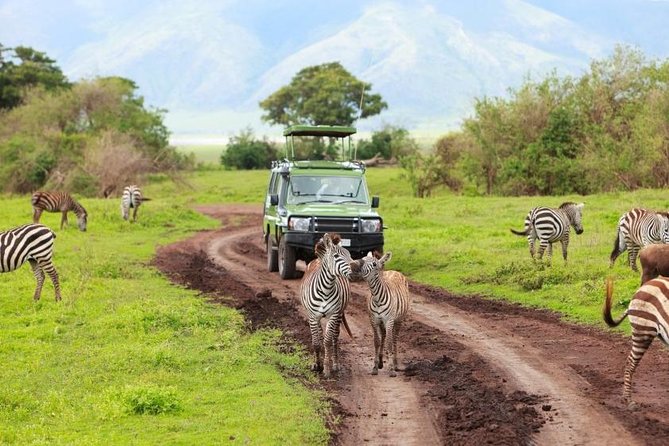
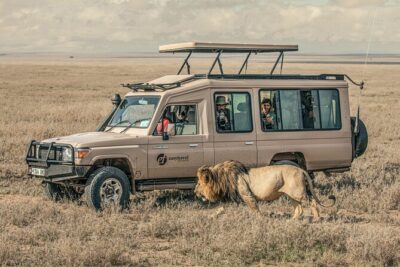
You travel in a 4×4 safari vehicle, with a professional English-speaking guide and mineral water. The group limit is max 6 travelers, which is a real difference-maker. Smaller groups tend to make it easier for the guide to adjust the drive based on sightings and comfort.
Pacing is the main thing you should clock before booking. You have game drives in multiple parks across six days, plus travel days between Tarangire, Lake Manyara, Serengeti, and Ngorongoro. Even when the driving itself is uneventful, you’re still spending a lot of your day in the vehicle.
The tour schedule lists a start time of 12:00 am, but you’re told you’ll receive confirmation at booking. In other words, don’t show up assuming that time is your exact pickup window. Plan to wait for confirmation for the real pickup timing.
One more detail: you get a mobile ticket. That’s useful if you want fewer paper hassles while you’re in motion.
How much guide quality matters on wildlife days
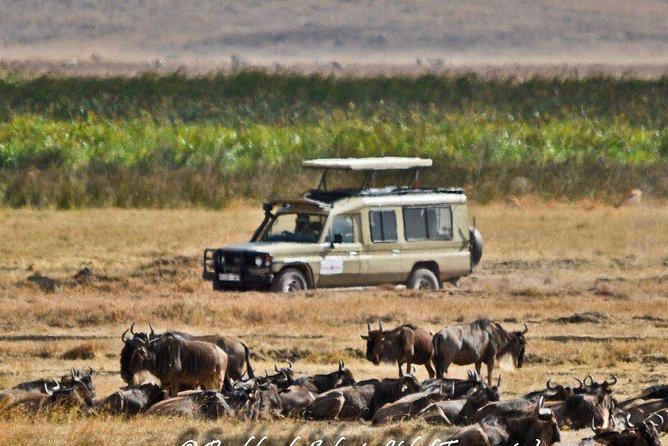
On safari, your guide is not a “nice extra.” They are part of your results. In the feedback tied to this safari, you see repeated praise for guides staying positive and doing serious spotting work.
Names that come up include David, Godfrey, Kelvin, James, Aboh, and others. The common thread is that guests appreciated animal-finding effort plus explanations. One write-up highlights a guide sharing information about animals, Masai culture, and nature, which tells me the guiding style is meant to be more than just driving and pointing.
Communication is another strong point highlighted in feedback. Linah is named as being responsive via WhatsApp, and Lucas is mentioned as handling planning and initial transfer support smoothly.
If you want an experience that feels guided rather than guided-ish, pay attention to who you’ll be with. Ask how the guide handles priorities like Big Five chances versus birding versus photography time. In a small group, you can often influence the day more than you think.
Price and real value: what $2,500 per person covers
At $2,500 per person, this is priced as a mid-range safari. The value comes down to what you do not have to budget for separately.
Included in the package:
- 4×4 transportation
- professional English-speaking guide
- mineral water
- overnight stays in safari lodges or tented camps
- all national park fees
- breakfast (6), lunch (6), dinner (6)
Not included:
- visa fees
- tips
- personal spending for souvenirs and extras
When I look at value like this, the big win is the all-in park fees plus the meals. Safari days can be expensive if you get nickel-and-dimed at every checkpoint. Here, you have a structured package that covers the biggest daily costs.
Possible reason the price is at this level: you’re not only visiting one park. You’re covering multiple major areas, including two Serengeti days and a crater day with a listed descent of 600 meters plus an Olduvai Gorge stop.
If you’re comparing this to cheaper options, the trade is usually comfort and coverage. If you compare it to more expensive packages, you’re paying for premium lodge upgrades or private vehicle level service, but you might be okay with mid-range lodges if you care most about wildlife time and solid guiding.
Who this safari suits best, and who should adjust expectations
This safari suits you if:
- you want a six-day Tanzania wildlife focus with multiple parks instead of a quick hit
- you prefer mid-range comfort with real meals and guided game drives
- you like the idea of covering Serengeti plus Ngorongoro within one trip
- you’re traveling with a group of up to 6, where personal attention is more likely
It might not be the best fit if:
- you need a slow pace with lots of downtime
- you dislike early mornings and full game-drive days
- you are very sensitive to vehicle time, since the itinerary is built around daily movement between regions
And if you’re traveling with kids or anyone who tires quickly, you can still make it work. One piece of feedback notes the safari worked well even with a toddler, with vegetarian options included. Still, plan for the fact that wildlife days mean being flexible and staying patient.
Should you book this 6-day wildlife safari?
I’d book this if you want a classic Tanzania route built around elephants, baboons, real Serengeti time, and a crater day in Ngorongoro, without forcing you to calculate food and park fees day by day. The small group size, named guides in guest feedback, and the included meals make it feel like a complete safari package rather than an under-specified plan.
I’d think twice if you want a relaxed trip with lots of free time, or if you’re uncomfortable with early starts and long days that revolve around animal viewing.
If you do book, your best move is simple: message the operator about dietary needs and what animal priorities matter most to you. With a guide who knows how to spot and explain, your days go from just scenic to genuinely satisfying.
FAQ
How long is the Tanzania wildlife safari?
It is listed as 6 days (approx.).
What locations and parks are included?
The itinerary includes Tarangire National Park, Lake Manyara, Serengeti National Park, and the Ngorongoro Conservation Area, including a stop at Olduvai Gorge.
Is pickup included?
Pickup is offered.
What kind of vehicle is used for the safari?
The tour uses transportation in a 4×4 safari vehicle.
Are meals included?
Yes. Breakfast, lunch, and dinner are included for 6 days, along with mineral water.
Are national park fees included?
Yes. All national park fees are included.
What is not included in the tour price?
Visa fees, tips, and personal spending money for souvenirs are not included.
How large is the group?
The maximum group size is 6 travelers.
Do I get a ticket on my phone?
Yes. The tour includes a mobile ticket.
What is the cancellation policy?
Free cancellation is available up to 24 hours before the experience’s start time. If you cancel less than 24 hours before, the amount paid is not refunded, and cutoff times use local time.
More Wildlife in Arusha
- Tanzania Wildlife Encounters – 6 Days
★ 5.0 · 277 reviews - 5 Days 4 Nights Tarangire, Serengeti , Ngorongoro & Manyara Wildlife Safari
★ 5.0 · 40 reviews - 4 Days Wildlife Safari and Cultural Experience in Tanzania
★ 5.0 · 23 reviews - 8 Days 7 Nights Tanzania Wildlife & Culture Lodge Safari
★ 5.0 · 17 reviews
Just posted around Arusha
- 8 Days Serengeti Migration safari★ 5.0 · 11 reviews
- tarangire & ngorongoro 2 days tour★ 5.0 · 14 reviews
- serengeti, ngorongoro & tarangire 4 days private tour★ 5.0 · 18 reviews
- tarangire, ngorongoro & lake manyara park 3 days private tour★ 5.0 · 11 reviews
- serengeti & ngorongoro 3 days private tour★ 5.0 · 15 reviews
- climb the KILIMANJARO via Lemosho route★ 5.0 · 4 reviews
- Mt. Kilimanjaro: Shira plateau to Cathedral point 3872m Day hike★ 5.0 · 7 reviews
- Kilimanjaro Waterfalls Hike & Moshi Hot Springs Day Trip Tour★ 5.0 · 4 reviews
Wildlife, compared.

5 Days 4 Nights Tarangire, Serengeti , Ngorongoro & Manyara Wildlife Safari
Read our review →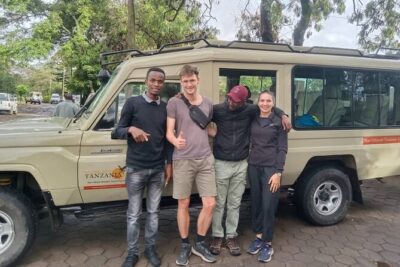
4 Days Wildlife Safari and Cultural Experience in Tanzania
Read our review →
SAFARI WILDLIFE 3 DAYS 2 NIGHT FROM ZANZIBAR TO MIKUMI
Read our review →
8 Days 7 Nights Tanzania Wildlife & Culture Lodge Safari
Read our review →
From Moshi or Arusha: Serval Wildlife Sanctuary Trip
Read our review →Browse the lists this tour appears in