
Reviewed · NGORONGORO CRATER TOURS
Ngorongoro Crater Day Trip
Ngorongoro Crater is one of those places that feels made for game drives. This day trip packs in the big wildlife highlights, from lions on open savannah to flamingos near the crater lake area, all on a tight schedule. I like that you get both the morning descent and a proper picnic lunch with hippo-and-bird views, but the early start at 5:00 am is a real commitment.
I also like that this is run by MORAKA AFRICA SAFARIS with an English speaking driver/guide (plus Spain and French) and small-group limits of up to 6 people. One practical drawback to keep in mind is that safari days depend on vehicles, and in at least one case a jeep breakdown created a long delay inside the crater.
In This Review
- Key highlights at a glance
- Your 5:00 am departure from Arusha, and what the early start buys you
- Going from Arusha down 2,000 feet into the Ngorongoro Conservation Area
- Multiple habitat zones mean better odds: forest, lake area, and swamps
- Lions on open savannah: plus rhino, hyena, and antelope potential
- Picnic lunch over hippo swamps: a break with real viewing value
- What the $270 includes, and where the value actually comes from
- Group size, pickup, and how to stay comfortable on a 6.5 hour loop
- When things go wrong: a jeep breakdown can cost hours
- Should you book the Ngorongoro Crater Day Trip?
- FAQ
- What time does the Ngorongoro Crater day trip start?
- How long is the day trip?
- What is included in the price of $270 per person?
- Do I get pickup from Arusha?
- Is there a limit on group size?
- What wildlife can I expect to see?
- Is admission included?
- Is free cancellation available?
- Are visa costs and travel insurance included?
Key highlights at a glance
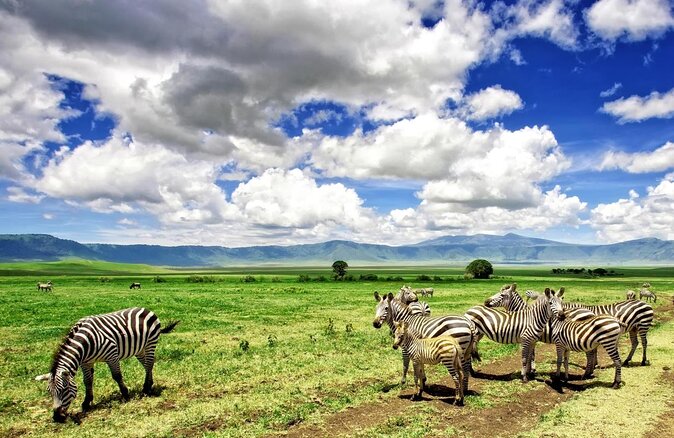
- 102 miles of collapsed volcano turned into an animal-rich crater with dramatic viewing.
- Descent of about 2,000 feet into the crater floor for a true safari change of scenery.
- Multiple habitat zones: forest, crater lake area, and open savannah.
- Picnic lunch with views over swamps where hippos and birds are part of the scene.
- Small group size, max 6 travelers, which helps keep the drive feeling personal.
- Breakfast and lunch included, plus water and soft drinks to keep you comfortable.
Your 5:00 am departure from Arusha, and what the early start buys you
The day begins with a 5:00 am start from Arusha, and you’ll be on the road soon after. The tour provides a lunch box so your day is built around wildlife time, not waiting around for meals. You should plan to treat this like a half-day that’s been stretched into a full experience, roughly 6 hours 30 minutes in total.
That early start matters because animal activity is often best when temperatures are cooler and the light is easier for spotting. It also means you’ll get to the crater at the point in the day when you’re more likely to find active behavior, like birds around water and predators moving through open ground.
If you dislike mornings, this is the one part that will test your flexibility. The good news is that once you’re down in the crater, the scenery and wildlife make the wake-up feel worth it.
More Ngorongoro Crater trips:
- 3 Days Serengeti & Ngorongoro Group Camping Safari
★ 5.0 · 574 reviews - 5 Days Camping Tarangire, Serengeti & Ngorongoro crater & Visiting Maasai
★ 5.0 · 229 reviews - 4 Days Join Group tour Tarangire Serengeti and Ngorongoro crater
★ 5.0 · 219 reviews
Going from Arusha down 2,000 feet into the Ngorongoro Conservation Area
The heart of this trip is the descent, about 2,000 feet down to the crater floor. You’re not just driving past viewpoints. You’re changing elevation, temperature, and habitat type, so the wildlife experience feels layered rather than repetitive.
Once you’re in the Ngorongoro Conservation Area, the morning portion includes time in a forest habitat where monkeys and elephants are part of the picture. This is a smart way to start, because forest edges can give you different kinds of sightings than the classic open plains.
You also move with a goal: looking from habitat to habitat so you can maximize the odds of seeing a broad set of animals listed for the crater region. Expect that the route is designed for game viewing, not sightseeing photo stops every few minutes.
One practical note: you’ll want to dress for quick temperature changes, since the top of the crater area and the crater floor can feel different. Comfortable shoes also help because crater viewpoints and picnic areas can involve uneven ground.
Multiple habitat zones mean better odds: forest, lake area, and swamps
One reason this day trip works so well is that it treats the crater like a series of mini-stations. You’re not locked into one habitat, and that increases both variety and the feeling of momentum.
In the forest, the focus is on monkeys and elephants. Near the lake area, the highlight is the presence of flamingos, which adds color and movement even when big animals are farther away. Later, the lunch spot is built around swamps, where you can look for hippos and lots of birds.
This matters because crater wildlife isn’t always evenly distributed across the day. When the schedule uses different zones, you’re adapting to how animals are behaving rather than hoping everything happens in one place.
The tour also emphasizes that this crater is a long, collapsed volcanic structure, described as stretching about 102 miles. That scale is a reminder that even within one day, you’re moving through a complex ecosystem.
Lions on open savannah: plus rhino, hyena, and antelope potential
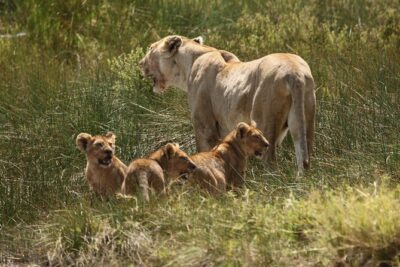
The trip’s big wow factor is the chance to see predators and large herbivores in open viewing areas. The itinerary specifically sets you up for lion sightings on open savannah, which is the type of moment that makes safari days feel real and urgent, not just scenic.
Along with lions, the crater is associated with rhino, hyena, and antelope. You should think of these as look-for targets, not guaranteed checkmarks. Still, the structure of the drive, moving between habitats, is exactly what you want when you’re chasing sightings rather than filming from one fixed spot.
Why open savannah matters: it’s where you’re most likely to see movement. Predators use visibility, and grazers create trails and activity that draws attention. When the guide times it right, you get a better chance of seeing behavior, like lions hunting or animals reacting to nearby movement.
I’d also pack your patience for spotting. In a place this wildlife-heavy, the difference between a good sighting and a great one is often simply finding the right angle and watching for longer than you think you need.
A few more Arusha trips to compare
- Balloon Safari & Bush Breakfast in Serengeti – Miracle Experience
★ 5.0 · 1,646 reviews - Tanzania Classic – 7 Days
★ 5.0 · 1,151 reviews - 4 Days Group Camping Safari
★ 5.0 · 1,101 reviews - 5 Days Group Camping Safari
★ 5.0 · 730 reviews
Picnic lunch over hippo swamps: a break with real viewing value
Lunch is not an afterthought here. You have a picnic lunch in the crater around 1:00 pm, with views over swamps where hippos and birds are part of the scene. That’s a big quality-of-experience point, because it keeps the day from turning into a logistics break.
The tour provides the meals, and you’re not left figuring out where to eat while still trying to catch wildlife activity. The schedule is built so you can take a real pause, then get back into game viewing without losing the flow.
The “picnic with views” style also means you can rest your legs while still keeping your eyes up. You’re likely to spend some of that time scanning water edges for hippos and watching birds around the vegetation.
If you’re someone who enjoys eating while people-watching, this part is especially satisfying. If you don’t handle heat or sun well, bring sun protection, since picnic sites in open areas can feel intense.
What the $270 includes, and where the value actually comes from
At $270 per person, the value depends on what you compare it to. This price is positioned as a day trip package that includes the essentials you’d otherwise pay for separately: breakfast, lunch, and all fees and taxes.
On top of meals, you get drinking water and soft drinks, which is a practical inclusion. Safari days can be dehydrating, and having water already in the plan saves you time and money at roadside stops.
You also get a professional driver/guide who can speak English, Spain, and French. That matters because wildlife viewing is all about reading behavior. A good guide helps you understand what you’re seeing and where to look next.
Admissions are described as free as well, which likely means you are not paying separately at entry. It’s one less bill to manage on the day.
What’s not included is also worth noting. Tips are not included, visas are not included, international flights and travel insurance are not included. So yes, the core day trip value is strong, but plan your overall budget beyond that.
Group size, pickup, and how to stay comfortable on a 6.5 hour loop
This is a small-group format, with a maximum of 6 people, which can make a difference in how smooth the game drives feel. With fewer people, you’re less likely to feel like you’re stuck waiting for a crowd to decide where to look next.
Pickup is offered, and the activity ends back at the meeting point in Arusha. That out-and-back setup helps you plan your day, since you’re not wondering how you’ll get from crater back to town.
Your day is also timed tightly. You’ll be moving through the crater and nearby viewing areas, then heading back in the late afternoon. Staying comfortable is part of how you enjoy the sightings.
Here’s what I’d do to make it easier on yourself, based on the schedule demands:
- Bring layers for morning and crater floor temperature shifts.
- Use motion-friendly clothing and shoes because you’re on a vehicle for the majority of the day.
- Keep your camera gear within easy reach. You will not want to fumble while something happens in front of you.
Also, the tour offers a mobile ticket, and confirmation is received at booking time. That reduces the stress of last-minute paperwork.
When things go wrong: a jeep breakdown can cost hours
Safari days run on real-world mechanics, and occasionally that means things break. One reported situation involved the safari jeep breaking down just as the group entered the crater, leading to a wait of about 4 hours before help arrived. In that case, the operator refunded the booking, with the explanation tied to late information reaching the office, which delayed an urgent rescue response.
Does that mean you should expect this to happen? No. But it does mean you should book with the mindset that wildlife is the goal, and the vehicle is the tool. If you’re the type who needs tight timelines for a later flight or a same-day commitment, consider building in a buffer.
If you’re taking this as your main day activity, the refund policy and free cancellation window are comforting. You can also avoid stress by keeping your schedule in Arusha flexible before and after your crater day.
Should you book the Ngorongoro Crater Day Trip?
I think this is a smart choice if you want a one-day hit of crater wildlife without turning your trip into a multi-day logistics project. The biggest reasons to book are the varied habitat plan and the way the day is organized around sightings, including flamingos near the lake area and hippo-and-bird views at picnic lunch.
It’s also a good match for people who appreciate a guided approach. You’re not left guessing where to look, and you’re working with a multilingual driver/guide, which can improve your understanding of what’s happening out on the road.
I’d skip or reconsider if you cannot handle an early start or if you have no flexibility at all for your schedule, because any vehicle delay can throw off your day. And if you know you react strongly to uncertainty, plan your other arrangements with extra cushion.
Overall, for first-time safari planners who want a compact day with strong wildlife potential, this trip offers clear value for the time and inclusions.
FAQ
What time does the Ngorongoro Crater day trip start?
The start time is 5:00 am from Arusha.
How long is the day trip?
It runs about 6 hours 30 minutes, approximately.
What is included in the price of $270 per person?
Breakfast, lunch, all fees and taxes, drinking water and soft drinks, and dietary requirements on request are included.
Do I get pickup from Arusha?
Pickup is offered, and the activity ends back at the meeting point in Arusha.
Is there a limit on group size?
Yes. The maximum group size is 6 travelers.
What wildlife can I expect to see?
The tour focuses on animals such as lions, rhino, hippo, hyena, antelope, along with monkeys and elephants in the forest area, and flamingos near the lake area.
Is admission included?
Admission is listed as free, and all fees and taxes are included in the package.
Is free cancellation available?
Yes. You can cancel up to 24 hours in advance for a full refund.
Are visa costs and travel insurance included?
No. Visas, travel insurance, and international flights are not included.
Just posted around Arusha
- 8 Days Serengeti Migration safari★ 5.0 · 11 reviews
- tarangire & ngorongoro 2 days tour★ 5.0 · 14 reviews
- serengeti, ngorongoro & tarangire 4 days private tour★ 5.0 · 18 reviews
- tarangire, ngorongoro & lake manyara park 3 days private tour★ 5.0 · 11 reviews
- serengeti & ngorongoro 3 days private tour★ 5.0 · 15 reviews
- climb the KILIMANJARO via Lemosho route★ 5.0 · 4 reviews
- Mt. Kilimanjaro: Shira plateau to Cathedral point 3872m Day hike★ 5.0 · 7 reviews
- Kilimanjaro Waterfalls Hike & Moshi Hot Springs Day Trip Tour★ 5.0 · 4 reviews
Ngorongoro Crater Tours, compared.
3 Days Serengeti & Ngorongoro Group Camping Safari
Read our review →
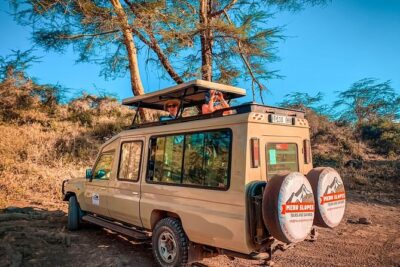
5 Days Camping Tarangire, Serengeti & Ngorongoro crater & Visiting Maasai
Read our review →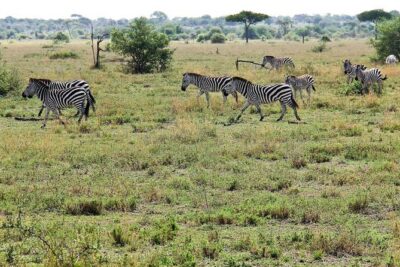
4 Days Join Group tour Tarangire Serengeti and Ngorongoro crater
Read our review →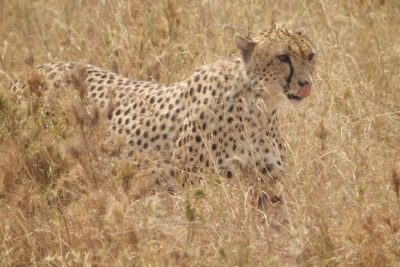
4-Day Safari from Arusha: Tarangire, Serengeti and Ngorongoro
Read our review →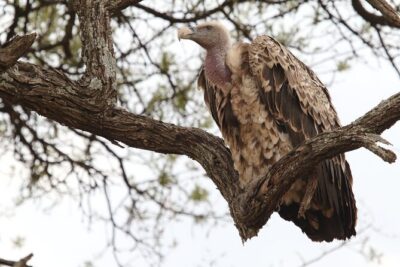
2 Days Tarangire and Ngorongoro Group Camping Safari
Read our review →
3 Days Tarangire, Ngorongoro & Lake Manyara Group Camping Safari
Read our review →Browse the lists this tour appears in