
Reviewed · NGORONGORO CRATER TOURS
Ngorongoro Adventure Day Tour from Arusha
A dawn safari can reset your whole Tanzania trip. This one-day run from Arusha packs a Ngorongoro Crater descent and a guided game drive into about 10 hours, with pickup and round-trip transport. What I really like is the small group size, max seven people, which keeps things calm and personal. The trade-off is the very early start, around 5:30am, so plan to sleep early.
My favorite part is the open-roof 4WD safari vehicle for the game drive. The views are incredible, and the crater floor is a wildlife magnet, so the long day feels worth it. Add in a warm picnic-style lunch plus bottled water and soft drinks, and you can focus on spotting animals instead of hunting for basics.
In This Review
- Key Things to Know Before You Go
- Ngorongoro Crater: Why This Day Tour Feels Like a Real Safari
- The 5:30am Start, Karatu Stop, and the Real Meaning of “Day Trip”
- Descending 2,000 Feet: What the Crater Floor Does to Your Sightlines
- Open-Roof 4WD Safari Vehicle: The View You Earn
- Wildlife Viewing Inside the Crater: What You Should Expect to See
- Food on Safari: Picnic Lunch, Water, and Keeping Your Energy Steady
- Karatu Stretch Break: Why a Short Stop Still Matters
- Guides and Small-Group Service: The Difference Between a Tour and a Day With Care
- Price and Value: What $300 Pays For in a One-Day Safari
- Logistics You Should Sanity-Check Before You Commit
- Who This Tour Suits Best (and Who Might Feel Frustrated)
- Should You Book the Ngorongoro Adventure Day Tour from Arusha?
- FAQ
- What time does the Ngorongoro Adventure Day Tour start from Arusha?
- How long is the tour?
- What group size should I expect?
- What does the price include?
- What are some important things that are not included?
- Do you actually enter Ngorongoro Crater?
- Is the Karatu stop included?
- What happens if weather is bad?
- What is the cancellation policy?
Key Things to Know Before You Go
- 5:30am start from Arusha keeps you on the crater schedule and in prime viewing time.
- Max seven people means more flexibility and less crowd energy on the drive.
- Open-roof 4WD gives you real sightlines for wildlife and quick photo opportunities.
- Ngorongoro Crater descent is 2,000 feet and you spend about 5 hours on the floor.
- Food and drinks are handled with a picnic lunch, bottled water, and soft drinks included.
- Karatu is a short stop for light shopping, with admission listed as free.
Ngorongoro Crater: Why This Day Tour Feels Like a Real Safari
Ngorongoro Conservation Area sits on the UNESCO World Heritage list, and that matters because this place is protected, not just visited. The crater itself is famous for one reason: it concentrates wildlife into a compact, dramatic setting.
This day tour is designed for people who want a big wildlife hit without spending multiple days in the region. You still get a real guided safari rhythm, not a rushed photo stop.
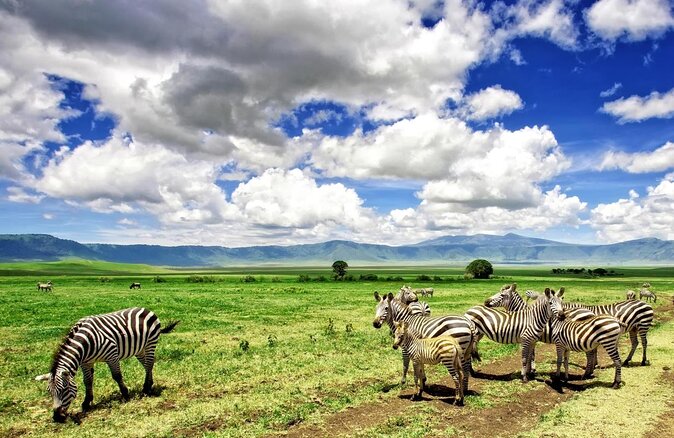
And yes, the Big Five are part of the pitch here, but on a crater safari, sightings are never guaranteed. What you can count on is a strong chance of zebras, wildebeests, hyenas, and lions, plus the possibility of elephants or the rare black rhino.
More Ngorongoro Crater trips:
- 3 Days Serengeti & Ngorongoro Group Camping Safari
★ 5.0 · 574 reviews - 5 Days Camping Tarangire, Serengeti & Ngorongoro crater & Visiting Maasai
★ 5.0 · 229 reviews - 4 Days Join Group tour Tarangire Serengeti and Ngorongoro crater
★ 5.0 · 219 reviews
The 5:30am Start, Karatu Stop, and the Real Meaning of “Day Trip”
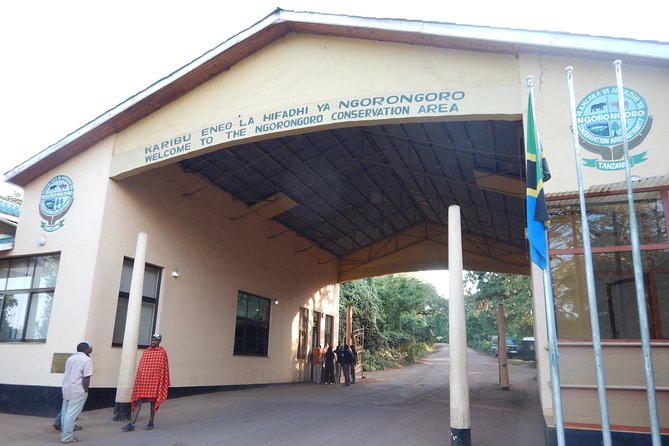
You start around 5:30am from central Arusha. That is early, no sugarcoating. But it is also smart, because the day is built around daylight inside the crater and the long road time between Arusha and the conservation area.
Before you enter the conservation area, you stop in Karatu for about 30 minutes. This is not a long break, but it is time for light shopping and a chance to stretch your legs after pickup.
Here is how I think about the flow: the schedule is basically one long push, then one long payout. If you are the type who hates mornings, you will feel it at the start. If you love wildlife, the payoff lands fast once you begin descending toward the crater.
Descending 2,000 Feet: What the Crater Floor Does to Your Sightlines
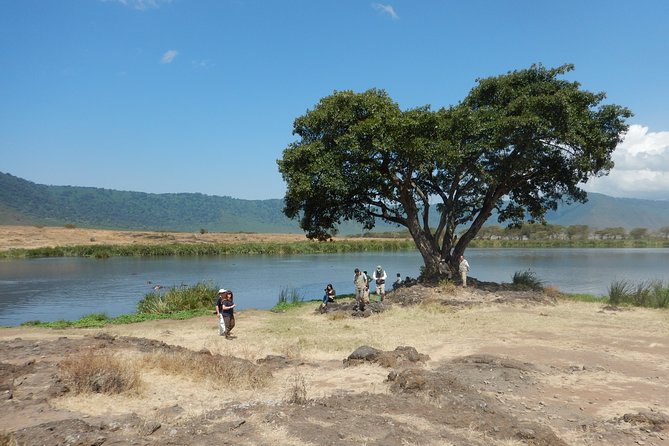
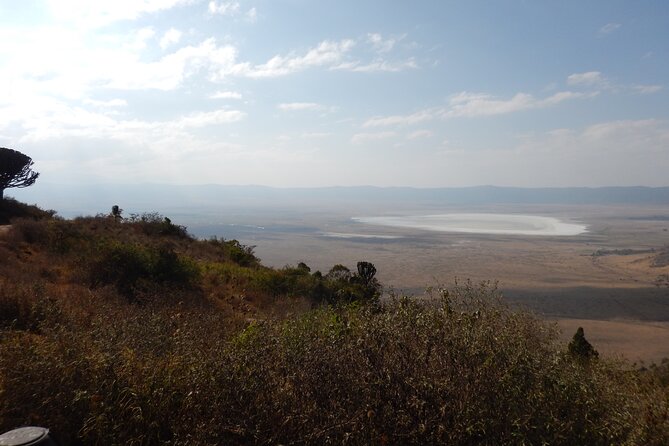
The headline moment is the crater descent, about 2,000 feet down. That drop changes everything. You move from open highland air into a basin where wildlife activity feels more frequent and more visible.
Once inside, you spend about five hours exploring the floor. The crater floor covers roughly 102 square miles, which is big enough that the guide can move you toward areas with active sightings rather than just driving the shortest route.
Common sightings can include zebras, wildebeests, hyenas, and lions. If you are lucky, you may also spot elephants, and the rare black rhino is listed as a possibility.
Practical tip, because it helps: expect to look more slowly than you think. In a crater, animals often appear at the edges of your field of view, not just in the center of the road.
Open-Roof 4WD Safari Vehicle: The View You Earn
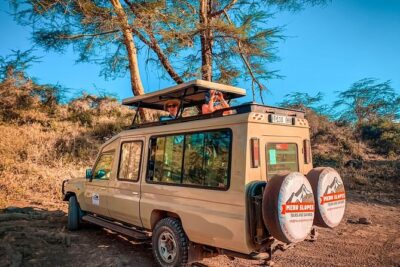
This tour uses a shared open-roof 4WD safari vehicle. That sounds like a feature line in a brochure, but in real life it is the difference between watching wildlife and actually feeling like you are in the action.
With an open roof, you get cleaner sightlines for scanning and photography. You also hear more, and that matters when you are tracking animal movement. The small group size, max seven people, helps because the vehicle stays less crowded and the guide can manage everyone’s viewing needs.
Because this is a shared ride, the vibe can be either quiet focus or lively chatter depending on your group. Either way, open-roof safari time tends to turn people into short-term wildlife experts fast.
A few more Arusha trips to compare
- Balloon Safari & Bush Breakfast in Serengeti – Miracle Experience
★ 5.0 · 1,646 reviews - Tanzania Classic – 7 Days
★ 5.0 · 1,151 reviews - 4 Days Group Camping Safari
★ 5.0 · 1,101 reviews - 5 Days Group Camping Safari
★ 5.0 · 730 reviews
Wildlife Viewing Inside the Crater: What You Should Expect to See
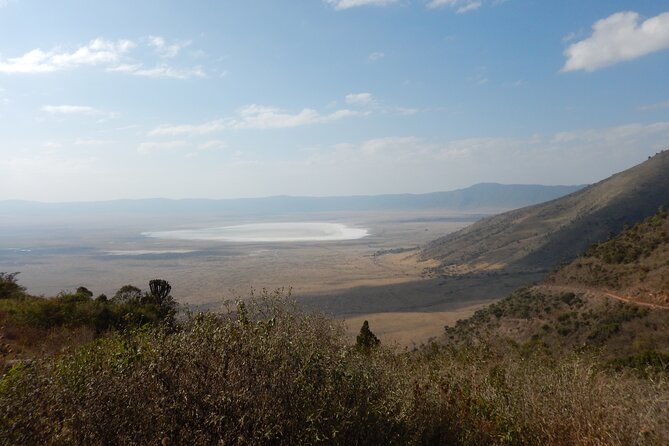
Ngorongoro is one of those places where the animals can feel close, even when they are behaving normally. The tour is built around guided game drive time, so you do not just park and wait.
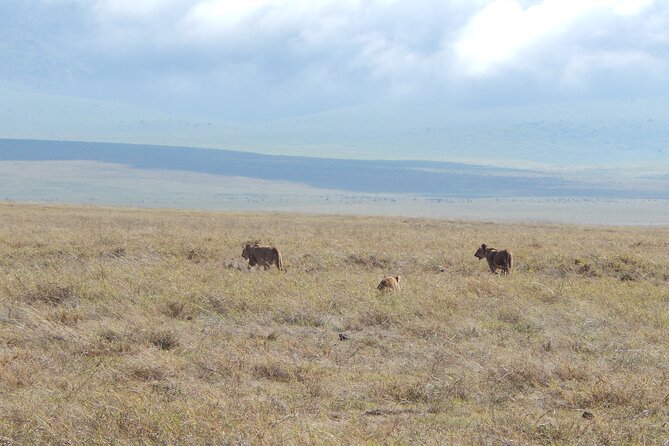
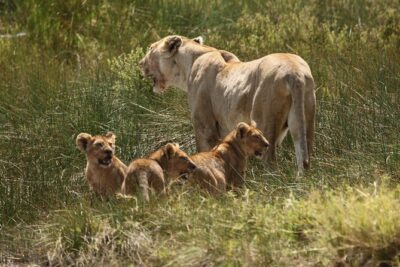
The most commonly mentioned animals are zebras, wildebeests, hyenas, and lions. Lions are often the most exciting because you are looking for movement, hunting behavior, and attention to prey patterns.
Hyenas can be easier to spot once you are used to scanning. They tend to show up with a purpose, and the guide’s job is to help you notice what you would otherwise miss.
Elephants are possible, and black rhino is the rare bonus. I recommend thinking of the rhino as a hope, not a checkbox. This keeps your expectations healthy and your day happier.
Food on Safari: Picnic Lunch, Water, and Keeping Your Energy Steady
One thing I really appreciate here is that lunch is handled. A picnic lunch is included, along with bottled water and soft drinks. That is big value because the crater day is long, and hunger is the most common way a great safari turns into a cranky one.
In reviews, people specifically mention warm and delicious food, and that shows up as a theme: it is not just included on paper, it is actually satisfying after the morning start.
My advice is simple: eat earlier than you think you need to. When the group is out scanning for animals, you can forget your energy level. A good lunch keeps your brain sharp for spotting the small stuff.
Karatu Stretch Break: Why a Short Stop Still Matters
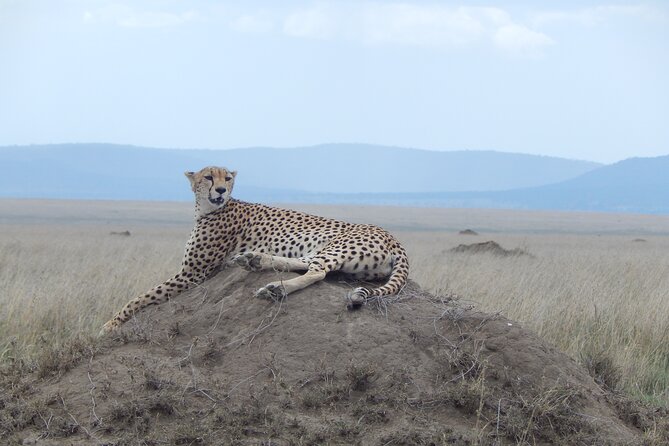
Karatu is only a 30-minute stop, and it is there for a reason. This is where you reset your legs, grab a quick snack if you want, and do light shopping.
If you are counting on this stop as a meal, do not. Lunch is the bigger food moment later, and Karatu is best treated as a comfort pause, not a full break.
That also means you should travel with patience. The day is time-managed, but the stop is practical, not random.
Guides and Small-Group Service: The Difference Between a Tour and a Day With Care
The tour caps at seven travelers, and that changes the feel of the day. You get a more direct relationship with your guide, and it is easier to ask questions or get help locating wildlife.
The guides mentioned in the experience include people like Rama and Sam. In the way the day is described, they do two key things well: they keep the schedule moving and they explain what you are seeing so you do not just watch animals, you understand them a bit.
That matters most for first-timers. If you are new to wildlife safaris, you will enjoy the day more when the guide helps you connect tracks, locations, and animal behavior.
Even if you know your animal calls already, a good guide still improves your odds by choosing drives that match current activity.
Price and Value: What $300 Pays For in a One-Day Safari
At $300 per person, you are paying for more than the right to enter a crater. You are paying for the whole operation: pickup and drop-off around central Arusha, a shared open-roof 4WD safari vehicle, the crater admission ticket, and the picnic lunch plus bottled water and soft drinks.
That bundle is where the value lives. The crater entrance is a real cost on its own, and transport is not cheap when you are doing a long day.
The most important thing to watch is what is not included. Tips and porterage to guides are not included, and health insurance and medical evacuation are also not included. So budget for tips like you would anywhere with a service-heavy safari.
Logistics You Should Sanity-Check Before You Commit
Most of what you need is included, including pickup and round-trip transport from Arusha. Still, one caution stands out from an unhappy experience: a guest reported a return leg with public bus.
I cannot confirm that is standard for every day, but it is worth checking. If you prefer a fully private or direct return, ask how the shared departure works on the way back.
Also note that the experience requires good weather. If conditions are poor, the tour may be canceled and you are offered a different date or a full refund.
Who This Tour Suits Best (and Who Might Feel Frustrated)
This tour is a great fit if you have limited time in Tanzania. It is also ideal for people who want to see Ngorongoro Crater and get on safari without planning multiple days of driving and lodging.
It can work for families too, since it is described as usable for most travelers. But be realistic about the early pickup and the long day.
If you hate early mornings, consider whether 5:30am is your thing. If you are the type who can handle a chilly alarm and then spend the day scanning for lions and hyenas, you will probably love the structure.
For a different pace, you can also look at a two-day option that includes Tarangire National Park plus Ngorongoro, with an overnight at a budget camp. That is a useful alternative if you want fewer “rush hours” and more time with wildlife.
Should You Book the Ngorongoro Adventure Day Tour from Arusha?
Book it if you want a focused one-day Ngorongoro experience with open-roof 4WD viewing, a guided crater game drive, and meals handled. The small group size, max seven people, is a strong reason to feel comfortable and not lost in chaos.
Consider booking something else or adjusting expectations if you strongly dislike very early mornings or if you are sensitive to how shared transport is handled on return. Also remember that sightings are never guaranteed, and the black rhino is possible but rare.
If you can handle the 5:30am start, this is one of the most efficient ways to turn a day in Arusha into real crater safari time.
FAQ
What time does the Ngorongoro Adventure Day Tour start from Arusha?
The start time is listed as 5:30am.
How long is the tour?
The duration is approximately 10 hours.
What group size should I expect?
This tour has a maximum of 7 travelers.
What does the price include?
Included items are pickup and drop-off around the city centre of Arusha, a picnic lunch, bottled water, a shared 4WD open-roof safari vehicle, and the Ngorongoro Crater admission ticket.
What are some important things that are not included?
Not included are health insurance and medical evacuation, tips and porterage to guides, and items of personal nature. Any transfers not specified in the itinerary are also not included.
Do you actually enter Ngorongoro Crater?
Yes. You descend about 2,000 feet into the crater and spend time exploring the crater floor, with a guided game drive as part of the experience.
Is the Karatu stop included?
Yes, there is a stop in Karatu for about 30 minutes for light shopping, and admission for that stop is listed as free.
What happens if weather is bad?
The experience requires good weather. If it is canceled due to poor weather, you will be offered a different date or a full refund.
What is the cancellation policy?
Free cancellation is available. You can cancel up to 24 hours in advance of the experience start time for a full refund.
Just posted around Arusha
- 8 Days Serengeti Migration safari★ 5.0 · 11 reviews
- tarangire & ngorongoro 2 days tour★ 5.0 · 14 reviews
- serengeti, ngorongoro & tarangire 4 days private tour★ 5.0 · 18 reviews
- tarangire, ngorongoro & lake manyara park 3 days private tour★ 5.0 · 11 reviews
- serengeti & ngorongoro 3 days private tour★ 5.0 · 15 reviews
- climb the KILIMANJARO via Lemosho route★ 5.0 · 4 reviews
- Mt. Kilimanjaro: Shira plateau to Cathedral point 3872m Day hike★ 5.0 · 7 reviews
- 2 Days Tanzania Midrange Group Join Safari★ 5.0 · 7 reviews
Ngorongoro Crater Tours, compared.
3 Days Serengeti & Ngorongoro Group Camping Safari
Read our review →
5 Days Camping Tarangire, Serengeti & Ngorongoro crater & Visiting Maasai
Read our review →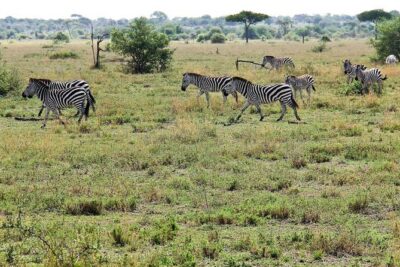
4 Days Join Group tour Tarangire Serengeti and Ngorongoro crater
Read our review →
4-Day Safari from Arusha: Tarangire, Serengeti and Ngorongoro
Read our review →
2 Days Tarangire and Ngorongoro Group Camping Safari
Read our review →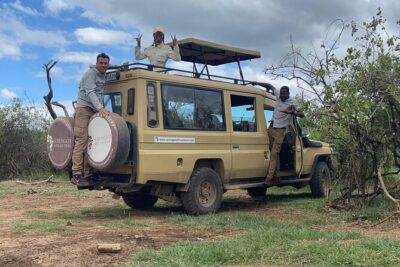
3 Days Tarangire, Ngorongoro & Lake Manyara Group Camping Safari
Read our review →Browse the lists this tour appears in