
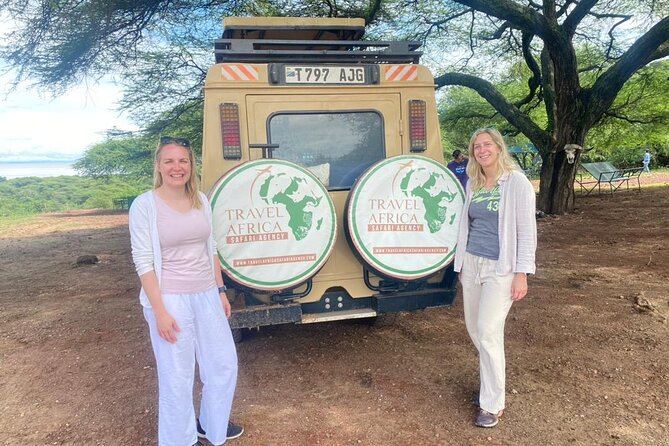
Reviewed · NGORONGORO CRATER TOURS
Full-Day Trip to Ngorongoro Crater from Arusha Town
Ngorongoro Crater is one of those days that feels bigger than the calendar. I love the small-group 4×4 setup, because you spend more time spotting animals and less time waiting. I also like the hands-on rhythm, with a driver-guide who shares what you’re seeing as the day moves from crater rim sights to the bottom. One thing to keep in mind, sightings are never guaranteed, so plan to treat black rhinos as a special bonus, not a checklist item.
This is a long day, starting early from Arusha, but it is also a straightforward way to reach Tanzania’s classic crater without wrestling with transport yourself. You’ll get round-trip transfers from Arusha, entry fees handled, and a full schedule built around crater geography and wildlife. If you’re the type who hates early wake-ups, this might feel like a lot, even if the payoff is real.
In This Review
- Quick hits to plan around before you ride
- From Arusha at 5:00 am, why this timing matters
- The 4×4 crater game drive, what you should expect to spot
- Entering Ngorongoro from the rim, the sundowner moment
- Flamingo lakes, hippo pools, and the crater’s animal-friendly geography
- Big 5 chances and the black rhino reality check
- Lunch, drinks, and making the long day comfortable
- Price and logistics: does $350 feel fair for Ngorongoro day value?
- Who this Ngorongoro day trip suits best
- A quick booking checklist for your Ngorongoro day
- Should you book this Ngorongoro Crater trip from Arusha?
- FAQ
- What time does the Ngorongoro Crater trip start in Arusha?
- How long is the full-day Ngorongoro Crater safari?
- How big is the group?
- Is pickup included?
- Do I need to buy entrance tickets?
- What animals can I realistically hope to see?
- What’s included for food and drinks?
- Does the tour include a game drive?
- Where does the tour end?
- What is not included in the price?
Quick hits to plan around before you ride
- 5:00 am start from Sokoine Road means you’ll arrive in time for the crater timing that includes a sundowner moment.
- Max 14 people keeps the safari feeling manageable, with less crowding in the 4×4.
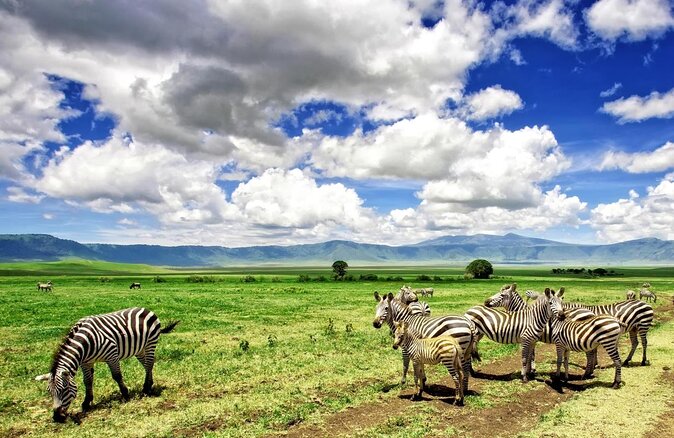
- Ngorongoro’s varied habitats (swamps, forest areas, open plains, and a soda lake) help you see different animals in different settings.
- Included picnic-style break at a hippo pool area, so the day isn’t only about driving and scanning.
- Black rhino searching is real work in this reserve, and your guide will point you toward the right places at the right times.
- Food and drinks are covered with lunch, coffee and tea, sodas, drinking water, plus soft drinks.
From Arusha at 5:00 am, why this timing matters
The day starts at 5:00 am on Sokoine Road in Arusha. That early departure is not just for show. Ngorongoro is a high-stakes wildlife place, and mornings tend to be when animals feel most active and your spotting odds are better.
You’re also dealing with distance. This is an 11-hour day (approx.), so the schedule has to be efficient. If you’re hoping to sleep in while still ticking Ngorongoro off your list, you’ll be disappointed. But if you like doing the big things first, this start time helps you get more crater time and fewer rushed moments.
One practical note: the tour ends back at the meeting point. Some groups coordinate close-to-hotel drop-offs in practice, and in at least one case the team was thanked for getting people safely back even if the return ran later. Still, I’d treat the official end point as the meeting point and plan your day around that.
More Ngorongoro Crater trips:
- 3 Days Serengeti & Ngorongoro Group Camping Safari
★ 5.0 · 574 reviews - 5 Days Camping Tarangire, Serengeti & Ngorongoro crater & Visiting Maasai
★ 5.0 · 229 reviews - 4 Days Join Group tour Tarangire Serengeti and Ngorongoro crater
★ 5.0 · 219 reviews
The 4×4 crater game drive, what you should expect to spot
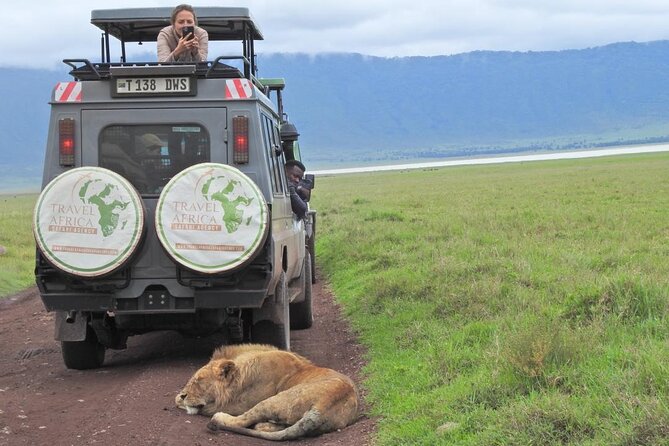
Your core experience is a 4×4 game drive inside Ngorongoro Crater. The crater is famous for the way it concentrates wildlife. Instead of guessing across far-flung roads, you’re driving through a natural amphitheater where animals roam within a set area.
What helps most is knowing what to look for, not just where to park. Ngorongoro has a mix of areas, including:
- open plains where grazers move and predators patrol
- swamps and water edges that attract hippos and plenty of birds
- forested patches that can hold quieter sightings
- the soda lake area, where flamingos can gather in good numbers
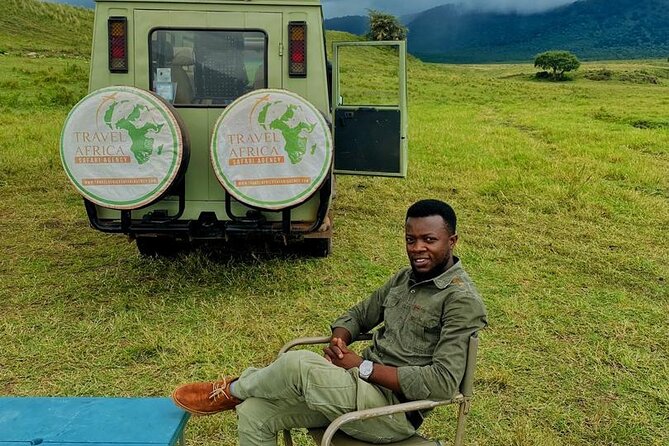
As you ride, your driver-guide is your cheat code. They can read the terrain fast, and they’ll explain the wildlife patterns you’re seeing. One reason I like this setup is that your time is spent on the crater itself, not on long detours or waiting around.
And yes, you can get close. You might see lions and leopards, elephants with impressive tusks, buffalo, and rhino areas people dream about. But here’s the honest part: even in a place famous for concentration, animals can still be hard to spot. Your best mindset is patient scanning, quick attention to your guide’s pointing, and letting the crater do the work.
Entering Ngorongoro from the rim, the sundowner moment
This trip is set so you reach the crater in time for a sundowner moment. That’s a smart rhythm for two reasons. First, it gives you a break from constant driving. Second, light changes your whole animal-spotting game. Shadows can help you see movement, while bright skies can reveal where animals are feeding or resting.
From above, the crater rim view is a jaw-stopper. Then you go down into the reserve where the world gets much more tactile, more real. You’re not just looking at a picture. You’re watching animals move through their actual spaces, with swamps, lake margins, and open ground all shaping how the sightings happen.
Timing can also affect what feels most active. In an ideal day, you get a good balance of early activity, mid-morning or afternoon sightings, and a calmer sundowner period. If the weather is moderate, you tend to get easier viewing. If visibility is tougher, you rely even more on your guide’s skill.
Flamingo lakes, hippo pools, and the crater’s animal-friendly geography
One of the biggest reasons this safari works is that Ngorongoro isn’t one single “wildlife scene.” It’s a series of habitats, packed into one crater. That diversity matters because it pulls in different animals, and it keeps the day from feeling repetitive.
Here’s what stands out based on how the crater is described and how the day is structured:
- Flamingo-filled soda lake areas: watch for birds concentrated near the water, often easier to spot than animals that blend into tall grass.
- Hippo pool areas: you’ll enjoy a picnic-style lunch moment near hippo water, which also sets you up for birdlife and water-edge viewing.
- Swamps and river-like areas: these attract animals that need water and cooler cover.
If you like bird spotting, flamingos are usually the big visual payoff. If you like big mammals, the water edges are where you often see the most dramatic moments, because animals use the same travel corridors again and again.
In practical terms, this mix helps you even if you don’t get perfect predator sightings. You can still have a full day of animal encounters, from birds to thick-skinned giants at the water.
A few more Arusha trips to compare
- Balloon Safari & Bush Breakfast in Serengeti – Miracle Experience
★ 5.0 · 1,646 reviews - Tanzania Classic – 7 Days
★ 5.0 · 1,151 reviews - 4 Days Group Camping Safari
★ 5.0 · 1,101 reviews - 5 Days Group Camping Safari
★ 5.0 · 730 reviews
Big 5 chances and the black rhino reality check
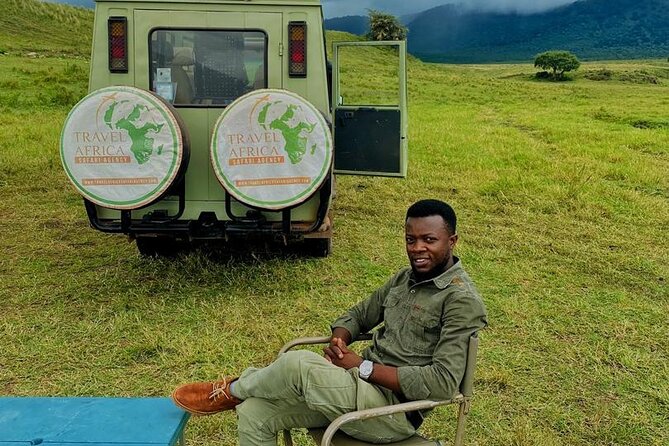
Ngorongoro is known for Big Five opportunities within the crater, including lions, leopards, elephants, buffalo, and rhinos. The rare one that people chase the hardest is the black rhino.
Here’s the real-world guidance I’d give you: don’t treat rhinos as the thing you must see to call the day a win. The reserve is large, and rhinos can be unpredictable in where they’re feeding or resting. Your guide can put you in the right zones, but you still need luck.
I also recommend a respectful mindset while searching. One piece of advice I learned from experience in wildlife settings is simple: if you keep demanding rhino sightings in a way that distracts from the guide’s efforts, it makes the search harder for everyone. Better approach, listen for where the guide wants to stop, keep your eyes moving, and stay calm. When a black rhino appears, you’ll know, because the vehicle will shift into focused mode fast.
Also, remember how animals behave in enclosed terrain. Predators may be moving between cover patches. Elephants often show up in bursts, then vanish into distance. So your job is to be ready, not to panic. If your guide named Mohammed is your driver-guide (a name that showed up in this experience), you’ll likely get strong explanations of what you’re seeing and why certain spots are worth checking.
Lunch, drinks, and making the long day comfortable
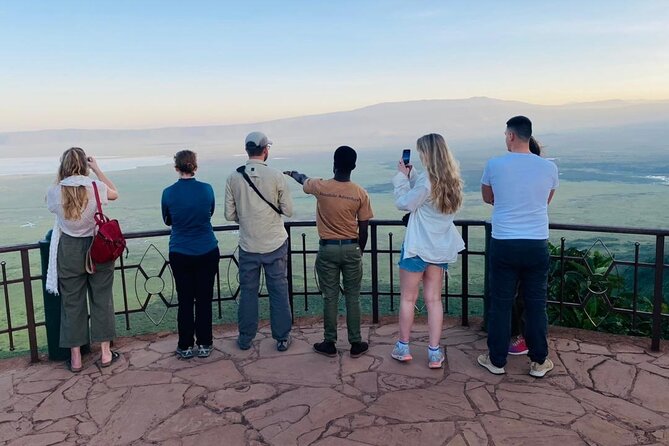
This trip handles food the way many safari days should: lunch is included, along with coffee and tea, sodas, and drinking water plus soft drinks.
For me, the value isn’t only that lunch is included. It’s that you’re not scrambling midday for cash, timing, or a place to eat. An 11-hour day is a lot to manage, and hunger can dull your focus fast. Here, you can keep scanning the road and not spend the day thinking about snacks.
Dietary requirements are noted as request-based. If you have a need, tell the agency clearly when you book, so it can be planned ahead.
If you’re traveling with a camera, it also helps that you likely won’t miss long stretches to hunt down bathrooms or meals. That keeps your attention on the crater.
Price and logistics: does $350 feel fair for Ngorongoro day value?
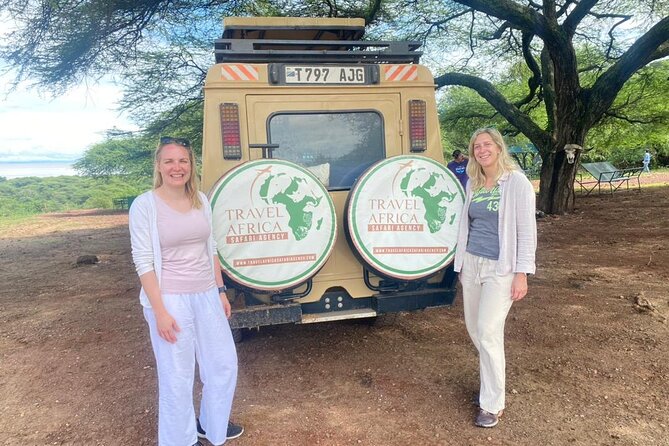
At $350 per person, this is not a budget safari. But it is priced in a way that matches what you’re getting: a full-day crater itinerary with return transport, a 4×4 game drive, and entry fees and taxes handled, plus drinks and lunch.
So where does the value come from?
- You’re not spending energy coordinating transport into the crater area.
- You’re paying for a day that is structured around wildlife timing and crater geography.
- You get an English-speaking driver-guide, with additional language support in Spanish and French listed for the guide. That matters if you want explanations without feeling lost.
- The group size cap at 14 travelers keeps the experience from turning into a conveyor belt.
What to think about before you book:
- Tips are not included. If you want to budget well, plan for that ahead of time.
- Travel insurance and international flights are not included, so you’ll handle those separately.
- The day is long. If you’re carrying more costs or taking a lot of other tours, make sure this one fits your physical stamina.
There’s also one logistics consideration from real-world safari days: sometimes group routing and vehicle assignments on the way back can get a bit messy if multiple bookings overlap. One passenger reported switching vehicles multiple times after the safari. You cannot control that fully, but you can manage expectations, keep your patience, and plan for a return that might not feel perfectly direct.
Who this Ngorongoro day trip suits best
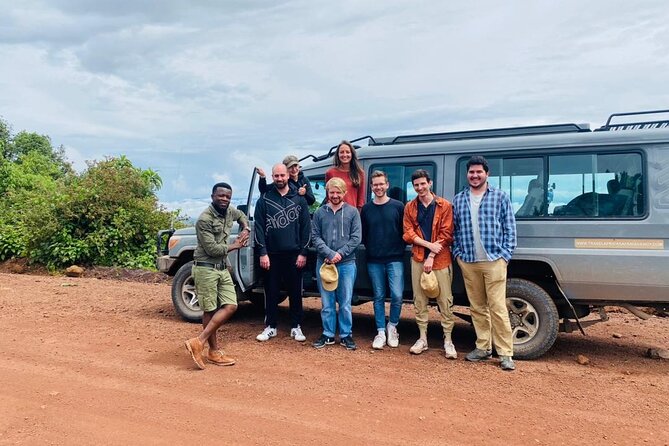
This safari is a great match if you:
- want a one-day Ngorongoro solution from Arusha without complex planning
- like small groups and prefer fewer people in the 4×4
- enjoy guided wildlife context, not only raw sightseeing
- want a day that balances animals, scenery, and breaks like lunch and sundowner timing
It may be less ideal if you:
- hate early mornings and long driving days
- are the type who needs guaranteed rhino sightings as a hard requirement
- want a strictly private tour with no possibility of coordination around pickups
For most people, the best outcome comes from going with flexibility: take the crater as it gives it, trust your guide, and focus on the moments you do get, from flamingos to elephants.
A quick booking checklist for your Ngorongoro day
Bring:
- a camera and binoculars if you use them
- sun protection and layers for morning to afternoon temperature shifts
- patience for wildlife searching, especially for rhinos
Also, when you communicate with Travel Africa Safari Agency, ask any practical questions about your day. The agency owner Mohamed Haroun is named in the experience context, and the company’s reputation in this set of trips leans toward clear organization and follow-through, including help getting people back safely when return timing runs later.
Should you book this Ngorongoro Crater trip from Arusha?
If you want Ngorongoro as a high-impact day trip, I think this is a solid booking choice. The small-group cap, the 4×4 game drive, the included entry and meal setup, and the way the schedule connects crater habitats make it a practical way to see a lot without turning the day into logistics stress.
Book it if:
- you’re staying in Arusha and want an efficient route to the crater
- you care about guided explanations and a real safari pace
- you’re okay with the fact that wildlife spotting is never guaranteed, especially rhinos
Skip or reconsider if:
- you need a private, tightly controlled experience with zero routing complexity
- you cannot handle a 5:00 am start plus an 11-hour day
Overall, treat it like a full-day wildlife outing, not a guaranteed checklist tour, and you’ll get what Ngorongoro is famous for: animals in an enclosed world where every turn can change your day.
FAQ
What time does the Ngorongoro Crater trip start in Arusha?
The activity starts at 5:00 am from Sokoine Road in Arusha.
How long is the full-day Ngorongoro Crater safari?
The duration is listed as about 11 hours.
How big is the group?
This tour has a maximum of 14 travelers.
Is pickup included?
Pickup is offered, and the tour starts from Sokoine Road, Arusha.
Do I need to buy entrance tickets?
No. Entry fees are included, along with all fees and taxes.
What animals can I realistically hope to see?
Ngorongoro Crater is described as home to lions, leopards, elephants, buffalo, and black rhinos, plus flamingos around soda lake areas and hippos near hippo pool areas.
What’s included for food and drinks?
You’ll receive lunch, coffee and/or tea, drinking water, soft drinks, and other dietary requirements on request.
Does the tour include a game drive?
Yes. The experience includes a 4×4 game drive.
Where does the tour end?
It ends back at the meeting point on Sokoine Road.
What is not included in the price?
Tips for the driver and safari cook, travel insurance, and international flights are not included.
Just posted around Arusha
- 8 Days Serengeti Migration safari★ 5.0 · 11 reviews
- tarangire & ngorongoro 2 days tour★ 5.0 · 14 reviews
- serengeti, ngorongoro & tarangire 4 days private tour★ 5.0 · 18 reviews
- tarangire, ngorongoro & lake manyara park 3 days private tour★ 5.0 · 11 reviews
- serengeti & ngorongoro 3 days private tour★ 5.0 · 15 reviews
- climb the KILIMANJARO via Lemosho route★ 5.0 · 4 reviews
- Mt. Kilimanjaro: Shira plateau to Cathedral point 3872m Day hike★ 5.0 · 7 reviews
- Kilimanjaro Waterfalls Hike & Moshi Hot Springs Day Trip Tour★ 5.0 · 4 reviews
Ngorongoro Crater Tours, compared.
3 Days Serengeti & Ngorongoro Group Camping Safari
Read our review →
5 Days Camping Tarangire, Serengeti & Ngorongoro crater & Visiting Maasai
Read our review →
4 Days Join Group tour Tarangire Serengeti and Ngorongoro crater
Read our review →
4-Day Safari from Arusha: Tarangire, Serengeti and Ngorongoro
Read our review →
2 Days Tarangire and Ngorongoro Group Camping Safari
Read our review →
3 Days Tarangire, Ngorongoro & Lake Manyara Group Camping Safari
Read our review →Browse the lists this tour appears in