
Reviewed · NGORONGORO CRATER TOURS
From Arusha: Tarangire and Ngorongoro Crater Camping Safari
Wildlife packed into 48 hours feels like magic. This Arusha to Tarangire and Ngorongoro Crater trip is interesting because you get two classic habitats fast, then come back for the next morning’s crater drive. I especially like the Tarangire elephants and baobabs plus the chance at black rhinos inside Ngorongoro, even if spotting them can be tough.
I also like that the day is structured around actual game-drive time, with built-in breaks like a picnic at the river. One consideration: you should expect some animals to be luck-dependent, and Ngorongoro’s famous hard-to-see rhinos are not guaranteed.
In This Review
- Quick hits
- Tarangire Meets Ngorongoro in One Tight 2-Day Loop
- Day 1: Arusha to Tarangire, Baobabs and Elephant Chances
- The Tarangire River Picnic Stop, and Why It Breaks Up the Day
- Day 1 Game Drive Tips: How to Use the Time You Have
- Overnight Stay: Sleeping Inside the Safari Rhythm
- Day 2: Ngorongoro Crater Morning, the 6 AM Start
- The Crater Game Drive, Lunch Timing, and the Return to Arusha
- Wildlife You Can Expect, and How to Think About Rhino Odds
- Guide, Vehicle, and the Human Part of Your Safari
- Price and Value: What $800 Covers, and What It Does Not
- Packing List That Matches the Safari Reality
- Who This Safari Fits, and Who Should Skip It
- Should You Book This Tarangire and Ngorongoro Safari?
- FAQ
- How long is the Arusha to Tarangire and Ngorongoro Crater camping safari?
- Which parks does this safari include?
- What time does pickup happen in Arusha?
- Are meals included during the safari?
- Is accommodation included overnight?
- Does the tour use an English guide?
- Is the safari suitable for small children or people with mobility or back issues?
Quick hits
- Tarangire National Park: big-elephant energy and iconic baobabs
- Ngorongoro Crater early start: cooler light for viewing, then a descent to hunt wildlife
- Small timing plan: long enough drives, with realistic stops for meals
- Guide-led searching: English-speaking tour guide plus English audio support
- Overnight stay included: you sleep inside the safari rhythm, not in rushed day trips
Tarangire Meets Ngorongoro in One Tight 2-Day Loop
This is a 2-day safari that focuses on two places with very different vibes. Tarangire feels open, varied, and elephant-heavy, while Ngorongoro is a crater bowl where wildlife funnels into a smaller stage.
The value here is simple: you don’t waste days on long detours. You drive out of Arusha in the morning, do Tarangire game drives the same day, then hit Ngorongoro early enough to make the crater descent part of the best viewing hours. If you want a first safari that still feels like a real safari, this timing works.
More Safaris in Arusha
- Balloon Safari & Bush Breakfast in Serengeti – Miracle Experience
★ 5.0 · 1,646 reviews - 4 Days Group Camping Safari
★ 5.0 · 1,101 reviews - 5 Days Group Camping Safari
★ 5.0 · 730 reviews
Day 1: Arusha to Tarangire, Baobabs and Elephant Chances
You start with pickup from your hotel at 7:30 AM. After meeting your English-speaking guide, chef, and the other clients in your group, you head out for about a 2-hour drive to Tarangire National Park.
Tarangire is known for its ancient baobab trees, and it’s also famous for having the largest concentration of elephants in Tanzania. That combination matters because it makes the park feel different from the more famous “plain” ecosystems. The trees create natural landmarks for spotting, and elephants show up often enough that you can relax and enjoy the search instead of treating every sighting like a miracle.
Then you go into game drives in the park. Your best bet is to keep your expectations flexible and watch for variety. The tour notes mention the usual cast: lions, cheetahs, leopards, giraffes, wildebeest, and zebras, plus plenty more depending on what the day produces.
The Tarangire River Picnic Stop, and Why It Breaks Up the Day
Later, you’ll head to the Tarangire River picnic site. This is not just a food break, it’s a viewing break, too, because rivers tend to pull animals into predictable patterns.
From there, you have lunch and then another round of game driving. The park exit is around 4:30 PM, and you continue on to your accommodations for dinner and overnight. That flow is practical because it avoids the all-day slog where you’re stuck in the vehicle with no real breathing room.
Bring bug spray. Tanzania’s sun is warm, but the wildlife areas can come with insects, and you’ll be thankful you packed it before the first picnic stop.
Day 1 Game Drive Tips: How to Use the Time You Have
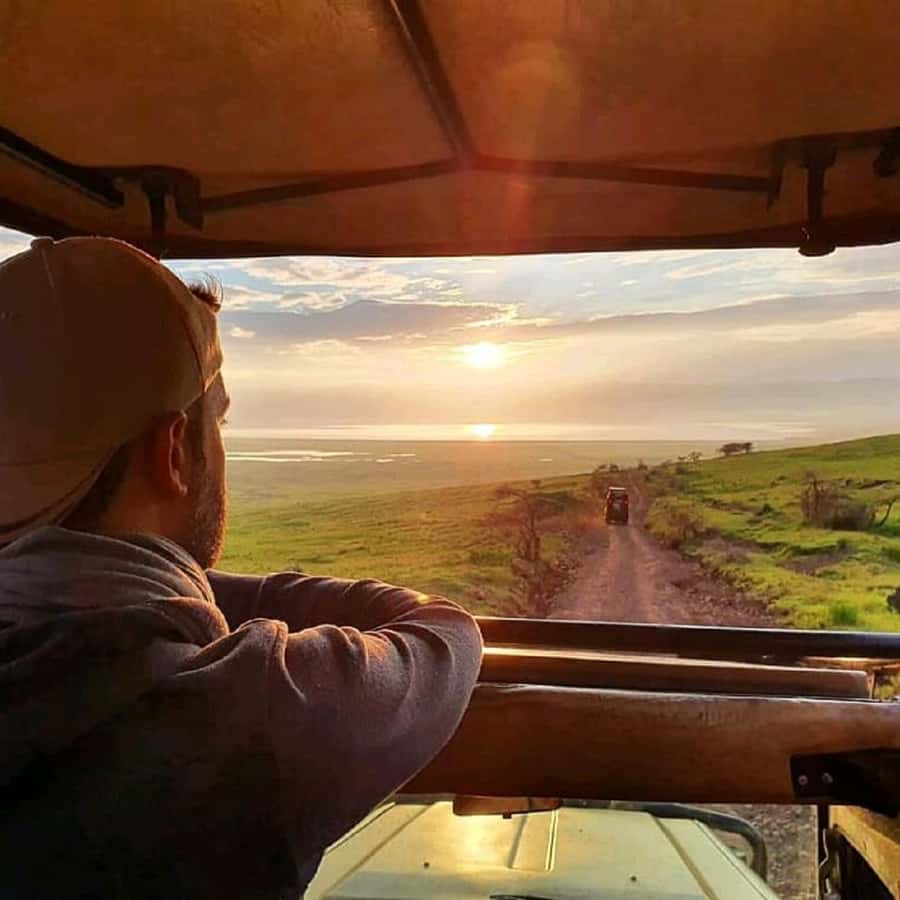
You’ll typically be in the vehicle searching during the coolest, most active parts of the day. To get the most out of it, I like treating game drives as a rhythm, not a single moment.
Here’s what helps:
- Keep your eyes moving between tree lines, open ground, and river edges. Animals often show up where food and water meet.
- Be ready for quick changes. A small adjustment, like a different angle from the road, can reveal the difference between “nothing” and “there they are.”
- Pack for heat and shade swings. You’re in open safari country, so being comfortable in your layers matters.
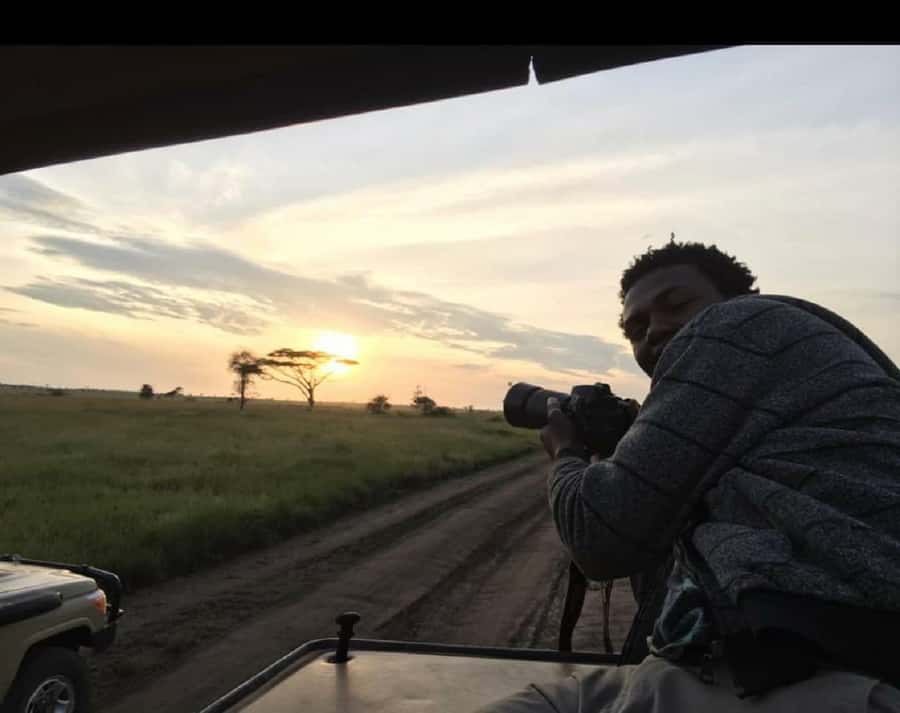
If you’re picky about photos, this is also where lens choice helps, but even without fancy gear you can get great shots when animals approach closer to the vehicle. The trip is set up to maximize viewing time, so don’t waste it fiddling too long with camera settings.
More camping safaris from Arusha:
- 3 Days Serengeti & Ngorongoro Group Camping Safari
★ 5.0 · 574 reviews - 2 Days Tarangire and Ngorongoro Group Camping Safari
★ 5.0 · 146 reviews - 6 Days Tanzania Budget Camping Safari
★ 5.0 · 145 reviews - 3 Days Tarangire, Ngorongoro & Lake Manyara Group Camping Safari
★ 5.0 · 102 reviews
Overnight Stay: Sleeping Inside the Safari Rhythm
This safari includes accommodations during the safari, plus dinner and an overnight. The exact lodge style can vary, but one itinerary story I read mentioned an overnight lodge in Mto wa Mbu, and they called it comfortable and clean.
So what should you expect from the sleep side of the deal? Think “basecamp” energy. You’re not arriving late to sit in a random hotel lobby. You’re coming off a long day of wildlife searching, getting fed, then resting so you’re ready for an early crater morning.
One small practical note from the experience feedback: in at least one case, the car needed repair time during the trip. That’s not the same as a broken promise, but it’s a reminder that wildlife safaris run in real-world conditions. Building in patience helps your day go smoother.
Day 2: Ngorongoro Crater Morning, the 6 AM Start
Day two starts early, with breakfast around 6:00 AM. Then you go to the Ngorongoro viewpoint, where the crater scene hits you all at once, like stepping into a naturally walled stage.
After that, you descend the crater. Descending is part of why Ngorongoro is so effective. In a crater environment, you get a denser feel for habitat, and wildlife often concentrates as animals move through the area.
This is where black rhinos become the star of the hunt. The tour specifically calls out that black rhinos are the hardest animals to spot in the crater. That’s not to scare you, it’s to calibrate your expectations. You might spot rhino, or you might not, but your guide will still be looking hard.
The Crater Game Drive, Lunch Timing, and the Return to Arusha
After descending and searching, you’ll have lunch. Then there’s another game drive while still inside the crater environment, and after that you ascend and return to your accommodations in Arusha.
This return matters because you keep your total travel time sane. A two-day safari is a tradeoff, and this one tries to make the tradeoff worth it by keeping Ngorongoro as the centerpiece morning and midday.
Also, accept that some “big ticket” animals can be missed. One experience account noted they did not see nashörner (rhinos) and hyenas during their two days, even though those were high on their list. That happens. The key is whether the rest of the day still delivers. Ngorongoro has plenty of wildlife activity, so even when one species is absent, you’re not walking away empty-handed.
Wildlife You Can Expect, and How to Think About Rhino Odds
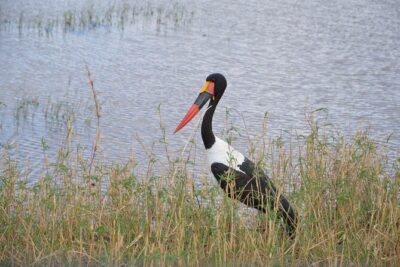
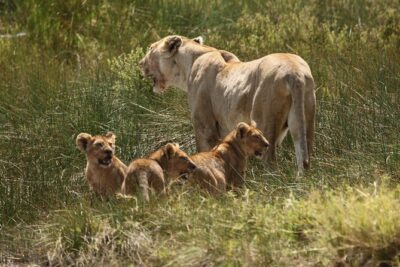
This safari is clearly built for the classic set of East African icons. In Tarangire, you’re aiming for things like elephants and predators such as lions and cheetahs. In Ngorongoro, you’re aiming for the crater’s big cats and, if you’re lucky, black rhinos.
The smart way to think about it is this: treat the itinerary as a “high-chance route,” not a guarantee. You’re going to do the right drives in the right places at the right times, which is the best you can do in wildlife country.
If rhino is your top target, plan your mindset around possibility. Your guide’s job is to keep scanning and repositioning, but some animals are simply elusive on certain days. If you end up missing one hard-to-see species, focus on the other signs the crater provides, like movement patterns, grazing areas, and predator stalking behavior.
Guide, Vehicle, and the Human Part of Your Safari
A safari isn’t only about where you go. It’s also about who’s doing the searching. Your guide is the difference between seeing a few animals at a distance and understanding what you’re looking at.
English is covered in two ways here: there’s a live tour guide in English, plus an English audio guide. That’s helpful if you want both interpretation in the moment and extra context while you’re on the move.
From the experience feedback, certain guide personalities show up often. Names like Simon (nicknamed Safari Monster) and Malissa came up as standout guides. Another guide name, Lucas, was also praised for showing animals effectively. If you’re booking and you have any option to request a guide, it’s worth leaning toward someone people describe as energetic and supportive.
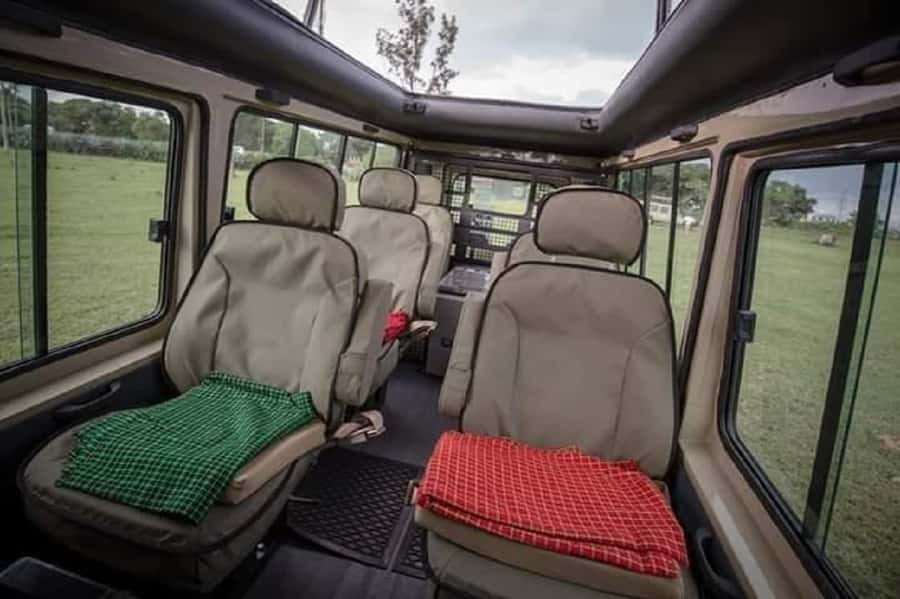
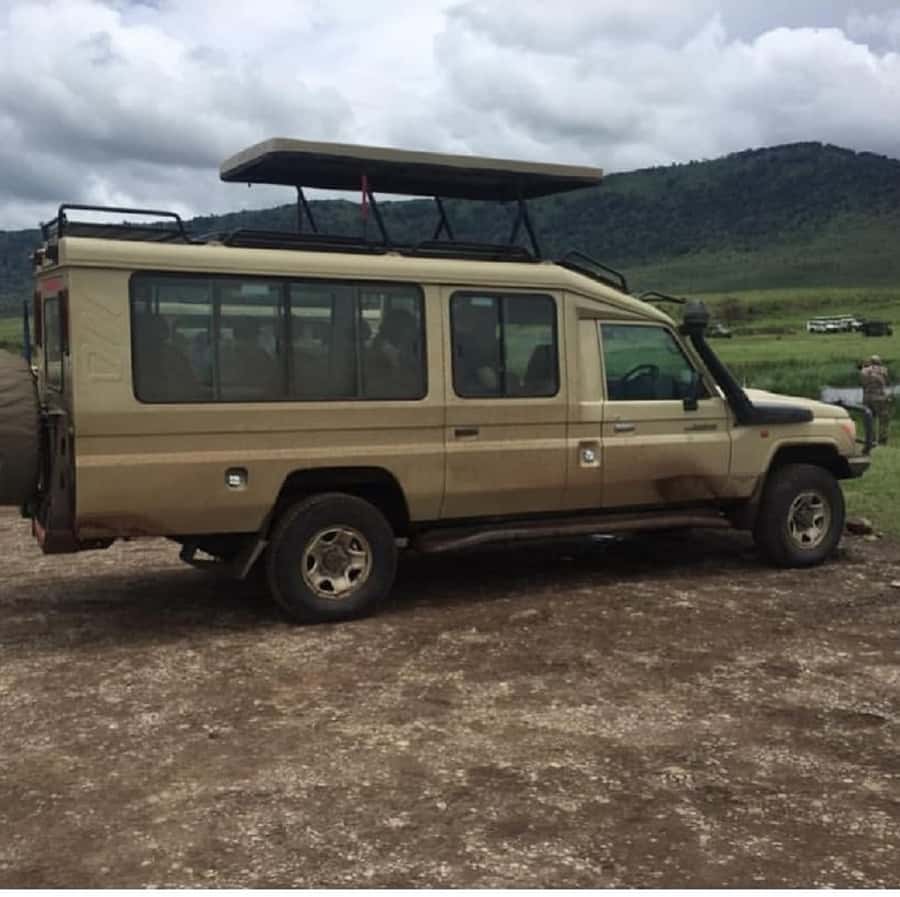
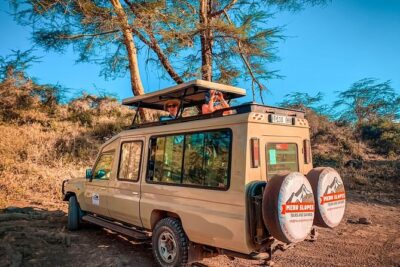
On the vehicle side, one account mentioned a Toyota Land Cruiser. That’s exactly the kind of safari vehicle you want, because it’s sturdy, stable on rough roads, and built for long wildlife days.
Price and Value: What $800 Covers, and What It Does Not
The listed price is $800 per person for a 2-day safari. That can feel high until you break down what you actually get, because safari pricing is mostly about park access, logistics, and the cost of getting you into the right areas safely.
Included in the package:
- Hotel pickup and drop-off
- All park entrances and taxes
- Accommodations during the safari
- All meals, soft drinks, and water
Not included:
- Flights
- Visas
So where is the value? You’re paying for a full service itinerary: transport, fees, food, and lodging. If you tried to DIY this with park tickets, a vehicle, meals, and a driver, the coordination cost would climb quickly. Where the price can feel tricky is if you compare across departures or group setups. One experience account noted a noticeable price gap between different participants, so double-check what your booking includes before you settle into assumptions.
The smartest move is to focus on what matters to you: how many parks you visit, whether you’re staying overnight in the safari rhythm, and whether meals and park fees are already handled. This package covers those core pieces.
Packing List That Matches the Safari Reality
This tour is straightforward, but small packing choices make a big difference.
At minimum:
- Bug spray (specifically recommended)
- Comfortable clothes for warm days and cooler early mornings
- Something for sun protection since you’ll be outside for long game-drive stretches
Also, the tour notes say pets are not allowed. If you’re thinking about traveling with an animal, you’ll need to arrange separate plans.
Who This Safari Fits, and Who Should Skip It
This is not a “universal everybody” safari.
It’s not suitable for:
- Children under 3 years
- People with back problems
- People with mobility impairments
Why? You’ll be in a vehicle for long stretches, plus there is crater driving that involves getting in and out and dealing with uneven terrain. If you have mobility or back limitations, it’s worth discussing with the operator first, because the itinerary does require physical endurance.
This safari is a strong fit for:
- Adults and older kids who want big wildlife value in a short time
- First-time safari people who want Tarangire plus Ngorongoro without overplanning
- Anyone who wants a guided experience with English support and meals handled
Should You Book This Tarangire and Ngorongoro Safari?
I think this is a smart booking if you want a tight, high-impact safari route with two top Tanzania wildlife areas and a schedule that gives you real driving time. The big strengths are the Tarangire elephant and baobab payoff, plus the Ngorongoro crater game drive, where black rhinos are a real target, even if spotting is never guaranteed.
If you’re sensitive to motion, pain, or uneven terrain, or you’re traveling with a child under 3, skip it and look for a more tailored option. And if you’re traveling primarily for one ultra-rare sighting, like black rhino, treat the itinerary as a high chance plan, not a promise.
If that sounds like your style, book it, show up with bug spray, and let the day run. Wildlife rewards patience, and this route gives you enough time to feel like you actually got in the mix.
FAQ
How long is the Arusha to Tarangire and Ngorongoro Crater camping safari?
The safari duration is 2 days.
Which parks does this safari include?
It includes Tarangire National Park and Ngorongoro Crater.
What time does pickup happen in Arusha?
Pickup from your hotel is scheduled for 7:30 AM.
Are meals included during the safari?
Yes. The tour includes all meals, plus soft drinks and water.
Is accommodation included overnight?
Yes. Accommodations during the safari are included, along with dinner and an overnight stay.
Does the tour use an English guide?
Yes. There is a live tour guide in English, and an English audio guide is included.
Is the safari suitable for small children or people with mobility or back issues?
No. It is not suitable for children under 3, or for people with back problems or mobility impairments.
More Ngorongoro Crater Trips
- 4-Day Safari from Arusha: Tarangire, Serengeti and Ngorongoro
★ 5.0 · 173 reviews - 4 Days Tarangire Serengeti Ngorongoro Crater
★ 5.0 · 117 reviews - 3 Days Private Safari – manyara, Ngorongoro & Tarangire
★ 5.0 · 94 reviews - 5 Days Tanzania Group Joining Safari, Tarangire/Serengeti/Ngorongoro Crater
★ 5.0 · 85 reviews
More Tarangire Safaris in Arusha
- 5-Day Highlights mid-Range Crater, Serengeti, Tarangire
★ 5.0 · 296 reviews - Private 6-Day Tarangire Manyara Crater and Serengeti with Mid-Range Lodges
★ 5.0 · 238 reviews - 5 Days Camping Tarangire, Serengeti & Ngorongoro crater & Visiting Maasai
★ 5.0 · 229 reviews - 4 Days Join Group tour Tarangire Serengeti and Ngorongoro crater
★ 5.0 · 219 reviews
Just posted around Arusha
- 8 Days Serengeti Migration safari★ 5.0 · 11 reviews
- tarangire & ngorongoro 2 days tour★ 5.0 · 14 reviews
- serengeti, ngorongoro & tarangire 4 days private tour★ 5.0 · 18 reviews
- tarangire, ngorongoro & lake manyara park 3 days private tour★ 5.0 · 11 reviews
- serengeti & ngorongoro 3 days private tour★ 5.0 · 15 reviews
- climb the KILIMANJARO via Lemosho route★ 5.0 · 4 reviews
- Mt. Kilimanjaro: Shira plateau to Cathedral point 3872m Day hike★ 5.0 · 7 reviews
- 2 Days Tanzania Midrange Group Join Safari★ 5.0 · 7 reviews
Ngorongoro Crater Tours, compared.
3 Days Serengeti & Ngorongoro Group Camping Safari
Read our review →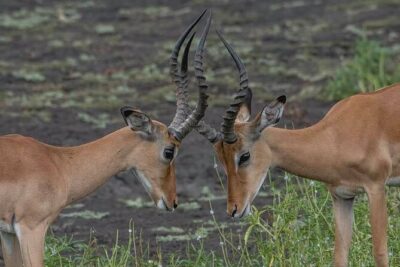
5 Days Camping Tarangire, Serengeti & Ngorongoro crater & Visiting Maasai
Read our review →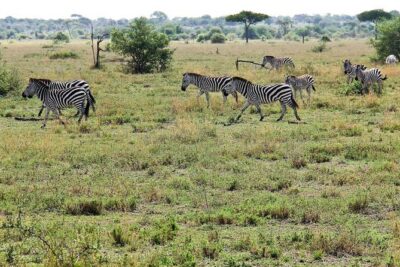
4 Days Join Group tour Tarangire Serengeti and Ngorongoro crater
Read our review →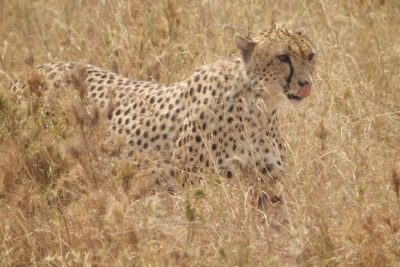
4-Day Safari from Arusha: Tarangire, Serengeti and Ngorongoro
Read our review →
2 Days Tarangire and Ngorongoro Group Camping Safari
Read our review →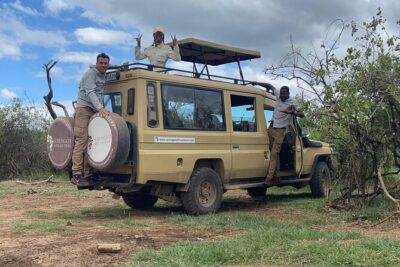
3 Days Tarangire, Ngorongoro & Lake Manyara Group Camping Safari
Read our review →Browse the lists this tour appears in