
Reviewed · LAKE MANYARA SAFARIS
Day 1 Arusha – Lake Manyara National Park
Lake Manyara feels like a wild mix of birds, forests, and open salt flats. This Arusha safari starts early with hotel pickup, then switches to a 4×4 safari vehicle for game drives in a park tucked into the Great Rift Valley. You’ll also get a picnic lunch and built-in park entry through the tour, so you can focus on spotting animals.
What I liked most is the chance to chase two very different highlights in the same day. First, you’re in bird country, with flamingos, pelicans, and cormorants on the checklist. Second, the park can also deliver classic game viewing, including the (famed, sometimes) possibility of tree-climbing lions.
The main thing to consider is that sightings are never guaranteed, especially the rarer stuff. Wildlife depends on conditions and luck, and Lake Manyara is also described as requiring good weather for the experience to run smoothly.
In This Review
- Key highlights worth planning around
- Arusha pickup and the early start that pays off
- Lake Manyara National Park: Rift Valley scenery with real wildlife variety
- Birding payoff: flamingos, pelicans, cormorants, and friends
- Big game odds: elephants, baboons, vervet monkeys, and giraffes
- Why the 4×4 game drive style matters
- Picnic lunch: energy management without turning the day into a transfer day
- When your day ends in Arusha, or pushes toward Kilimanjaro
- Price and value: what $235.90 buys you in the field
- Private safari, strong guiding, and the Wilson Lucas effect
- What to pack and how to stay comfortable all day
- Who this safari day fits best
- Should you book Arusha to Lake Manyara with Tan Spirit Safari?
- FAQ
- What does the Arusha to Lake Manyara experience include?
- Do you pick you up from your hotel in Arusha?
- What animals and birds should I expect to see at Lake Manyara?
- Is this a private tour?
- What kind of vehicle is used for the game drive?
- Are meals included, and is water provided?
- What is not included in the price?
- Is there cancellation coverage if weather is poor?
Key highlights worth planning around
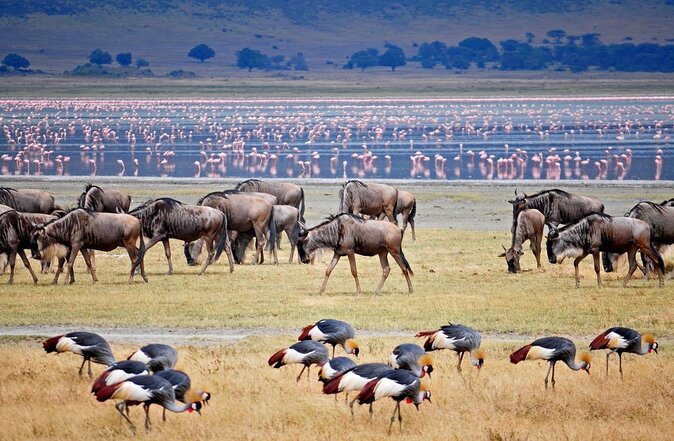
- Flamingos and other waterbirds make this park a strong option if you love birdlife
- Tree-climbing lions are a famous story here, and you’ll understand why once you see the landscape
- A private group setup means you’re in your own vehicle, not squeezed into a crowd
- Lunch is handled on the route, with mineral water included to keep the day comfortable
- Flying Doctors insurance (AMREF) is included during the day trip, which adds real peace of mind
Arusha pickup and the early start that pays off
This experience begins with collection from your hotel in Arusha in the early morning. That timing matters at Lake Manyara because wildlife tends to be more active earlier in the day, and the light is better for scanning trees, grass edges, and the shorelines where birds feed.
From Arusha, you drive into the northwest side of Lake Manyara National Park and also cover areas tied to the alkaline waters of Lake Manyara in the Great Rift Valley. Even if you only see a few minutes of the park before breakfast wildlife starts, the setting already tells you this is not the same kind of safari as the endless plains. Here, you are moving through habitats that can change quickly, from wooded edges to more open stretches.
One practical perk: you do not have to manage park logistics yourself. The tour includes transportation in a 4×4 safari vehicle and all national park fees, so your day is built around the drive and the spotting, not paperwork.
More National Park Trips in Arusha
- 7 Days Tanganyika Wilderness Safari
★ 5.0 · 159 reviews - Arusha National Park Private Safari
★ 5.0 · 59 reviews - 4 Day Ngorongoro Crater Tarangire and Serengeti National Park
★ 5.0 · 44 reviews
Lake Manyara National Park: Rift Valley scenery with real wildlife variety
Lake Manyara National Park sits in a pocket of the Great Rift Valley. The park includes the northwest bank and part of the alkaline Lake Manyara area, which helps explain why birdlife can be so intense here. Alkaline water and shoreline feeding patterns attract species that you might not see in the same numbers elsewhere.
The park is also a mix of habitats. You get wooded regions where animals feel comfortable moving and resting, plus more open areas where grazers and browsers can appear. That variety is a big reason this park works for different styles of safari: if you’re into birds, you can focus on shoreline action, but if you want big-game energy, you can keep your eyes on the woodland edges and clearings.
A quick mindset shift helps. Instead of thinking of it as one “track,” think of it as several mini zones you pass through on a drive. Each zone has a different set of clues, like where tree shadows hold primates or where open ground gives you a better shot at watching antelopes feed.
Birding payoff: flamingos, pelicans, cormorants, and friends
If flamingos are on your dream list, Lake Manyara is one of your best bets. The park is known for flamingos, pelicans, and cormorants, and that is only the start. It’s described as home to hundreds of other bird species too, which is why it’s often called a paradise for ornithologists.
Here’s what that means for you in the real world. You’ll spend time watching water and nearby shoreline edges, and you’ll likely see birds in different roles: some feeding, some resting, some moving in short bursts. Even when big animals stay hidden, birds keep offering action.
A practical tip for enjoying this section: slow down mentally. Birds can look like background until you zoom in on behavior, like turning patterns, feeding positions, and whether flocks are gathering or breaking apart. When you do that, the birdlife becomes less about ticking names off a list and more about understanding how the ecosystem works.
And yes, you might also see woodland birds when you pass tree edges. The tour’s format keeps you moving through those habitat changes, so bird time does not feel stuck in one spot.
Big game odds: elephants, baboons, vervet monkeys, and giraffes
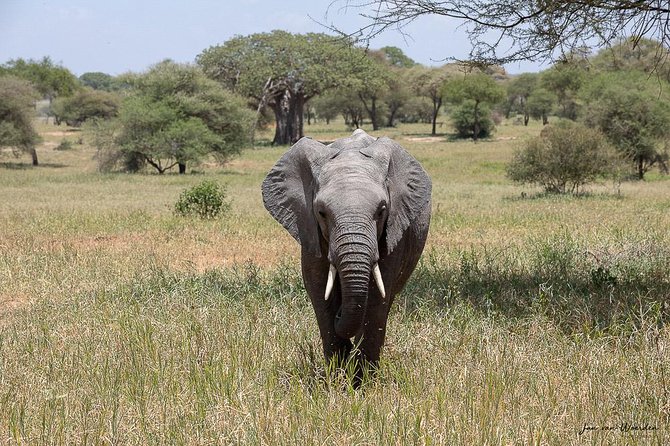
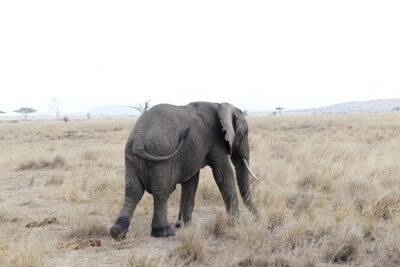
Lake Manyara is not only a bird park. With the right timing and a bit of luck, you can spot elephants in the wooded regions. When elephants are present, they can be subtle at first, then suddenly obvious when you see ears, trunks, and movement breaking the tree line.
You’ll also have a good chance at primates. Baboons and vervet monkeys are found among the forested areas and in more open spaces. That means you should keep scanning both directions: tree branches for monkey activity and open ground for quick primate crossings.
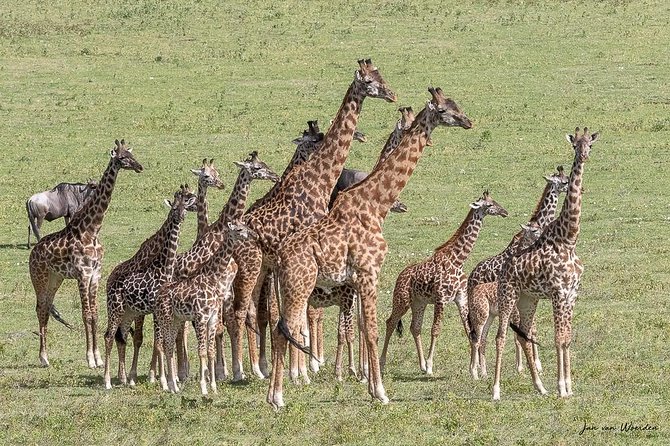
Giraffes are another possibility. The day’s description notes that giraffes nibble at fresh leaves, so when you see the edges of trees or leafy growth near clearings, that is where your eyes should go first. And for browsers and grazers, the park has various antelopes that browse for tasty shoots in the region.
There’s also a safari story that makes Lake Manyara famous: tree-climbing lions. It’s described as the only place where lions were thought to climb trees with atypical behavior. Whether you see that or not, the park conditions help you understand how the legend grew. Keep your gaze higher than you usually would in other parks, especially when you find lions nearby and the surrounding trees offer real climbing options.
More Lake Manyara safaris:
- Private 6-Day Tarangire Manyara Crater and Serengeti with Mid-Range Lodges
★ 5.0 · 238 reviews - 3 Days Tarangire, Ngorongoro & Lake Manyara Group Camping Safari
★ 5.0 · 102 reviews - 3 Days Private Safari – manyara, Ngorongoro & Tarangire
★ 5.0 · 94 reviews - 05 Days Tarangire, Serengeti, Ngorongoro and Lake Manyara
★ 5.0 · 54 reviews
Why the 4×4 game drive style matters
A 4×4 safari vehicle is included, and that is more than just a mode of transport. It changes how you experience the drive, because you can reach areas where animals feed, rest, and move along the edges of habitats.
In parks like this, wildlife often appears in the margins. Think about the tree line that meets open ground, or the shoreline that birds use as a feeding zone. Those are the exact spots where a rigid route can miss everything, but a flexible safari vehicle route can catch the action.
Also, the experience is private. Only your group participates, so you are not balancing a schedule full of strangers or waiting on different preferences. One review specifically pointed out that having a vehicle to themselves made a difference, and it matches what you’d feel in practice: you can spend a little longer watching, stop for a moment when you spot movement, and adjust your focus without a group tugging you away too quickly.
Picnic lunch: energy management without turning the day into a transfer day
After the morning game and wildlife watching, there’s time for a picnic lunch. That’s a smart setup because it keeps you in the park zone and reduces long back-and-forth transfers that can drain your attention.
If you want the most out of lunch time, treat it like a reset, not a finish line. Eat what’s offered, drink your mineral water, and take a moment to scan the general area visually before you move back into the drive. Sometimes you’ll see birds or primates while people are talking and waiting, and those tiny windows add up.
Then you’re back to more game and wildlife watching before returning to Arusha. The “more spotting after lunch” part is important. Many safaris front-load the best action early and then slow down. Here, the structure suggests you still get a second window to catch animals that may have been resting earlier.
When your day ends in Arusha, or pushes toward Kilimanjaro
Your day is centered on Arusha and Lake Manyara. The itinerary includes driving back to Arusha after the game drive and picnic lunch.
At the same time, the tour summary also mentions Arusha to Kilimanjaro International Airport. That sounds like some departures are paired with an airport connection. If you have flights to catch, it’s worth confirming your final drop-off point so your timing is clean and you’re not guessing.
Either way, the key value is that you get one organized route. You are not piecing together a self-drive plan, park fees, and a separate transfer.
Price and value: what $235.90 buys you in the field
The price is listed at $235.90 per person. For a safari day, the real question is not the headline cost, it’s what’s included that saves you time, money, and hassle.
Here’s what the tour includes:
- Day trip according to the itinerary
- Transportation in a 4×4 safari vehicle
- All national park fees
- Flying Doctors insurance (AMREF) during the day trip
- Meals according to the itinerary
- Mineral water
You’re also not paying for the big-ticket unknowns like park entry and the vehicle in the middle of nowhere. That’s where DIY trips can get expensive quickly once you add vehicle rental and park access.
What’s not included is also clear:
- Alcoholic and soft drinks
- Visa fees and flights
- Travel insurance (separate from the included AMREF coverage)
- Personal spending money
So if you like to buy snacks and drinks along the way, you’ll want to budget for that. If you prefer to travel light and stick to what’s provided, you’ll likely feel the cost is straightforward.
Private safari, strong guiding, and the Wilson Lucas effect
The experience provider is Tan Spirit Safari, and the reviews tie its value to one big thing: the guide-driver care level.
One of the most praised names is Wilson Lucas, described as the best guide and driver in Tanzania. Reviews emphasize that he is professional and takes care of details, and one account specifically mentions a private safari across Serengeti, Ngorongoro, Lake Manyara, Tarangire, and Arusha.
Another review highlights the practical difference of having a vehicle to yourselves. That private setup matters most when you’re trying to track animals. The best sightings often come from quick scanning and small positioning adjustments, not from being on a fixed timetable.
So how should you use this information? When you book, look at the guide assignment if that option is available in your confirmation process, and if you’re given a chance to request, consider asking about the driver. At minimum, choose the private format, because Lake Manyara rewards attention and patience.
What to pack and how to stay comfortable all day
The tour includes meals and mineral water, but you still need to show up ready for a full safari day. Lake Manyara can involve sun, dust, and long periods with your gaze tilted toward trees and shorelines.
I’d plan for:
- A hat and sunscreen for long viewing stretches
- Sunglasses (you’ll be scanning water and bright ground)
- Light layers in case mornings feel cool
- A small daypack for camera gear and basics
Also, keep your phone battery in mind. Game drives can mean constant photo checks. If you’re serious about bird watching, extra storage helps too, since birds can offer rapid, small movements.
Who this safari day fits best
This is a strong choice if you want one park that covers multiple interests at once:
- You love birds and want a safari that feels like a serious ornithology outing
- You still want a shot at big game, including elephants and primates
- You prefer a private vehicle and a guide who can manage the day smoothly
It also works well for families and mixed groups, based on a review that called it fantastic for all family members. The private format helps when people need a slightly different pace, and the structure is straightforward: pickup, drive, game viewing, picnic lunch, more viewing, return.
If you hate early mornings, this might be the only part that feels tough. The start is described as early, and that’s the trade-off that tends to pay off in wildlife activity.
Should you book Arusha to Lake Manyara with Tan Spirit Safari?
I’d book it if you want a practical, well-paced safari day that covers Lake Manyara’s signature birdlife and also gives real odds for mammals like elephants and giraffes. The value is strong because the important stuff is handled for you: 4×4 transport, park fees, meals, and AMREF Flying Doctors insurance during the day trip.
I’d hesitate only if your travel style is all about guaranteed headline sightings. Even with excellent guiding, tree-climbing lions and other standout moments are never promised. You’re going for a great day in a park that often delivers, not for a guaranteed box-check.
If you’re traveling through Arusha and want a memorable stop that feels both natural and lively, this is a smart way to spend your time in Tanzania. Just confirm your exact drop-off if you’re connected to Kilimanjaro International Airport, so your safari day and your flight day line up cleanly.
FAQ
What does the Arusha to Lake Manyara experience include?
It includes a day trip according to the itinerary, transportation in a 4×4 safari vehicle, all national park fees, Flying Doctors insurance (AMREF) during the day trip, meals according to the itinerary, and mineral water.
Do you pick you up from your hotel in Arusha?
Yes. The experience starts with collection from your hotel in Arusha in the early morning.
What animals and birds should I expect to see at Lake Manyara?
You can expect flamingos, pelicans, and cormorants, plus many other bird species. The big game section includes possible elephants in wooded regions, along with baboons, vervet monkeys, giraffes, and various antelopes. Tree-climbing lions are also a known possibility.
Is this a private tour?
Yes. It is a private tour/activity, and only your group will participate.
What kind of vehicle is used for the game drive?
The tour includes transportation in a 4×4 safari vehicle.
Are meals included, and is water provided?
Meals are included according to the itinerary, and mineral water is included.
What is not included in the price?
Not included are personal spending money for souvenirs, alcoholic and soft drinks, travel insurance, visa fees, and flights.
Is there cancellation coverage if weather is poor?
You can cancel for a full refund if you cancel up to 24 hours in advance. The experience requires good weather, and if it’s canceled due to poor weather, you’ll be offered a different date or a full refund.
More National Parks in Arusha
- 6 days 5 nights safari Ngorongoro, Serengeti and Tarangire National Parks
★ 5.0 · 39 reviews - 3 Days Safari to Serengeti National Park & Ngorongoro Crater in Tanzania
★ 5.0 · 34 reviews - Arusha National Park Full-Day Safari
★ 4.8 · 25 reviews - 3days Serengeti National park and Ngorongoro Crater Tanzania Safari
★ 5.0 · 21 reviews
Just posted around Arusha
- 8 Days Serengeti Migration safari★ 5.0 · 11 reviews
- tarangire & ngorongoro 2 days tour★ 5.0 · 14 reviews
- serengeti, ngorongoro & tarangire 4 days private tour★ 5.0 · 18 reviews
- tarangire, ngorongoro & lake manyara park 3 days private tour★ 5.0 · 11 reviews
- climb the KILIMANJARO via Lemosho route★ 5.0 · 4 reviews
- Mt. Kilimanjaro: Shira plateau to Cathedral point 3872m Day hike★ 5.0 · 7 reviews
- serengeti & ngorongoro 3 days private tour★ 5.0 · 15 reviews
- Kilimanjaro Waterfalls Hike & Moshi Hot Springs Day Trip Tour★ 5.0 · 4 reviews
Lake Manyara Safaris, compared.
Private 6-Day Tarangire Manyara Crater and Serengeti with Mid-Range Lodges
Read our review →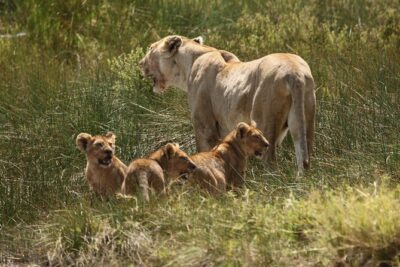
3 Days Tarangire, Ngorongoro & Lake Manyara Group Camping Safari
Read our review →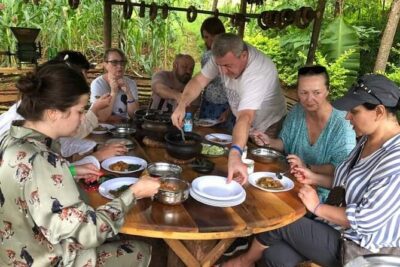
05 Days Tarangire, Serengeti, Ngorongoro and Lake Manyara
Read our review →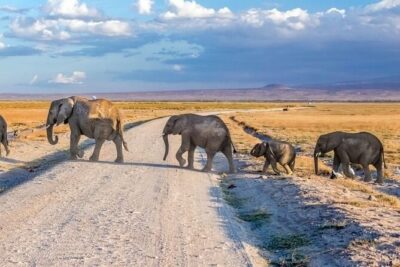
3-Day Ngorongoro Crater Manyara and Tarangire Safari from Arusha
Read our review →
5 Days 4 Nights Tarangire, Serengeti , Ngorongoro & Manyara Wildlife Safari
Read our review →
5 days serengeti, ngorongoro, tarangire & manyara lodge tour
Read our review →
4 Days / 3 Nights Lake Manyara, Ngorongoro and Serengeti
Read our review →
5 days Safari Trip Tarangire, Lake Manyara and Ngorongoro
Read our review →Browse the lists this tour appears in