
Reviewed · SERENGETI SAFARIS
4 Days / 3 Nights Lake Manyara, Ngorongoro and Serengeti
Three parks in four days makes it count. This northern Tanzania safari is built around big wildlife moments, starting with Lake Manyara and its tree-climbing lions, then moving into the wide-open drama of Serengeti and the predator pressure of Ngorongoro Crater. You’ll ride in a 4×4 safari jeep with a pop-up roof, timed for the best animal activity.
I especially like how the itinerary mixes game drives with hands-on context, including a stop at Olduvai Gorge tied to the Leakey discoveries. Another win is the human side: the operator, Cubs Expeditions Limited, is described as highly organized and responsive, with guides and chefs such as Humphrey, Eli, Solomon, Arno, Amani, Ed, Khalil, and Issa showing up in real customer stories. One consideration is the schedule is tight and you start early, so it helps to be OK with long driving days between parks.
In This Review
- Key things that make this safari special
- Arusha start, then straight into safari mode
- Pop-up jeeps, game drives, and what that really gives you
- Day 1: Lake Manyara National Park, elephants plus tree-climbing lions
- Day 2: Serengeti National Park, the Seronera area and the long-plains feeling
- Day 3: Ngorongoro Conservation Area plus Olduvai Gorge stopover
- Day 4: Ngorongoro Crater descent, predators, and Lake Magadi
- Price and logistics: is $1,700 per person good value?
- Guides, organization, and how the small stuff shows up
- Who this safari is for, and who should think twice
- Should you book this 4-day Manyara, Serengeti and Ngorongoro safari?
- FAQ
- What time does the tour start in Arusha?
- Are airport transfers included?
- What vehicle do we use for game drives?
- Which parks are included in the 4-day itinerary?
- Are meals included?
- How many people are in the group?
- Is there free cancellation?
- Is tipping included in the tour price?
Key things that make this safari special
- Pop-up roof safari viewing, built for spotting animals without constantly changing positions
- Lake Manyara’s mix of habitats, where elephants, baboons, zebra, buffalo, and flamingos can all show up
- Seronera area focus in Serengeti, guided toward a wildlife-rich part of the park
- Olduvai Gorge stop, pairing wildlife time with major human evolution context
- Ngorongoro Crater descent, including predators and the chance to see hippo and more with water around
- Group size capped at 15, which tends to keep the experience feeling manageable
Arusha start, then straight into safari mode
This tour’s rhythm is simple: you meet early in Arusha, get on the road, and spend the days driving through some of Tanzania’s best-known wildlife zones. The official start point is Arusha Airport with a start time of 6:00 am, and the tour includes pick up and drop off to the airport. If you’re arriving the day before, you also get hotel accommodation in Arusha before the safari starts, which matters because it helps you avoid the classic mistake of showing up exhausted and trying to enjoy an 8-hour drive day.
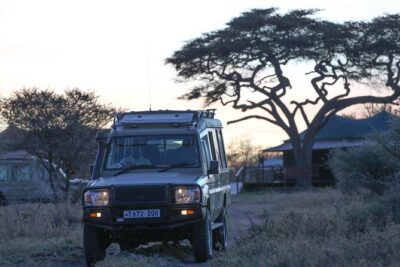
The vehicle choice is a big part of why safaris feel different here. You’ll travel in a 4×4 safari jeep with a pop-up roof, so when wildlife appears, you’re not stuck behind tinted glass. That said, pop-up roofs also mean you are outside more than you’d be on a regular bus, so sun, wind, and changing weather can matter. If you’re the type who gets grumpy when your hair won’t cooperate in a breeze, pack accordingly.
Also note the tour is designed for a group of up to 15 travelers. A smaller group often gives your guide more flexibility to position the vehicle for sightings, and it usually makes the whole trip feel less crowded even when you’re in a busy park.
More Lake Manyara safaris:
- Private 6-Day Tarangire Manyara Crater and Serengeti with Mid-Range Lodges
★ 5.0 · 238 reviews - 3 Days Tarangire, Ngorongoro & Lake Manyara Group Camping Safari
★ 5.0 · 102 reviews - 3 Days Private Safari – manyara, Ngorongoro & Tarangire
★ 5.0 · 94 reviews
Pop-up jeeps, game drives, and what that really gives you
A “game drive” can sound generic, but the way this trip is structured makes the driving time meaningful. Days are planned around morning and afternoon wildlife viewing, not one long session where you doze through the hours. Lake Manyara specifically includes both morning and afternoon game drives, which is useful because animal behavior shifts during the day, and birds can be active when mammals are less visible.
The other practical touch is that mineral water is included. On a safari, that’s not glamorous, but it keeps the day from turning into a constant chore of tracking hydration and buying snacks at the roadside. Meals are also included (breakfasts, lunches, and dinners), so you’re not constantly calculating where you’ll eat next.
From the feedback you’ll see a repeating theme: the guides are quick at spotting animals and good at communication. People share that guides like Solomon, Arno, and Amani worked hard to locate wildlife and explain what was happening. One standout detail in the stories is how often sightings are described as close enough to feel real, not distant and zoomed-out. Of course, animal behavior is always unpredictable. But the combination of vehicle setup, park choice, and guide effort improves your odds.
Day 1: Lake Manyara National Park, elephants plus tree-climbing lions
Lake Manyara kicks off the safari with a mix that’s hard to beat: different habitat types packed into one park. The tour drives to Lake Manyara after breakfast, and you’re set up for morning and afternoon game drives. You’ll also have a lunch box, which is exactly the kind of small logistical detail that makes a day like this feel smooth instead of stressful.
Here’s what to expect when you arrive:
- Elephants are a major draw, with one of Africa’s larger concentrations
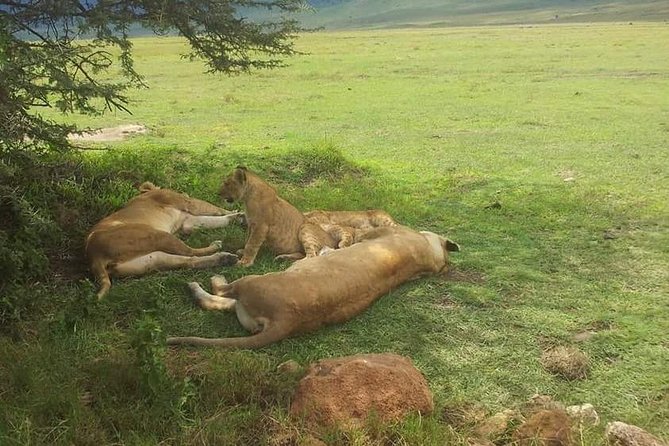
- Tree-climbing lions are the signature oddball attraction, and Manyara is one of the few places where that behavior is known to happen
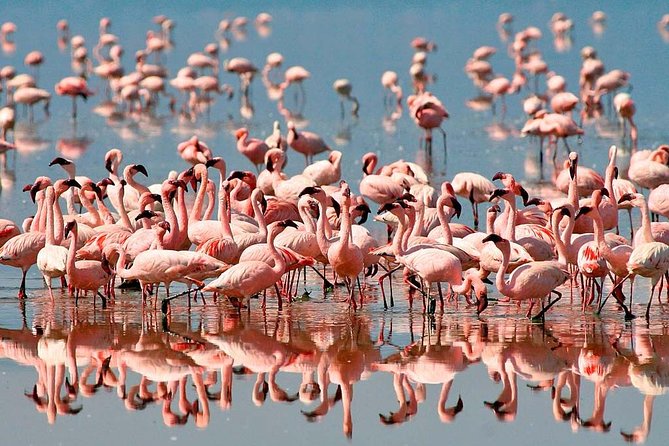
- Other likely sightings include zebra, buffalo, giraffe, baboons, warthog, and flamingos when conditions draw them to the lake
The flamingos angle is a real “wait, seriously?” moment. The lake’s algae can attract the birds, so you’re not just seeing birds because it’s scenic. You’re seeing them because the ecosystem is working. That’s why this park feels lively even when you’re not watching the largest animals.
You’ll finish Day 1 with dinner and overnight at Marera View Lodge. That lodge is part of why the first night feels like a reset point instead of a rushed stop. After a full game drive day, you’ll appreciate having your meal and rest sorted.
One possible drawback: Lake Manyara can feel intense because it’s your first day, and you’ll be getting used to the driving and viewing setup. If you’re sensitive to motion or bright sun, plan to take it easy during the evening so you’re ready for Serengeti the next day.
Day 2: Serengeti National Park, the Seronera area and the long-plains feeling
Serengeti is the part of the trip that most people picture in their head before they ever book. On Day 2, after breakfast you depart for Serengeti, driving via Karatu farmland and the Ngorongoro Conservation Area. You’ll spend part of the day traveling, and the tour notes non-game viewing time of roughly 3 to 4 hours before you’re in full safari mode.
Then you hit the wildlife-heavy part. The itinerary directs you toward the Seronera area, which is described as one of the richest habitats in the park, with the Seronera River supporting wildlife. That matters because Serengeti isn’t only about “big landscapes.” It’s about where animals concentrate to drink and feed, and your guide uses that to build sightings.
When I look at a short safari like this, I like that the plan doesn’t try to cover everything. It focuses you on a specific area and lets your guide work that terrain. In practical terms, that improves your odds of actually seeing animals rather than constantly relocating.
You arrive in time for lunch, and then you continue with viewing time. The exact lodge isn’t named in the itinerary text you provided for Day 2, but the tour clearly includes meals and game driving, and Day 3 is anchored by Ang’ata Tented Lodge. If you’re the type who values consistent comfort, ask your operator which Serengeti lodge you’ll stay in before you go, so there are no surprises.
One reality check: Serengeti sightings depend a lot on conditions. Rain or dry season changes where animals move, and it can also change how comfortable it is to spend hours outdoors. People in the feedback clearly connect animal viewing to weather, so it’s worth going in with flexible expectations.
More Serengeti safaris:
- Balloon Safari & Bush Breakfast in Serengeti – Miracle Experience
★ 5.0 · 1,646 reviews - 3 Days Serengeti & Ngorongoro Group Camping Safari
★ 5.0 · 574 reviews - 5-Day Highlights mid-Range Crater, Serengeti, Tarangire
★ 5.0 · 296 reviews - 3-Day Classic Serengeti Safari
★ 5.0 · 263 reviews
Day 3: Ngorongoro Conservation Area plus Olduvai Gorge stopover
Day 3 is where the trip adds brain fuel. After breakfast, you do an early morning game drive, then you head to the Ngorongoro Conservation Area. The itinerary includes a stopover at Olduvai Gorge, which is known for discoveries tied to human evolution. The text specifically mentions the Leakey researchers Drs. Lois and Mary Leakey, and the skull discoveries of Nutcracker Man and Handy Man.
That’s a rare pairing on safari days: you don’t only watch wildlife. You get a quick history and science context that helps you appreciate the region as more than just animals and photos. It’s also a nice break from driving monotony, even though it’s still a road day.
After the stop, you transfer late afternoon to your lodge for dinner and overnight at Ang’ata Tented Lodge. “Tented lodge” can sound like camping, but in this kind of safari setup it usually means a more comfortable base with proper facilities compared with true budget camps. The important part for you is that you’re sleeping somewhere close to the next day’s crater viewing, so you’re not wasting time.
A consideration here is pacing. Day 3 is a mix of early viewing, a cultural stop, then a late transfer. If you hate getting pulled between modes, you might find the day a bit of a blur. But if you enjoy variety, it’s a strong day.
Day 4: Ngorongoro Crater descent, predators, and Lake Magadi
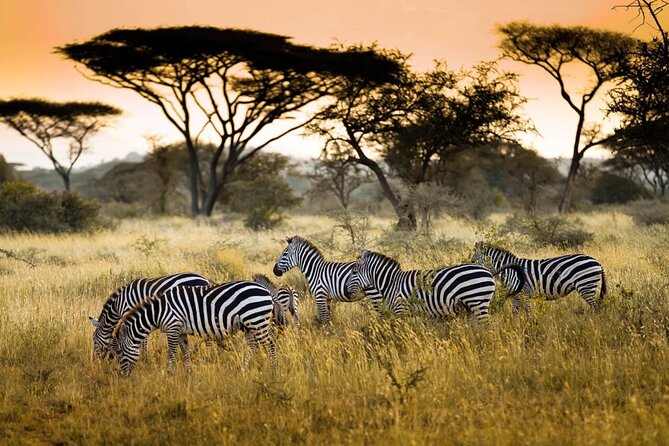
This is the payoff day. After an early breakfast, you descend over 600 meters into Ngorongoro Crater to view wildlife. The crater is often described like a natural amphitheater because so many animals share limited space when water and food are available.
The itinerary calls out support from year-round water supply and fodder, which helps explain why you can see a dense concentration of animals here. Expect attention on:
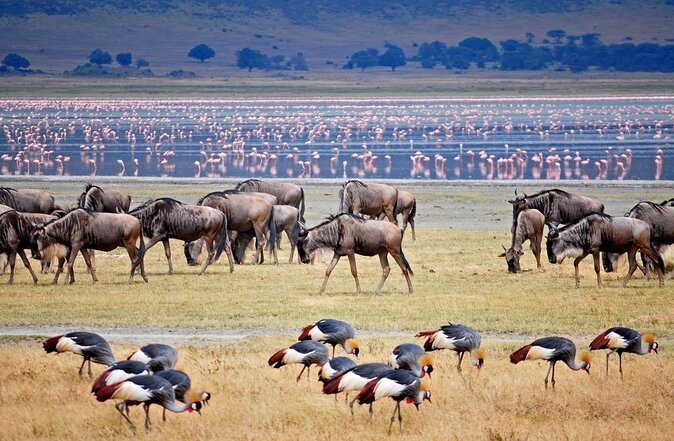
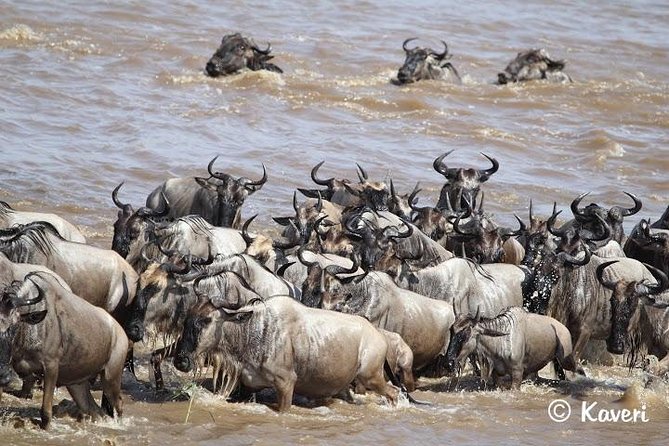
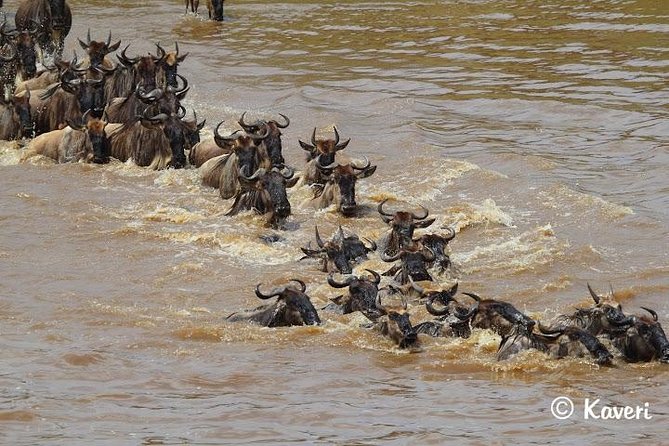
- wildebeest herds (and also zebra and buffalo)
- eland and warthog
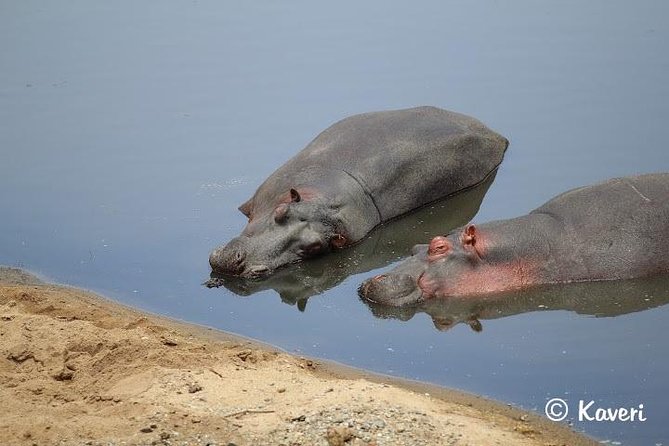
- hippo
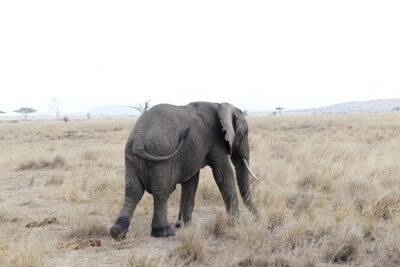
- and giant African elephants
Predators are a major draw too. The text highlights lions, hyenas, jackals, cheetahs, and the leopard, noting that leopard sightings can take a trained eye. Practically, that means you’ll rely on your guide to read tracks, movements, and where animals typically position themselves.
You also visit Lake Magadi, described as a large but shallow alkaline lake in the southwestern corner. Even if you’re not focused on lakeside scenery, Magadi matters because it can pull animals into the area and shape where you’ll get viewing time.
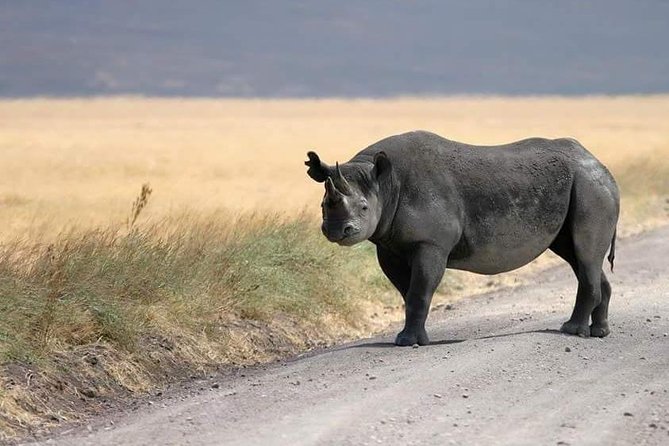
If you’re chasing the Big Five, this day is where your odds improve most. One of the strongest repeating themes in real feedback is that people felt they had a good shot at seeing Big Five animals across the full loop. I’d frame it like this: the route and timing are designed for close wildlife viewing, but sightings remain wild. You’re buying access and opportunity, not a guarantee.
Price and logistics: is $1,700 per person good value?
At $1,700 per person for a 4-day, 3-night safari, your key question is simple: what does that money cover, and what does it not?
From the included items, you’re getting a lot of the hard stuff handled:
- Airport pickup and drop-off
- Hotel accommodation in Arusha before safari starts
- A 4×4 safari jeep with pop-up roof
- Game driving
- Mineral water
- Meals: lunch (4), dinner (3), breakfast (3)
And the tour limits group size to a maximum of 15, which often improves the day-to-day experience compared with big cattle-call groups.
Not included costs are mainly the human extras:
- Tips and gratitude’s to safari staff
- Items of a personal nature
That means your money is mostly going toward time, transport, and park access, not constant add-on fees. For many people, that’s the real value. You can budget without surprise purchases every day.
One more practical note: the tour is often booked about 150 days in advance. That suggests demand and limited seats. If you’re traveling in a popular season, don’t wait for last-minute pricing. Lock in your dates so you can pick the start and lodge setup that fit you.
Guides, organization, and how the small stuff shows up
This is where the reviews really lean positive, and it matches what you’d hope for on a safari this time-compressed. People describe the operator, Humphrey and the team, as responsive and easy to reach by WhatsApp or email. That matters because safari planning can change, even when the itinerary stays stable. It’s useful if you need to adjust accommodation to match your budget.
On-the-ground, several names show up in accounts of great service:
- Guides: Eli, Solomon, Arno, Amani, Ed
- Chef support: Chef Khalil, and in one story Issa as a personal chef
You’ll also see praise for professionalism and food quality, including fresh, well-prepared meals. That’s not a tiny detail. When you’re driving long days and waking up early, food that feels good improves your energy and your mood, and you spend less time worrying about snacks.
Another recurring point is safety and flexibility. One of the best signs from feedback is that people felt looked after, and that helps when you’re moving between parks on uneven roads.
Who this safari is for, and who should think twice
This tour fits best if you want:
- a 4-day loop that covers Lake Manyara, Serengeti, and Ngorongoro
- frequent game viewing without turning it into a five-star road trip marathon
- a guide-led approach that keeps you moving efficiently
It might be less ideal if you:
- hate early starts, since the tour begins 6:00 am in Arusha
- want lots of downtime, because travel time between parks is built into the plan
- expect a perfectly predictable schedule for animals, because sightings depend on weather and animal movement
If your goal is “see as much wildlife as possible in a short window,” this itinerary is designed for exactly that. It’s also good for people who like structure but still want a lot of spontaneity once you’re in the parks.
Should you book this 4-day Manyara, Serengeti and Ngorongoro safari?
I’d book it if you’re excited by animal variety and you like the idea of stacking parks that each do something distinctive. Lake Manyara gives you that unusual energy with tree-climbing lions and flamingos tied to lake conditions. Serengeti focuses on a rich wildlife zone around Seronera, so you’re not just “driving around hoping.” Then Ngorongoro Crater delivers concentrated sightings and predator potential, plus Lake Magadi as a bonus water anchor.
Hold off if you want a slower pace or you’re easily worn down by long drive days. Also, if you’re hoping for leopard on demand, keep your expectations flexible, because the itinerary can set you up, but animals decide the show.
One last practical tip: ask your operator which exact lodge you’ll stay in on each night, especially for the Serengeti portion, since the itinerary details named lodges for Day 1 and Day 3. Getting that confirmed early keeps your trip smooth.
FAQ
What time does the tour start in Arusha?
The tour starts at 6:00 am from Arusha Airport.
Are airport transfers included?
Yes. The tour includes pick up and drop off to the airport.
What vehicle do we use for game drives?
You’ll travel in a 4×4 safari jeep with a pop-up roof for viewing animals.
Which parks are included in the 4-day itinerary?
The itinerary includes Lake Manyara National Park, Serengeti National Park, and the Ngorongoro Conservation Area, with Ngorongoro Crater viewing on Day 4.
Are meals included?
Yes. Meals included are breakfast (3), lunch (4), and dinner (3), plus mineral water.
How many people are in the group?
The tour has a maximum of 15 travelers.
Is there free cancellation?
Yes. You can cancel up to 24 hours in advance for a full refund.
Is tipping included in the tour price?
No. Tips and gratuities to safari staff are not included.
More Ngorongoro Crater Trips
- 5 Days Camping Tarangire, Serengeti & Ngorongoro crater & Visiting Maasai
★ 5.0 · 229 reviews - 4 Days Join Group tour Tarangire Serengeti and Ngorongoro crater
★ 5.0 · 219 reviews - 4-Day Safari from Arusha: Tarangire, Serengeti and Ngorongoro
★ 5.0 · 173 reviews - 2 Days Tarangire and Ngorongoro Group Camping Safari
★ 5.0 · 146 reviews
Just posted around Arusha
- 8 Days Serengeti Migration safari★ 5.0 · 11 reviews
- tarangire & ngorongoro 2 days tour★ 5.0 · 14 reviews
- serengeti, ngorongoro & tarangire 4 days private tour★ 5.0 · 18 reviews
- tarangire, ngorongoro & lake manyara park 3 days private tour★ 5.0 · 11 reviews
- serengeti & ngorongoro 3 days private tour★ 5.0 · 15 reviews
- climb the KILIMANJARO via Lemosho route★ 5.0 · 4 reviews
- Mt. Kilimanjaro: Shira plateau to Cathedral point 3872m Day hike★ 5.0 · 7 reviews
- 2 Days Tanzania Midrange Group Join Safari★ 5.0 · 7 reviews
Serengeti Safaris, compared.
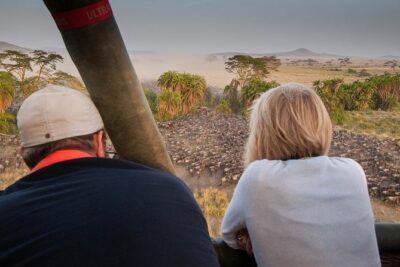
Serengeti Balloon Safari and authentic bush breakfast
Read our review →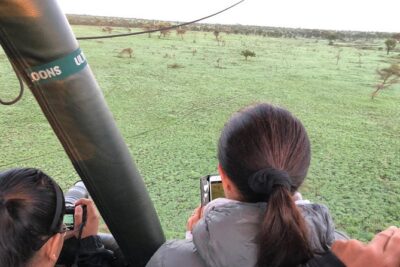
Balloon Safari & Bush Breakfast in Serengeti – Miracle Experience
Read our review →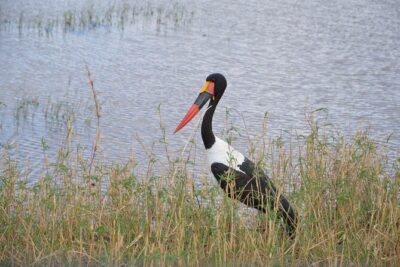
3 Days Serengeti & Ngorongoro Group Camping Safari
Read our review →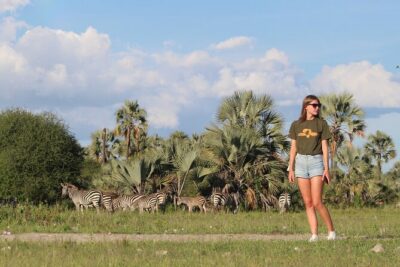
5-Day Highlights mid-Range Crater, Serengeti, Tarangire
Read our review →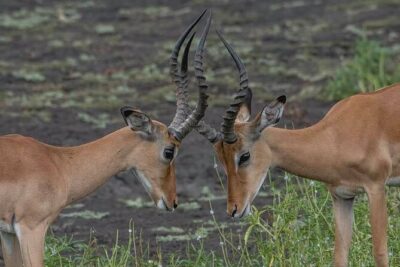
Private 6-Day Tarangire Manyara Crater and Serengeti with Mid-Range Lodges
Read our review →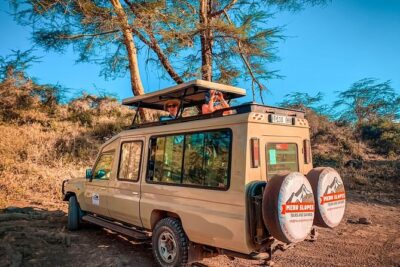
5 Days Camping Tarangire, Serengeti & Ngorongoro crater & Visiting Maasai
Read our review →Browse the lists this tour appears in