
Reviewed · CITY TOURS
Arusha city tour
Arusha shows its best in one busy day. This Arusha city tour mixes nature and hands-on animal learning, with Meru Waterfall scenery and Meserani Snake Park live demonstrations that feel very personal. I like that the day stays practical, so you get a real sense of how people live, work, bargain, and celebrate around Arusha.
One thing to consider: the itinerary moves at a steady clip for 8 to 12 hours, and some stops list admission as extra. If you want slow, long hangs at every viewpoint and shop, you’ll need to manage expectations.
In This Review
- Key highlights worth planning for
- Arusha in a single day: how this tour actually pays off
- Getting around, time limits, and why the 8 to 12 hour day matters
- Mount Meru Waterfall: nature time near Arusha
- Kilimanjaro Golf and Wildlife Estate: views, animals, and upscale stillness
- Maasai Market Curios and Crafts: what to buy, and how to shop smart
- Arusha Declaration Museum Center: Tanzania’s 1967 turning point
- Cultural Heritage Centre: East African art you can actually take home
- Meserani Snake Park: educational, thrilling, and not for everyone
- Themi Falls Leisure Park: a quieter finish near Arusha
- Arusha International Conference Center: modern Arusha, with cultural details
- Lunch options in Arusha, plus a coffee break at Burka
- Price and value at $300 per person, what’s included and what costs extra
- Who should book this Arusha city tour
- Should you book with KIL, SERENGETI GREEN MILES ADVENTURE for Arusha?
- FAQ
- How long is the Arusha city tour?
- Is pickup offered?
- What’s included in the price?
- Are admission tickets included for every stop?
- What lunch options are included in Arusha?
- What is the cancellation policy?
Key highlights worth planning for
- Meru Waterfall for a short nature walk close to Arusha, with a clear rainy-season tip (March to May)
- Meserani Snake Park with included entry and live snake demonstrations, plus crocodiles and tortoises you may see
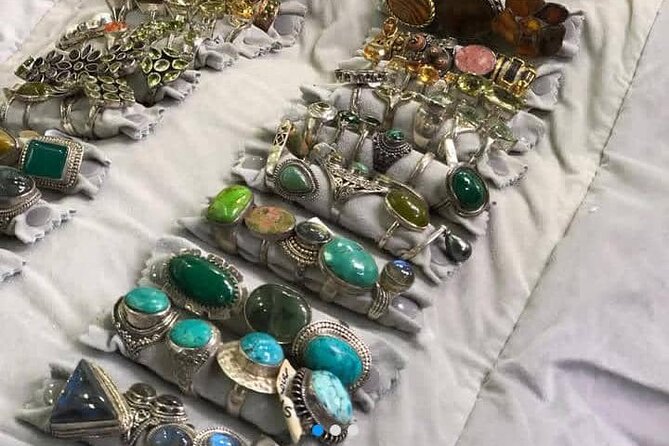
- Maasai Market shopping time for beaded jewelry, carvings, traditional clothing, and spear replicas
- Arusha Declaration Museum Center for context on Tanzania’s 1967 socialist push under Julius Nyerere
- Cultural Heritage Centre to see East African art and history items, with souvenir shopping built in
- Private tour with pickup offered, so your schedule is guided to your pace and interests
Arusha in a single day: how this tour actually pays off
Arusha is the kind of place where the “real Tanzania” is right next to the tourist part. This tour leans into that. You start with a nature break on Mount Meru’s slopes, then shift into culture, markets, and hands-on learning with snakes. By the time you reach the quiet waterfall stop and a coffee lounge, the day feels like you sampled several sides of Arusha without needing extra tickets and complicated logistics.
I also like the balance of big experiences and small pauses. One part of your day is motion and views. Another part is conversation and interpretation, like when you visit a museum built around a turning point in Tanzania’s modern history. The Cultural Heritage Centre gives you a place to slow down, look closely at art, and talk to staff while you decide what to buy.
This is not the kind of day where everything is free. A couple attractions explicitly list admission as not included. Still, with pickup offered, parking handled, and lunch included, you are not constantly solving little problems while you’re trying to enjoy your day.
A few more Arusha trips to compare
- Balloon Safari & Bush Breakfast in Serengeti – Miracle Experience
★ 5.0 · 1,646 reviews - Tanzania Classic – 7 Days
★ 5.0 · 1,151 reviews - 4 Days Group Camping Safari
★ 5.0 · 1,101 reviews
Getting around, time limits, and why the 8 to 12 hour day matters
This is a private tour, so you’re not sharing your schedule with strangers. The upside is flexibility. If something takes longer, your guide can usually adjust within reason. The guide model is also backed by past experiences with this provider, where the day runs smoothly and staff are described as friendly and helpful.
The pace is another story. The tour is designed to cover a lot, so you’ll be in transit between stops. That’s totally fine if you’re the type who likes a packed day and photos. If you’re someone who prefers long, slow museum time or you want to linger at the falls until the light changes, you might feel the schedule is tight.
Here’s how I’d think about it: the day is long enough to feel complete, but not long enough to be leisurely at every stop. The value comes from variety, not from one single attraction getting your whole attention.
Mount Meru Waterfall: nature time near Arusha
Your day starts with Mount Meru Waterfall, about 15 to 20 kilometers from Arusha. Expect lush greenery and a scenic area that’s good for short walking, birdwatching, and relaxing. You get about an hour here, and admission is included.
The itinerary notes something important: Meru Waterfall is best during the rainy season, roughly March to May. If you visit outside that window, the water flow might be lighter. Either way, this stop is a good way to “switch gears” from city time to outdoor time. It also helps that the activity is low pressure. You’re not committing to a long hike. You’re getting a taste of what’s around Arusha.
Practical advice: bring a light layer and shoes with grip. Paths around waterfalls can be slick, especially during or after rain. Also, plan your photo sequence early. The best angles tend to be where you can see both water movement and surrounding greenery.
Kilimanjaro Golf and Wildlife Estate: views, animals, and upscale stillness

Next up is the Kilimanjaro Golf and Wildlife Estate, a luxury development near Mount Kilimanjaro. You’ll have about 40 minutes here. Admission is not included, so if you want to go inside certain areas or facilities, confirm what’s required at the time you arrive.
What makes this stop interesting is the combination of sport and wildlife conservation in one place. The estate includes an 18-hole golf course, wildlife conservation areas, and mountain views. The description also calls out possible wildlife sightings such as giraffes and zebras.
This isn’t a classic safari stop, but it gives you a quick look at how conservation and tourism can overlap. It’s also a change of pace from markets and museums. Even if you’re not a golfer, the setting tends to slow the day down.
The tradeoff is that it’s a short visit with extra costs possible. If you’re very budget-focused, treat this as a “view stop” first. If you’re the type who likes architecture and designed landscapes, you’ll probably appreciate it more.
Same base in Arusha, a completely different day:
- 5 Days Group Camping Safari
★ 5.0 · 730 reviews - Materuni Waterfalls, coffee tour & Kikuletwa Hot Springs
★ 5.0 · 643 reviews - 3 Days Serengeti & Ngorongoro Group Camping Safari
★ 5.0 · 574 reviews - 7-Day Premium Luxury Tanzania Safari All-Inclusive
★ 5.0 · 426 reviews
Maasai Market Curios and Crafts: what to buy, and how to shop smart

The Maasai Curios and Crafts stop is about 30 minutes and is geared toward shopping for handmade items. You’re looking at beaded jewelry, wooden carvings, traditional clothing, and spear replicas. The market also supports local artisans, which is the practical side of buying souvenirs, not just the feel-good side.
Here’s how to shop during a short time slot without wasting your whole day: decide what category you want before you get there. Jewelry? Small carvings? A clothing item? If you walk in trying to browse everything, 30 minutes goes fast.
If you’re aiming for fair value, use your bargaining time to learn what’s hand-made versus mass-produced. You’ll usually find that quality varies a lot, even within the same material types.
Also, protect yourself from impulse buys. You’ll likely see beautiful items. If you don’t know where the artwork will fit at home, take a photo and come back later, or wait until you’ve compared a couple stalls. A short stop doesn’t mean you should rush your choices.
Arusha Declaration Museum Center: Tanzania’s 1967 turning point
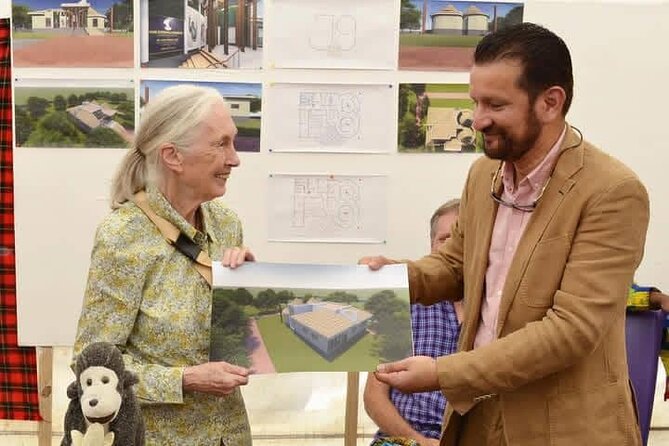
The Arusha Declaration Museum Centre is a historical stop with real context. It commemorates the Arusha Declaration of 1967, a key moment when President Julius Nyerere’s government adopted socialist policies focused on equality and self-reliance.
What I like about this kind of stop is that it helps you read the country beyond the wildlife posters. Tanzania’s development story is not just a timeline in textbooks. It affected how people built institutions, handled resources, and imagined national progress.
If you’re the type who tends to skip museums, don’t. Even a focused 30 to 60 minutes in this setting can make your other stops click. When you walk through cultural spaces afterward, you start noticing how politics, identity, and art connect.
The only consideration is language and pacing. The museum time is short in a full day plan, so you won’t get every exhibit detail. Still, the core theme is clear, and it gives your day depth without requiring you to be a history buff.
Cultural Heritage Centre: East African art you can actually take home
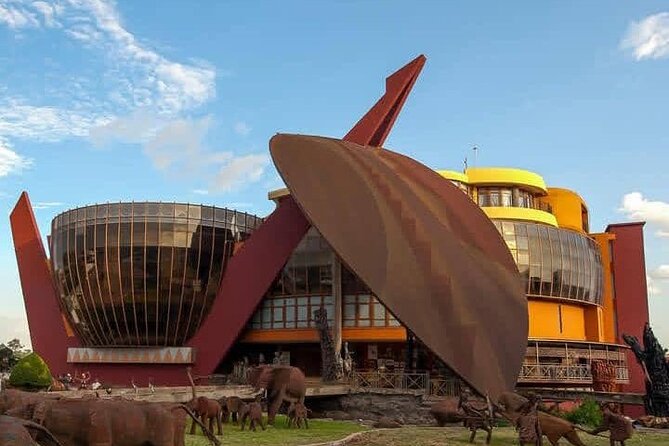
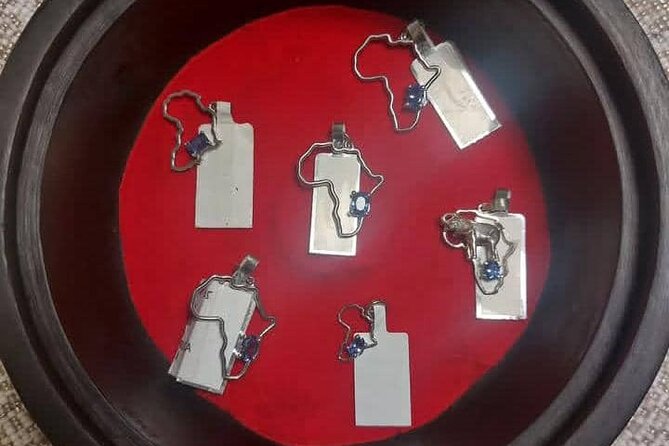
After the declaration museum, the Cultural Heritage Centre keeps you in a learning mode, but shifts from politics to art and culture. It’s described as a cultural and art hub with traditional African artworks such as sculptures, paintings, and jewelry. You’ll also find exhibits tied to Tanzanian history and heritage, including items related to wildlife and indigenous tribes.
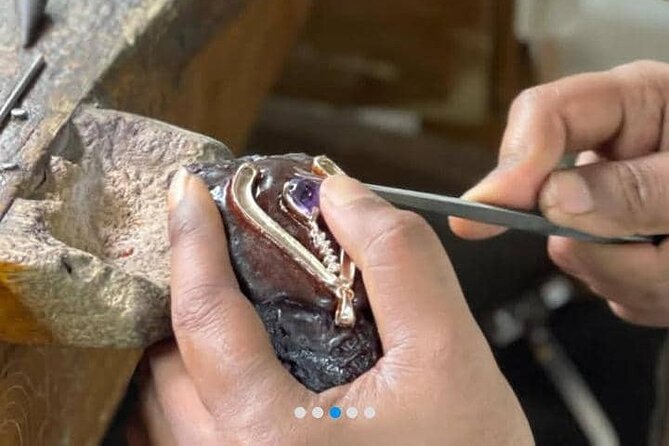
This stop is especially good if you like buying souvenirs that are more than mass-produced crafts. You can explore, ask questions, and purchase handcrafted items on site. It’s also a place where you can slow down visually, because the focus is on objects and interpretation.
One practical note: admission is listed as not included for this stop. If you want to plan your budget cleanly, set aside extra cash for entry fees and keep your receipts organized.
Meserani Snake Park: educational, thrilling, and not for everyone
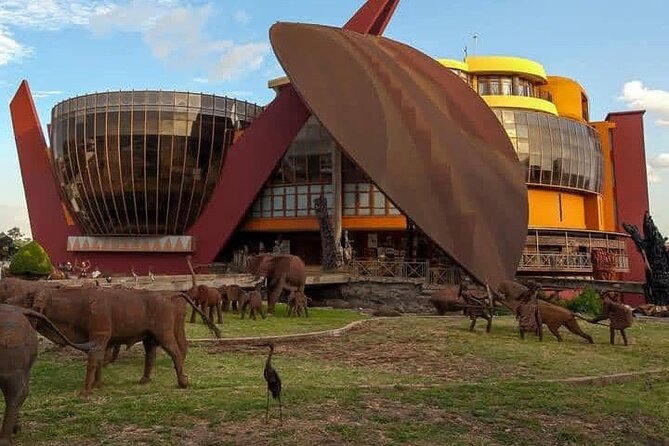
Meserani Snake Park is one of the most memorable stops on this kind of day, and it also has included entry (about 2 hours). The park is known for venomous and non-venomous snakes, and it’s built around learning. You can see different species, including cobras, pythons, and vipers, and you may watch live snake demonstrations.
There’s also more going on than just snakes. The description notes other animals you might encounter, such as crocodiles and tortoises. In addition, the park includes a Maasai cultural centre where you can experience aspects of traditional Maasai lifestyle.
What I like most here is the structure. The setting turns fear into information. You’re not just staring at animals behind glass. You’re getting context, and that changes how you feel.
Possible drawback: if you strongly dislike reptiles, or you’re traveling with kids who are anxious around animals, this stop might not be your favorite. Even if you enjoy animals, snake demonstrations can be intense for some people. If you’re unsure, ask your guide what the demo style feels like before committing emotionally.
Themi Falls Leisure Park: a quieter finish near Arusha
Themi Falls Leisure Park is about 40 minutes and is described as a scenic natural waterfall near Arusha, with greenery around it. Admission is not included, but this stop is more about the mood than the ticket price.
This is the part of the day where you get a breather. Think nature walks, picnics, and photography in a calmer setting than markets or parks. It’s a good counterbalance after Meserani Snake Park, because your brain gets a chance to settle.
If you’re traveling in rainy season, expect the area to feel more alive. If you’re traveling dry season, the water might be more subtle, but the greenery and sounds still tend to make it pleasant.
Practical tip: wear breathable clothes. Waterfall stops can mean humidity and frequent stopping and starting for photos.
Arusha International Conference Center: modern Arusha, with cultural details
You also stop at the Arusha International Conference Center (AICC), located in the city center. The description emphasizes modern facilities like large conference halls, meeting rooms, and exhibition spaces. It’s known for high standards of service and infrastructure, and it can be used for international conferences and diplomatic gatherings.
What matters for tourists is that the centre includes cultural displays and art, so you’re not only seeing “business Arusha.” You’re still getting a glimpse of how the city presents itself and how culture is woven into modern spaces.
The schedule doesn’t set a long stay here, so treat it as a quick context stop, not a full museum day.
Lunch options in Arusha, plus a coffee break at Burka
Lunch is included, and the tour notes popular lunch spots such as The Coffee Lounge and The Blue Heron. Which one you’ll go to can vary, but the important part is that you get a meal during the day instead of hunting for food between activities.
The day also includes time at Burka Coffee Lounge, about 1 hour. This café is described as having a relaxed atmosphere, with locally sourced coffee and light snacks. It’s also presented as a social hub where you can unwind, work, or just take a break from the day’s movement.
I love this kind of scheduled coffee pause because it stops the day from feeling like a checklist. It gives you a moment to process what you saw, and you can use the time to ask your guide questions that came up during the museums or the market.
Also, alcohol is listed as included. If you don’t drink, skip it and enjoy the coffee without thinking about it. If you do drink, it’s a small value add that you may not get on other tours.
Price and value at $300 per person, what’s included and what costs extra
At $300 per person for a private 8 to 12 hour day, value depends on how you like to travel. If you prefer a structured plan, guided explanations, pickup, and a day that feels “complete” without research, the price starts to make sense.
Included items are practical and help the day run smoothly:
- Lunch in Arusha (with options like The Coffee Lounge or The Blue Heron)
- Parking fees
- Alcoholic beverages
Admission is mixed:
- Included admissions: Mount Meru Waterfall, and Meserani Snake Park
- Not included admissions: Kilimanjaro Golf and Wildlife Estate, Cultural Heritage Centre, and Themi Falls Leisure Park
- For Maasai Market and AICC, no admission is listed in the data, so plan to pay only if something is required on site
There’s also a catch-all note: all unknown fees are not included. So if you are very strict with budgeting, bring a little extra cash for surprises. In exchange, you get a guide-led flow with pickup and a private group setup.
Who should book this Arusha city tour
This tour is a strong fit if you want:
- A one-day introduction to Arusha that mixes wildlife, culture, and local shopping
- A private experience with pickup offered, so you’re not squeezed into a crowd schedule
- Hands-on learning, especially at Meserani Snake Park
- A balance of photos and meaning, including the Arusha Declaration Museum and the Cultural Heritage Centre
It might not be the best fit if you want a slow pace, deep time at museums, or you dislike animals that are close enough for live demonstrations.
If you’re traveling solo, the private format can feel more personal, especially for asking questions. Families might enjoy the variety, but you’ll want to think carefully about the snake park component.
Should you book with KIL, SERENGETI GREEN MILES ADVENTURE for Arusha?
If you’re the type who likes a full day with a clear plan and minimal hassle, I’d say this is a good bet. Past experiences with this provider highlight organized service, respectful staff, and guides who keep the day running smoothly. One name that stands out in that context is David, mentioned as a guide and supervisor for day safaris, which matches the idea of a well-run schedule and clear guidance.
Here’s my quick decision checklist:
- Choose it if you want nature plus culture plus markets in one day.
- Bring a bit of extra cash for admission items that are not included.
- Be honest with yourself about pace and the snake park if you or your group dislikes reptiles.
If that sounds like your kind of day in Arusha, book it. You’ll leave with more than photos, you’ll have a sense of how Arusha connects daily life, national identity, and the natural world.
FAQ
How long is the Arusha city tour?
The tour runs about 8 to 12 hours.
Is pickup offered?
Yes, pickup is offered.
What’s included in the price?
Lunch in Arusha, parking fees, and alcoholic beverages are included.
Are admission tickets included for every stop?
No. Admission is included for Mount Meru Waterfall and Meserani Snake Park, while several other stops list admission as not included.
What lunch options are included in Arusha?
Lunch is included at popular lunch spots such as The Coffee Lounge and The Blue Heron.
What is the cancellation policy?
You can cancel for a full refund up to 24 hours in advance of the experience start time. If you cancel less than 24 hours before, the amount you paid will not be refunded.
Just posted around Arusha
- 8 Days Serengeti Migration safari★ 5.0 · 11 reviews
- tarangire & ngorongoro 2 days tour★ 5.0 · 14 reviews
- serengeti, ngorongoro & tarangire 4 days private tour★ 5.0 · 18 reviews
- tarangire, ngorongoro & lake manyara park 3 days private tour★ 5.0 · 11 reviews
- serengeti & ngorongoro 3 days private tour★ 5.0 · 15 reviews
- climb the KILIMANJARO via Lemosho route★ 5.0 · 4 reviews
- Mt. Kilimanjaro: Shira plateau to Cathedral point 3872m Day hike★ 5.0 · 7 reviews
- Kilimanjaro Waterfalls Hike & Moshi Hot Springs Day Trip Tour★ 5.0 · 4 reviews
City Tours, compared.
Arusha Guided Walking City Tour, Culture, Lifestyle & History
Read our review →

The Best/Top Rated Cultural City Tour in Dar es Salaam
Read our review →
Browse the lists this tour appears in