
Reviewed · SERENGETI SAFARIS
8 Days Private Safari in Serengeti Tour
Few places feel this close to wildlife life.
This private 8-day safari from Moshi pairs a close-up guide with a tight route built around the Big Five and the Serengeti migration timing. You also get real cultural stops, like Maasai villages and Mto Mbu, not just vehicle hours.
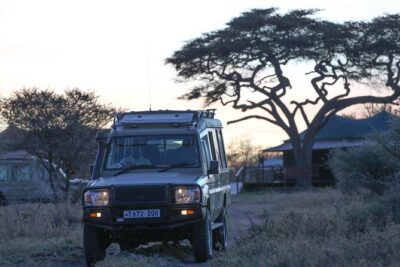
What I like most is the private Toyota Landcruiser 4×4 setup, so you can move at the pace your guide chooses for sightings. I also like that the itinerary mixes classic parks with one special Serengeti camp night at Pamoja Serengeti Luxury Camp. One consideration: it is a lot of driving and early starts, and the schedule assumes you can handle long days in safari mode.
You are in good hands with a guide who can speak English or Spanish, and the team behind Safaris Africa United is tied to named contacts like Cornelius and Monica. You’ll also hear about friendly, responsive guidance from Evans and Richard in the experiences shared for this operator. My main caution is simple: drinks are not included, so plan your budget for bottled water beyond what is provided in-park.
In This Review
- Key highlights
- How a private 8-day safari changes what you see
- Day 1: Arriving via Kilimanjaro and settling into Arusha
- Day 2: Tarangire National Park for elephants, baobabs, and dense dry-season wildlife
- Day 3: Serengeti entrance via Ngorongoro side roads, Naabi Hill, and bush lunch
- Day 4: Serengeti big predators in the central zone, then the far north for migration
- Day 5: Mara River focus, Big Five odds, and the Pamoja Serengeti night
- Day 6: Ngorongoro Crater descent, Big Five density, and Maasai interaction time
- Day 7: Lake Manyara tree-climbing lions, 500+ bird species, and Mto Mbu village
- Day 8: Arusha National Park walking with an armed ranger, then one last game drive
- Price and logistics: what your dollar covers, and what it does not
- Private guide quality: the real engine of this safari
- Who should book this Serengeti-focused private safari
- Should you book this private 8-day safari?
- FAQ
- FAQ
- Where does the tour start?
- Is this safari private or shared?
- What language will my safari guide speak?
- What vehicles are used for transportation?
- What animals and parks are the Big Five focus?
- Where are we staying in Serengeti?
- What meals are included?
- Do I need to bring a visa and travel insurance?
Key highlights
- Big Five planning across Tarangire, Serengeti, and Ngorongoro so you are not guessing what matters
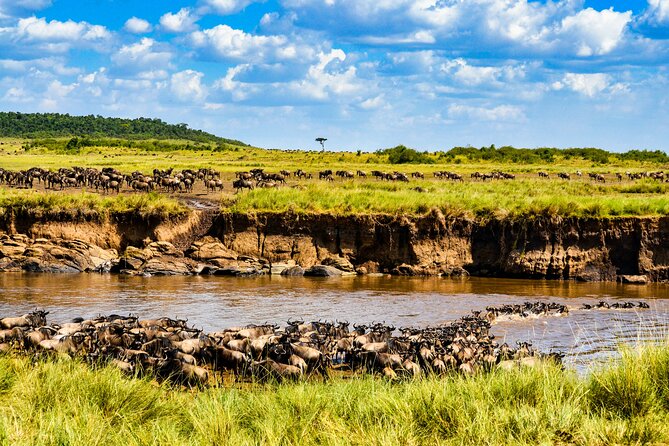
- Serengeti north chase during July to October for a real shot at Mara River crossings
- Naabi Hill viewpoint plus a hot lunch served in the bush for breaks that feel part of the safari
- Mara River timing with unlimited drives until dinner, built for wildlife density
- Ngorongoro descent into a 20 km caldera where concentration is the whole point
- Arusha National Park walking with an armed ranger for a different kind of game viewing
How a private 8-day safari changes what you see
On a private safari, the big difference is control. If an animal is moving, your guide can adjust. If your best sighting is near the road at the right hour, you can wait rather than roll on because someone else booked a different van.
This route is designed like a checklist, but it is not a rigid script. Your guide actively searches for the Big Five, and the plan includes both classic habitat parks and the places where the migration tends to concentrate. That matters because the Serengeti can look similar from the road, but the wildlife action changes a lot with time and location.
You are also not stuck in a crowd. The tour is private, so it is only your group in the vehicle. That usually makes early mornings less stressful and stops more enjoyable, because you can take a longer look without worrying about being held up.
More Safaris in Moshi
- Safari Serengeti And Ngorongoro
★ 5.0 · 288 reviews - Big Five Safari In Tanzania
★ 5.0 · 99 reviews - Unforgettable Tanzania Safari And Zanzibar Beach
★ 5.0 · 97 reviews
Day 1: Arriving via Kilimanjaro and settling into Arusha
Day 1 is a reset day. You get picked up at Kilimanjaro International Airport and drive to your Arusha hotel for relaxation and overnight. After long flight hours, this “land, eat, sleep” start is not glamorous, but it is smart.
Arusha also becomes your staging base for the rest of the circuit. By the time you start heading into parks, you are not fighting jet lag and stiff legs on day one. If you are coming in from overseas, I like that your first step is practical, not rushed.
Potential drawback: Arusha arrival logistics depend on flight times, and safari starts can feel early once you are out of Arusha. If you dislike early starts, you’ll need to embrace the rhythm.
Day 2: Tarangire National Park for elephants, baobabs, and dense dry-season wildlife
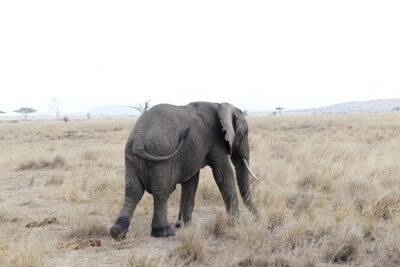
Tarangire is one of the best “first safari park” choices. It is one of Tanzania’s larger parks, around 2,600 square km, and it is famous for large elephant herds plus giant baobab trees.
This day runs on an early push. You head out from Arusha to Tarangire in about two hours, then spend about five hours on safari. In the dry season, Tarangire’s appeal grows because of a mini-wildlife migration, with about 250,000 animals entering the park. That is the kind of seasonal pattern that boosts your odds.
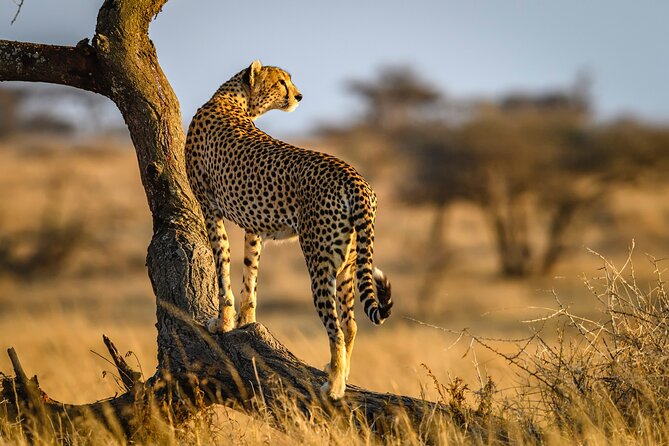
What you can expect to feel here is density and structure. Elephants move through recognizable habitat, and the baobabs give you those classic safari photo moments. Lions and leopards have strong populations too, and buffalo often show up in groups. The itinerary’s emphasis on dry-season concentration makes sense if you want a high chance of mammals in fewer drives.
Tradeoff: if you travel outside the dry season, the migration numbers and concentration may not match what you see in the seasonal description. Still, Tarangire is a strong elephant park year-round.
Day 3: Serengeti entrance via Ngorongoro side roads, Naabi Hill, and bush lunch
Day 3 is the day you cross the threshold from “park visit” to “Serengeti feels like the Serengeti.” You start early around 8:00 am, drive through the Ngorongoro Conservation Area, and pass by the crater region before descending toward the Serengeti plains.
You’ll also pass Maasai villages along the way. This is one of those moments where the safari stops being only about animals and becomes about how people share the land around the parks.
Then you reach the Naabi Hill entrance gate, where the itinerary includes a short walk to a viewpoint with broad views across the plains. It’s a good break after hours on the road, and it helps you understand where you are before you start searching for wildlife.
Lunch is handled in a way I really like: a hot lunch served either at the gate or along the way, with a setup inside the bush guided by your guide. That means less “drive, eat, drive” and more “pause, recover, and keep your focus.”
Possible consideration: the road can be bumpy, and the schedule includes time on those tracks. Your comfort matters here, so pack for the reality of dust and vibration.
More Serengeti safaris:
- 5 Days Camping Tarangire, Serengeti & Ngorongoro crater & Visiting Maasai
★ 5.0 · 58 reviews - 4 Days Group Joining Camping Safari to Tarangire Serengeti Ngorongoro Crater
★ 5.0 · 50 reviews - 4 Day Private Tour Throughout Tarangire, Serengeti and Ngorongoro
★ 5.0 · 42 reviews - 7 Days Safari. Serengeti, Tarangire, Lake Manyara & Ngorongoro Crater.
★ 5.0 · 34 reviews
Day 4: Serengeti big predators in the central zone, then the far north for migration
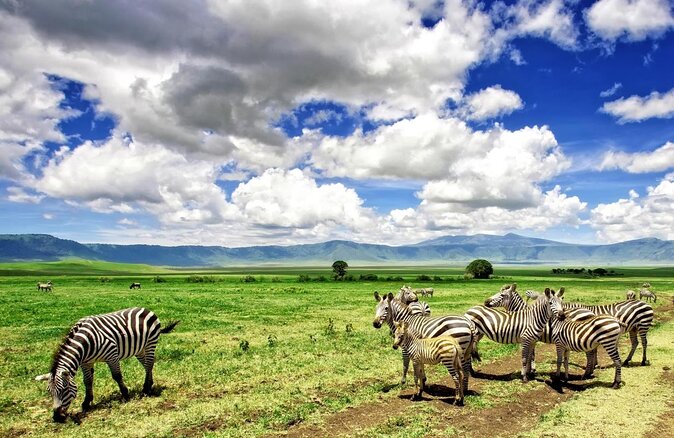
This is your two-part Serengeti day. Morning is spent in the central part of the park, where there is more chance to spot big predators and animals that do not migrate. The idea is simple: don’t gamble only on the migration.
After lunch, you drive toward the far north of Serengeti to follow the migration route. The itinerary highlights more than a million wildebeests plus hundreds of thousands of zebras and antelopes, and it calls out timing: during July to October, wildebeests are in the northern plains, with a chance of seeing thousands crossing the Mara River.
If you have ever watched migration videos, you know the visuals. What I like is that the itinerary gives you a real attempt, not just a drive through the area and hope for the best.
Tradeoff: timing is everything. Even when the migration is present, river crossings depend on water levels, weather, and herd movement. Your guide’s job is to position you, and a private vehicle helps.
Day 5: Mara River focus, Big Five odds, and the Pamoja Serengeti night
Day 5 starts early again, around 8:00 am, with north Serengeti exploration around the Mara River. Later you return toward the central plains for an evening game drive, so you get both the migration zone and the broader predator opportunities.
This day is explicitly built for Big Five chances: lion, elephant, rhino, buffalo, and leopard. The itinerary also notes lunch timing around 12:30 pm, plus soft drinks and unlimited drinking water. Then you get an unlimited drive until the evening, and you head to your tented camp or lodge for dinner and overnight.
Accommodation detail you can count on: your Serengeti night is at Pamoja Serengeti Luxury Camp. That matters because in Serengeti, where you sleep affects how you experience the day. Tented camps tend to blend the “wild outside” feeling with comforts that help you recover before the next long day.
Possible drawback: by day five, your legs and neck know you are on safari. Pack for comfort, take your breaks, and trust the guide to keep drives productive.
Day 6: Ngorongoro Crater descent, Big Five density, and Maasai interaction time
Ngorongoro is the day many people dream about, and the itinerary explains why. The crater is described as one of East Africa’s best places to see the Big Five, and it is framed as a natural amphitheater where animals concentrate seasonally.
You depart early after breakfast and do a game drive en-route. The approach sets expectations: once you reach the crater edge, you see the caldera, about 20 km in diameter, then you descend on an adventurous trail.
This stop is also about variety of wildlife and birdlife. The itinerary states that as a World Heritage Site it can be home to over 25,000 animals seasonally, including birds, hyenas, and the endangered black rhino. It also notes time to interact with Maasai people, which is part of why this day can feel more human than some purely wildlife-focused outings.
Tradeoff: the crater day has a fixed geography. You are going to follow the terrain, and sometimes it means less freedom than the open plains days. Still, the payoff is concentration, and that concentration is what makes Ngorongoro so reliable.
Day 7: Lake Manyara tree-climbing lions, 500+ bird species, and Mto Mbu village
Lake Manyara brings a different flavor. It is known for tree climbing lions and for being a strong birds paradise. The itinerary highlights more than 500 species present, and it suggests that even a first-time visitor might observe around 100 species in a single day.
It also explains why the habitat matters. Inland of the floodplain, a narrow belt of acacia woodland is a favored haunt for those tree-climbing lions, and you can also find elephants with impressive tusks. Then you get the wider set: giraffes, zebras, hyenas, buffalo, hippo, elephants, and wildebeests.
This day is about diversity of what you spot. If Serengeti day five felt like a big outdoor show, Manyara can feel like a wildlife and birdwatching buffet.
Cultural add-on: after your game drive, you drive to Mto Mbu village for a village visit. Your itinerary text cuts off before naming the specific village activities, so I cannot promise details beyond the inclusion of the village stop. Still, the structure is clear: you end the day with people, not just animals.
Day 8: Arusha National Park walking with an armed ranger, then one last game drive
Day 8 is a nice twist. Instead of only more vehicle safari, you get a morning walking tour in Arusha National Park for about two hours, accompanied by an armed ranger. This is your chance to slow down, notice tracks, and see how wildlife behaves when you are walking rather than sitting behind glass.
You drive to Arusha National Park from your Arusha base in about 45 minutes. Then after the walking time, the itinerary includes a saved package lunch and an afternoon game drive before returning to your Arusha hotel for dinner and overnight.
Arusha National Park is smaller than the headline parks, but it is described as wildlife rich. You can expect African elephant, zebras, giraffe, buffalo, baboons, and antelopes, plus black and white colobus. It also hosts Mount Meru, which helps explain the park’s character.
Practical note: walking safari days are not the best choice if you have mobility limitations, because you are on your feet for an extended period. The tour does say most travelers can participate, but walking is still walking.
Price and logistics: what your dollar covers, and what it does not
This safari is priced at $4,928.58 per person for an about 8-day private route from Moshi. Big private safari pricing can look intimidating until you look at what is actually included.
Here is what you do get, per the tour details:
- All fees and taxes
- Accommodations
- Transportations
- Arrival and departure transfers
- Private Toyota Landcruiser 4×4
- Private safari guide
- Meals: breakfast (8), lunch (7), dinner (6)
What is not included:
- Drinks
- Tipping
- Internal & local flight
- Visa
- Medical and Travel Insurance
For value, the key is that your safari experience is not nickel-and-dimed at the park gates. When entry fees, guiding, and the vehicle are included, you are mostly paying for the actual safari labor and planning. The biggest “watch this” items are drinks, tipping, and any travel add-ons like internal flights.
Also double-check your own plan around arrival and departure. The tour says you can be dropped at the same airport or a different place depending on your plans, and you are supported through the end of the service.
Private guide quality: the real engine of this safari
The itinerary keeps repeating one thing for a reason: the guide is the difference between seeing animals and making the whole day work. Your guide speaks English or Spanish and is described as very knowledgeable about fauna, flora, and local customs. That matters because wildlife identification is not just naming species, it is reading behavior and knowing what to watch for next.
The experiences shared for Safaris Africa United also highlight that communication can be handled by named contacts like Cornelius and Monica, and that friendly welcomes and guidance by Evans and Richard can set the tone from the start. Even if you never meet every person listed in someone else’s story, it signals that the operator runs this safari with a team approach, not a last-minute scramble.
I like the “treatment very close” theme because it hints at personal attention. On a private safari, that is what you pay for: you are not just buying access to parks, you are paying for problem solving when sightings do not go as planned.
Who should book this Serengeti-focused private safari
I’d point you toward this tour if you want:
- A private safari where your guide controls timing and positioning
- A route with Serengeti migration emphasis in the right season, plus classic predator and plains viewing
- A mix of wildlife and cultural stops, including Maasai villages and a Mto Mbu visit
- A structured itinerary that still leaves room for your guide to chase what is happening
This might be less ideal if:
- You hate long days and repeated early starts
- You want minimal vehicle time and maximum downtime
- You are very sensitive to bumpy tracks, because the route includes the typical safari roads through conservation areas
Should you book this private 8-day safari?
If you want an organized, guide-led safari with real chances at Big Five viewing and a dedicated attempt at the northern Serengeti migration timing, this is a solid match. The best part is how the days stack: Tarangire builds mammals early, Serengeti does both central predator odds and far-north migration energy, Ngorongoro adds concentration, then Manyara shifts the theme to birds and tree-climbing lions.
I’d book it if your travel dates line up with the migration months mentioned for northern Serengeti, and if you are comfortable paying for a private setup where meals, fees, and the vehicle are handled. Before you commit, make sure you budget for drinks and tipping, and double-check what you want for departure after day 8, since the itinerary includes returning to Arusha and also mentions airport options.
FAQ
FAQ
Where does the tour start?
The start point is Kilimanjaro Airport in Tanzania, with the listed start time as 12:00 am. Day 1 includes pickup at Kilimanjaro International Airport and a drive to your hotel in Arusha.
Is this safari private or shared?
It is a private tour/activity, so only your group participates.
What language will my safari guide speak?
The guide can speak Spanish or English.
What vehicles are used for transportation?
The tour uses a private Toyota Landcruiser 4×4.
What animals and parks are the Big Five focus?
The itinerary specifically aims for Big Five viewing across Serengeti and Ngorongoro Conservation Area/Ngorongoro Crater, with Big Five listed as lion, elephant, rhino, buffalo, and leopard.
Where are we staying in Serengeti?
The itinerary names Pamoja Serengeti Luxury Camp as the accommodation for the Serengeti night.
What meals are included?
Breakfast is included for 8 days, lunch for 7 days, and dinner for 6 days. Drinks are not included.
Do I need to bring a visa and travel insurance?
Yes, visa and medical and travel insurance are listed as not included.
More Safaris from Moshi
- 8-Day Essence of Tanzania Safari – Luxury
★ 5.0 · 72 reviews - Great Migration Safari In Tanzania
★ 5.0 · 71 reviews - 6 Days 5 Night Safari
★ 5.0 · 57 reviews - 4-day Tanzania Safari
★ 5.0 · 53 reviews
Just posted around Moshi
- machame route★ 5.0 · 16 reviews
- Kilimanjaro Climbing Umbwe Route★ 5.0 · 3 reviews
- Wildlife Extravaganza: Manyara, Tarangire & Ngorongoro in 3 Days★ 5.0 · 3 reviews
- Mt Kilimanjaro 6 days Marangu route hike★ 5.0 · 3 reviews
- West Kilimanjaro cycling Adventures★ 4.5 · 8 reviews
- 3 Days Private E-Bike Tour in West Kilimanjaro★ 5.0 · 3 reviews
- Kilimanjaro Climb • Marangu Route ~ 9 Day★ 5.0 · 4 reviews
- Private Cycle to Kilimanjaro Bike Park Safari★ 5.0 · 6 reviews
Serengeti Safaris, compared.
Serengeti Balloon Safari and authentic bush breakfast
Read our review →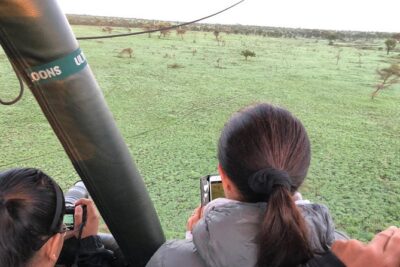
Balloon Safari & Bush Breakfast in Serengeti – Miracle Experience
Read our review →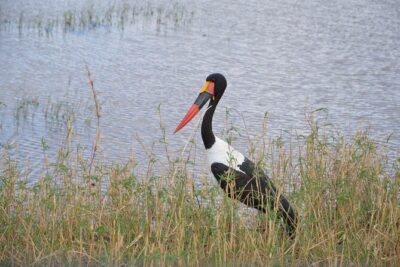
3 Days Serengeti & Ngorongoro Group Camping Safari
Read our review →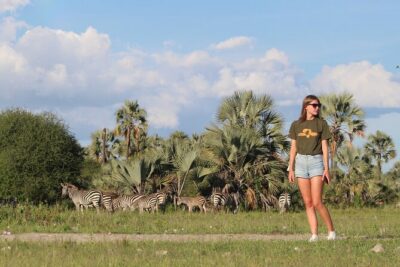
5-Day Highlights mid-Range Crater, Serengeti, Tarangire
Read our review →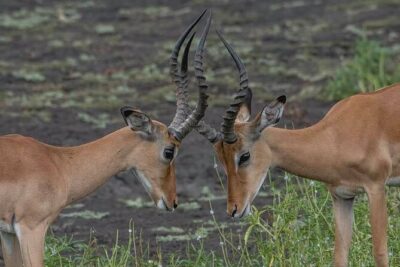
Private 6-Day Tarangire Manyara Crater and Serengeti with Mid-Range Lodges
Read our review →
5 Days Camping Tarangire, Serengeti & Ngorongoro crater & Visiting Maasai
Read our review →Browse the lists this tour appears in