
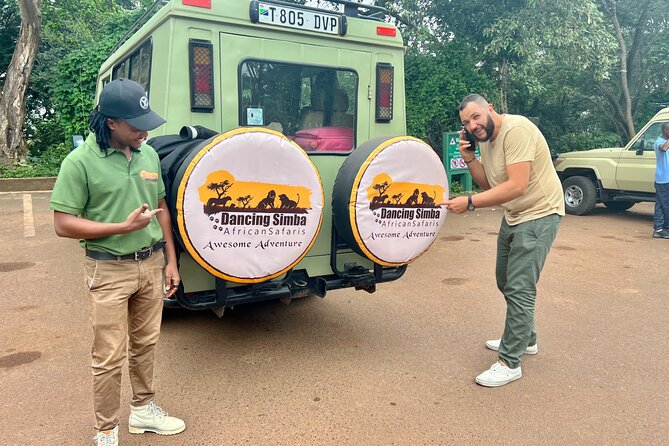
Reviewed · SERENGETI SAFARIS
8 Day private wildebeest migration safari Serengeti Ngorongoro
A wildebeest stampede is the headline here. This private 8-day safari is built around migration timing and big cats, with Serengeti game drives plus Ngorongoro’s predator-rich crater.
I particularly love that your route is designed to spend time in the central Serengeti for big-cat action and then move to where the herds are active in your season. I also like the “finish in the far north, then fly on” feel, which helps you keep momentum instead of backtracking.
The main drawback to plan for is early mornings, lots of driving, and the fact that wildlife can never be guaranteed, even when you’re on an excellent route.
In This Review
- Key Things I’d Lock In Before You Go
- Why This Migration Route Works on the Ground
- Arusha Setup That Keeps Day One Calm
- Lake Manyara: Tree-Climbing Lions and Forest-Edge Wildlife
- Serengeti Game Drives: Plains Views, Predators, and River Signs
- Two Migration-Tracking Days, Moved by Season
- Leaving Central Serengeti for a Sunrise-Style Predator Search
- Ngorongoro Crater: The 600-Meter Descent and Lake Magadi
- Materuni Waterfalls, Coffee Time, and Chemka Hot Spring Relaxing
- Price and Value: What $3,200 Per Person Covers in Feel, Not Just Numbers
- Who This Safari Fits Best (and Who Should Rethink It)
- Should You Book Dancing Simba Safaris for This 8-Day Migration Safari?
- FAQ
- How long is the safari?
- Where does the safari start?
- Is this tour private?
- How does the migration tracking change by season?
- How much time will I spend in Serengeti?
- What happens on the Ngorongoro crater day?
- Are admission tickets included?
- What is included on the last day after safari?
- What is the cancellation policy and what if weather disrupts things?
Key Things I’d Lock In Before You Go
- Migration-aware routing keeps you in the right part of Serengeti for your travel month, not just “the park in general.”
- At least two Serengeti base nights usually split between Central Serengeti and the seasonal migration zone.
- Big-cat focus is built into the timing, with predator activity emphasized at dawn and early hours.
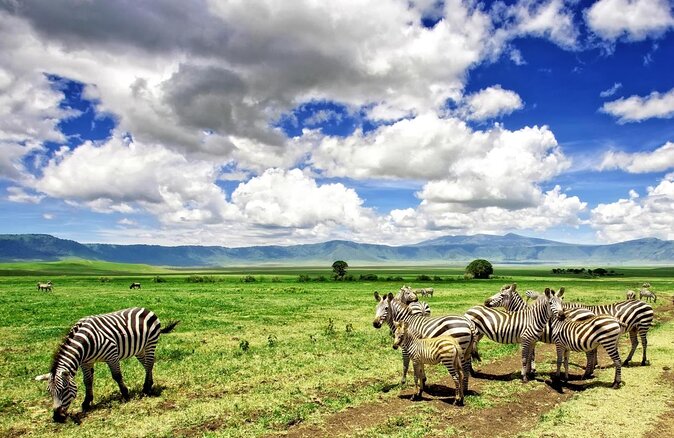
- Ngorongoro crater descent includes a deep viewpoint over 600 meters down, plus time at Lake Magadi.
- Active last-day add-ons pair the Materuni Waterfalls hike with coffee time and Chemka hot spring swimming.
Why This Migration Route Works on the Ground
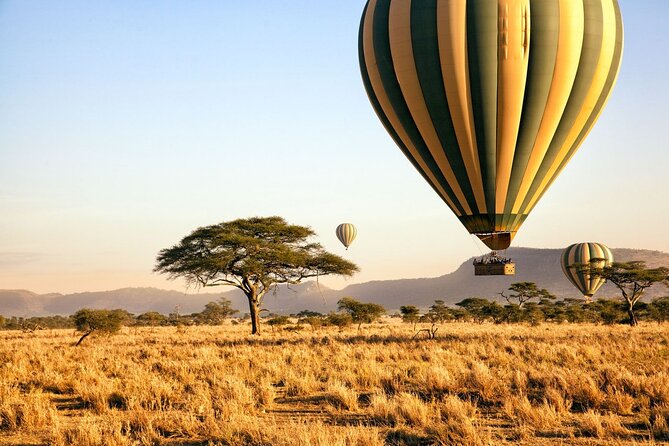
If you care about the wildebeest migration, you want one thing more than anything else: correct timing. This safari is designed around where the herds are moving during the year, and that changes where you’ll chase the action in Serengeti.
You also get a smart mix of “where cats are” and “where herds are.” The tour is set up so you usually spend time in the Central Area when big cats are easier to spot, then shift to the seasonal hotspot. That means you are not only hoping for a crossing, you’re also watching the food chain at work.
One more detail that matters for real safari viewing: the route aims to keep you off the heaviest crowds by steering you toward controlled areas for some drives. It’s not about avoiding people at all costs, it’s about getting you in position before the chaos.
More Safaris in Arusha
- Balloon Safari & Bush Breakfast in Serengeti – Miracle Experience
★ 5.0 · 1,646 reviews - 4 Days Group Camping Safari
★ 5.0 · 1,101 reviews - 5 Days Group Camping Safari
★ 5.0 · 730 reviews
Arusha Setup That Keeps Day One Calm
Most safaris start with an anxious feeling, Will I be late? Will I find the driver? This one starts with a simple plan: when you land at JRO, you’re met and transferred to Arusha in about 45 minutes.
The first night is at a reserved hotel in Arusha. Before your driver leaves, you get a briefing for the next day, and if you have spare time to add something extra, you can mention it then.
This matters because your first morning in Tanzania is often the one where the little logistics can stress you out. Having the next-day overview handled makes it easier to wake up and go with confidence, not confusion.
Lake Manyara: Tree-Climbing Lions and Forest-Edge Wildlife
On your way into the bigger parks, you spend a full day at Lake Manyara National Park. You’ll leave your lodge after breakfast and drive into a greener setting than the Serengeti plains.
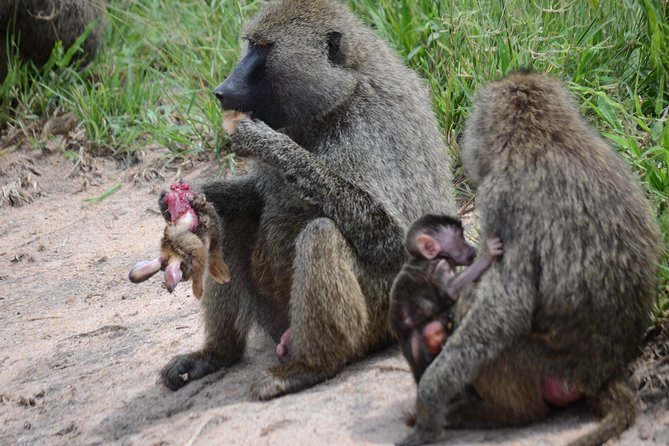
Manyara is known for tree-climbing lions, and the park setting also supports varied bird life plus a wide mix of animals. The morning and late-day light often help you spot activity around forest edges and open clearings, and you may see baboons, monkeys, waterbuck, and elephants depending on the day.
Two practical notes. First, this day includes a fairly short road time, so you’re not stuck in a long transfer day before safari time starts. Second, because the tour description does not specify admission details for Manyara, I’d confirm with the operator what is covered and what is not when you book.
Overnight is at Karatu Lodge, a useful base for the Serengeti approach.
Serengeti Game Drives: Plains Views, Predators, and River Signs
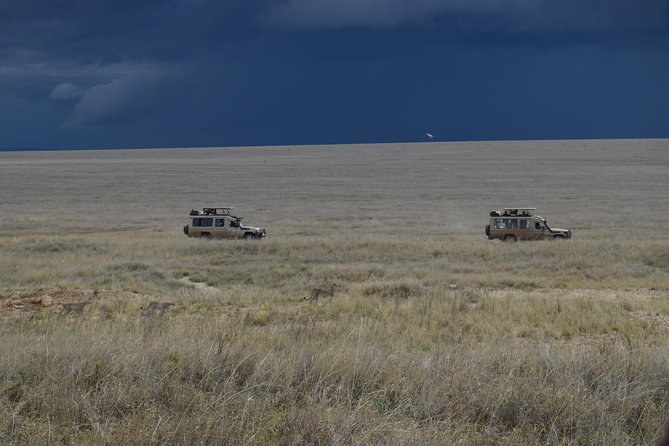
Once you hit Serengeti, the experience shifts from “varied park scenery” to open, moving country. You’re described as staying in the heart of Serengeti, with dinner and overnight inside the park area.
Your first full Serengeti day begins early, with breakfast at 7:00 am and then a game drive heading in. Serengeti is the big name for a reason: endless plains, and predators that follow the rhythms of prey.
Expect more than just wildebeest. Crocodiles show up around the Grumeti River area, and hippos, giraffes, and gazelles are also part of the typical mix. Even on days when the herd action isn’t the main show, you can still find drama. Watching how lions position themselves and how hyenas react to opportunity can be just as educational as a single crossing moment.
If you’re hoping for big-cat sightings, I like that the tour is structured to give you multiple days in the park. One drive can be great, two or three usually gives you more chances to catch the “cat behavior lesson” that makes safaris stick in your memory.
More Serengeti safaris:
- 3 Days Serengeti & Ngorongoro Group Camping Safari
★ 5.0 · 574 reviews - 5-Day Highlights mid-Range Crater, Serengeti, Tarangire
★ 5.0 · 296 reviews - 3-Day Classic Serengeti Safari
★ 5.0 · 263 reviews - Private 6-Day Tarangire Manyara Crater and Serengeti with Mid-Range Lodges
★ 5.0 · 238 reviews
Two Migration-Tracking Days, Moved by Season
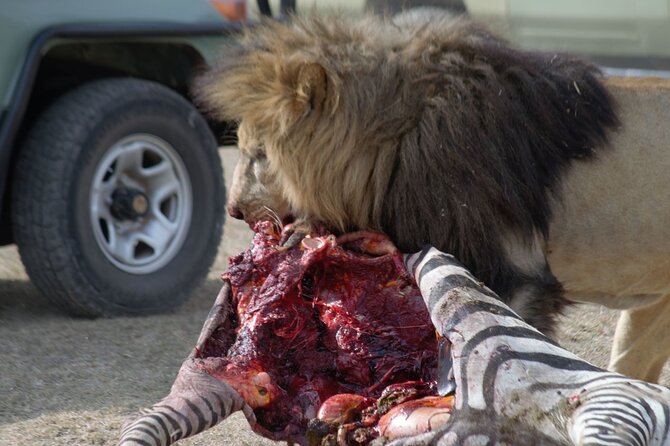
This is where the tour earns its name. You get two extended tracking days focused on the great migration, with where you go determined by the season you travel.
The tour lays out the seasonal pattern like this:
- Dec to March: southern Serengeti, often linked with Ndutu
- April to June: Central Serengeti and the Grumeti River area
- July to October: Mara River area, where major crossings take place
You spend those days actively tracking rather than only doing a generic loop. That difference matters, because migration viewing often comes down to timing, positioning, and reading what the animals are doing in that moment.
This is also where the big cats benefit. When wildebeest bunch up and change direction, predators get chances. In a good tracking day, it isn’t only about spotting animals, it’s about watching the small signals, how the herd reacts, how predators respond, and where the tension builds.
In the reviews tied to this safari style, I’ve seen guide praise for high attention to savanna behavior. In particular, groups have highlighted guides like Ally (Lunge) for being super focused on how the environment and animal activity connect. That kind of interpretation helps you feel less like you’re scanning in the dark, and more like you’re understanding what you’re seeing.
Leaving Central Serengeti for a Sunrise-Style Predator Search
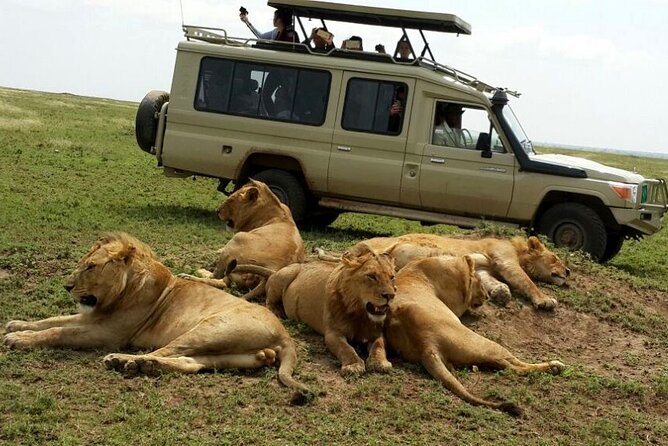
After your migration and Serengeti days, the tour shifts toward Ngorongoro. The sixth day starts early, with tea or coffee and a packed breakfast, so you can be out on the move when predators are most active.
The goal here is to hunt at the right time. Predators are described as more active during night and early morning, and you’re driven out of central Serengeti toward the eastern side for sightings like lions and cheetahs, plus other animals.
A controlled-area approach is mentioned again, meaning the plan tries to keep your viewing experience from being overwhelmed by too many safari jeeps at once. For many people, that is one of the best “quality-of-life” upgrades. You still get the game drive, but you spend less time parked near a crowd.
The drive runs until early afternoon, and the day is paced so you can arrive ready for the next step. If you’re the type who loves sunrise photos, this is your day.
Ngorongoro Crater: The 600-Meter Descent and Lake Magadi
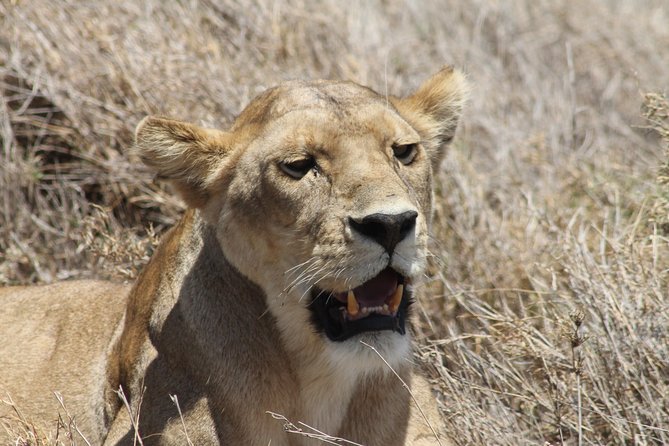
Ngorongoro Conservation Area is built for dramatic wildlife density, and the tour uses that strength well.
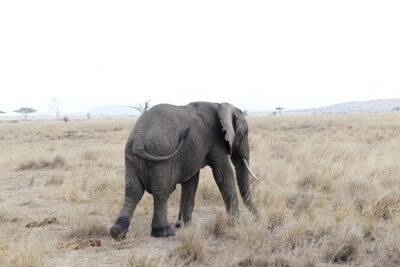
After breakfast, you drive directly to the crater and descend over 600 meters. Once you’re down there, the view changes instantly: the crater’s water and fodder help keep the animal population steady through the year, including herds of wildebeest, zebra, buffalo, and warthog, plus hippo and giant African elephants.
Predators are highlighted here too, including lions, hyenas, jackals, cheetahs, and the leopard, which sometimes takes patience and a trained eye to spot. You should treat this as a long-game crater day, where your best sightings can come from watching rather than from quick luck.
The tour also includes a stop at Lake Magadi, a shallow alkaline lake in the southwest corner. It’s a nice change of pace from pure “spot-and-go” viewing because it puts you in an area where you can see how animals use water in different ways.
The day is described as about 6 hours, and it’s also marked as admission ticket included. That’s a relief for budgeting and helps you avoid surprise costs mid-safari.
Materuni Waterfalls, Coffee Time, and Chemka Hot Spring Relaxing
The last day is a contrast to the big-park wildlife days. You start with a drive from Arusha or Moshi to Materuni Waterfalls, and along the way you’re taken by a local safari guide for an active cultural and nature walk.
Materuni sits around 2,500 meters in elevation, so it can feel cooler than the plains. You’re described exploring slopes with birds and chameleons, plus coffee and banana trees.
At the falls, the plan includes time where you may swim in clean pools. Then you head back to the village for a coffee tour, before traveling to Chemka hot spring. There’s time to swim in natural pools with small fish, with the reminder to bring swimming clothes.
The pacing here is thoughtful if you want a proper landing after days of safari focus. You’ll end the day with a drive to Kilimanjaro airport.
One practical consideration: this last day is long, about 9 hours. If you’re prone to motion sickness, plan for breaks and hydration through the day.
Price and Value: What $3,200 Per Person Covers in Feel, Not Just Numbers
At $3,200 per person, this is not a casual deal. But the value makes sense if you compare it to what you’re actually buying: time in the right places, private handling, and multiple chances at migration and predators.
Here’s what pushes value up:
- Private safari means you are not sharing the experience with strangers from other tours.
- Migration tracking across two dedicated Serengeti days is the real “product,” and that’s hard to fake with a quick drive-by.
- Serengeti time split between Central areas and the season-specific migration zone is built into the plan, rather than left to luck.
- Several days list admission tickets as free or included, including Serengeti drives listed as free and the crater day and last day listed as included.
What might lower value for some people is how much of this is about early mornings, long drives, and “go where the animals are” pacing. If you want a soft, slow safari with minimal travel time, you might feel it more than you expect.
Also, the operator notes group discounts and a mobile ticket, both of which can help if you are traveling with friends or family. Private tours usually become better value when your group is sized well, because you share costs but keep the route flexible.
Who This Safari Fits Best (and Who Should Rethink It)
This is a strong match if you:
- care about seeing the wildebeest migration based on your season
- want big cat chances and not only herbivore spotting
- like a mix of parks, with the Serengeti plus Ngorongoro crater as the centerpiece
- can handle early wake-ups and long days without turning it into a complaint marathon
It can also work well for families, but you’ll want to consider ages and stamina. One review mentioned attentive service for parents with kids ages 8 and 11, which suggests the team can handle family needs. Still, your days start early and end late, and that part is non-negotiable.
If you’re the kind of traveler who only wants one or two short drives per day, this might feel intense. Here, the plan is built around maximizing wildlife contact time.
Should You Book Dancing Simba Safaris for This 8-Day Migration Safari?
If your goal is a migration-focused Serengeti safari that does real seasonal movement, I’d consider booking this. The structure is built around where the herd is and how that pulls predators into view, which is the core of migration safari success.
I’d book if you value:
- strong time in Serengeti, not just a quick pass
- a Ngorongoro crater day that includes both predator density and Lake Magadi
- a final day that does not end at the airport lounge, with Materuni waterfalls and Chemka hot spring built in
Before you pay, do two quick checks with the operator. Ask what admissions apply for Lake Manyara since the data only clearly lists admission notes for other days. Also confirm what the “fly from the remote finish point” means for your next destination, so the handoff is smooth.
FAQ
How long is the safari?
The tour is listed as 8 days approximately.
Where does the safari start?
It starts in Arusha, with pickup from Kilimanjaro (JRO) airport for about a 45-minute drive to Arusha.
Is this tour private?
Yes. It is a private tour, and only your group participates.
How does the migration tracking change by season?
The tour tracks migration across Serengeti based on time of year: Dec-March focuses on southern Serengeti (Ndutu), April to June on Central Serengeti and the Grumeti River area, and July to October on the Mara River area where crossings happen.
How much time will I spend in Serengeti?
You spend at least 2 nights in the park. Usually it is two nights in the Central Area and two nights where the migration is happening according to the time of year.
What happens on the Ngorongoro crater day?
You descend over 600 meters into Ngorongoro Crater, view wildlife, and also visit Lake Magadi. The day is about 6 hours.
Are admission tickets included?
The tour details say admission tickets are listed as free for some Serengeti days, and included for the Ngorongoro crater day and the Materuni Waterfalls and Chemka hot spring day. Admission for Lake Manyara is not stated in the provided details.
What is included on the last day after safari?
You travel to Materuni Waterfalls with a local guide, have time for the coffee tour, then go to Chemka hot spring for swimming, and finish with a drive to Kilimanjaro airport.
What is the cancellation policy and what if weather disrupts things?
Free cancellation is offered. You can cancel up to 24 hours in advance for a full refund. If it is canceled due to poor weather, you are offered a different date or a full refund.
More Safaris from Arusha
- 7-Day Premium Luxury Tanzania Safari All-Inclusive
★ 5.0 · 426 reviews - 8 Days Great Wildebeest Calving Migration Safari from Arusha
★ 5.0 · 254 reviews - Group Safari 7 Days in Tanzania’s Main Parks
★ 5.0 · 240 reviews - 10-Day Serengeti Wildebeest Migration Safari from Arusha
★ 5.0 · 218 reviews
More Ngorongoro Crater Trips
- 5 Days Camping Tarangire, Serengeti & Ngorongoro crater & Visiting Maasai
★ 5.0 · 229 reviews - 4 Days Join Group tour Tarangire Serengeti and Ngorongoro crater
★ 5.0 · 219 reviews - 4-Day Safari from Arusha: Tarangire, Serengeti and Ngorongoro
★ 5.0 · 173 reviews - 2 Days Tarangire and Ngorongoro Group Camping Safari
★ 5.0 · 146 reviews
Just posted around Arusha
- 8 Days Serengeti Migration safari★ 5.0 · 11 reviews
- tarangire & ngorongoro 2 days tour★ 5.0 · 14 reviews
- serengeti, ngorongoro & tarangire 4 days private tour★ 5.0 · 18 reviews
- tarangire, ngorongoro & lake manyara park 3 days private tour★ 5.0 · 11 reviews
- serengeti & ngorongoro 3 days private tour★ 5.0 · 15 reviews
- climb the KILIMANJARO via Lemosho route★ 5.0 · 4 reviews
- Mt. Kilimanjaro: Shira plateau to Cathedral point 3872m Day hike★ 5.0 · 7 reviews
- Kilimanjaro Waterfalls Hike & Moshi Hot Springs Day Trip Tour★ 5.0 · 4 reviews
Serengeti Safaris, compared.
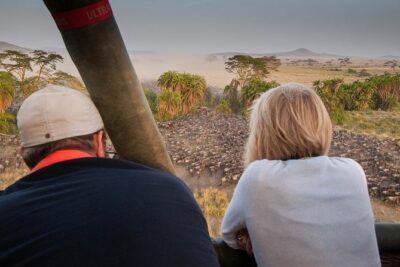
Serengeti Balloon Safari and authentic bush breakfast
Read our review →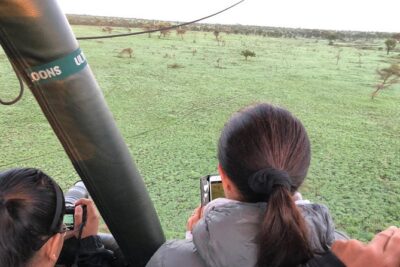
Balloon Safari & Bush Breakfast in Serengeti – Miracle Experience
Read our review →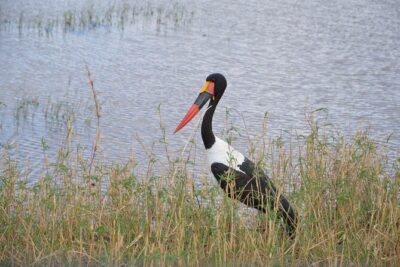
3 Days Serengeti & Ngorongoro Group Camping Safari
Read our review →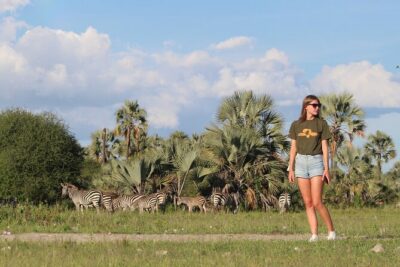
5-Day Highlights mid-Range Crater, Serengeti, Tarangire
Read our review →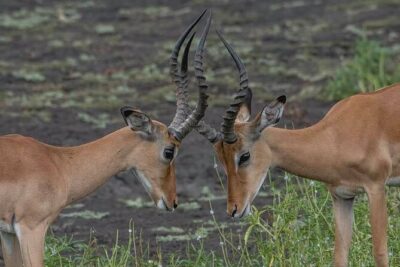
Private 6-Day Tarangire Manyara Crater and Serengeti with Mid-Range Lodges
Read our review →
5 Days Camping Tarangire, Serengeti & Ngorongoro crater & Visiting Maasai
Read our review →Browse the lists this tour appears in