
Reviewed · SERENGETI SAFARIS
7 Days: Great Migration Mara River Crossing(manyara, Ngorongoro And Serengeti)
The Mara River looks small on a map, then it owns your attention for hours. This 7-day private safari from Moshi strings together Lake Manyara, Ngorongoro Crater, and prime Serengeti settings for big cats and the Great Migration. I love the mix of habitats, you see everything from rift valley bird life to crater scenery, and I also like the extra time focused on the crossing drama rather than rushing past it. One drawback to plan for: migration timing is never a promise, and conditions can affect whether and when you catch the river action.
I also appreciate how the trip is set up for comfort and flow, with private transportation, a pickup option, and meals included throughout most of the days. You should consider that the days start early and include long drives plus a crater descent, so you’ll want moderate physical fitness and a good attitude for early mornings. If your guide is Jose, you may get a bonus, his spotting skills and wildlife knowledge show up clearly in past guest feedback.
In This Review
- Key things to know before you go
- Moshi Start, Usa River Overnight, and What the First Day Really Means
- Lake Manyara: Tree-Climbing Lions, Rift Valley Variety, and Bird Power
- Practical note for expectations
- Ngorongoro Crater Descent: Black Rhino Possibilities and Big Mammal Density
- What makes this day feel special
- Possible consideration
- Serengeti North: Seronera Lion Country and a Strong Start to Big Cat Viewing
- Why I like this sequencing
- Mara River Crossing Days: When the Migration Becomes Real
- Walking safari and sundowner, added value that changes the tone
- The balanced truth about crossing expectations
- Final Serengeti Morning: One More Look at the Mara, Then Back to Town
- Price and Value: What $3,538 Per Person Buys You
- Guides, Spotting, and Why Jose Matters in Real Life
- Who This Safari Fits Best, and Who Should Reconsider
- Should You Book This Great Migration Mara River Crossing Safari?
- FAQ
- How long is this safari?
- Where does the tour start?
- Is pickup available?
- Is this a private tour?
- What meals are included?
- Are park fees included?
- Does the trip include the Great Migration Mara River crossing?
- Is walking safari included?
- What is not included?
- What if the trip is canceled due to weather or changes?
Key things to know before you go
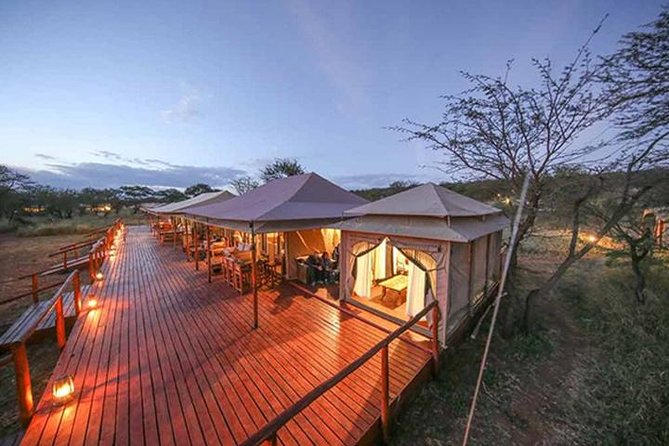
- Manyara tree-climbing lion odds: Lake Manyara is on the itinerary specifically for that famous behavior.
- Ngorongoro crater with black rhino focus: You’re not just passing through, you’re descending for big mammal viewing.
- Two serious Serengeti days: More time is spent in the northern areas during the Mara River movement window.
- Walking safari and sundowner added: These are listed as value-added experiences on the migration-focused days.
- Private, all-fees-included setup: Park fees, taxes, and transportation are covered in the package price.
- Expect some variability with crossings: One past comment flags that migration can fail to match expectations depending on conditions.
Moshi Start, Usa River Overnight, and What the First Day Really Means
Most safari schedules feel like they begin with a game drive. This one starts more like a reset button. You arrive after your flight, get transferred into town, and overnight near Usa River for dinner. It’s the kind of start that helps you avoid the classic mistake of “trying to do too much too soon” on arrival day.
You’ll likely appreciate the practical touches: this is a private tour/activity, so it’s only your group. Private transportation also matters here, because your time is precious once you hit the parks. And the package includes meals for the bulk of the trip, with dinner on the first day and then a steady rhythm after.
The only thing to watch is timing. Day 1 is described as depending heavily on your arrival time. If you land late, you may get less time in town than you hoped, but that’s normal on safari. The good news is that your first night is positioned to keep Day 2 realistic and not frantic.
More Lake Manyara safaris:
- 3-Day Ngorongoro Crater Manyara and Tarangire Safari from Arusha
★ 5.0 · 49 reviews - 7 Days Safari. Serengeti, Tarangire, Lake Manyara & Ngorongoro Crater.
★ 5.0 · 34 reviews - Safari in Tanzania 5 days: Manyara, Ngorongoro, Serengeti
★ 5.0 · 29 reviews
Lake Manyara: Tree-Climbing Lions, Rift Valley Variety, and Bird Power
Day 2 points you to Lake Manyara National Park, and it’s a smart choice because the park delivers variety in a small space. The route isn’t only about seeing animals; it’s about understanding why animals hang out where they do. You’ll pass through or view contrasting habitat types like acacia woodland and the rift valley escarpment edges, plus the lake itself and the water-related zones.
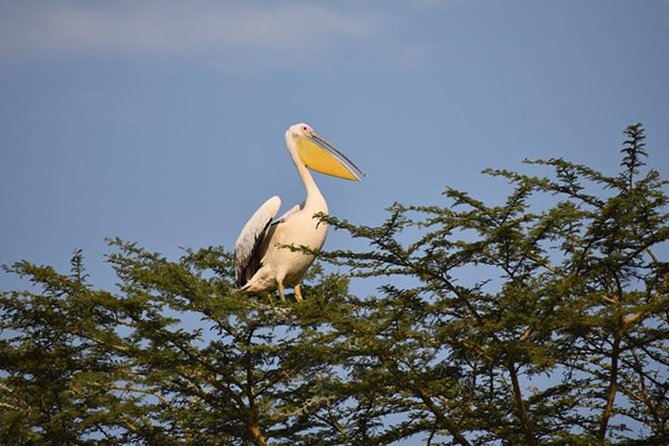
I like Lake Manyara for how quickly it can feel alive. You might see big mammals like baboon, giraffe, buffalo, elephant, and then the more signature moments such as amazing birds. Even when you don’t catch your top target, the park’s mix of habitats makes the drive feel like more than a checklist.
This day is also timed for game viewing and runs for about 10 hours. That’s a long-ish day, but it’s the right length for a place where sightings can be brief. You’ll want patience, especially for the kind of behavior Manyara is famous for: the tree-climbing lion.
Practical note for expectations
The itinerary explicitly sets you up to look for lions that climb trees. That’s a real behavior, but it’s not guaranteed every single day. Think of this as “your odds are better here than almost anywhere else,” not a guaranteed photo op.
Ngorongoro Crater Descent: Black Rhino Possibilities and Big Mammal Density
Then comes the crater. The tone shifts from “scenic game drive” to “crater day,” because the plan is to descend early, spend time in the crater floor, and then continue onward after lunch toward Serengeti.
Ngorongoro Crater is one of those places where concentration matters. The description highlights the largest permanent concentration of big mammals on earth, and that idea is why this stop is worth the effort. You’re not searching all day for a rare animal and hoping. You’re operating in a bowl where animals tend to show up in strong density.
The wildlife targets are clear: lion, rhino, hyena, jackals, elephant, buffalo, and water birds. The itinerary also specifically mentions looking for the black rhino, which is the kind of detail that signals this day has focus rather than just sightseeing.
More Serengeti safaris:
- Safari Serengeti And Ngorongoro
★ 5.0 · 288 reviews - 5 Days Camping Tarangire, Serengeti & Ngorongoro crater & Visiting Maasai
★ 5.0 · 58 reviews - 4 Days Group Joining Camping Safari to Tarangire Serengeti Ngorongoro Crater
★ 5.0 · 50 reviews - 4 Day Private Tour Throughout Tarangire, Serengeti and Ngorongoro
★ 5.0 · 42 reviews
What makes this day feel special
You’ll be moving through different crater habitats, from forest to grassy plains, plus seasonal water pools, swamps, and riverine areas. That habitat variety affects what you see and where you see it. In practice, that means your guide can shift the drive when conditions change. And if your guide is Jose, his record of spotting animals from far distances is exactly the skill that pays off in a crater setting.
Possible consideration
A crater descent takes energy and logistics. Even with a private vehicle, the timing and movement can feel intense for some people. The trip overall flags a moderate fitness level requirement, which fits with early hours, long drives, and the crater day being more active than a flat plain.
Serengeti North: Seronera Lion Country and a Strong Start to Big Cat Viewing
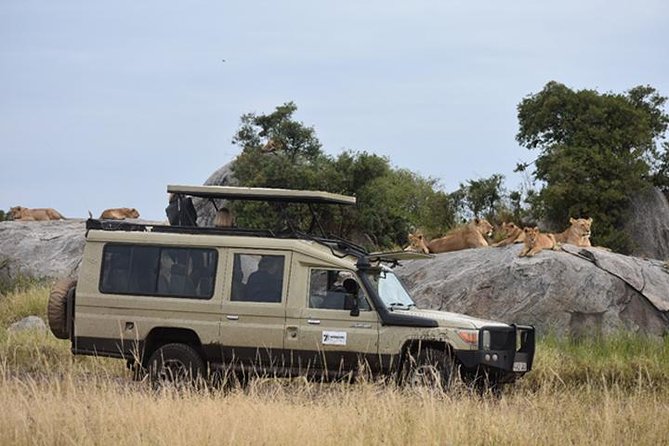
After Ngorongoro, you head into Serengeti with a full day for game viewing. The plan includes an early morning game drive in the Seronera valley, described as one of the best places to see lions in the continent. That’s a big claim, but the schedule backs it up by starting early, when animals are often more visible and active.
You’re also in habitats that mix plains, kopjes, and riverine dotted with acacia trees. That mix matters because predators use cover and elevation differently. Kopjes can act like lookout points, and riverine areas can concentrate prey when water is available.
You’ll be looking for lions first, but the itinerary also calls out cheetah and leopard, plus the kind of broad wildlife you expect in Serengeti. It’s a day built around game viewing time, and it’s structured so you get a proper rhythm: morning drive, back to camp for lunch, then you continue onward.
Why I like this sequencing
If you do Serengeti first and crater second, you might miss the best “flow” of expectations. Here, you get the crater big mammals, then you shift into Serengeti’s predator focus. That order keeps the trip feeling like it escalates instead of repeating itself.
Mara River Crossing Days: When the Migration Becomes Real
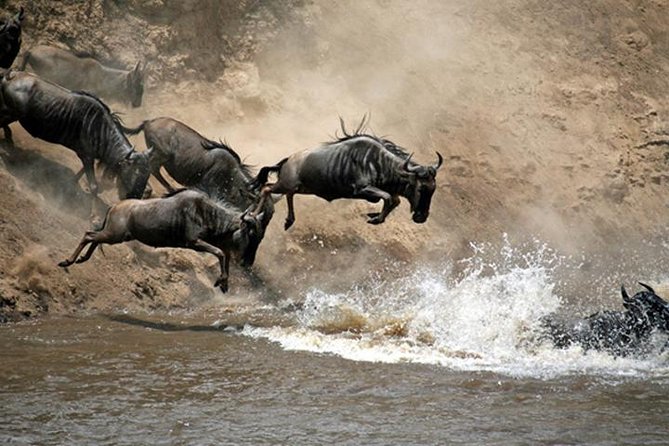
Now for the heart of the trip. The next two days are structured around the expected secrets of the north and the Great Migration, specifically the wildebeest crossing of the Mara River, with crocodiles trying to intervene.
This is where the itinerary leans into drama. You’re not just doing a generic “migration safari.” The day format points you toward rolling hills, kopjes, plains, and riverine, and it keeps the crossing as the central theme. You’re also told to expect the possibility of key sightings like lion, cheetah, leopard, and other animals including rhino, hippo, rock hyrax, giraffe, and reed bucks.
Walking safari and sundowner, added value that changes the tone
On those migration-focused days, the itinerary notes value-added experiences: walking safari and sundowner. Even if you’re mainly there for dramatic river crossings, these added moments can be a mental reset. A walking safari shifts you from “spot and zoom” wildlife viewing to a slower way of reading the bush. The sundowner helps close the day with atmosphere and time to reflect before you go again.
The balanced truth about crossing expectations
Here’s the consideration you should take seriously. One past comment raises a concern that the migration might not happen as expected due to changing conditions, including animals not moving or lacking water. I can’t promise which days will deliver the classic river-action spectacle. What I can tell you is that this itinerary is designed to give you enough time in the right area to have multiple chances at the moments you came for.
If you’re the kind of traveler who gets upset when nature doesn’t follow a script, you might want to build flexibility into your expectations. If you’re okay with being patient for the right opportunity, this is the right style of safari for you.
Final Serengeti Morning: One More Look at the Mara, Then Back to Town
Your last day stays in the Mara River area for a morning game drive, then focuses on a final chance at crossings later. After that, you head to the airstrip for your flight to town, and then you’re taken to a hotel where you can use a day room before connecting your flight home.
This end-of-trip structure is useful. You get one last round of searching in the exact zone that matters. Then you don’t spend your final hours stuck in transit with no wildlife payback.
The inclusion of day room use is not spelled out with hours, so I wouldn’t treat it like a full hotel stay, but it is a practical detail for comfort. After a week in safari mode, you’ll likely want a chance to shower properly and reset.
Price and Value: What $3,538 Per Person Buys You
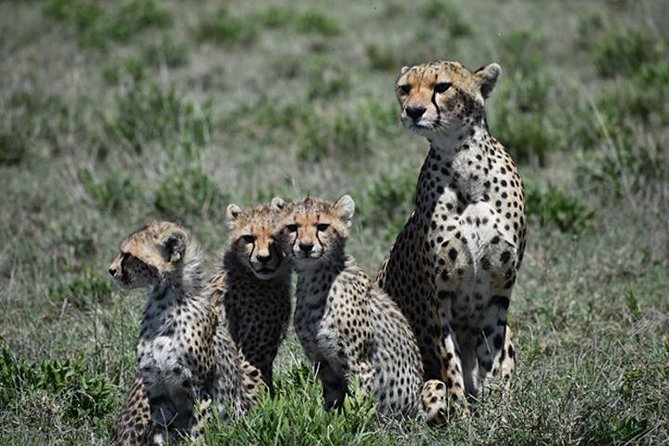
The price listed is $3,538.47 per person for about 7 days. That sounds like a lot, and it is. But for safaris, value is less about the sticker price and more about what’s already handled.
This package includes:
- All fees and taxes
- Private transportation
- Meals for most days (6 breakfasts, 6 lunches, 6 dinners)
- Park entry is treated as covered as part of the “all fees and taxes” line item
- Pickup offered, plus a mobile ticket
You also get a private setup, meaning you’re not sharing drives and decision-making with random strangers. On wildlife days, that can be a big deal, because it affects pacing and where you spend time when an animal appears.
So where’s the tradeoff? The cost is high partly because you’re hitting multiple high-demand areas: Lake Manyara, Ngorongoro Crater, and Serengeti, with extra focus on migration zones. If migration timing lines up well, this price can feel justified quickly because you’re getting concentrated opportunities.
If migration does not deliver the classic river crossings, the price can feel harder to swallow. That’s why your expectations should include the idea that nature can shift faster than schedules.
Guides, Spotting, and Why Jose Matters in Real Life
A safari lives or dies by spotting and communication. One strongly praised detail in past feedback is about Jose as an excellent tour guide, including his ability to spot animals from very far distances and his strong knowledge of wildlife and nature. That matters because in places like Ngorongoro and Serengeti, animals can be present but not obvious.
Another name that appears in feedback is Evelyn, connected to how the trip was coordinated and how emails were handled months in advance. That points to a behind-the-scenes value too. When communication is smooth before departure, you start your safari with fewer headaches.
You can’t control which guide you get, but you can control what you ask. Before you pay, ask who will guide you and what your guide’s strengths are for your specific wildlife goals, lions, rhino, and migration crossings.
Who This Safari Fits Best, and Who Should Reconsider
This safari suits you if:
- You want a big mammal focused route plus targeted migration time
- You prefer private transportation and a more tailored pace
- You can handle early starts and long days in the vehicle
- You’re genuinely interested in Mara River crossings enough to spend more than one day in the zone
You might rethink it if:
- You need guaranteed migration crossings on specific dates, because crossings depend on moving herds and water conditions
- You want a lighter physical day, as the crater descent and early mornings can be demanding
- You’re budget-sensitive, since you’re paying for multiple major parks plus a private setup
Should You Book This Great Migration Mara River Crossing Safari?
My take: book it if your priority is being in the right places with enough time to chase the Mara River action. The itinerary is built around the correct headline sites, Lake Manyara for tree-climbing lion odds, Ngorongoro for the crater big mammal viewing and black rhino focus, and Serengeti north for the migration window with extra time spent where crossings are most likely.
Do book with eyes open. One negative note highlights that migration may not match expectations due to conditions, and nature is allowed to be unpredictable. If you’re flexible and you enjoy being out there for the whole experience, not just one moment, the odds are better that you’ll walk away satisfied.
FAQ
How long is this safari?
It’s listed as approximately 7 days.
Where does the tour start?
The meeting point is Kilimanjaro Airport, and the tour is in and around Moshi, Tanzania.
Is pickup available?
Yes, pickup is offered.
Is this a private tour?
Yes. It’s described as a private tour/activity with only your group participating.
What meals are included?
The package includes 6 breakfasts, 6 lunches, and 6 dinners.
Are park fees included?
The package states that all fees and taxes are included.
Does the trip include the Great Migration Mara River crossing?
Yes. The Serengeti days are specifically set up around the Mara River crossing and crocodile interaction.
Is walking safari included?
Walking safari is listed as a value-added activity on the migration-focused Serengeti days.
What is not included?
Tips are not included.
What if the trip is canceled due to weather or changes?
The cancellation policy allows free cancellation up to 24 hours before the experience’s start time for a full refund, and if canceled due to poor weather you’ll be offered a different date or a full refund.
More Ngorongoro Crater Trips
- 5-Day Lake Manyara, Serengeti, Ngorongoro Crater and Tarangire
★ 5.0 · 28 reviews - 6 Days: Classic Camping( Tarangire, Manyara, Serengeti And Ngorongoro).
★ 5.0 · 26 reviews - 4 Days, 3 Nights Group budget Safari, Lake Manyara, Serengeti, Ngorongoro
★ 5.0 · 18 reviews - 5 Days Private Tarangire, Serengeti, Ngorongoro, Manyara Safaris
★ 5.0 · 17 reviews
Just posted around Moshi
- machame route★ 5.0 · 16 reviews
- Kilimanjaro Climbing Umbwe Route★ 5.0 · 3 reviews
- Wildlife Extravaganza: Manyara, Tarangire & Ngorongoro in 3 Days★ 5.0 · 3 reviews
- Mt Kilimanjaro 6 days Marangu route hike★ 5.0 · 3 reviews
- 3 Days Private E-Bike Tour in West Kilimanjaro★ 5.0 · 3 reviews
- West Kilimanjaro cycling Adventures★ 4.5 · 8 reviews
- Private Cycle to Kilimanjaro Bike Park Safari★ 5.0 · 6 reviews
- Kilimanjaro Climb • Marangu Route ~ 9 Day★ 5.0 · 4 reviews
Serengeti Safaris, compared.
Serengeti Balloon Safari and authentic bush breakfast
Read our review →
Balloon Safari & Bush Breakfast in Serengeti – Miracle Experience
Read our review →
3 Days Serengeti & Ngorongoro Group Camping Safari
Read our review →
5-Day Highlights mid-Range Crater, Serengeti, Tarangire
Read our review →
Private 6-Day Tarangire Manyara Crater and Serengeti with Mid-Range Lodges
Read our review →
5 Days Camping Tarangire, Serengeti & Ngorongoro crater & Visiting Maasai
Read our review →Browse the lists this tour appears in