
Reviewed · SERENGETI SAFARIS
6-Day Essence of Serengeti & Ngorongoro Migration Safari
A crater sunrise can change your whole trip. This safari targets the Great Migration drama in Serengeti and then shifts into the high-density wow of Ngorongoro Crater, with serious time on wildlife. I like the way the schedule builds in early starts, big stretches of game viewing, and picnic-style breaks that keep you out chasing naps. One drawback to weigh, though: this is a fast-moving 6 days, so expect long drives and very early wake-ups.
I’m also drawn to the human side. Past travelers highlighted guides like Amani and Abouh for friendliness and for going the extra mile, plus a team member named Innocent for quick email replies. If you want a private setup (your group only) with guide-led scouting, this format can feel both efficient and personal, not like a cattle-call.
In This Review
- Quick takeaways before you book
- Why Serengeti migration plus Ngorongoro works so well
- From Arusha into the wild: the first day’s crater-rim viewpoint and picnic
- Serengeti game drives: why the schedule keeps you out early
- Central Serengeti and calving season: what you’re hoping to see
- Ngorongoro Crater: the “Noah’s Ark” idea explained for your eyes
- Day 5 transition: sunrise drive, brunch, then the crater shift
- Day 6 inside the crater: sunrise at the edge and dense viewing
- Tarangire and Lake Manyara: confirm they’re in your final plan
- Price and logistics: what $3,713 buys you here
- Meals, water, and “staying human” during long safari days
- Your guide experience: look for the scouts who know when to stop
- Who should take this safari (and who should reconsider)
- Should you book this 6-day Essence of Serengeti & Ngorongoro Migration Safari?
- FAQ
- What parks are included in this safari?
- Is pickup offered?
- How long is the safari?
- Does this tour include game drives in Serengeti?
- What makes Ngorongoro Crater special for wildlife viewing?
- What meals are included?
- Is drinking water included?
- What is not included in the price?
- Can I cancel for a full refund?
Quick takeaways before you book
- Real time in Serengeti: multiple full or near-full game-drive days, including early-morning drives.
- Migration-aware planning: the timing depends on rainfall, and the plan reflects that.
- Ngorongoro’s game-viewing density: the crater’s animal numbers and enclosed setting make sightings more consistent.
- Morning crater edge views: sunrise timing is built into the schedule for the best light and first look.
- Strong value coverage: park fees, taxes, meals, and unlimited drinking water are included in the stated package.
Why Serengeti migration plus Ngorongoro works so well
The Great Migration is not a fixed route you can lock into. It’s a moving cycle across the Serengeti-Mara ecosystem, driven by rainfall, which means the best safaris are the ones that give you enough time and enough flexibility to catch wildlife concentrations.
That’s what I like about combining Serengeti with Ngorongoro. Serengeti is where you chase scale: herds of zebras and wildebeest stretching across short-grass plains. Ngorongoro is where the scale turns into density, with thousands of ungulates living in a naturally enclosed bowl. Even if migration timing is shifting during your dates, Ngorongoro can still deliver strong viewing.
More Safaris in Arusha
- Balloon Safari & Bush Breakfast in Serengeti – Miracle Experience
★ 5.0 · 1,646 reviews - 4 Days Group Camping Safari
★ 5.0 · 1,101 reviews - 5 Days Group Camping Safari
★ 5.0 · 730 reviews
From Arusha into the wild: the first day’s crater-rim viewpoint and picnic
Day 1 starts with pickup around 08:00 from your hotel or the airport in the Arusha area, then heads toward Serengeti via the Ngorongoro Conservation Area. You get a viewpoint stop on the crater rim before you go fully into Serengeti, and I like this because it gives you a big sense of place early. It’s a visual “okay, this is real” moment, before the plains steal your attention.
Lunch is picnic-style inside the park. That matters more than it sounds. Waiting around for a proper restaurant break can eat daylight you’d rather spend scanning acacia edges and grassland gullies. On a short safari, every hour counts.
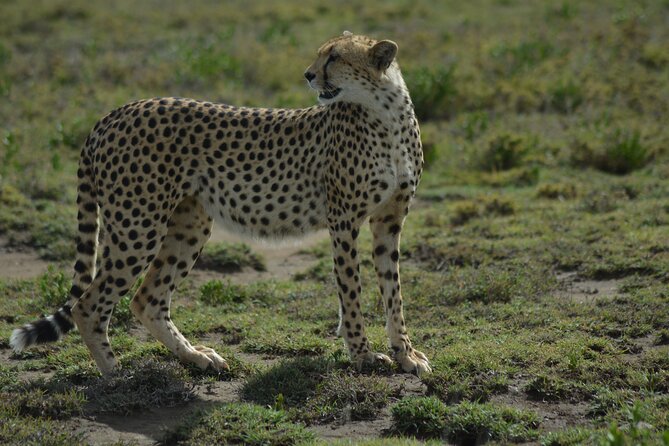
What to expect wildlife-wise on this first day is a mix: lions, hyenas, leopards, cheetahs, jackals, and giraffes are all mentioned as possible sightings from the rim and surrounding areas. Of course, sightings never come with guarantees, but this day sets you up with both habitat variety and momentum.
Serengeti game drives: why the schedule keeps you out early
The middle of this trip is built around Serengeti National Park game drives, including an early run around 06:30 that lasts about 6 to 7 hours. I love this pattern because animals are often more active in the morning, and you’re also more likely to catch predators moving or feeding when the day is still cool.
Another smart touch is how the plan repeats Serengeti rather than treating it like a single “one-and-done” visit. Three separate Serengeti-focused days lets you cover more habitats and gives you time for things to show up late in the day or on a different terrain.
And the migration context is included right in the planning. The herds you’re trying to see are described with numbers, and the route you follow is linked to rainfall. That’s practical safari thinking. Your guides aren’t aiming for a fixed spot on a fixed date, they’re aiming for where the ecosystem is pulling the animals right now.
Central Serengeti and calving season: what you’re hoping to see
One of the best parts of this safari plan is that it calls out Central Serengeti and specifically mentions the short-grass plains. Those plains are the kind of place where you can look up and realize you’re watching the whole system work at once: grazing movement, predator opportunism, and the constant churn of herds.
The trip also references a very specific window around January, when a synchronized birthing period can happen over about three weeks. It even gives you a scale expectation: around half a million wildebeest calves in the region during that act of synchronized birthing. If your dates land near that seasonal window, it can turn your game drives into something that feels less like spotting animals and more like witnessing a natural calendar.
If you’re not traveling near January, don’t treat this as a promise you’ll see newborns. But you can still take the lesson: Serengeti viewing changes with season and habitat. This plan leans into that reality instead of pretending every trip is identical.
More Serengeti safaris:
- 3 Days Serengeti & Ngorongoro Group Camping Safari
★ 5.0 · 574 reviews - 5-Day Highlights mid-Range Crater, Serengeti, Tarangire
★ 5.0 · 296 reviews - 3-Day Classic Serengeti Safari
★ 5.0 · 263 reviews - Private 6-Day Tarangire Manyara Crater and Serengeti with Mid-Range Lodges
★ 5.0 · 238 reviews
Ngorongoro Crater: the “Noah’s Ark” idea explained for your eyes
Then comes Ngorongoro, and the tone shifts. Instead of open plains, you go into a closed bowl that holds wildlife year-round. The crater is described as a UNESCO World Heritage Site formed about three million years ago, roughly 610 meters deep, and covering about 260 square kilometers. That scale matters because it’s part of why so many animals can live there at once.
The package even calls out animal density by naming about 25,000 ungulates in the crater. That’s the whole point of Ngorongoro: higher odds of sightings in less time. In plain terms, you spend more of your safari searching and less of it driving around hoping.
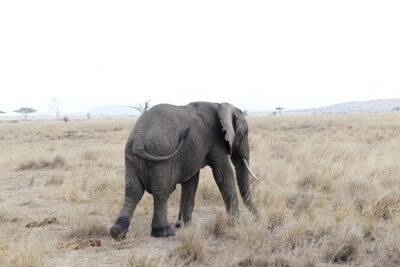
You’re also told the crater offers the best game viewing of all the parks in Tanzania, and you’re pointed to what you might see: wildebeest, zebra, gazelle, elephant, and more than 500 bird species. The mention of black rhino is also important. It’s described as a rare possibility in the crater area, so you should treat it as luck-plus-scouting rather than a scheduled stop.
Day 5 transition: sunrise drive, brunch, then the crater shift
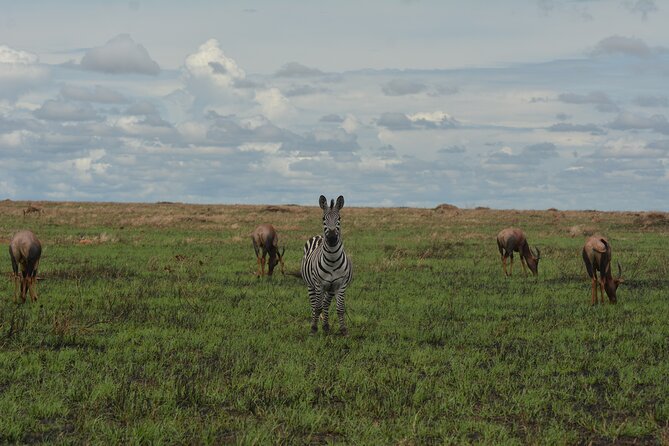
Day 5 is a good example of why this itinerary is built for wildlife people, not just “tour people.” It suggests a very early wake-up for an early morning game drive, with sunrise views described as among the best you’ll ever witness. After that drive, you return for brunch and then head to Ngorongoro.
This transition is more than a route change. It’s a change in animal behavior and lighting. Morning light can be excellent for finding both motion and detail, while late-day crater viewing can sometimes feel like watching an enclosed theatre where animals don’t need to go far for food and water.
The plan also notes Ngorongoro’s dramatic physical setting, describing walls around 2,000 feet high and the crater spanning about 102 square miles. When you visualize the crater bowl, you’ll understand why this place can feel so concentrated. You’re not searching the horizon for signs, you’re scanning a “planet inside a wall.”
Day 6 inside the crater: sunrise at the edge and dense viewing
On Day 6, early risers get sunrise views over the crater’s edge, then breakfast, then the journey into the crater itself. I like having that morning context before you descend, because it helps you read the scene. You get to see how the bowl sits in the morning light, then you move into the place where the animals are.
What you’re told to look for is a wide range: wildebeest, zebra, gazelle, elephant, and many birds. It also mentions that in a matter of minutes you may be able to spot animals. That is exactly what you want from a crater day, because it reduces the temptation to feel like your entire success depends on one long slog of scanning.
As for luck, the plan notes you may catch a glimpse of rarer species like black rhino with the right conditions. Again, it’s not guaranteed, but Ngorongoro’s density gives you a stronger shot than many open-park situations.
Tarangire and Lake Manyara: confirm they’re in your final plan
Your tour overview says you’ll visit Tarangire National Park (famous for age-old baobab trees) and Lake Manyara National Park (known for tree-climbing lions). But the day-by-day outline you have for this 6-day version reads as Serengeti-focused and then Ngorongoro-focused.
So here’s my practical advice: check your final confirmation carefully for when Tarangire and Lake Manyara are scheduled. If they are included, they can be fantastic add-ons because they change the scenery and the animal personality. If they are not slotted in for your exact departure, you’ll still get two heavy hitters with serious wildlife time.
Price and logistics: what $3,713 buys you here
$3,713 per person is not a small number. What makes it feel more reasonable is how much is included. The package lists all fees and taxes, professional guide/driver, unlimited drinking water, and all activities. On top of that, meals are included, including 6 breakfasts and 6 lunches, plus 5 dinners.
That matters in Tanzania because the “real price” of a safari is often the total of park fees, transport, and day-to-day costs. When those items are bundled, you can budget with less stress. You also avoid the annoying surprise feeling of paying extra for what you thought was part of the ride.
Another logistics win is the private setup. It’s described as a private tour/activity, your group only. Even if the price is higher than a basic shared group safari, privacy can pay off in comfort and pacing. It’s easier to take a break when you need it, and it can be easier for the guide to focus on your viewing priorities.
One more data point worth noting: the safari is booked on average 71 days in advance. That suggests demand is real. If you’re traveling during peak migration interest, it’s smart to book sooner rather than later.
Meals, water, and “staying human” during long safari days
Safari days can drain you if you underestimate the time on the road. This package helps with the basics: unlimited drinking water is included, and you get a mix of breakfast, lunches, and dinners in the cost.
You also get picnic lunch inside the park on the Serengeti day described, which is a big deal on long game drives. You’re not constantly negotiating food stops or spending your limited daylight searching for a place to eat.
Food is also a point that came up positively in the feedback I saw, with comments about delicious meals and a good variety. On safari, “variety” can mean the difference between feeling okay at 4:30 pm and feeling wrecked.
Your guide experience: look for the scouts who know when to stop
A big safari truth: your guide’s ability to read animal movement and habitats often decides your quality of time more than the route itself. The names that showed up in what people shared made it clear that friendliness and professionalism mattered.
Amani was highlighted for a friendly demeanor and professional accompaniment through the journey. Abouh was noted as going the extra mile and having a great, supportive attitude from the start. And Innocent was praised for quick communication ahead of the trip.
That set of themes tells me you should choose a safari operator that prioritizes people, not just vehicles. If your guide is calm, attentive, and willing to position the vehicle for good sight lines, you’ll feel it immediately when animals appear.
Who should take this safari (and who should reconsider)
This safari is a strong fit if you:
- want multiple days in Serengeti with a real focus on game drives
- care about migration timing as a concept, not just a wildlife label
- want the more reliable crater viewing experience after Serengeti
It might be less ideal if you:
- prefer slow-paced travel with minimal early starts
- dislike long road days between parks
- need strict downtime built into the middle of the trip
Also, the plan suggests many animals are possible, not guaranteed. If you’re the type who feels crushed by missed sightings, you’ll still have a great chance, but you should go with flexible expectations.
Should you book this 6-day Essence of Serengeti & Ngorongoro Migration Safari?
I’d book it if you want a focused, wildlife-first safari that puts real time where the animals are most likely to be. The combination of Serengeti’s migration energy plus Ngorongoro’s crater density is exactly how you maximize odds in 6 days.
Before you click confirm, do two quick checks:
- Verify whether Tarangire and Lake Manyara are included in your specific departure dates, since the day-by-day focus here reads as Serengeti and Ngorongoro.
- If sunrise drives are your thing, make sure the early start times match your comfort level.
If both points look good, this is a solid value package for Tanzania wildlife lovers who want more than a quick highlight circuit.
FAQ
What parks are included in this safari?
The overview says you’ll visit Serengeti National Park, Ngorongoro Crater, Tarangire National Park, and Lake Manyara National Park. The provided day-by-day outline specifically describes Serengeti and Ngorongoro.
Is pickup offered?
Yes, pickup is offered from your hotel or the airport at around 08:00 on Day 1, based on the schedule provided.
How long is the safari?
It’s a 6-day safari, listed as approximately 6 days.
Does this tour include game drives in Serengeti?
Yes. The plan includes multiple Serengeti National Park game drive days, including an early morning drive around 06:30 and additional full or near-full game-viewing days.
What makes Ngorongoro Crater special for wildlife viewing?
Ngorongoro Crater is described as a UNESCO World Heritage Site with dense wildlife, about 25,000 ungulates, plus many bird species. The enclosed crater setting can make animal sightings happen quickly once you’re on site.
What meals are included?
Breakfast is included for 6 days, lunch is included for 6 days, and dinner is included for 5 days.
Is drinking water included?
Yes, unlimited drinking water is included.
What is not included in the price?
Tips, visa, and international flights are not included.
Can I cancel for a full refund?
Free cancellation is available. You can cancel up to 24 hours in advance of the experience start time for a full refund. Canceling less than 24 hours before does not receive a refund.
More Safaris from Arusha
- 7-Day Premium Luxury Tanzania Safari All-Inclusive
★ 5.0 · 426 reviews - 8 Days Great Wildebeest Calving Migration Safari from Arusha
★ 5.0 · 254 reviews - Group Safari 7 Days in Tanzania’s Main Parks
★ 5.0 · 240 reviews - 10-Day Serengeti Wildebeest Migration Safari from Arusha
★ 5.0 · 218 reviews
More Ngorongoro Crater Trips
- 5 Days Camping Tarangire, Serengeti & Ngorongoro crater & Visiting Maasai
★ 5.0 · 229 reviews - 4 Days Join Group tour Tarangire Serengeti and Ngorongoro crater
★ 5.0 · 219 reviews - 4-Day Safari from Arusha: Tarangire, Serengeti and Ngorongoro
★ 5.0 · 173 reviews - 2 Days Tarangire and Ngorongoro Group Camping Safari
★ 5.0 · 146 reviews
Just posted around Arusha
- 8 Days Serengeti Migration safari★ 5.0 · 11 reviews
- tarangire & ngorongoro 2 days tour★ 5.0 · 14 reviews
- serengeti, ngorongoro & tarangire 4 days private tour★ 5.0 · 18 reviews
- tarangire, ngorongoro & lake manyara park 3 days private tour★ 5.0 · 11 reviews
- Mt. Kilimanjaro: Shira plateau to Cathedral point 3872m Day hike★ 5.0 · 7 reviews
- serengeti & ngorongoro 3 days private tour★ 5.0 · 15 reviews
- climb the KILIMANJARO via Lemosho route★ 5.0 · 4 reviews
- Kilimanjaro Waterfalls Hike & Moshi Hot Springs Day Trip Tour★ 5.0 · 4 reviews
Serengeti Safaris, compared.
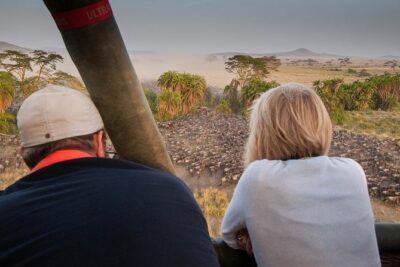
Serengeti Balloon Safari and authentic bush breakfast
Read our review →
Balloon Safari & Bush Breakfast in Serengeti – Miracle Experience
Read our review →
3 Days Serengeti & Ngorongoro Group Camping Safari
Read our review →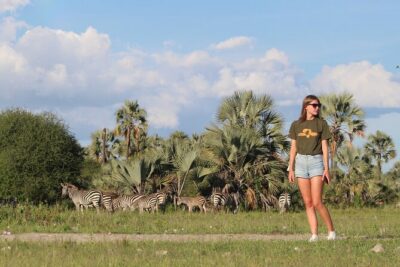
5-Day Highlights mid-Range Crater, Serengeti, Tarangire
Read our review →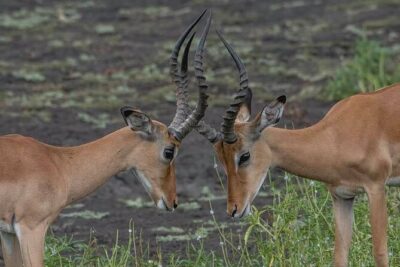
Private 6-Day Tarangire Manyara Crater and Serengeti with Mid-Range Lodges
Read our review →
5 Days Camping Tarangire, Serengeti & Ngorongoro crater & Visiting Maasai
Read our review →Browse the lists this tour appears in