
Reviewed · SERENGETI SAFARIS
5 Days Safari to Serengeti, Ngorongoro, Tarangire from Arusha
Three parks in five days means you stop thinking and start spotting. This safari from Arusha strings together Tarangire, Serengeti, and the crater that everyone talks about, plus time with Maasai community life. I like that the plan is structured enough to feel smooth, yet flexible enough that you can request custom changes.
Two things I really like here: the open roof 4×4 setup for game driving, and the way the schedule gives you a dedicated shot at both general sightings and the famed wildebeest migration. One drawback to consider is pacing. You will have early starts, long drives, and two big “get there first” days, so it is not a sit-and-relax itinerary.
In This Review
- Key highlights to look for
- A 5-day circuit that makes sense from Arusha
- Where the tour starts: Arusha pickup and a late-night launch
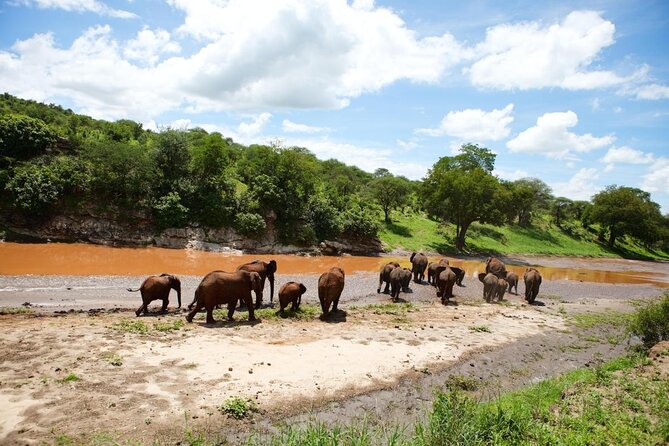
- Day 1: Tarangire National Park for elephants and baobabs
- Day 2 in Serengeti: a classic first look at the migration ecosystem
- Day 3 Serengeti: your focused shot at the migration and the Big Five
- Day 4: Ngorongoro Conservation Area and the overnight before the descent
- Day 5: Ngorongoro Crater, 610 meters of volcanic theater
- Maasai village interaction: cultural time without turning it into a checklist
- Vehicle, water, and meals: the day-to-day comfort layer
- Price and value: what you are paying for at $1,220 per person
- Choosing the right guide and asking smart questions
- Who this safari fits best
- Should you book this 5-day safari from Arusha?
- FAQ
- What parks are included in this 5-day safari?
- Where does the safari start in Arusha?
- What time does the tour begin?
- Is pickup included?
- What is included in the tour price?
- What is not included?
- Can this tour be customized?
- Is it a private tour?
Key highlights to look for
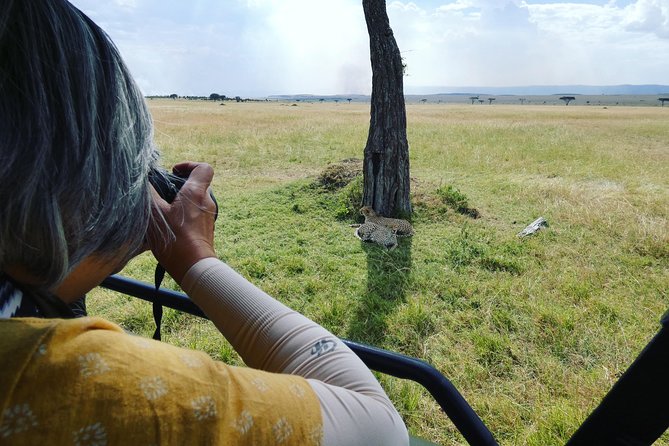
- Open roof long-base 4×4 for better viewing from your seat
- Tarangire or Lake Manyara as Day 1 options, so you get to choose your style of scenery
- Two Serengeti game days, including a focused migration day with an aim at the Big Five
- Ngorongoro Conservation Area overnight, so the crater descent is an early-day move
- Maasai village interaction built into the experience
- Meals and water included, with daily bottled water (1.5L) plus soft drinks
A 5-day circuit that makes sense from Arusha
If you are starting from Arusha and you only have a few days, this is a very practical way to see Tanzania’s headline acts. You are not trying to cover half the country. You are packing the best of the northern safari circuit into a tight loop that hits elephant country, migration drama, and Ngorongoro’s big-game density in one shot.
The biggest value of this itinerary is how it balances variety with repeat opportunities. Tarangire sets you up with elephants and baobabs, Serengeti gives you day after day of predator and prey action, and then Ngorongoro delivers the classic crater bowl view that makes even seasoned safari fans grin.
More Safaris in Arusha
- Balloon Safari & Bush Breakfast in Serengeti – Miracle Experience
★ 5.0 · 1,646 reviews - 4 Days Group Camping Safari
★ 5.0 · 1,101 reviews - 5 Days Group Camping Safari
★ 5.0 · 730 reviews
Where the tour starts: Arusha pickup and a late-night launch
The meeting point is Four Points by Sheraton Arusha, The Arusha Hotel, near the Clocktower Roundabout, Plot 2, Arusha. Pickup is offered, and the start time listed is 10:00 pm.
That late start matters. It usually means you are positioned to reach the right areas early the next morning, which is when animals tend to be most active and when your guide can make smart driving calls. If you are prone to missing early wake-ups, plan on packing everything you need for the first night and ride so you are not scrambling.
Day 1: Tarangire National Park for elephants and baobabs
Your first full park day is built around Tarangire National Park. Tarangire sits in Tanzania’s Manyara Region and draws its name from the Tarangire River that runs through the area.
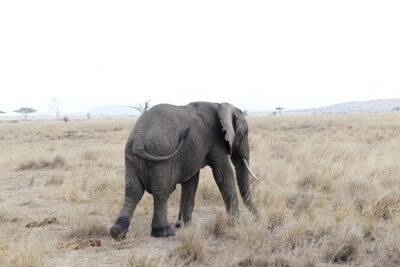
This park is famous for two things you can see again and again on safari: high-density elephants and baobab trees. If you like that classic safari look, with heavy acacia presence and those slow, sculptural baobabs against the sky, Tarangire is your day.
You also get a mix of habitat types, including acacia woodland and seasonal wet areas, plus granitic ridges and a mix of grassland and swamps. In the dry season stretch from June to November, the park is known for large herds and big group movement, including zebra, wildebeest, and cape buffalo.
One practical note: Tarangire is very watchable for photography, but it can also be hot and bright. Bring sun protection and expect that you will want to pause often when you spot elephants and herds.
Day 2 in Serengeti: a classic first look at the migration ecosystem
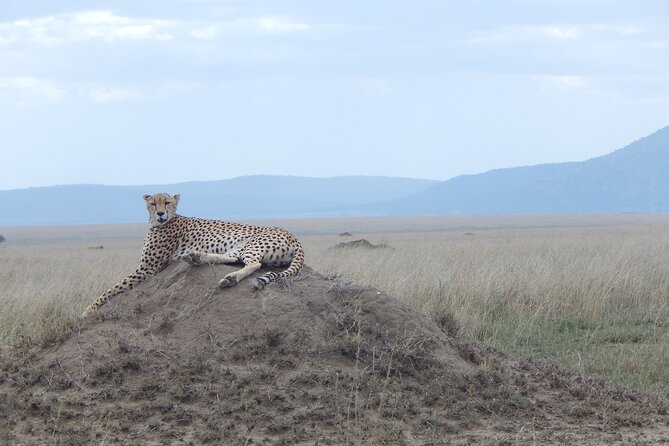
After Tarangire, the tour shifts you to Serengeti for an early game drive. Serengeti National Park is part of the wider Serengeti ecosystem, and it is famous for a migration that can involve more than 1.5 million wildebeest, along with large zebra numbers.
On Day 2, your job is simple: go out early, follow your guide’s animal-finding skills, and get your first real read on the Serengeti rhythms that day. Serengeti also hosts predators and other standout residents, including Nile crocodiles and honey badgers.
This day is about getting your bearings fast in Serengeti country. You usually learn what kinds of herds you are seeing, what time predators seem to move, and what areas are producing sightings right now.
If you are the type who hates feeling rushed, Serengeti helps because even when the pace is high, the scenery and wildlife density make every stop feel earned.
More Tarangire safaris:
- 5-Day Highlights mid-Range Crater, Serengeti, Tarangire
★ 5.0 · 296 reviews - Private 6-Day Tarangire Manyara Crater and Serengeti with Mid-Range Lodges
★ 5.0 · 238 reviews - 5 Days Camping Tarangire, Serengeti & Ngorongoro crater & Visiting Maasai
★ 5.0 · 229 reviews - 4 Days Join Group tour Tarangire Serengeti and Ngorongoro crater
★ 5.0 · 219 reviews
Day 3 Serengeti: your focused shot at the migration and the Big Five
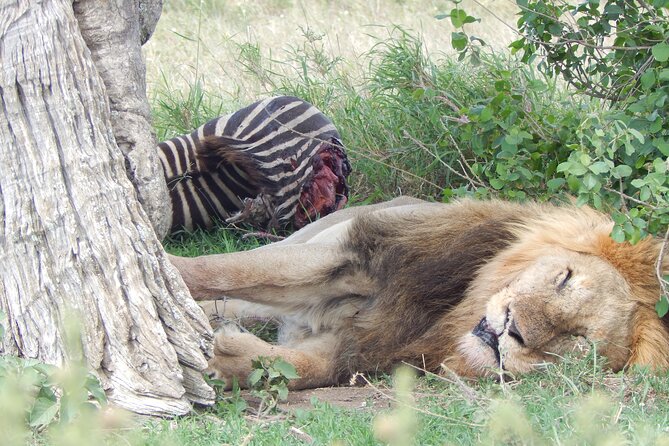
Day 3 is where the itinerary leans into the headline. You are taken to the migration area where your guide aims to show you the wildebeest movement, often described as one of the world’s natural wonders. This is also the day that targets the Big Five, depending on what is in play that day.
A key detail here is that the guide does not treat this as a drive-by museum stop. The schedule explicitly says the guide moves you to the location where you can see the migration. That flexibility is what you want on a migration safari, because animals are always deciding where to go next.
This is also the day where the best guiding really shows. In the safari ecosystem, it is not enough to be in the park. You need to be in the right place at the right time, with a guide who reads the ground and adjusts plans as sightings come or go.
If you want to make the most of Day 3, be ready to stay patient. Migration viewing can be feast or famine depending on timing, but the structure here gives you the chance to keep trying inside the same trip.
Day 4: Ngorongoro Conservation Area and the overnight before the descent
On Day 4, you leave Serengeti and head to the Ngorongoro Conservation Area. This protected area is a World Heritage Site in the Crater Highlands region, about 180 km west of Arusha.
Why the overnight matters: you spend the night in the conservation area and get ready for the crater descent the next morning. That is a big quality-of-life win, because it reduces the pressure of trying to do a very early crater day after a long driving stretch.
Ngorongoro Conservation Area is named after the crater inside it. It is managed through the Ngorongoro Conservation Area Authority. Even if you are not thinking about administration, the practical outcome is that you get a protected, managed environment with rules designed to protect the wildlife and the crater ecosystem.
Day 5: Ngorongoro Crater, 610 meters of volcanic theater
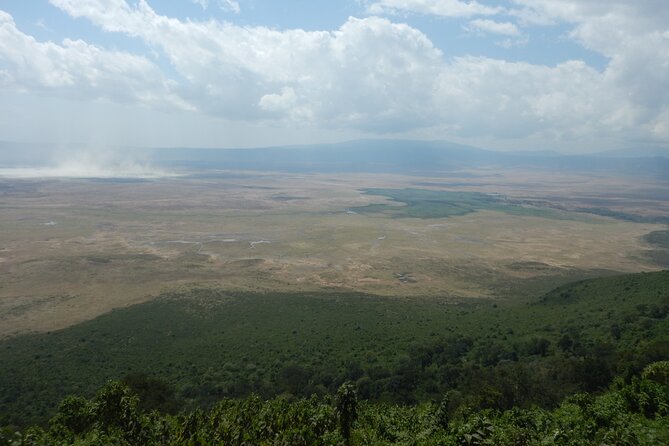
Your last morning is built around descending into Ngorongoro Crater. The crater is described as the world’s largest inactive, intact, and unfilled volcanic caldera. It formed when a large volcano collapsed inward two to three million years ago.
The numbers help you picture the scale. The crater is about 610 meters deep, with a floor that covers roughly 260 square kilometers. The floor sits about 1,800 meters above sea level, which means you can feel a temperature shift as you change elevation and exposure.
This is the kind of place where animals often feel oddly concentrated because you are looking at a closed system. Depending on the day, you can see grazing herds, predators, and a lot of classic crater behavior in a single viewpoint circuit.
Your tour includes crater service fees, and the structure is designed for an early descent, which is when you maximize your chances before midday heat and when animals tend to stay active.
Maasai village interaction: cultural time without turning it into a checklist
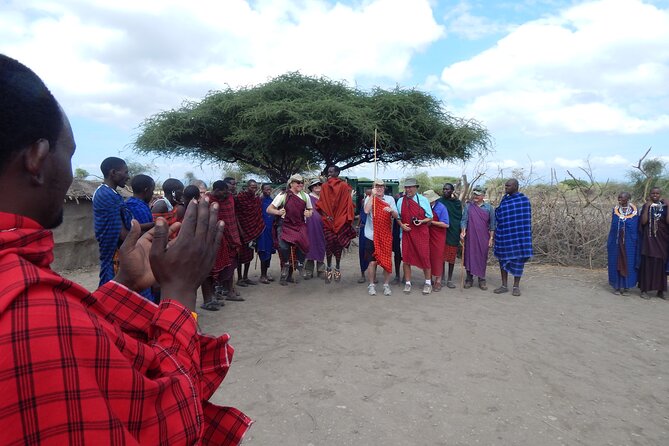
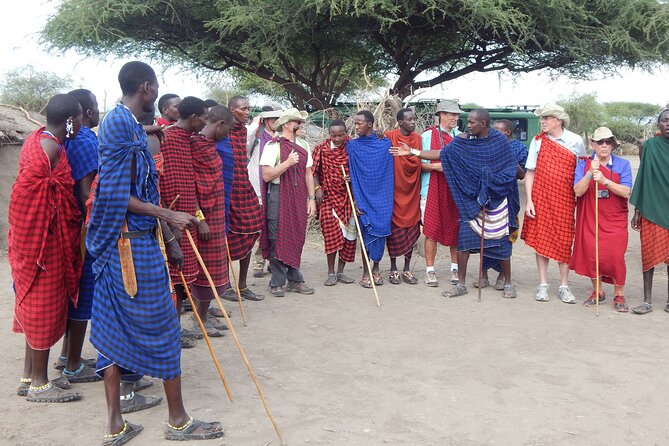
One part of the safari that deserves more attention than it sometimes gets is the Maasai village interaction. The tour includes a chance to meet Maasai in their local village and learn about culture.
This kind of visit can add meaning beyond animal sightings, but it works best when you approach it with respect and genuine curiosity. Keep your questions simple, follow the flow of conversation, and remember that you are stepping into a living community, not a staged set.
It also helps to treat this as cultural learning time, not a quick photo stop. That mindset tends to lead to a more rewarding interaction for you, and a more comfortable experience for everyone involved.
Vehicle, water, and meals: the day-to-day comfort layer
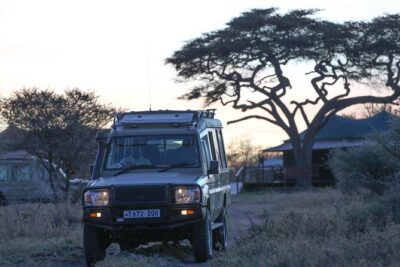
The tour includes a long-base 4×4 open-roof Safari vehicle. That matters because you will want easy visibility for spotting and photographing animals without trying to angle around glass.
It also includes 1.5L bottled water per day plus soft drinks. On safari, hydration is not optional. Between sun, motion, and the stop-and-start pattern of game drives, you want water in your system continuously.
Meals are included, with breakfast (4), lunch (5), and dinner (4). That coverage helps keep your budget predictable during the drive days. It also means you are not constantly looking for food stops in between parks, which is a real stress saver.
Park entry and the crater service fees are also included, plus government taxes. In other words, this is one of those packages where the big compulsory costs are already baked in, so you are less likely to get surprised by last-minute add-ons.
Price and value: what you are paying for at $1,220 per person
At $1,220 per person, you are not just paying for a seat in a vehicle. You are paying for the core components that are hardest to DIY on short notice: a structured multi-day route, a safari vehicle designed for game viewing, daily hydration, and park fees plus taxes.
Here is what the price covers, based on what is included:
- Open roof 4×4 safari vehicle
- Water (1.5L per day) and soft drinks
- Park entry and crater service fees
- Government taxes
- Meals: breakfast (4), lunch (5), dinner (4)
What is not included:
- International airfare and visa
- Other transfers not specified
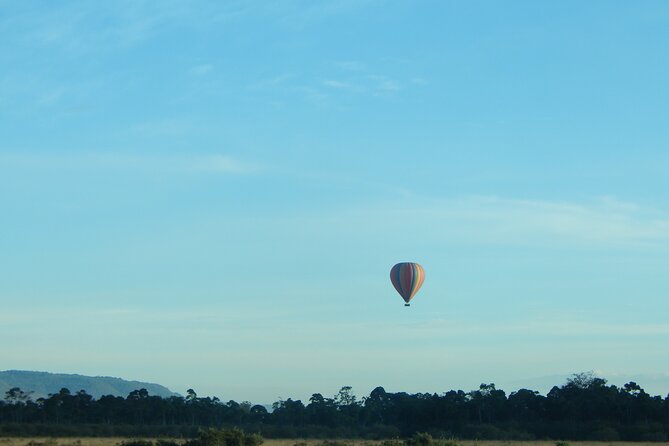
- Optional tours like balloon tours
- Personal items, extra lodge services
- Tips and porterage to guides
- Health insurance and medical evacuation
For value, the key question is whether you would otherwise spend similar time and effort organizing park fees, transport, meals, and guiding. On a five-day trip, doing all of that yourself is possible, but it gets complicated fast. This package keeps the moving parts handled, so you spend your energy on spotting animals and enjoying the moment when it happens.
Choosing the right guide and asking smart questions
The experience is run by Allday In Africa Limited, and the driver guides are a huge part of why safaris feel magical rather than chaotic.
In the stories associated with this kind of tour, guides such as Said and Rama get high praise for organization, communication, and being very sharp at finding what matters in each park. You do not need to know the animal names to benefit from that. You benefit from a guide who can read the day, follow the signals, and adjust when conditions change.
Before you go, I would ask your operator:
- Which park will be chosen for Day 1, Tarangire or Lake Manyara, and how that affects your sightings
- How your guide plans the timing for migration viewing on Day 3
- Whether any customization is possible for your group size and interests
Who this safari fits best
This tour is described as suitable for most travelers, and it is fully customizable. Private booking is available for groups of four or more people, which makes it a good fit if you want your own pace and priorities.
It is especially appealing if:
- You want a short safari that still feels complete
- You want both migration-focused time and crater time
- You like an organized plan that does not require you to constantly make decisions
If you are the type who wants a super slow rhythm, this may feel like too much driving. But if you are okay with early starts and want to maximize sightings across three major areas, the structure fits.
Should you book this 5-day safari from Arusha?
I think this is a strong booking if your goal is a best-of northern Tanzania safari in a reasonable time window, without having to juggle park fees, transport, and daily meal planning yourself. The mix of Tarangire elephants, Serengeti migration time, and the Ngorongoro crater descent gives you variety plus repeat chances in the most wildlife-dense zones.
Book it if you want a guided, structured trip with real safari fundamentals included like park fees, an open-roof 4×4, and daily water. Consider a different fit only if you dislike early starts and long driving days, or if you want a trip that is built around one park only, at a slower pace.
FAQ
What parks are included in this 5-day safari?
The tour covers Tarangire National Park or Lake Manyara National Park, Serengeti National Park, and the Ngorongoro Conservation Area and Ngorongoro Crater.
Where does the safari start in Arusha?
It starts at Four Points by Sheraton Arusha, The Arusha Hotel, Fire Road, Clocktower Roundabout, Plot 2, Arusha 23100, Tanzania, and it ends back at the same meeting point.
What time does the tour begin?
The listed start time is 10:00 pm.
Is pickup included?
Yes, pickup is offered.
What is included in the tour price?
Included features are a long-base 4×4 open roof safari vehicle, 1.5L bottled water per day and soft drinks, park entry and crater service fees, government taxes, and meals (breakfast 4, lunch 5, dinner 4).
What is not included?
Not included are international airfare and visa, transfers not specified in the itinerary, optional tours like balloon tours, personal items, extra lodge services, tips and porterage to guides, and health insurance and medical evacuation.
Can this tour be customized?
Yes. The tour is fully customizable, and you can request changes or additions, including visiting a park not listed.
Is it a private tour?
It is private. Private booking requires 4 or more people.
More Ngorongoro Crater Trips
- 2 Days Tarangire and Ngorongoro Group Camping Safari
★ 5.0 · 146 reviews - 4 Days Tarangire Serengeti Ngorongoro Crater
★ 5.0 · 117 reviews - 3 Days Tarangire, Ngorongoro & Lake Manyara Group Camping Safari
★ 5.0 · 102 reviews - 3 Days Private Safari – manyara, Ngorongoro & Tarangire
★ 5.0 · 94 reviews
More Serengeti Safaris
- 3 Days Serengeti & Ngorongoro Group Camping Safari
★ 5.0 · 574 reviews - 3-Day Classic Serengeti Safari
★ 5.0 · 263 reviews - 10-Day Serengeti Wildebeest Migration Safari from Arusha
★ 5.0 · 218 reviews - 4-Day Safari from Arusha: Tarangire, Serengeti and Ngorongoro
★ 5.0 · 173 reviews
Just posted around Arusha
- 8 Days Serengeti Migration safari★ 5.0 · 11 reviews
- tarangire & ngorongoro 2 days tour★ 5.0 · 14 reviews
- serengeti, ngorongoro & tarangire 4 days private tour★ 5.0 · 18 reviews
- tarangire, ngorongoro & lake manyara park 3 days private tour★ 5.0 · 11 reviews
- serengeti & ngorongoro 3 days private tour★ 5.0 · 15 reviews
- climb the KILIMANJARO via Lemosho route★ 5.0 · 4 reviews
- Mt. Kilimanjaro: Shira plateau to Cathedral point 3872m Day hike★ 5.0 · 7 reviews
- Kilimanjaro Waterfalls Hike & Moshi Hot Springs Day Trip Tour★ 5.0 · 4 reviews
Serengeti Safaris, compared.
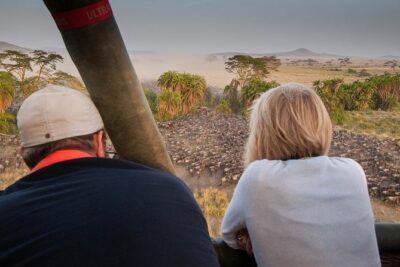
Serengeti Balloon Safari and authentic bush breakfast
Read our review →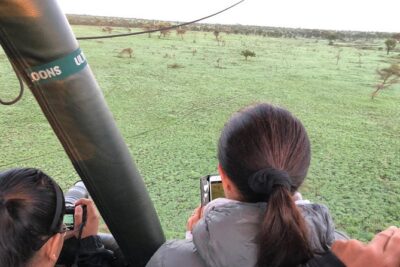
Balloon Safari & Bush Breakfast in Serengeti – Miracle Experience
Read our review →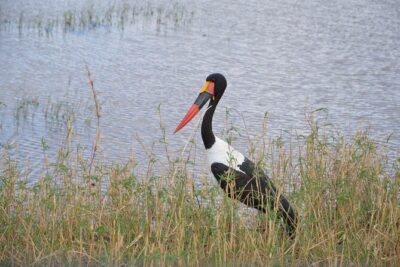
3 Days Serengeti & Ngorongoro Group Camping Safari
Read our review →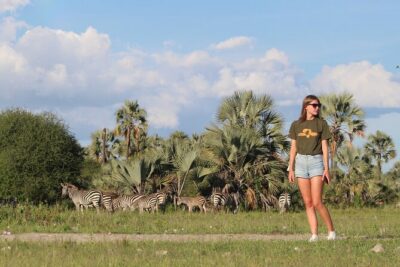
5-Day Highlights mid-Range Crater, Serengeti, Tarangire
Read our review →
Private 6-Day Tarangire Manyara Crater and Serengeti with Mid-Range Lodges
Read our review →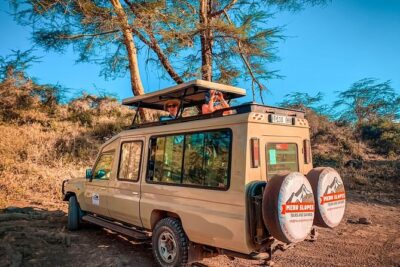
5 Days Camping Tarangire, Serengeti & Ngorongoro crater & Visiting Maasai
Read our review →Browse the lists this tour appears in