
Reviewed · SERENGETI SAFARIS
4 Days Tarangire, Serengeti, Ngorongoro Mid-range Safari
Elephants and baobabs set the tone fast. This 4-day safari puts you in the heart of Tarangire, then Serengeti, and finally the Ngorongoro Crater, with comfortable lodges and game drives at the best times of day.
I especially like the small-group pace, limited to 6 people, because it keeps the drive feel personal instead of chaotic. I also like the quality of the on-the-ground team, including professional English-speaking guides like Damian, who’s known for being attentive and keeping things running smoothly.
One thing to consider: early mornings and long hours in a 4×4 come with the territory, so if you hate being on the road at dawn, you may feel it.
In This Review
- Key Things That Make This Safari Work Well
- A 4-Park Safari Loop From Arusha
- Day 1 Tarangire: Big Elephant Herds and Baobab Photo Stops
- Day 2 Serengeti Afternoon Drive: Predators on the Move
- Day 3 Sunrise Serengeti, Then Scenic Transfer to Karatu
- Day 4 Ngorongoro Crater: Big Five Chances in a UNESCO Bowl
- Mid-Range Lodges and Meals That Help You Enjoy the Long Days
- Guides, 4×4 Comfort, and Why a 6-Person Limit Matters
- Price and Value at Around $1,800 Per Person
- What to Pack and How to Dress for Safari Days
- Rules That Keep Wildlife Viewing Stress-Free
- Who Should Book, and Who Should Skip
- Final Call: Is This Safari a Good Fit?
- FAQ
- How long is the safari?
- Where does the safari start and end?
- Which parks are included in the 4 days?
- How many people are in the group?
- What activities are included during the trip?
- What language is the guide?
- What is included in the safari price?
- What is not included?
- Are there any rules about drones or interacting with animals?
- What should I pack, and is there a luggage limit?
Key Things That Make This Safari Work Well
- Tarangire first day magic, with famous elephant herds and baobab scenery
- Sunrise plus afternoon game drives, giving you more chances for predator action
- Ngorongoro Crater descent, a UNESCO setting where the wildlife density is usually the highlight
- Mid-range comfort, using lodges and tented camp style stays for real downtime
- Small-group limit of 6, which helps your guide manage sightings and timing
- Simple packing rules, like neutral colors and warm layers for chilly night temps
A 4-Park Safari Loop From Arusha
This is a classic Tanzania routing, done in four days: Tarangire, Serengeti, then Ngorongoro Crater, starting and ending in Arusha. If this is your first safari, it’s a smart way to see the country’s headline parks without turning your trip into a rushed blur.
The biggest practical win is the schedule. You get game drives when animals are most active, including a sunrise drive in Serengeti and another drive window later in the day. That matters because wildlife viewing is not just about where you go, it’s also about when you’re there.
You’ll also be supported with the basics that make safaris enjoyable, not just impressive. Transport is in a 4×4, your guide is professional and English-speaking, and park entrance fees plus your meals and accommodation are included. That means fewer decisions for you, and more time focused on seeing animals and enjoying the drive.
More Safaris in Arusha
- Balloon Safari & Bush Breakfast in Serengeti – Miracle Experience
★ 5.0 · 1,646 reviews - 4 Days Group Camping Safari
★ 5.0 · 1,101 reviews - 5 Days Group Camping Safari
★ 5.0 · 730 reviews
Day 1 Tarangire: Big Elephant Herds and Baobab Photo Stops
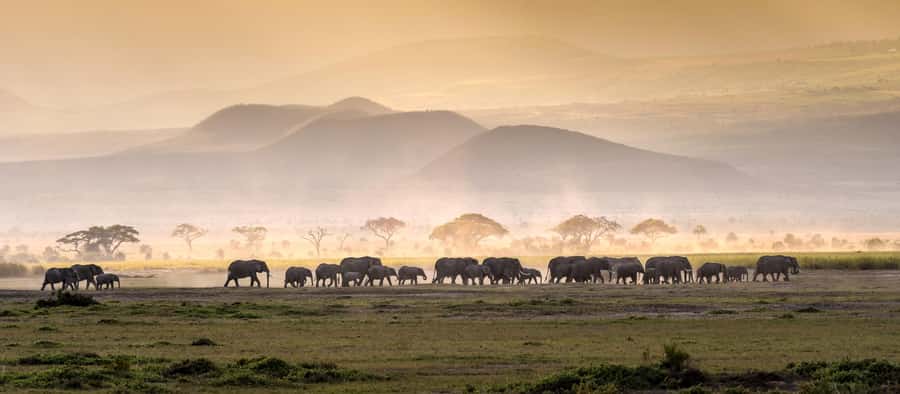
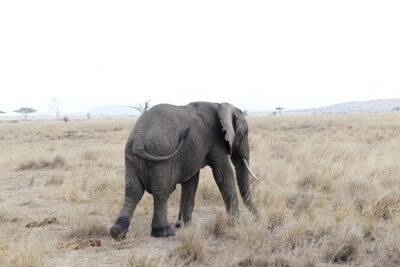
Day 1 starts with an early morning departure from Arusha to Tarangire National Park. When you arrive, you go straight into a game drive. Tarangire is known for its large elephant herds, plus that iconic baobab look you keep seeing in Tanzania photos.
Here’s why this opening day is a great choice for most people. Tarangire tends to give you a strong first hit of wildlife quickly. Even if you have only one or two ideal-looking sightings in your mind, Tarangire is the kind of park that often helps you tick them off early, and that momentum makes the rest of the safari feel easier.
You’ll have lunch in the park, then another game drive in the afternoon. Then it’s back to your lodge to decompress. That two-drive structure on day 1 is practical: you get morning light for viewing, then a second window to catch different animal behavior as the day shifts.
The only watch-out is that day 1 is front-loaded. You’ll be leaving early and you’ll likely be active right after arrival. If you’re sensitive to early starts, plan for a slower morning back in Arusha after the safari ends.
Day 2 Serengeti Afternoon Drive: Predators on the Move
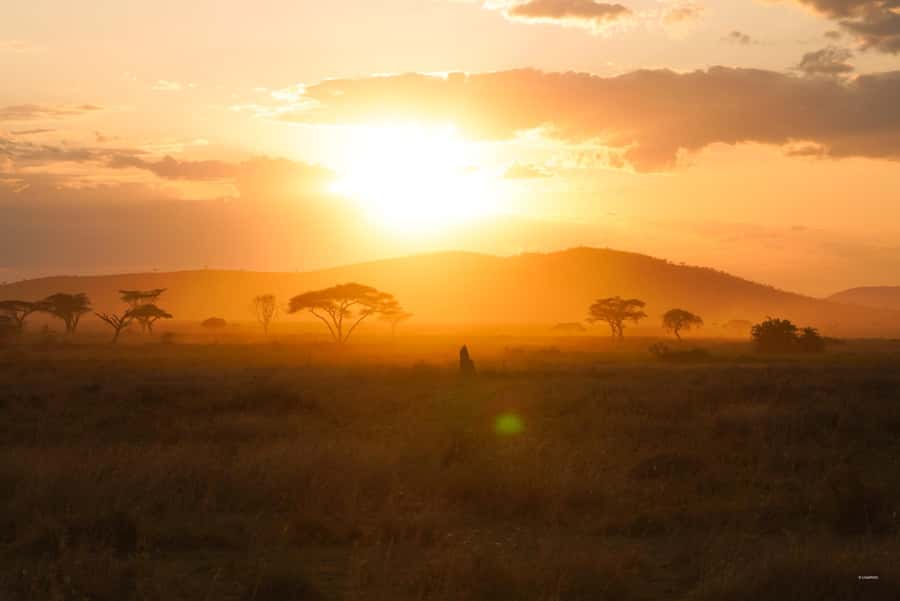
On day 2, you travel from Tarangire to Serengeti. The transfer itself includes scenic views, and then you get your afternoon game drive once you’re in the park.
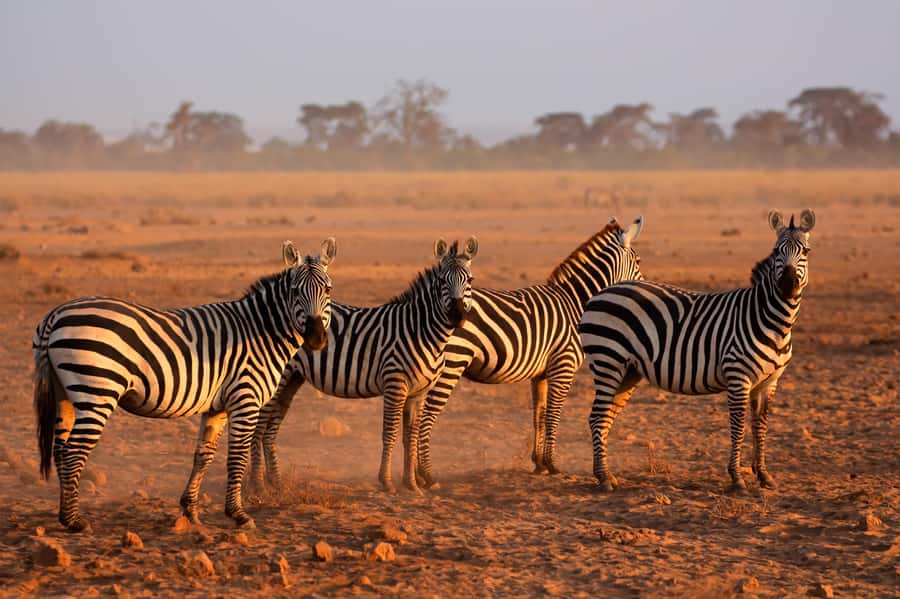
Serengeti in the afternoon is a good match for your mindset on day 2. By then, you’re settled into safari rhythms, and you can focus on noticing the movement of animals across open plains, including lions, cheetahs, zebras, and more. Even when the action is subtle, Serengeti rewards patience. You’re not just looking for one animal, you’re watching how the whole system behaves.
After the drive, you return to your lodge in the heart of the park. That detail is more valuable than it sounds. Staying within the park area reduces driving time and helps you keep the day from feeling like nonstop transit. It also means you get that after-drive downtime while the sound of the wilderness is still around you.
A small consideration: because this day is built around the afternoon drive, the best predator moments can be hit-or-miss depending on timing and locations. That’s normal for safari. The itinerary balances it with a sunrise drive later, which increases your chances.
Day 3 Sunrise Serengeti, Then Scenic Transfer to Karatu
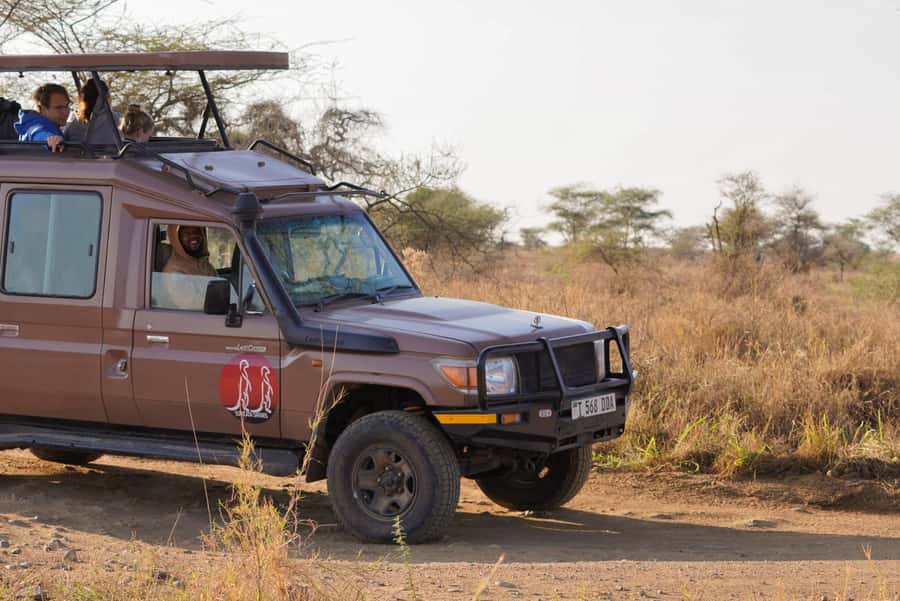
Day 3 is where you earn your bragging rights. You start with a sunrise game drive in Serengeti, then after lunch you head toward the Ngorongoro Highlands area, specifically the Karatu area.
A sunrise drive is not just for the early-morning photos. It’s for wildlife activity. Predators and prey often show different patterns at dawn, and the plains can feel more alive before heat builds. If you’re hoping to see more active hunting behavior, this is the moment that helps you.
Then comes the transfer. The drive offers breathtaking views, and once you reach Karatu you check into your lodge and take a relaxing evening. That pause matters. Ngorongoro Crater is physically and visually intense, so having a calmer evening the day before is a smart design choice.
If you’re sensitive to motion sickness, this is also a day to plan for how you’ll cope. You’ll be in a vehicle through morning and then again during the transfer. Bring what helps you on bumpy roads, even if you think you might be fine.
More Tarangire safaris:
- 5-Day Highlights mid-Range Crater, Serengeti, Tarangire
★ 5.0 · 296 reviews - Private 6-Day Tarangire Manyara Crater and Serengeti with Mid-Range Lodges
★ 5.0 · 238 reviews - 5 Days Camping Tarangire, Serengeti & Ngorongoro crater & Visiting Maasai
★ 5.0 · 229 reviews - 4 Days Join Group tour Tarangire Serengeti and Ngorongoro crater
★ 5.0 · 219 reviews
Day 4 Ngorongoro Crater: Big Five Chances in a UNESCO Bowl
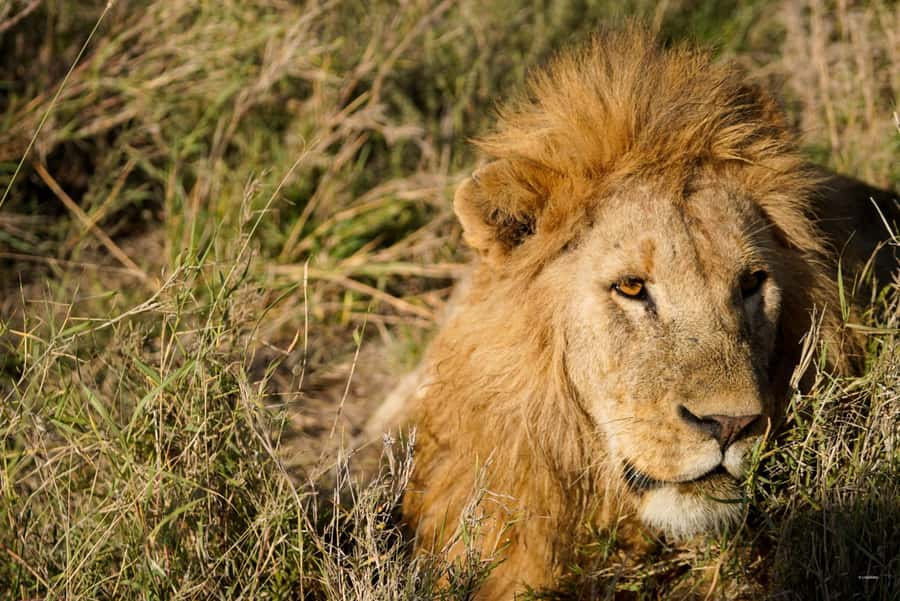
Your final day is the Ngorongoro Crater. This UNESCO World Heritage site is a volcanic caldera, and the whole setting is built for concentrated wildlife viewing. You descend into the crater for a game drive, which is the core event of the day.
The crater is famous for its chance to spot the Big Five and for its variety of animals. The practical takeaway for you is this: Ngorongoro often offers a higher density of wildlife in a smaller area compared to some other safari styles. That increases your probability of checking off multiple species in one morning.
After the morning drive, you head back up to the crater rim and start your drive toward Arusha. You should arrive in the afternoon, which helps you avoid the kind of late-night finish that leaves you exhausted. It’s also a nice way to close the loop, emotionally and logistically.
One note worth keeping in mind: the crater can be cooler and visually dramatic, but wildlife viewing still depends on where the animals are. Expect chances, not guarantees. That said, the itinerary is built to put you in the right place at the right time of day.
Mid-Range Lodges and Meals That Help You Enjoy the Long Days
This is a mid-range safari, and you can feel the difference in what you do between drives. Instead of sleeping in harsh conditions or eating only basic meals, you get accommodation and meals included, which lets you recharge properly.
The program uses lodge-style comfort, and it can also include tented camps. That mix is common on safari and it usually hits the sweet spot: you’re still close to nature, but you’re not giving up comfort completely. In practice, the lodge and camp stops are what keep the safari from feeling like a nonstop vehicle tour.
Food matters more than most people expect. When you’re on safari, you can be tempted to snack constantly or eat too little. Included meals help you keep energy steady so you can stand, watch, and stay patient during game drives.
You also get mineral water during the safari. It’s a small inclusion, but it helps you stay on track without constantly worrying about buying supplies during the day.
If you’re a picky sleeper or you need absolute quiet, tented camp style stays may feel different from city hotels. Bring the mindset that safari lodging is part of the experience, not a replacement for home.
Guides, 4×4 Comfort, and Why a 6-Person Limit Matters
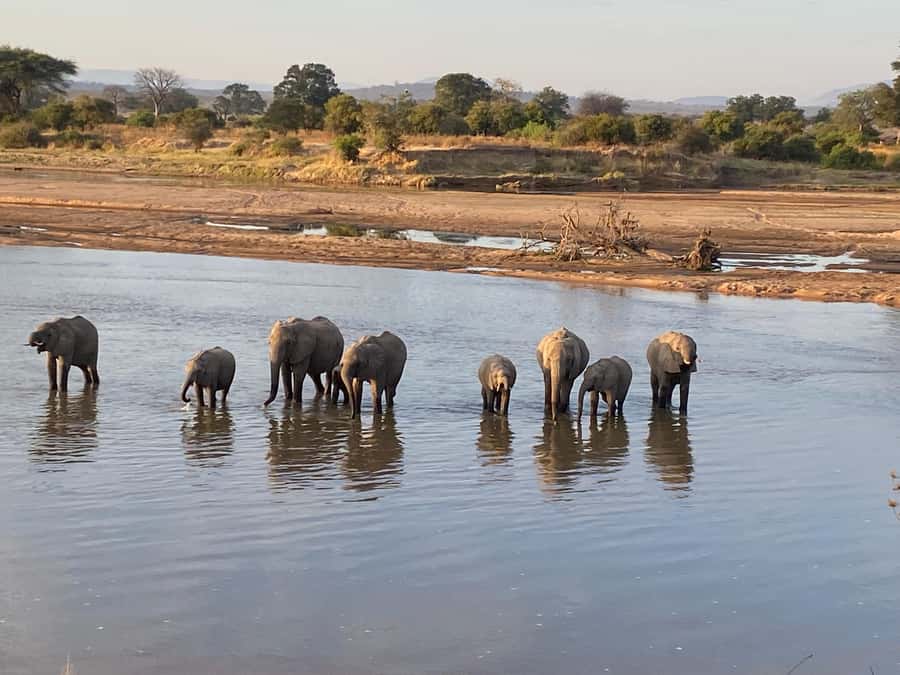
The safari runs with a professional English-speaking guide, and the group size is limited to 6 participants. That small-group cap changes the whole vibe.
With only a handful of people, the guide can manage sighting time better. If an animal is moving, your guide can make quicker decisions about positioning. If the timing changes, your guide can adjust without a long chain of approvals.
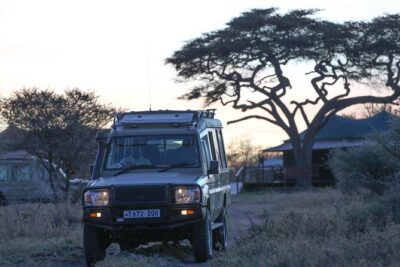
It also affects your comfort. You’re in a 4×4 safari vehicle, and while it’s not a luxury car, it’s built for game drives. Keeping the vehicle clean and in good condition is a big part of that, and the operator’s attention to the details like scheduling and vehicle quality tends to show in how the trip feels.
The human factor matters too. A guide like Damian is described as attentive, and that matches what you want on safari: someone who pays attention to both wildlife and your comfort. You’ll also benefit from shared tools like binoculars. The guide should have one available to share in the vehicle, so you are not forced to buy gear before you go.
If you love learning but also want it practical, this kind of guided pacing is ideal. You get your wildlife explanations while staying focused on what you actually see out the window.
Price and Value at Around $1,800 Per Person
This tour is priced around $1,800 per person for four days. It is not the cheapest way to do Tanzania, but it is also not trying to be luxury. For that price, you’re paying for the big cost drivers that people often underestimate.
Here’s what’s covered: 4×4 safari vehicle transportation, professional English-speaking guidance, park entrance fees, mineral water, plus accommodation and meals during the safari. When those are included, you avoid the annoying add-ons that can surprise you later.
So the value question becomes: do you want classic parks, comfortable mid-range stays, and game drives at the right times of day? If yes, this itinerary does a lot right without feeling like you’re paying for extras you will barely notice from the vehicle.
What’s not included matters too. Visa, international and domestic flights, and travel insurance are not covered, so you’ll still need to budget for those separately. Also, flights can vary wildly by your departure city and season, so your real all-in cost will depend on when you go.
In short, $1,800 here buys you organization, transportation, and park access, not just a route. That’s usually how you get a safari that feels smooth instead of stressful.
What to Pack and How to Dress for Safari Days
Safari packing is simple, but it’s picky. You’ll get the best experience if you follow the neutral-color guidance. Think white, beige, and green. Bright colors are not allowed, and neutral clothing helps you blend in with the environment.
Plan for layers. Night temperatures can drop to around 5°C, so bring a warm sweater, socks, and a jacket. Even if you’re in warm gear during the day, those cooler evenings and early drives can catch you off guard.
Luggage is capped at 10kg per person. Additional luggage can be stored in the hotel storage room, and duffel bags are recommended. If you tend to overpack, this is your reminder to pack like a minimalist.
You’ll also want mosquito repellent with high mint concentration. That’s a practical instruction, and it can save you from spending half your evening swatting instead of relaxing.
Binoculars are not required, because the guide should have one available to share. Still, if you already own binoculars, bringing them can make sightings feel easier, especially when wildlife is far from the vehicle.
Rules That Keep Wildlife Viewing Stress-Free
The safari has clear park rules, and they’re worth treating as part of the experience. Drones are not allowed. Feeding animals is not allowed. Touching animals is not allowed. Bright colors are not allowed.
Why these rules matter for you: they protect wildlife behavior, keep you safer, and avoid slowing down sightings. When everyone follows the same rules, game drives move more smoothly and your guide can focus on finding animals instead of managing problems.
On a practical level, these rules also affect your photo and clothing setup. You can still take great photos without breaking any rules. Just keep your gear handled and ready, and focus on watching first, shooting second.
If you’re traveling with someone who tends to get too close to get the perfect shot, this tour’s rules help set expectations early. That can reduce stress for the whole group.
Who Should Book, and Who Should Skip
This safari is a good fit if you want a classic Tanzania route with mid-range comfort, sunrise plus afternoon game drives, and the chance to see a lot of wildlife in four days. The small-group size is especially appealing if you prefer a calmer pace and more personal attention from your guide.
It’s also a good match for people who can handle being on the road for long stretches. The days are designed around game drives, so you won’t have a lot of free time to wander independently.
It is not suitable for wheelchair users. It is not suitable for babies under 1 year. It is not suitable for people over 95 years. If any of those apply, you’ll want to look for another option.
Finally, check your personal comfort level with cold nights. Night temps can drop around 5°C, so pack warm layers even if your daytime forecast looks mild.
Final Call: Is This Safari a Good Fit?
If you want to see Tarangire, Serengeti, and the Ngorongoro Crater in one efficient 4-day loop, this mid-range safari makes sense. The structure is built for wildlife viewing, with sunrise and afternoon game drives, and the inclusion of accommodation plus meals helps you recharge without scrambling for basics.
I’d recommend it most strongly if you value smooth logistics, a small group, and real guided support from a team that keeps schedules and vehicles in good shape. If you can pack light, dress in neutral colors, and accept early starts, you’re set up for an experience that feels both exciting and manageable.
Book it if your goal is classic Tanzania wildlife, done well, without going fully into luxury pricing. Skip it if you want lots of downtime, perfect comfort every second, or you cannot handle long driving days.
FAQ
How long is the safari?
The tour lasts 4 days.
Where does the safari start and end?
The safari starts in Arusha and ends back in Arusha.
Which parks are included in the 4 days?
The safari covers Tarangire National Park, Serengeti National Park, and Ngorongoro Crater.
How many people are in the group?
The group is limited to 6 participants.
What activities are included during the trip?
You get sunrise and afternoon game drives, plus a game drive inside Ngorongoro Crater.
What language is the guide?
The tour includes a professional English-speaking guide.
What is included in the safari price?
The package includes 4×4 safari vehicle transportation, the professional English-speaking guide, park entrance fees, mineral water during the safari, and accommodation and meals during the safari.
What is not included?
Visa, international and domestic flights, and travel insurance are not included.
Are there any rules about drones or interacting with animals?
Drones are not allowed, and feeding or touching animals is not allowed. Bright colors are also not allowed.
What should I pack, and is there a luggage limit?
You should pack neutral colors like white, beige, and green. Bring warm layers such as a warm sweater, socks, and a jacket, since nighttime temperatures can drop to around 5°C. There is a 10kg luggage limit per person.
More Ngorongoro Crater Trips
- 2 Days Tarangire and Ngorongoro Group Camping Safari
★ 5.0 · 146 reviews - 4 Days Tarangire Serengeti Ngorongoro Crater
★ 5.0 · 117 reviews - 3 Days Tarangire, Ngorongoro & Lake Manyara Group Camping Safari
★ 5.0 · 102 reviews - 3 Days Private Safari – manyara, Ngorongoro & Tarangire
★ 5.0 · 94 reviews
More Serengeti Safaris
- 3 Days Serengeti & Ngorongoro Group Camping Safari
★ 5.0 · 574 reviews - 3-Day Classic Serengeti Safari
★ 5.0 · 263 reviews - 10-Day Serengeti Wildebeest Migration Safari from Arusha
★ 5.0 · 218 reviews - 4-Day Safari from Arusha: Tarangire, Serengeti and Ngorongoro
★ 5.0 · 173 reviews
Just posted around Arusha
- 8 Days Serengeti Migration safari★ 5.0 · 11 reviews
- tarangire & ngorongoro 2 days tour★ 5.0 · 14 reviews
- serengeti, ngorongoro & tarangire 4 days private tour★ 5.0 · 18 reviews
- tarangire, ngorongoro & lake manyara park 3 days private tour★ 5.0 · 11 reviews
- serengeti & ngorongoro 3 days private tour★ 5.0 · 15 reviews
- climb the KILIMANJARO via Lemosho route★ 5.0 · 4 reviews
- Mt. Kilimanjaro: Shira plateau to Cathedral point 3872m Day hike★ 5.0 · 7 reviews
- 2 Days Tanzania Midrange Group Join Safari★ 5.0 · 7 reviews
Serengeti Safaris, compared.
Serengeti Balloon Safari and authentic bush breakfast
Read our review →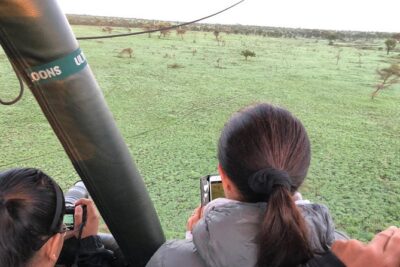
Balloon Safari & Bush Breakfast in Serengeti – Miracle Experience
Read our review →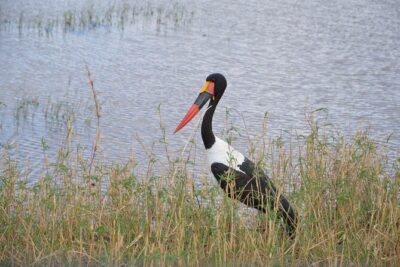
3 Days Serengeti & Ngorongoro Group Camping Safari
Read our review →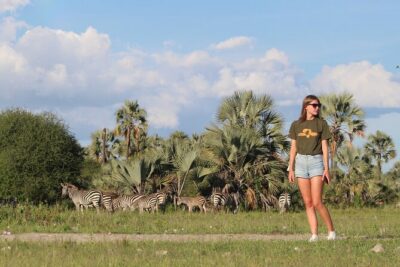
5-Day Highlights mid-Range Crater, Serengeti, Tarangire
Read our review →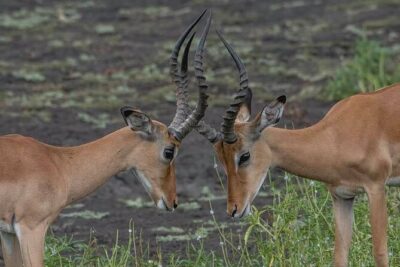
Private 6-Day Tarangire Manyara Crater and Serengeti with Mid-Range Lodges
Read our review →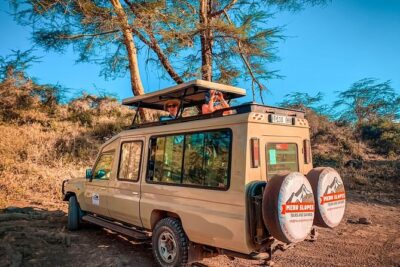
5 Days Camping Tarangire, Serengeti & Ngorongoro crater & Visiting Maasai
Read our review →Browse the lists this tour appears in