
Reviewed · SERENGETI SAFARIS
4 Days Tanzania Safari – Tarangire, Serengeti And Ngorongoro
Four days, three wildlife powerhouses. This safari strings together Tarangire, Serengeti, and the Ngorongoro Crater so you get elephants, migration action, and a predator-rich crater day.
What I like most is the strong shot at Black rhino on Ngorongoro, plus the way the trip keeps moving so you do not waste time bouncing around Africa’s best-known parks. One note to keep in mind: it is a tight schedule, so expect long drives and lots of early starts.
You’ll also like how the logistics are handled for you, including hotel pickup and a small group size (max 2 travelers). In guides and crews associated with Signature Safari, I’ve seen names like Amani and Sulley praised for animal spotting and clear explanations, with cooks such as George and Rodrigue keeping meals steady after big day drives. The downside is that your exact sightings are always wildlife-dependent, and the itinerary can only stack the odds, not guarantee specific animals every day.
If you want a classic safari sampler in limited time, this can work well. If you hate early mornings, rough roads, and being in a vehicle for long stretches, you may want a slower multi-day option that spends more time in fewer parks.
In This Review
- Key Points Before You Go
- A Four-Day Sampler: Tarangire to Serengeti to Ngorongoro Crater
- Price and Value at About $890.95 Per Person
- Day 1 in Tarangire National Park: Elephants and Tree-Top Scanning
- Day 2 Serengeti Road Trip via Manyara: Optional Maasai Village Stop
- Day 3 Northern Serengeti: Migration-Focused Game Drive and More Predator Chances
- Day 4 Ngorongoro Crater Descent: Where Density Works in Your Favor
- Camp Nights, Meals, and What “Included” Means in Real Life
- Guides, Drivers, and Small-Group Timing (Up to 2 Travelers)
- Who This Safari Suits Best, and Who Should Rethink
- Should You Book This 4-Day Tarangire, Serengeti, Ngorongoro Safari?
- FAQ
- Which national parks are included?
- How long is the safari?
- Are meals included?
- Is hotel pickup and transport provided?
- Are park admission fees included?
- How many travelers are in the group?
- What is the cancellation policy?
Key Points Before You Go
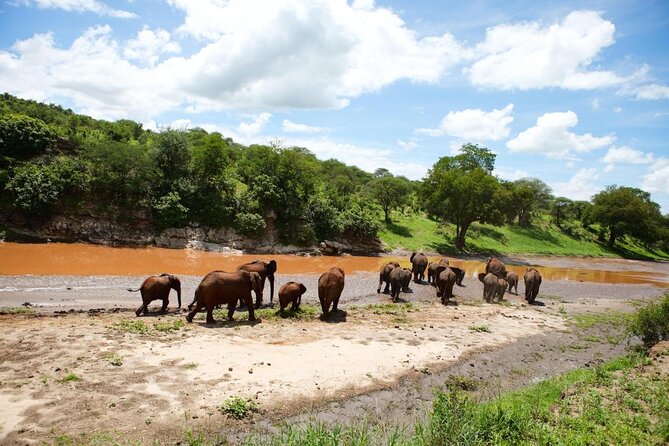
- Three parks in four days gives you a fast mix of habitats, from Tarangire elephants to Serengeti plains to Ngorongoro’s crater bowl.
- Crater time is the centerpiece, with a descent and game drive lasting more than six hours.
- Lunch is built around drives, with picnic lunches and lunch boxes that keep you out in the parks longer.
- Northern Serengeti migration timing is part of the plan, so you’ll focus on the areas where wildebeest and zebra gather.
- Small group safari (up to 2 travelers) can mean a more flexible, less crowded feel.
- Crew names you may hear in reviews include guides like Amani and Sulley, and cooks like George and Rodrigue, often noted for organization and friendly service.
A Four-Day Sampler: Tarangire to Serengeti to Ngorongoro Crater
This is the kind of safari you book when you want a lot of Tanzania in a little time. Day by day, the parks change character fast. Tarangire is where you go for elephants and that watch-it-at-the-trees mindset, because predators and curious cats can show up in surprising places. Serengeti is the big open stage for migration movements and big predator energy across wide plains. Then Ngorongoro Crater turns everything into a bowl of wildlife density, where you can see many species in one long push down and around the crater floor.
I like that the schedule does not just jump from A to B. It builds in actual time in each place, with game drives centered on morning and afternoon windows. That matters because wildlife visibility tends to improve when the sun is lower and animals move more actively.
Also, the trip aims at the Big Five odds. You’re not promised sightings, but this route hits the parks where those possibilities exist, especially with the crater day that’s famous for variety and predator sightings.
More Safaris in Arusha
- Balloon Safari & Bush Breakfast in Serengeti – Miracle Experience
★ 5.0 · 1,646 reviews - 4 Days Group Camping Safari
★ 5.0 · 1,101 reviews - 5 Days Group Camping Safari
★ 5.0 · 730 reviews
Price and Value at About $890.95 Per Person
At $890.95 per person, the value depends on what you compare it to. If you’ve priced standalone park days, private vehicles, and separate overnight logistics in Tanzania, this package looks more reasonable. You also get things that are hard to DIY quickly: transport, pickup from your hotel area, and meals planned around your drive schedule.
The other value lever is admissions handling. Your itinerary shows admission ticket free for the first three park days, with Ngorongoro day listing admission ticket included. That reduces the amount you have to juggle while already stressed about timing and getting into the right places.
What you should watch for is the camping-style rhythm. Nights are spent at places like Kizumba Camp, Pimbi Campsite, and Simba campsite, then you return to Arusha for dinner and overnight at a hotel. If you are comfortable with a more outdoor safari setup and want to trade “ultra-luxury lodge time” for more park hours, this price makes sense. If you expect a resort vibe every night, you may feel that the spend could be better used on a higher-end lodge safari.
Day 1 in Tarangire National Park: Elephants and Tree-Top Scanning
Day one starts after breakfast, with hotel pickup and a straight drive to Tarangire National Park. You’ll have a picnic lunch, then you shift into a game drive aimed at getting you eyes on the animals early while you’re still fresh.
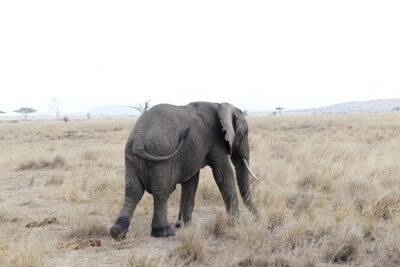
Tarangire is known for elephants. The plan calls out seeing herds ranging from 10 to 20, and sometimes more, which is a good sign that you’re likely to get that classic “mass of elephants moving through a scene” experience instead of one lone animal and a long wait. You may also spot buffalo, impala, zebras, warthogs, and giraffe, which helps when you’re trying to build your safari checklist early.
My favorite practical tip from the plan is the tree-top habit. It notes that you should look up while driving, because you might see a leopard lounging in the branches. That does not mean it will happen, but it’s a smart way to stay engaged during slower minutes.
You’ll drive around the park until late evening, then head to Kizumba Camp for dinner and overnight. Late-evening drives are valuable because animals are often active when temperatures drop. Just remember you’ll likely be tired, so bring a light layer for cooler night air.
Day 2 Serengeti Road Trip via Manyara: Optional Maasai Village Stop
Day two is an early start with breakfast, then you pack up safari gears and head out toward Serengeti National Park. The route is described as traveling via Manyara and the Rift Valley area, which is part of what makes this itinerary feel like more than just park hopping. You get a sense of how Tanzania changes as you move.
There’s also an optional stop for a Masai village on the way to Serengeti. This can be a meaningful add-on if you want some cultural context alongside wildlife. If your priority is only animals and you’d rather not add an extra stop, you can treat it as optional and decide based on how your day is going.
You reach Serengeti by the evening and shift into an afternoon game drive. Then it’s dinner and overnight at Pimbi Campsite. For most people, this is the best way to handle Serengeti on day two: do not over-plan the first hours. Let your eyes adjust to the bigger scale of the plains and start learning the rhythm of how predators and herds move.
One consideration: road time is part of the package. That’s not a problem if you expect it, but it can feel like a lot if you’re trying to do a “quick look” safari.
More Tarangire safaris:
- 5-Day Highlights mid-Range Crater, Serengeti, Tarangire
★ 5.0 · 296 reviews - Private 6-Day Tarangire Manyara Crater and Serengeti with Mid-Range Lodges
★ 5.0 · 238 reviews - 5 Days Camping Tarangire, Serengeti & Ngorongoro crater & Visiting Maasai
★ 5.0 · 229 reviews - 4 Days Join Group tour Tarangire Serengeti and Ngorongoro crater
★ 5.0 · 219 reviews
Day 3 Northern Serengeti: Migration-Focused Game Drive and More Predator Chances
Day three keeps you inside Serengeti National Park with another game drive after breakfast. The plan emphasizes focusing on the Northern Serengeti migration, with a lunch box while you’re out in the field.
If you’ve only seen Serengeti from photos, it’s easy to imagine it as one endless “green carpet.” In real life, it’s a working system of movement. You’re looking for animals that cluster, cross, and feed in shifting patterns. The itinerary explicitly calls out the chance to see wildebeest and zebra, plus a range of other species like topi hartebeest, eland, and different kinds of antelope. You also get attention on predators and scavengers, including hyena, plus birdsong and bird life where birds are singing from trees.
After lunch, you continue game viewing up to the gate of Serengeti, then drive toward Ngorongoro Crater. Dinner and overnight happen at Simba campsite.
This is a long day. It mixes migration-style looking in the northern areas with a transition that ends with crater overnight. The upside is momentum. You are not wasting a whole extra day traveling. The tradeoff is energy, especially if you want to be fully alert for every sighting.
Tip for this day: keep a steady routine with water, sun protection, and a snack or two if you tend to get hungry quickly. A lunch box helps, but game drives can stretch longer when you’re following animals.
Day 4 Ngorongoro Crater Descent: Where Density Works in Your Favor
Ngorongoro Crater is the big finish. After breakfast, you descend into the crater with a lunch box and then enjoy a game drive for more than six hours. This is the part of the trip that most strongly supports the claim of seeing a wide variety of wildlife in a short stretch of time.
The plan says Ngorongoro is home to an estimated 30,000 animals and notes the presence of Tanzania’s last remaining black rhino. That one detail changes how you should think about the day. You are not only searching for a single animal. You are also scanning for a whole food chain in one confined bowl, where predators and prey share close quarters.
The itinerary lists herds of wildebeest and zebra, buffalo, eland, warthog, hippo, and giant African elephants. It also calls out predators like lions, hyenas, jackals, cheetahs, and the elusive leopard on the crater floor. And because Ngorongoro has year-round water and fodder support, animals can stay in place longer than you might expect in more seasonal grasslands.
Late afternoon, you drive back to Arusha, then it’s dinner and overnight at your hotel.
Two realistic considerations for Ngorongoro day:
- It’s long. You’ll be out looking for hours, so comfortable shoes and sun protection matter.
- It’s weather and light dependent. If visibility is reduced, spotting can slow down, even if animals are still there.
Camp Nights, Meals, and What “Included” Means in Real Life
Your package includes three dinners and four breakfasts and lunches across the four days. That’s more helpful than it sounds. Safari days are not a time when you want to hunt for food stops or guess whether you’ll find something decent and quick. Meal planning also keeps you on schedule, so you don’t miss the best time in the park.
The nights are split between safari lodging and campsites:
- Day one ends at Kizumba Camp
- Day two ends at Pimbi Campsite
- Day three ends at Simba campsite
- Day four ends back in Arusha with dinner and overnight at a hotel
From the review pattern, what stands out is how important the crew’s organization and food quality are to comfort. Names like cook George and cook Rodrigue show up in praise, plus you see notes about meals and service being taken seriously. You can translate that into your planning by packing for a “practical safari comfort” level, not a hotel-spa standard.
If you’re sensitive to sleeping conditions when traveling, I’d suggest asking what kind of tents or room setup you should expect when you book. The data here confirms camps and campsites, but it doesn’t spell out bedding or bathroom setup.
Guides, Drivers, and Small-Group Timing (Up to 2 Travelers)
A safari can be great even with average luck, as long as your guide is good at spotting and explaining what you’re seeing. Reviews attached to this safari company repeatedly highlight guides with serious animal focus and friendly, service-minded teamwork.
In particular, guide names like Amani and Sulley are praised, with Sulley specifically noted for speaking Spanish. Other names you may hear in the same operator network include Safiri, Malaki, and Msifari, with drivers like Dismas mentioned alongside strong guidance. An owner figure named Innocent also comes up in review praise for organizing trips smoothly.
Here’s the practical angle for you: with a maximum of 2 travelers, your group dynamic is quieter and easier. You’re less likely to feel shuffled around a shared schedule. It can also help your guide tailor pacing, whether you’re the type who wants to photograph every moment or the type who prefers to just track movement and watch.
Who This Safari Suits Best, and Who Should Rethink
This safari fits best if:
- You have limited time in Tanzania and want Tarangire + Serengeti + Ngorongoro in one run
- You want a strong chance at the Big Five experience across these specific habitats
- You’re okay with camping-style nights and long drive days
This safari might feel like too much if:
- You hate early starts and late drives
- You want lots of downtime between parks
- You are expecting a fully luxury lodging experience every night
Also, the experience states most travelers can participate, but that does not mean every body type will enjoy crater descents and long days in a safari vehicle. If you have mobility concerns, ask the provider what the day-four descent involves and what breaks are planned.
Should You Book This 4-Day Tarangire, Serengeti, Ngorongoro Safari?
I think you should book if you want a classic Tanzania safari with real wildlife time and a route that hits the big three destinations people talk about. The value is strongest when you like structure, want hotel pickup and transportation handled, and you’re happy with camp and campsite nights.
I’d pass or look at a longer itinerary if you want fewer long travel stretches, or if your ideal trip is slow and relaxed with fewer game-drive hours. This one is built to stack sightings by squeezing in the best-known wildlife zones.
If you do book, come ready for one rule of safari success: stay patient, stay alert, and keep your eyes moving. If your guide is strong, like Amani or Sulley are known to be, the wildlife starts to feel less random and more like a story unfolding.
FAQ
Which national parks are included?
The itinerary includes Tarangire National Park, Serengeti National Park, and Ngorongoro Crater.
How long is the safari?
It’s listed as 4 days (approx.).
Are meals included?
Yes. The tour includes three dinners and four breakfasts and lunches across the days.
Is hotel pickup and transport provided?
Yes. Pickup from your hotel and transport throughout the safari are provided.
Are park admission fees included?
The itinerary shows admission tickets as free for days 1 to 3, and admission ticket included for day 4 (Ngorongoro Crater).
How many travelers are in the group?
This tour has a maximum of 2 travelers.
What is the cancellation policy?
You can cancel up to 3 days in advance for a full refund. If you cancel within 3 days of the start time, there is no refund.
More Ngorongoro Crater Trips
- 2 Days Tarangire and Ngorongoro Group Camping Safari
★ 5.0 · 146 reviews - 4 Days Tarangire Serengeti Ngorongoro Crater
★ 5.0 · 117 reviews - 3 Days Tarangire, Ngorongoro & Lake Manyara Group Camping Safari
★ 5.0 · 102 reviews - 3 Days Private Safari – manyara, Ngorongoro & Tarangire
★ 5.0 · 94 reviews
More Serengeti Safaris
- 3 Days Serengeti & Ngorongoro Group Camping Safari
★ 5.0 · 574 reviews - 3-Day Classic Serengeti Safari
★ 5.0 · 263 reviews - 10-Day Serengeti Wildebeest Migration Safari from Arusha
★ 5.0 · 218 reviews - 4-Day Safari from Arusha: Tarangire, Serengeti and Ngorongoro
★ 5.0 · 173 reviews
Just posted around Arusha
- 8 Days Serengeti Migration safari★ 5.0 · 11 reviews
- tarangire & ngorongoro 2 days tour★ 5.0 · 14 reviews
- serengeti, ngorongoro & tarangire 4 days private tour★ 5.0 · 18 reviews
- tarangire, ngorongoro & lake manyara park 3 days private tour★ 5.0 · 11 reviews
- serengeti & ngorongoro 3 days private tour★ 5.0 · 15 reviews
- climb the KILIMANJARO via Lemosho route★ 5.0 · 4 reviews
- Mt. Kilimanjaro: Shira plateau to Cathedral point 3872m Day hike★ 5.0 · 7 reviews
- 2 Days Tanzania Midrange Group Join Safari★ 5.0 · 7 reviews
Serengeti Safaris, compared.
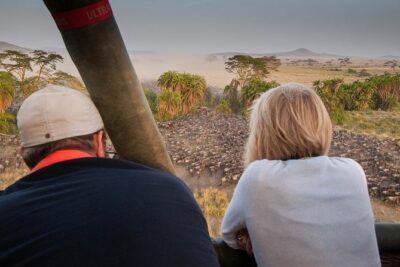
Serengeti Balloon Safari and authentic bush breakfast
Read our review →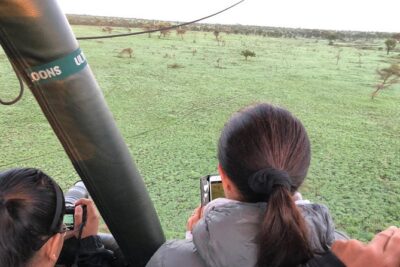
Balloon Safari & Bush Breakfast in Serengeti – Miracle Experience
Read our review →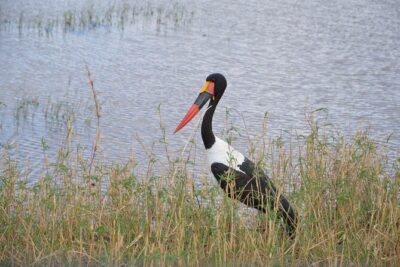
3 Days Serengeti & Ngorongoro Group Camping Safari
Read our review →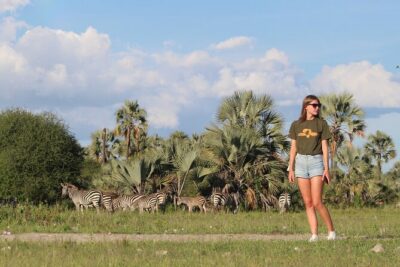
5-Day Highlights mid-Range Crater, Serengeti, Tarangire
Read our review →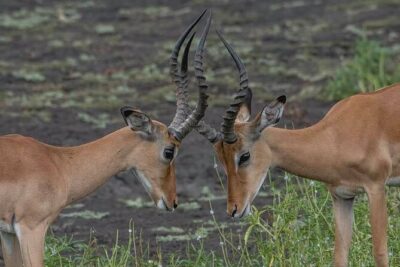
Private 6-Day Tarangire Manyara Crater and Serengeti with Mid-Range Lodges
Read our review →
5 Days Camping Tarangire, Serengeti & Ngorongoro crater & Visiting Maasai
Read our review →Browse the lists this tour appears in