Reviewed · 4-DAY EXPERIENCES
4 Days Tanzania Group Joining Safari with Mid-range Accommodation
Elephants and lions, plus new safari friends. This 4-day group joining safari from Arusha links Tarangire, Serengeti, and Ngorongoro Crater, and I like the chance to make friends on the drives in a group safari with mid-range lodges.
I also like that the trip is built around classic wildlife zones, not random stops, so each day has a clear reason to be in the vehicle.
I love the full board meals approach. Breakfast, lunch, and dinner are included, and drinking water is provided each day, which helps you stay focused on animals instead of menus. You also start early, with a 6:00 am start time, so you spend more time where sightings matter.
One possible drawback to plan for is the group size, with a maximum of 200 travelers. That can mean a bit more waiting around pick-up and roll-out, and less flexibility than a private safari if you want to linger somewhere specific.
In This Review
- Key highlights to know before you go
- How the 4-day Arusha group safari actually runs
- Tarangire National Park: elephant herds and baobab sightings
- Serengeti National Park: migration timing and predator odds
- Ngorongoro Crater: 600 meters down to Big Five action
- Mid-range lodges and the meal plan that keeps you sane
- Group joining safari: sharing the road without feeling rushed
- Price and value: where the $1,283 per person adds up
- When to go for migration and how weather affects your plan
- Practical tips for a smooth Tanzania safari day
- Should you book this group joining safari from Arusha?
- FAQ
- What time does this safari start in Arusha?
- Where does the safari start and end?
- Which parks and areas are included?
- Are meals included?
- Is pick-up included?
- How large is the group?
- What happens if the safari is canceled due to poor weather?
Key highlights to know before you go
- Tarangire elephant country, with herds reported up to 300
- Serengeti predator and migration potential, depending on season
- A night at Ngorongoro Crater rim, timed for sunset views
- Big Five chances on the crater floor, including rhino and leopard
- Mid-range lodges plus meals all days, with breakfast, lunch, and dinner included
- Group format with pickup and a max of 200 people, making it sociable
How the 4-day Arusha group safari actually runs
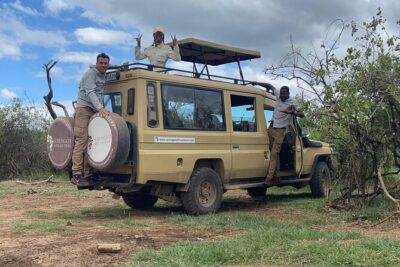
This safari is designed as a shared circuit, starting and ending in Arusha, with pick-up offered and a start time of 6:00 am. You will travel with a professional driver/guide, and you get a mobile ticket, so the day-to-day rhythm is meant to feel organized, even if you are far from home.
Each day is built around game drives and park time, with long stretches in the vehicle. The schedule lists about 8 hours per day, which is normal for Tanzania safari circuits. Expect early mornings, planned park drives, and a steady pace of wildlife hunting, with meals and drinking water carried along.
The “group joining” part matters. You will likely connect with other safari-goers easily, but you also have to accept a set itinerary. If you like spontaneity, go private. If you want a solid plan that keeps costs under control, this format can work very well.
More Safaris in Arusha
- Balloon Safari & Bush Breakfast in Serengeti – Miracle Experience
★ 5.0 · 1,646 reviews - 4 Days Group Camping Safari
★ 5.0 · 1,101 reviews - 5 Days Group Camping Safari
★ 5.0 · 730 reviews
Tarangire National Park: elephant herds and baobab sightings
Day 1 is about getting your Tanzania safari legs under you in Tarangire National Park, then ending with an overnight near Mto wa Mbu. Tarangire covers roughly 2,600 km², and it mixes savannah with seasonal swamps and those famous giant baobabs. That combo helps animals spread out in interesting ways, so game drives often feel varied instead of repetitive.
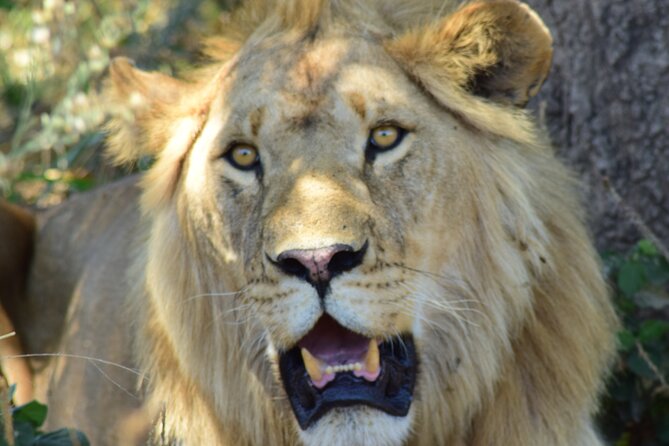
Here, I’d focus on elephants first. Tarangire is known for big elephant herds, with reporting of groups up to 300 animals. If you are picturing classic safari moments, this is one of the best places in East Africa to see elephants and get close in a way that still feels wild.
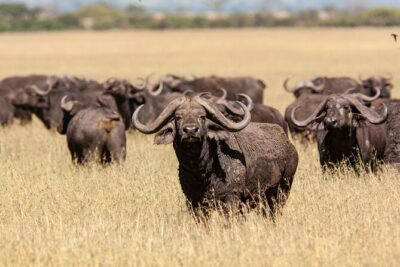
You will also see other local stars: Masai giraffes, buffalo, hartebeest, eland, fringe-eared oryx, and gerenuk (the long-necked one that always looks like it is judging you from a distance). Bird life is strong too, with over 550 species in the park, so even if mammals are quiet at one moment, you still have something to watch.
Practical note: after Tarangire, you drive to Mto wa Mbu for your mid-range lodge night. That sets you up for the next day’s move toward the Serengeti.
Serengeti National Park: migration timing and predator odds
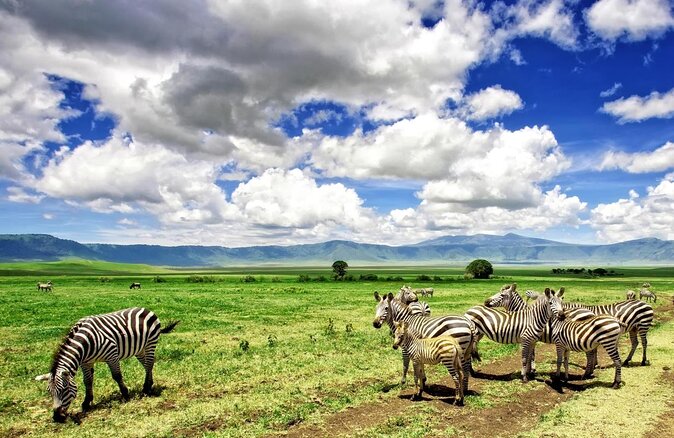
Days 2 and 3 are centered on Serengeti National Park, one of the world’s most famous places for predator-prey dynamics and animal movement. The park includes grass plains, dry savannah, and marshy woodlands, so sightings can shift as the day and conditions change.
The big headline is the migration. Serengeti is known as home to the largest animal migration in the world, and where the herds are depends on timing and rains. The short rainy season of November and December can bring wildebeest and zebra moving from the hills in the north toward the southern plains. During the longer rainy season of April to June, the herds can move back north. If your goal is to see the migration in motion, your month matters a lot.
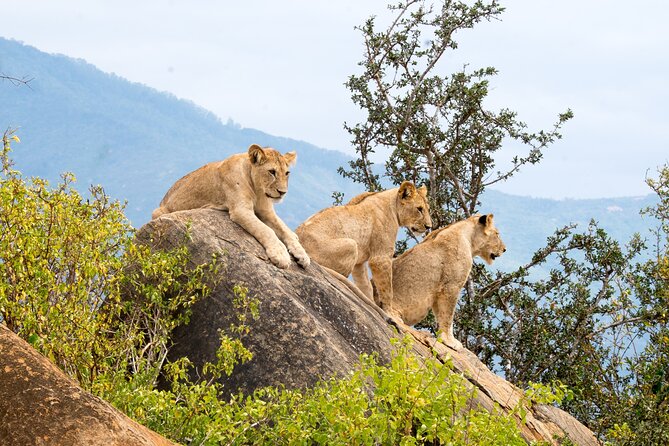
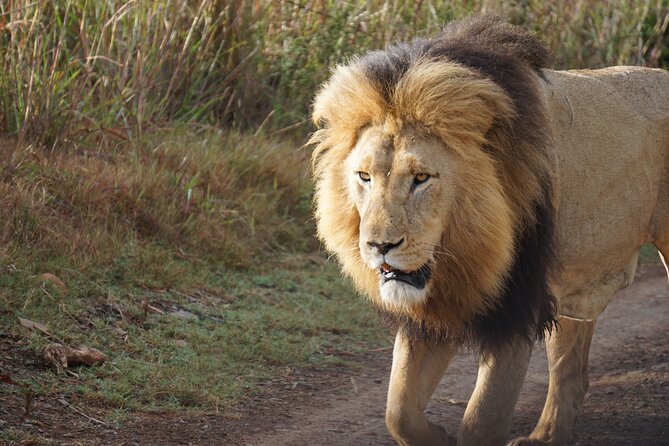
Predators are a major reason to come too. Serengeti supports a large lion population, and with steady prey activity you can also run into leopards and cheetahs. The schedule on Day 3 includes a dawn-style start, with you commencing your first game drive as the sun rises over the plains. That early timing is great for photography and it can also improve your chances of active animal behavior.
On Day 3, after that morning drive, you head toward Ngorongoro Crater, reaching the crater rim for an overnight. You get sunset time looking down into the caldera area, which makes the move feel less like travel and more like part of the experience.
Ngorongoro Crater: 600 meters down to Big Five action
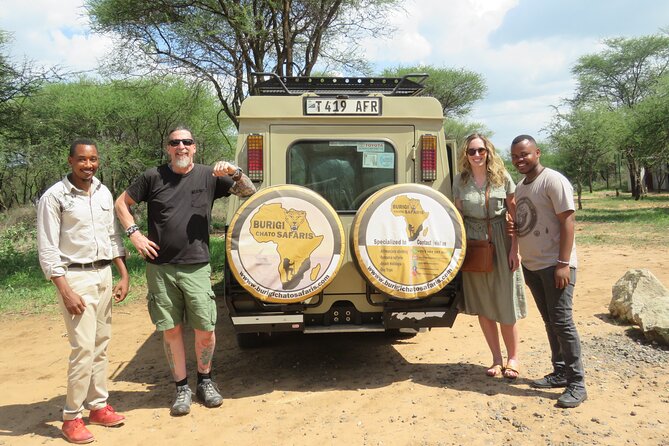
Ngorongoro Crater is a different kind of safari day. This caldera is about 600 meters deep, formed by a collapsed volcanic structure. The walls shape the air and the viewing angles, which is why the crater floor often feels like a natural amphitheater for wildlife.
On Day 3, you arrive at the crater rim and spend the night at a lodge on the edge. The plan includes watching the sunset over the glistening springs below, so you get a scenic payoff even before the main game viewing.
Day 4 is the payoff: after an early breakfast, you descend via a narrow and steep road to the crater floor. The wildlife list is exciting and specific here: zebras and wildebeests are common, and you can also find hippos, hyenas, and warthogs. Then there are the Big Five sightings to aim for, with the itinerary calling out buffalo, rhino, lion, elephant, and leopard as possible targets during crater viewing.
After extensive game viewing and lunch at a picnic spot, you leave the crater in the evening and travel back to Arusha. It is a long day, but it is the kind of long that feels focused because you are not wasting time between wildlife moments.
More safaris from Arusha:
- 3 Days Serengeti & Ngorongoro Group Camping Safari
★ 5.0 · 574 reviews - 7-Day Premium Luxury Tanzania Safari All-Inclusive
★ 5.0 · 426 reviews - 3-Day Classic Serengeti Safari
★ 5.0 · 263 reviews - 8 Days Great Wildebeest Calving Migration Safari from Arusha
★ 5.0 · 254 reviews
Mid-range lodges and the meal plan that keeps you sane
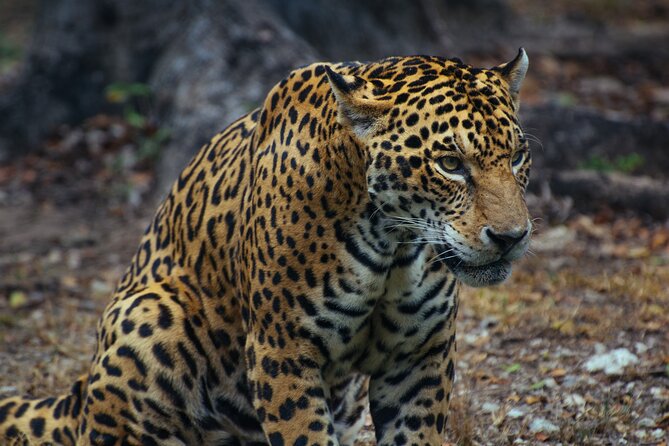
For a group joining safari, lodging can make or break your comfort level. This trip uses comfortable mid-range lodges, and the meal plan is a big part of the value.
You should expect:
- Breakfast included on three mornings
- Lunch included four times
- Dinner included three times
- Drinking water provided every day
That matters more than it sounds. When you are spending hours in a vehicle and doing game drives, meal stops and restaurant decisions can create delays and extra costs. Here, your day stays structured around animals, and you do not have to hunt for food options between parks.
You will have at least two lodge nights clearly identified: one after Tarangire near Mto wa Mbu, and one on the Ngorongoro Crater rim. The meal counts in the inclusions also point to an additional lodge night across the circuit, consistent with the three dinner inclusions.
One more thing: drinks in lodges are not included, and alcohol is listed as not included. So plan your drinks budget separately, especially if you like a beer or a soda after a long drive.
Group joining safari: sharing the road without feeling rushed
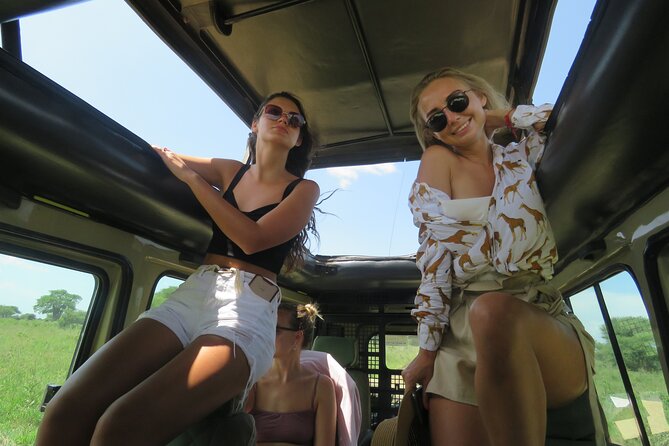
This is a sociable way to do Tanzania wildlife because the trip is a group joining format with pickup and shared driving. You are also capped at 200 travelers, so it is not a tiny private bubble, but it is also not described as a small safari party of just a few friends. The reality is that bigger groups add small delays, mainly around coordination and boarding.
Where the group format can still work well is in how it helps keep costs down while keeping the core experience intact. The itinerary is built around park time and classic animal zones, so you are not stuck doing long transfers with no payoff.
If you are someone who needs total control over your schedule, this could feel limiting. For example, if you love lingering for one specific animal behavior, a group itinerary may move you along. If you are okay going with the plan and trading flexibility for value, you will probably enjoy the shared excitement.
My advice: pack patience for mornings. Starting at 6:00 am is early, and you will want to be ready to roll.
Price and value: where the $1,283 per person adds up
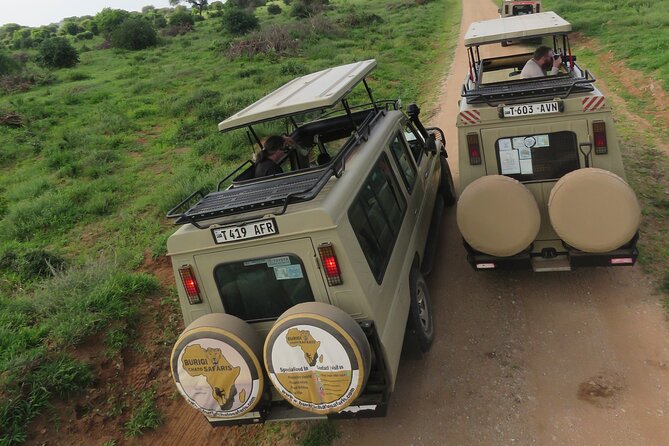
At $1,283 per person, this safari sits in the mid-range zone, and the inclusions are where you get the real value. The price includes all fees and taxes, all activities (unless labeled optional), a professional driver/guide, and meals plus drinking water across all days.
You are also not paying separately for park entry in the typical way, since the inclusions list fees and taxes and the schedule shows admission ticket free. That reduces friction, especially for first-time visitors who might otherwise worry about last-minute payments.
Here is what is not included, and it is worth budgeting early:
- Tips for your guide
- Personal items and souvenirs
- Visa and medical insurance
- Alcohol and drinks in lodges
So the true “cost to feel comfortable” is partly about your own extras. If you want a smooth trip, set aside a tips budget, and make sure your visa and medical insurance are sorted before you go.
If you do the math, the headline price averages to roughly $320 per day over the four-day program. For a route that includes multiple major parks and full meal coverage, that is the main reason this safari is popular for people who want Tanzania wildlife without a luxury price tag.
When to go for migration and how weather affects your plan
Your odds of seeing the migration in Serengeti depend heavily on timing. The itinerary gives two key seasonal windows:
- November to December: wildebeest and zebra can move from the hills in the north toward the southern plains
- April to June: herds can return north during the longer rainy season
If you have your heart set on migration, pick your dates based on those months rather than hoping timing lines up last-minute.
Weather is also a factor. This experience requires good weather. If it is canceled due to poor weather, you are offered a different date or a full refund. That is reassuring, but it also means you should not schedule this as the one trip you cannot shift under any circumstances.
My practical take: if you are traveling in a flexible window, you gain confidence. If your Tanzania dates are locked down by other plans, you might want to think twice about how much you can absorb a change.
Practical tips for a smooth Tanzania safari day
This is a wildlife-focused itinerary with early starts and big park days, so your main comfort wins come from preparing for long time in the vehicle and the crater descent.
- Wear footwear that can handle a steep, narrow road on the way down to Ngorongoro Crater floor.
- Bring sun protection for early drives, since mornings can be cool but the light can jump fast once you are out.
- Since drinking water is included, you can plan around that, but still keep a small capacity so you are not constantly searching for refills.
- Keep some cash on hand for tips, because tips are not included.
Also, go in mentally ready for wildlife variability. The itinerary includes specific animal targets, but nature sets the final schedule. Your best strategy is to stay alert during drives and stay open to whatever shows up, even if it is not exactly the animal you pictured.
Should you book this group joining safari from Arusha?
Book it if you want a classic Tanzania circuit with Tarangire elephants, Serengeti predator and migration potential, and the Ngorongoro crater Big Five goal without luxury pricing. The meal plan is a standout value, and staying in mid-range lodges keeps your comfort realistic for a short multi-day circuit.
Consider skipping or comparing alternatives if you strongly dislike group schedules. A maximum of 200 travelers can mean more coordination time, and you will be moving on the itinerary even when you find something great.
If your ideal trip is simple, social, and built around wildlife time, this one fits well. Just pick your season thoughtfully for Serengeti migration chances, and keep your schedule flexible enough to handle the weather-dependent nature of safari travel.
FAQ
What time does this safari start in Arusha?
The safari start time is listed as 6:00 am.
Where does the safari start and end?
It starts in Arusha, Tanzania and ends back at the same meeting point.
Which parks and areas are included?
The itinerary includes Tarangire National Park, Serengeti National Park, and Ngorongoro Crater.
Are meals included?
Yes. Meals include breakfast on three days, lunch on four days, and dinner on three days, plus drinking water on all days.
Is pick-up included?
Pickup is offered, and the tour starts in Arusha.
How large is the group?
The experience has a maximum of 200 travelers.
What happens if the safari is canceled due to poor weather?
If canceled due to poor weather, you are offered a different date or a full refund. If you cancel or request changes for any reason, it is non-refundable and cannot be changed.
Just posted around Arusha
- 8 Days Serengeti Migration safari★ 5.0 · 11 reviews
- tarangire & ngorongoro 2 days tour★ 5.0 · 14 reviews
- tarangire, ngorongoro & lake manyara park 3 days private tour★ 5.0 · 11 reviews
- serengeti, ngorongoro & tarangire 4 days private tour★ 5.0 · 18 reviews
- serengeti & ngorongoro 3 days private tour★ 5.0 · 15 reviews
- climb the KILIMANJARO via Lemosho route★ 5.0 · 4 reviews
- Mt. Kilimanjaro: Shira plateau to Cathedral point 3872m Day hike★ 5.0 · 7 reviews
- Kilimanjaro Waterfalls Hike & Moshi Hot Springs Day Trip Tour★ 5.0 · 4 reviews
4-Day Experiences, compared.
4 Days Join Group tour Tarangire Serengeti and Ngorongoro crater
Read our review →
4-Day Safari from Arusha: Tarangire, Serengeti and Ngorongoro
Read our review →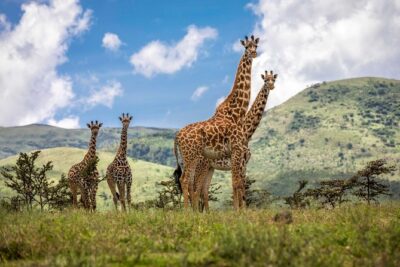
4 Days Tarangire, Serengeti and Ngorongoro Mid-Range Group Safari
Read our review →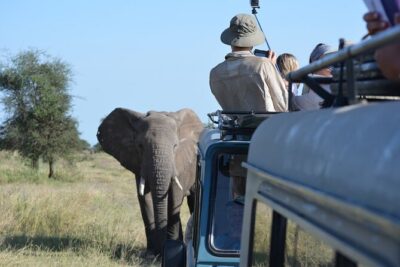
4 Days Tanzania Lodge Safari With Two Nights at Serengeti
Read our review →