
Reviewed · SERENGETI SAFARIS
4 Days Safari to Tarangire, Serengeti and Ngorongoro
A four-day safari in Tanzania feels like speed dating with wildlife. You hit Lake Manyara, then Serengeti, and finish with Ngorongoro’s crater spectacle, all with early starts that boost your odds of great sightings. I also like the way the route packs in real variety, from baboons and blue monkeys at Manyara to black rhino country in the crater.
The best part is the pacing for short trips: you get more than one serious wildlife moment, including a very early drive built around sunrise and crater-floor game viewing. One possible drawback is the time tradeoff, with only a short Serengeti window, so if you want a slow, lingering Serengeti experience, this quick loop may feel a bit rushed.
In This Review
- Key things to know before you go
- Four days across Tanzania’s classics, with a smart time tradeoff
- Price and logistics: what $1,450 buys you in real terms
- Day 1 Lake Manyara: acacia forests, primates, and hippos near the water
- Day 2 Serengeti: endless plains and the Great Migration territory
- Day 3 Morning Serengeti sunrise, then down to Ngorongoro’s crater world
- Day 4 Ngorongoro at dawn, Hippo Lake picnic, then back to Arusha
- Meals, water, guides, and how to survive long safari days
- What to pack for a quick-hit safari circuit
- Who this tour is best for (and who might want more time)
- Should you book this 4-day safari to Manyara, Serengeti, and Ngorongoro?
Key things to know before you go
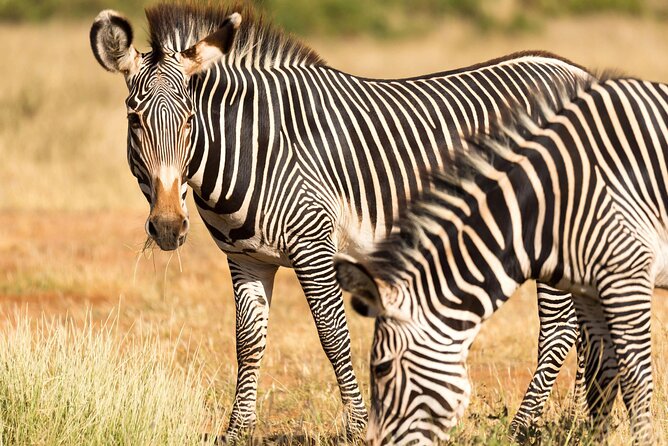
- Early morning drives are a big deal here, especially for sunrise in Serengeti and the crater-floor safari in Ngorongoro
- Lake Manyara is smaller but visually intense, with acacia forest, giant figs, and lots of action near the lake
- Serengeti is the main event, with the Great Migration territory and endless plains
- Ngorongoro is about density, including the rare chance to see the black rhino in the crater
- Meals and park fees are included, which helps this $1,450 price feel more realistic
- Group size can be up to 100, so you will want to manage expectations versus a private safari
Four days across Tanzania’s classics, with a smart time tradeoff
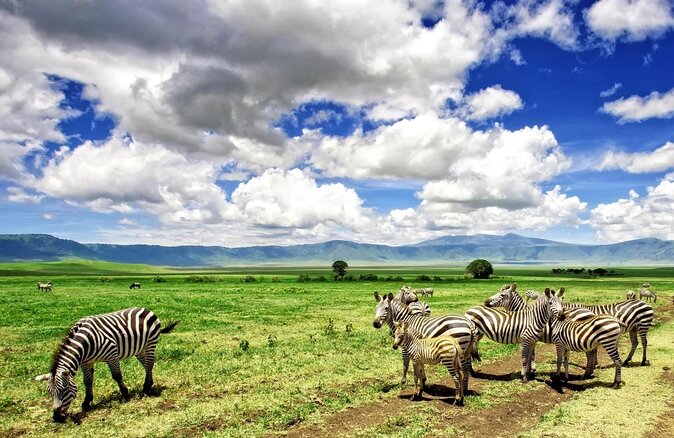
If you are chasing the headline parks and you only have four days, this route makes a lot of sense. You are not doing a huge geographic tour of Tanzania, you are doing the big three safari names that most people dream about: Manyara, Serengeti, and Ngorongoro. That focus matters. It keeps the trip goal clear and avoids spending your limited time bouncing through places that do not move the needle.
The other smart choice is the schedule design. You start early each day, and the “morning energy” strategy is baked in. Wildlife tends to be active early, and the lighting is better for photos, too. When you add sunrise timing in Serengeti and another very early crater descent in Ngorongoro, you are basically buying two chances at peak animal activity, not just one.
The tradeoff is unavoidable. Serengeti gets limited time, and it is a massive park. You will see plenty, but you cannot cover it the way longer safaris do. If your dream is “many days in Serengeti only,” you will feel the limitation here. If your dream is “see it all quickly and get great sightings,” this tour fits.
More Safaris in Arusha
- Balloon Safari & Bush Breakfast in Serengeti – Miracle Experience
★ 5.0 · 1,646 reviews - 4 Days Group Camping Safari
★ 5.0 · 1,101 reviews - 5 Days Group Camping Safari
★ 5.0 · 730 reviews
Price and logistics: what $1,450 buys you in real terms
The price is $1,450 per person for about four days, starting from Arusha. What makes it better value than a lot of “sounds good” safari quotes is what you are getting folded in:
- Park fees are included
- Professional guide is included
- Unlimited drinking water is included
- Meals are included: 4 breakfasts, 4 lunches, and 3 dinners
- Pickup is offered, with an extra cost only if you are beyond 30 km from the pickup area ($50)
What is not included is also clear: your visa, international flights, and tips. Those are normal safari exclusions, but they matter for budgeting.
One more practical point: the tour caps at 100 travelers. That does not mean a small group, it means you should expect a group safari setup with a vehicle and guide logistics. The guide role matters even more in a bigger group situation, because they are the ones who help you stay calm, spot fast, and keep the day running on schedule.
Day 1 Lake Manyara: acacia forests, primates, and hippos near the water
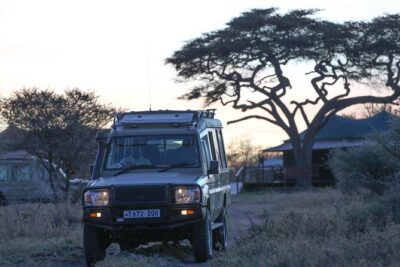
Your day starts early, with pickup around 8:00 am, and then you head toward Lake Manyara for a full day game drive. The park may be about 205 square miles, but it does not feel tiny once you are inside. Manyara’s appeal is its mix of habitats, especially the acacia forest and the big tree giants like giant figs and mahogany trees. That kind of vegetation can change how animals move and where they pause, so your sightings can feel varied even in a smaller park.
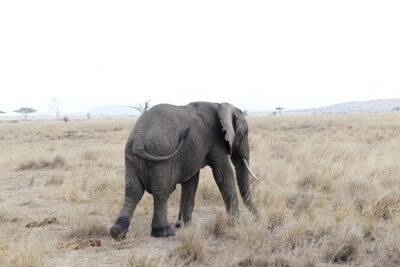
This park is also known for primates and lake-edge life. You are in the right place to look for baboons and blue monkeys, plus common safari staples like giraffes, elephants, impalas, and buffaloes. And then there are hippos, since the lake hosts a large number of them.
Two reasons this day is more than just a warm-up:
- You get lush scenery and animal variety quickly, which helps you get “eyes trained” for spotting in the next parks.
- The lake itself creates strong photo opportunities, especially when you are driving along the water and looking for movement near the shoreline.
A small consideration: since it is a full day game drive, you will be in the vehicle for a long stretch. Plan your day like a marathon, not a sprint. If you manage sun, water, and breaks well, Manyara will feel like an energizing start rather than a long slog.
Day 2 Serengeti: endless plains and the Great Migration territory
After breakfast, you drive to Serengeti National Park, and yes, the drive is part of the experience. The approach helps you understand why people call it the land of endless plains. Serengeti covers roughly 6,900 square miles, and in many spots the views stretch to the horizon, so the sense of scale hits you immediately.
Here is what you are aiming for in Serengeti: the Great Migration. The numbers in your favor are huge, since the migration territory supports about 2 million wildebeests, with hundreds of thousands of zebras and all kinds of antelopes. Even when you do not catch the classic “river crossing” moment, the migration presence shapes the whole park and keeps animals moving.
On the predator side, Serengeti is a choice destination because it supports the big-cat ecosystem. The day is about tracking a living system, not checking boxes. Your guide’s job is to position you where animals are likely to be at that time of day.
What I like about doing Serengeti on day two is momentum. Manyara puts you into safari mode. By the time you reach Serengeti, your brain is already calibrated for scanning, listening, and adjusting quickly when wildlife appears.
The limitation is the same theme as the whole trip: you only have one night in Serengeti in this short format. That means you are not doing the “wait it out for the perfect moment” strategy. You are doing the “go early, go often, and let the park do the work” strategy.
More Tarangire safaris:
- 5-Day Highlights mid-Range Crater, Serengeti, Tarangire
★ 5.0 · 296 reviews - Private 6-Day Tarangire Manyara Crater and Serengeti with Mid-Range Lodges
★ 5.0 · 238 reviews - 5 Days Camping Tarangire, Serengeti & Ngorongoro crater & Visiting Maasai
★ 5.0 · 229 reviews - 4 Days Join Group tour Tarangire Serengeti and Ngorongoro crater
★ 5.0 · 219 reviews
Day 3 Morning Serengeti sunrise, then down to Ngorongoro’s crater world
Day three starts with a very early wake-up call so you can do an early morning game drive. This is one of the smartest choices in the entire tour. Sunrise drives tend to deliver that special mix of active animals and softer light, so even a calm sighting looks cinematic.
Your reward after the morning drive is time for brunch back at camp. Then you shift gears and head toward Ngorongoro, described as an 8th Wonder of the Natural World. Whether you care about the “official wonder” label or not, the crater is genuinely the star of the show.
Ngorongoro’s crater has around 102 square miles of floor, and it is surrounded by steep walls roughly 2,000 feet high. That kind of natural bowl concentrates wildlife. It is often compared to Noah’s ark because you can see so many species in a compact area, including water sources like a river, swamps, and a soda lake.
Most important for your bucket list: this is one of the rare places on the continent where you can witness the black rhino. That does not mean you are guaranteed a sighting, but it is exactly the kind of target species that makes Ngorongoro different from “another big plains safari.”
A practical note for real life: driving from Serengeti to Ngorongoro can be a long day. You are basically stacking two safari contexts into one day, so keep your energy steady, bring snacks if allowed, and expect to move at a safari pace.
Also, I am glad this day includes downtime for brunch. When you are moving through big parks back-to-back, you want built-in food and recovery moments rather than relying on luck.
Day 4 Ngorongoro at dawn, Hippo Lake picnic, then back to Arusha
Your final day is another early start, then a descent into the crater for morning wildlife viewing. This is where Ngorongoro earns its reputation. The crater floor can deliver tight animal sightings because the terrain funnels movement.
After the main game drive, you stop for a picnic lunch near Hippo Lake. That detail matters because it gives you a specific landmark and breaks up the day. Even if you are not a picnic person, it is a welcome rhythm shift after a morning of scanning and photographing.
Then you have time for a short game drive before ascending out of the conservation area and returning to Arusha. The plan is to be back around 5:00 pm, and the day is described as flexible if you have a flight to catch.
If you only have one crater morning, you want it to be early. That is exactly what you get here. You also get a realistic flow: crater descent, wildlife drive, picnic lunch, short follow-up drive, exit.
The only caution is timing. If you are very flight-sensitive, build in buffer time even if the schedule says roughly 5 pm. The route is subject to wildlife pace and road conditions, just like any safari.
Meals, water, guides, and how to survive long safari days
This tour includes unlimited drinking water, and that is not a small detail. In Tanzania heat, staying hydrated makes a noticeable difference, especially if you are spending hours in open safari viewing.
Food is also handled. You get breakfasts and lunches throughout the 4 days, plus 3 dinners. For a short trip, that matters because it removes planning stress. You can focus on animals and timing rather than asking where to eat on the fly.
The guide is another reason this format works. From the feedback I saw, the guides can be very strong at helping you actually see what you came for. Names that showed up include Manfred and Augustin, with praise for their experience and for telling you to get your camera ready because sightings can appear fast. There is also mention of John, described as the CEO, with smooth communication and responsiveness to questions.
If you are the kind of person who gets excited but also tends to miss things when you are focused on the big moment, a good guide makes the difference between watching wildlife pass and having a real chance at memorable sightings.
What to pack for a quick-hit safari circuit
You do not need a mountaineering kit, but you do need practical safari basics because your day is long and your schedule is early.
What you should plan for, based on the nature of these parks and the early driving:
- Sunglasses and sun protection for long days in bright open areas
- A hat that stays put while you are scanning out of the vehicle
- Layers, because early mornings can feel cooler than the midday sun
- A good camera strap and a way to keep lenses protected when dust kicks up
- Comfortable shoes you do not mind wearing for walking breaks and crater-view stops
Accommodation details are not spelled out in the tour overview you provided, but one review included a caution about tent-style accommodations and suggested bringing a sleeping bag. If you are the type who runs cold at night, that is a smart, low-regret item to consider. If you prefer a less “camp-like” setup, ask in advance about whether a tent or a room is used for your dates.
Who this tour is best for (and who might want more time)
This is a great choice if:
- You have only four days and you want the core Tanzania icons: Serengeti and Ngorongoro, plus Manyara
- You like structured early starts because you want the best odds for animals
- You are okay with driving time in exchange for big park highlights
- You want meals and park fees handled so your budget feels controlled
It may not be the best match if:
- You need a slow pace and lots of hours inside Serengeti only
- You are sensitive to early wake-ups and long driving days
- You want a smaller private feel rather than a group safari setup with a max up to 100
Should you book this 4-day safari to Manyara, Serengeti, and Ngorongoro?
My take: book it if your goal is to see Tanzania’s biggest wildlife stages on a tight schedule, and you can handle early mornings plus long days in the vehicle. The value looks strong on paper because park fees, meals, water, and a professional guide are included, and the route is designed to create multiple high-impact wildlife moments, not just one.
I would hesitate only if Serengeti is your single obsession and you want a longer, slower Serengeti experience, because this trip’s strength is variety and time efficiency. Also, if you are very particular about sleeping conditions, ask ahead about the accommodation setup for your nights, especially if you are prone to feeling cold or dislike tents.
If you fit the sweet spot, this tour is the kind of safari that leaves you tired in the best way, with memories tied to specific places, including Ngorongoro’s crater-floor density and Serengeti sunrise timing.
More Ngorongoro Crater Trips
- 2 Days Tarangire and Ngorongoro Group Camping Safari
★ 5.0 · 146 reviews - 4 Days Tarangire Serengeti Ngorongoro Crater
★ 5.0 · 117 reviews - 3 Days Tarangire, Ngorongoro & Lake Manyara Group Camping Safari
★ 5.0 · 102 reviews - 3 Days Private Safari – manyara, Ngorongoro & Tarangire
★ 5.0 · 94 reviews
More Serengeti Safaris
- 3 Days Serengeti & Ngorongoro Group Camping Safari
★ 5.0 · 574 reviews - 3-Day Classic Serengeti Safari
★ 5.0 · 263 reviews - 10-Day Serengeti Wildebeest Migration Safari from Arusha
★ 5.0 · 218 reviews - 4-Day Safari from Arusha: Tarangire, Serengeti and Ngorongoro
★ 5.0 · 173 reviews
Just posted around Arusha
- 8 Days Serengeti Migration safari★ 5.0 · 11 reviews
- tarangire & ngorongoro 2 days tour★ 5.0 · 14 reviews
- serengeti, ngorongoro & tarangire 4 days private tour★ 5.0 · 18 reviews
- tarangire, ngorongoro & lake manyara park 3 days private tour★ 5.0 · 11 reviews
- serengeti & ngorongoro 3 days private tour★ 5.0 · 15 reviews
- climb the KILIMANJARO via Lemosho route★ 5.0 · 4 reviews
- Mt. Kilimanjaro: Shira plateau to Cathedral point 3872m Day hike★ 5.0 · 7 reviews
- Kilimanjaro Waterfalls Hike & Moshi Hot Springs Day Trip Tour★ 5.0 · 4 reviews
Serengeti Safaris, compared.
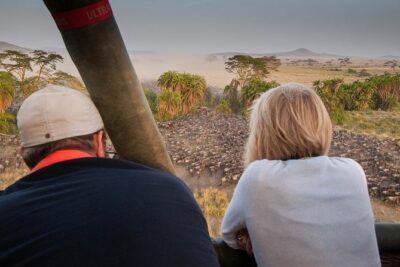
Serengeti Balloon Safari and authentic bush breakfast
Read our review →
Balloon Safari & Bush Breakfast in Serengeti – Miracle Experience
Read our review →
3 Days Serengeti & Ngorongoro Group Camping Safari
Read our review →
5-Day Highlights mid-Range Crater, Serengeti, Tarangire
Read our review →
Private 6-Day Tarangire Manyara Crater and Serengeti with Mid-Range Lodges
Read our review →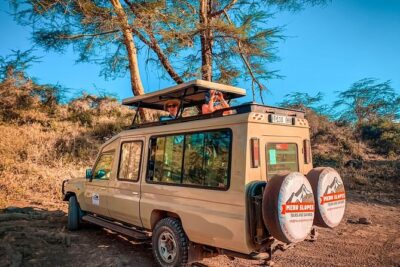
5 Days Camping Tarangire, Serengeti & Ngorongoro crater & Visiting Maasai
Read our review →Browse the lists this tour appears in