Reviewed · 4-DAY EXPERIENCES
4 days safari in Tanzania
Your first game drive starts before your coffee cools. This 4-day Tanzania safari strings together Tarangire, Serengeti, and the Ngorongoro Conservation Area, plus Olduvai Gorge for a real-world lesson in human evolution.
I really like how practical it is, all included on the logistics side with private transportation, lodging, game drives, and meals. I also like the on-the-ground service style, with professional guides and cooks praised by name, including Eli, Andrew, Simon, Omani, Gidi, Issa, and Tito.
One thing to consider: you are doing a lot of driving and early starts, and the accommodations can be basic in places, especially the tented night at Ang’ata Tented Lodge.
In This Review
- Key things that make this safari work
- 4 Days in Tanzania: What You Can Expect to Feel and See
- Arusha, pick-up timing, and the first transfer to Tarangire
- What to watch for on day 1
- Tarangire National Park: Elephants, baobabs, and a more relaxed pace
- Serengeti National Park and the Seronera area: where your odds stack
- A practical tip for Serengeti days
- Ngorongoro Conservation Area and Olduvai Gorge: human evolution plus predator time
- Consideration on day 3
- Ngorongoro crater on day 4: descending over 600 meters
- Lodging, meals, and why the food matters more than you expect
- Lodging note
- Guide quality and the wildlife game plan
- Price and value at $1,700 per person
- Group size, pace, and who this tour fits best
- Who I think will enjoy this most
- My booking call: should you book this 4-day safari?
- FAQ
- Where does the safari start?
- What places are included in this 4-day safari?
- Is Olduvai Gorge included?
- What accommodation is included?
- What meals are included?
- Are game drives included?
- Are admission tickets included?
- What is the group size limit?
- Are tips included in the price?
- Can I cancel and get a full refund?
Key things that make this safari work
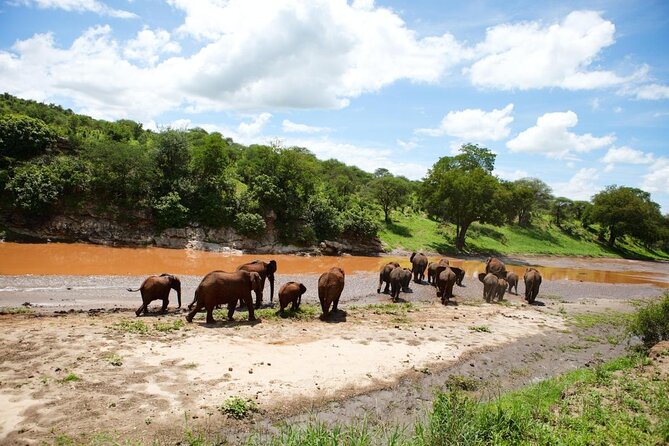
- Tarangire elephant country with big numbers of elephants and classic baobabs
- Serengeti Seronera area timing, aimed at rich habitat and water access from the Seronera River
- Olduvai Gorge stop with major findings tied to the Leakey discoveries of early humans
- Ngorongoro crater views from below, including predators like lions and the elusive leopard
- Lake Magadi visit for a very specific crater ecosystem moment
- Small group size (max 15) with private transport that keeps the day moving
4 Days in Tanzania: What You Can Expect to Feel and See
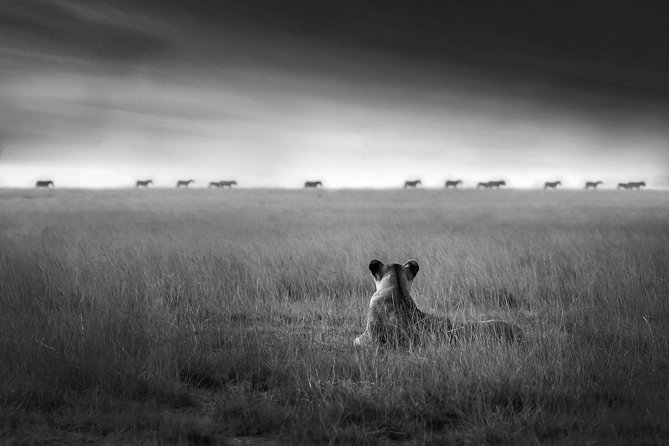
This is a classic northern circuit safari, but condensed. In four days, you’ll move from Arusha out to Tarangire for elephants, then on to Serengeti for the big-cat odds, and finish in Ngorongoro for that crater-floor concentration of wildlife.
The value here is not just wildlife. It’s the fact that the route is organized around big, meaningful contrast. Tarangire is more about elephants and baobabs. Serengeti is about open plains and the Seronera area’s dense wildlife draw. Ngorongoro is about steep geography and a tight, predator-loaded landscape inside the crater.
You’ll also get an education stop that many safaris skip: Olduvai Gorge. If you like your travel with context, it adds weight to the trip, not just photos.
More Safaris in Arusha
- Balloon Safari & Bush Breakfast in Serengeti – Miracle Experience
★ 5.0 · 1,646 reviews - 4 Days Group Camping Safari
★ 5.0 · 1,101 reviews - 5 Days Group Camping Safari
★ 5.0 · 730 reviews
Arusha, pick-up timing, and the first transfer to Tarangire
Your safari starts in Arusha, with the meeting point set at Arusha Airport. If you’re arriving by air, you should be able to connect smoothly to the start of the tour, and you’ll keep your time tight by handling the first leg with private transportation.
Day 1 is about setting the rhythm. After breakfast, the tour heads toward Tarangire, with a game drive and a picnic lunch in the park. Tarangire is known for its huge elephant population and its baobab trees, so even if you don’t see lions on day one (totally possible), you still get that iconic savanna feel fast.
The park is also tied to seasonal movement. The tour highlights an annual migratory cycle that can include up to 3,000 elephants and large numbers of wildebeest and zebra. That matters because it helps explain why Tarangire can feel lively even when other areas go quieter.
What to watch for on day 1
Tarangire game drives are limited by daylight, and the tour lists non-game viewing time as a few hours. You’ll want to keep your camera ready at the start of the safari window, not just at midday.
Tarangire National Park: Elephants, baobabs, and a more relaxed pace
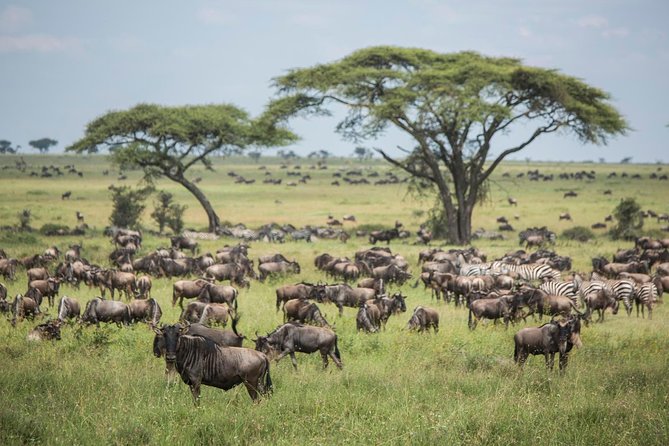
Tarangire National Park is a great first stop because it rewards patience without demanding you wait for one specific big moment. Elephants are the headline here, and the baobabs give you built-in photo frames.
You’re going to spend around a half day on the wildlife circuit, then picnic lunch at the park, then dinner and an overnight stay at Marera View Lodge. That lodging choice is a practical reset point. It’s not inside the national park system the way some tented experiences are, so you’re getting comfort without losing the safari energy completely.
If you’re worried that early safari days can feel frantic, this one is a good way to ease in. You get a game drive, then you get real rest. That matters, because days 2 and 3 are when the long-distance excitement ramps up.
More safaris from Arusha:
- 3 Days Serengeti & Ngorongoro Group Camping Safari
★ 5.0 · 574 reviews - 7-Day Premium Luxury Tanzania Safari All-Inclusive
★ 5.0 · 426 reviews - 3-Day Classic Serengeti Safari
★ 5.0 · 263 reviews - 8 Days Great Wildebeest Calving Migration Safari from Arusha
★ 5.0 · 254 reviews
Serengeti National Park and the Seronera area: where your odds stack
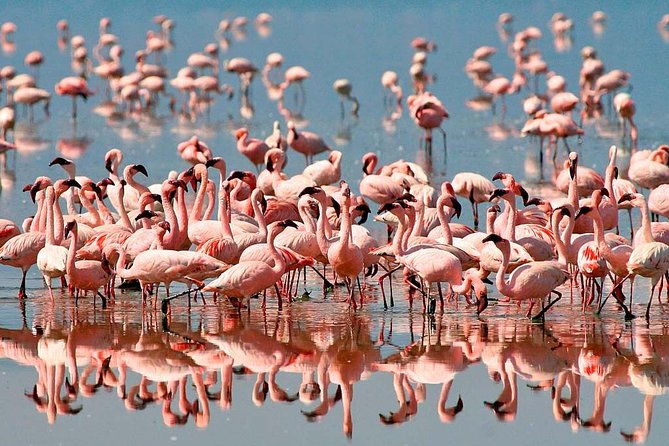
Day 2 shifts gears hard, with the drive into Serengeti via Karatu farmland and the Ngorongoro Conservation Area route corridor. You’ll arrive in time for lunch and focus your game drive around the central Serengeti area known as Seronera.
Seronera is highlighted for water access. The Seronera River helps attract wildlife, and the tour specifically calls out it as one of the richer wildlife habitats where you’re more likely to see a representative mix of Serengeti species.
This is the day many people picture when they think of a safari. The plains stretch, the light changes fast, and animal sightings can happen in bursts. You might go a while with only small clues, then suddenly hit a cluster: grazers close to the road, then predators in the area working the same scent lines.
A practical tip for Serengeti days
Keep your expectations flexible. Serengeti wildlife is not a theme park schedule. The best guide work is about reading movement and positioning your vehicle where animals are likely to appear next, not chasing far-off sightings at random.
Ngorongoro Conservation Area and Olduvai Gorge: human evolution plus predator time
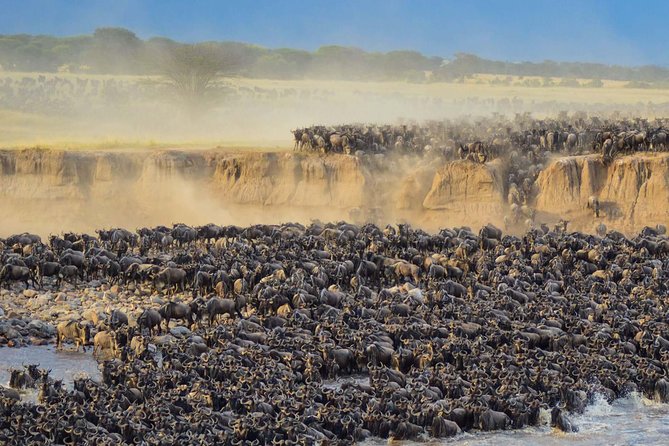
Day 3 is a two-part story: early wildlife time, then Olduvai Gorge, then a transfer to the lodge for dinner and an overnight stay at Ang’ata Tented Lodge.
The Olduvai Gorge stop is the trip’s standout education moment. It connects to the Leakey family discoveries, where Drs. Lois and Mary Leakey found skulls described as Nutcracker Man and Handy Man, both linked to the chain of human evolution. Even if you’re not a museum person, it’s compelling because you’re standing in the real place where scientists found key evidence.
After that, you’re back to safari mode. The lodge night at Ang’ata Tented Lodge is also a big part of why this tour feels memorable. You get a more safari-style setting, and you’re sleeping in the Ngorongoro area after a day that already mixed big science with big animals.
Consideration on day 3
This is a day where you might feel the emotional contrast. Evolution at Olduvai Gorge can be startlingly human in a quiet way, then you shift back to crater animals and predators. Bring a little downtime in your head, because the brain works differently when you’re taking in two very different types of awe.
Ngorongoro crater on day 4: descending over 600 meters
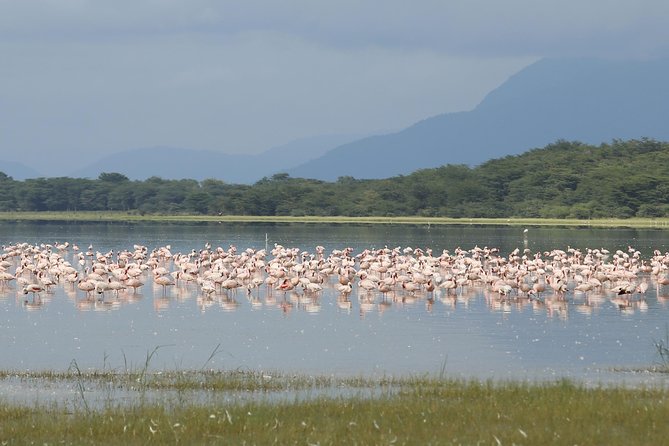
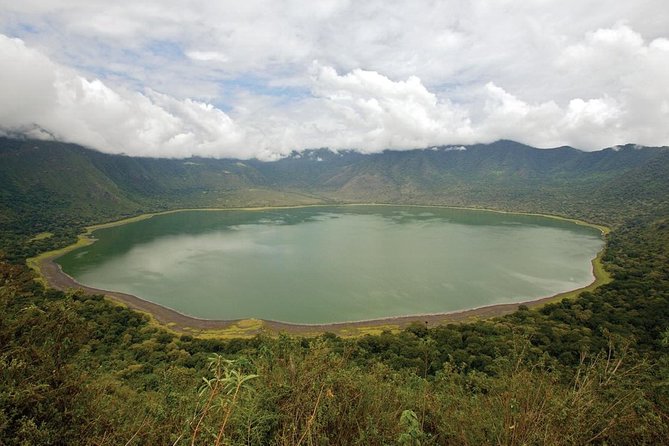
Day 4 is the crater day, and the tour frames it clearly: after an early breakfast, you descend over 600 meters into the crater to view wildlife. That drop is the whole point. Ngorongoro’s geography creates a concentration effect, which is why the crater is famous for its dense animal activity.
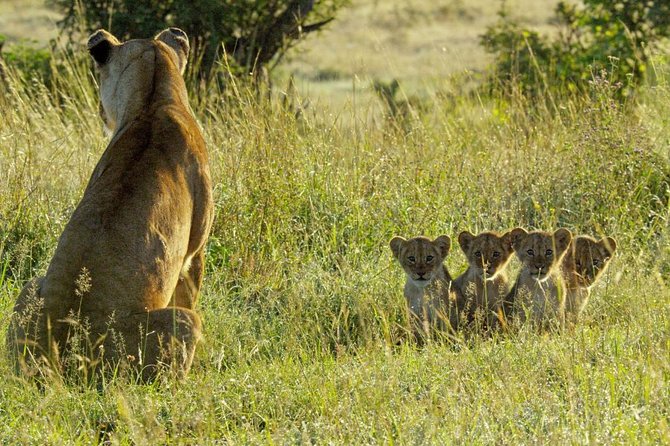
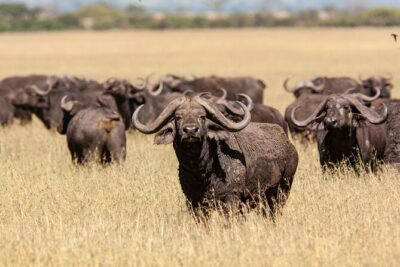
The tour lists a wide set of animals you can expect to see in the crater area, including wildebeest, zebra, buffalo, eland, warthog, hippo, and giant African elephants. It also calls out predators, including lions, hyenas, jackals, cheetahs, and the leopard, which can require a trained eye to spot.
A lot of safaris sell the Big Five concept. This itinerary also aligns with the practical truth behind it. Predators are often around prey, but timing matters. That’s where a good driver and spotter team earns their pay, scanning for movement and reading terrain.
You’ll also visit Lake Magadi, described as a large but shallow alkaline lake in the southwestern corner. It’s a specific ecosystem stop, and those small, focused moments are where the crater feels different from the open plains of Serengeti.
Lodging, meals, and why the food matters more than you expect
You’re getting real meal coverage: lunch is included four times, dinner is included three times, and breakfast is included three times. The tour also includes all fees and taxes, which helps keep your budget cleaner once you’re in Tanzania.
From the experience descriptions and the guide and cook names shared in past groups, food quality seems to be a real strength. Cooks like Gidi and Tito come up repeatedly, with people praising delicious meals along the route. Issa is also noted for food and service in the same spirit.
So what’s the practical takeaway for you? On safari, you’re burning energy and sitting for long stretches. When meals are reliable and filling, you’ll stay patient during the slow moments, and you’ll actually enjoy the waiting instead of turning it into a grumpy waiting game.
Lodging note
Marera View Lodge is your first overnight. Then you move to Ang’ata Tented Lodge. One review mentions camping-style sleep right inside the park at least part of the time, so you should expect at least one night that feels more traditional safari than hotel-lounge comfort.
Guide quality and the wildlife game plan
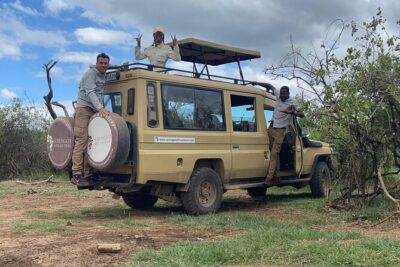
This kind of safari lives and dies on guidance. The tour includes a professional guide, and the broader feedback tied to this operator highlights specific drivers and guides who are praised for their animal spotting and communication.
Names that show up in the feedback include Eli, Andrew, Simon, and Omani, along with a standout emphasis on guides who keep working to find animals and help you see more. That kind of effort matters most for the less predictable sightings, like the leopard.
You should also pay attention to the cooking and teamwork side. Names like Gidi, Issa, Tito, and Emmanuel appear alongside praise for punctuality and flexibility. That’s a big deal on safari, because small delays compound fast when you’re trying to fit game drives into the best light.
Price and value at $1,700 per person
At $1,700 per person for about four days, this sits in a reasonable midrange bucket for a northern circuit safari that includes major park access and daily meals. The value isn’t just that you pay once and ride. It’s what’s folded in:
- private transportation
- game driving
- professional guide
- all fees and taxes
- lodging
- multiple lunches and dinners
When you compare this to DIY safari costs, the biggest savings is usually time, not just money. You’re not arranging your own vehicle access, permissions, and daily logistics across multiple parks.
Is it a bargain? For a route that includes Tarangire, Serengeti, Ngorongoro, and Olduvai Gorge, it’s priced like you’re paying for convenience and a guided route that keeps you moving efficiently. The trade-off is that you should accept a group environment with a maximum of 15 people, and you should plan to spend time on the road.
Also, tips are not included. That’s normal for Tanzania, but it means you should factor in gratuities into your overall trip budget so it doesn’t surprise you at the end.
Group size, pace, and who this tour fits best
The tour caps at 15 travelers and offers group discounts. Small groups usually make a difference because you get less crowding at key pull-off points and more flexibility for the guide to position the vehicle.
The pace is not slow travel. It’s a purposeful sprint through three major wildlife regions plus Olduvai Gorge. That can be perfect if you want a full safari highlight set without taking a whole week.
It might be less ideal if you hate early starts or if long vehicle days wear you out. The tour lists drive time and non-game viewing time for each day, which tells you that a chunk of your time is spent in transit.
Who I think will enjoy this most
If you want a first safari and you’re trying to hit the classic parks in a tight schedule, this is a strong option. If you also like adding meaningful context, Olduvai Gorge will feel like a bonus instead of filler.
My booking call: should you book this 4-day safari?
I’d book this if your priority is a well-packed route that hits Tarangire, Serengeti, and Ngorongoro, with the Olduvai Gorge stop for human evolution context. The combination of professional guiding, included meals and fees, and small group size makes it a practical choice.
I would hesitate if you want maximum comfort and minimal driving days. This is an active itinerary, and the lodging includes a tented option at Ang’ata Tented Lodge, which is part of the safari feel but not for everyone.
If you’re on a realistic budget and you want solid odds for predator sightings with guides and drivers praised for their effort, this route makes sense. Just bring patience for the long stretches, and let the guide do the heavy lifting.
FAQ
Where does the safari start?
It starts in Arusha, with the meeting point listed as Arusha Airport.
What places are included in this 4-day safari?
The route includes stops in Tarangire National Park, Serengeti National Park, Ngorongoro Conservation Area, and a visit to Olduvai Gorge. Lake Magadi is also part of the Ngorongoro day.
Is Olduvai Gorge included?
Yes. Olduvai Gorge is included as a stop on Day 3.
What accommodation is included?
The tour lists overnight lodging at Marera View Lodge and Ang’ata Tented Lodge.
What meals are included?
Lunch is included 4 times, dinner 3 times, and breakfast 3 times.
Are game drives included?
Yes. The tour includes game driving.
Are admission tickets included?
Admission tickets are included, and the tour also lists all fees and taxes as included.
What is the group size limit?
The maximum group size is 15 travelers.
Are tips included in the price?
No. Tips are not included.
Can I cancel and get a full refund?
You can cancel for a full refund if you cancel at least 24 hours in advance. If you cancel within 24 hours of the experience start time, the amount you paid will not be refunded.
Just posted around Arusha
- 8 Days Serengeti Migration safari★ 5.0 · 11 reviews
- tarangire & ngorongoro 2 days tour★ 5.0 · 14 reviews
- serengeti, ngorongoro & tarangire 4 days private tour★ 5.0 · 18 reviews
- tarangire, ngorongoro & lake manyara park 3 days private tour★ 5.0 · 11 reviews
- serengeti & ngorongoro 3 days private tour★ 5.0 · 15 reviews
- climb the KILIMANJARO via Lemosho route★ 5.0 · 4 reviews
- Mt. Kilimanjaro: Shira plateau to Cathedral point 3872m Day hike★ 5.0 · 7 reviews
- Kilimanjaro Waterfalls Hike & Moshi Hot Springs Day Trip Tour★ 5.0 · 4 reviews
4-Day Experiences, compared.
4 Days Join Group tour Tarangire Serengeti and Ngorongoro crater
Read our review →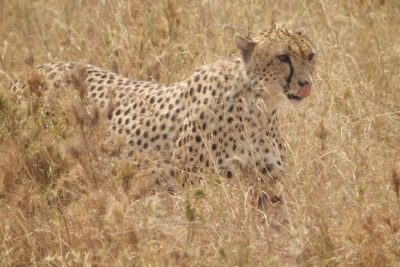
4-Day Safari from Arusha: Tarangire, Serengeti and Ngorongoro
Read our review →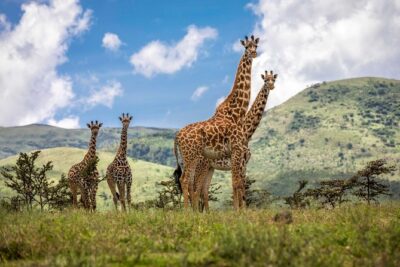
4 Days Tarangire, Serengeti and Ngorongoro Mid-Range Group Safari
Read our review →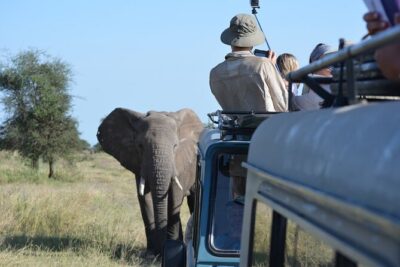
4 Days Tanzania Lodge Safari With Two Nights at Serengeti
Read our review →