Reviewed · 4-DAY EXPERIENCES
4 Days Private Migration Midrange Safari
Migration is the main event here.
This 4-day private migration safari is built around the times animals move most, with sunrise and sunset game drives and comfort lodges positioned close to where the action happens. I like that it is not just a checklist. You get long driving blocks, bush lunches with drinks, and three nights in Serengeti so you spend more time looking and less time just traveling.
One thing to consider: migration is never fully predictable, so the experience is about tracking and finding where herds are right now, not guaranteeing a specific moment. If you are the type who needs certainty, build flexibility into your expectations.
In This Review
- Key highlights you will feel right away
- Why a 4-Day Migration Safari Can Still Feel Big
- Price and logistics that actually affect your trip budget
- Entering Serengeti from Arusha: your first morning at 7:00 am
- Day 1: Arusha to Central Serengeti via Ngorongoro, sunset drive, Engiterata Adventure Camp
- Day 2: Central Serengeti to Northern Serengeti, sunrise to noon, then the move
- Day 3: Northern to Central Serengeti with long drives from Kenzani Migration Camp
- Day 4: Breakfast drive back toward Arusha, game en route in Central Serengeti
- Comfort lodges near the migration zone, plus food and drinks that keep you sane
- How to make sunrise and sunset drives work for you
- Culture moments you might catch, including Masaï encounters
- Who should book this safari, and who should consider another style
- Should you book the 4 Days Private Migration Midrange Safari?
- FAQ
- Where does the safari start and end?
- What time does the experience start?
- How long is the safari and how many nights are spent in Serengeti?
- What is included in the price?
- What is not included?
- Is this tour private?
- Can I cancel for a full refund?
Key highlights you will feel right away
- Two daily game-drive windows that match animal activity and light for spotting
- Bush lunches with drinks that keep the long days comfortable
- Three nights in Serengeti with lodges placed near the migration zone
- Central to Northern Serengeti timing so you chase movement, not one fixed area
- Food, drinks, and park fees included which makes budgeting less stressful
- A private format that keeps the safari focused on your group, not a mixed crowd
Why a 4-Day Migration Safari Can Still Feel Big
A short safari can either feel rushed or feel intentional. This one tries hard to feel intentional by stacking your day with high-value driving time. The operator builds the trip around early mornings and late afternoons, which is exactly when predators hunt, prey travels, and sight lines tend to be better.
You also get three nights in Serengeti, not just one or two. That matters because it reduces the “drive all day, sleep late, repeat” rhythm. Instead, you settle in, scan the plains, then change zones as you go, with game drives layered into the travel days.
Is it a guarantee of seeing the full drama of the migration every single second? No. But it is a solid way to increase your odds by actually moving with the seasonal pattern. Past guests also sounded genuinely thrilled by how close they could get while watching wildlife, and that sense of real proximity is what I would aim for when choosing any Serengeti trip.
More Safaris in Arusha
- Balloon Safari & Bush Breakfast in Serengeti – Miracle Experience
★ 5.0 · 1,646 reviews - 4 Days Group Camping Safari
★ 5.0 · 1,101 reviews - 5 Days Group Camping Safari
★ 5.0 · 730 reviews
Price and logistics that actually affect your trip budget
At $2,500 per person, this is not a bargain-basement safari. But it can make sense if you compare it against what you would pay piecemeal. What helps most is that the price covers the expensive parts people often forget: park fees and taxes, three nights in comfort lodges near the migration zone, and all-day meals including dietary needs.
You also get drinks included (water plus beer or wine), plus airport pickup and drop off. On a trip where your days are long and the driving is constant, meal-and-drink inclusion can be the difference between a safari that feels easy and one that feels like you are constantly recalculating costs.
The other logistics piece: this is a private tour, meaning only your group participates. That is a big deal when you want flexibility, especially if someone needs a bathroom break, you want to slow down for an animal, or you are trying to catch a specific moment in the early light. There are also group discounts listed, so if you are traveling with friends, it can be worth checking how that applies at booking.
Entering Serengeti from Arusha: your first morning at 7:00 am
Your day starts early, with a 7:00 am start in Arusha. That early pickup is not a gimmick. It is how you get to the right time of day for the best scanning and spotting.
The trip begins with a transfer out of Arusha and toward central Serengeti via Ngorongoro. Expect a pace that is more “steady travel plus watching” than “sitting in the back.” By the time you reach the central area, you will have a half game drive before sunset, which helps you build momentum right away instead of waiting until day two to start seeing wildlife.
If you want to set yourself up for an easy safari, plan for the first day as your warm-up. The goal is to land, get your bearings fast, then enjoy the sunset light. Even if you do not see everything on day one, you are learning the feel of the bush and how the spotting rhythm works.
Day 1: Arusha to Central Serengeti via Ngorongoro, sunset drive, Engiterata Adventure Camp
Day one is a mix of road time and wildlife time. After the transfer from Arusha, you do a half game drive inside central Serengeti until sunset. That timing is smart because late-afternoon sightings often include predators on the move, grazers gathering, and birds waking up for the evening.
Overnight is at Engiterata Adventure Camp. I like the logic here. After a travel day, you want a place that feels like home base. While the trip is focused on movement, you are still getting a proper night in the Serengeti zone rather than sleeping far away.
A practical note: day one can feel longer than the calendar suggests, because you start early and you are not just driving. You are also scanning the roadside and watching for wildlife during the drive window. Pack snacks or plan to rely on included meals once you are settled, and keep your water bottle handy.
More safaris from Arusha:
- 3 Days Serengeti & Ngorongoro Group Camping Safari
★ 5.0 · 574 reviews - 7-Day Premium Luxury Tanzania Safari All-Inclusive
★ 5.0 · 426 reviews - 3-Day Classic Serengeti Safari
★ 5.0 · 263 reviews - 8 Days Great Wildebeest Calving Migration Safari from Arusha
★ 5.0 · 254 reviews
Day 2: Central Serengeti to Northern Serengeti, sunrise to noon, then the move
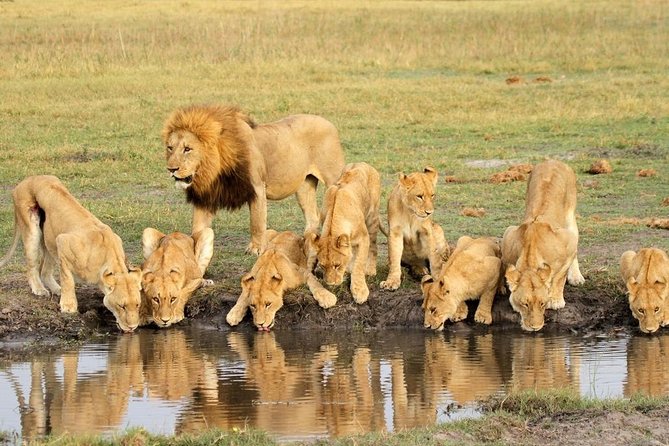
Day two is where the safari earns its migration focus. You start with a sunrise game drive in central Serengeti, going until noon. That is a strong block for spotting, because early light often reveals movement and gives you time to watch behavior, not just flash sightings.
After lunch, the plan shifts to relocation: you begin game drive en route toward Northern Serengeti, ending with an overnight at Kenzani Migration Camp. This is the kind of itinerary that helps you follow what is happening rather than insisting that everything you want must happen in one fixed location.
One consideration: moving zones means your day has more “on the move” energy than a stay-put safari. That is not bad, it is just a style choice. If you love seeing different parts of Serengeti and want more chances at the migration storyline, it is ideal. If you prefer slow mornings and zero driving, you may feel it.
Day 3: Northern to Central Serengeti with long drives from Kenzani Migration Camp
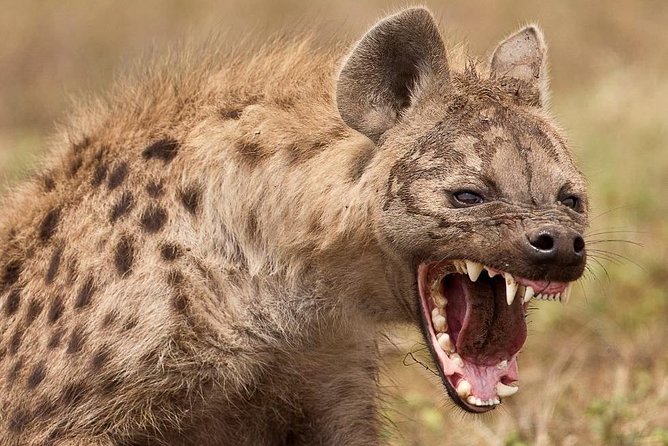
Day three is a repeat of the best part of the schedule, with a couple of tweaks that keep it fresh. You start with a sunrise game drive in Northern Serengeti until noon. Then you shift back into longer afternoon tracking, continuing the game drive after lunch until sunset.
Dinner and overnight are again at Kenzani Migration Camp, which is a smart comfort play. You get a consistent base for your second night, so you can settle in after two very active drive blocks.
This is also where you are likely to feel the trip’s value. Three days of heavy spotting, with sunrise and extended afternoon drives, tends to turn “I hope I see something” into “I see a lot.” Some past guests specifically praised the emotional impact of seeing huge wildlife variety and being able to get close enough to watch comfortably. That kind of satisfaction comes from time on the ground, not rushing past.
If you are a photo person, pay attention to how the schedule changes the light. Sunrise and sunset each give you different colors and shadow patterns. You will get more usable frames than you would from a single mid-day drive.
Day 4: Breakfast drive back toward Arusha, game en route in Central Serengeti
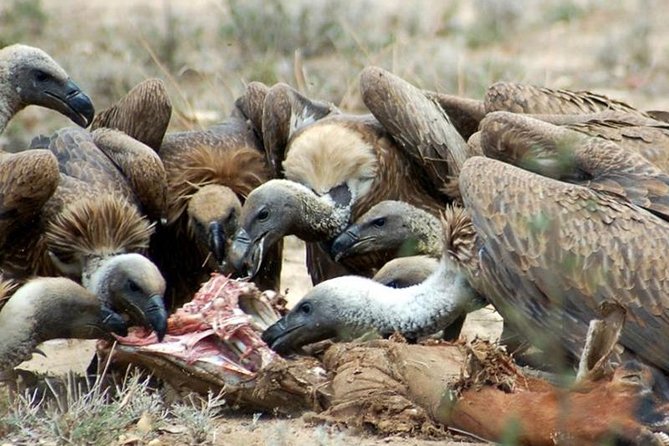
You end with an easier rhythm but you still keep the safari spirit. After breakfast, you drive from Northern Serengeti via Central Serengeti back to Arusha City. The itinerary includes a game en route via central before you reach town.
You will end the activity back at the meeting point, and the plan includes dinner and overnight at Karibu Heritage House. I like that touch because it prevents the common safari problem of feeling like you are in transit even while you are sleeping. You get a real evening in Arusha after the last drive.
On day four, the trick is to stay patient. Travel time still exists, but the included game stops keep it from feeling like a transfer only. Think of it as a final chance to spot something you missed, maybe a big cat hunting pass, or a herd gathering that you can watch before you leave.
Comfort lodges near the migration zone, plus food and drinks that keep you sane
The biggest “quality of life” wins here are not fancy extras. They are the basics, done reliably: comfort lodge nights in the right area, all-day meals, and drinks included with the water and beer or wine.
Because meals and dietary needs are included, you avoid the typical safari pain point where you are hungry at 3:00 pm but the next stop is still hours away. Bush lunches with drinks also help. You are not forced into a long stretch of driving without a proper break, and that can make spotting more enjoyable because you are not running on frustration.
The lodges being close to the migration zone is also practical. It reduces “empty miles.” When your lodge location helps shorten the time spent driving to the best areas, your game-drive time stays meaningful.
From the guest reactions you shared, what stands out is how emotionally satisfying the animal encounters felt and how much wildlife variety people noticed. That is exactly what a schedule like this can support: more time in the right places, more chances to see different species doing different things.
How to make sunrise and sunset drives work for you
These drives are the heart of the itinerary, so your comfort choices matter. You will start early and be out through changing temperatures, so dress in layers. Even when it is warm in the day, early mornings and evenings in Serengeti can feel cooler.
I also suggest you plan your focus strategy:
- Scan the open plains first, then narrow in for action, like movement lines across the grass.
- Keep your attention on behavior, not just animals. Watch for hunting, chasing, and how herds respond to sounds and predators.
- If you care about photos, take breaks during calmer stretches so you do not rush every shot.
You are doing a lot of hours in a safari vehicle. The best way to enjoy it is to accept that it is more about watching and learning the rhythm than checking items off a list. When the driver finds promising areas, the whole group will benefit if you stay relaxed and ready.
Also, keep hydration simple. You have water included, and you will likely appreciate having it easily accessible during the drive blocks.
Culture moments you might catch, including Masaï encounters
Some past guests mentioned encounters with Masaï culture as part of their overall experience. This kind of interaction can happen through guided conversations or cultural moments along the route, but the exact timing and format are not spelled out in the details you provided.
So here is the smart move: if meeting Masaï people and understanding their traditions is important to you, ask at booking what cultural time is possible during this specific itinerary. That way you are not surprised, and you can match expectations to what is truly planned.
Who should book this safari, and who should consider another style
This 4-day migration safari is a good fit if you:
- Want three nights in Serengeti and you like staying close to the action
- Prefer a schedule with sunrise plus sunset driving rather than only one long session
- Care about value because meals, drinks, and park fees are included
- Like the idea of a private tour that stays focused on your group
It may be less ideal if you:
- Hate early starts and long driving days
- Need a guarantee of seeing one very specific migration event
- Want a slower, lower-intensity safari where you maximize rest instead of scanning constantly
If you are somewhere in the middle, I would still lean toward booking. Short safari or not, the structure here is built for spotting. That is usually what makes people walk away happiest.
Should you book the 4 Days Private Migration Midrange Safari?
If you want a Serengeti trip that is serious about the migration and practical about logistics, I think this one earns a strong look. The key reasons are the schedule shape, three nights in the right area, and the inclusion of meals, drinks, and park fees that keeps the whole experience from feeling like it is nickel-and-diming you.
Book it if you are comfortable with early mornings and you want multiple chances to find wildlife across different zones. I would not book it if you are hoping to be completely hands-off while expecting perfect predictability. Migration tracking means adapting day by day, and that is part of the charm.
Before you pay, I’d simply do one quick check: confirm the dietary needs process and make sure you are clear on what the “comfort lodge” style means to you, since lodging preference is personal. If that lines up, this is a well-structured way to chase Serengeti magic in a manageable 4 days.
FAQ
Where does the safari start and end?
It starts in Arusha, Tanzania, and ends back at the meeting point.
What time does the experience start?
The start time is 7:00 am.
How long is the safari and how many nights are spent in Serengeti?
The safari runs about 4 days and includes 3 nights in Serengeti comfort lodges.
What is included in the price?
The package includes airport pickup and drop off, free hotel accommodation before and after the safari, all day meals (including dietary) and drinks (water and beer or wine), all governmental park fees and other taxes, and 3 nights in comfort lodge accommodation close to the migration zone.
What is not included?
International flights, visa, items of a personal nature, tips for the cook and guide, and travel insurance are not included.
Is this tour private?
Yes, it is listed as a private tour, and only your group participates.
Can I cancel for a full refund?
Yes, you can cancel up to 24 hours in advance for a full refund.
Just posted around Arusha
- 8 Days Serengeti Migration safari★ 5.0 · 11 reviews
- tarangire & ngorongoro 2 days tour★ 5.0 · 14 reviews
- serengeti, ngorongoro & tarangire 4 days private tour★ 5.0 · 18 reviews
- tarangire, ngorongoro & lake manyara park 3 days private tour★ 5.0 · 11 reviews
- serengeti & ngorongoro 3 days private tour★ 5.0 · 15 reviews
- climb the KILIMANJARO via Lemosho route★ 5.0 · 4 reviews
- Mt. Kilimanjaro: Shira plateau to Cathedral point 3872m Day hike★ 5.0 · 7 reviews
- Kilimanjaro Waterfalls Hike & Moshi Hot Springs Day Trip Tour★ 5.0 · 4 reviews
4-Day Experiences, compared.
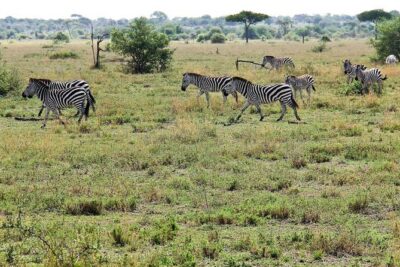
4 Days Join Group tour Tarangire Serengeti and Ngorongoro crater
Read our review →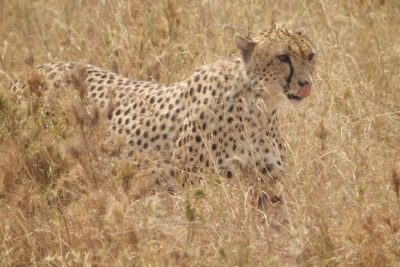
4-Day Safari from Arusha: Tarangire, Serengeti and Ngorongoro
Read our review →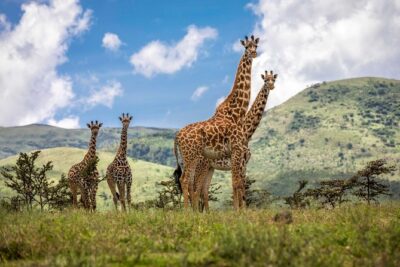
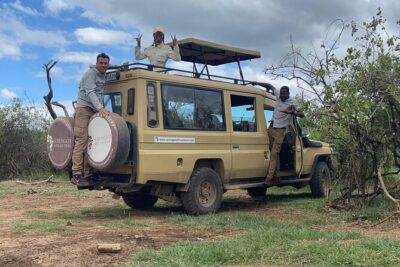
4 Days Tarangire, Serengeti and Ngorongoro Mid-Range Group Safari
Read our review →
4 Days Tanzania Lodge Safari With Two Nights at Serengeti
Read our review →