
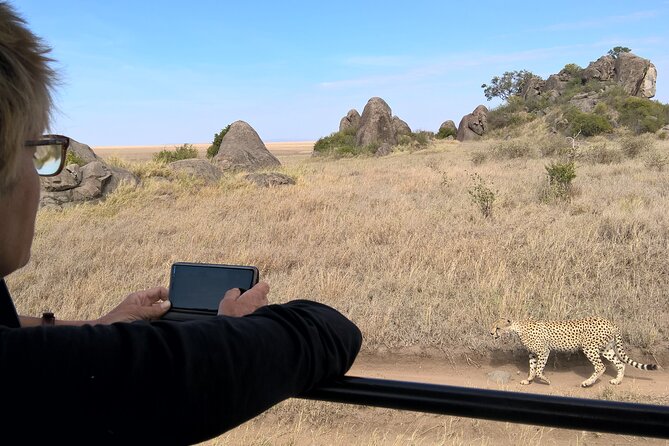
Reviewed · SERENGETI SAFARIS
4-Day Safari to Tarangire, Serengeti and Ngorongoro from Arusha – Join a group
Wildlife days start fast in Tanzania. This small-group safari links Tarangire, Serengeti, and Ngorongoro in one tight 4-day loop, with game drives in a 4WD vehicle and plenty of chances to spot big animals. I also like that you’re picked up in Arusha and dropped back at the end, so you spend less time figuring out logistics and more time looking out the roof.
Two things I really value are the rhythm of the trip and the guide time. You get long game-drive blocks in each park, plus picnic lunches, which keeps the day from turning into constant car shuffling. And the best part for many people is how guides like Mbwana and drivers like Jonas are praised for hard work on the spotting side and keeping the ride safe, even on rough terrain.
One possible consideration: this is a shared group safari (max 7 travelers), so you are trading some privacy for value. If you want total control over pace and stops, a private safari may feel better. And bring warm clothes for Ngorongoro’s crater rim, because it can get chilly even when the rest of the day feels bright.
In This Review
- Key highlights to expect
- Four parks, three parks, and one efficient Arusha loop
- Tarangire National Park: elephants, baobabs, and dry-season magic
- Serengeti on purpose: two days for big cat odds
- Day 2: arrive by midday and settle into the plains
- Day 3: start early, then move toward the crater
- Ngorongoro Crater: descend for the dense stuff
- The 4WD pop-up roof setup: why it changes your viewing
- Meals, water, and what “budget camping” really means here
- Value and price: what you’re paying for, and what you need to budget
- Who this safari is best for
- Tips to make the most of every day
- Should you book this 4-day group safari from Arusha?
- FAQ
- What parks are included on this 4-day safari?
- Where does the safari start and how does pickup work?
- How many people are in the group?
- What type of vehicle do you use for game drives?
- How long are the game drives each day?
- What time does the safari include on Ngorongoro Crater?
- Are meals and drinking water included?
- What about accommodation during the safari nights?
- What should I bring for Ngorongoro?
- What is not included in the price?
Key highlights to expect
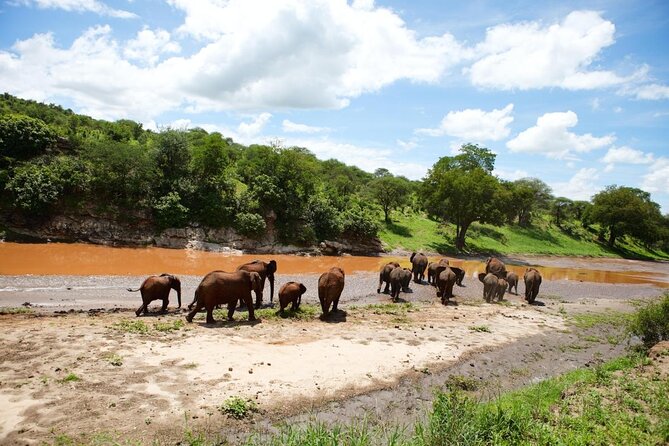
- Tarangire elephants and baobabs during the day’s best animal hours, plus a river-driven ecosystem in season
- Serengeti twice for more odds at big cat action, not just one quick hit
- Crater rim overnight with views, then an early descent into the crater the next morning
- 4WD pop-up roof + window seat guarantee, built for wildlife viewing from multiple angles
- Budget-friendly structure, including camping gear (for the budget option) and shared-cost pricing
- Guides named in real feedback, with consistent praise for enthusiasm and animal spotting skill
Four parks, three parks, and one efficient Arusha loop
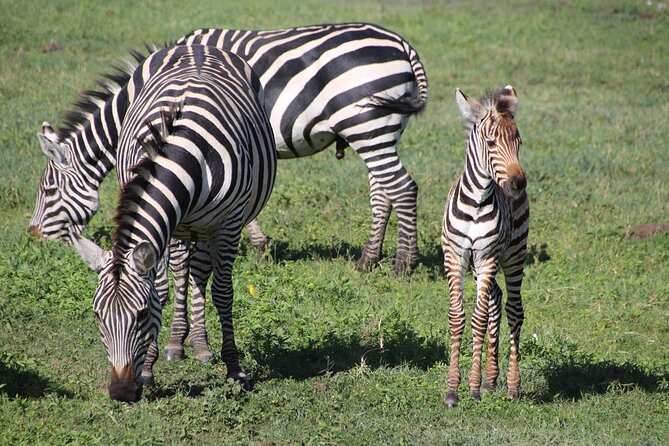
This is the classic Tanzania safari route, done in four days: Tarangire, then Serengeti, then Ngorongoro Crater. You start in Arusha with pickup at 8:30 am, and the trip is designed to minimize wasted time. That matters, because in safari country, the “best” part of the day is usually the earliest game drive hours and the last hours before sunset.
This also works well if you’re thinking budget. Since it’s a group safari capped at 7 travelers, you share the vehicle and guide time, which is how you get big national park time without private-safari pricing.
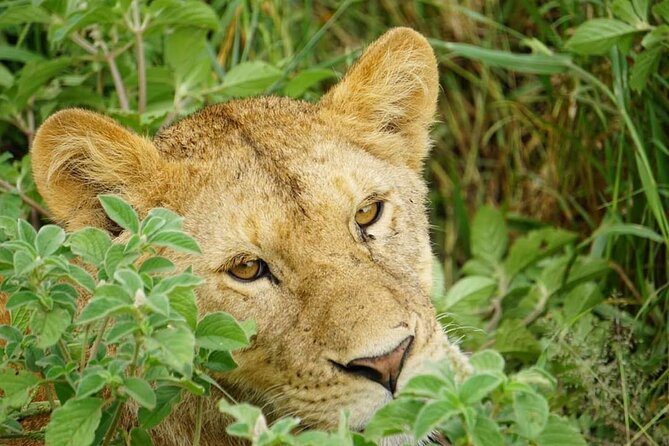
And the animal list here is broad. You’ll be chasing everything from lions and leopards to elephants and rhinos, plus the smaller stuff that makes a safari feel alive: birds, monkeys, hyenas, and even crocodiles at water edges when the timing is right.
More Safaris in Arusha
- Balloon Safari & Bush Breakfast in Serengeti – Miracle Experience
★ 5.0 · 1,646 reviews - 4 Days Group Camping Safari
★ 5.0 · 1,101 reviews - 5 Days Group Camping Safari
★ 5.0 · 730 reviews
Tarangire National Park: elephants, baobabs, and dry-season magic
Day 1 is all about Tarangire National Park, and the timing is smart. You’ll leave Arusha at 8:30 am, reach the park gate around 11 am after about 2.5 hours on the road, then get about 6 hours in the park. That’s a real day of driving for spotting, not a token “one safari loop and done.”
Tarangire has a simple ecological hook: the Tarangire River runs through the park, and in the dry season it draws animals closer to water. That means your viewing odds usually improve, especially for elephants and the animals that follow them.
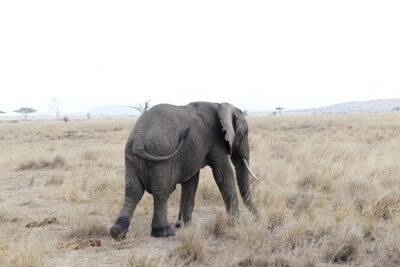
In the parks, people tend to remember two things most. First, elephant herds. Second, the iconic baobab trees that make the area feel both ancient and slightly surreal. You’ll also be looking out for giraffes, hippos, buffaloes, zebra, wildebeest, lions, hyenas, and more. Even if big cats are quiet, Tarangire can still deliver by giving you steady action around water and feeding zones.
Practical note: you’ll have a picnic lunch included, and you’ll exit the park around 5 pm. That “finish early enough” design gives you a calmer evening and keeps the group from feeling wrecked on Day 2.
Serengeti on purpose: two days for big cat odds
Serengeti is why many people book Tanzania in the first place. Here, the route gives you two separate Serengeti days, which is a big deal for your odds. You do one full day on arrival, then another early morning game-drive day before heading to Ngorongoro.
Day 2: arrive by midday and settle into the plains
After breakfast around 9 am, you drive about 3 hours toward Serengeti, passing through the Ngorongoro Highlands. Even when you’re “just driving,” you still have chances to spot wildlife en route. You’ll enter Serengeti around midday and spend around 6 hours in the park.
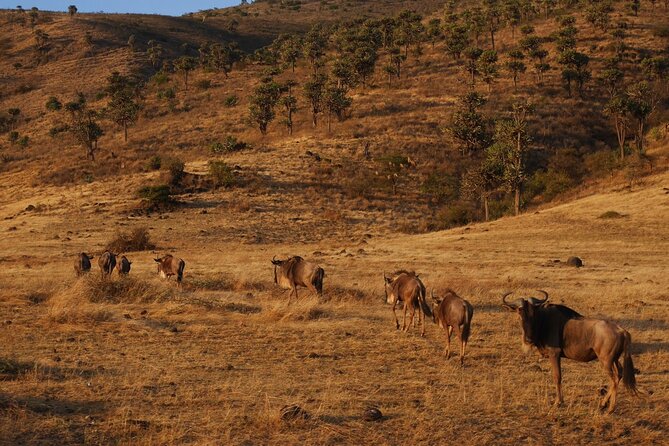
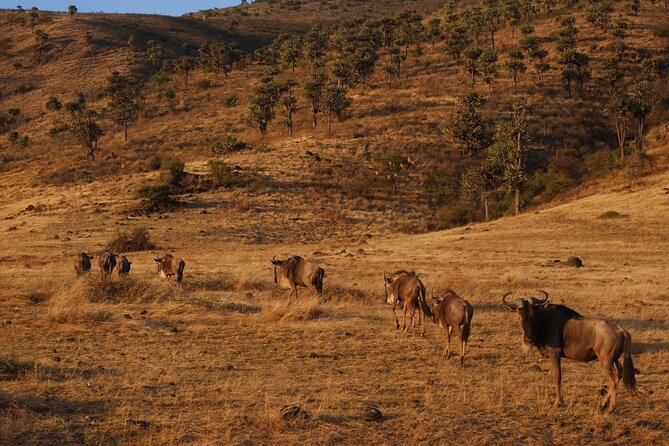
What makes this valuable is time on the endless plains. Serengeti’s open spaces can be brutal for visibility in the wrong conditions, but when the light is right, it’s excellent for scanning for movement at distance. This is also one of the best places to connect the dots between predators and prey, since you’ll see wildebeest and other herbivores that draw predators in.
More Tarangire safaris:
- 5-Day Highlights mid-Range Crater, Serengeti, Tarangire
★ 5.0 · 296 reviews - Private 6-Day Tarangire Manyara Crater and Serengeti with Mid-Range Lodges
★ 5.0 · 238 reviews - 5 Days Camping Tarangire, Serengeti & Ngorongoro crater & Visiting Maasai
★ 5.0 · 229 reviews - 4 Days Join Group tour Tarangire Serengeti and Ngorongoro crater
★ 5.0 · 219 reviews
Day 3: start early, then move toward the crater
Day 3 begins at 6:00 am, with morning game drives. Then you drive on toward Ngorongoro as you continue game driving, with a total of about 6 hours, including a picnic lunch.
Then comes the part you’ll feel the most when the sun sets: dinner and overnight on the Ngorongoro crater rim. Reviews consistently highlight how “views” are a real wow factor here. Just plan on colder air. The crater rim sits higher, and you’ll want warm layers for the evening.
Also, this sequence makes the day feel purposeful. You’re not just moving locations. You’re still chasing wildlife as you transition into the crater ecosystem.
Ngorongoro Crater: descend for the dense stuff
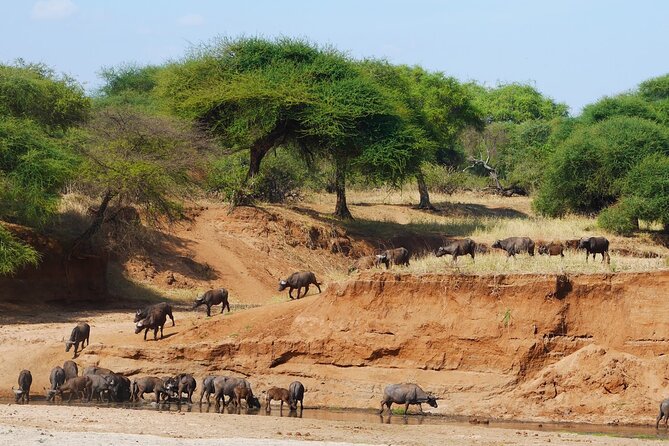
Ngorongoro Crater is its own world. The crater encloses a huge area, and the change is immediate once you descend. On Day 4, after an early breakfast, you’ll descend for game drives around 7:00 am and spend about 6 hours in the crater, including a picnic lunch at the hippo pool picnic site on the crater floor.
That hippo pool detail matters. Water concentration in the crater can create predictable viewing spots. Hippos can be visible at water edges, and the animals drawn to the area can make for tense, dramatic moments with predators nearby or circling.
This is also where you’ll aim for the heavy hitters listed for the trip: lions, buffaloes, hippos, flamingos, wildebeest, zebras, gazelles, leopards, rhinos, hyenas, elephants, and more. Not every game drive gives you all of them, but the crater environment is one of the best setups for “so many different animals in one place” days.
After the crater time, you’ll ascend around 1:00 pm and drive back to Arusha, with drop-off at your hotel.
The 4WD pop-up roof setup: why it changes your viewing
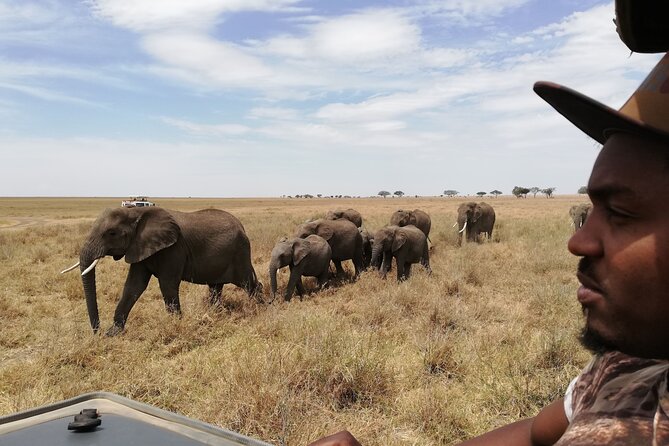
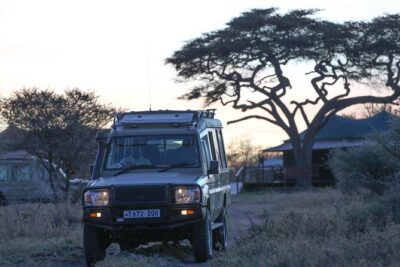
This tour uses a 4WD vehicle with pop-up roof and includes a guaranteed window seat. In plain terms, it means you can switch positions for what you’re seeing. When animals pop up on the road edge, the window seat can be easier. When something is farther out, popping up can give you a better sightline and more flexibility with spotting.
That’s also why long game-drive blocks work. You’re not fighting for a good angle every 20 minutes. You can settle into a rhythm: scan, spot, watch behavior, then enjoy the quiet moments when animals drift into view.
And since this is capped at 7 travelers, you’re less likely to feel like you’re squeezed in like sardines. You still share the vehicle, but you have space to keep your focus on the wildlife instead of your knees.
Meals, water, and what “budget camping” really means here
You’re not going to have to micromanage food every day. Meals are included in a simple pattern:
- Breakfast: 3
- Lunch: 4
- Dinner: 3
Also, you get 1.5 liters of bottled drinking water per person per day. For safari days, that’s a big comfort detail. You’ll be scanning the horizon, walking in and out of the vehicle, and sitting out in the sun, so having water handled for you keeps the day smoother.
Accommodation is offered in Deluxe, Comfort, or Budget versions. For the budget option, the included gear is spelled out: tent, mattress and sleeping bag. That’s why camping shows up in real feedback as a fun and memorable option. It also signals what to expect: you’re not booking a spa hotel at night. You’re booking safari sleep, with the “tents and stars” feel.
If you want comfort, choose Comfort or Deluxe when available. If you want the most “in it” experience, the budget option is likely the most hands-on.
Value and price: what you’re paying for, and what you need to budget
The listed price is $1,050 per person for about four days. For a safari that hits three major areas with multiple game-drive sessions, that cost is mainly paying for:
- Park-time access and the structured routing between parks
- A professional guide and dedicated driving time in a 4WD vehicle
- Included meals and daily water
- Lodging for the safari nights
What you should plan to pay separately is clearly listed:
- Tips (highly recommended)
- Personal items like drinks other than water and alcoholic beverages
- Flights and visa
- Accommodation for nights before or after the safari
My practical take: if you already have your visa and you’re comfortable tipping, this kind of inclusive setup is a good way to keep your total trip cost under control. And if you’re traveling on a budget, the group size cap helps justify the price because your per-person share stays reasonable.
Who this safari is best for
This works especially well if you:
- Want to see Tarangire plus Serengeti plus Ngorongoro without spending for a private itinerary
- Like meeting people and sharing the day with a small group (up to 7)
- Are happy with long game-drive days, picnic lunches, and focused wildlife time
It might be less ideal if you:
- Want a totally flexible schedule and zero sharing
- Are very sensitive to early mornings and crater rim temperature changes
- Prefer a quieter, more private lodge setup every night
As for animal goals, you’re playing the odds for the well-known big species. Even when something is distant, the trip is set up for spotting opportunities across different ecosystems, so your day isn’t dependent on one single moment.
Tips to make the most of every day
A few practical things will make your safari easier:
- Start early mentally. Days begin before you’re fully “awake,” especially around 6:00 am on Serengeti Day 3.
- Pack warm layers for Ngorongoro crater rim. The guide advice is direct for a reason: it gets chilly at elevation.
- Bring sunscreen and sunglasses. You’ll be out for hours, and the open country can reflect light hard.
- Use the pop-up roof when spotting gets harder from the window. It’s there for a reason, and switching angles helps.
And one more tip from how people talk about this safari: choose your guide experience mindset. In feedback tied to guides like Mbwana and drivers like Jonas, the recurring theme is that strong guiding turns wildlife sightings into real moments. Ask questions when you’re stopped, listen during movement, and take note of how they explain behavior and habitat. You’ll get more out of the time on the road.
Should you book this 4-day group safari from Arusha?
I’d book this if you want a classic Tanzania “greatest hits” itinerary and you value value. The combination of two Serengeti days, a full Tarangire session, and a structured Ngorongoro descent is a smart way to build viewing chances. Add in the included 4WD setup, bottled water, and meal plan, and it’s a low-stress way to do a big safari.
I’d think twice if you know you hate shared group timing, or if cold weather on the crater rim would be a real problem for you. Otherwise, this route is well set up for first-time safari fans and repeat visitors who still want a clean, efficient plan that gets you to the right places at the right times.
FAQ
What parks are included on this 4-day safari?
You’ll visit Tarangire National Park, Serengeti National Park, and Ngorongoro Crater.
Where does the safari start and how does pickup work?
The tour starts in Arusha. You’re picked up at your accommodation at 8:30 am.
How many people are in the group?
The group size is capped at a maximum of 7 travelers.
What type of vehicle do you use for game drives?
Game drives happen in a 4WD vehicle with a pop-up roof, and you get a guaranteed window seat.
How long are the game drives each day?
You’ll typically have about 6 hours of game drives on each park day, including a picnic lunch.
What time does the safari include on Ngorongoro Crater?
You descend into the crater around 7:00 am and spend about 6 hours there, including a picnic lunch.
Are meals and drinking water included?
Yes. Breakfast is included on 3 days, lunch on 4 days, and dinner on 3 days. You also get 1.5 liters of bottled drinking water per person per day.
What about accommodation during the safari nights?
Accommodation is included for the safari nights and comes in Deluxe, Comfort, or Budget options. For the budget version, the tour includes a tent, mattress, and sleeping bag.
What should I bring for Ngorongoro?
Bring warm clothes for the Ngorongoro crater rim overnight, since it can get chilly.
What is not included in the price?
Tips, items of personal use (like drinks other than water and alcoholic beverages), flights, visa, and accommodation for nights before or after the safari are not included.
More Ngorongoro Crater Trips
- 2 Days Tarangire and Ngorongoro Group Camping Safari
★ 5.0 · 146 reviews - 4 Days Tarangire Serengeti Ngorongoro Crater
★ 5.0 · 117 reviews - 3 Days Tarangire, Ngorongoro & Lake Manyara Group Camping Safari
★ 5.0 · 102 reviews - 3 Days Private Safari – manyara, Ngorongoro & Tarangire
★ 5.0 · 94 reviews
More Serengeti Safaris
- 3 Days Serengeti & Ngorongoro Group Camping Safari
★ 5.0 · 574 reviews - 3-Day Classic Serengeti Safari
★ 5.0 · 263 reviews - 10-Day Serengeti Wildebeest Migration Safari from Arusha
★ 5.0 · 218 reviews - 4-Day Safari from Arusha: Tarangire, Serengeti and Ngorongoro
★ 5.0 · 173 reviews
Just posted around Arusha
- 8 Days Serengeti Migration safari★ 5.0 · 11 reviews
- tarangire & ngorongoro 2 days tour★ 5.0 · 14 reviews
- serengeti, ngorongoro & tarangire 4 days private tour★ 5.0 · 18 reviews
- tarangire, ngorongoro & lake manyara park 3 days private tour★ 5.0 · 11 reviews
- Mt. Kilimanjaro: Shira plateau to Cathedral point 3872m Day hike★ 5.0 · 7 reviews
- serengeti & ngorongoro 3 days private tour★ 5.0 · 15 reviews
- climb the KILIMANJARO via Lemosho route★ 5.0 · 4 reviews
- Kilimanjaro Waterfalls Hike & Moshi Hot Springs Day Trip Tour★ 5.0 · 4 reviews
Serengeti Safaris, compared.
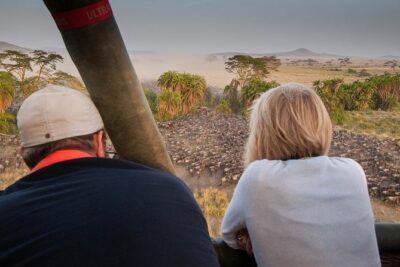
Serengeti Balloon Safari and authentic bush breakfast
Read our review →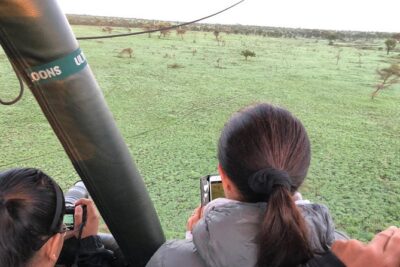
Balloon Safari & Bush Breakfast in Serengeti – Miracle Experience
Read our review →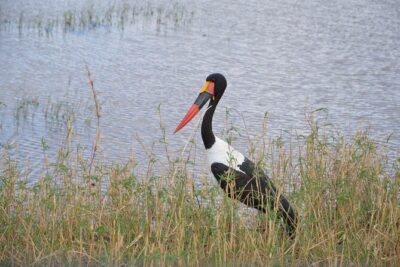
3 Days Serengeti & Ngorongoro Group Camping Safari
Read our review →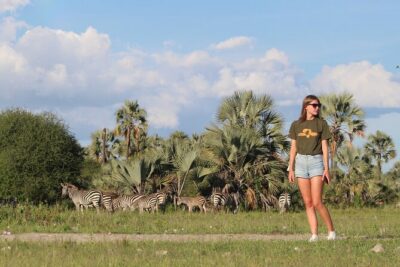
5-Day Highlights mid-Range Crater, Serengeti, Tarangire
Read our review →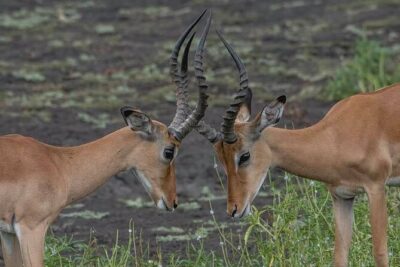
Private 6-Day Tarangire Manyara Crater and Serengeti with Mid-Range Lodges
Read our review →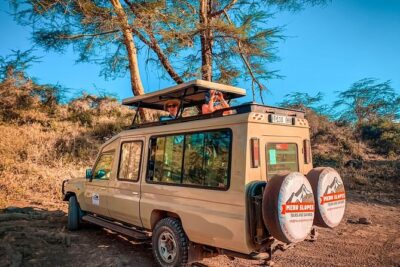
5 Days Camping Tarangire, Serengeti & Ngorongoro crater & Visiting Maasai
Read our review →Browse the lists this tour appears in