
Reviewed · SERENGETI SAFARIS
4-Day Safari from Arusha: Tarangire, Serengeti and Ngorongoro
Three parks, four days, big sightings. This safari is built for maximum wildlife time and efficient routing, with drives in Tarangire, the Serengeti, and the Ngorongoro Crater plus day-to-day meals handled. I like that you get park access and all fees bundled in, so you can focus on what matters, the game drives and the animal drama. I also like the sleep setup, lodge and tented camps with self-contained rooms and hot showers. One thing to consider, if you are the type who hates early starts or long bumpy drives, the schedule is packed, and the day runs can feel full.
This is a private safari out of Arusha, available daily, and it runs year-round. Based on the guide track record, you can expect strong spotting skills, like guides named Isaac, Six, John and Anock, Ali and Joseph, and Kaana, plus managers like Peter who keep communication tight.
In This Review
- Key things to know before you go
- How this 4-day safari fits together (and why it works)
- Arusha pickup at 8:30 and what that means for your day
- Day 1 in Tarangire: baobabs, acacia woodland, and big elephant herds
- Day 2 in Serengeti: Seronera area and the payoff of staying on schedule
- Day 3 in Serengeti and then to Ngorongoro: morning drive plus a crater day in the making
- Day 4 in Ngorongoro Crater: the dense wildlife box
- Camps and sleeping setup: lodge or tented camp, with hot showers
- Food and water: included meals for vegetarian and non-vegetarian diets
- Guides and spotting: why this safari seems to get strong animal results
- Transport and parks timing: 4×4 vehicle days, expect full days
- Price and value: what $1,754.88 per person is really paying for
- Who this safari suits best
- Best booking choices to make before you pay
- Should you book this safari from Arusha?
- FAQ
- What parks are included in the 4-day safari from Arusha?
- What time does the tour start, and where is the meeting point in Arusha?
- Is the tour private?
- What is included in the price?
- What type of accommodation is provided?
- Are park admissions and meals included?
- What is the cancellation policy?
Key things to know before you go
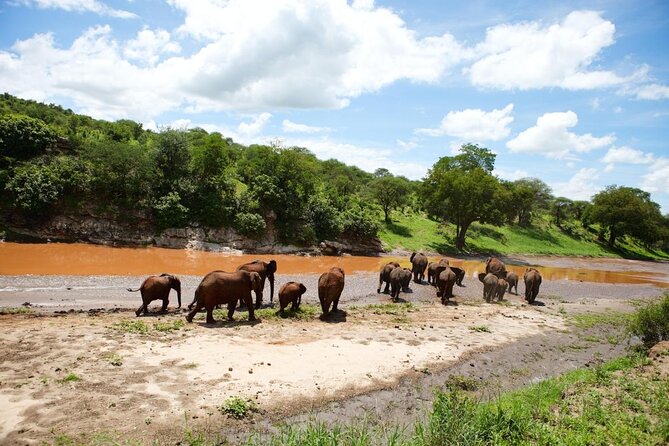
- Tarangire elephants and rare species, with acacia woodland and baobabs doing the talking
- Serengeti time in the Seronera area, where the Seronera River pulls wildlife close
- Ngorongoro Crater density, including a good chance at predators and the black rhino (seasonal, never guaranteed)
- All meals included for both vegetarian and non-vegetarian diets, plus 1.5 liters of drinking water per person per day
- Hot showers at camp, even if you choose tented accommodation
- Private safari routing, minimum 2 people per booking, so you are not squeezed into a giant group
How this 4-day safari fits together (and why it works)
This itinerary makes sense for first-time safari planners. You start where animals gather in huge numbers in Tanzania’s dry season, Tarangire. Then you move into the wide-open drama of the Serengeti, where sightings often feel constant if you stay patient and stay on schedule. Finally, you drop into the Ngorongoro Crater for one of the most concentrated wildlife settings you will ever see.
The practical value is the pacing. You are not spending your whole trip stuck in paperwork or waiting around. Instead, you are on the road in 4×4 safari vehicles for game drives, and the camps take care of food and sleep at the end of each day. That matters because on safari, fatigue steals your focus. The more your logistics are handled, the more you notice everything.
More Safaris in Arusha
- Balloon Safari & Bush Breakfast in Serengeti – Miracle Experience
★ 5.0 · 1,646 reviews - 4 Days Group Camping Safari
★ 5.0 · 1,101 reviews - 5 Days Group Camping Safari
★ 5.0 · 730 reviews
Arusha pickup at 8:30 and what that means for your day
The experience starts at 8:30 am at Msumbi Coffees TFA Shopping Complex, on Sokoine Rd in Arusha. The tour ends back at the same meeting point.
That morning start is normal for Tanzania safaris, but it changes how you should pack and plan. If you want the best mood for your first drive, sleep well the night before and keep small essentials easy to reach. You will be spending a lot of time in a vehicle and out in the bush, so comfortable layers beat one big jacket you never end up wearing.
Also note the “private” part. Only your group participates, and the booking has a minimum of 2 people. If you are a solo traveler, you might want to double-check how that minimum is handled by the operator when you book.
Day 1 in Tarangire: baobabs, acacia woodland, and big elephant herds
Day 1 is your full day game drive in Tarangire National Park, with picnic lunch. You drive from Arusha to the park and then spend around six hours on safari time, with admission covered under the included fees.
Tarangire’s setup is a big part of why it is a great opener. The park is known for acacia woodland and giant African baobab trees. In the dry season, animals concentrate around water sources. Both the river and swamp areas act like magnets, so you are not just driving through scenery, you are driving toward wildlife.
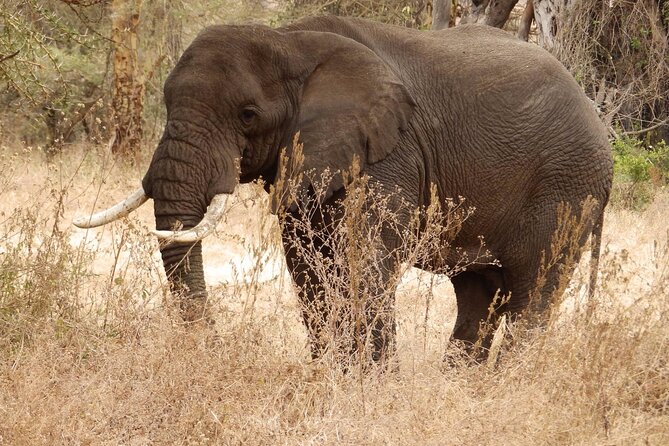
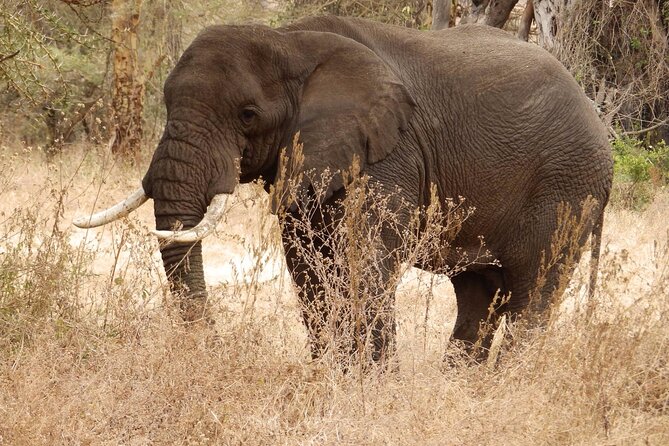
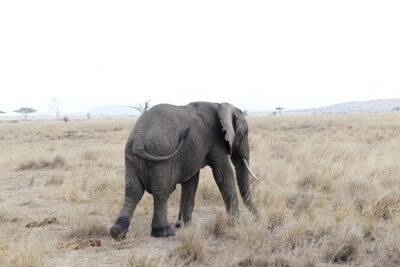
Tarangire is also famous for large elephant herds. If your goal is to see elephants clearly, not just as a silhouette in the distance, this is a strong first stop.
A neat detail in the park’s lineup: Tarangire has rare species mentioned in the experience description, including Greater Kudu and Fringed-eared Oryx, plus Ashy Starlings. You might not see all of them, but it tells you the park is not only elephants and zebras.
What I like about starting here: elephants can reset your expectations. Once you see how close wildlife can get during a proper game drive, you tend to enjoy the rest of the trip more, because you stop expecting perfection and start enjoying the process.
Day 2 in Serengeti: Seronera area and the payoff of staying on schedule
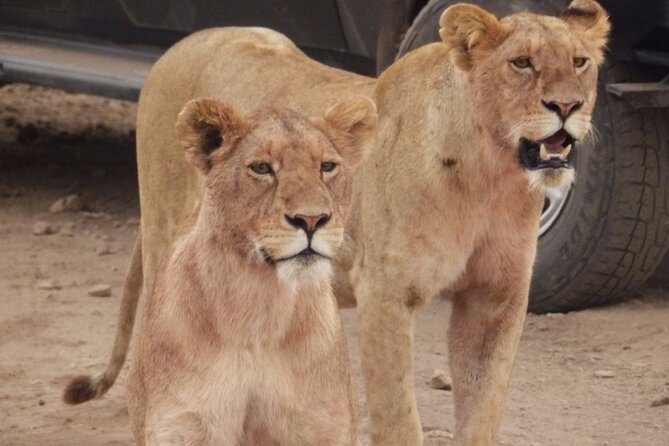
Day 2 shifts you from the high-lying farmland area of Karatu and through the Ngorongoro Conservation Area before descending into the Serengeti. You then head to the Seronera area, which is singled out as one of the richest wildlife habitats.
You get about four hours in the Serengeti, with the Seronera River playing an important role. Water changes everything. Where water is steady, animals stay consistent. That is how you turn “we went to the Serengeti” into “we actually watched behavior.”
Serengeti days often come down to one thing: patience. In a place this large, sightings can be hit-or-miss if you guess wrong on timing. The value here is that you are not wandering aimlessly. You are heading for a known wildlife zone, and you are staying out on the day drive long enough to get more than one quick pass.
One consideration: four hours is a solid chunk, but the Serengeti is huge. If your personal goal is seeing the most species possible, you will still want to keep your hopes flexible. The route gives you a good chance at a variety, but it does not promise specific animals on a timetable.
More Tarangire safaris:
- 5-Day Highlights mid-Range Crater, Serengeti, Tarangire
★ 5.0 · 296 reviews - Private 6-Day Tarangire Manyara Crater and Serengeti with Mid-Range Lodges
★ 5.0 · 238 reviews - 5 Days Camping Tarangire, Serengeti & Ngorongoro crater & Visiting Maasai
★ 5.0 · 229 reviews - 4 Days Join Group tour Tarangire Serengeti and Ngorongoro crater
★ 5.0 · 219 reviews
Day 3 in Serengeti and then to Ngorongoro: morning drive plus a crater day in the making
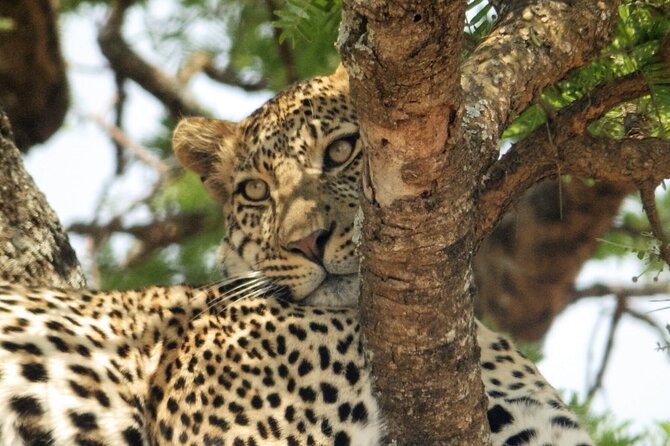
Day 3 starts with early breakfast, then a morning game drive in Serengeti. After that, you depart toward the Ngorongoro Conservation Area, with a game drive en route.
This “morning drive then move” approach is a smart way to get more value from fewer days. Early hours can make a difference in animal activity, and the en-route drive helps you avoid losing time. It also breaks up the travel so the day does not feel like pure transit.
If you are the type who likes to understand what you are seeing, this day structure helps. You go from Serengeti plains behavior to the conservation-area approach, and then into the unique crater environment on Day 4. It is a natural storyline.
Day 4 in Ngorongoro Crater: the dense wildlife box
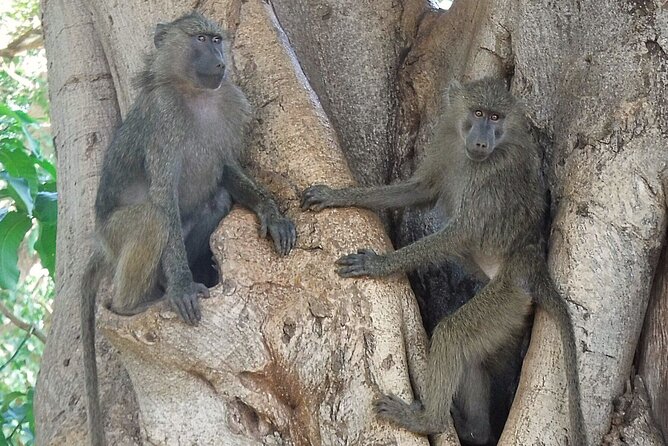
Day 4 is the signature finish: you descend into the Ngorongoro Crater after breakfast and enjoy a crater game drive. You also have a picnic lunch on the crater floor.
Ngorongoro Crater is described as one of the most densely crowded African wildlife areas in the world, with an estimated 30,000 animals. That density is the draw, because it increases your odds of seeing multiple species in a short time, including some of Tanzania’s last remaining black rhino.
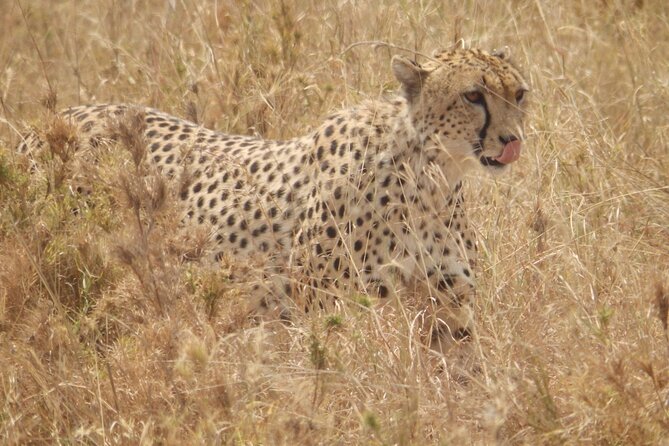
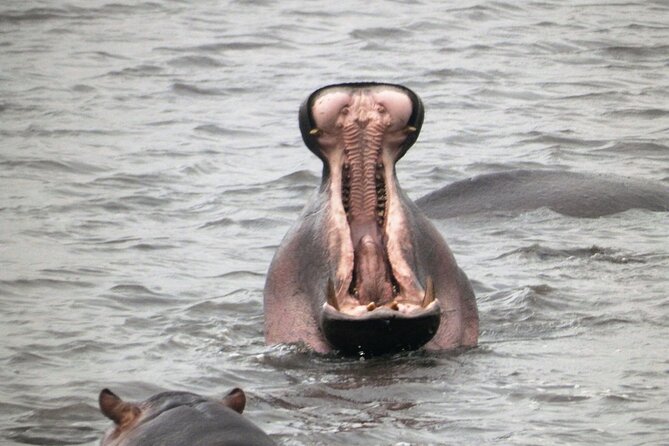
The crater’s year-round water and fodder are part of why it stays so active. The experience description lists many of the animals you might see, including herds of wildebeest, zebra, buffalo, eland, warthog, hippo, and giant African elephants. You may also get predators in the mix: lions, hyenas, jackals, cheetahs, and even leopard.
Reality check, but a useful one: even in a place this concentrated, sightings depend on season and daily movement. What this itinerary does well is that it gives you the right setting and enough time to look carefully rather than rushing you out.
Camps and sleeping setup: lodge or tented camp, with hot showers
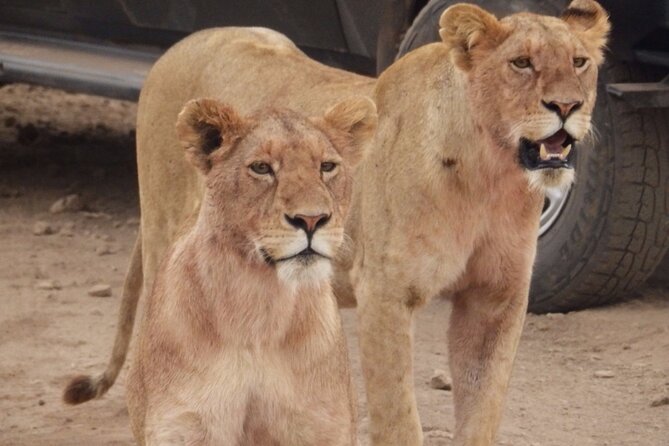
Your accommodation is lodge and tented camps, with self-contained rooms and hot showers. That is a big quality-of-life detail. On safari, the bathroom matters more than people think. Hot water at the end of long drives makes your whole trip feel more comfortable.
Some of the review stories lean into the romance and the realism of tented camps. People talk about sleeping with the sounds of hyenas, zebras, buffalo grazing near camp, and even lions moving through at night. That can be thrilling if you are okay with camp life being part of the experience, not something you try to escape.
If you prefer a quieter night, a lodge might suit you more. Either way, the key is that you get your own room and basic comfort rather than rough shared setups, based on the tour information.
Food and water: included meals for vegetarian and non-vegetarian diets
Meals are included for breakfast, lunch, and dinner. The experience also notes drinking water of 1.5 liters per person per day, which is practical on long park days.
Having meals included matters because it keeps you from hunting for food between locations. It also reduces decision fatigue. Vegetarian travelers get included meal support too, which is not always true on safari packages.
One small strategy tip: eat like you expect to be outside for hours. If you can, start your morning with solid energy, and don’t save all your appetite for the last meal of the day. The rhythm is usually breakfast, drive, picnic lunch, then camp dinner.
Guides and spotting: why this safari seems to get strong animal results
The tour experience emphasizes the driver-guide, and the reviews highlight that the best moments often come down to spotting skill and calm driving. Names that come up in reviews include Isaac, Six, Joseph, Ali, John and Anock, and Kaana. Manager Peter also appears in one review as quick to answer questions.
A good guide does two things for you:
1) They find animals, not just land near them.
2) They help you notice the small stuff, like tracks, body language, and where prey is moving.
That is what makes the difference between seeing animals and understanding what the animals are doing. It also explains why many people cite big sightings, like rhino spotted from far away or repeated predator sightings such as leopard.
Transport and parks timing: 4×4 vehicle days, expect full days
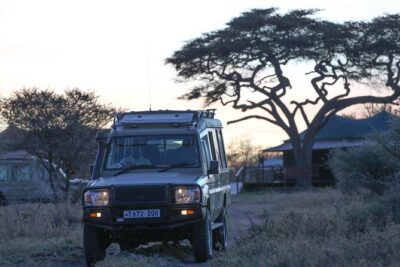
You travel in a 4×4 safari vehicle during the safari portion. This is the right setup for Tanzanian national parks and conservation areas because roads and terrain can be unpredictable outside the main highways.
The schedule includes driving between Arusha and the parks and game driving once you arrive. That means your day is not a simple schedule of start and stop. It is more like: arrive, settle into the rhythm, scan the horizon, and then wait for the animal behavior to show itself.
If you are prone to motion sickness, pack what you use and keep your focus on the road, or a fixed point outside. The itinerary is not “slow tourism.” It is safari touring.
Price and value: what $1,754.88 per person is really paying for
The price listed is $1,754.88 per person for the 4-day safari. On paper, that can sound like a splurge. But when you break down what is included, it starts to look like a bundled safari package rather than a bare-bones tour.
Included items cover:
- All fees and taxes
- Driver-guide
- 4×4 safari transport
- Accommodation during the safari
- Meals (breakfast, lunch, dinner)
- Drinking water at a stated amount per person per day
Also, the day activities for Tarangire, Serengeti, and Ngorongoro show admission as free, which lines up with the statement that fees are included. For you, that means fewer surprises. You can budget without having to track separate park entry costs mid-trip.
Where costs can rise after booking is mainly in extras. Optional activities listed include balloon rides and visiting a local village like a Maasai Village. Tips to the driver-guide and cook are also not included. If you want those experiences, plan for them early so you do not end up pulling money at the last minute.
Who this safari suits best
This package fits well if you want a classic Tanzanian route with a strong chance at variety across ecosystems in just four days.
It is especially good for:
- Couples or small groups who want privacy rather than a large shared group
- First-time safari planners who want a logical path through Tarangire, Serengeti, and Ngorongoro
- Travelers who care about comfort details, like hot showers and included meals
It may not fit as well if:
- You want a slower pace with fewer long drive hours
- You prefer purely lodge stays and do not want any chance of tented camp nights, even though the tents still come with self-contained rooms and hot showers
Best booking choices to make before you pay
I suggest you clarify your accommodation style preference up front. The tour offers lodge and tented camps, and while both include hot showers, your personal comfort with tent camp sounds matters.
Also think about what you want from the trip:
- If you want elephants early and easy big-animal energy, Tarangire on Day 1 is your warm-up act.
- If you want open-plains wildlife watching, Day 2 and the morning of Day 3 in Serengeti are your main attraction.
- If you want a concentrated wildlife finish, Ngorongoro on Day 4 is the closer.
And if you care about animal variety rather than checking off names, keep your expectations flexible. This itinerary is designed to give you repeated chances to see predators and iconic species, but safari still runs on nature’s schedule.
Should you book this safari from Arusha?
Book it if you want a solid four-day circuit that actually covers three of the big Tanzania highlights, with included park access, included meals, 4×4 transport, and hot-shower accommodations. The value is in what is handled for you, especially meals and fees, and the itinerary keeps you moving in a way that makes sense.
Consider another option if you want long downtime between drives, or if you are traveling solo and would struggle with the minimum-two-person booking rule. Also, if you are very sensitive to schedule intensity, the “full days plus early starts” format may feel like too much.
If your plan is to prioritize wildlife time over logistics and you are okay with a packed schedule, this is the kind of safari route that often leaves people talking about specific animal moments, not just the fact that they went.
FAQ
What parks are included in the 4-day safari from Arusha?
The safari covers Tarangire National Park, Serengeti National Park, and Ngorongoro Crater (in the Ngorongoro Conservation Area).
What time does the tour start, and where is the meeting point in Arusha?
It starts at 8:30 am at Msumbi Coffees TFA Shopping Complex on Sokoine Rd, Arusha. The tour ends back at the same meeting point.
Is the tour private?
Yes. It is a private safari with only your group participating, and it has a minimum of 2 people per booking.
What is included in the price?
The package includes all fees and taxes, 4×4 safari transport, a driver-guide, accommodation, and meals (breakfast, lunch, dinner). It also includes drinking water (1.5 liters per person per day).
What type of accommodation is provided?
Accommodation is in lodge and tented camps in self-contained rooms with hot showers.
Are park admissions and meals included?
Yes. The tour information indicates admission tickets are covered for the park activities, and meals (breakfast, lunch, dinner) are included for both vegetarian and non-vegetarian options.
What is the cancellation policy?
You can cancel for a full refund if you cancel at least 24 hours before the experience’s start time. The experience also notes weather dependence, and if it is canceled due to poor weather, you are offered a different date or a full refund.
More Ngorongoro Crater Trips
- 2 Days Tarangire and Ngorongoro Group Camping Safari
★ 5.0 · 146 reviews - 4 Days Tarangire Serengeti Ngorongoro Crater
★ 5.0 · 117 reviews - 3 Days Tarangire, Ngorongoro & Lake Manyara Group Camping Safari
★ 5.0 · 102 reviews - 3 Days Private Safari – manyara, Ngorongoro & Tarangire
★ 5.0 · 94 reviews
More Serengeti Safaris
- 3 Days Serengeti & Ngorongoro Group Camping Safari
★ 5.0 · 574 reviews - 3-Day Classic Serengeti Safari
★ 5.0 · 263 reviews - 10-Day Serengeti Wildebeest Migration Safari from Arusha
★ 5.0 · 218 reviews - 4-Day Safari from Arusha: Tarangire, Serengeti and Ngorongoro
★ 5.0 · 173 reviews
Just posted around Arusha
- 8 Days Serengeti Migration safari★ 5.0 · 11 reviews
- tarangire & ngorongoro 2 days tour★ 5.0 · 14 reviews
- serengeti, ngorongoro & tarangire 4 days private tour★ 5.0 · 18 reviews
- tarangire, ngorongoro & lake manyara park 3 days private tour★ 5.0 · 11 reviews
- serengeti & ngorongoro 3 days private tour★ 5.0 · 15 reviews
- climb the KILIMANJARO via Lemosho route★ 5.0 · 4 reviews
- Mt. Kilimanjaro: Shira plateau to Cathedral point 3872m Day hike★ 5.0 · 7 reviews
- Kilimanjaro Waterfalls Hike & Moshi Hot Springs Day Trip Tour★ 5.0 · 4 reviews
Serengeti Safaris, compared.
Serengeti Balloon Safari and authentic bush breakfast
Read our review →
Balloon Safari & Bush Breakfast in Serengeti – Miracle Experience
Read our review →
3 Days Serengeti & Ngorongoro Group Camping Safari
Read our review →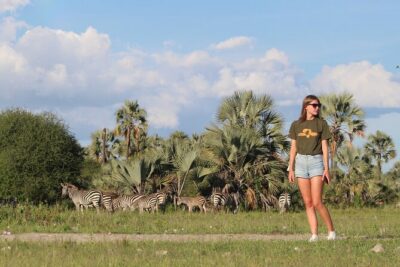
5-Day Highlights mid-Range Crater, Serengeti, Tarangire
Read our review →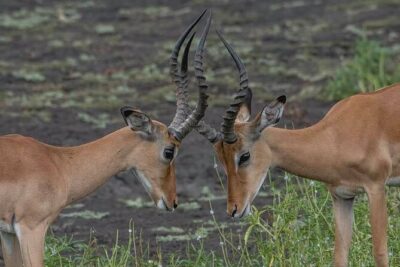
Private 6-Day Tarangire Manyara Crater and Serengeti with Mid-Range Lodges
Read our review →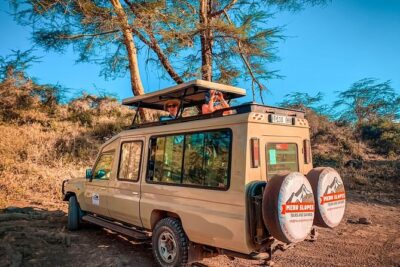
5 Days Camping Tarangire, Serengeti & Ngorongoro crater & Visiting Maasai
Read our review →Browse the lists this tour appears in