
Reviewed · SERENGETI SAFARIS
3 Days Tanzania Private Budget Safari to Serengeti & Ngorongoro
Serengeti and Ngorongoro in just 3 days. This private safari-style trip from Arusha packs two of Tanzania’s biggest animal hotspots into a tight schedule, with pickup, an experienced guide, and game drives built around real sightings. I especially like two things: the admission ticket free setup that keeps park costs from surprising you later, and the simple, practical camp-night approach that fits a budget without feeling bare-bones. The one tradeoff is that you live on safari time, with full days (about 8 hours each) and budget campsites instead of comfy hotel beds.
If you want a no-nonsense big-game look that doesn’t eat your whole travel budget, this is a strong match. You get professional guiding, meals (breakfast, lunch, dinner as listed), and all fees and taxes covered in the price, plus mobile tickets. Just go in with the right expectation: you are trading room-service luxury for close-up wildlife time.
In This Review
- Key Highlights You’ll Care About Most
- Why This 3-Day Serengeti and Ngorongoro Plan Is Good Value
- Day 1 in Serengeti: Your First Game Drive and Safari-Style Evening
- Day 2 Full Day in Serengeti: Plains Time, Picnic Lunch, and Migration Season
- Day 3 Ngorongoro Crater: Descent Views, Lions and Elephants, Picnic at Height
- Private Budget Safari Reality: What You’ll Actually Experience
- Packing and Timing Tips for 7:00 am Starts and 8-Hour Days
- Food and Meals: What’s Included, What It Means for Your Day
- What You Pay for vs What You Still Need to Budget
- Who This Safari Is Best For (and Who Might Want Something Else)
- A Quick Reality Check on the Animal Targets
- Should You Book This 3-Day Budget Safari?
- FAQ
- Where does this safari start and end?
- What time does the safari start?
- Is this tour private or shared?
- Are park admission tickets included?
- What meals are included?
- Do you provide pickup?
- What is not included in the price?
- What is the cancellation and refund situation?
- Is good weather required?
Key Highlights You’ll Care About Most
- Private, not shared, so you get your own schedule and focus
- Pickup included in Arusha, with return to the meeting point
- Admission ticket free on the park days, which is a big value lever
- Serengeti game drives for Big Five chances, plus other savannah favorites
- Ngorongoro Crater descent, where elephants and lions are regular targets
- Wildebeest migration timing varies, depending on the season
Why This 3-Day Serengeti and Ngorongoro Plan Is Good Value
Three days is short, so the route has to be efficient. That is exactly what makes this work. You are not trying to see five parks and five chairlift style rides in one go. Instead, you concentrate on Serengeti National Park for multiple game drives, then you switch to the Ngorongoro area for the crater experience.
The price, $1,483 per person, looks high until you break it down. Here’s what helps it feel more reasonable: your tour includes an experienced professional guide, all fees and taxes, and meals across the trip. Also, the package lists admission ticket free for each day you enter the parks. That combination matters because wildlife safaris can turn into a patchwork of add-ons if you are not careful. This setup tries to keep the budgeting cleaner.
You also get private-tour comfort. The itinerary is designed for your group only, not a cattle-call bus of strangers. That usually means better flexibility in the field and less time wasted coordinating multiple parties.
The practical downside is stamina. Each day is listed at about 8 hours, and you are moving between major safari zones. If you hate long driving days or you need hotel-style downtime every night, this budget approach may feel like a stretch.
More Safaris in Arusha
- Balloon Safari & Bush Breakfast in Serengeti – Miracle Experience
★ 5.0 · 1,646 reviews - 4 Days Group Camping Safari
★ 5.0 · 1,101 reviews - 5 Days Group Camping Safari
★ 5.0 · 730 reviews
Day 1 in Serengeti: Your First Game Drive and Safari-Style Evening
Your day starts early in Arusha, with a 7:00 am departure. The goal on day 1 is simple: reach Serengeti, then get onto the road while the wildlife is active.
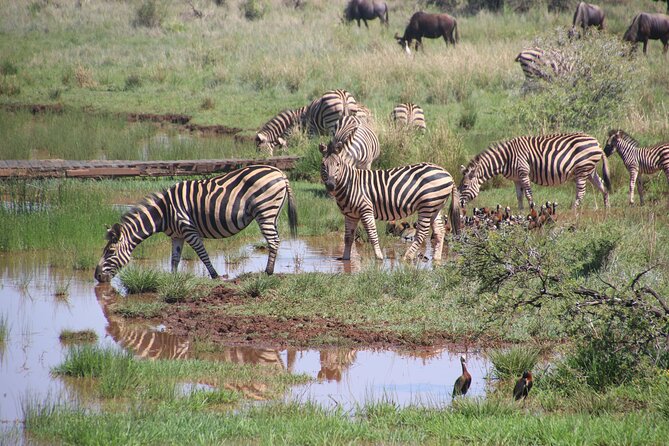
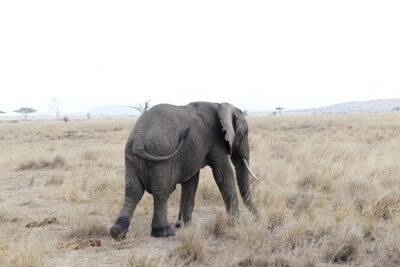
You drive toward the park and then arrive in the afternoon. After you settle in, you do a game drive where you can hope for the classics named in the tour details: lions, elephants, rhinos, cheetahs, zebras, and wildebeests. Notice how broad that list is. Serengeti is big, but this itinerary is aimed at covering enough ground to raise your chances across different habitats.
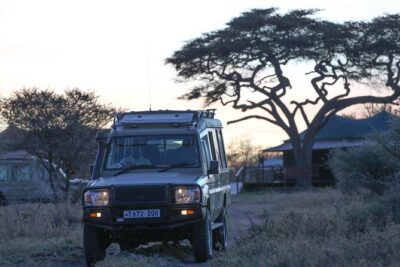
Then comes the part many people remember most, the sunset-to-night rhythm. You end your day at a budget campsite, have dinner, and you fall asleep with the sounds of the area around you. It is not the quiet of a city hotel, but it is the real deal safari feeling.
Practical note: because you arrive in the afternoon, your first day is usually about momentum. You are building your wildlife instincts fast, reading where animals are likely to show up and getting used to safari timing.
Day 2 Full Day in Serengeti: Plains Time, Picnic Lunch, and Migration Season
Day 2 is where Serengeti earns its reputation for abundance. You wake up to the sounds of the park area, then you head out for game drives across the day.
The tour description focuses on a mix of ecosystems and animal behavior: you follow the vast plains, check winding rivers, and look toward waterholes that pull animals in. Even without a guaranteed sighting, this approach increases your odds because you are not only chasing one kind of terrain.
The wildebeest angle is clearly called out too. The wildebeest migration is season dependent, so what you see depends on when you travel. If your timing lines up with migration activity, this is the day where those migration moments can show up as part of your overall Serengeti story.
For a break, you get a picnic lunch. That matters more than it sounds. Safari days are long, and a proper break helps you stay sharp for the late-afternoon sightings, when animals often look more relaxed and easier to spot.
Then you shift directions. You leave Serengeti and head toward the Ngorongoro area for the night at another nearby budget campsite. This transition is part of why the itinerary stays efficient. You are not adding an extra hotel night in between, you are repositioning for the crater day.
Day 3 Ngorongoro Crater: Descent Views, Lions and Elephants, Picnic at Height
On day 3, the headline is the Ngorongoro Crater. The tour describes it as the world’s largest intact caldera, and that is a big clue about why this place feels different from Serengeti. Instead of wide-open plains, you are looking down into a bowl-like system where many animals concentrate.
You descend into the crater with a dedicated crater tour. The focus is on the animals you are most likely to spot from the crater floor and edges. The tour calls out herds of elephants and lounging lions, and you also get a sense of how species interact in a concentrated ecosystem.
You also get a picnic lunch inside the crater area. Eating there is one of those moments that sounds ordinary on paper but tends to stick in your memory because the setting is so unusual. You are literally having a meal inside a natural amphitheater.
By afternoon, you head back, and the activity ends at the meeting point back in Arusha. Because day 3 is shorter on wildlife-time details in the description, it is worth thinking of it like a highlight day: concentrated crater viewing, then the return drive.
More Serengeti safaris:
- 3 Days Serengeti & Ngorongoro Group Camping Safari
★ 5.0 · 574 reviews - 5-Day Highlights mid-Range Crater, Serengeti, Tarangire
★ 5.0 · 296 reviews - 3-Day Classic Serengeti Safari
★ 5.0 · 263 reviews - Private 6-Day Tarangire Manyara Crater and Serengeti with Mid-Range Lodges
★ 5.0 · 238 reviews
Private Budget Safari Reality: What You’ll Actually Experience
This is a private safari, and that changes the feel. You are not waiting for other groups to return to the vehicle or renegotiating plans with a crowd. Your guide is working around your timing, your pace, and what you are seeing.
The tour also keeps the “budget” promise in the right places. You get budget campsites rather than hotels, and the itinerary includes meals instead of making you hunt for food after long drives. That is usually the best way to keep costs down without sacrificing the main point, wildlife time.
The most important quality marker is the guide. This tour includes an experienced professional tour guide. In a well-run safari, that means more than just pointing at animals. A good guide reads the terrain, knows where animals tend to be active, and keeps you safe while still getting you close to meaningful sightings.
Also, there is a small hint from the broader company history included here that the team runs a structured operation. One person specifically praised a guide named Shabani for taking careful care when they got sick on a Kilimanjaro trek. You cannot assume that exact person is leading your safari, but it tells you something about how the organization thinks about support and problem-solving when bodies do not cooperate. On safari, that kind of competence matters.
Packing and Timing Tips for 7:00 am Starts and 8-Hour Days
Your start time is 7:00 am in Arusha. Plan for an early wakeup and a quick breakfast before you leave. You will be in a vehicle for a good chunk of the day, and safari roads mean you stay flexible with timing.
For your comfort, think in layers. Even when the days feel warm, the mornings and late game-drive hours can feel cooler once you are out in open air. Also expect dust. If you are the type who hates wiping your face repeatedly, this is where you build a simple routine: sunglasses, a scarf or buff, and water at hand.
For photos, treat this like a long optics session. Bring a way to keep lenses clean and a plan for charging your gear between drives. The tour includes meals, but it does not mention power stations or charging opportunities, so bring what you need for your own setup.
Food and Meals: What’s Included, What It Means for Your Day
Meals are listed clearly:
- Breakfast: 2 times
- Lunch: 3 times
- Dinner: 2 times
That structure fits a 3-day safari rhythm. Breakfast sets you up for a long driving and game-drive day. Lunch helps you keep going without turning the day into constant stop-and-go. Dinner gives you the night meal at camp, when you are usually ready to eat and rest fast.
This matters for value because on safari, eating out can become expensive. Having meals folded into the price means fewer decisions in the field and less stress about finding something open when you are busy watching animals.
What You Pay for vs What You Still Need to Budget
Here’s what the tour includes:
- Experienced professional tour guide
- All fees and taxes
- Meals: breakfast 2, lunch 3, dinner 2
- Pickup offered, with return to the meeting point
- Mobile ticket
- Group discounts (though the tour is private for your group)
And here’s what’s not included:
- Flights
- Tips to guides and cook
- Hotel before and after safari
On a budget safari, tips can be a noticeable line item. You should plan for it even if the tour price feels tidy on paper. Also, because your hotels before and after are not included, you need to line up your own Arusha arrival and departure plans with the 7:00 am start and the end back at the meeting point.
Who This Safari Is Best For (and Who Might Want Something Else)
This safari suits you if:
- You want a private experience without paying top-tier luxury lodge prices
- You like the idea of camping nights and early starts
- You care about classic wildlife targets like lions, elephants, and rhinos
- You are okay with a fast, efficient route: Serengeti first, Ngorongoro crater next
You might choose a different style or longer trip if:
- You need hotel comfort every night
- You dislike long days, because you are looking at about 8 hours per day
- You want lots of downtime between parks
A Quick Reality Check on the Animal Targets
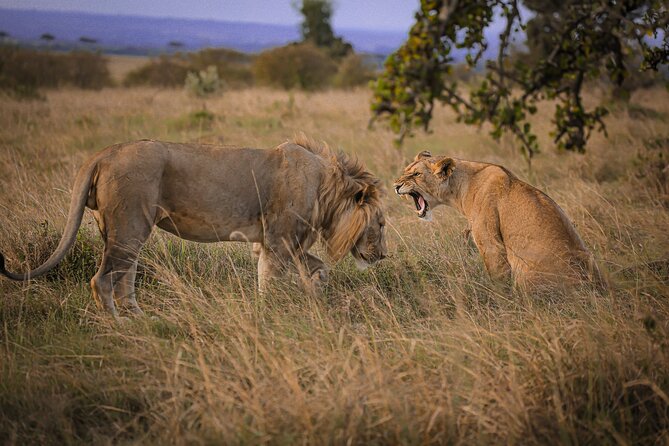
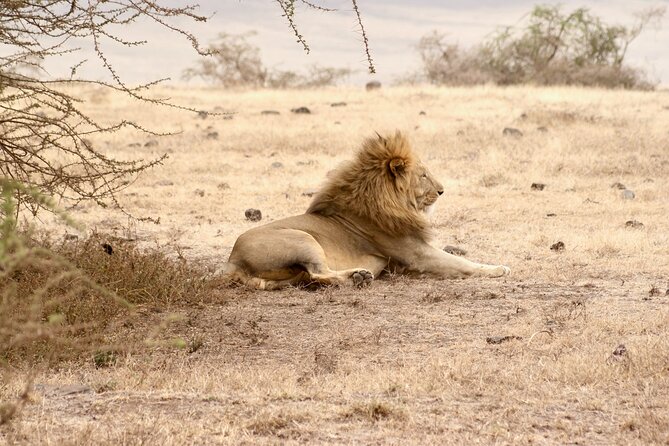
The tour specifically calls out likely wildlife you can see during game drives: lions, elephants, rhinos, cheetahs, zebras, and wildebeests in Serengeti. In Ngorongoro, it highlights elephants and lounging lions in the crater.
One thing to keep in mind: the wildebeest migration is explicitly season dependent. That means your experience can shift with timing. If migration is the main reason you booked, double-check your travel month before you pay your final travel funds.
Also, no safari can guarantee specific sightings. But this itinerary is designed to maximize your chances by giving you multiple game-drive blocks and a crater day where animals tend to concentrate.
Should You Book This 3-Day Budget Safari?
Yes, if your goal is strong value and you like your travel with a side of dust and campfire energy. The price is easier to justify because all fees and taxes and park admission ticket free items are included, and the meal plan is already covered. You also get private guiding, which can make a short trip feel more personal.
I’d hesitate only if you need hotel comforts every night, dislike long driving days, or you are traveling at a time when migration is not active for your interests. If that last point matters, confirm your travel timing with the operator before you lock it in.
FAQ
Where does this safari start and end?
It starts in Arusha, Tanzania, and ends back at the meeting point.
What time does the safari start?
Start time is 7:00 am.
Is this tour private or shared?
This is a private tour/activity, and only your group participates.
Are park admission tickets included?
Yes. The tour details list admission ticket free for the park days.
What meals are included?
Breakfast is included 2 times, lunch is included 3 times, and dinner is included 2 times.
Do you provide pickup?
Pickup is offered, and the tour returns you to the meeting point.
What is not included in the price?
Flights, tips to guides and cook, and hotel before and after the safari are not included.
What is the cancellation and refund situation?
The experience is non-refundable and cannot be changed for any reason. If it is canceled due to poor weather, you’ll be offered a different date or a full refund.
Is good weather required?
Yes, the experience requires good weather. If it is canceled due to poor weather, you are offered a different date or a full refund.
More Safaris from Arusha
- 7-Day Premium Luxury Tanzania Safari All-Inclusive
★ 5.0 · 426 reviews - 8 Days Great Wildebeest Calving Migration Safari from Arusha
★ 5.0 · 254 reviews - Group Safari 7 Days in Tanzania’s Main Parks
★ 5.0 · 240 reviews - 10-Day Serengeti Wildebeest Migration Safari from Arusha
★ 5.0 · 218 reviews
More Ngorongoro Crater Trips
- 5 Days Camping Tarangire, Serengeti & Ngorongoro crater & Visiting Maasai
★ 5.0 · 229 reviews - 4 Days Join Group tour Tarangire Serengeti and Ngorongoro crater
★ 5.0 · 219 reviews - 4-Day Safari from Arusha: Tarangire, Serengeti and Ngorongoro
★ 5.0 · 173 reviews - 2 Days Tarangire and Ngorongoro Group Camping Safari
★ 5.0 · 146 reviews
Just posted around Arusha
- 8 Days Serengeti Migration safari★ 5.0 · 11 reviews
- tarangire & ngorongoro 2 days tour★ 5.0 · 14 reviews
- serengeti, ngorongoro & tarangire 4 days private tour★ 5.0 · 18 reviews
- tarangire, ngorongoro & lake manyara park 3 days private tour★ 5.0 · 11 reviews
- serengeti & ngorongoro 3 days private tour★ 5.0 · 15 reviews
- climb the KILIMANJARO via Lemosho route★ 5.0 · 4 reviews
- Mt. Kilimanjaro: Shira plateau to Cathedral point 3872m Day hike★ 5.0 · 7 reviews
- Kilimanjaro Waterfalls Hike & Moshi Hot Springs Day Trip Tour★ 5.0 · 4 reviews
Serengeti Safaris, compared.
Serengeti Balloon Safari and authentic bush breakfast
Read our review →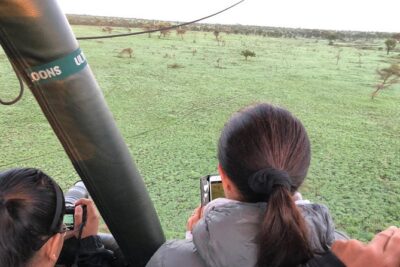
Balloon Safari & Bush Breakfast in Serengeti – Miracle Experience
Read our review →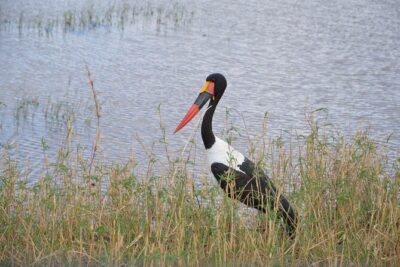
3 Days Serengeti & Ngorongoro Group Camping Safari
Read our review →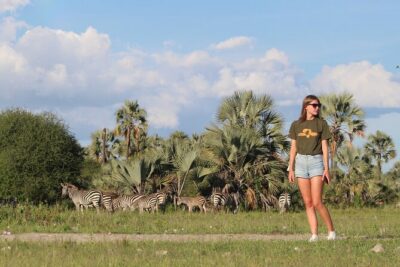
5-Day Highlights mid-Range Crater, Serengeti, Tarangire
Read our review →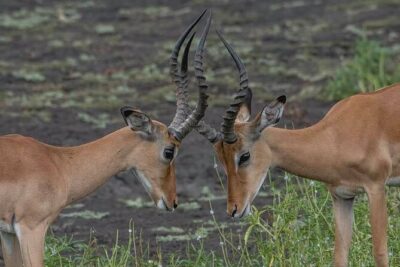
Private 6-Day Tarangire Manyara Crater and Serengeti with Mid-Range Lodges
Read our review →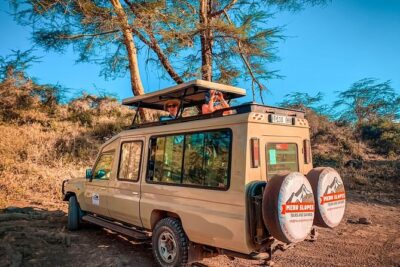
5 Days Camping Tarangire, Serengeti & Ngorongoro crater & Visiting Maasai
Read our review →Browse the lists this tour appears in