
Reviewed · NGORONGORO CRATER TOURS
2 days Majestic Tanzania safari Tarangire and Ngorongoro Crater
Baobabs and predators in one tight schedule. This 2-day Tanzania safari pairs Tarangire National Park (famous for baobabs and big elephant country) with the Ngorongoro Crater for a wild mix of birds, hippos, and serious predators. I especially like the park-to-park flow with a proper overnight campsite stop in between, and I like that this is a small group, capped at 6 people, so the day feels more like a guided outing than a cattle-call.
The main thing to consider is timing. You get very early starts, with a morning drive and a crater descent that leaves little room for sleeping in, so plan your energy and rest carefully for two full wildlife days.
In This Review
- Key highlights you will care about
- Two parks in 48 hours, and why it works
- Tarangire National Park at 8:00: baobabs, elephants, and birds
- The overnight campsite: where the trip resets
- Ngorongoro at dawn, then down into the crater
- Predators, hippos, and the reality of spotting in a crater
- Meals on safari: hot lunch matters more than you think
- Your guide and the small-group advantage
- Price and value: what you are actually paying for
- Who this safari is best for
- A quick note on timing and the 4:30 pm start time
- Should you book this Tarangire and Ngorongoro safari?
- FAQ
- Is pickup included?
- How many days is the safari?
- What time do you depart for Tarangire?
- What time do you depart for Ngorongoro?
- What wildlife can I expect to see?
- Are park admission tickets included?
- What meals are included?
- Can the safari accommodate dietary needs?
- How big is the group?
- What is included in the guide service?
- What is not included?
Key highlights you will care about
- Small group size (max 6) for a more relaxed safari pace
- English-speaking professional driver/guide who can help you read the landscape fast
- Tarangire’s elephants plus baobabs and birdlife on Day 1
- Ngorongoro’s predators as well as hippos, wildebeest, zebra, and more
- Meals included (dinner, 2 lunches, 2 breakfasts), including hot lunch noted in feedback
- Admission ticket free plus mobile ticket support, so you show up ready
Two parks in 48 hours, and why it works
This safari is built for people who want a big-safari experience without burning a week. You start in the Arusha area, head to Tarangire first, then shift to the Ngorongoro Conservation Area for a crater day. The swap from Tarangire’s open park feel to Ngorongoro’s crater bowl is part of why the trip feels so complete, even though it is short.
Value matters here, and not just because the price is clearly stated. The experience includes park admission tickets, pickup from Arusha or Moshi, and your main meals for both days. In other words, you are not cobbling together multiple add-ons at the last minute, which keeps the trip straightforward.
One more practical point: this is a group tour. With a maximum of 6 people, you still get the shared excitement, but you are less likely to feel like you are stuck behind a long line of vehicles.
More Safaris in Arusha
- Balloon Safari & Bush Breakfast in Serengeti – Miracle Experience
★ 5.0 · 1,646 reviews - 4 Days Group Camping Safari
★ 5.0 · 1,101 reviews - 5 Days Group Camping Safari
★ 5.0 · 730 reviews
Tarangire National Park at 8:00: baobabs, elephants, and birds
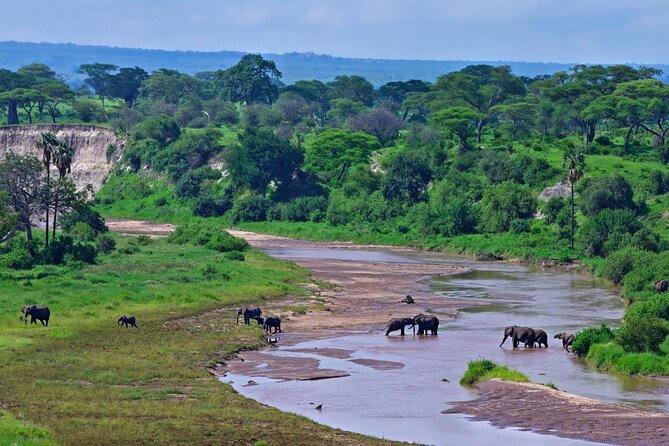
Day 1 starts with a pickup from your accommodation in Arusha or Moshi around 08:00hrs, then you roll into Tarangire National Park for a long wildlife viewing session. Tarangire is well known for a few things the Ngorongoro crater does not give you in the same way, and that is what makes this pairing smart.
First, you get baobab trees. Even if you are not a “trees person,” you will still notice them fast. They shape the scenery, create photo opportunities, and often act like natural landmarks for spotting activity in the distance. Second, Tarangire is serious about large mammals. The trip description highlights one of Tanzania’s largest populations of elephants, and that matters because elephants tend to be consistent game for early-day viewing.
You also get bird species as part of the daytime mix. That might sound like a nice bonus, but in practice it keeps the drive from feeling all-or-nothing. When the animals take their time, birds help you stay busy and keep your guide’s talk flowing.
Practical expectation: Tarangire is a full day feel even with a short itinerary. You are out with your guide in a park setting, so plan for a couple of hours of real looking, not just quick stops. The group is small, which helps. You are more likely to get attention when someone spots something interesting.
The overnight campsite: where the trip resets
After your Tarangire game drive, you head to your overnight campsite for the night. The tour keeps it simple, but this middle step is key. It breaks the rhythm so you are not trying to do everything on one day. You end Day 1 with dinner included, which is a big deal on safari, since a hungry group is a cranky group.
One detail that showed up in feedback is the accommodation experience. At least one account specifically called out a camp stop named Heavenligth as being lovely. That kind of mention matters because campsite stays are often the difference between a trip that feels comfortable and one that feels rushed.
The real takeaway for you: use the night to reset your legs and your patience. The next morning is early, and Ngorongoro is not a place where you can stroll in late and still catch everything.
Ngorongoro at dawn, then down into the crater
Day 2 starts around 06:00hrs with a departure from camp, then you drive to the Ngorongoro Conservation Area for the crater wildlife viewing. The crater is described as the largest unbroken caldera in the world and one of Africa’s natural wonders, and even if you have seen big geology before, you still feel the scale once you are there.
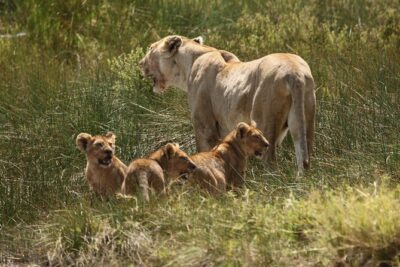
Ngorongoro is a habitat in its own right, not just a “scenic stop.” The wildlife list in your safari plan is packed: wildebeest, zebra, buffalo, eland, warthog, hippopotamus, and giant African elephants. You also get predators on the radar: lions, hyenas, jackals, cheetahs, and the elusive leopard.
Here is the practical part you should expect: predators are not guaranteed. But this trip tells you the target, and your guide is the one who helps you scan. A crater day rewards patience and sharp eyes. If you are serious about spotting, small-group safari helps because you can move together and react quickly when something turns up.
The crater experience is also a bit of a “wildlife variety” day. You may see herbivores clustered in certain areas, hippos tied to water, and then you get that extra layer when predators start moving. If you are into photography or just love watching behavior, this kind of mix is what makes Ngorongoro feel special.
More Tarangire safaris:
- 5-Day Highlights mid-Range Crater, Serengeti, Tarangire
★ 5.0 · 296 reviews - Private 6-Day Tarangire Manyara Crater and Serengeti with Mid-Range Lodges
★ 5.0 · 238 reviews - 5 Days Camping Tarangire, Serengeti & Ngorongoro crater & Visiting Maasai
★ 5.0 · 229 reviews - 4 Days Join Group tour Tarangire Serengeti and Ngorongoro crater
★ 5.0 · 219 reviews
Predators, hippos, and the reality of spotting in a crater
I love that this safari does not market Ngorongoro as only one thing. Yes, predators are the headline, but the crater also includes water life and a lot of grazing. The tour plan specifically calls out hippos and flamingos, and that is useful for you because it means you can still have a strong day even if a leopard is not in the mood.
Based on feedback, people have reported seeing a broad range of animals, including lions and even a leopard. That is the dream scenario, but the more important lesson is that this safari gives you the time and positioning to catch action when it happens.
Also, note how the predator list is structured. It includes both the common and the hard-to-see. That is your hint that your guide will be tracking signs, not just hoping for luck. If a leopard is possible, you need to be ready for slow searching, because those sightings come with patience, not constant movement.
Meals on safari: hot lunch matters more than you think
This is one of the simplest wins in the whole experience: your food is covered. Your package includes breakfast for two mornings, lunch for two days, and dinner. Dietary needs can be requested, which is important if you have restrictions.
One piece of feedback stood out here: a reviewer mentioned they provided hot lunch. That may sound minor until you are out in a long game drive schedule. Warm food helps you stay focused and keep enjoying the day instead of counting hours until you can eat.
So when you are comparing value, look past the headline price. If meals and admissions are included, the trip often ends up costing less than you would think once you add what other operators charge separately.
Your guide and the small-group advantage
This safari runs with a professional driver/guide who can speak English. That matters for how much you get out of each sighting. Wildlife is one thing, but understanding what you are seeing, and why an animal is where it is, can turn random sightings into memorable moments.
Feedback also named a guide: Raphael Proches was described as extremely knowledgeable, helpful, and nice. I like knowing that the guide is more than just a driver, because on safari you are constantly choosing where to look. A good guide saves time and helps you see more.
Then there is group size. With a maximum of 6 people, the day can stay flexible. You are less likely to get stuck in a rigid routine, and you can generally hear guidance and questions more easily. For families, first-timers, or anyone who just does not want a crowded safari feeling, this cap is a real plus.
Price and value: what you are actually paying for
At $750 per person for two days, you are not buying a “cheap” safari. But you are also not just paying for a ride and a checklist.
What you are getting for that price includes:
- Pickup offered in Arusha or Moshi
- Meals included (dinner, 2 breakfasts, 2 lunches)
- Professional English-speaking driver/guide
- Admission tickets free
- Mobile ticket
- A two-park itinerary with an overnight campsite night
For many people, the admission and meals are what change the math. Safari days can turn expensive fast once you start adding park fees, food, and guide time separately. Here, those parts are bundled.
Is it the right value for everyone? If you want a super-luxury lodge, private car, or longer time in each park, you will likely want a different format. But for a short, high-impact wildlife trip, this price looks reasonable.
Who this safari is best for
This is a strong fit if:
- You want Tarangire plus Ngorongoro but you have limited time
- You prefer a small group atmosphere (max 6)
- You want an English-speaking guide who can explain what you are seeing
- You like your safari package to include meals so you do not plan logistics daily
It is also a good option for families, since one account described traveling with family and praised the guide for being relaxed and stress-free. If you are traveling with people who get tired of chaotic schedules, a two-day plan with a capped group can be a kinder way to do it.
A quick note on timing and the 4:30 pm start time
The meeting details list a start time of 4:30 pm, but the operating plan shows wildlife departures at 08:00hrs for Tarangire and about 06:00hrs for Ngorongoro. That can happen when the booking includes a broader activity start window and the actual driving happens early the next morning.
My advice: when you confirm, check what time the first pickup is for your specific day. Then build your sleep schedule around the two early departures you will definitely feel, since the safari clearly runs on a dawn schedule.
Should you book this Tarangire and Ngorongoro safari?
I think you should book if you want a tightly run, wildlife-heavy Tanzania intro that hits two of the country’s biggest names in natural settings. The combination of Tarangire’s baobabs and elephants with Ngorongoro’s crater wildlife and predator chances is a smart way to get variety fast. Add in the small group cap, English-speaking guide, included admissions, and covered meals, and the trip starts to look like good value, not just a scenic tour.
I would skip it if your top priority is comfort and slow pacing. Two days means less time per location, and early departures can be tough if you do not do mornings well. Also, if you want a guaranteed leopard sighting, no safari can promise that. This one focuses on making it possible, not guaranteeing it.
FAQ
Is pickup included?
Yes. Pickup is offered from accommodations in Arusha or Moshi.
How many days is the safari?
It is listed as a 2-day safari.
What time do you depart for Tarangire?
You are collected around 08:00hrs and taken to Tarangire National Park.
What time do you depart for Ngorongoro?
You leave the camp around 06:00hrs to head to Ngorongoro Crater for wildlife viewing.
What wildlife can I expect to see?
The plan highlights elephants and birds at Tarangire. At Ngorongoro, you can expect animals such as wildebeest, zebra, buffalo, eland, warthog, hippopotamus, and giant African elephants, plus predators like lions, hyenas, jackals, cheetahs, and the leopard.
Are park admission tickets included?
Yes. The admission ticket is listed as free for the days included in the safari.
What meals are included?
Dinner is included, along with breakfast for 2 days and lunch for 2 days.
Can the safari accommodate dietary needs?
Yes. Other dietary requirements can be requested.
How big is the group?
This safari has a maximum of 6 travelers.
What is included in the guide service?
You get a professional driver/guide who can speak English.
What is not included?
International flights and visas are not included. Tips for the driver/guide and safari cook are also not included.
More Safaris from Arusha
- 7-Day Premium Luxury Tanzania Safari All-Inclusive
★ 5.0 · 426 reviews - 3-Day Classic Serengeti Safari
★ 5.0 · 263 reviews - 8 Days Great Wildebeest Calving Migration Safari from Arusha
★ 5.0 · 254 reviews - Group Safari 7 Days in Tanzania’s Main Parks
★ 5.0 · 240 reviews
More Ngorongoro Crater Trips
- 3 Days Serengeti & Ngorongoro Group Camping Safari
★ 5.0 · 574 reviews - 4-Day Safari from Arusha: Tarangire, Serengeti and Ngorongoro
★ 5.0 · 173 reviews - 2 Days Tarangire and Ngorongoro Group Camping Safari
★ 5.0 · 146 reviews - 4 Days Tarangire Serengeti Ngorongoro Crater
★ 5.0 · 117 reviews
Just posted around Arusha
- 8 Days Serengeti Migration safari★ 5.0 · 11 reviews
- tarangire & ngorongoro 2 days tour★ 5.0 · 14 reviews
- serengeti, ngorongoro & tarangire 4 days private tour★ 5.0 · 18 reviews
- tarangire, ngorongoro & lake manyara park 3 days private tour★ 5.0 · 11 reviews
- serengeti & ngorongoro 3 days private tour★ 5.0 · 15 reviews
- climb the KILIMANJARO via Lemosho route★ 5.0 · 4 reviews
- Mt. Kilimanjaro: Shira plateau to Cathedral point 3872m Day hike★ 5.0 · 7 reviews
- Kilimanjaro Waterfalls Hike & Moshi Hot Springs Day Trip Tour★ 5.0 · 4 reviews
Ngorongoro Crater Tours, compared.
3 Days Serengeti & Ngorongoro Group Camping Safari
Read our review →
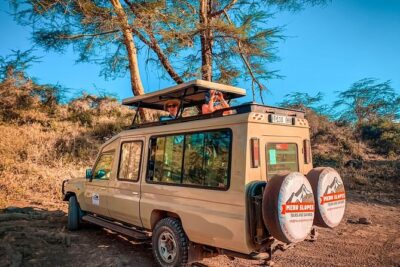
5 Days Camping Tarangire, Serengeti & Ngorongoro crater & Visiting Maasai
Read our review →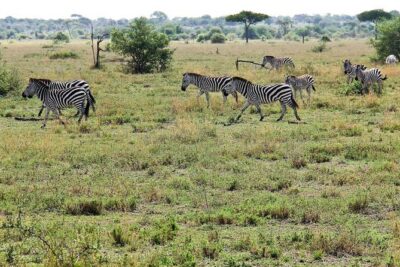
4 Days Join Group tour Tarangire Serengeti and Ngorongoro crater
Read our review →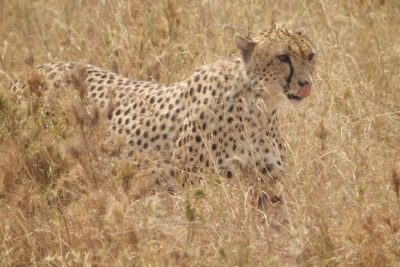
4-Day Safari from Arusha: Tarangire, Serengeti and Ngorongoro
Read our review →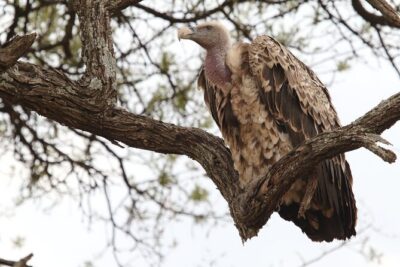
2 Days Tarangire and Ngorongoro Group Camping Safari
Read our review →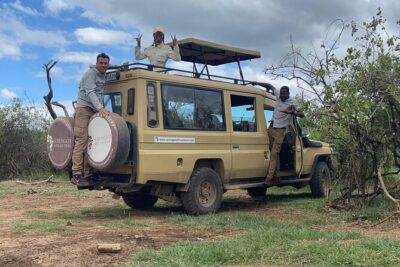
3 Days Tarangire, Ngorongoro & Lake Manyara Group Camping Safari
Read our review →Browse the lists this tour appears in