
Reviewed · NGORONGORO CRATER TOURS
2 Day Safari Tarangire and Ngorongoro Crater
Two parks in two days, and it works. I like this Arusha safari because it links Tarangire’s big-elephant world to Ngorongoro Crater’s packed wildlife in a tight schedule, so you do not waste time traveling between far-flung regions.
I also like that it is a straightforward, small-group style trip, with round-trip transport from Arusha and an overnight stay where dinner, lunch, and breakfast are covered.
One possible drawback to plan for: you may need an extra fee for hotel pickup, and the day starts early, so bring patience for a fast morning.
In This Review
- Key Things You’ll Notice on This Tarangire and Ngorongoro Safari
- Tarangire and Ngorongoro in Two Days: Why This Combination Makes Sense
- Price and What’s Included in This $440 Safari Package
- Day 1 Tarangire National Park: Dry Season Water and Big Cat Tactics
- Baobabs, Herds, and How Tarangire Turns Into an Open-Air Safari Classroom
- Day 2 Ngorongoro Crater Conservation Area: Hippo Pools and Dense Wildlife
- Transportation, Timing, and the Small-Group Advantage from Arusha
- Who This Safari Fits Best (and Who Should Rethink It)
- Should You Book This Two-Park Safari from Arusha?
- FAQ
- Where does the safari start and end?
- Is pickup included from Arusha?
- How big is the group?
- What’s included in the price?
- What is not included?
- What animals and scenes should I expect?
- What is the cancellation policy?
Key Things You’ll Notice on This Tarangire and Ngorongoro Safari
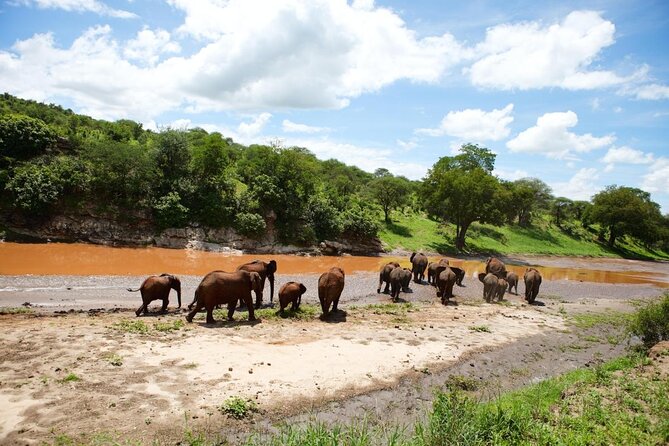
- Tarangire’s dry-season water pull: animals concentrate around the Tarangire River, which changes what you see each hour
- Big-game variety in one overnight loop: elephants and tree-climbing lions on day one, crater wildlife on day two
- Meals included all the way through: dinner, two lunches, and two breakfasts so you are not hunting for food mid-drive
- Ngorongoro’s hippo pool picnic: you get a rare close-up break during the crater day
- Small group limit (up to 7): more chances for your guide to adjust the pace and where you spend time
Tarangire and Ngorongoro in Two Days: Why This Combination Makes Sense
This is a classic one-two safari punch. Day one focuses on Tarangire National Park, a place that feels different from the Serengeti vibe. Here, the action is shaped by water. In the dry season, the Tarangire River becomes the magnet for animals, and you tend to see more movement and more animal interactions because everyone is working the same limited resources.
Day two swings you into the Ngorongoro Crater conservation area, a UNESCO-listed setting where wildlife density is the point. Instead of spread-out plains, you have a natural bowl of habitat. That setting is exactly why people love Ngorongoro for first-time safari experiences, because you can watch many species in the same general area rather than chasing everything across days.
If you only have a weekend, this plan makes a lot of sense. You are not trying to cram all of Tanzania into 48 hours. You are doing two parks that tell two different stories: one about elephants and predator strategy around water, and the other about wildlife concentration inside the caldera.
More Safaris in Arusha
- Balloon Safari & Bush Breakfast in Serengeti – Miracle Experience
★ 5.0 · 1,646 reviews - 4 Days Group Camping Safari
★ 5.0 · 1,101 reviews - 5 Days Group Camping Safari
★ 5.0 · 730 reviews
Price and What’s Included in This $440 Safari Package
At $440 per person for about two days, you should think of this as a value play, not a luxury escape. The big question is what is actually handled for you.
What’s included here is the stuff that adds up fast on your own:
- Overnight accommodation plus all meals (dinner, two lunches, two breakfasts)
- Parking fees
- Transport from Arusha, with pickup offered
What is not included is “luxury.” That single word usually signals a middle-of-the-road comfort level rather than premium rooms or high-end upgrades. If you want a slick, resort-level experience, you may be happier with a different tier.
The best part of the price is not the number, it is what you get for day-to-day stress. When food and major logistics are handled, you spend more energy on the game drives and less on figuring out meals and timing. That matters when you are moving between parks, where early starts and long drives are normal.
One other value note: this tour is typically booked about 20 days in advance on average, which suggests it often runs on a schedule that works for many visitors. It also hints that it is not an obscure, one-off style departure.
Day 1 Tarangire National Park: Dry Season Water and Big Cat Tactics
Tarangire day starts with the drive from Arusha into the park. The timing matters because the park’s most reliable viewing often comes when animals are actively using the river area. In the dry season, that river is described as a vital water source for the animals throughout the region, and it is easy to see why: when water is scarce, everything gets drawn into a smaller stage.
Here is what you should expect from the first day’s focus. You are aiming for the classic Tarangire mix:
- Massive elephant presence, including herds moving in and out of the river zone
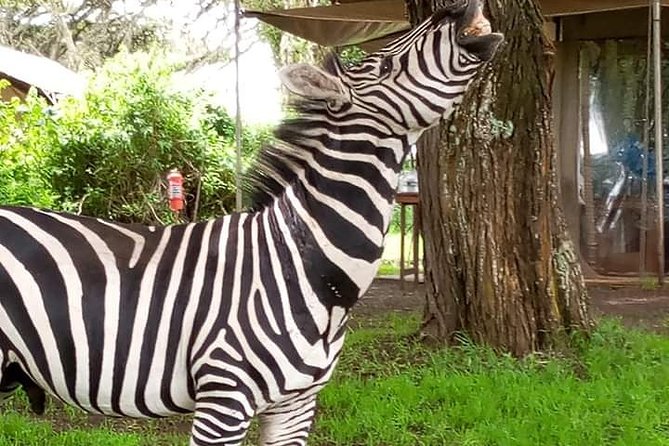
- Wildebeest and zebra moving through the landscape, particularly as they replenish around water
- Predators taking advantage, including lions, leopards, and hyenas
Tarangire also has a reputation for tree-climbing lions. The tour highlights that angle as part of what makes the park feel special. Even if you do not see that exact behavior, the fact that the park is known for it is a good clue that your guide is likely to watch with intent, not just drive slowly and hope.
One practical reality: a full day in Tarangire is long. You may be out for around eight hours during the day’s main outing. That is normal, but bring water, sun protection, and a willingness to sit and wait when the animals decide to show up. Good safari days often look quiet before they get exciting.
Baobabs, Herds, and How Tarangire Turns Into an Open-Air Safari Classroom
After the initial drive-in, your Tarangire time leans into why this park is such a strong alternative to the more famous safari routes. One reason is the scenery and the way you read animal behavior. Baobab trees are part of the park’s signature look, with their bulbous shapes acting like natural landmarks.
Those landmarks matter for wildlife watching because they anchor where animals pause. You can end up with a great “frame” for sightings, like elephants near the baobabs, or predators working the same paths used by grazing animals. When you are in an ecosystem with a lot of elephants, you also tend to have more frequent activity, because elephants move steadily and they interact with the space around them.
This tour is set up to keep you moving with a guide. The itinerary specifically notes that you get a Signature safari guide and that entry is free in the schedule. Even if “free” wording is just how the ticket line is written, the included details show that admission and the time inside the park are part of the plan, not something you pay extra for on the spot.
A small-group format, capped at seven people, is a quiet advantage here. You can often get better guidance on where to stand, when to change position, and how long to wait before the group moves on. In a larger group, that decision-making gets slower, because everyone has to stay coordinated.
More Tarangire safaris:
- 5-Day Highlights mid-Range Crater, Serengeti, Tarangire
★ 5.0 · 296 reviews - Private 6-Day Tarangire Manyara Crater and Serengeti with Mid-Range Lodges
★ 5.0 · 238 reviews - 5 Days Camping Tarangire, Serengeti & Ngorongoro crater & Visiting Maasai
★ 5.0 · 229 reviews - 4 Days Join Group tour Tarangire Serengeti and Ngorongoro crater
★ 5.0 · 219 reviews
Day 2 Ngorongoro Crater Conservation Area: Hippo Pools and Dense Wildlife
Day two heads to the Ngorongoro Crater conservation area, where you are aiming for a wide range of big mammals in a compact setting. The tour highlights that you can spot cape buffalo, rhinoceros, and hippopotamus, among others.
What makes Ngorongoro feel different is the caldera setting itself. You are dealing with a natural bowl that supports dense wildlife. That density changes your experience. Instead of feeling like you are constantly “starting over,” you can often keep comparing what you see as you move between vantage points and habitats inside the crater.
The itinerary also includes a picnic lunch by the hippo pool. That is one of the most memorable parts of any crater safari when it works for you, because it turns the mid-day break into a wildlife moment. You are not stuck in a standard restaurant break while the day passes. You eat close to the water and you keep watching while you relax.
A quick consideration: close-up lunch moments can mean you are in a busy viewing zone for a chunk of time. So plan to be comfortable with waiting and adjusting your view, especially in hotter parts of the day.
If Tarangire is about water-driven animal movement, Ngorongoro is about wildlife concentration and variety in one space. Together, they make a good two-day “mini safari education,” with day one training your eyes to spot action around water and day two showing you how dense and varied the ecosystem can be.
Transportation, Timing, and the Small-Group Advantage from Arusha
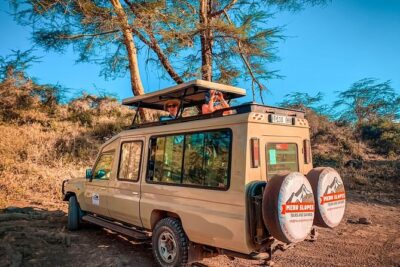
This trip includes round-trip transportation from Arusha, and pickup is offered. Your starting point is listed at Masailand Safari & Lodge (MJ7W+X3, Arusha 1531, Tanzania), and the tour ends back at the same meeting point.
The timing is where you feel the rhythm of the safari. One of the key practical notes from a past participant is early morning pickup at their hotel in Arusha. They also mentioned paying an extra $5 for pickup and drop-off at their hotel. That detail is worth taking seriously as a planning item. The tour includes pickup, but your exact pickup location and any add-on charges can depend on where you stay.
Also note the small group size. With a maximum of seven travelers, you are not just sharing a vehicle. You are more likely to get personal attention from your guide, and that helps when you want the guide to react quickly to what the animals are doing.
You’ll likely use a mobile ticket as well, which makes check-in easier. Less time on paperwork means more time with your driver and guide at the gates and viewpoints.
Finally, remember the tour requires good weather. That matters because safaris are often timed to maximize visibility and road conditions. If weather disrupts the experience, the setup includes either a different date or a full refund, which is helpful if your trip is tight.
Who This Safari Fits Best (and Who Should Rethink It)
This is a great match if you want your safari to feel efficient and varied. If your top goals are big mammals and you want a real intro that covers two different ecosystems, you should enjoy this format.
It also works well if you prefer not to micromanage the trip. Meals are included, you have overnight lodging covered, and you get transport from Arusha. That is a lot of “life admin” removed.
It might be less ideal if you are extremely comfort-focused. Since luxury is not included, you should expect basic to mid-level standards rather than high-end amenities. This does not mean it will be uncomfortable, but it does mean you are paying for the safari experience first.
If you want total flexibility with where you go each day and you love planning every detail yourself, you might prefer a fully custom itinerary. This one is designed as a structured two-day loop, and the value comes from that tight structure.
Should You Book This Two-Park Safari from Arusha?
I think this is a strong booking when you want big-animal safari time without a week of moving around. Tarangire gives you elephants, wildebeest and zebra movement, and predator action centered on the river area, plus the chance of tree-climbing lions. Ngorongoro adds the crater setting and the chance to see a wide wildlife mix, capped by the picnic break at the hippo pool.
At $440 per person, the deal feels fair because food and overnight logistics are included, and you are not paying extra for every meal and transfer. The only thing that can throw off the experience is the early schedule and the potential for small extra fees depending on your pickup location, like the $5 extra noted for hotel pickup and drop-off.
So if you are doing Tanzania as a first safari or a quick add-on from Arusha, this is a very reasonable way to sample two of the country’s best-known wildlife stages in just 48 hours.
FAQ
Where does the safari start and end?
The tour starts at Masailand Safari & Lodge (MJ7W+X3, Arusha 1531, Tanzania) and ends back at the same meeting point.
Is pickup included from Arusha?
Pickup is offered, but one review noted paying an extra $5 for pickup and drop-off at a hotel. Your exact situation may depend on where you want to be picked up.
How big is the group?
The tour lists a maximum of 7 travelers.
What’s included in the price?
Dinner, lunch (2), breakfast (2), parking fees, and round-trip transportation from Arusha are included. A mobile ticket is also used.
What is not included?
Luxury is listed as not included.
What animals and scenes should I expect?
Tarangire is known for a large elephant population and predators such as lions, leopards, and hyenas, especially around the Tarangire River in dry season. Ngorongoro is known for dense wildlife, including cape buffalo, rhinoceros, and hippopotamus, with a picnic lunch by the hippo pool.
What is the cancellation policy?
You can cancel up to 24 hours in advance for a full refund. If canceled less than 24 hours before the start time, the amount paid is not refunded.
More Safaris from Arusha
- 7-Day Premium Luxury Tanzania Safari All-Inclusive
★ 5.0 · 426 reviews - 3-Day Classic Serengeti Safari
★ 5.0 · 263 reviews - 8 Days Great Wildebeest Calving Migration Safari from Arusha
★ 5.0 · 254 reviews - Group Safari 7 Days in Tanzania’s Main Parks
★ 5.0 · 240 reviews
More Ngorongoro Crater Trips
- 3 Days Serengeti & Ngorongoro Group Camping Safari
★ 5.0 · 574 reviews - 4-Day Safari from Arusha: Tarangire, Serengeti and Ngorongoro
★ 5.0 · 173 reviews - 2 Days Tarangire and Ngorongoro Group Camping Safari
★ 5.0 · 146 reviews - 4 Days Tarangire Serengeti Ngorongoro Crater
★ 5.0 · 117 reviews
Just posted around Arusha
- 8 Days Serengeti Migration safari★ 5.0 · 11 reviews
- tarangire & ngorongoro 2 days tour★ 5.0 · 14 reviews
- serengeti, ngorongoro & tarangire 4 days private tour★ 5.0 · 18 reviews
- tarangire, ngorongoro & lake manyara park 3 days private tour★ 5.0 · 11 reviews
- Mt. Kilimanjaro: Shira plateau to Cathedral point 3872m Day hike★ 5.0 · 7 reviews
- serengeti & ngorongoro 3 days private tour★ 5.0 · 15 reviews
- climb the KILIMANJARO via Lemosho route★ 5.0 · 4 reviews
- Kilimanjaro Waterfalls Hike & Moshi Hot Springs Day Trip Tour★ 5.0 · 4 reviews
Ngorongoro Crater Tours, compared.
3 Days Serengeti & Ngorongoro Group Camping Safari
Read our review →
5 Days Camping Tarangire, Serengeti & Ngorongoro crater & Visiting Maasai
Read our review →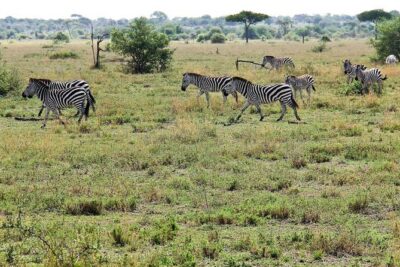
4 Days Join Group tour Tarangire Serengeti and Ngorongoro crater
Read our review →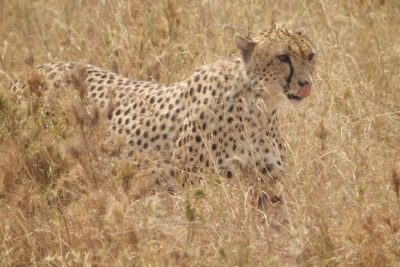
4-Day Safari from Arusha: Tarangire, Serengeti and Ngorongoro
Read our review →
2 Days Tarangire and Ngorongoro Group Camping Safari
Read our review →
3 Days Tarangire, Ngorongoro & Lake Manyara Group Camping Safari
Read our review →Browse the lists this tour appears in