
Reviewed · NGORONGORO CRATER TOURS
1 Day Ngorongoro Crater Group joining safari
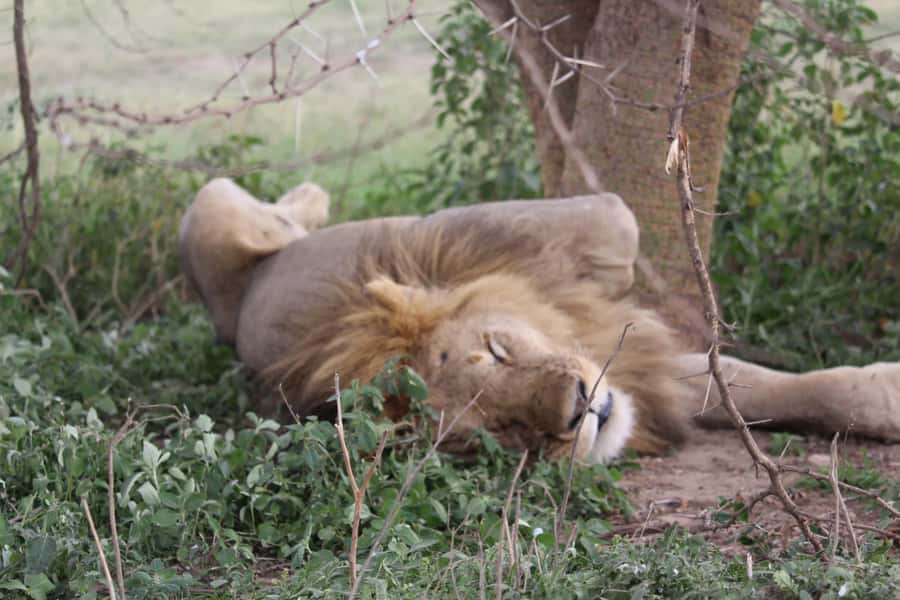
Ngorongoro Crater makes wildlife feel close. In one long morning you get the Big Five inside a caldera, plus the human side of the area through a Maasai culture story, all wrapped into a simple day plan. I also like that the day is structured around real viewing windows, rim first for your bearings, then more time on the crater floor.
A fair warning: the experience quality can vary with operations and vehicle logistics. In one recent booking, pickup timing, vehicle comforts, and even night safety checks were criticized, so I’d keep your expectations realistic and build a small buffer on either side of your safari.
In This Review
- Key points to plan around
- Why Ngorongoro Crater Works as a One-Day Big Five Plan
- The 5:00 AM Start: Getting from Arusha to the Rim
- From Rim to Crater Floor: Your Game Drive Setup
- Ngoitokok Swamp Picnic: Lunch in the Middle of the Action
- Soda Lake Bird Time: Flamingos and the Calm Work of Spotting
- Maasai Culture: Why the Story Matters on a Safari Day
- Lunch, Water, and What to Pack for the Long Day
- Price and What It Really Includes at $315
- Service Quality and Vehicle Logistics: The Real Difference Between Days
- Who This Safari Suits Best (and Who Might Prefer Another Plan)
- Should You Book This 1-Day Ngorongoro Group Safari?
- FAQ
- What time do we depart Arusha for this Ngorongoro safari?
- What pickup and drop-off locations are offered?
- How long is the safari day?
- What animals and birdlife can I expect to look for?
- Where does the picnic lunch happen?
- What is included in the $315 price?
- Is tipping included, and what’s the cancellation window?
- What language is the guide, and is the safari wheelchair accessible?
Key points to plan around
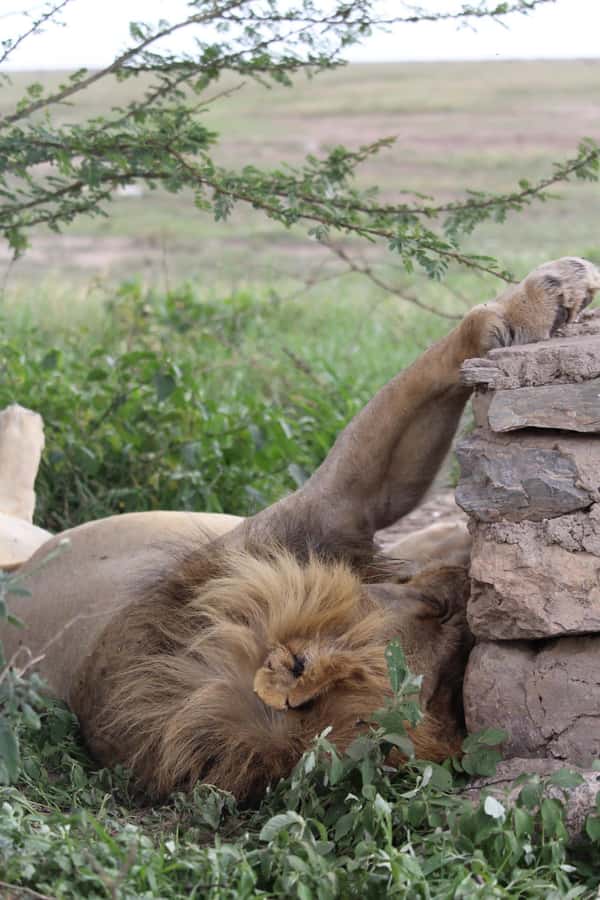
- Big Five chance in one caldera with a full day game drive on the crater floor
- Rim view before descent, so you understand where you are and what you are scanning for
- Ngoitokok Swamp picnic near a hippo zone, making lunch part of the wildlife setting
- Soda Lake bird time, including flamingos, plus geese, storks, and vultures
- Maasai culture context that adds meaning to conservation, not just photos
- A long travel day, with two road legs around the crater area
Why Ngorongoro Crater Works as a One-Day Big Five Plan
Ngorongoro is built for efficient wildlife spotting. The crater, also called the caldera, concentrates animals because of the habitat on the floor and the natural bowl shape. For your one-day schedule, that matters a lot, since long drives can steal the best hours for viewing.
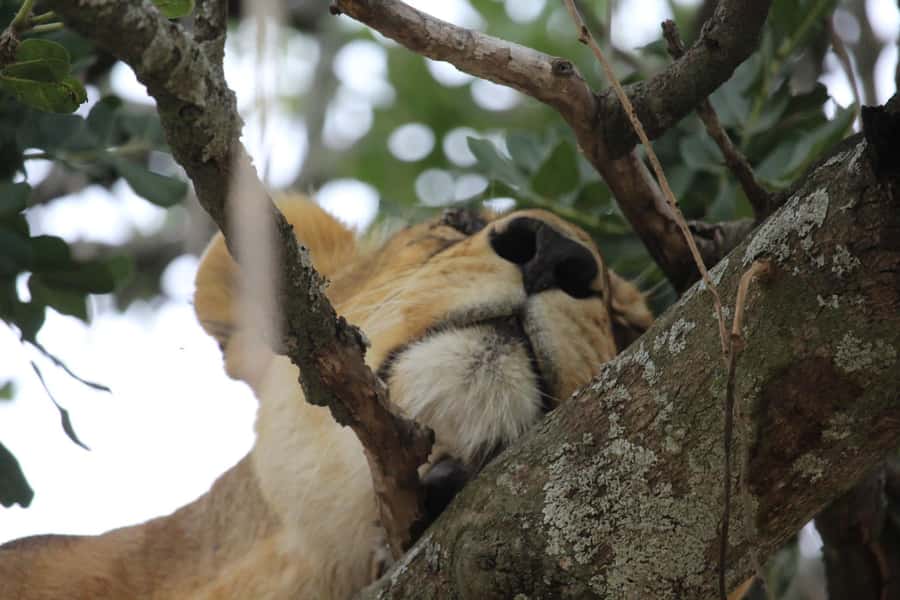
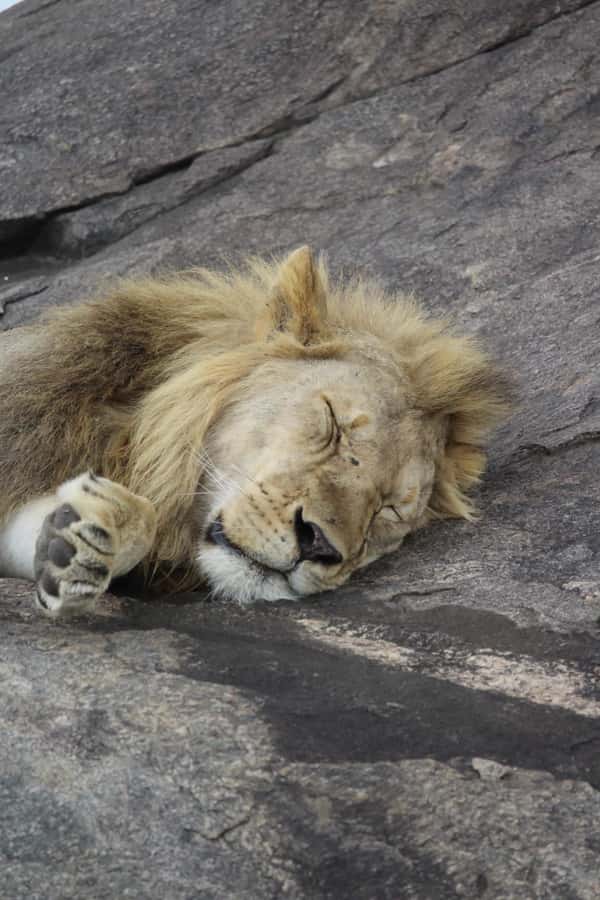
The headline is straightforward: Rhino, Lion, Leopard, Buffalo, and Elephant all live in this caldera. That means you are not spending your day chasing the idea of the Big Five across multiple regions. Instead, you are tuning your eyes to what appears in front of you, then shifting tactics as the day changes.
I also like that the day is not only “animals, animals, animals.” You get a crater story tied to the area’s people, including Maasai culture. When you understand why this land is protected and how communities relate to it, the safari feels more grounded than a checklist.
One more practical plus: the day is scheduled as a full viewing block after you descend, not just a quick pass. That gives you time to catch animals moving between watering and resting spots.
More Safaris in Arusha
- Balloon Safari & Bush Breakfast in Serengeti – Miracle Experience
★ 5.0 · 1,646 reviews - 4 Days Group Camping Safari
★ 5.0 · 1,101 reviews - 5 Days Group Camping Safari
★ 5.0 · 730 reviews
The 5:00 AM Start: Getting from Arusha to the Rim
You’ll depart Arusha around 05:00. Expect a drive of roughly 2 hours to reach the Ngorongoro Conservation Area gate region. Early start is not a gimmick here. The crater can feel best when you’re arriving with enough daylight to actually see and track wildlife on the floor.
Your first crater moment is at the rim, where you pause for a few minutes to take in the view before going down. This rim stop is small, but it’s smart. From above, you can orient yourself, understand where valleys and open grass patches sit, and mentally map what you should be scanning once you’re at the bottom.
It also helps with realism. Some animals are easier to see from certain angles. When you’ve already seen the layout from the rim, your game drive stops make more sense, and you’re less likely to feel like you’re just driving and hoping.
If you’re the type who gets cold early, bring layers. Early mornings in Tanzania can still feel chilly before the sun warms the crater floor.
From Rim to Crater Floor: Your Game Drive Setup
Once you descend, your day becomes one continuous game drive block. The plan is set for about 6 hours of crater viewing, which is exactly the kind of time window you want for a place like Ngorongoro.
What I find useful about this format is that you can adjust your focus. The crater floor has mixing zones of grass, swampy areas, and open ground. That’s where you see different “styles” of sightings: grazing, lounging, hunting, and movements between water sources.
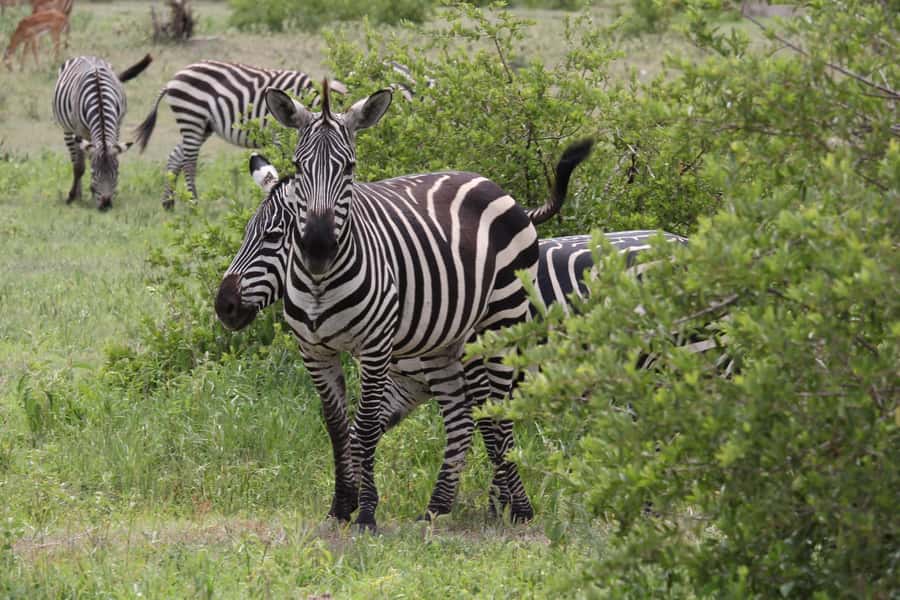
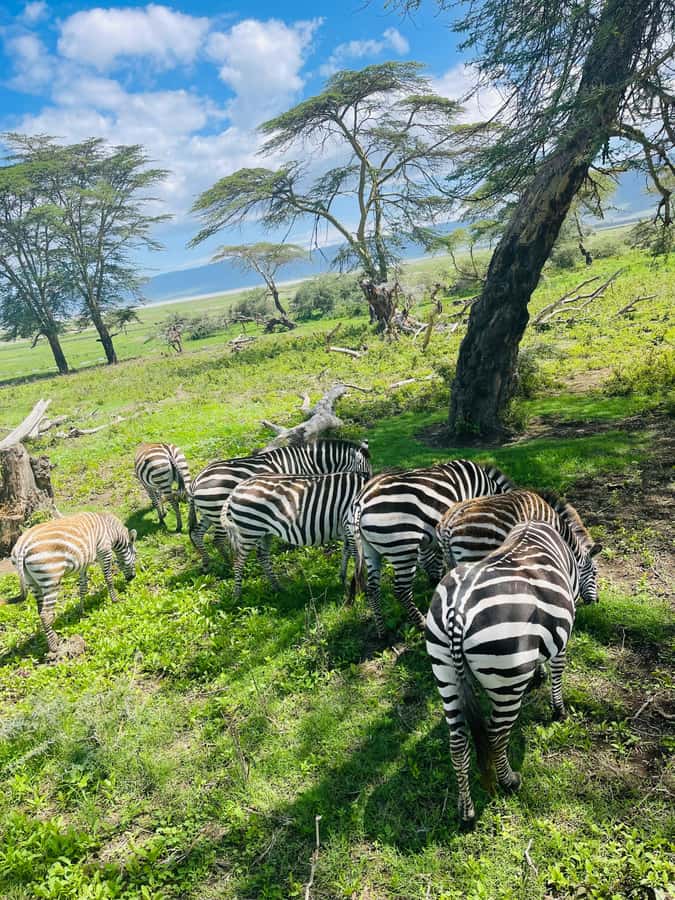
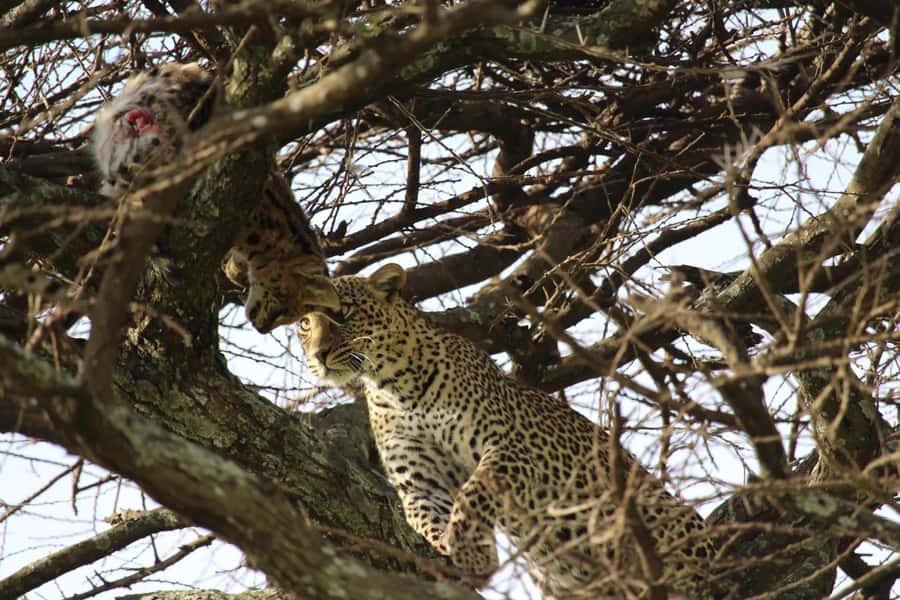
The safari is designed around real species you’ll recognize quickly. Besides the Big Five, you’re also likely to spot zebra, hippo, wildebeest, hyena, and more. That variety matters, because it keeps your eyes busy even when the Big Five are not in the same frame for every stop.
Your guide can also shape what you notice. One past experience highlighted that a briefing the day before helped set expectations, and on the day the guide made sure you could see as much as possible. That kind of pacing is a big deal in a group day, since the crater is huge and animal activity changes over hours.
Ngoitokok Swamp Picnic: Lunch in the Middle of the Action
Lunch is not an afterthought. You’ll have a picnic lunch served at the crater picnic site at Ngoitokok Swamp, right by a hippo pool. This is one of those rare safari setups where food and wildlife viewing overlap.
Practically, this means you are still “in the crater.” After you eat, you continue with afternoon game viewing rather than exiting the area immediately. So you don’t lose your momentum.
The negative side of picnic lunches is timing. In one experience, the day ran long and there was a gap after lunch until late in the evening, with no additional food provided. That suggests a simple strategy: bring small snacks of your own if you can. You’ll feel better if your day stretches beyond the plan.
Food quality can also matter. One booking included complaints about food temperature and a non-working fridge in the vehicle. That is not something you can fully control, but you can reduce the risk by asking the operator what’s the plan for keeping drinks and lunch comfortable for a long day.
More Ngorongoro Crater trips:
- 3 Days Serengeti & Ngorongoro Group Camping Safari
★ 5.0 · 574 reviews - 5 Days Camping Tarangire, Serengeti & Ngorongoro crater & Visiting Maasai
★ 5.0 · 229 reviews - 4 Days Join Group tour Tarangire Serengeti and Ngorongoro crater
★ 5.0 · 219 reviews - 4-Day Safari from Arusha: Tarangire, Serengeti and Ngorongoro
★ 5.0 · 173 reviews
Soda Lake Bird Time: Flamingos and the Calm Work of Spotting
Ngorongoro is not only about mammals. The birdlife gives you a steady rhythm when sightings are slower.
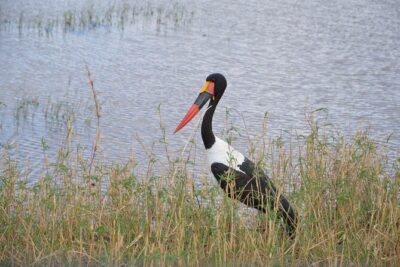
In the crater area you can look for flamingos on the Soda Lake, plus geese, storks, vultures, and other bird families. I like this part of the day because it changes the way you watch. Mammals can be sudden, but birds often reward patience. A few extra minutes scanning the waterline or open ground can pay off.
The trick is to treat bird time as a different activity, not a distraction. When you focus on birds, you stop chasing every moving spot for Big Five. That lets you enjoy the full ecosystem of the crater, not just the famous names.
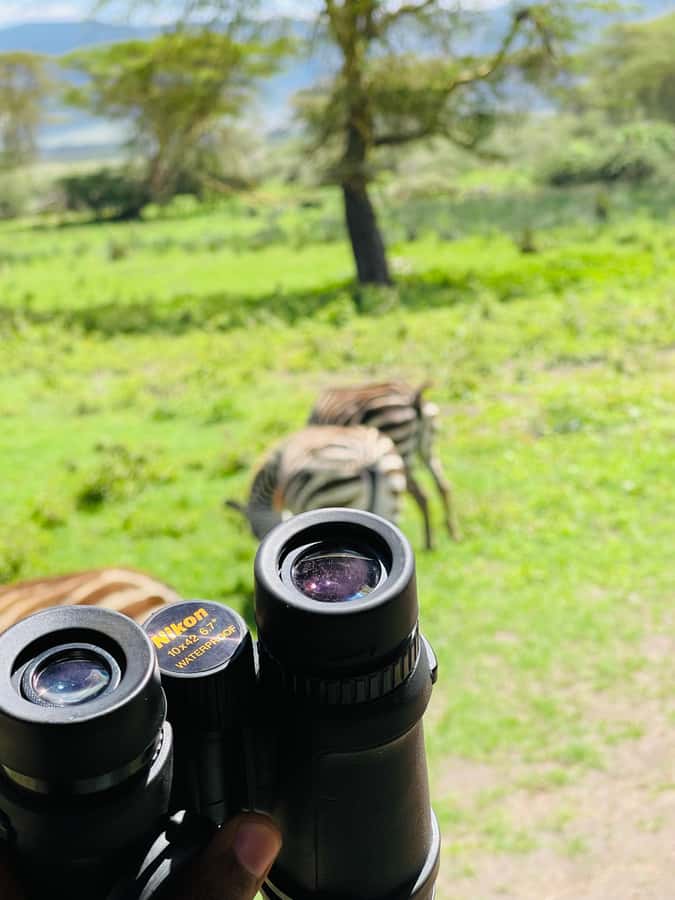
If you have any binoculars, consider bringing them. The bird highlights often sit at distances that are easier to read with a little help.
Maasai Culture: Why the Story Matters on a Safari Day
The crater’s wildlife is the headline, but the story around it is what gives your photos context. The plan includes Maasai culture as part of the experience, tied to the story behind the crater and conservation.
I think this is valuable because it changes the emotional tone of the day. You’re not only looking at animals as objects for a camera. You’re also learning how people understand and live with the same environment.
Even if the cultural component is brief compared to game driving time, it can still improve your experience. You start noticing how conservation works and why places like this are not simply “parks,” but living landscapes shaped by people and animals sharing space.
If culture storytelling is important to you, use it actively. Ask questions during the drive. When your guide has a strong grip on the human side, the whole day feels more coherent.
Lunch, Water, and What to Pack for the Long Day
What you get for sure: a lunch box and mineral water are included. That’s great because it removes a basic cost and a time task.
But water temperature and comfort can vary. One past booking complained about warm water and a fridge that wasn’t functioning. That doesn’t mean it will happen to you, yet it’s enough to justify packing a little redundancy.
Here’s what I recommend you pack for comfort without overdoing it:
- Light layers for early morning, plus something warm enough for the rim and vehicle waiting
- A small snack you can grab if your schedule runs late
- Sunglasses and sunscreen, since you’ll have many exposed hours
- If rain shows up, plan for it, including a way to keep your phone and camera dry
The goal is to stay comfortable through the full day, not just through the best viewing stops.
Price and What It Really Includes at $315
The price is $315 per person for a 6 hours to 1 day experience. On its face, that’s the number to compare, but value is really about what’s wrapped into it.
In this package, you get:
- All park fees and taxes
- Safari jeep
- Lunch box
- Mineral water
- Private guide
That matters because park fees often make or break the real cost of a safari day. When those are included, it’s easier to judge the overall value and avoid surprise add-ons.
For me, the best “value test” is simple: does the day protect the time you care about most, the crater game drive block? With rim viewing up front, a long crater-floor driving period, and lunch inside the crater area, you are paying for time on the ground where animals actually are. That’s the correct place to spend your safari budget.
Tipping is not included, so you’ll want to plan for that separately.
Service Quality and Vehicle Logistics: The Real Difference Between Days
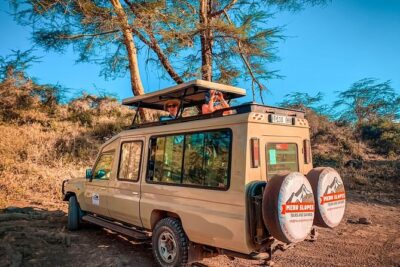
Most of the safari magic lives inside the crater. Still, the vehicle day matters, because you’re in the jeep for a long stretch.
One strongly positive experience described a helpful briefing before the safari and a guide who actively worked to maximize animal sightings. Another positive note said a vegetarian option is possible, which is useful if you have dietary needs.
On the other hand, there was a very negative account that included late pickup despite an agreed time, missed contact attempts, and multiple vehicle changes on the return. That same booking also complained about uncooled food, hard-to-operate side windows, wipers not working in rain, and poor lighting on the way back at night.
So how do you use this information without spiraling? You do two practical things:
- Confirm your pickup time the day before, and again the morning of.
- Treat “before dark” return as a real possibility for a late finish. If you have evening plans in Arusha, keep them flexible.
I also recommend you ask, in advance, about vehicle readiness for weather conditions and whether windows and windshield wipers are functioning properly. You can’t fully control equipment, but asking signals that you’re paying attention to safety and comfort.
Who This Safari Suits Best (and Who Might Prefer Another Plan)
This is a strong fit if you:
- Want a one-day Big Five crater safari from Arusha
- Like structured pacing, with rim views, then crater-floor driving
- Care about seeing birds like flamingos at Soda Lake
- Appreciate cultural context through Maasai culture storytelling
It’s also a good match if you prefer a guided day with English support and you’d rather not handle logistics yourself.
Where I’d be cautious is if you are scheduling a tight travel connection right after the safari. With the nature of long drives and possible operational reshuffles, you could end up later than you hope.
If you’re sensitive to late-day fatigue, pack snacks and plan a relaxed evening. Your body will thank you.
Should You Book This 1-Day Ngorongoro Group Safari?
My honest take: this one-day Ngorongoro plan can be an excellent way to get Big Five odds, crater birdlife, and cultural context, all from Arusha in a single shot. The included park fees, jeep, guide, lunch box, and mineral water make it feel more like a complete day than a loose collection of promises.
But I wouldn’t book it and then lock in a hard deadline for later that night. Reviews show the day can run smoothly, and they also show that vehicle and pickup execution can sometimes go wrong. If you keep your schedule flexible and verify pickup details, you stack the odds for a memorable crater day.
If you want, tell me your travel dates and whether you prefer a calm pace or maximum sightings. I can help you decide if this 05:00 start fits your style, and what to bring to make the day feel easier.
FAQ
What time do we depart Arusha for this Ngorongoro safari?
You depart Arusha around 05:00.
What pickup and drop-off locations are offered?
Pickup options include Arusha Urban, Arusha Airport, and HM2F+QQM. Drop-off options include Arusha Urban, HM2F+QQM, and Arusha Airport.
How long is the safari day?
The duration is listed as 6 hours for a 1-day experience.
What animals and birdlife can I expect to look for?
You can look for the Big Five: Rhino, Lion, Leopard, Buffalo, and Elephant. Other animals mentioned include zebra, hippo, wildebeest, hyena, and more. Bird highlights include flamingos on the Soda lake, plus geese, storks, vultures, and other bird families.
Where does the picnic lunch happen?
Lunch is served in the crater picnic site at Ngoitokok Swamp, described as near a hippo pool.
What is included in the $315 price?
Included are all park fees and taxes, a safari jeep, a lunch box, mineral water, and a private guide.
Is tipping included, and what’s the cancellation window?
Tipping is not included. You can cancel up to 24 hours in advance for a full refund.
What language is the guide, and is the safari wheelchair accessible?
The guide is listed as English, and the tour is wheelchair accessible.
More Safaris from Arusha
- 7-Day Premium Luxury Tanzania Safari All-Inclusive
★ 5.0 · 426 reviews - 3-Day Classic Serengeti Safari
★ 5.0 · 263 reviews - 8 Days Great Wildebeest Calving Migration Safari from Arusha
★ 5.0 · 254 reviews - Group Safari 7 Days in Tanzania’s Main Parks
★ 5.0 · 240 reviews
Just posted around Arusha
- 8 Days Serengeti Migration safari★ 5.0 · 11 reviews
- tarangire & ngorongoro 2 days tour★ 5.0 · 14 reviews
- serengeti, ngorongoro & tarangire 4 days private tour★ 5.0 · 18 reviews
- tarangire, ngorongoro & lake manyara park 3 days private tour★ 5.0 · 11 reviews
- serengeti & ngorongoro 3 days private tour★ 5.0 · 15 reviews
- climb the KILIMANJARO via Lemosho route★ 5.0 · 4 reviews
- Mt. Kilimanjaro: Shira plateau to Cathedral point 3872m Day hike★ 5.0 · 7 reviews
- Kilimanjaro Waterfalls Hike & Moshi Hot Springs Day Trip Tour★ 5.0 · 4 reviews
Ngorongoro Crater Tours, compared.
3 Days Serengeti & Ngorongoro Group Camping Safari
Read our review →
5 Days Camping Tarangire, Serengeti & Ngorongoro crater & Visiting Maasai
Read our review →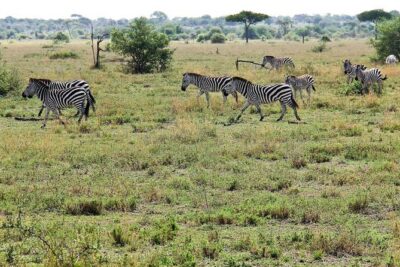
4 Days Join Group tour Tarangire Serengeti and Ngorongoro crater
Read our review →
4-Day Safari from Arusha: Tarangire, Serengeti and Ngorongoro
Read our review →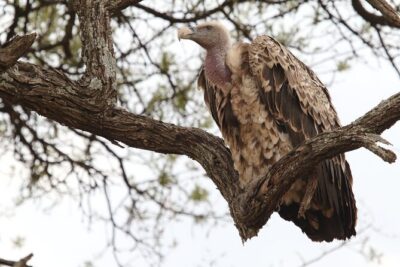
2 Days Tarangire and Ngorongoro Group Camping Safari
Read our review →
3 Days Tarangire, Ngorongoro & Lake Manyara Group Camping Safari
Read our review →Browse the lists this tour appears in