
Reviewed · SPICE FARM TOURS
Zanzibar: Walking Spice Farm with Local Cooking Class
One good smell can change your whole day. Here you follow spices from shamba to lunch, then cook at the fire with local flavors. I love the hands-on spice tasting moments, where clove, cinnamon, nutmeg, and more actually have a job to do. I also like that you’re not stuck with a lecture, you get practical cooking know-how. One thing to consider, this can feel more like a cooking demonstration than a fully hands-on class with 4 separate courses.
You’ll spend about 6 hours total with hotel pickup and drop-off, then end back in town. The tour is offered with live guides in English, German, and French, and it’s set up for people of many ages. If you have mobility limits, bring that up before you go, because walking in a farm setting can be uneven, even if the guide plans safer routes.
In This Review
- Key things to know before you go
- Tangawizi Spice Farm, where Zanzibar’s spices actually grow
- The 6-hour flow: hotel pickup, farm walk, cooking time, and drop-off
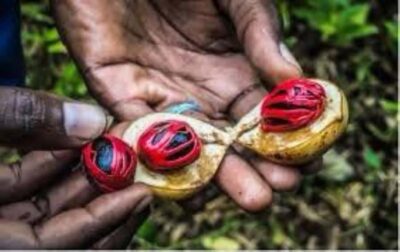
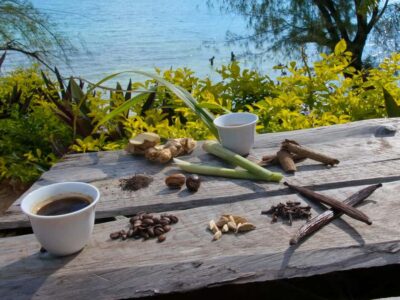
- Walking the shamba: clove, cinnamon, nutmeg, and tropical fruit tasting
- From farm hut to cooking fire: what the cooking lesson really looks like
- Coconut milk and the rhythm of Swahili cooking
- What you eat: Swahili-style lunch, fruit tasting, and dessert
- Likely dishes you’ll see and taste
- Spice stall shopping, packaged gifts, and the cash-only rule
- Tips: included, but still bring some small bills
- Who this suits best, and who should adjust expectations
- Value check: is $50 worth 6 hours of spices and lunch?
- Practical tips to make the day smoother
- Should you book this Zanzibar spice farm and cooking tour?
- FAQ
- What is the duration of the Zanzibar spice farm walking and cooking experience?
- Where does hotel pickup happen?
- What does the tour include?
- What languages are the live tour guides available in?
- Does the tour have a cancellation policy?
- Is there a spice stall at the end of the tour?
- Can I expect to taste different spices and fruits?
- Is the group private?
Key things to know before you go
- Tangawizi Spice Farm shamba walk: see plants growing and get guided tasting of common Zanzibar spices
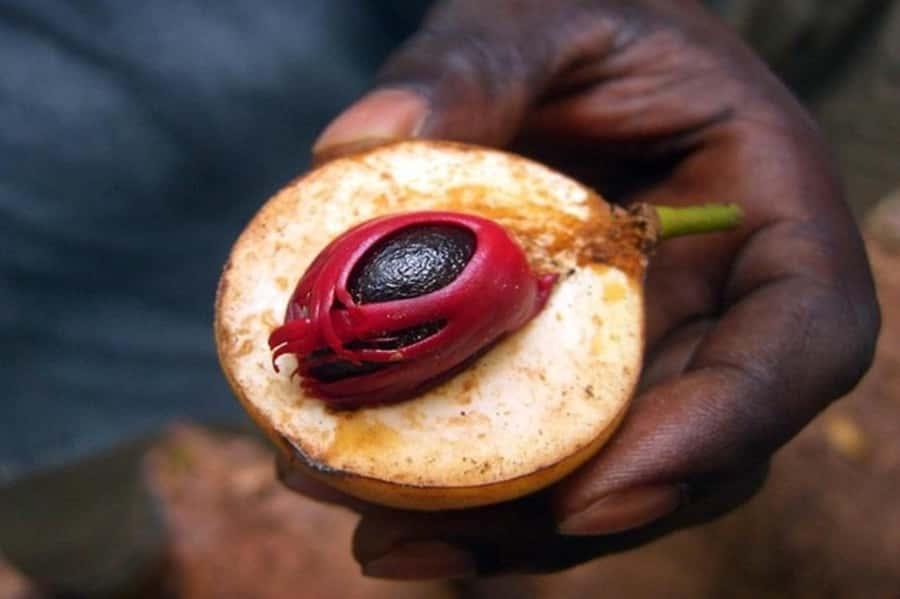
- Smell, taste, and match flavors: clove, lemongrass, nutmeg, cinnamon, turmeric, vanilla, black pepper, and more
- Swahili cooking at the cooking hut: coconut milk, wood fire, and charcoal burners used for real local-style cooking
- What you eat is the main event: typically lunch plus fruit, with the exact format depending on the session
- Spice stall time: a final stop for packaged spices and spice-related products, cash only
- Private group feel: you go with your own group, not a giant crowd swarm
Tangawizi Spice Farm, where Zanzibar’s spices actually grow
Zanzibar earned its nickname as Spice Island for a reason. This tour gives you the practical version of that story. Instead of just hearing about cloves and cinnamon, you walk through a working spice farm where those crops are cultivated and used.
The farm experience focuses on variety. You should expect to see and learn about plants that show up in Zanzibar cooking all year, not just a few showpieces. The tour also leans into sensory learning. The guide helps you connect each spice to its smell and taste, so the flavors make more sense when you later see them used in meals.
More Walking Tours in Zanzibar
- Stone Town Private Walking Tour
★ 5.0 · 371 reviews - Zanzibar: 3 Hours Private Stone Town walking Tour with Guide
★ 4.6 · 301 reviews - Zanzibar: Stone Town Historical Cultural Walking Guided Tour
★ 4.5 · 179 reviews
The 6-hour flow: hotel pickup, farm walk, cooking time, and drop-off
This runs for about 6 hours, and that timing matters because you’re doing two different activities back-to-back. First is the spice farm walking tour. Then you head to the cooking area and eat together.
Pickup is built in, with options from Stone Town and the Unguja North Region. You wait at your hotel reception about 10 minutes before pickup time. The tour also includes drop-off in similar areas, including Stone Town and the Unguja North Region.
One small practical note: this is a private group. That usually means you can ask questions without competing for attention. It also means the guide can adjust pacing a bit if someone is moving slowly, which came up as a positive point for people who said walking around can be tricky.
Walking the shamba: clove, cinnamon, nutmeg, and tropical fruit tasting
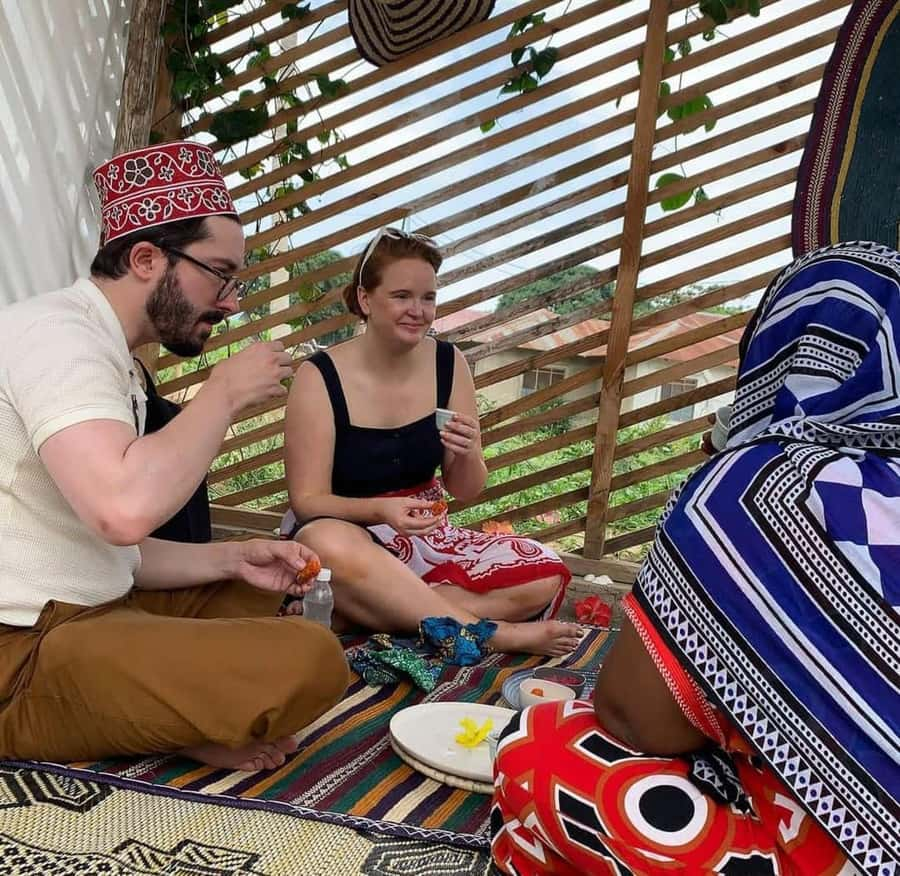
The spice walk is the heart of the day. Expect guided walking through the farm areas where different plants grow. You’ll get chances to smell and taste spices, herbs, and tropical fruits.
Here are some of the flavors you should be ready for on this tour:
- Clove
- Lemongrass
- Nutmeg, cinnamon, turmeric
- Vanilla, black pepper, cardamom
- Coconuts and papaya
- Chili and oranges
- Jackfruit and cassava
- (And you’ll also encounter other farm plants depending on what’s most accessible on that day)
The tasting format helps your brain. Spices like cinnamon and nutmeg can sound similar when you hear them in a menu. On the farm, they hit differently. Cinnamon can feel warm and sweet. Nutmeg can be deeper and almost slightly nutty. Clove often feels bold right away, like the smell has weight.
You’ll also get guided learning in a way that tests recognition. In other words, it’s not just you looking at plants. The guide uses smell and tasting to help you match what you’re experiencing to what you’re learning.
From farm hut to cooking fire: what the cooking lesson really looks like
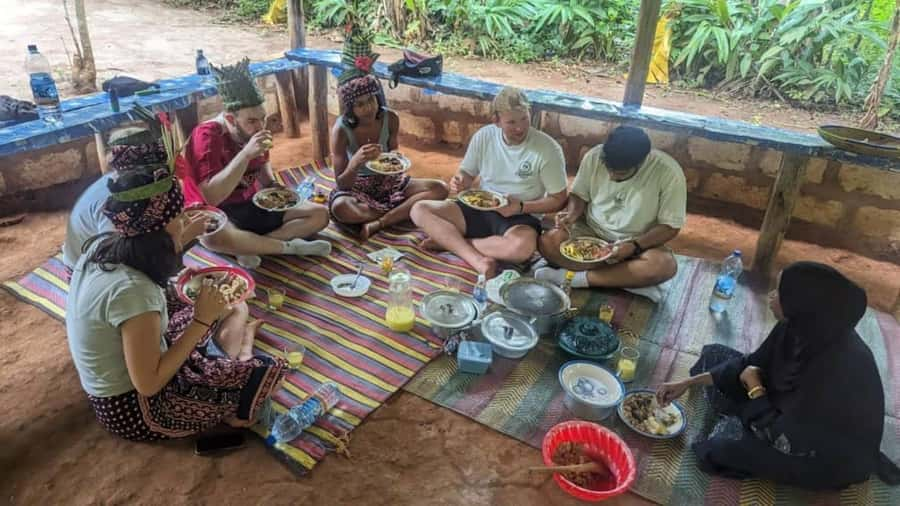
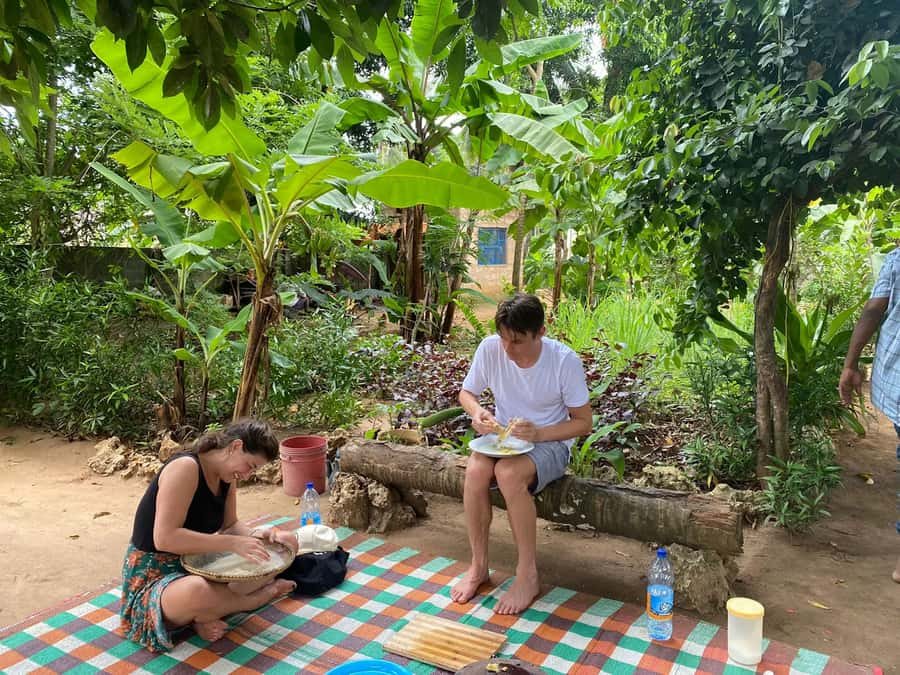
The cooking part is where this tour becomes memorable, because Zanzibar cooking isn’t complicated, but it is specific. You’re usually cooking at a simple open-air hut, with smoke, heat, and basic tools doing the heavy lifting.
Based on how sessions tend to run, don’t expect a strict Western-style classroom. It can feel more like a cooking demonstration than a true step-by-step class where everyone cooks every step. That said, the result is still practical. You see how dishes get built, and you learn what ingredients matter and why.
More spice farm visits in Zanzibar:
- Zanzibar: Stone Town, Spice Tour, Prison Island with Lunch
★ 4.4 · 1,219 reviews - Zanzibar: Prison Island, Stone Town, & Spice Farm Tour
★ 4.5 · 579 reviews - Zanzibar: Stone Town, Spice tour & Prison Island with Lunch
★ 4.6 · 453 reviews - Full-Day Private Stone Town +Spice Farm and Prison Island Tour
★ 4.5 · 216 reviews
Coconut milk and the rhythm of Swahili cooking
One highlight is coconut processing. You may see coconut meat scraped from the shell, then squeezed to make coconut milk. That coconut milk then shows up in multiple dishes, helping explain why Zanzibar food can feel both creamy and spicy without being harsh.
The cooking setup often includes a wood fire plus charcoal burners. This matters for flavor. Open heat changes how quickly aromatics bloom, and it changes how sauces reduce.
If you enjoy food that tastes layered, you’ll like how Swahili dishes often balance spices with salt, citrus, and coconut.
What you eat: Swahili-style lunch, fruit tasting, and dessert
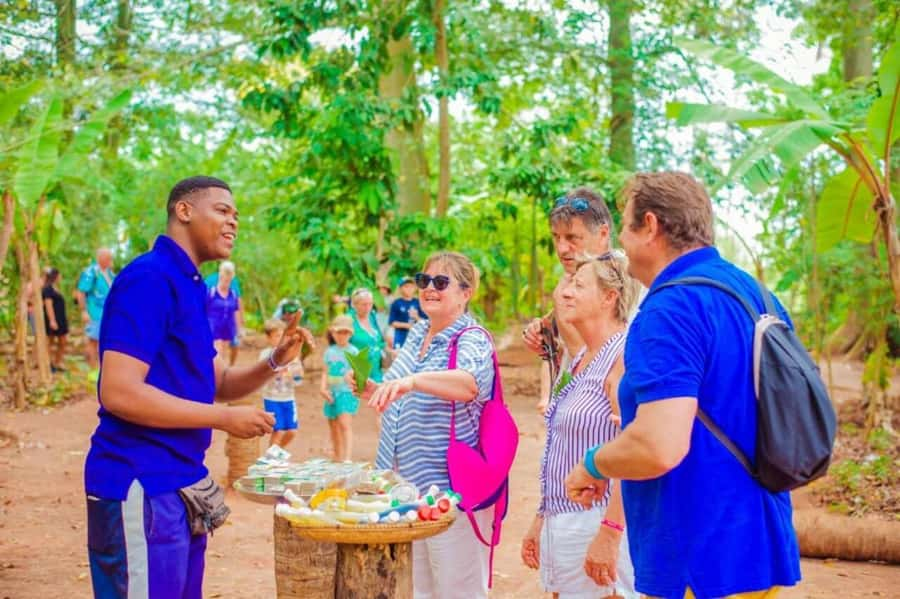
This is not a snack tour. Lunch is part of the included experience, and it’s usually generous.
The day typically includes multiple meal components and fruit, with a dessert included after the cooking portion. Exact structure can vary by session, and some people describe it as buffet-style rather than a formal 4-course plated meal. Either way, you should expect you’ll leave fed.
Likely dishes you’ll see and taste
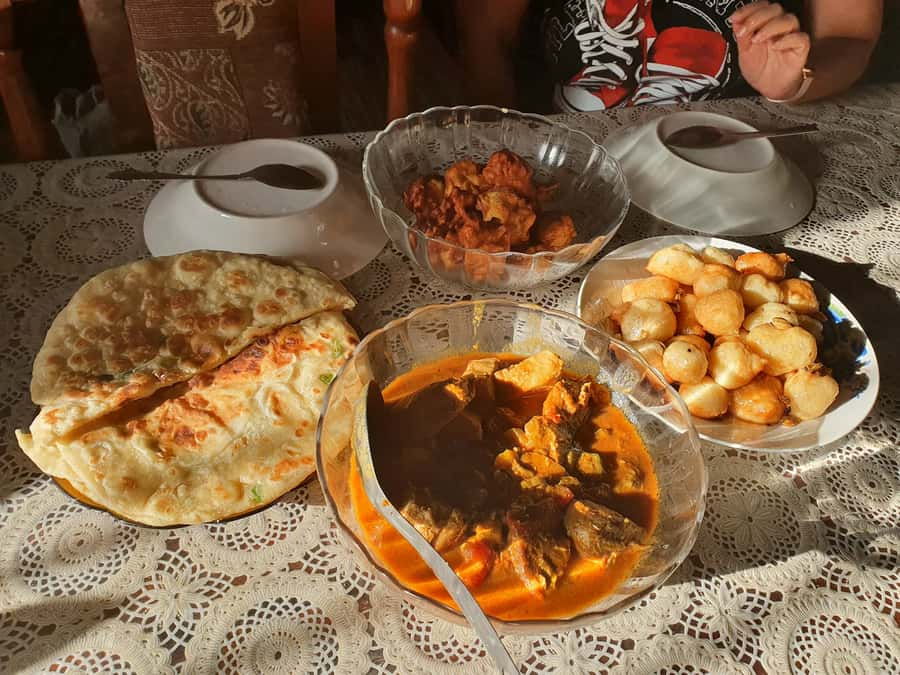
The cooking sessions often feature common Zanzibar cooking patterns. For example, you might see:
- Pilau rice flavored with several spices
- A sauce built from tomato and onion, often mixed with other ingredients
- Spinach included in the mix
- Fish prepared with lime and salt before frying
- Plantain as a side or component in the meal
One strong point repeated in accounts of this tour is that the food hits hard. People describe it as among the best Swahili food they’ve had, especially because it’s made using basic tools and local process. You’re not eating a restaurant menu. You’re eating what’s made there, with the spices you just smelled a few hours earlier.
Spice stall shopping, packaged gifts, and the cash-only rule
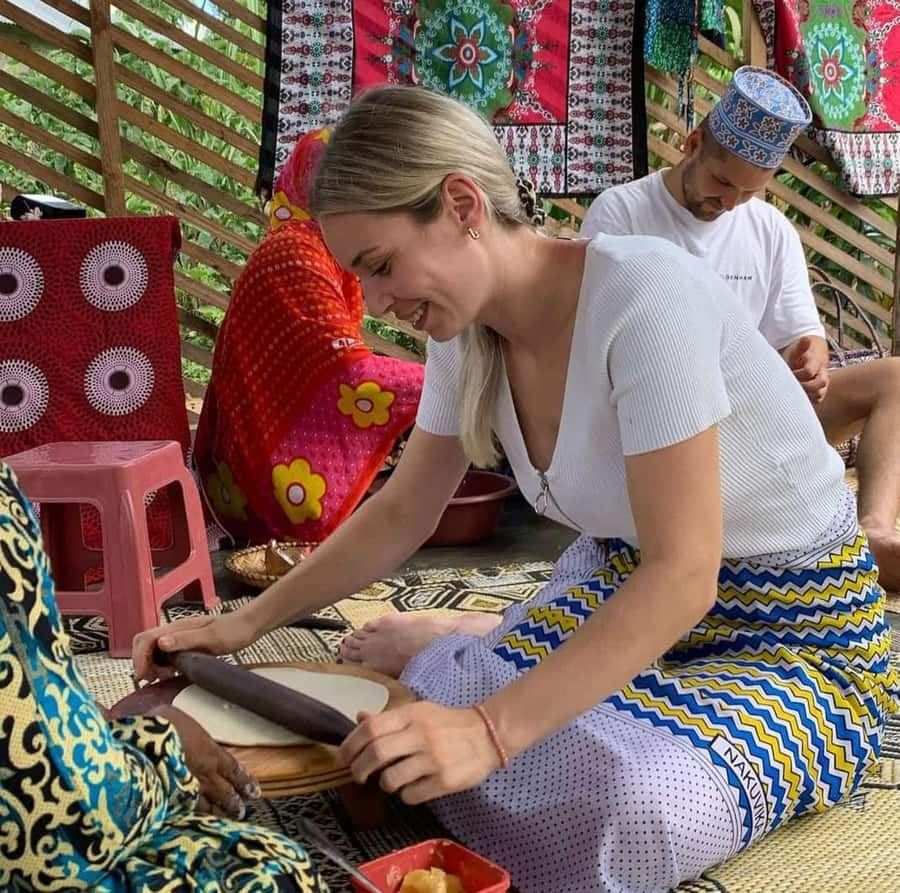
After the farm and cooking time, the tour often ends with a stop at a spice stall. This is where you can buy packaged spices and related products.
You should plan for cash. The spice stall is described as cash only, so bring small notes if you can. This is one of those travel details that can save you stress at the exact moment you want to buy.
People also tend to pick up spice-linked products like soaps and creams. That makes sense here. When you’ve just smelled the real spice plants, you tend to shop more thoughtfully, not just impulse-buy because something is labeled clove.
Tips: included, but still bring some small bills
The tour description says tips for farm workers are already included in the price. Still, practical advice from real-world moments is to keep a little cash on hand. Some stalls and helpers work in ways that make small extras feel natural. If you want to be tidy, confirm with your guide in the moment, then decide what fits your style.
Who this suits best, and who should adjust expectations
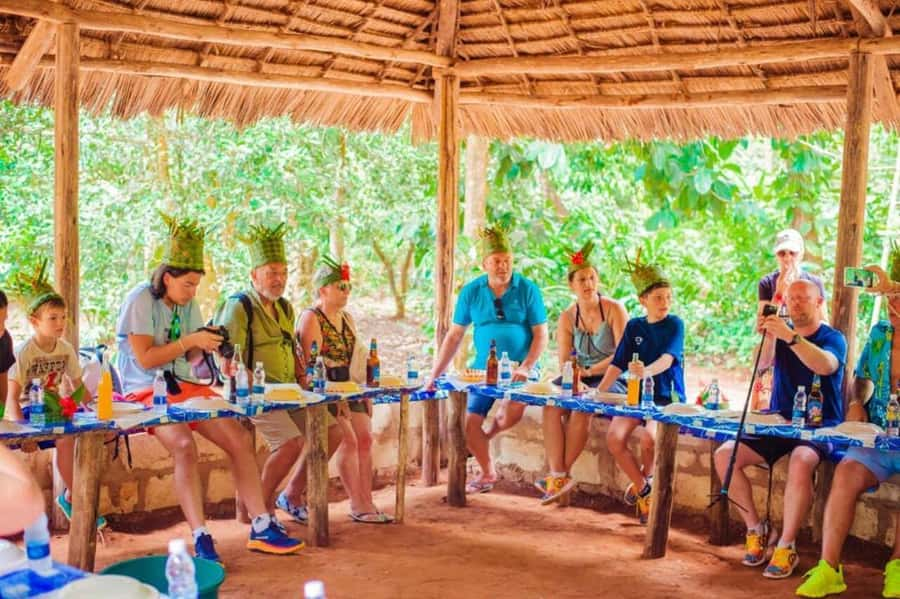
This is a farm-plus-food experience. That means it’s ideal if you like learning through your senses, not just through photos.
It works especially well if:
- You want local food that feels authentic, not just “tour food.”
- You like hands-on smells and tastes more than museum-style explanations.
- You’re the type who enjoys asking why something is used, not just what it is.
- You want a small group feel with a guide who can answer questions.
It may feel less ideal if you’re expecting a strict, Western-style cooking class where every participant takes a turn cooking each component. Some sessions lean more toward demonstration than full participation.
If you have mobility concerns, talk to your operator ahead of time. You can mention it and ask what walking conditions look like. Guides on this kind of tour can often choose safer paths, and people have specifically noted that the guide handled walking routes carefully for someone who was disabled and needed extra caution.
Value check: is $50 worth 6 hours of spices and lunch?
At $50 per person for about 6 hours, you’re paying for more than a meal. You’re paying for:
- Hotel pickup and drop-off
- A guided spice farm walk with tasting
- A live guide with multiple languages
- Lunch included
- Time spent learning and eating together
For many travelers, the value comes from the pairing of farm and food. If you only did a spice tour without eating, it can feel like a “see it, smell it” experience. If you only did a cooking class, it can feel like a generic food workshop. Here, you get both. The spice tasting gives your meal context.
Also, you’re not paying a restaurant price. You’re eating in a working cooking setup, with spices integrated into the process from start to finish.
So, yes, I think this can be strong value if you care about spices and Swahili cooking. If your only goal is a hands-on cooking class with heavy participation, you might want to confirm what the session format looks like on your day.
Practical tips to make the day smoother
A few simple things help you get more out of the farm walk and cooking time:
- Wear comfortable shoes for a walking farm environment
- Expect heat and plan your pace. The day is 6 hours total
- Bring small cash for the cash-only spice stall
- If you care about how hands-on the cooking portion is, ask your guide what to expect before the cooking starts
- If you have mobility needs, communicate them early, so the guide can plan safer walking routes
Should you book this Zanzibar spice farm and cooking tour?
Book it if you want a day that mixes farm learning with real local food. This tour is at its best when you like smelling spices up close, tasting tropical fruits, and then eating what those flavors turn into.
Skip or adjust expectations if you want a very hands-on cooking workshop where every participant fully cooks every dish. Some sessions feel more like a demonstration, and the meal format can be buffet-style rather than a strict plated 4-course event.
If you’re excited by Zanzibar spices, and you want lunch that tastes connected to what you just learned, this is one of the better bets for a single half-day excursion.
FAQ
What is the duration of the Zanzibar spice farm walking and cooking experience?
The tour lasts about 6 hours.
Where does hotel pickup happen?
Pickup options include Stone Town and the Unguja North Region.
What does the tour include?
It includes hotel pickup and drop-off, a guided spice farm experience, and lunch.
What languages are the live tour guides available in?
The guide is available in English, German, and French.
Does the tour have a cancellation policy?
Free cancellation is offered up to 24 hours in advance for a full refund.
Is there a spice stall at the end of the tour?
Yes. The tour finishes with a stop at a spice stall selling fresh packaged spices.
Can I expect to taste different spices and fruits?
Yes. You’ll smell and taste spices, herbs, and tropical fruits such as clove, along with other items listed in the tour description.
Is the group private?
The tour is described as a private group.
More Farms in Zanzibar
- Zanzibar: Stone Town & Spice Farm Tour with Lunch
★ 4.5 · 97 reviews - Zanzibar:Stone Town & Spice Farm Private Tour Lunch Included
★ 4.2 · 94 reviews - Zanzibar full day Jozani forest + Spice farm and stone town
★ 4.7 · 90 reviews - Zanzibar: Spice Farm & Stone Town Tour with Lunch
★ 4.5 · 80 reviews
More Cooking Classes in Zanzibar
- Zanzibar: Spice Farm Tour with Traditional Cooking Lesson
★ 4.8 · 77 reviews - Zanzibar Cooking Class & Spice Tour
★ 4.5 · 77 reviews - Half-Day Kuza Cave Swimming Adventure and Cooking Class
★ 4.5 · 44 reviews - Zanzibar: Spice Farm Tour with Traditional Cooking Class
★ 4.6 · 16 reviews
Just posted around Zanzibar
- Zanzibar:Jozani forest, Spice farm with Swahili Cuisine clas★ 4.2 · 3 reviews
- ZANZIBAR:Amazing tour Nakupenda SandBank with fruits★ 5.0 · 3 reviews
- Zanzibar Walking Tour: Unveiling the Secrets of Stonetown★ 4.8 · 11 reviews
- Zanzibar: The Rock Restaurant and Salaam Cave Tour★ 3.8 · 10 reviews
- Zanzibar: Tour to Prison Island and Nakupenda sandbank with lunch★ 4.3 · 3 reviews
- Zanzibar: Swimming With Horse and Clear Kayaking Tour★ 3.9 · 5 reviews
- Dolphin tour at kizimkazi and Salaam cave★ 3.3 · 15 reviews
- Zanzibar: Swim with Turtles Sanctuary Tour★ 4.6 · 10 reviews
Spice Farm Tours, compared.

Stone Town, Spice Tour, Prison Island with Lunch
Read our review →
Stone Town, Spice tour & Prison Island with Lunch
Read our review →
Full-Day Private Stone Town +Spice Farm and Prison Island Tour
Read our review →

The Swahili Spice Experience – Spice Tour + Culinary Journey
Read our review →Browse the lists this tour appears in