
Reviewed · SPICE FARM TOURS
Zanzibar:Jozani forest, Spice farm with Swahili Cuisine clas
Red monkeys and spice aromas, all in one morning. This half-day Zanzibar experience pairs a guided walk in Jozani Chwaka Bay National Park with a Swahili Cuisine class at a spice plantation. I especially liked the close-up chance to spot the friendly red colobus monkeys, and I also loved learning the Zanzibar spice mix by smelling and tasting it right on the farm. One caution, the spice-farm portion can feel a bit tip and shop heavy, so go with a clear budget for anything extra.
This tour runs for about 5 hours with hotel pickup and return from multiple beach and city areas. You also get choice of where the day starts, either Jozani forest first or the spice farm first, depending on how you want to pace your afternoon. It’s a good fit if you want walking time plus real sensory learning, but not if you need very limited walking.
In This Review
- Key points I’d focus on
- Jozani Chwaka Bay National Park: the red colobus show is the point
- A practical drawback to keep in mind
- Mangroves: a calmer stop that teaches you what you’re looking at
- Shabuta spice farm: smelling and testing Zanzibar spices like a class
- A heads-up about pacing and pressure
- Swahili Cuisine cooking class: how the flavors connect
- The coconut climber moment: human butterfly meets hakuna matata
- Timing, pickup coverage, and what the 5 hours really feels like
- How the $94 price lines up
- What to bring, what not to do, and who should sit this one out
- Should you book Zanzibar Jozani forest and the spice farm with Swahili Cuisine?
- FAQ
- How long is the Zanzibar Jozani forest and spice farm tour?
- Where do pickups and drop-offs happen?
- Can I choose whether to start in Jozani forest or the spice farm?
- What animals might I see in Jozani forest?
- What spices can you smell or taste at the farm?
- Is the Swahili Cuisine cooking class included?
- What is included in the price?
- Is food included?
- What should I bring, and what is not allowed?
- Is there free cancellation?
Key points I’d focus on
- Jozani Chwaka Bay walk for red colobus monkeys plus a chance to spot other forest creatures
- Mangroves visit where you learn how mangroves grow
- Spice farm tastings with cinnamon, cardamom, black pepper, ginger, vanilla, turmeric, cloves, and more
- Swahili Cuisine class tied to what you see and smell in the plantation
- Coconut climber moment with a performer called the human butterfly climbing high and singing hakuna matata
- Two guided nature blocks of about 1.5 hours each, designed for a half-day schedule
Jozani Chwaka Bay National Park: the red colobus show is the point
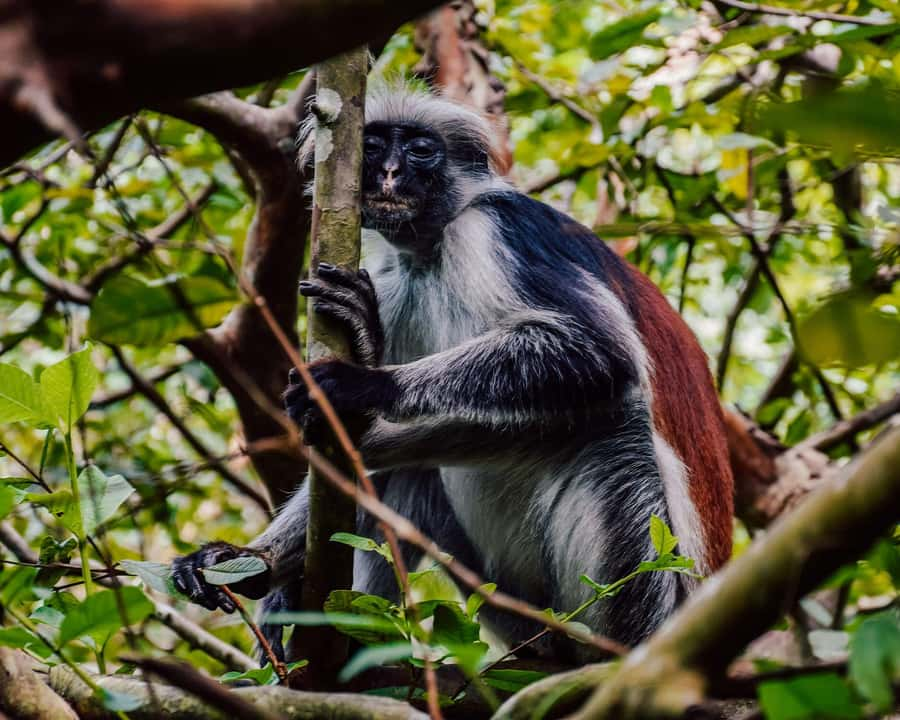
Jozani Chwaka Bay is the animal part of this tour, and it’s built around a guided walking visit that lasts about 1.5 hours. You start in the forest with time for a photo stop and then move on with your guide, so you can slow down when something interesting pops up. The biggest draw is the red colobus monkey, a small, distinctive primate that’s often very comfortable around people when you stay quiet and respectful.
What I find useful to know: these monkeys are described as having four fingers and no thumb. You may also spot their white chest and red fur on the back, a look that helps you identify them fast even when branches clutter the view. The tour also mentions their diet as mainly green and young fruits and vegetables, so your guide can explain what those animals are likely finding in the canopy.
You’re not limited to monkeys, either. You also get the chance to see other forest species such as digidig, elephant shrew, and chameleons. Real talk, you won’t control what the forest decides to show you, but this layout gives you multiple chances through a guided walk rather than a quick roadside stop.
More Jozani Forest trips:
- Zanzibar: Jozani Forest & Sea Tortoises Sanctuary Tour
★ 4.6 · 204 reviews - Dolphin tour, Jozani Forest, Jambiani Kuza Cave, Paje Beach &The Rock restaurent
★ 4.5 · 164 reviews - Zanzibar full day Jozani forest + Spice farm and stone town
★ 4.7 · 90 reviews
A practical drawback to keep in mind
Walking in a forest means uneven ground and lots of roots. Bring comfortable shoes, and don’t plan on doing this tour if you can’t handle light to moderate walking.
Mangroves: a calmer stop that teaches you what you’re looking at
After the forest walk, you head to the mangroves area. This is where the tour shifts from “spot animals” to “understand the habitat” type of learning. You get time to visit the mangroves and learn how mangroves grow, guided by your professional host.
I like this stop because it balances the adrenaline of looking for monkeys with something more grounded. Mangroves can feel hard to read from the outside, with all the trunks and roots. When someone explains how they grow, the whole scene clicks into place, and your photos turn from random greenery into something you actually understand.
The tour description does not promise a long hike here, so expect this as a short, educational break before you move on to the spice farm.
Shabuta spice farm: smelling and testing Zanzibar spices like a class
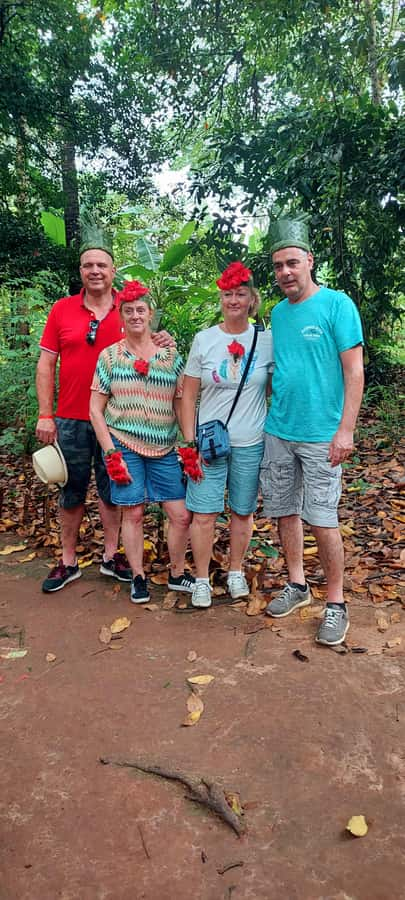
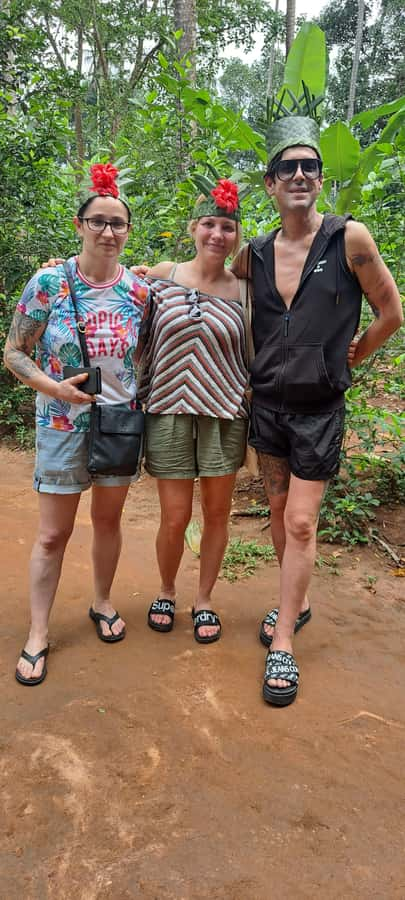
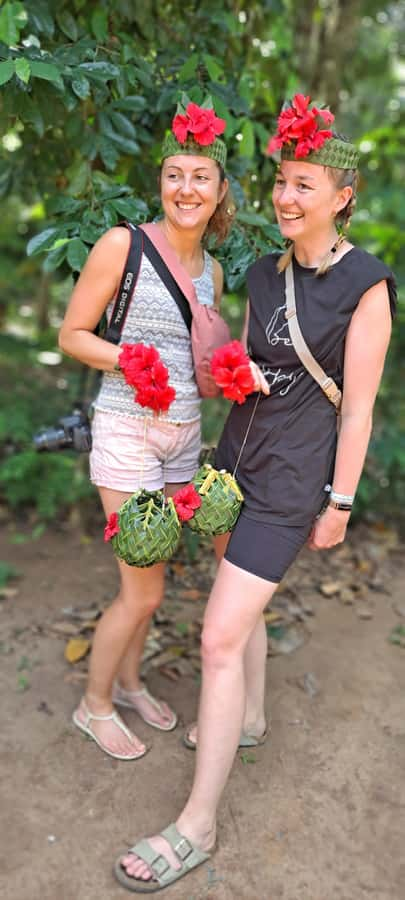
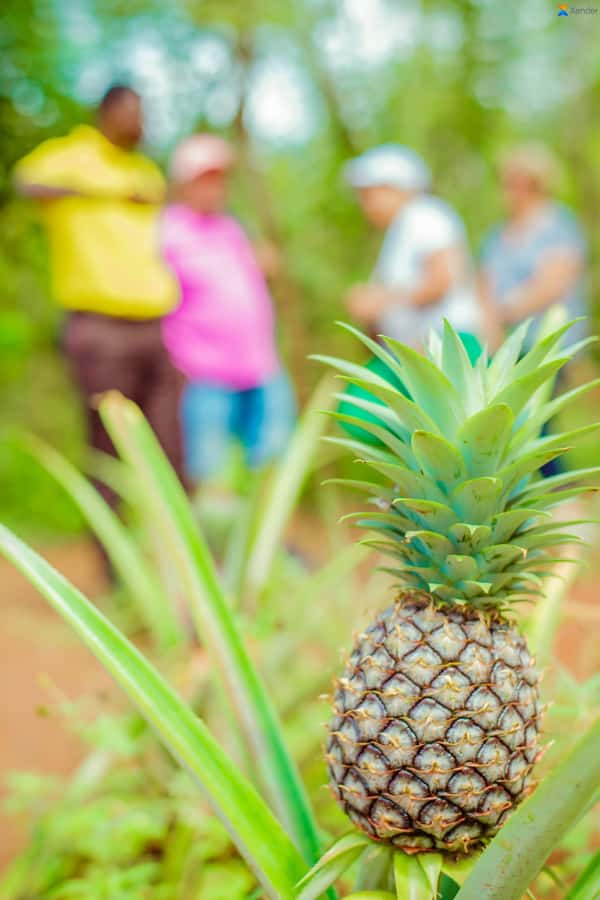
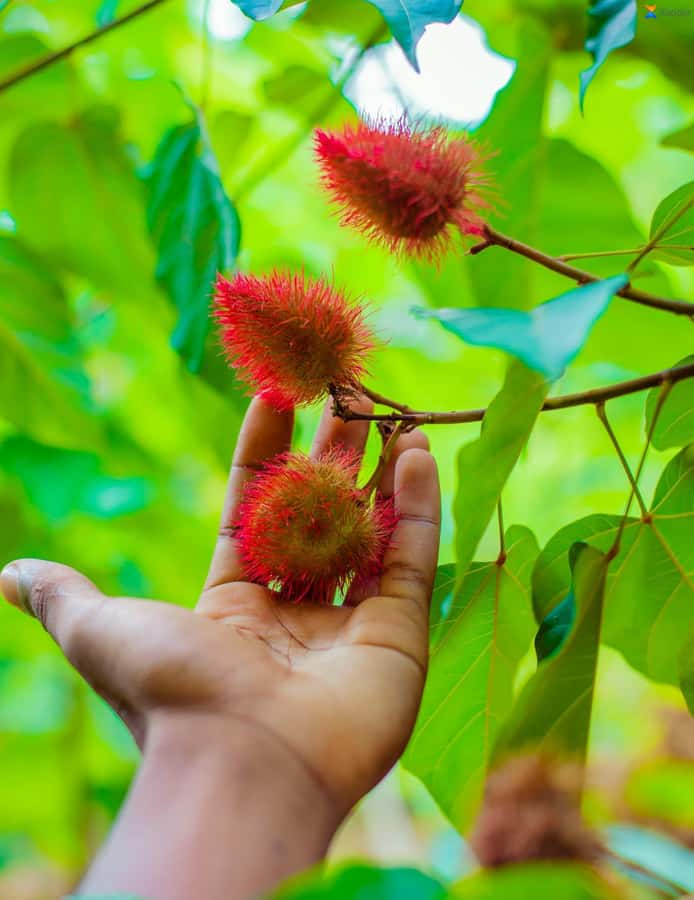
Then comes the farm, and it’s the sensory section of the day. The spice farm visit includes photo stops, a guided tour, free time, and a walk that’s also about 1.5 hours. This is where you get to smell and test tropical spices and fruits that are commonly grown in Zanzibar.
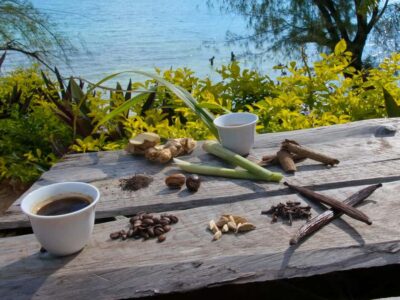
The list provided is detailed, so you know what to pay attention for while you’re there: cinnamon, cardamon, black pepper, chill, ginger, vanilla stick, lemon grass, lemon mint, turmeric, nutmeg, and cloves. I’d treat this as a mini identification game. Smell one, ask what it’s used for, then taste only if your guide says it’s safe to do so. The point is not tasting everything, it’s learning the difference between scents and flavors you might only know from cooking at home.
This is also where the day earns its “value” for many people. A lot of Zanzibar experiences are either nature or shopping. This one ties them together with guided explanations about the spices and how they are grown in Zanzibar. Even if you don’t buy anything, the learning is the product.
More spice farm visits in Zanzibar:
- Zanzibar: Stone Town, Spice Tour, Prison Island with Lunch
★ 4.4 · 1,219 reviews - Zanzibar: Prison Island, Stone Town, & Spice Farm Tour
★ 4.5 · 579 reviews - Zanzibar: Stone Town, Spice tour & Prison Island with Lunch
★ 4.6 · 453 reviews - Full-Day Private Stone Town +Spice Farm and Prison Island Tour
★ 4.5 · 216 reviews
A heads-up about pacing and pressure
The negative feedback tied to the farm is important to listen to. At the spice plantation, you might encounter multiple people waiting with expectations for tips, and you may get strong encouragement to purchase items in different small shops. If you prefer low-pressure shopping, show up with cash in mind and a firm limit for extras. You can still enjoy the guided walk, just don’t drift into “maybe I’ll buy everything” mode.
Swahili Cuisine cooking class: how the flavors connect
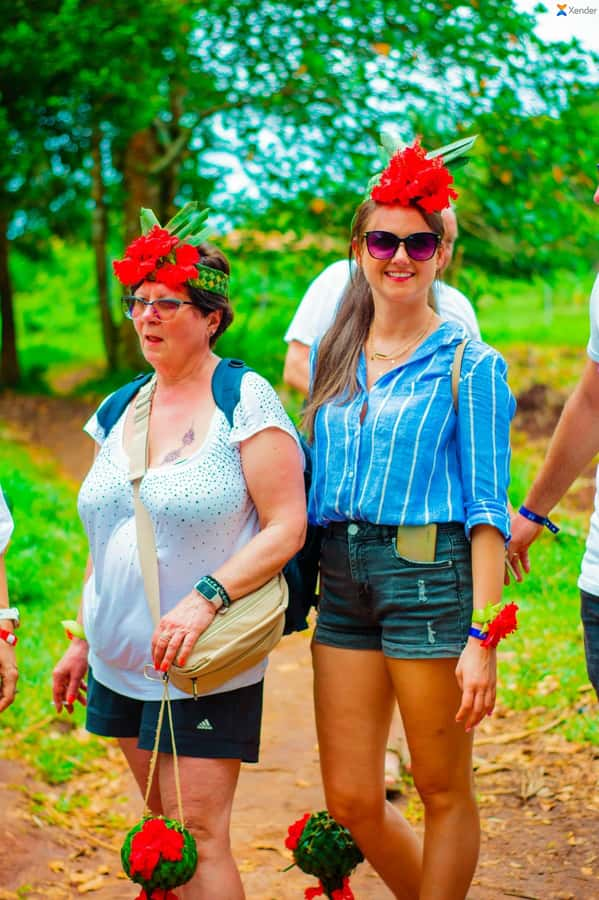
One of the tour highlights is the Swahili Cuisine cooking class. It’s included as part of the experience along with the spice plantation visit, so you should expect the cooking time to connect with the ingredients you’re smelling and tasting.
Because the tour info does not list the exact dishes you’ll cook, you should treat the class as a hands-on learning session about Swahili flavors and spice use. What matters for you is the practical angle: you’ll leave with a stronger sense of how spices translate into food, and you’ll have an easier time recognizing them later when you eat in Zanzibar.
If you’re the type who likes to understand what’s behind a flavor, this portion is a big reason the tour works better than a simple plantation visit.
The coconut climber moment: human butterfly meets hakuna matata
Spice farms in Zanzibar often include an entertainment beat, and this one has a specific performer described as the human butterfly. You get the chance to see this coconut climber climb a coconut tree up until the top, while singing hakuna matata.
I like this moment because it adds energy without taking over the whole day. It also gives you something visual to photograph that isn’t just plants or monkeys, and it’s easy to enjoy even if you’re not a spice expert.
Timing, pickup coverage, and what the 5 hours really feels like
This is a 5-hour half-day tour with hotel pickup and drop-off in multiple locations. Pickup is available from several areas including Stone Town, Nungwi, Kiwengwa, Paje, Jambiani, Uroa, Pwani Mchangani, Michamvi, and Jambiani-based areas, depending on where you’re staying. Your guide meets you at your hotel reception or lobby during the selected pickup time, so you don’t have to find a meeting point in town.
The pacing is built around two main guided blocks of about 1.5 hours each: Jozani forest and the Shabuta spice farm. Between those, you have photo stops and a mangroves visit, so the full schedule stays compact. If you hate rushing, this is the kind of tour where you should still be okay, as long as you’re comfortable walking and sharing space with a small group.
How the $94 price lines up
The stated price is $94 per person, and the included items matter here. You get round-trip transport/transfer from your hotel, entrance fees, guide fee, and all government tax, plus bottled water. Food and drinks are not included, though you can request lunch.
So you’re paying for more than just “going somewhere.” You’re paying for access (entrance fees), guidance (forest plus farm), and logistics (pickup and return). In real terms, it’s best value if you would otherwise have to arrange a guide and entry on your own.
If you arrive hungry, plan ahead. Since food is not included, budget for lunch if you want it, and remember the farm experience may include areas where purchases and tips are expected.
What to bring, what not to do, and who should sit this one out
For a smooth day, bring comfortable shoes and a camera. The tour info also suggests bringing cash, which is sensible if you want to handle small purchases or optional extras during the farm portion. Bottled water is provided, but having your own water preference can help too.
A few rules are clear: alcohol and drugs are not allowed, and littering is not allowed. Keep it simple, help the guide keep the day respectful, and you’ll all have a better experience.
Not for everyone, based on the tour’s stated limits. The tour is not suitable for people with diabetes, babies under 1 year, or people over 70 years. If you’re near one of these categories, it’s smart to check with the operator directly before booking.
Should you book Zanzibar Jozani forest and the spice farm with Swahili Cuisine?
I’d book it if you want a half-day that mixes wildlife spotting and hands-on ingredient learning. The Jozani forest piece gives you a real chance at seeing red colobus monkeys in a guided setting, and the spice farm adds tasting and explanation instead of just browsing plants. If you’re excited by cooking, the Swahili Cuisine class is a strong bonus because it connects what you see to what you eat.
I would skip or adjust expectations if you don’t like tip and shop pressure, because the farm side can feel pushy. The solution is not to abandon the tour, it’s to go in prepared with a budget, a plan for what you want to skip, and the mindset that guided learning is the main ticket.
If your ideal Zanzibar day is a short, focused nature walk plus a spice-focused education, this one fits well.
FAQ
How long is the Zanzibar Jozani forest and spice farm tour?
The duration is listed as 5 hours.
Where do pickups and drop-offs happen?
Pickup and drop-off are included, with options such as Stone Town, Uroa, Pwani Mchangani, Nungwi, Kiwengwa, Paje, Michamvi, and Jambiani (depending on the selected route).
Can I choose whether to start in Jozani forest or the spice farm?
Yes. You have the opportunity to choose where to start between Jozani forest or the spice farm.
What animals might I see in Jozani forest?
The tour focuses on seeing red colobus monkeys, and it also mentions possible sightings of digidig, elephant shrew, and chameleons.
What spices can you smell or taste at the farm?
The farm experience mentions cinnamon, cardamom, black pepper, chill, ginger, vanilla stick, lemon grass, lemon mint, turmeric, nutmeg, and cloves.
Is the Swahili Cuisine cooking class included?
Yes. The experience includes a Swahili Cuisine cooking class as part of the day.
What is included in the price?
Included are hotel pickup and return transfer, entrance fees, guide fee, all government tax, and bottled water.
Is food included?
Food and drinks are not included. You can request lunch.
What should I bring, and what is not allowed?
Bring comfortable shoes and a camera, and the tour info suggests cash. Alcohol and drugs are not allowed, and littering is not allowed.
Is there free cancellation?
Yes. You can cancel up to 24 hours in advance for a full refund.
More Farms in Zanzibar
- Zanzibar: Stone Town & Spice Farm Tour with Lunch
★ 4.5 · 97 reviews - Zanzibar:Stone Town & Spice Farm Private Tour Lunch Included
★ 4.2 · 94 reviews - Zanzibar: Spice Farm & Stone Town Tour with Lunch
★ 4.5 · 80 reviews - Zanzibar: Spice Farm Tour with Traditional Cooking Lesson
★ 4.8 · 77 reviews
Just posted around Zanzibar
- ZANZIBAR:Amazing tour Nakupenda SandBank with fruits★ 5.0 · 3 reviews
- Zanzibar Walking Tour: Unveiling the Secrets of Stonetown★ 4.8 · 11 reviews
- Zanzibar: The Rock Restaurant and Salaam Cave Tour★ 3.8 · 10 reviews
- Zanzibar: Tour to Prison Island and Nakupenda sandbank with lunch★ 4.3 · 3 reviews
- Zanzibar: Walking Spice Farm with Local Cooking Class★ 4.4 · 9 reviews
- Zanzibar: Swimming With Horse and Clear Kayaking Tour★ 3.9 · 5 reviews
- Dolphin tour at kizimkazi and Salaam cave★ 3.3 · 15 reviews
- Zanzibar: Swim with Turtles Sanctuary Tour★ 4.6 · 10 reviews
Spice Farm Tours, compared.
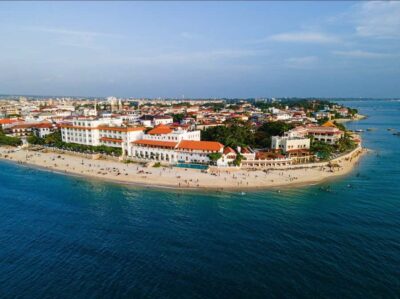
Stone Town, Spice Tour, Prison Island with Lunch
Read our review →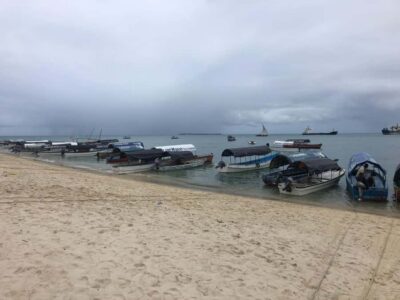
Stone Town, Spice tour & Prison Island with Lunch
Read our review →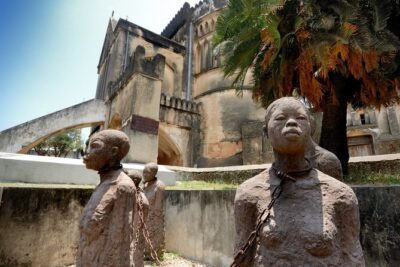
Full-Day Private Stone Town +Spice Farm and Prison Island Tour
Read our review →
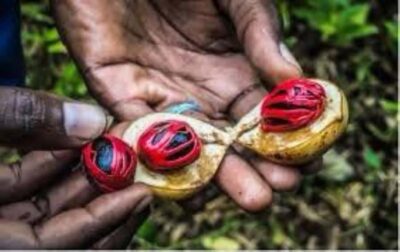

The Swahili Spice Experience – Spice Tour + Culinary Journey
Read our review →Browse the lists this tour appears in