
Reviewed · SPICE FARM TOURS
Zanzibar: Spice Farm Tour with Traditional Cooking Class
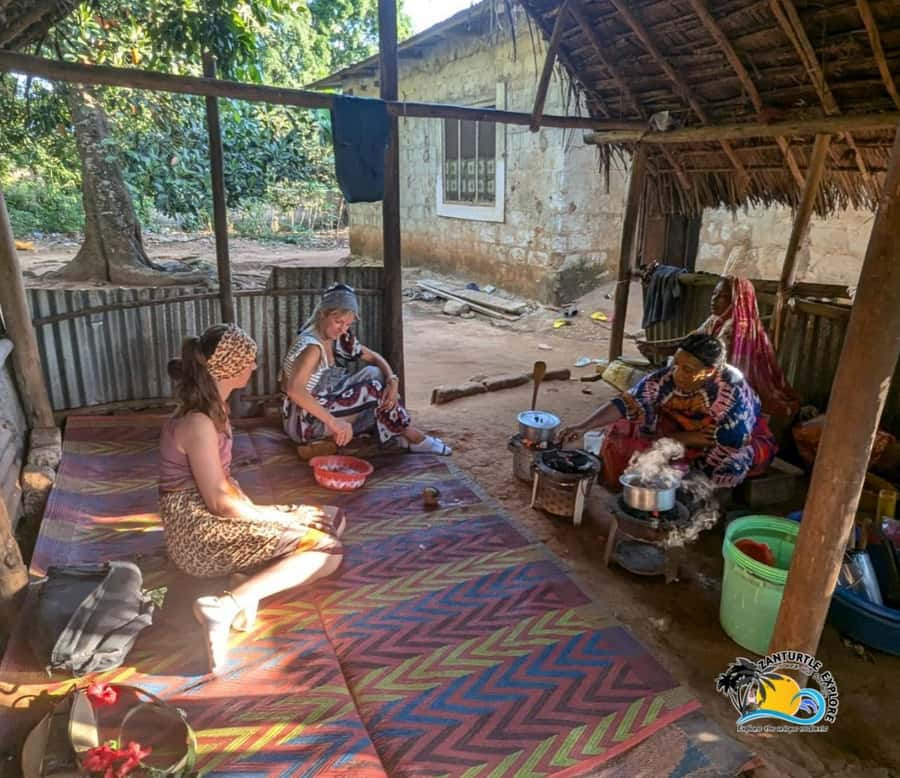
Spice gardens and real cooking lessons in Zanzibar. This Zanzibar spice farm tour blends a walk through a working spice plot with hands-on Swahili cooking, so you see the plants and then taste what they turn into. I love the chance to learn how crops like ginger, vanilla, and coffee are grown and harvested, and I also like the family-style kitchen time with a local chef. One possible drawback: even though it’s listed as 6 hours, the day can run shorter depending on the schedule and what fits the group.
If you’re staying in Stone Town, the Stone Town pickup and drop-off is a big help. You’ll spend the day moving between spice sections, meeting the plants up close, then returning for a shared meal. This is best if you like learning by doing, not just taking photos.
In This Review
- Key things to know before you go
- Stone Town pickup and the half-day timeline that matters
- Walking through a working spice farm, not a slideshow
- Cardamom, ginger, vanilla, coffee, and the spice list you will remember
- Coconut climber (butterfly) and young coconuts
- Cooking training with a local chef, tools, and Swahili technique
- What you will eat, and why you talk while you dine
- Price and value: is $47 worth it?
- Transport, timing, and how to avoid feeling rushed
- What to bring, what to buy, and how cash helps
- Languages and who will feel most comfortable
- Who should book this spice farm cooking class
- Should you book Bluecity Tours Zanzibar spice farm and cooking class?
- FAQ
- Where does the tour start?
- How long is the spice farm tour and cooking class?
- What is included in the $47 price?
- What will I see on the spice farm?
- Is there a meal included?
- What languages are available for the tour guide?
- What should I bring and buy?
- Are there any restrictions during the tour?
Key things to know before you go
- Three farm sections: you visit multiple parts of the spice area, not just one quick stop.
- Spice variety you can name: cardamom, ginger, vanilla, coffee, nutmeg, cinnamon, and lemongrass.
- Coconut spotting with a twist: you may see a coconut climber (butterfly) and young coconuts.
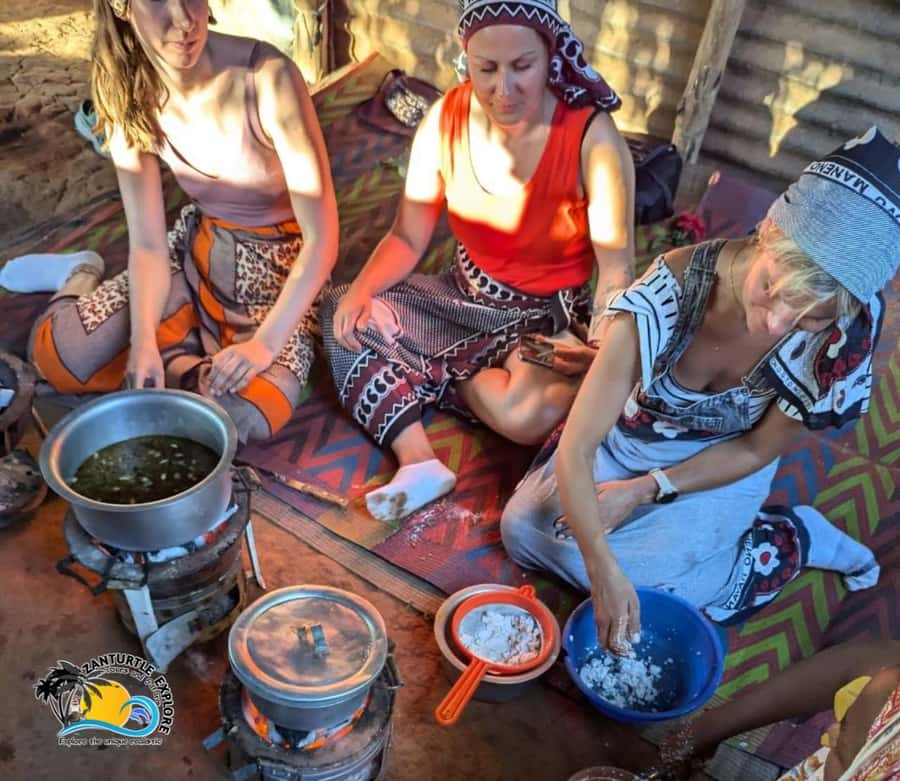
- Kitchen training with local women: a local chef shows you how to use ingredients and tools properly.
- A shared Swahili meal: you eat what you help prepare, with time to talk while you dine.
- Spice shopping on site: spices may be available to buy, so bring cash and expect negotiation.
Stone Town pickup and the half-day timeline that matters
This tour is built for a relaxed half-day. You start with pickup from Stone Town, then head into the Unguja South Region countryside where the spice farms are. You return to Stone Town at the end, which makes it easy to plan the rest of your day without stress.
In practice, time can be flexible. The tour is advertised as 6 hours, but it may run shorter depending on how the schedule works. If you have dinner reservations or a later activity, give yourself a little buffer so you are not rushing back.
More spice farm visits in Zanzibar City:
- Zanzibar: Stone Town, Spice Tour, Prison Island with Lunch
★ 4.4 · 1,219 reviews - Zanzibar: Prison Island, Stone Town, & Spice Farm Tour
★ 4.5 · 579 reviews - Zanzibar: Stone Town, Spice tour & Prison Island with Lunch
★ 4.6 · 453 reviews
Walking through a working spice farm, not a slideshow
What I like most is that you are walking through an active small farm area. You are not just looking at labels. You learn how different spices are planted, cared for, and harvested, and you get the kind of practical explanations you only get from people who grow them.
The tour takes you through three different parts of the farm. That matters because spice plants are not all the same, they grow in different ways and need different conditions. One section might feel more like a spice garden walk, while another gives you a clearer view of how plants are managed over time.
You will also get a real sense of why Zanzibar became known as Spice Island. The day ties farming to cooking, so the trip does not end at the gate. Instead, it feeds into what you eat later.
Cardamom, ginger, vanilla, coffee, and the spice list you will remember
You can expect to see a clear set of signature Zanzibar spices. The farm portion includes plants such as cardamom, ginger, vanilla, coffee, nutmeg, cinnamon, and lemongrass. You also get explanations about how to plant them and how long they take before they are ready for use.
Here’s the practical value of learning this way. When you later taste ginger in a dish, cinnamon in something sweet, or vanilla in a dessert style flavor, you can connect the taste to a plant stage you saw that morning. It also helps you shop more intelligently. If you buy cinnamon or nutmeg after the tour, you’ll understand why some spices smell stronger when they are fresh and properly handled.
If you care about flavor chemistry even a little, Zanzibar is a good place for it. Ginger and lemongrass show up in many Swahili preparations with bright, aromatic bite. Vanilla tends to read as warm and sweet. Coffee links the whole spice story to daily life, not just special occasions.
Coconut climber (butterfly) and young coconuts
Another detail that makes this tour feel more real is the chance to spot coconut trees and growth stages. You may see a coconut climber (sometimes described as butterfly) plus young coconuts during the farm visits.
It sounds like a quick add-on, but it is actually useful. Coconuts and spice plants often share the same agricultural landscape. Seeing young coconuts also gives you a time reference for how slow-and-steady farm growth really is, not instant results.
This part also makes the tour more fun if you like nature moments between tastings and lessons. You get to look, ask questions, and take in the farm environment in a way that feels less like a classroom and more like being shown around.
A few more Zanzibar City trips to compare
- A private half day spice farm with a cooking lesson
★ 5.0 · 13 reviews - Zanzibar: Spice Farm Tour and Cooking Class with Lunch
★ 4.2 · 11 reviews - Zanzibar Cooking Class [Swahili food test ] and Spice farm Private tour
★ 4.5 · 6 reviews - Spice tour and cooking class (local food)
★ 5.0 · 5 reviews
Cooking training with a local chef, tools, and Swahili technique
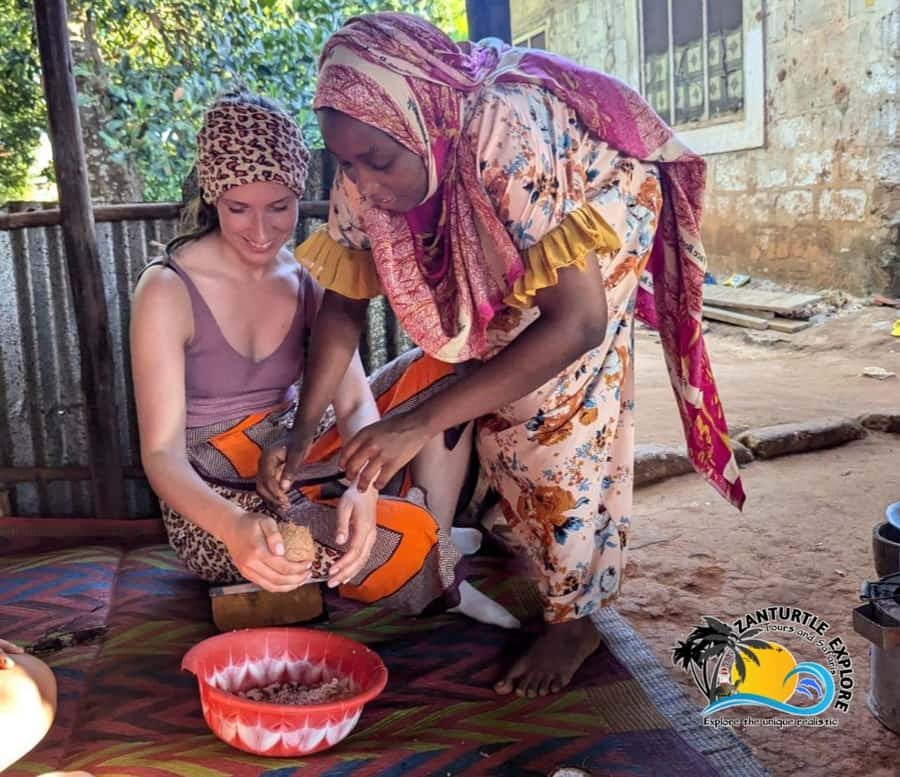
The kitchen portion is where the trip clicks into place. Ingredients are already bought from a workshop, and local women act as chefs for the cooking training. You get instructions on how to use the materials properly, then you help prepare the Zanzibar-style cuisine.
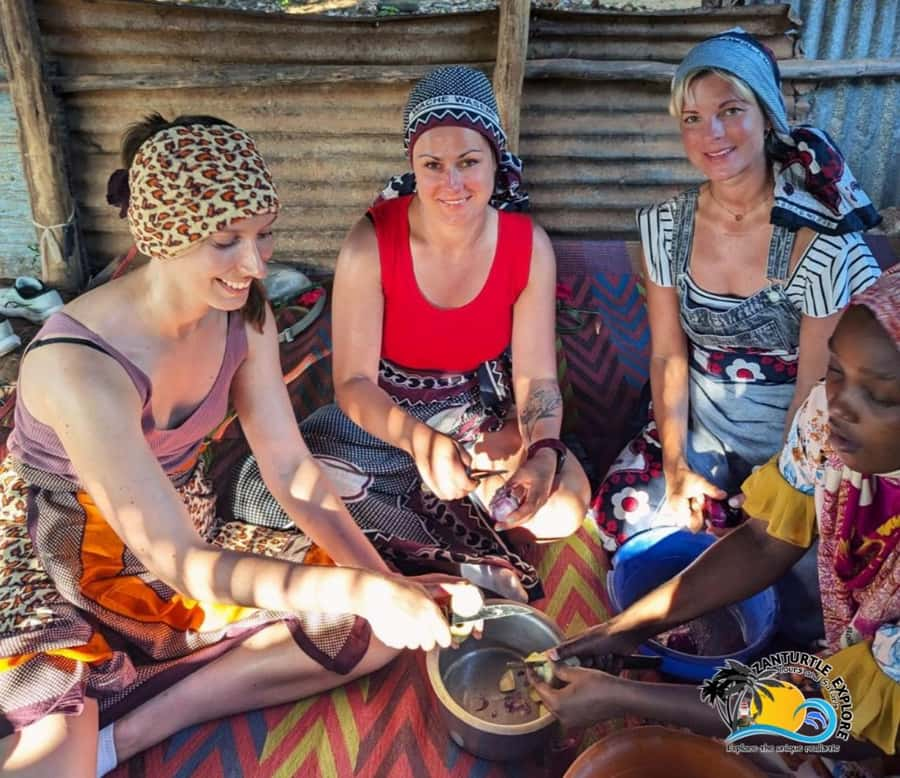
This is the part I think people underestimate. If you only expect a meal, you will enjoy it, but you may miss the value of learning technique. You are taught how to prepare ingredients for the Swahili flavor profile, and you get direction on doing it correctly, not just copying a recipe.
A sweet detail from real experiences: the class can feel intimate, and you might get individualized attention while chopping and preparing. One person also noted that coconut milk was made with their help during the cooking time. You should not count on that exact step, but it tells you the training can be hands-on, not just watch-and-eat.
What you will eat, and why you talk while you dine
When the meal is ready, you sit down together with your chef. You get time for conversation while eating the flavors of Swahili cuisine, which is where you learn the cultural side of the spices you saw earlier.
The meal matters because it turns farm knowledge into lived experience. You taste the balance that Swahili cooking is known for, with spices layered into dishes rather than used as a single note. Even if you are not an expert cook, you can learn what each spice contributes by paying attention to smell, heat, and sweetness as you eat.
If you like to process experiences by taking notes, bring a small notebook or keep your phone handy for quick reminders. A simple recipe written down would be useful, and while you might not receive one, you can still capture the key flavors and steps you enjoyed.
Price and value: is $47 worth it?
At $47 per person for a roughly half-day experience, the value depends on what you want most: convenience, guided learning, or a real cooking practice.
Here is what is included in the price:
- Pickup and drop-off from Stone Town hotels
- Entrance fees (so you are not paying extra at gates)
- A tour guide
- Bottled water
That set of inclusions is a big deal in Zanzibar, because transport and guided interpretation can eat into your budget fast if you plan it yourself. Also, you are not just buying a drive to a farm. You are paying for a guided tour of the spice area and a cooking training that ends in a meal.
If your goal is a food-focused experience that teaches you the why behind Zanzibar flavors, this is strong value. If you mainly want a quick photo stop with zero time in a kitchen, you might find the cooking portion either perfect or slightly more involved than you expected.
Transport, timing, and how to avoid feeling rushed
The schedule starts with pickup in Stone Town, then moves you into the rural spice area. Plan to spend most of your day’s middle stretch on the activity since the total time is listed as 6 hours.
One reason this matters: cooking takes time, and farm walking takes time. Even when a tour runs shorter than the advertised duration, you still need enough energy to move around on the property and then concentrate in the kitchen.
If you are sensitive to heat or sun, consider starting with water, wearing breathable clothes, and pacing yourself during the farm walk. Bottled water is included, but you’ll feel better if you carry your own small refill plan too, especially if you get warm while walking.
What to bring, what to buy, and how cash helps
You should bring comfortable shoes, because farm paths can be uneven or dusty. Also bring cash. Cash comes in handy because spices may be available to buy on site, and it’s common to negotiate pricing.
Here is a practical shopping approach. Buy only a few items if you are unsure about shipping or storage back home. Choose spices that you can use quickly after travel, like cinnamon, nutmeg, or ginger, rather than bulky items you might not use.
Also, remember that alcohol is not allowed and drugs are not allowed. If you want a relaxing day, treat this as a morning-to-midday focus on learning and eating, not a nightlife kind of outing.
Languages and who will feel most comfortable
The guide can speak English, French, Italian, and German. That’s helpful if you want direct explanations about farming and cooking rather than relying on hand gestures. You can ask questions about how spices grow, and you can better understand how the chef wants you to handle ingredients during the class.
This tour suits people who enjoy:
- Hands-on food experiences
- Learning from locals in rural settings
- A structured half-day plan
It may not fit if you strongly dislike cooking activities or if you want a long, slow day with extra downtime. The time is focused, and you’ll be moving between farm sections and kitchen work.
Who should book this spice farm cooking class
I think this works best for couples and small groups who want a calm, personal experience. It also suits food lovers who like understanding where ingredients come from. If you are the type who remembers flavors better when you connect them to a plant you saw, you’ll enjoy this tour a lot.
If you have limited time in Zanzibar but still want something more meaningful than a drive and a generic meal, this is a smart pick. You get a guided explanation of spice farming plus Swahili cooking training that ends in a shared meal.
If you are traveling with kids, you can make it work, but you’ll want to consider the walking and the kitchen activity. For seniors or anyone with mobility issues, comfortable shoes and pacing will matter, since farm paths may not be fully smooth.
Should you book Bluecity Tours Zanzibar spice farm and cooking class?
Book it if you want a real spice farm walk plus a cooking class tied to what you saw. At $47 with pickup, guide, entrance fees, and water included, it is good value for a focused, food-centered half-day.
Skip it if you want only a quick sightseeing stop, or if cooking training sounds stressful rather than fun. Also plan for the possibility that the tour may run shorter than the listed 6 hours, so keep your schedule flexible.
If your goal is to leave Zanzibar knowing the difference between ginger, cardamom, cinnamon, and vanilla beyond taste, this tour gives you exactly that, plus a meal at the end.
FAQ
Where does the tour start?
Pickup is available around Stone Town hotels. You also return to Stone Town at the end of the experience.
How long is the spice farm tour and cooking class?
The duration is listed as 6 hours. Starting times depend on availability.
What is included in the $47 price?
Included are pick up and drop-off transport around Stone Town hotels, entrance fees, a tour guide, and bottled water.
What will I see on the spice farm?
You will visit three parts of the farm and see spices such as cardamom, ginger, vanilla, coffee, nutmeg, cinnamon, and lemongrass. You may also see a coconut climber (butterfly) and young coconuts.
Is there a meal included?
Yes. After the cooking training, you and the chef enjoy a shared Zanzibar-style meal.
What languages are available for the tour guide?
The live tour guide is available in English, French, Italian, and German.
What should I bring and buy?
Bring comfortable shoes and cash. Spices may be available to buy at the site.
Are there any restrictions during the tour?
Alcohol and drugs are not allowed. Personal needs are not included in the tour price.
More Farms in Zanzibar City
- Full-Day Private Stone Town +Spice Farm and Prison Island Tour
★ 4.5 · 216 reviews - Zanzibar full day Jozani forest + Spice farm and stone town
★ 4.7 · 90 reviews - STONE TOWN, PRISON ISLAND AND SPICE FARM ( Lunch included )
★ 5.0 · 53 reviews - Zanzibar Private Spice Farm and Stonetown Tour(Include Lunch)
★ 5.0 · 53 reviews
Just posted around Zanzibar City
- Zanzibar Walking Tour: Unveiling the Secrets of Stonetown★ 4.8 · 11 reviews
- Zanzibar: Tour to Prison Island and Nakupenda sandbank with lunch★ 4.3 · 3 reviews
- Zanzibar: Stone Town Walking Tour With Hotel Pickup★ 4.6 · 4 reviews
- Zanzibar: Stone Town Walking Tour with Freddie Mercury …★ 4.3 · 4 reviews
- Zanzibar: Stone Town Tour with Slave Market Ticket★ 3.5 · 5 reviews
- Zanzibar : Stone Town Tour,history without transport★ 4.8 · 3 reviews
- Stone Town Tour, Prison Island and Spice Tour with Lunch★ 4.8 · 6 reviews
- Zanzibar stone town tour★ 4.2 · 4 reviews
Spice Farm Tours, compared.
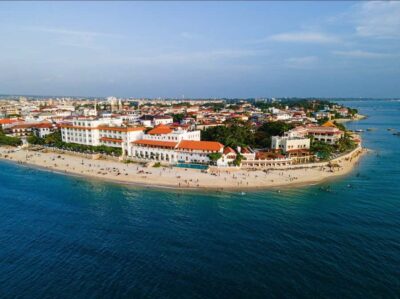
Stone Town, Spice Tour, Prison Island with Lunch
Read our review →
Stone Town, Spice tour & Prison Island with Lunch
Read our review →
Full-Day Private Stone Town +Spice Farm and Prison Island Tour
Read our review →
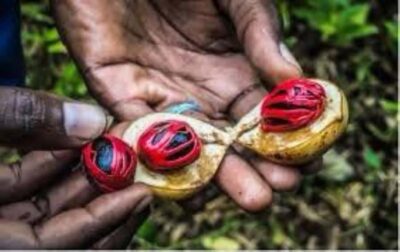

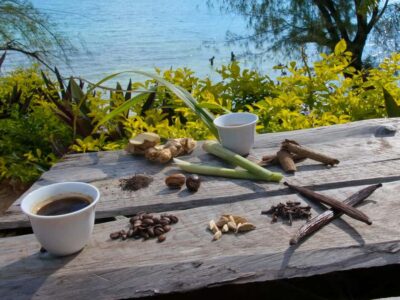
The Swahili Spice Experience – Spice Tour + Culinary Journey
Read our review →Browse the lists this tour appears in